Category: Cardiovascular Disease

Increase in Cardiovascular Disease Diagnoses after COVID

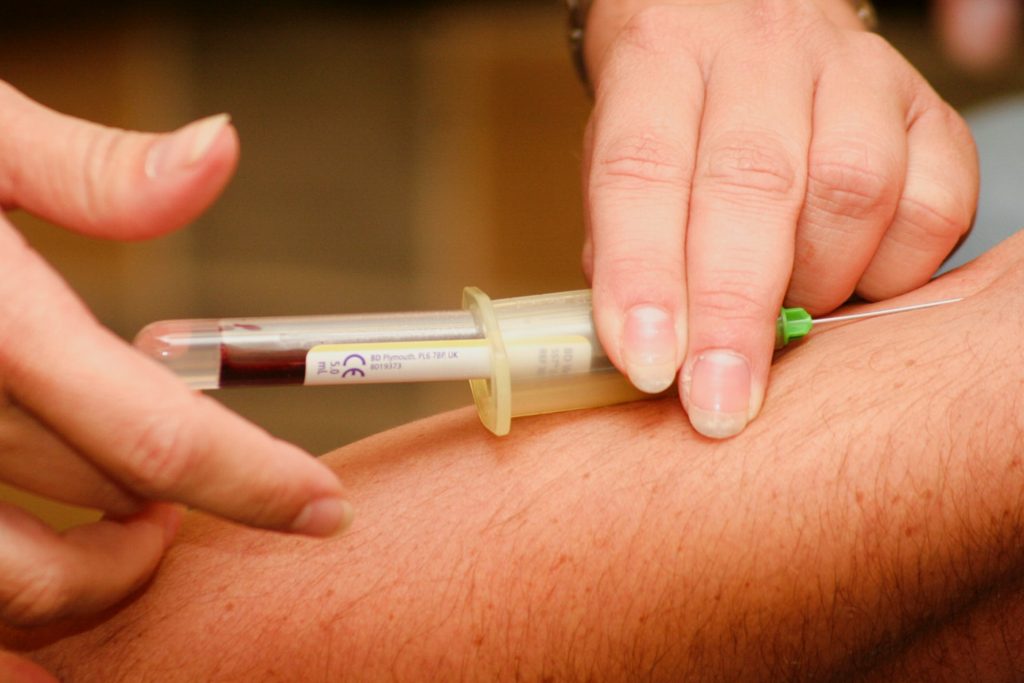
Image from Pixabay

A new study published in PLOS One found that COVID infection is associated with a nearly six-fold increase in cardiovascular disease (CVD) diagnoses over 12 months after the infection. 

The study analysed of UK electronic health records, comparing the risks of new diabetes mellitus (DM) and CVD diagnoses in the 12 months after infection. Researchers matched a cohort of 428 650 COVID patients matched to controls.

There was an 80% increased risk of DM diagnosis in the first month after COVID infection, a trend that has been echoed in previous studies, although those studies’ results seem to indicate a temporary form of the disease resulting from the acute stress of viral infection.

The findings showed that the largest increases were in pulmonary embolism (Relative Risk [RR] 11.51) and in atrial arrhythmias (RR 6.44). New CVD diagnoses rose five weeks after infection and incidence declined within 12 weeks to a year and returned to baseline or showed a net decrease. Increased risk for new DM diagnoses remained elevated by 27% for up to 12 weeks. 

“It’s definitely reassuring that over the longer timeframe, cardiovascular disease and diabetes risk does seem to return to baseline levels,” study author Emma Rezel-Potts, PhD, told The Guardian. “But we do have to be cautious in the acute period with cardiovascular disease and take note that the risk of diabetes seems to be elevated for several months, so that could be a good opportunity for risk prevention.” 

She also stressed that the findings could be explained by many factors. For example, the COVID patients in the study were more likely to be overweight and had more underlying health problems compared to uninfected controls, predisposing them to DM and CVD. Additionally, some may have had underlying conditions which were discovered when they were treated for COVID.

Source: The Guardian

Blood Vascular Network Retains the ‘Memory’ of a Stroke

Credit: American Heart Association

A study into the structure of blood vascular network structure found that it is dynamic and can adapt to external factors, resulting in a kind of memory of certain events such as an ischaemic stroke. In particular, the study researchers found that rarely used connections incrementally weaken until they disappear eventually.

Researchers from the Max Planck Institute for Dynamics and Self-Organization in Göttingen and the Technical University of Munich used computer simulations to model vascular networks and identified adaptation rules for their connections.

“We found that the strength of a connection within a network depends on the local flow,” explained Karen Alim, corresponding author of the study. “This means that links with a low flow below a certain threshold will decay more and more until they eventually vanish,” she continued. Since the limited amount of material available to build the vascular system needs to be efficiently used, this mechanism offers an elegant way to streamline the vascular system.

Persistent changes in the network

Once a connection has become very weak due to a low flow rate, recovering that connection is very difficult. For example, a blood vessel blockage of the type that could lead to an ischaemic stroke. During an ischaemic stroke, some blood vessels in the affected region are weakened by the blockage.

“We found that in such a case, adaptations in the network are permanent and are maintained after the obstacle is removed. One can say that the network prefers to reroute the flow through existing stronger connections instead of re-growing weaker connections – even if the flow would require the opposite,” explained Komal Bhattacharyya, principal author of the study.

The researchers have thus shown that blood flow permanently changes even after successful removal of the clot. This memory capability of networks can also be found in other living systems: for example, the slime mould Physarum polycephalum uses its adaptive network to navigate its environment based on imprints by food stimuli, as demonstrated previously.

The study was published in Physical Review Letters.

Source: Max Planck Institute for Dynamics and Self-Organization

Salt Restriction May Worsen HF with Preserved Ejection Fraction

Spilled salt shaker
Source: Pixabay CC0

Salt restriction has long been held to be a key component of heart failure treatment, but cutting back too much may actually worsen the outcomes for people with preserved ejection fraction, suggests research published in Heart.

The findings indicate that younger people and those of black and other ethnicities seem to be most at risk.

Salt restriction is frequently recommended in heart failure guidelines, but the optimal restriction range (from less than 1.5g to less than 3g daily) and its effect on patients with heart failure with preserved ejection fraction (HFpEF) is less clear as they have often been excluded from relevant studies.

HFpEF, which accounts for half of all heart failure cases, occurs when the lower left chamber of the heart (left ventricle) isn’t able to fill properly with blood (diastolic phase), so reducing the amount of blood pumped out into the body.

In a bid to explore the association with salt intake further, the researchers drew on  secondary analysis of data from 1713 people aged 50 and above with heart failure with preserved ejection fraction who were part of the TOPCAT trial.

A phase III, randomised, double-blind, placebo-controlled study, this trial was designed to find out if the drug spironolactone could effectively treat symptomatic heart failure with preserved ejection fraction.

Participants were asked how much salt they routinely added to the cooking of staples, such as rice, pasta, and potatoes; soup; meat; and vegetables, and this was scored as: 0 points (none); 1 (⅛tsp); 2 (¼tsp); and 3 (½+tsp).

They were followed up for an average of three years for the primary endpoint, a composite of death from cardiovascular disease or admission to hospital for heart failure plus aborted cardiac arrest. Secondary outcomes were all cause mortality and cardiovascular disease mortality plus hospitalisation for heart failure.

Around half the participants (816) had a cooking salt score of zero: more than half of them were men (56%) and most were of white ethnicity (81%). They weighed significantly more and had a lower diastolic blood pressure (70 mm Hg) than those with a cooking salt score above zero (897).

They had also been admitted to hospital more often for heart failure, were more likely to have type 2 diabetes, poorer kidney function, to be taking meds to control their heart failure, and to have a reduced left ventricular ejection fraction (lower cardiac output). 

Participants with a cooking salt score above zero were at significantly lower risk of the primary endpoint than those whose score was zero, mainly driven by the fact that they were less likely to be hospitalised for heart failure. But all-cause mortality or CVD mortality was no higher than those whose cooking salt score was zero.

Those aged 70 or younger were significantly more likely to benefit from adding salt to their cooking than were those older than 70 in terms of the primary endpoint and admission to hospital for heart failure. 

Similarly, those of black and other ethnicities seemed to benefit more from adding salt compared with white participants, although the numbers were small.

Gender, previous hospitalisation for heart failure, and the use of heart failure meds weren’t associated with heightened risks of the measured outcomes and cooking salt score.

This is an observational study, and as such, can’t establish cause. Not all relevant data from the TOPCAT trial were available, while the cooking salt score was self-reported, acknowledge the researchers. And reverse causation, whereby people with poorer health might have been advised to further restrict their salt intake, can’t be ruled out. 

Lower sodium intake is usually associated with lower blood pressure and a reduced risk of cardiovascular disease in the general public and in those with high blood pressure. It is thought that it reduces fluid retention and the triggering of the hormones involved in blood pressure regulation.

But restricting salt intake to control heart failure is less straightforward, say the researchers. It may prompt intravascular volume contraction, which could, in turn, reduce congestion and the requirement for water tablets to ease fluid retention. 

But the researchers pointed out that the that the volume of plasma in the blood, an indicator of congestion, wasn’t significantly associated with cooking salt score – suggesting that low sodium intake didn’t ease fluid retention in people with heart failure with preserved ejection fraction.

“Overstrict dietary salt intake restriction could harm patients with [heart failure with preserved ejection fraction] and is associated with worse prognosis. Physicians should reconsider giving this advice to patients,” they conclude.

Source: EurekAlert!

AI Picks up Incidental Pulmonary Embolism on Chest CT

Photo by Kanasi on Unsplash

According to a study published in the American Journal of Roentgenology, an AI tool for detection of incidental pulmonary embolus (iPE) on conventional contrast-enhanced chest CT examinations had high false negative and moderate false positive rates for detection, and was even able to pick up some iPEs missed by radiologists.

“Potential applications of the AI tool include serving as a second reader to help detect additional iPEs or as a worklist triage tool to allow earlier iPE detection and intervention,” wrote lead investigator Kiran Batra from the University of Texas Southwestern Medical Center in Dallas. “Various explanations of misclassifications by the AI tool (both false positives and false negatives) were identified, to provide targets for model improvement.”

Batra and colleagues’ retrospective study included 2,555 patients (1,340 women, 1,215 men; mean age, 53.6 years) who underwent 3,003 conventional contrast-enhanced chest CT examinations between September 2019 and February 2020 at Parkland Health in Dallas, TX. Using an FDA-approved, commercially available AI tool (Aidoc) to detect acute iPE on the images, a vendor-supplied natural language processing algorithm was then applied to the clinical reports to identify examinations interpreted as positive for iPE.

Ultimately, the commercial AI tool had NPV of 99.8% and PPV of 86.7% for detection of iPE on conventional contrast-enhanced chest CT examinations (ie, not using CT pulmonary angiography protocols). Of 40 iPEs present in the team’s study sample, 7 were detected only by the clinical reports, and 4 were detected only by AI.

Noting that both the AI tool and clinical reports detected iPEs missed by the other method, “the diagnostic performance of the AI tool did not show significant variation across study subgroups,” the authors added.

Source: American Roentgen Ray Society

Nuclear Stress Testing Identifies Candidates Most in Need of Angioplasty

Photo by Robina Weermeijer on Unsplash

Patients identified by nuclear stress testing as having severe stress-induced myocardial ischaemia may benefit from angioplasty, while those with mild or no ischaemia will not, according to a new study reported in the Journal of the American College of Cardiology.

Following stress testing, coronary revascularisation restores blood flow to blocked arteries. For patients with severe ischaemia, early revascularisation saw a more than 30% reduction in mortality compared to patients with severe ischaemia who were treated with medication, but there was no benefit for the other groups.

Conducted by the Icahn School of Medicine at Mount Sinai, this is the first large-scale study to investigate stress testing in patient management when applied to the full spectrum of patients who have both varying degrees of myocardial ischaemia and heart function. This new study can help guide physicians on how to manage caring for patients with suspected heart disease.

Stress tests are indicated when physicians suspect that a patient’s chest pain or other clinical symptoms are from coronary artery disease (CAD). These help determine if a patient has obstructive CAD which leads to significant ischaemia. If the ischaemia due to obstructive CAD is severe, adequate blood flow can be restored with coronary artery bypass grafting surgery or percutaneous coronary intervention (PCI), where a catheter is used to place stents in the blocked coronary arteries. Nuclear stress testing is the most common stress test used to detect myocardial ischaemia.

“There is keen interest in assessing how measurement of myocardial ischaemia during stress testing can help shape physicians’ decision to refer patients for coronary revascularisation procedures, but this issue has not been well studied among patients who have underlying heart damage,” explains lead author Alan Rozanski, MD. “Our study, which evaluated a large number of patients with pre-existing heart damage who underwent cardiac stress testing, finally addresses this clinical void.”

The researchers analysed records of more than 43 000 patients who underwent nuclear stress testing with suspected CAD between 1998 and 2017 with a median 11-year follow-up for mortality/survival. The investigators grouped patients according to both their level of myocardial ischaemia during stress testing as well as their left ventricular ejection fraction (LVEF). Low LVEF measurements indicate prior heart damage that could be from scarring of the heart due to a prior heart attack.

The study provides two important clinical insights. First, the study showed that the frequency of myocardial ischemia during stress testing varies according to patients’ heart function. Of the 39 883 patients with normal heart function (LVEF > 55%), fewer than 8% of them had ischaemia. However, among the 3560 patients with reduced heart function (LVEF less than 45%, which indicates prior heart damage), more than 40% of them had myocardial ischaemia. The study also showed that the presence of myocardial ischaemia increases the risk of death in patients with normal and reduced heart function. Among both groups of patients, performing bypass or PCI procedures was not associated with improved survival among patients with either no or only mild ischaemia during the cardiac stress test. Among patients with severe ischaemia, coronary procedures were associated with more than 30% higher survival rates compared to those managed with medication only. This was the case for patients with and without heart damage.

“These results confirm the benefits of stress testing for clinical management. What you want from any test when considering coronary revascularisation procedures is that the test will identify a large percentage of patients who are at low clinical risk and do so correctly, while identifying only a small percentage of patients who are at high clinical risk and do so correctly. That is what we found with nuclear stress testing in this study,” explains Dr Rozanski. “Importantly, the presence of severe ischaemia does not necessarily mean that coronary revascularisation should be applied. New data from a large clinical trial suggests that when medical therapy is optimised it may be as effective as coronary revascularisation in such patients. But regardless, the presence of severe ischaemia indicates high clinical risk which then requires aggressive management to reduce clinical risk.”

Source: The Mount Sinai Hospital / Mount Sinai School of Medicine

Type of Macular Degeneration Linked to Cardiovascular Disease

Credit: National Eye Institute

Patients with a certain subtype of age-related macular degeneration (AMD) are at significant risk for cardiovascular disease and stroke, according to new research published in Retina.

“For the last three decades researchers have suggested an association between AMD and cardiovascular disease, but there has been no conclusive data on this until now. Our retinal team answered this important question by focusing on two different varieties of AMD that can be seen with advanced retinal imaging. We discovered that only one form of AMD, that with subretinal drusenoid deposits, is tightly connected to high-risk vascular diseases, and the other form, known as drusen, is not,” explained lead author R. Theodore Smith, MD, PhD, Professor at Mount Sinai. “If ophthalmologists diagnose or treat someone with the specific subretinal drusenoid deposits form of AMD, but who otherwise seems well, that patient may have significant undetected heart disease, or possibly carotid artery stenosis that could result in a stroke. We foresee that in the future, as an improved standard of care, such patients will be considered for early referral to a cardiologist for evaluation and possibly treatment.”

AMD is the leading cause of visual impairment and blindness over the age of 65. Drusen is one major form of early AMD: small yellow cholesterol deposits form in a layer under the retina, depriving it of blood and oxygen, leading to vision loss. Drusen formation can be slowed by appropriate vitamin supplementation.

The other major form of early AMD is the presence of subretinal drusenoid deposits (SDD), which is lesser known, which needs advanced retinal imaging to detect. These deposits are also made of fatty lipids and other materials, but form in a different layer beneath the light sensitive retina cells, where they are also associated with vision loss. There is no known treatment for SDD at present.

Mount Sinai researchers analysed 126 patients with AMD, using optical coherence tomography (OCT) which captures high-resolution cross-sectional scans of the retina. Patients also answered health history questionnaires. Of the patients on the study, 62 had SDD and 64 had drusen; 51 of the 126 total patients (40%) reported having cardiovascular disease or a past stroke, and most (66%) of those patients had SDD. By contrast, of the 75 patients who did not have known heart disease or stroke, relatively few (19%) had SDD. The odds of patients with cardiovascular disease or stroke having SDD was three times than in patients without.

The researchers suggested that the underlying cardiovascular disease likely compromises blood circulation in the eye, leading to the SDDs beneath the retina.

“We believe poor ocular circulation that causes SDDs is a manifestation of underlying vascular disease. This has important public health implications and can facilitate population screening and disease detection with major impact,” explained author Jagat Narula, MD, PhD, Associate Dean of Global Affairs and Professor of Medicine (Cardiology), and Radiology, at the Icahn School of Medicine at Mount Sinai. “Seen in an eye clinic, such patients should be prompted to see a cardiologist. On the other hand, if clinically substantiated in prospective studies, SDDs could emerge as a risk marker for underlying vascular disease in asymptomatic patients in primary care or a cardiology clinic. The temporal relationship between SDDs and macrovascular disease will also need to be established in prospective studies which are currently in progress.”

Analysis of patient blood samples revealed genetic risk factors may also play a role in SDD cases in addition to vascular causes. Specifically, they found that the ARMS2 gene acted independently of vascular disease to cause SDD in some patients.

“This study further demonstrates that AMD is not a single condition or an isolated disease, but is often a signal of systemic malfunction which could benefit from targeted medical evaluation in addition to localised eye care,” noted Richard B. Rosen, MD, Chief of the Retina Service for the Mount Sinai Health System. “It helps bring us one step closer to unraveling the mystery of this horrible condition which robs so many patients of the pleasure of good vision during their later years. “

Source: The Mount Sinai Hospital / Mount Sinai School of Medicine

Sleep Now Part of American Heart Association’s Cardiovascular Health Score

Sleeping man
Photo by Mert Kahveci on Unsplash

Sleep duration is now considered an essential component for ideal heart and brain health. Life’s Essential 8™ cardiovascular health score replaces Life’s Simple 7™, according to a new American Heart Association advisory published in Circulation.

Other updates to the measures of optimal cardiovascular health, now for anyone ages 2 and older, include a new guide to assess diet; accounting for exposure to second-hand smoke and vaping; using non-HDL cholesterol instead of total cholesterol to measure blood lipids; and expanding the blood sugar measure to include haemoglobin A1c to assess Type 2 diabetes risk.

“The new metric of sleep duration reflects the latest research findings: sleep impacts overall health, and people who have healthier sleep patterns manage health factors such as weight, blood pressure or risk for Type 2 diabetes more effectively,” said American Heart Association President Professor Donald M. Lloyd-Jones, MD, who led the advisory writing group. “In addition, advances in ways to measure sleep, such as with wearable devices, now offer people the ability to reliably and routinely monitor their sleep habits at home.”

The Association first defined the seven metrics for cardiovascular health in 2010 to identify the specific health behaviours and health factors that drive optimal heart and brain health.

After 12 years and more than 2400 scientific papers on the topic, new discoveries in heart and brain health and in the ways to measure cardiovascular health provided an opportunity to revisit each health component in more detail. Four of the original metrics have been redefined for consistency with newer clinical guidelines or compatibility with new measurement tools. Also, the scoring system can now be applied to anyone ages 2 and older.

The Life’s Essential 8™ components of optimal cardiovascular health are divided into two major areas: health behaviours (diet, physical activity, nicotine exposure and sleep) and health factors (BMI, cholesterol levels, blood sugar and blood pressure). “The idea of optimal cardiovascular health is important because it gives people positive goals to work toward at any stage of life,” said Lloyd-Jones.

“Life’s Simple 7™ has served as a proven, powerful tool for understanding how to achieve healthy aging and ways to improve cardiovascular health while decreasing the risks of developing heart disease and stroke, as well as cancer, dementia and many other chronic diseases,” he said. “Given the evolving research, it was important to address some limitations to the original metrics, particularly in ways they’ve been applied to people from diverse racial and ethnic populations.”

Prof Lloyd-Jones explained that some of the previous metrics, such as diet, were not as sensitive to differences among people, or as responsive to changes over time within a single individual. “We felt it was the right time to conduct a comprehensive review of the latest research to refine the existing metrics and consider any new metrics that add value to assessing cardiovascular health for all people.”

Life’s Essential 8™ includes:

  1. Diet (updated):  A new guide to assess diet quality for adults and children at the individual level (for individual health care and dietary counselling) and at the population level (for research and public health purposes).
  2. Physical activity (no changes): The optimal level is 150 minutes of moderate physical activity or more per week or 75 minutes per week of vigorous-intensity physical activity for adults; 420 minutes or more per week for children ages 6 and older; and age-specific modifications for younger children.
  3. Nicotine exposure (updated): Use of inhaled nicotine-delivery systems, which includes e-cigarettes or vaping devices, is added since the previous metric only monitored traditional, combustible cigarettes. This reflects use by adults and youth and their implications on long-term health. Life’s Essential 8™ also includes second-hand smoke exposure for children and adults.
  4. Sleep duration (new): Sleep duration is associated with cardiovascular health. Measured by average hours of sleep per night, the ideal level is 7-9 hours daily for adults. Ideal daily sleep ranges for children are 10-16 hours per 24 hours for ages 5 and younger; 9-12 hours for ages 6-12 years; and 8-10 hours for ages 13-18 years.
  5. Body mass index (no changes): The writing group acknowledges that body mass index (BMI) is an imperfect metric, yet it is easily calculated and widely available; therefore, BMI continues as a reasonable gauge to assess weight categories that may lead to health problems. BMI of 18.5–24.9 is associated with the highest levels of cardiovascular health. The writing group notes that BMI ranges and the subsequent health risks associated with them may differ among people from diverse racial or ethnic backgrounds or ancestry. This aligns with the World Health Organization’s recommendations to adjust BMI ranges for people of Asian or Pacific Islander ancestry because recent evidence indicates their risk of conditions such as  CVD or Type 2 diabetes is higher at a lower BMI.
  6. Blood lipids (updated): The metric for blood lipids (cholesterol and triglycerides) is updated to use non-HDL cholesterol as the preferred number to monitor, rather than total cholesterol. Other forms of cholesterol, when high, are linked to CVD risk. This shift is made because non-HDL cholesterol can be measured without fasting beforehand (thereby increasing its availability at any time of day and implementation at more appointments) and reliably calculated among all people.
  7. Blood glucose (updated): This metric is expanded to include the option of haemoglobin A1c readings or blood glucose levels for people with or without Type 1 or Type 2 diabetes or prediabetes. Haemoglobin A1c can better reflect long-term glycaemic control.
  8. Blood pressure (no changes): Blood pressure criteria remain unchanged from the Association’s 2017 guidelines that established levels less than 120/80 mm Hg as optimal, and hypertension defined as 130-139 mm Hg systolic pressure (the top number in a reading) or 80-89 mm Hg diastolic pressure (bottom number).

Each component of Life’s Essential 8™, which is assessed by the My Life Check tool, has an updated scoring system ranging from 0 to 100 points. The overall cardiovascular health score from 0 to 100 points is the average of the scores for each of the 8 health measures. Overall scores below 50 indicate “poor” cardiovascular health, and 50-79 is considered “moderate” cardiovascular health. Scores of 80 and above indicate “high” cardiovascular health. The advisory recommends measuring cholesterol, blood sugar, blood pressure, height and weight at least every five years for the most complete and accurate Life’s Essential 8™ score.

The writing group also reviewed data about the impacts of stress, mental health and social determinants of health, such as access to health care, income or education level, and structural racism, which are critical to understanding the foundations of health, particularly among people from diverse racial and ethnic populations.

“We considered social determinants of health carefully in our update and determined more research is needed on these components to establish their measurement and inclusion in the future,” said Lloyd-Jones. “Nonetheless, social and structural determinants, as well as psychological health and well-being, are critical, foundational factors in an individual’s or a community’s opportunity to preserve and improve cardiovascular health. We must consider and address all of these issues for people to have the opportunity for a full, healthy life as measured by Life’s Essential 8™.”

Source: American Heart Association

Post-operative AF Linked to Risk of Hospitalisation for Heart Failure

Associations between post-operative atrial fibrillation and incident heart failure hospitalisations. Credit: European Heart Journal

A study of over three million patients found that people who develop an atrial fibrillation (AF) after undergoing surgery have an increased risk of subsequent hospitalisation for heart failure.

The study, which is published in the European Heart Journal, showed that the risk of hospitalisation for heart failure among patients who developed AF after surgery increased regardless of whether or not the surgery was for a heart condition.

Among 76 536 patients who underwent heart surgery, 18.8% developed post-operative AF and the risk of hospitalisation for heart failure increased by a third compared to patients who did not develop AF. Among 2 929 854 patients without a history of heart disease who had surgery for non-heart-related conditions, 0.8% developed AF and the risk of hospitalisation for heart failure doubled.

The study’s first author, Dr Parag Goyal, Associate Professor of Medicine at Weill Cornell Medicine, said: “Our study, which to our knowledge is the largest study to date, shows that post-operative atrial fibrillation is associated with future heart failure hospitalisations. This could mean that atrial fibrillation is an important indicator of underlying but not yet detected heart failure; or it could mean that atrial fibrillation itself contributes to the future development of heart failure. While this study could not specifically address which of these mechanisms are at play, our hope is that this study will inspire future work into exploring the underlying mechanism seen in our important findings.

“Regardless of the mechanism, our study shows that post-operative atrial fibrillation is clearly an important entity that merits attention and incorporation into decision making. Most importantly, patients and doctors need to be more vigilant about heart failure symptoms among patients who develop post-operative atrial fibrillation. Those who do develop the condition may require more aggressive treatments for other risk factors for heart failure, such as high blood pressure, diabetes and narrowing of the arteries.”

Post-operative AF occurs in up to 40% of patients undergoing heart surgery and 2% of patients undergoing non-cardiac surgery. Doctors have tended to view it as a benign event, triggered by the stress of the surgery – but evidence is emerging that post-operative AF is linked to longer term problems such as stroke and death from any cause. Until now, there has been limited evidence regarding its association with subsequent heart failure.

For the current, retrospective study, the researchers collected data on hospital health claims from 2016 to 2018, adjusting for factors that could affect the results such as age, sex, race, insurance status, medical history and body mass index.

Study limitations include its observational nature which can only establish association, not causation. The study relies on administrative claims data and medical codes to identify medical conditions; it lacks more detailed information like management strategies for post-operative AF, and on the function and size of the left ventricle, which could affect the likelihood of developing AF.

The researchers hope to conduct further studies to understand the underlying mechanism and to investigate ways of preventing future hospitalisations for heart failure among patients who develop post-operative AF.

The researchers wrote in the conclusion that “In the meantime, clinicians should be aware that POAF [post-operative AF] may be a harbinger of HF.”

In an accompanying editorial, Dr Melissa Middeldorp and Professor Christine Albert, both from the Smidt Heart Institute at Cedars-Sinai, California, USA, write: “These data add to a growing body of literature suggesting that POAF is not just a transient response to surgery but may be reflective of underlying atrial and myocardial structural changes that not only predispose to the acute AF event but to other potentially related adverse cardiovascular events, such as HF hospitalisation.”

They write that further studies are needed for a better understanding of the mechanisms involved in placing people at greater risk of AF and post-operative heart failure is needed in order to reduce hospitalisation and deaths after surgery.

“With a greater understanding of patients’ full risk factor profile, we may advocate for early aggressive intervention at the initial manifestation of POAF, to improve outcomes and reduce rehospitalisation following cardiac and non-cardiac surgery,” they concluded.

Source: European Society of Cardiology

New Study Launched to Examine How Sleeps Aids Stroke Recovery

Sleeping woman
Photo by Cottonbro on Pexels

Researchers at the University of East Anglia are launching a new study to investigate how sleep can aid in stroke recovery, by examining whether people’s sleep patterns influence recovery of neuromuscular function.

Lead researcher Prof Valerie Pomeroy, from UEA’s School of Health Sciences, said: “We want to better understand how the brain recovers after a stroke – so we will be investigating how stroke survivors regain movement, and how this is influenced by sleep and time.

“We hope to find out more about sleep patterns that are beneficial for movement recovery after stroke.”

The team are looking for people in the region who have had a stroke to take part in the study. Participants will undertake measures of daily activity, sleep and movement.

The project will involve measuring people’s movement using small sensors placed on the skin’s surface that record natural muscle activity whilst they carry out a daily task – picking up a telephone.

Participants will be asked to attend two visits at the university, during which participants will undertake the movement measures and complete questionnaires about how they sleep. 

In-between visits, participants will wear a motion watch on each wrist for seven days to measure their everyday activity at home.

Prof Valerie Pomeroy said: “There is strong evidence that physiotherapy improves the ability of people to move and be independent after a stroke.  But at six months after stroke many people remain unable to produce the movement needed for everyday activity such as answering a telephone. 

“We are undertaking this study to understand more about whether this situation could be improved by using interventions to change a patient’s sleep pattern and thus improve recovery of movement ability.”

Source: University of East Anglia

In Diabetes, Oestrogen Protects Against Cardiomyopathy

Source: Pixabay CC0

Oestrogen may protect diabetes patients from cardiomyopathy, according to research published in Circulation: Heart Failure. The study showed that severe insulin resistance in the heart causes cardiomyopathy and death in male mice, but also showed that oestrogen protected female mice.

“Cardiovascular disease is the major cause of morbidity and mortality for diabetic patients,” explained Shaodong Guo, PhD, primary investigator for the study at Texas A&M.

“Previous studies have shown that while there’s a lower instance of both cardiovascular disease and Type 2 diabetes in premenopausal women than in their age-matched male counterparts, these incidences rise sharply after female menopause,” Prof Guo said.

This indicates that the ovaries and ovarian hormones, such as oestrogen, may protect from Type 2 diabetes and cardiovascular diseases, he said.

The study investigated the role of ovaries and oestrogen in cardiac function and energy metabolism with mice who had the the cardiac insulin receptor substrate, IRS, modified or suppressed to mimic cardiac insulin resistance.

“Our previous studies reported that impaired cardiac insulin signalling with loss of insulin receptor substrate IRS1 and IRS2 genes leads to death of male mice,” he said. “In this study, we wanted to know how the removal of the ovaries might affect cardiomyopathy in female mice and also what other impacts the loss of insulin receptors might have on energy metabolism and mitochondrial function.” 

Insulin resistance and signaling

About 90–95% of patients with Type 2 diabetes suffer from insulin resistance, a risk factor for heart failure. In healthy tissue, insulin binds to insulin receptors, activating a network of intracellular signalling pathways. Disruptions in these signalling pathways have been linked to mitochondrial dysfunction, cardiomyopathy, and impaired glucose and fatty acid metabolism, among other health issues.

In this study, mice lacking IRS developed dilated cardiomyopathy, and analysis showed lowered activity of genes important for mitochondrial function and energy metabolism.

“Type 2 diabetes patients and insulin-resistant patients exhibit mitochondrial dysfunction,” Prof Guo explained.

The study fills in some blanks in understanding the role of insulin and estrogen signaling in mitochondrial function.

Study findings

Guo said there were four important findings from the study:

  • All female mice that lacked insulin receptor substrates survived for more than a year.
  • Female mice without insulin receptor substrates were less likely to experience severe cardiac dysfunction and death if they had ovaries. If the mice also lacked ovaries but received oestrogen, it prolonged their lifespans. Doses of oestrogen also protected IRS-altered male mice from heart dysfunction. 

Guo said oestrogen also prevents cardiomyopathy induced by loss of cardiac insulin receptor substrates.

“And removal of the ovaries leads to the death of female cardiac IRS1 and IRS2 double genes knockout mice if there is no reintroduction of oestrogen,” he said.

Loss of IRS1 and IRS2 genes in heart tissue disrupts cardiac energy metabolism, gene activity involved in mitochondrial function, and whole-body energy metabolism. However, oestrogen partially reverses these effects.

Oestrogen is important for healthy cellular signalling pathways and promotes mitochondrial function.

Prof Guo said the study shows that oestrogen enhances cardiac function, promotes energy metabolism, prevents cardiomyopathy and prolongs survival in both male and ovariectomy female mice lacking the insulin receptor substrates.  

“This study provides evidence for the gender difference for the incidence of cardiovascular disease and implies that oestrogen replacement therapy is feasible for the treatment of diabetic cardiomyopathy through enhancement of mitochondrial function and energy metabolism,” he said. “It also reveals some of the signalling pathways that may be potential therapeutic targets for the prevention or treatment of cardiovascular diseases in patients with Type 2 diabetes.” 

Guo also noted that diet could also play a role with oestrogens in foods.

“The study implies that food-derived oestrogens or phytoestrogens may play similar roles to oestrogen, as observed in mice,” he said. “This may help us reshape our knowledge of nutrient and food sciences related to plant hormones that can modulate chronic metabolic diseases such as Type 2 diabetes and associated cardiovascular complications.”

Source: Texas A&M University