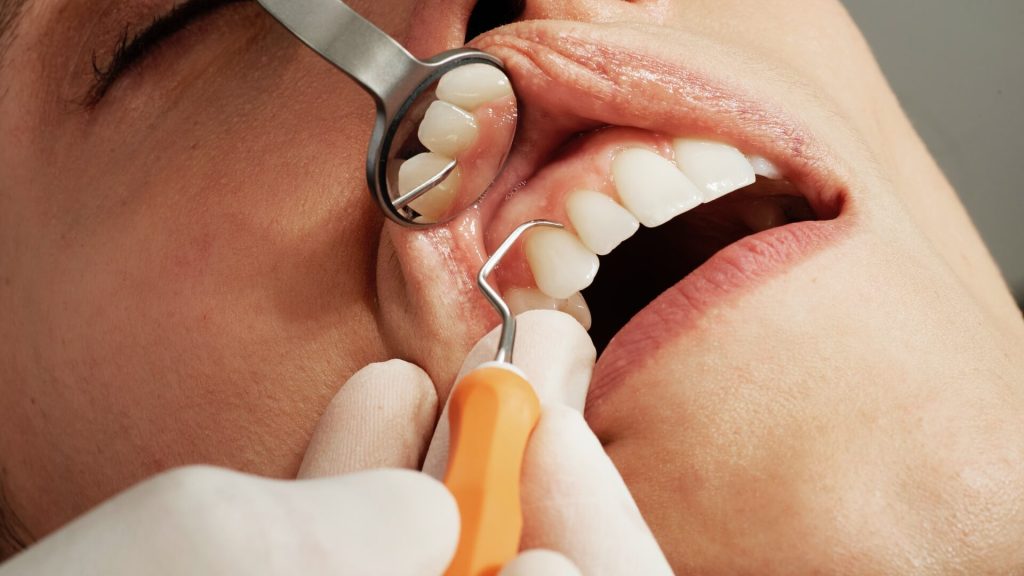
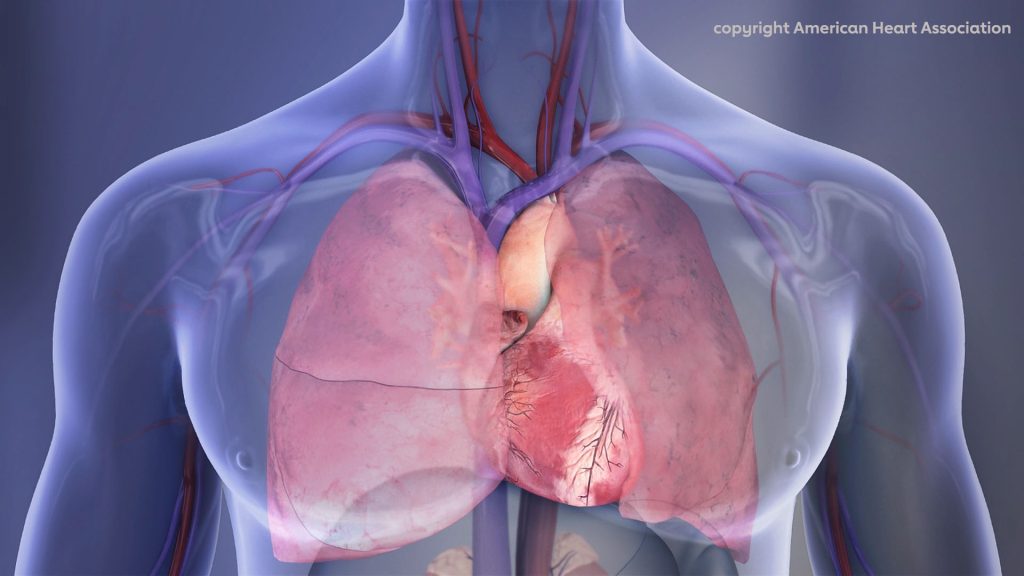
Periodontitis can lead to a litany of dental issues from bad breath to bleeding and tooth loss, and has long been suspected to be connected to other negative health outcomes in the body. Researchers at Hiroshima University have now found evidence that periodontitis could be connected to atrial fibrosis and arrythmias.
In a study published in JACC: Clinical Electrophysiology, the team found a significant correlation between periodontitis and fibrosis (which is scarring to an appendage of the heart’s left atrium that can lead to an irregular heartbeat called atrial fibrillation) in a sample of 76 patients with cardiac disease.
“Periodontitis is associated with a long-standing inflammation, and inflammation plays a key role in atrial fibrosis progression and atrial fibrillation pathogenesis,” said first author Shunsuke Miyauchi, assistant professor with the Hiroshima University’s Health Service Center. He is also affiliated with the university’s Graduate School of Biomedical and Health Sciences. “We hypothesised that periodontitis exacerbates atrial fibrosis. This histological study of left atrial appendages aimed to clarify the relationship between clinical periodontitis status and degree of atrial fibrosis.”
The left atrial appendages were surgically removed from the patients, and the researchers analysed the tissue to establish the correlation between severity of the atrial fibrosis and severity of the gum disease. They found that the worse the periodontitis, the worse the fibrosis, suggesting that the inflammation of gums may intensify inflammation and disease in the heart.
“This study provides basic evidence that periodontitis can aggravate atrial fibrosis and can be a novel modifiable risk factor for atrial fibrillation,” said corresponding author Yukiko Nakano, professor of cardiovascular medicine in Hiroshima University’s Graduate School of Biomedical and Health Sciences.
According to Nakano, in addition to improving other risk factors such as weight, activity levels, tobacco and alcohol use, periodontal care could aid in comprehensive atrial fibrillation management. However, she cautioned that this study did not establish a causal relationship, meaning that while gum disease and atrial fibrosis degrees of severity appear connected, researchers have not found that one definitively leads to the other.
“Further evidence is required for establishing that periodontitis contributes to the atrial fibrosis in a causal manner and that periodontal care can alter fibrosis,” Nakano said. “One of our goals is to confirm that periodontitis is a modifiable risk factor for atrial fibrillation and to promote dental specialists’ participation in comprehensive atrial fibrillation management. Periodontitis is an easy modifiable target with lower cost among known atrial fibrillation risk factors. Thus, the achievement of this study series may bring benefits for many people worldwide.”
Next, the researchers said they hope to conduct future clinical trials to clarify if periodontal intervention reduces atrial fibrillation occurrence and improves patient outcomes.
Experts led by researchers from the Murdoch Children’s Research Institute have created the world’s first international clinical guidelines to help prevent and treat heart complications in children undergoing cancer treatment.
Published in JACC:Advances, the guidelines cover cardiovascular disease assessment, screening and follow-up, for paediatric patients receiving cancer treatment with new molecular therapies, immunotherapy, chemotherapy and radiotherapy.
The expert consensus has defined the high-risk group of cancer patients who should undergo a heart check-up, standardised an approach to screening and surveillance during treatment and provided recommendations to protect vulnerable young hearts.
Murdoch Children’s Associate Professor Rachel Conyers said while international guidelines to monitor poor heart side effects during therapy exist for adult patients, none were specific to children.
Associate Professor Conyers said the success of new cancer drugs had increased the chances of cardiac side effects that occur early on during therapy, sometimes within days, which warranted closer heart health surveillance and earlier monitoring.
“Recent advances in treating childhood cancer have resulted in survival rates of more than 80 percent. However, improving serious health outcomes in survivors remains an important and essential focus and prevention is key,” she said.
“Heart complications are a leading cause of death for childhood cancer survivors, second only to cancer relapse. Modern treatments including precision medicine have broadened the agents that can cause heart problems.”
Childhood cancer survivors are 15 times more likely to have heart failure and eight times more likely to have heart disease than the general population.
Associate Professor Conyers said the guidelines would be an indispensable tool for clinicians to significantly reduce the harmful impact of cancer drugs on children’s hearts.
“The guidelines are a major advance for the cardio-oncology field as before this there was no defined approach for surveillance or follow up of pediatric patients during treatment despite new therapeutics having early heart complications such as high blood pressure, abnormal heart beats and heart failure,” she said.
The Australian and New Zealand expert group consisted of pediatric and adult cardiologists and pediatric oncologists who undertook a Delphi consensus approach across 11 areas of cardio-oncology care. The Australian New Zealand Children’s Oncology Group endorsed the study with the guidelines useful for any tertiary institutes treating pediatric oncology patients or initiating cardio-oncology clinics.
Researchers have found that, in animal studies, the hypertension drug rilmenidine can extend lifespan and slow ageing. Published in Aging Cell, the findings show that animals treated with rilmenidine at young and older ages increases lifespan and improves health markers by mimicking the effects of caloric restriction.
They also demonstrate that the healthspan and lifespan benefits of rilmenidine treatment in the roundworm C. elegans are mediated by the I1-imidazoline receptor nish-1, identifying this receptor as a potential longevity target.
With side-effects being rare and non-severe, unlike other drugs previously studied for this purpose by the researchers, the widely-prescribed antihypertensive has potential for future translatability.
A caloric restriction diet has thus far proved to be the most robust anti-ageing intervention, promoting longevity across species. However, studies of caloric restriction in humans have had mixed results and side effects, meaning finding medications like rilmenidine that can mimic the benefits of caloric restriction is the most reasonable anti-ageing strategy.
Professor João Pedro Magalhães, who led the research whilst at the University of Liverpool and is now based at the University of Birmingham, said: “With a global ageing population, the benefits of delaying ageing, even if slightly, are immense. Repurposing drugs capable of extending lifespan and healthspan has a huge untapped potential in translational geroscience. For the first time, we have been able to show in animals that rilmenidine can increase lifespan. We are now keen to explore if rilmenidine may have other clinical applications.”
A new American Heart Association scientific statement suggests surgery be considered for more people with high-risk pulmonary embolism (PE). The statement, published in the journal Circulation, also calls for data quality registries for high-risk patients with pulmonary embolism and more research to better understand the disease process and effective treatments.
Nearly 45% of patients experiencing PE will progress to severe symptoms, where the clot causes high pressure in the lungs and subsequent damage to the right heart chamber, with a high risk of death. Even therapy following current guideline-directed treatment has a high rate of death, estimated at approximately 40% of cases in some groups.
Treatment options for patients with severe pulmonary embolism include anticoagulation therapy or thrombolysis (either intravenously or via catheter procedure), or advanced surgical interventions such as surgical embolectomy and mechanical circulatory support. Often, surgical techniques are a last resort after other treatments are unsuccessful. The statement suggests that considering surgery earlier may help improve survival for patients with severe PE.
“This statement demonstrates that modern surgical management strategies and mechanical circulatory support results in excellent survival (97%) even among the sickest patients, including those who present with cardiac arrest and have had CPR,” said Joshua B. Goldberg, MD, chair of the statement writing group.
“Modern surgical strategies and mechanical circulatory support are drastically underutilised,” he said. “It is the hope of the multidisciplinary group of authors that this scientific statement will provide a greater awareness of the safety and efficacy of modern surgical management and mechanical circulatory support in treating the most unstable patients so that lives may be saved. In addition, we hope this statement will facilitate improved understanding of the disease process and effective treatments and encourage future research to improve the survival of patients with this common and deadly disease.”
The writing group proposes strategies to determine risk more accurately and identify earlier which PE patients may benefit from surgical intervention. They also suggest increased education for clinicians to encourage the use and integration of surgical strategies earlier in PE treatment. Additionally, the statement supports the development of patient registries, particularly focused on data that provides useful context for clinicians and surgeons to understand the progression from intermediate to high-risk pulmonary embolism and treatment outcomes across patients at various risk levels.
Hypertension and diabetes are known risk factors for stroke, but now a new study shows that the amount of risk may decrease as people age. The study is published in Neurology.
“High blood pressure and diabetes are two important risk factors for stroke that can be managed by medication, decreasing a person’s risk,” said study author George Howard, DrPH, of the University of Alabama at Birmingham School of Public Health. “Our findings show that their association with stroke risk may be substantially less at older ages, yet other risk factors do not change with age. These differences in risk factors imply that determining whether a person is at high risk for stroke may differ depending on their age.”
The study involved 28 235 people who had never had a stroke and were followed for 11 years. Risk factors included hypertension, diabetes, smoking, atrial fibrillation, heart disease and left ventricular hypertrophy. Because of the well-known higher stroke risk in Black people (comprising 41% of participants), race was also considered as part of the assessed risk factors, Howard added.
Researchers followed up with participants every six months, confirming strokes by reviewing medical records.
During the study, there were 1405 strokes over 276 074 person-years. Participants were divided into three age groups. The age ranges for those groups varied slightly depending on the data being analysed by researchers. In general, the younger group included participants ages 45–69, the middle group included people in their late 60s to 70s and the older group included people 74 and older.
Researchers found that people with diabetes in the younger age group were approximately twice as likely to have a stroke as people of similar age who did not have diabetes, while people with diabetes in the older age group had an approximately 30% higher risk of having a stroke than people of similar older age who did not have diabetes.
Researchers also found that people with high blood pressure in the younger age group had an 80% higher risk of having stroke than people of similar age without high blood pressure while that risk went down to 50% for people with high blood pressure in the older age group compared to people of similar age without high blood pressure.
With race/ethnicity as a risk factor, Black participants in the younger age group compared to White participants in that group, a difference which decreased in the older age group. For stroke risk factors such as smoking, atrial fibrillation and left ventricular hypertrophy, researchers did not find an age-related change in risk.
“It is important to note that our results do not suggest that treatment of high blood pressure and diabetes becomes unimportant in older age,” said Howard. “Such treatments are still very important for a person’s health. But it also may be wise for doctors to focus on managing risk factors such as atrial fibrillation, smoking and left ventricular hypertrophy as people age.”
Howard also noted that even where the impact of risk factors decreases with age, the total number of people with strokes at older ages may still be larger since overall risk of stroke increases with age. For example, in the younger age group for hypertension, researchers estimate that about 2.0% of normotensive people had a stroke, compared to 3.6% of hypertensive people. In the older age group, about 6.2% of normotensive people had a stroke, compared to 9.3% of hypertensive people.
A limitation of the research was that participants’ risk factors were assessed only once at the start of the study, and it’s possible they may have changed over time.
Doctors have demonstrated a new type of CT scan that lights up tiny nodules in the adrenal glands which give rise to hypertension in about 5% of hypertensive patients. enabling hypertension to be cured by their removal. The nodules are discovered in about 5% of hypertensive patients.
Published in The Journal of Hypertension, this work solves a 60-year problem of how to detect the hormone-producing nodules without a difficult and failure-prone catheter study that is available in only a few hospitals. The research also found that, when combined with a urine test, the scan detects a group of patients who come off all their blood pressure medicines after treatment.
The study, led by doctors at Queen Mary University of London and Barts Hospital, and Cambridge University Hospital, involved 128 participants for whom hypertension was found to be caused by aldosterone. The scan found that in two thirds of patients with elevated aldosterone secretion, this is coming from a benign nodule in just one of the adrenal glands, which can then be safely removed. The scan uses a very short-acting dose of metomidate, a radioactive dye that sticks only to the aldosterone-producing nodule.
The scan was as accurate as the old catheter test, but quick, painless and technically successful in every patient. Until now, the catheter test was unable to predict which patients would be completely cured of hypertension by surgical removal of the gland. By contrast, the combination of a ‘hot nodule’ on the scan and urine steroid test detected 18 of the 24 patients who achieved a normal blood pressure off all their drugs.
Professor Morris Brown, co-senior author of the study and Professor of Endocrine Hypertension at Queen Mary University of London, said: “These aldosterone-producing nodules are very small and easily overlooked on a regular CT scan. When they glow for a few minutes after our injection, they are revealed as the obvious cause of hypertension, which can often then be cured. Until now, 99% are never diagnosed because of the difficulty and unavailability of tests. Hopefully this is about to change.”
In most people with hypertension, the cause is unknown, and the condition requires life-long treatment by drugs. Previous research by the group at Queen Mary University discovered that in 5–10% of people with hypertension the cause is a gene mutation in the adrenal glands, which results in excessive amounts of the steroid hormone, aldosterone, being produced. Aldosterone causes salt retention, driving up blood pressure. Patients with excessive aldosterone levels in the blood are resistant to treatment with standard antihypertensives, and at increased risk of cardiovascular disease.
The anticoagulant drug heparin is widely given to patients with blood clotting disorders or after surgery to prevent complications. But it remains difficult to dose correctly, potentially leading to overdosing or underdosing. A team of Penn State researchers combined heparin with a protein fragment, peptide, to slow down the release of the drug and convey the medication directly to the site of a clot. They published their findings in the journal Small.
“We wanted to develop a material that can gradually deliver heparin over time rather than the current iteration that gets cleared from the body in a couple of hours,” said corresponding author Scott Medina, Penn State associate professor of biomedical engineering. “We also wanted to deliver the drug through the skin instead of through an IV.”
When mixed, positively charged peptides and negatively charged heparin bind to create a nanogranular paste that can be injected under the skin, forming a cache of material that is then diffused in the circulatory system and travels to blood clots when they appear. The turbulent flow of fluid near a blood clot triggers the two materials to separate, allowing heparin to begin its anticoagulating action.
“The peptide is ideal for pairing with heparin because it essentially blocks heparin’s action until it is needed in the body,” said Atip Lawanprasert, doctoral student in biomedical engineering and first author on the paper. “The peptide also has some anticoagulating properties on its own: It binds to platelets in the blood, enabling action at the clotting site.”
Without an added bonding agent, heparin applies its anti-clotting properties indiscriminately, not just at blood clot sites, and clears quickly, its half-life only 60 to 90 minutes. Using preclinical animal trials, researchers determined that the addition of peptide allows for a dramatic increase of heparin’s half-life, to up to nearly 24 hours.
“The peptide increases heparin’s effects by more than ten times longer than what is currently being used,” Medina said. “The increased half-life allows for sustained treatments for patients, less medication waste and more accurate dosing. Eventually, this could allow the medication to be injected under the skin just once a day, rather than an all-day IV drip.”
Next, researchers plan to replicate the study in a clinical setting, as well as study the effect of the medication’s toxicity with multi-day administration.
Research published in the journal Molecular Psychiatry suggest that clonidine, a 50-year-old blood pressure drug, could provide immediate treatment to the significant number of people emerging from the current pandemic with PTSD, as well as from longer-established causes like wars and other violence.
Clonidine is commonly used as a hypertension medication and for ADHD. It’s also already been studied in PTSD because clonidine works on adrenergic receptors in the brain, likely best known for their role in “fight or flight,” a heightened state of response that helps keep us safe.
These receptors are thought to be activated in PTSD and to have a role in consolidating a traumatic memory. Clonidine’s sister drug guanfacine, which also activates these receptors, also has been studied in PTSD. Conflicting results from the clinical trials have clonidine, which has shown promise in PTSD, put aside along with guanfacine, which has not.
Laboratory evidence shows that while the two drugs bind to the same receptors, they do different things there, says Qin Wang, MD, PhD, neuropharmacologist and founding director of the Program for Alzheimer’s Therapeutics Discovery at MCG.
Large-scale clinical trials of clonidine in PTSD are warranted, the scientists write. Their studies also indicate that other new therapies could be identified by looking at the impact on activation of a key protein called cofilin by existing drugs.
The new studies looked in genetically modified mice as well as neurons that came from human stem cells, which have the capacity to make many cell types.
In the hippocampus, they found that a novel axis on an adrenergic receptor called ɑ2A is essential to maintaining fear memories which associate a place or situation, like the site of a horrific car accident, with fear or other distressing emotions that are hallmarks of PTSD.
In this axis, they found the protein spinophilin interacts with cofilin, which is known to control protrusions on the synapses of neurons called dendritic spines, where memories are consolidated and stored.
A single neuron can have hundreds of these spines which change shape based on brain activity and whose changing impacts the strength of the synapse, the juncture between two neurons where they swap information.
“Normally whenever there is a stimulation, good or bad, in order to memorize it, you have to go through a process in which the spines store the information and get bigger,” Wang says, morphing from a slender profile to a more mushroom-like shape.
“The mushroom spine is very important for your memory formation,” says corresponding author Wang. For these mushroom shapes to happen, levels of cofilin must be significantly reduced in the synapse where the spines reside. That is where clonidine comes in.
The scientists found clonidine interferes with cofilin’s exit by encouraging it to interact with the receptor which consequently interferes with the dendritic spine’s ability to resume a mushroom shape and retain the memory. Guanfacine, on the other hand, had no effect on this key player cofilin.
The findings help clarify the disparate results in the clinical trials of these two similar drugs, Wang says. In fact, when mice got both drugs, the guanfacine appeared to lessen the impact of clonidine in the essential step of reconsolidating – and so sustaining – a traumatic memory, indicating their polar-opposite impact at least on this biological function, Wang says.
There was also living evidence. In their studies that mimicked how PTSD happens, mice were given a mild shock then treated with clonidine right after they were returned to the place where they received the shock and should be recalling what happened earlier. Clonidine-treated mice had a significantly reduced response, like freezing in their tracks, compared to untreated mice when brought back to the scene. In fact, their response was more like the mice who were never shocked. Guanfacine had no effect on freezing behaviour.
Obviously, Wang says, they cannot know for certain how much the mice remember of what previously happened, but clearly those treated with clonidine did not have the same overt reaction as untreated mice or those receiving guanfacine.
“The interpretation is that they don’t have as strong a memory,” she says, noting that the goal is not to erase memories like those of wartime, rather diminish their disruption in a soldier’s life.
When a memory is recalled, like when you return to an intersection where you were involved in a horrific car wreck, the synapses that hold the memory of what happened there become temporarily unstable, or labile, before the memory restabilises, or reconsolidates. This natural dynamic provides an opportunity to intervene in reconsolidation and so at least diminish the strength of a bad memory, Wang says. Clonidine appears to be one way to do that.
Adrenergic drugs like clonidine bind to receptors in the central nervous system to reduce blood levels of the stress hormones you produce like epinephrine (adrenaline) and norepinephrine, which do things like increase blood pressure and heart rate.
Studies like one that came out 15 years ago, which only looked at guanfacine, indicated it was of no benefit in PTSD. But then in 2021, a retrospective look at a cohort of 79 veterans with PTSD treated with clonidine, for example, indicated 72% experienced improvement and 49% were much improved or very much improved with minimal side effects.
Previous basic science studies also have indicated that manipulating the adrenergic receptor can impact fear memory formation and memory, but how has remained unknown.
PTSD has emerged as a major neuropsychiatric component of the COVID-19 pandemic, affecting about 30% of survivors, a similar percentage of the health care workers who care for them and an estimated 20% of the total population, Wang says, which means the impact on human health and health care systems could be “profound.”
Psychotherapy is generally considered the most effective treatment for PTSD, and some medications, like antidepressants, can also be used, but there are limited drug options, with only two approved specifically for the condition, she says. The lack of approved drugs has led to off-label uses of drugs like clonidine.
Cofilin is a key element in helping muscle cells and other cell types contract as well as the flexibility of the cytoskeleton of the dendritic spine. A single neuron can have thousands of dendritic spines which change shape based on brain activity and whose changing shape impacts the strength of the synapse.
Adolescent and young adult (AYA) cancer survivors are at risk of experiencing treatment-related effects later in life, including cardiac damage. New research published in in CANCER has identified a number of sociodemographic and modifiable risk factors linked to these patients’ risk of developing cardiovascular disease (CVD).
The study by investigators at Duke University and The University of Texas MD Anderson Cancer Center relied on 2009–2018 data from the National Health Interview Survey, which collects information on a broad range of health topics through personal interviews of US households. Responses from 4766 AYA cancer survivors and 47 660 controls (without a history of cancer) were included.
The risk of CVD was significantly higher in survivors than controls by sex, race/ethnicity, income, education, smoking status, and physical activity.
In the AYA survivor population, male sex, Black race, household income under $50 000 a year, and current or former smoking were all associated with higher odds of CVD. Household income < $50 000 a year disproportionately increased the odds of CVD in survivors compared with controls. Performing any moderate to vigorous intensity physical activity was associated with lower CVD odds.
“These results highlight the importance of long-term surveillance of AYAs after cancer treatment to ensure that appropriate screenings are initiated to reduce the risk of CVD and to promote healthy behavioural changes, such as physical activity, which impact long-term CVD outcomes,” said lead author Amy Berkman, MD, of the Duke University School of Medicine.
Extremely hot and cold temperatures both increased the risk of death among people with cardiovascular diseases, such as ischaemic heart disease, stroke, heart failure and arrhythmia, according to new research published today in journal Circulation.
Among the cardiovascular diseases examined in this study, heart failure was linked to the highest excess deaths from extreme hot and cold temperatures.
“The decline in cardiovascular death rates since the 1960s is a huge public health success story as cardiologists identified and addressed individual risk factors such as tobacco, physical inactivity, Type 2 diabetes, high blood pressure and others. The current challenge now is the environment and what climate change might hold for us,” said Barrak Alahmad, MD, MPH, PhD, research fellow at Harvard University and Kuwait University.
Researchers analysed health data for more than 32 million cardiovascular deaths that occurred in 567 cities in 27 countries on 5 continents between 1979 and 2019.
Climate change is associated with substantial swings in extreme hot and cold temperatures, so the researchers examined both in the current study. For this analysis, researchers compared cardiovascular deaths on the hottest and the coldest 2.5% of days for each city with cardiovascular deaths on the days that had optimal temperature (the temperature associated with the least rates of deaths) in the same city.
For every 1000 cardiovascular deaths, the researchers found that:
Extreme hot days accounted for 2.2 additional deaths.
Extreme cold days accounted for 9.1 additional deaths.
Of the types of heart diseases, the greatest number of additional deaths was found for people with heart failure (2.6 additional deaths on extreme hot days and 12.8 on extreme cold days).
“One in every 100 cardiovascular deaths may be attributed to extreme temperature days, and temperature effects were more pronounced when looking at heart failure deaths,” said Haitham Khraishah, MD, co-author of the study. “While we do not know the reason, this may be explained by the progressive nature of heart failure as a disease, rendering patients susceptible to temperature effects. This is an important finding since one out of four people with heart failure are readmitted to the hospital within 30 days of discharge, and only 20% of patients with heart failure survive 10 years after diagnosis.”
Researchers suggest targeted warning systems and advice for vulnerable people may be needed to prevent cardiovascular deaths during temperature extremes.
“We need to be on top of emerging environmental exposures. I call upon the professional cardiology organisations to commission guidelines and scientific statements on the intersection of extreme temperatures and cardiovascular health. In such statements, we may provide more direction to health care professionals, as well as identify clinical data gaps and future priorities for research,” Alahmad said.
The underrepresentation of data from South Asia, the Middle East and Africa limits the ability to apply these findings to make global estimates about the impact of extreme temperatures on cardiovascular deaths.