Category: Ageing

How Calorie Restriction Slows Aging in the Brain

Photo by Pixabay

Restricting calories is known to improve health and increase lifespan, but much of how it does so remains a mystery, especially in regard to how it protects the brain. Now, scientists from the Buck Institute for Research on Aging have uncovered a role for a gene called OXR1 that is necessary for the lifespan extension seen with dietary restriction and is essential for healthy brain aging.

“When people restrict the amount of food that they eat, they typically think it might affect their digestive tract or fat buildup, but not necessarily about how it affects the brain,” said Kenneth Wilson, PhD, Buck postdoc and first author of the study, published in Nature Communications. “As it turns out, this is a gene that is important in the brain.”

The team additionally demonstrated a detailed cellular mechanism of how dietary restriction can delay aging and slow the progression of neurodegenerative diseases. The work, done in fruit flies and human cells, also identifies potential therapeutic targets to slow aging and age-related neurodegenerative diseases.

“We found a neuron-specific response that mediates the neuroprotection of dietary restriction,” said Buck Professor Pankaj Kapahi , PhD, co-senior author of the study. “Strategies such as intermittent fasting or caloric restriction, which limit nutrients, may enhance levels of this gene to mediate its protective effects.”

“The gene is an important brain resilience factor protecting against aging and neurological diseases,” said Buck Professor Lisa Ellerby, PhD, co-senior author of the study.

Understanding variability in response to dietary restriction

Members of the team have previously shown mechanisms that improve lifespan and healthspan with dietary restriction, but it was not clear why there is so much variability in response to reduced calories across individuals and different tissues. This project was started to understand why different people respond to diets in different ways.

The team began by scanning about 200 strains of flies with different genetic backgrounds. The flies were raised with two different diets, either with a normal diet or with dietary restriction, which was only 10% of normal nutrition. Researchers identified five genes which had specific variants that significantly affected longevity under dietary restriction. Of those, two had counterparts in human genetics.

The team chose one gene to explore thoroughly, called “mustard” (mtd) in fruit flies and “Oxidation Resistance 1” (OXR1) in humans and mice. The gene protects cells from oxidative damage, but the mechanism for how this gene functions was unclear. The loss of OXR1 in humans results in severe neurological defects and premature death. In mice, extra OXR1 improves survival in a model of amyotrophic lateral sclerosis (ALS).

The link between brain aging, neurodegeneration and lifespan

To figure out how a gene that is active in neurons affects overall lifespan, the team did a series of in-depth tests. They found that OXR1 affects a complex called the retromer, which is a set of proteins necessary for recycling cellular proteins and lipids. “The retromer is an important mechanism in neurons because it determines the fate of all proteins that are brought into the cell,” said Wilson. Retromer dysfunction has been associated with age-related neurodegenerative diseases that are protected by dietary restriction, specifically Alzheimer’s and Parkinson’s diseases.

Overall, their results told the story of how dietary restriction slows brain aging by the action of mtd/OXR1 in maintaining the retromer. “This work shows that the retromer pathway, which is involved in reusing cellular proteins, has a key role in protecting neurons when nutrients are limited,” said Kapahi. The team found that mtd/OXR1 preserves retromer function and is necessary for neuronal function, healthy brain aging, and lifespan extension seen with dietary restriction.

“Diet is influencing this gene. By eating less, you are actually enhancing this mechanism of proteins being sorted properly in your cells, because your cells are enhancing the expression of OXR1,” said Wilson.

The team also found that boosting mtd in flies caused them to live longer, leading researchers to speculate that in humans excess expression of OXR1 might help extend lifespan. “Our next step is to identify specific compounds that increase the levels of OXR1 during aging to delay brain aging,” said Ellerby.

“Hopefully from this we can get more of an idea of why our brains degenerate in the first place,” said Wilson.

“Diet impacts all the processes in your body,” he said. “I think this work supports efforts to follow a healthy diet, because what you eat is going to affect more than you know.”

Source: Buck Institute for Research on Aging

Restoring Muscle Strength Lost to Aging or Injury

Photo by Barbara Olsen on Pexels

A small molecule previously shown to enhance strength in injured or old laboratory mice does so by restoring lost connections between nerves and muscle fibres, Stanford Medicine researchers have found.

The molecule blocks the activity of an aging-associated enzyme, or gerozyme, called 15-PGDH that naturally increases in muscles as they age. The study, which was published in Science Translational Medicine, showed that levels of the gerozyme increase in muscles after nerve damage and that it is prevalent in muscle fibres of people with neuromuscular diseases.

The research is the first to show that damaged motor neurons can be induced to regenerate in response to a drug treatment and that lost strength and muscle mass can be at least partially regained. It suggests that, if similar results are seen in humans, the drug may one day be used to prevent muscle loss of muscle strength due to aging or disease or to hasten recovery from injury.

It’s estimated that sarcopenia, or debilitating muscle frailty, affects about 30% of people over 80 and costs the United States around $380 billion each year.

“There is an urgent, unmet need for drug treatments that can increase muscle strength due to aging, injury or disease,” said Helen Blau, PhD, professor of microbiology and immunology. “This is the first time a drug treatment has been shown to affect both muscle fibres and the motor neurons that stimulate them to contract in order to speed healing and restore strength and muscle mass. It’s unique.”

Blau, the Donald E. and Delia B. Baxter Foundation Professor and director of the Baxter Laboratory for Stem Cell Biology, is the senior author of the study. Postdoctoral scholar Mohsen Bakooshli, PhD, and former postdoctoral scholar Yu Xin Wang, PhD, are the lead authors of the study. Wang is now an assistant professor at the Sanford Burnham Prebys Medical Discovery Institute in San Diego.

Addressing loss of strength

The finding is the latest from the Blau laboratory focused on understanding how muscles weaken from aging or disease, and whether it’s possible to combat this decline. In 2021, the group showed that blocking the activity of 15-PGDH in 24-month-old laboratory mice significantly enhances the animals’ leg strength and endurance when running on a treadmill. (Laboratory mice typically live about 26 to 30 months.) But it wasn’t clear exactly how.

The new research shows that the effect is due to the restoration of lost connections between the nerves and the muscle. These connections, called neuromuscular junctions, are how the brain signals muscles to contract. In aging, some of these connections are lost, causing muscle contractions to become less powerful and muscles to atrophy. People typically lose muscle mass and strength, up to 10% per decade, after the age of 50.

Conditions other than aging can also destabilise these connections, including the disuse of muscles due to bedrest after illness or injury, or muscle-wasting diseases like spinal muscular atrophy or amyotrophic lateral sclerosis (also known as ALS).

Blau’s previous research showed that a molecule called PGE2 is critical to the function of stem cells in muscle fibres that repair damage – including the microtears from exercise that lead to an increase in muscle mass and strength. They subsequently showed that levels of 15-PGDH, which breaks down PGE2, increase in the muscles with age and that the loss of strength with aging could be overcome by inhibiting the activity of this PGE2-degrading enzyme.

“PGE2 is part of the body’s natural healing mechanism, and its levels increase in muscle after injury,” Blau said. “We wanted to learn how age triggers an increase in 15-PGDH, and therefore the degradation and loss of PGE2.”

A lack of nerves

The researchers knew that muscles become less innervated, or infiltrated with nerves, as people and animals age. They wondered if that loss could be what triggers the rising levels of 15-PGDH.

“We found that when you cut the nerve that innervates the leg muscles of mice, the amount of 15-PGDH in the muscle increases rapidly and dramatically,” Blau said. “This was an exciting new insight. But what surprised us most was that when these mice are treated with a drug that inhibits 15-PGDH activity, the nerve grows back and makes contact with the muscle more quickly than in control animals, and that this leads to a faster recovery of strength and function.”

Additional experiments showed that treatment with the drug restored neuromuscular junctions lost during aging and increased muscle strength and function in old laboratory mice. The researchers also identified discrete clumps of 15-PGDH in the muscle fibres of people with several types of neuromuscular disorders suggesting that the gerozyme may have a role in causing these human disorders.

Blau and her colleagues plan to investigate at a molecular level how neural growth is stimulated by blocking 15-PGDH activity. Blau has also co-founded a company, Epirium Bio, to develop similar drugs for use in humans. Although her lab is still conducting animal studies, the company hopes to launch a clinical trial within the next year or so.

“Our next steps will be to examine whether blocking 15-PGDH function in people with spinal muscular atrophy can increase lost muscle strength in combination with gene therapy or other treatments,” Blau said. “We are also looking at ALS to see if something like this might help these patients. It’s really exciting that we are able to affect both muscle function and motor neuron growth.”

Source: Stanford Medicine

Why Vaccines don’t Work as Well for Some Older People

Photo by Mufid Majnun on Unsplash

Age-related changes in the immune system also play a role in variable responses to vaccines and overall lower efficacy of vaccines compared to younger adults. Researchers at The Jackson Laboratory (JAX) and UConn Health are investigating why vaccines don’t work as well in some older adults, and have published their insights in Nature.

Protection against pneumococcal infections

Infants and older adults are at greatest risk for pneumococcal infections, and case-fatality rates increase with age for reasons still not well understood. Fortunately, several vaccines developed against the polysaccharides found on the surface of Streptococcus pneumoniae, including PPSV23 (Pneumovax), are generally effective in older adults, though less in younger adults. Conjugating the polysaccharide with a protein, such as a nontoxic variant of a diphtheria toxin, can induce additional adaptive immune activation, resulting in better protection. The strategy was used to develop a new class of FDA-approved conjugated vaccines (eg, PCV13, Prevnar). Despite these advances, responses to pneumococcal vaccines still decline with age. Moreover, it remains unclear which of these two vaccines are preferable in subpopulations of older adults.

To address these gaps in knowledge, a team led by JAX Associate Professor Duygu Ucar, PhD, UConn Health Professor George Kuchel, MD, CM, and Jacques Banchereau, PhD (Immunoledge, Montclair, NJ), compared pre- and post-vaccine immune characteristics. Their findings identify the biological traits underlying variable responses to the two different vaccines. Importantly, they also reveal distinct baseline (ie, pre-vaccination) predictors that have the potential to affect vaccination strategies and lead to interventions that are more effective, by virtue of being more specific.

Efficacy indicators

A cohort of 39 pneumococcal vaccine-naïve healthy adults, all aged 60 or above, received a single dose of PPSV23 or PCV13 from May to early fall. Blood was drawn before vaccination, then one, 10, 28 and 60 days after to provide longitudinal data. Following vaccination, the researchers developed measures to quantify vaccine responses and rank donors with respect to responsiveness within the cohort. While overall responses to both vaccines were comparable, there were clear differences in baseline immune phenotypes, separating the strong and weak responders.

The baseline abundance of two specific T cell types, Th1 and Th17 cells, played an important role in PCV13 responses. Th1 cells produce molecular signals to activate early innate immune responses to pathogens, while Th17 cells also contribute to the defence response by producing a different group of inflammatory signalling molecules. For PCV13 vaccine responses, higher levels of Th1 cells showed a positive association and higher levels of Th17 cells a negative association. Thus, a pre-vaccination Th1/ Th17 ratio can be predictive of PCV13 response strength. Interestingly, women have a higher frequency of Th1 and lower frequency of Th1 7 cells compared to men and responded more strongly to the PCV13 vaccine.

From the pre-vaccination gene expression data, the researchers uncovered a gene module that included cytotoxic genes that was associated with reduced PCV13 responses, called the CYTOX signature. Single cell profiling linked this gene expression signature to mature CD16+ Natural Killer (NK) cells. The abundance of mature CD16+ NK cells in blood was associated with responses to PCV13, where weak responders had more CD16+ NK cells than strong responders. The CYTOX signature was not associated with responses to the alternative PPSV23 vaccine, however – another, distinct gene set predicted responses to PPSV23.

“Our study offers a reminder that ‘one size fits all’ approaches do not work well for older patients,” says Kuchel. “Moreover, if our findings can be replicated in other populations, they may offer remarkable opportunities for implementing care models for older adults involving Precision Gerontology that are more effective by virtue of being more precise, ultimately matching individuals with those vaccines that work best for them. Precision Gerontology represents the thematic focus of the UConn Older Americans Independence ‘Pepper’ Center award from NIH.”

Implications for disease prevention

A surprising aspect of the study is that the baseline predictors for the two available classes of pneumococcal vaccines are quite distinct and independent from each other, despite both vaccines using the same bacterial polysaccharides to provoke the protective immune response. Importantly, however, the paper shows that responses to the two vaccines can be predicted in older adults based on specific pre-vaccination characteristics, and the findings imply that individuals can be readily stratified based on which vaccine is likely to work best for them. For example, older adults with low CYTOX/CD16+ NK cell levels will likely respond well to the PCV13 vaccine, while those with high CYTOX would more likely benefit from the PPSV23 vaccine. Overall, the results have important implications for more precise vaccination strategies for pneumococcal vaccines, and potentially for other vaccines as well, to better protect older adults from infection and disease.

Source: University of Connecticut

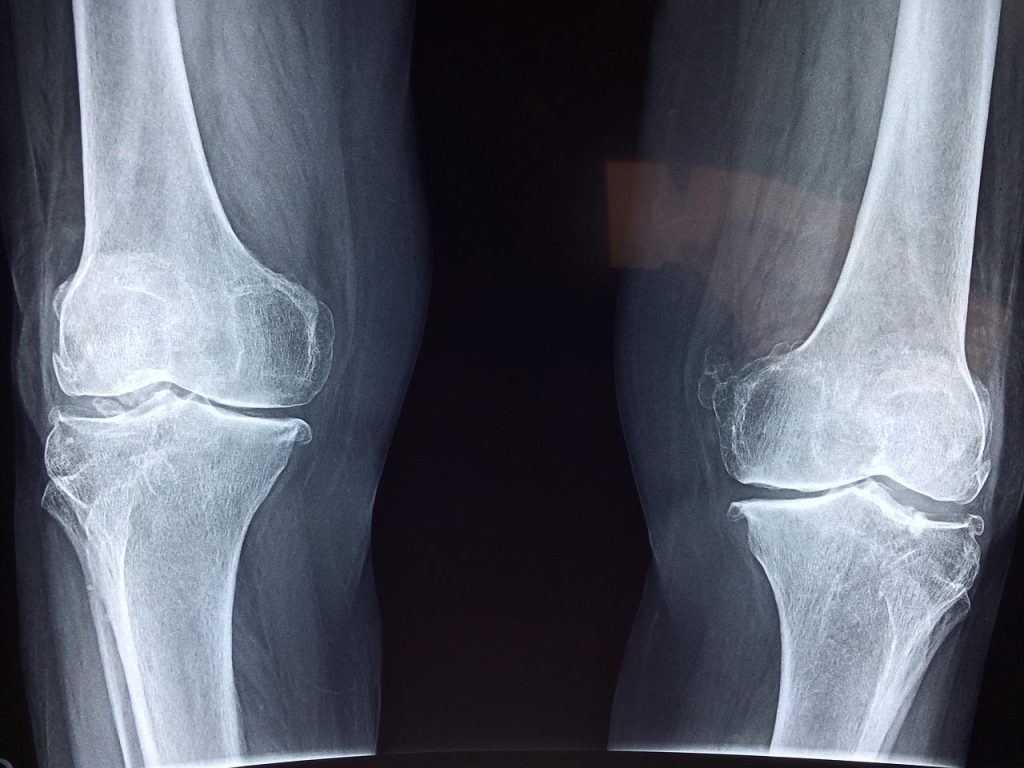
Promising Results for Epilepsy Drug in Slowing Osteoarthritis

Source: CC0

Yale researchers report in the journal Nature that they have identified a drug target that may alleviate joint degeneration associated with osteoarthritis.

The most common therapies for the degenerative disease have been pain relievers and lifestyle changes, to reduce pain and stiffness, but there is a pressing need for therapies that can prevent joint breakdown that occurs in osteoarthritis, which occurs as a result of the breakdown of cartilage in the joints.

Sodium channels found in cell membranes produce electrical impulses in “excitable” cells within muscles, the nervous system, and the heart. And in previous research, Yale’s Stephen G. Waxman identified the key role of one particular sodium channel, called Nav1.7, in the transmission of pain signals.

Now, the labs of Chuan-Ju Liu, professor of orthopaedics, and Waxman, professor neurology, neuroscience and pharmacology, have found that the same Nav1.7 channels are also present in non-excitable cells that produce collagen and help maintain the joints in the body. These channels can be targeted by existing drugs to block them.

In the new study, the researchers deleted Nav1.7 genes from these collagen-producing cells and significantly reduced joint damage in two osteoarthritis models in mice.

They also demonstrated that drugs used to block Nav1.7 – including carbamazepine, a sodium channel blocker currently used to treat epilepsy and trigeminal neuralgia – also provided substantial protection from joint damage in the mice.

“The function of sodium channels in non-excitable cells has been a mystery,” Waxman said.

“This new study provides a window on how small numbers of sodium channels can powerfully regulate the behaviour of non-excitable cells.”

“The findings open new avenues for disease-modifying treatments,” added Wenyu Fu, a research scientist in the Liu laboratory and first author of the study.

Source: Yale University

Older Adults’ Migraine Diagnosis Linked to Tripled Risk of Vehicle Crash

Photo by Pixabay

A new study from researchers at the University of Colorado Anschutz Medical Campus finds that older adult drivers who are recently diagnosed with migraines are three times as likely to experience a motor vehicle crash. Older adult drivers who reported having ever had migraines in the past were no more likely to have a motor vehicle crash than those without migraines.

The study, published in the Journal of the American Geriatrics Society, also explored the relationships medications commonly prescribed for migraine management have with increased crash risk.

“Migraine headaches affect more than 7% of US adults over the age of 60,” says Carolyn DiGuiseppi, MPH, PhD, MD, professor with the Colorado School of Public Health and study lead author.

“The US population is aging, which means increasing numbers of older adult drivers could see their driving abilities affected by migraine symptoms previously not experienced. These symptoms include sleepiness, decreased concentration, dizziness, debilitating head pain and more.”

Researchers conducted a five-year longitudinal study of more than 2500 active drivers aged 65-79 in five sites across the United States.

Participants were categorised as having previously been diagnosed with migraine symptoms (12.5%), no previous diagnosis but experienced symptoms during the study timeframe (1.3%) or never migraine respondents.

Results indicate those with previous diagnosis did not have a different likelihood of having crashes after baseline, while those with new onset migraines were three times as likely to experience a crash within one year of diagnosis.

Previously diagnosed drivers nevertheless had experienced more hard braking events compared to adults who had never experienced a migraine.

Additionally, researchers examined the role medications commonly prescribed for migraines have in motor vehicle events and found that there was no impact on the relationship between migraines and either crashes or driving habits.

Few participants in the study sample were using acute migraine medications, however.

“These results have potential implications for the safety of older patients that should be addressed,” says DiGuiseppi. “Patients with a new migraine diagnosis would benefit from talking with their clinicians about driving safety, including being extra careful about other risks, such as distracted driving, alcohol, pain medication and other factors that affect driving.”

Source: University of Colorado Anschutz Medical Campus

COVID, Opioid Pandemic Widen Gender Gap in Life Expectancy in the US

Photo by Tim Kilby on Unsplash

Women have long been known to outlive men. But new research published in JAMA Internal Medicine shows that, at least in the United States, the gap has been widening for more than a decade. Among the factors driving the trend are the COVID pandemic and the opioid overdose epidemic.

The study, led by UC San Francisco and Harvard T.H. Chan School of Public Health, found the difference between how long American men and women live increased to 5.8 years in 2021, the largest since 1996. This is an increase from 4.8 years in 2010, when the gap was at its smallest in recent history.

The pandemic, which took a disproportionate toll on men, was the biggest contributor to the widening gap from 2019–2021, followed by unintentional injuries and poisonings (mostly drug overdoses), accidents and suicide.

“There’s been a lot of research into the decline in life expectancy in recent years, but no one has systematically analysed why the gap between men and women has been widening since 2010,” said the paper’s first author, Brandon Yan, MD, MPH, a UCSF internal medicine resident physician and research collaborator at Harvard Chan School.

Life expectancy in the US dropped in 2021 to 76.1 years, falling from 78.8 years in 2019 and 77 years in 2020.

The shortening lifespan of Americans has been attributed in part to so-called “deaths of despair.” The term refers to the increase in deaths from such causes as suicide, drug use disorders and alcoholic liver disease, which are often connected with economic hardship, depression and stress.

“While rates of death from drug overdose and homicide have climbed for both men and women, it is clear that men constitute an increasingly disproportionate share of these deaths,” Yan said.

Interventions to reverse a deadly trend

Using data from the National Center for Health Statistics, Yan and fellow researchers from around the country identified the causes of death that were lowering life expectancy the most. Then they estimated the effects on men and women to see how much different causes were contributing to the gap.

Prior to the COVID pandemic, the largest contributors were unintentional injuries, diabetes, suicide, homicide and heart disease.

But during the pandemic, men were more likely to die of the virus. That was likely due to a number of reasons, including differences in health behaviours, as well as social factors, such as the risk of exposure at work, reluctance to seek medical care, incarceration and housing instability. Chronic metabolic disorders, mental illness and gun violence also contributed.

Yan said the results raise questions about whether more specialised care for men, such as in mental health, should be developed to address the growing disparity in life expectancy.

“We have brought insights to a worrisome trend,” Yan said. “Future research ought to help focus public health interventions towards helping reverse this decline in life expectancy.”

Yan and co-authors, including senior author Howard Koh, MD, MPH, professor of the practice of public health leadership at Harvard Chan School, also noted that further analysis is needed to see if these trends change after 2021.

“We need to track these trends closely as the pandemic recedes,” Koh said. “And we must make significant investments in prevention and care to ensure that this widening disparity, among many others, do not become entrenched.”

Source: University of California – San Francisco

New Approach May Take the Guesswork out of Selecting Treatments for RA

Photo by Towfiqu barbhuiya: https://www.pexels.com/photo/person-feeling-pain-in-the-knee-11349880/

New research reported in the journal Nature could lead to new targeted treatments for rheumatoid arthritis (RA). The findings showed that guesswork could be taken out of selecting treatments for each patient, and this might one day also be extended to other autoimmune conditions.

The study was led by University of Colorado School of Medicine faculty members Fan Zhang, PhD, and Anna Helena Jonsson, MD, PhD. The Accelerating Medicines Partnership: Rheumatoid Arthritis and Systemic Lupus Erythematosus (AMP: RA/SLE) Network collected inflamed tissue from 70 patients with RA from across the country and the United Kingdom. Jonsson supervised the team of scientists who processed these samples for analysis, and Zhang led the computation analysis of the data. These efforts yielded a cell atlas encompassing more than 300 000 cells from synovial tissue. Further analysis revealed that there are six different subgroups of RA based on their cellular makeup.

“We hope the data will help us discover new treatment targets,” says Jonsson, assistant professor of rheumatology. “We wanted to make it public so that researchers across the country and across the world can continue working on new treatment ideas for rheumatoid arthritis going forward.”

No more guess-and-check

Jonsson, a practicing rheumatologist as well as a researcher, knows that RA patients respond differently to different treatments. Until now, she says, rheumatologists used a “guess and check” method to find a treatment that works for an individual patient.

With the new data and powerful computational classification methods developed by Zhang and the computational analysis team, the researchers were able to quantitatively classify RA types into what they call ‘cell-type abundance phenotypes’, or CTAPs. Developed methods, together with the new cell atlas, can start to identify which patients will respond to which treatments.

“Even when you classify rheumatoid arthritis inflammation using these simple markers – T cell markers, B cells, macrophages and other myeloid cells, fibroblasts, endothelial cells – what we found is that each of those categories is associated with very specific kinds of pathogenic cell types we’ve already discovered,” Jonsson says. “Previous rheumatoid arthritis research found that T cell populations called peripheral helper T cells are relevant in rheumatoid arthritis, as are B cells called antibody-producing B cells, and other specific cell types. What we found is that they’re usually not found all together.

“For example, the peripheral helper cells are found with the B cells in only one category of RA, and the pathogenic macrophage populations tend to exist in a different category. Because of this, we can start asking questions about how these specific partners work together.”

Source: University of Colorado Anschutz Medical Campus

Cat-borne Toxoplasma Gondii Linked to Frailty in the Elderly

Photo by FOX: https://www.pexels.com/photo/brown-tabby-cat-scratching-head-1265613/

Toxoplasma gondii, a common, cat-borne parasite already associated with risk-taking behaviour and mental illness in humans may also contribute to exhaustion, loss of muscle mass, and other signs of frailty in older adults, suggests a study published in the Journal of Gerontology: Medical Science.

The research, by an international team of scientists including University of Colorado Boulder, University of Maryland School of Medicine and the University of A Coruña in Spain, is the latest to explore how the tiny, single-celled organism T. gondii could have big impacts on human health.

“We often think of T. gondii infection as relatively asymptomatic, but this study highlights that for some people it may have significant health consequences later on,” said co-author Christopher Lowry, a professor at CU Boulder.

Some 11%–15% of people in the US have been infected with T. gondii at some point and rates tend to be far higher in older individuals. In some countries, more than 65% have been infected. Once infected, people can unknowingly harbour the parasite for life.

For the study, the team examined the blood of 601 Spanish and Portuguese adults over 65, along with measures of a common geriatric syndrome known as frailty – which includes unintentional weight loss, tiredeness, loss of cognitive sharpness and other indications of declining health.

A whopping 67% of study subjects were “seropositive” showing markers in their blood of a latent infection.

The researchers did not, as they originally hypothesized, find an association between any infection to T. gondii and frailty. But they did find that, among those infected, those with higher “serointensity” or a higher concentration of antibodies to the parasite, were significantly more likely to be frail.

Higher serointensity could reflect a more virulent or widespread infection, multiple infections or recent reactivation of a latent infection, the authors said.

“This paper is important because it provides, for the first time, evidence of the existence of a link between frailty in older adults and intensity of the response to T. gondii infection,” said co-author Blanca Laffon, a professor of psychobiology at the Interdisciplinary Centre of Chemistry and Biology at University of A Coruña.

How cats spread T. gondii

Wild and domestic felines are considered the definitive host of the parasite, while warm-blooded animals like birds and rodents serve as secondary hosts: When cats eat infected animals, T. gondii takes up residence and multiplies in their intestines, shedding eggs in their faeces.

People are typically infected via exposure to those eggs (via litter boxes, contaminated water or dirty vegetables) or by eating undercooked pork, lamb or other meat that’s infested.

Most people never know they’ve been infected, with only about 10% initially having brief flu-like symptoms. But T. gondii tends to linger dormant for decades, cloaked in cysts in muscle and brain tissue (specifically the emotion-processing region known as the amygdala) with some insidious impacts, mounting research suggests.

In a creepy evolutionary trick seemingly designed to benefit the parasite’s favourite host, rodents infected with T. gondii tend to lose their fear of felines, making it easier for cats to catch rats and mice. In the wild, infected chimpanzees have been shown to actually grow attracted to the smell of the urine of their feline predator, the leopard.

People who have been infected also tend to engage in risky behaviour, with research showing they tend to be more impulsive, more entrepreneurial and more likely to get in a car accident. They also have higher rates of schizophrenia, certain mood disorders, cognitive problems and are more likely to attempt suicide, according to research by Lowry and Dr Teodor Postolache, a professor in the Department of Psychiatry at University of Maryland School of Medicine and senior author on the new study.

A declining immune response?

The authors caution that the new study does not prove causation, but suggests the association should be researched.

They found that frail people with high T. gondii seropositivity also had higher levels of certain inflammatory markers, suggesting that infection with the parasite could exacerbate inflammation that already occurs with aging – aka. “inflammaging.”

Because latent T. gondii tends to hide out in muscle tissue, Postolache suspects it could also play a role in hastening sarcopenia.

Lowry’s research focuses on the impact microorganisms have on the immune system and, thus, mental health. He notes that many microbes that humans have evolved with impact health in a positive way – a theory known as the ‘Old Friends’ hypothesis. Even T. gondii may have health benefits we aren’t yet aware of, he said. But in some cases, a switch flips, and friends become enemies.

In the case of T. gondii, certain medications or immune compromising diseases like HIV or cancer can enable a latent infection to escape suppression and reactivate, with adverse effects. Even in people with healthy immune systems, Lowry notes, immune function can decline with age, potentially wakening dormant dormant T. gondii.

The researchers hope their study will inspire more research into the relationship between T. gondii and frailty, and ultimately lead to new ways of keeping the parasite from doing harm.

For now, they encourage people – especially pregnant and immunocompromised people – to take steps to avoid infection.

Tips for preventing infection:

Change litter box daily, and wash hands afterward.

Avoid eating undercooked meat.

Rinse fruits and vegetables.

If pregnant or immunocompromised:

Avoid changing the litter box if possible (T. gondii infection during pregnancy can cause serious problems to a developing foetus).

Keep cats indoors.

Avoid stray cats.

Source: University of Colorado at Boulder

In Humans, Reducing Calorie Intake Rejuvenates Muscles and Stimulates Anti-ageing Effects

Photo by Thought Catalog on Unsplash

Reducing overall calorie intake may rejuvenate muscles and activate biological pathways important for good health, according new study, published in the journal Aging Cell. Calorie restriction, which cuts intake of calories but not essential nutrients, has long been known to delay the progression of age-related diseases in animal models. This finding, by researchers at the National Institutes of Health and their colleagues, suggests the same biological mechanisms may also apply to humans.

Researchers analysed data from participants in the Comprehensive Assessment of Long-Term Effects of Reducing Intake of Energy (CALERIE), a study supported by the National Institute on Aging (NIA) that examined whether moderate calorie restriction conveys the same health benefits seen in animal studies. They found that during a two-year span, the goal for participants was to reduce their daily caloric intake by 25%, but the highest the group was able to reach was a 12% reduction. Even so, this slight reduction in calories was enough to activate most of the biological pathways that are important in healthy aging.

“A 12% reduction in calorie intake is very modest,” said corresponding author and NIA Scientific Director Luigi Ferrucci, MD, PhD. “This kind of small reduction in calorie intake is doable and may make a big difference in your health.”

The research team next sought to understand the molecular underpinnings of the benefits seen in limited, previous research of calorie restriction in humans. One study showed that individuals on calorie restriction lost muscle mass and an average of 20 pounds of weight over the first year and maintained their weight for the second year. However, despite losing muscle mass, calorie restriction participants did not lose muscle strength, indicating calorie restriction improved the amount of force generated by each unit of muscle mass, called muscle specific force.

For the current study, scientists used thigh muscle biopsies from CALERIE participants that were collected when individuals joined the study and at one-year and two-year follow ups.

To figure out which human genes were impacted during calorie restriction, the scientists isolated messenger RNA (mRNA), a molecule that contains the code for proteins, from muscle samples. The team determined the protein sequence of each mRNA and used the information to identify which genes originated specific mRNAs. Further analysis helped the scientists establish which genes during calorie restriction were upregulated, meaning the cells made more mRNA; and which were downregulated, meaning the cells produced less mRNA. The researchers confirmed calorie restriction affected the same gene pathways in humans as in mice and non-human primates. For example, a lower caloric intake upregulated genes responsible for energy generation and metabolism, and downregulated inflammatory genes leading to lower inflammation.

“Since inflammation and aging are strongly coupled, calorie restriction represents a powerful approach to preventing the pro-inflammatory state that is developed by many older people,” said Ferrucci.

Source: NIH/National Institute on Aging

In Hearing Loss, How Hair Cells Lose Their ‘Hair’

In some cases of hearing loss, a cochlear implant is required. Photo by Brett Sayles

With age, many people will eventually need hearing aids. In some cases, the reason for this may be a signalling pathway that controls auditory sensory cell function and is downregulated with age. In the journal iScience, researchers at the University of Basel report the clues they have uncovered about this process, which may yield potential therapies to slow its progression.

Nearly everyone eventually experiences hearing loss: loud noises or simple aging gradually cause the auditory sensory cells and their synapses in the inner ear to degenerate and die off. The only treatment option is a hearing aid or, in extreme cases, a cochlear implant.

“In order to develop new therapies, we need to better understand what the auditory sensory cells need for proper function,” explains Dr Maurizio Cortada from the Department of Biomedicine at the University of Basel and University Hospital Basel. In collaboration researchers at the Biozentrum, Cortada investigated which signalling pathways influence the sensory hair cells in the inner ear. In the process, the researchers discovered a central regulator.

This signaling pathway, known by researchers as the mTORC2-signaling pathway, plays an important role, among other things, for cell growth and the cytoskeleton. The role it plays for the hair cells in the inner ear has not previously been studied.

When the researchers removed a central gene of this signalling pathway in the hair cells of the inner ear of mice, the animals gradually lost their hearing. By the age of twelve weeks, they were completely deaf, the authors report in the study.

Shortening ‘hair’ and fewer synapses

Closer examination indicated that the sensory hair cells in the inner ear lost their sensors without the mTORC2 signalling pathway: the distinctive fibre bundles known as stereocilia. Through electron microscopes, the researchers observed the shortening of stereocilia. The number of synapses that transmit the signals to the auditory nerve was also reduced.

“From other studies, we know that the production of key proteins in this signaling pathway decreases with age,” Cortada explains. There may be a connection to the loss of synapses and the reduced function of the auditory sensory cells in the inner ear that leads to hearing loss with increasing age.

“If this is confirmed, it would be a possible starting point for future therapies,” says the researcher. The middle and inner ear, for example, would be readily accessible for locally-administered medications or gene therapies. The results could pave the way for the development of such treatment options.

Source: University of Basel