Author: ModernMedia

Promoting Access and Equity for People Affected by Rare Diseases

Photo by Cottonbro on Pexels

The Third Biennial Rare Diseases Conference, Rare X 2024, took place at the Indaba Hotel in Johannesburg from 14 to 17 February, bringing together patients, healthcare professionals, and stakeholders in the rare disease community in a collaborative space to engage on rare diseases and their treatments. As a hub for South African, African, and international participants, the conference provided a platform for the exchange of ideas, offering academic and scientific insights while emphasising the importance of patient, caregiver, and support group experiences.

“The scarcity of genetic specialists, high costs, and limited access to advanced treatments make it challenging to manage rare diseases and congenital disorders in South Africa and on the continent,” said Kelly du Plessis, CEO & Founder of patient support group, Rare Diseases South Africa. “Rare X plays a pivotal role in advocating for the 4.1 million South Africans affected by these conditions, so that they can experience greater recognition, support, improved health services and better overall quality of life.”

Addressing the critical need for medical education programs in low- and middle-income countries,  Prof Christian Hendriksz, extra ordinary Professor of Paediatrics and Child Health at the Steve Biko Academic Unit, University of Pretoria, and extra ordinary Professor of Human Metabolomics,  North-West University, Potchefstroom, spoke about the significant step forward in healthcare equity and the provision of patient support in Africa.

Prof Hendriksz and his team have taken an inclusive and collaborative approach to addressing rare diseases on the continent. Meeting on virtual platforms, he has brought together people from 19 African countries, including clinicians, laboratory staff, and patient organisations. They found that there’s a noticeable lack of understanding about rare diseases among African political leaders, along with many misconceptions. A common belief is that rare diseases either don’t exist or are less important compared to major health issues like TB and HIV. This mindset hinders progress because without proper diagnosis, patients cannot be identified and treated. To change these views, there’s a need for education and awareness campaigns, along with the adoption of strategies that focus on the patients’ needs.

One of the major challenges Prof Hendriksz highlighted is the logistics of sample transportation and the urgent need for diagnostic services that are practical and sustainable. Through specialised training sessions at North-West University and the creation of a comprehensive network, significant advancements are being made in disease awareness, patient support, and diagnostic capabilities.

Looking ahead, Prof Hendriksz aims to enhance diagnostic and support pathways further, prioritising the development of local capacities.

Head Of Research at the Board of Healthcare Funders (BHF), Charlton Murove, explained that the BHF aims to ensure affordable access to healthcare services for all citizens. This is part of a broader initiative to improve the overall health system by establishing key relationships with various stakeholders and focusing on medical screenings and solutions for high-risk populations. The challenge lies in the complexity of conditions and the high costs associated with treatments, particularly for rare diseases. The BHF is exploring innovative solutions to mitigate these challenges, such as the creation of a pooled funding mechanism to smooth out the financial impact of high-cost treatments across participants. This approach aims to enhance efficiency, maintain funds within medical schemes, and ensure equitable access to necessary treatments.

According to Murove, the proposed system would allow for collective bargaining, potentially leading to negotiated price reductions and improved access to care. However, implementing such a system requires navigating legal, financial, and regulatory frameworks and a more cooperative attitude among medical schemes and stakeholders would be needed. The ultimate goal is to ease the financial burden on schemes and patients alike, ensuring sustainable access to critical treatments while promoting fairness and transparency in healthcare funding.

Meliska Volschenk, Head of Payer Solutions and National Accounts at global pharmaceutical company, Sanofi, and a participant in the Rare Diseases Access Initiative (RDAI) which aims to enhance equitable access to care for patients with rare diseases in South Africa, spoke of the need for collaboration across the healthcare spectrum to address the unique challenges faced by rare disease patients, such as life-threatening conditions, the need for specialised care, and often the lack of curative treatments.

“Recognising the significant impact of rare diseases on individuals, families, and the healthcare system, there is an urgent need for a national policy to ensure a coordinated approach to rare diseases,” said Volschenk. “South Africa, like many countries, lacks a comprehensive strategy to address these challenges effectively.”

To tackle the issues head-on, Volschenk said the Rare Disease Initiative (RDAI) has outlined six strategic priorities within a proposed national framework and strategy for rare diseases. These priorities include ensuring early and accurate diagnosis, improving access to treatments, enhancing data collection, providing coordinated care, improving access to services, and boosting collaborative research.

“The RDAI is working to improve healthcare for rare disease patients in South Africa by gradually introducing changes and involving different groups, including health organisations and government departments, in their efforts,” said Volschenk. “We are organising meetings and discussions with these groups to come up with practical changes and new policies aimed at better support and care for patients with rare diseases. This shows RDAI’s dedication to making the healthcare system fairer and more effective for people with rare conditions, ensuring they get the help and treatment they need.”

Overcoming the hurdles of rare disease care requires a united front, comprising healthcare professionals, policymakers, patient advocacy groups, and the pharmaceutical industry, said Prudence Selani, Head of Communications at Sanofi South Africa. The call to action is clear: to embrace a multifaceted approach that includes enhancing medical education, establishing a national policy for rare diseases, and developing a healthcare ecosystem that prioritises patient-centred strategies, affordability, and access to cutting-edge treatments. “That is how we can best contribute to a sustainable and equitable healthcare system for one of the most vulnerable patient groups,” said Selani.

Metabolic Diseases may be Driven by Gut Microbiome, Loss of Ovarian Hormones

Photo by Ravi Patel on Unsplash

The gut microbiome interacts with the loss of female sex hormones to exacerbate metabolic disease, including weight gain, fat in the liver and the expression of genes linked with inflammation, researchers report in the journal Gut Microbes.

The findings, using rodent models, may shed light on why women are at significantly greater risk of metabolic diseases such as obesity and Type 2 diabetes after menopause, when ovarian production of female sex hormones diminishes.

“Collectively, the findings demonstrate that removal of the ovaries and female hormones led to increased permeability and inflammation of the gut and metabolic organs, and the high-fat diet exacerbated these conditions,” said Kelly S. Swanson, the director of the Division of Nutritional Sciences and a professor in nutrition at the University of Illinois Urbana-Champaign who is a corresponding author of the paper. “The results indicated that the gut microbiome responds to changes in female hormones and worsens metabolic dysfunction.”

“This is the first time it has been shown that the response of microbiome to the loss of ovarian hormone production can increase metabolic dysfunction,” said first author Tzu-Wen L. Cross, a professor of nutrition science and the director of the Gnotobiotic Animal Facility at Purdue University. Cross was a doctoral student at the U. of I. when she began the research.

“The gut microbiome is sensitive to sex hormone changes and can further impact the risk of disease development.”

Cross said early microbiome research, beginning around 2005, looked at how the microbiome contributes to obesity development, but most of those studies focused on males.

“Metabolic dysfunction that is driven by the loss of ovarian-function in menopausal women – and how much the gut microbiome contributes to that – has not been studied. The aetiology is clearly very complex, but those gut-microbiome related factors are certainly components that we speculated play a role,” she said.

The scientists created diet-induced obesity in female mice and simulated the loss of female sex hormones by removing the ovaries in half of the population to examine any metabolic and inflammatory changes, including those to enzymes in the gut. The diets for both groups of mice were identical except for the proportion of fat, which constituted 60% or 10% of calories for those in the high-fat and low-fat groups, respectively.

In the second leg of the study, faecal samples were harvested from mice with or without ovaries and implanted in germ-free mice to study the impact on weight gain and metabolic and inflammatory activity in the gut, liver and fat tissue.

“The mice that were recipients of the gut microbiome of ovariectomized mice gained more weight and fat mass, and they had greater expression of genes in the liver associated with inflammation, obesity, Type 2 diabetes, fatty liver disease and atherosclerosis compared with those in the control group,” Swanson said.

Assessing the severity of fatty tissue and triglyceride concentrations in the liver, the scientists found that the triglyceride levels were significantly higher and fatty deposits in the liver and groin were greater in the mice that consumed the high-fat diet compared with all other treatment groups.

Those on the high-fat diet and those without ovaries had significantly larger fat cells, which are associated with cell death and the infiltration of macrophages. Along with elevated expression of the genes associated with inflammation and macrophage markers, these mice had lower expression of genes that are involved with glucose and lipid metabolism.

In the donor mice without ovaries that consumed the low-fat diet, the scientists found increased levels of beta-glucuronidase, an enzyme produced by the colon and some intestinal bacteria that breaks down and recycles steroidal metabolites such as oestrogen and various toxins, including carcinogens.

The scientists also examined the expression of genes coding for tight-junction proteins, which affect cell membranes’ permeability. They found that the mice without ovaries and those fed the high-fat diet had lower levels of these proteins in the liver and colon, which suggested their gut barriers were more permeable, compromised by either their diet or the absence of female hormones.

In the livers of the recipient mice that received transplants from donors without ovaries, the scientists found elevated expression levels of the gene for arginase-1, which plays a critical role in the elimination of nitrogenous waste. High levels of this protein have been associated with cardiovascular problems such as hypertension and atherosclerosis.

Source: University of Illinois at Urbana-Champaign, News Bureau

Researchers Map out Protein Pathways of MND Development

Spinal neuron. Image by Scientific Animations CC4.0

For the first time, researchers from The University of Queensland (UQ) have mapped out the proteins implicated in the early stages of motor neurone disease (MND). This paper was published in Nature Communications.

Dr Rebecca San Gil, the study’s first author, has developed a longitudinal map of the proteins involved in MND across the trajectory of the disease, identifying potential therapeutic pathways for further investigation. This includes one protein, TDP-43, implicated in a number of MNDs.

“The map is a springboard for many more projects exploring the proteins activated and repressed during the onset, early and late stages of MND,” Dr San Gil said. “These proteins are biological factors that drive disease onset and progress its development over time.

“We measured differences in protein levels in the brain across the trajectory of the disease and collated this information into a longitudinal map.”

The map is now available for scientists worldwide and will accelerate investigations into MND.

Dr San Gil, in the lab of Associate Professor Adam Walker, has been working in mouse models of MND to understand the mechanisms driving TDP-43 pathology in the brain, which accounts for 95% of amyotrophic lateral sclerosis (ALS) cases and 50% of frontotemporal lobar degeneration (FTLD).

Building on the mapping project, Dr San Gil chose to focus on a protein-folding factor called DNAJB5.

“Before the onset of MND in mouse models, we observed a marked increase in protein groups responsible for physically assisting in the protein folding process. “One of these ‘chaperone’ proteins, DNAJB5, was particularly abundant early on, sparking our curiosity about its role in disease progression.

“In human brain tissue, we found DNAJB5 enriched in areas where TDP-43 aggregates. The short-term elevation of DNAJB5 is likely a protective mechanism by neurons in an attempt to control TDP-43 as it begins to dysfunction.

“This protective response to TDP-43 needs further investigation because it may help us identify preventative and therapeutic approaches to MND.”

A/ Prof Walker envisions that the lab will continue to follow other identified protein pathways, using gene therapy and repurposing medicine, to see if they can alter or prevent the disease.

Compiling the TDP map was a collaborative project with researchers from Macquarie University, the University of Auckland, and the Children’s Medical Research Institute.

Source: University of Queensland

New, More Accurate Approach to Blood Tests for Determining Diabetes Risks

Photo by National Cancer Institute on Unsplash

A new approach to blood tests could potentially be used to estimate a patient’s risk of type 2 diabetes, according to a new study appearing in BMC’s Journal of Translational Medicine. Currently, the most commonly used inflammatory biomarker currently used to predict the risk of type 2 diabetes is high-sensitivity C-reactive protein (CRP). But new research has suggested that jointly assessing of biomarkers, rather than assessing each individually, would improve the chances of predicting diabetes risk and diabetic complications.

A study by Edith Cowan University (ECU) researcher Dan Wu investigated the connection between systematic inflammation, assessed by joint cumulative high-sensitivity CRP and another biomarker called monocyte to high-density lipoprotein ratio (MHR), and incident type 2 diabetes.

The study followed more than 40 800 non-diabetic participants over a near ten-year period, with more than 4800 of the participants developing diabetes over this period.

Wu said that of those patients presenting with type 2 diabetes, significant interaction between MHR and CRP was observed.

“Specifically, increases in the MHR in each CRP stratum increased the risk of type 2 diabetes; concomitant increases in MHR and CRP presented significantly higher incidence rates and risks of diabetes.

“Furthermore, the association between chronic inflammation (reflected by the joint cumulative MHR and CRP exposure) and incident diabetes was highly age- and sex-specific and influenced by hypertension, high cholesterol, or prediabetes. The addition of the MHR and CRP to the clinical risk model significantly improved the prediction of incident diabetes,” said Wu.

Biological sex a risk factor

The study found that females had a greater risk of type 2 diabetes conferred by joint increases in CRP and MHR, with Wu stating that sex hormones could account for these differences.

Wu said that the research findings corroborated the involvement of chronic inflammation in causing early-onset diabetes and merited specific attention.

“Epidemiological evidence indicates a consistent increase in early-onset diabetes, especially in developing countries. Leveraging this age-specific association between chronic inflammation and type 2 diabetes may be a promising method for achieving early identification of at-risk young adults and developing personalised interventions,” she added.

Wu noted that the chronic progressive nature of diabetes and the enormous burden of subsequent comorbidities further highlighted the urgent need to address this critical health issue.

Although aging and genetics are non-modifiable risk factors, other risk factors could be modified through lifestyle changes.

Inflammation is strongly influenced by life activities and metabolic conditions such as diet, sleep disruptions, chronic stress, and glucose and cholesterol dysregulation, thereby indicating the potential benefits of monitoring risk-related metabolic conditions.

Wu said that the dual advantages of cost effectiveness and the wide availability of cumulative MHR and CRP in current clinical settings, potentiated the widespread use of these measures as a convenient tool for predicting the risk of diabetes.

Source: Edith Cowan University

Terahertz Biosensor can Accurately Detect Skin Cancer

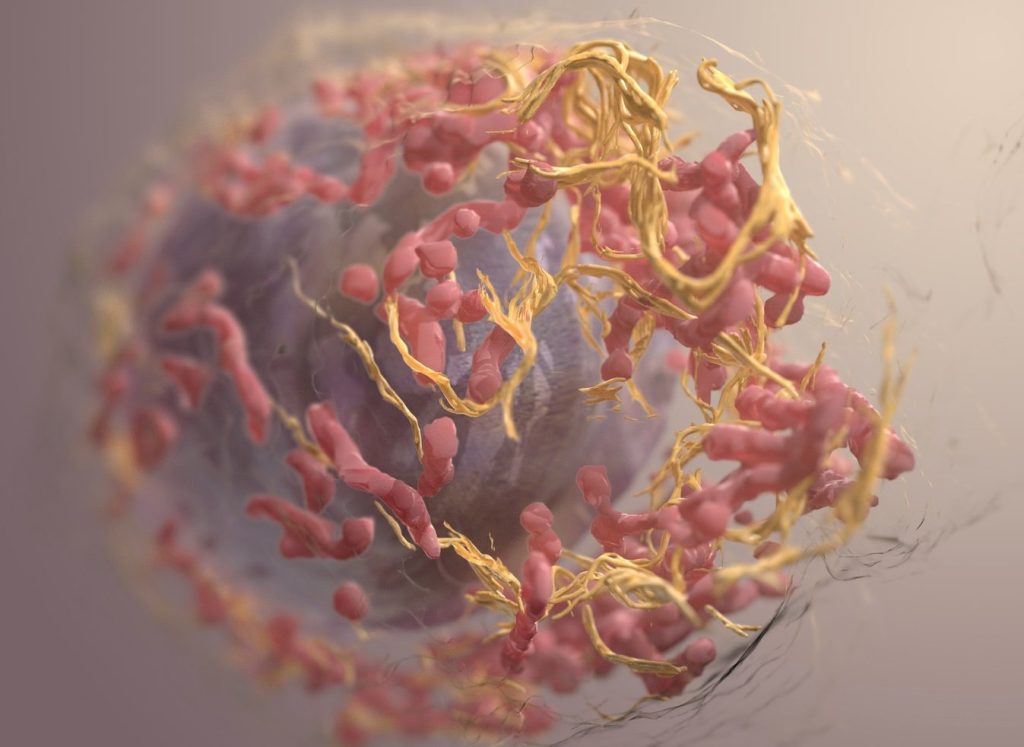
3D structure of a melanoma cell derived by ion abrasion scanning electron microscopy. Credit: Sriram Subramaniam/ National Cancer Institute

Researchers have developed a revolutionary biosensor using terahertz (THz) waves that can detect skin cancer with exceptional sensitivity, potentially paving the way for earlier and easier diagnoses. Published in the journal IEEE Transactions on Biomedical Engineering, the study presents a significant advancement in early cancer detection, thanks to a multidisciplinary collaboration of teams from Queen Mary University of London and the University of Glasgow.

“Traditional methods for detecting skin cancer often involve expensive, time-consuming, CT, PET scans and invasive higher frequencies technologies,” explains Dr Shohreh Nourinovin, Postdoctoral Research Associate at Queen Mary’s School of Electronic Engineering and Computer Science, and the study’s first author.

“Our biosensor offers a non-invasive and highly efficient solution, leveraging the unique properties of THz waves – a type of radiation with lower energy than X-rays, thus safe for humans – to detect subtle changes in cell characteristics.”

The key innovation lies in the biosensor’s design. Featuring tiny, asymmetric resonators on a flexible substrate, it can detect subtle changes in the properties of cells.

Unlike traditional methods that rely solely on refractive index, this device analyses a combination of parameters, including resonance frequency, transmission magnitude, and a value called “Full Width at Half Maximum” (FWHM). This comprehensive approach provides a richer picture of the tissue, allowing for more accurate differentiation between healthy and cancerous cells and to measure malignancy degree of the tissue.

In tests, the biosensor successfully differentiated between normal skin cells and basal cell carcinoma (BCC) cells, even at different concentrations. This ability to detect early-stage cancer holds immense potential for improving patient outcomes.

“The implications of this study extend far beyond skin cancer detection,” says Dr Nourinovin.

“This technology could be used for early detection of various cancers and other diseases, like Alzheimer’s, with potential applications in resource-limited settings due to its portability and affordability.”

Dr Nourinovin’s research journey wasn’t without its challenges.

Initially focusing on THz spectroscopy for cancer analysis, her project was temporarily halted due to the COVID pandemic. However, this setback led her to explore the potential of THz metasurfaces, a novel approach that sparked a new chapter in her research.

Source: Queen Mary University of London

Experimental Model Identifies New Drug–drug Interactions

Photo by Myriam Zilles on Unsplash

When taking oral drugs, transporter proteins found on cells that line the gastrointestinal tract facilitate their entry into the bloodstream. But for many drugs, it is not known which of those transporters they use to exit the digestive tract.

Identifying the transporters used by specific drugs could help to improve patient treatment because if two drugs rely on the same transporter, they can interfere with each other and should not be prescribed together.

Researchers at MIT, Brigham and Women’s Hospital, and Duke University have developed a multipronged strategy to identify the transporters used by different drugs, which appears in Nature Biomedical Engineering. Their approach, which makes use of both tissue models and machine-learning algorithms, has already revealed that a commonly prescribed antibiotic and a blood thinner can interfere with each other.

“One of the challenges in modelling absorption is that drugs are subject to different transporters. This study is all about how we can model those interactions, which could help us make drugs safer and more efficacious, and predict potential toxicities that may have been difficult to predict until now,” says Giovanni Traverso, an associate professor of mechanical engineering at MIT, a gastroenterologist at Brigham and Women’s Hospital, and the senior author of the study.

Learning more about which transporters help drugs pass through the digestive tract could also help drug developers improve the absorbability of new drugs by adding excipients that enhance their interactions with transporters.

Former MIT postdocs Yunhua Shi and Daniel Reker are the lead authors of the study.

Drug transport

Previous studies have identified several transporters in the GI tract that help drugs pass through the intestinal lining. Three of the most commonly used, which were the focus of the new study, are BCRP, MRP2, and PgP.

For this study, Traverso and his colleagues adapted a tissue model they had developed in 2020 to measure a given drug’s absorbability. This experimental setup, based on pig intestinal tissue grown in the laboratory, can be used to systematically expose tissue to different drug formulations and measure how well they are absorbed.

To study the role of individual transporters within the tissue, the researchers used short strands of RNA called siRNA to knock down the expression of each transporter. In each section of tissue, they knocked down different combinations of transporters, which enabled them to study how each transporter interacts with many different drugs.

“There are a few roads that drugs can take through tissue, but you don’t know which road. We can close the roads separately to figure out, if we close this road, does the drug still go through? If the answer is yes, then it’s not using that road,” Traverso says.

The researchers tested 23 commonly used drugs using this system, allowing them to identify transporters used by each of those drugs. Then, they trained a machine-learning model on that data, as well as data from several drug databases. The model learned to make predictions of which drugs would interact with which transporters, based on similarities between the chemical structures of the drugs.

Using this model, the researchers analysed a new set of 28 currently used drugs, as well as 1595 experimental drugs. This screen yielded nearly 2 million predictions of potential drug interactions. Among them was the prediction that doxycycline, an antibiotic, could interact with warfarin, a commonly prescribed blood-thinner. Doxycycline was also predicted to interact with digoxin, which is used to treat heart failure, levetiracetam, an antiseizure medication, and tacrolimus, an immunosuppressant.

Identifying interactions

To test those predictions, the researchers looked at data from about 50 patients who had been taking one of those three drugs when they were prescribed doxycycline. This data, which came from a patient database at Massachusetts General Hospital and Brigham and Women’s Hospital, showed that when doxycycline was given to patients already taking warfarin, the level of warfarin in the patients’ bloodstream went up, then went back down again after they stopped taking doxycycline.

That data also confirmed the model’s predictions that the absorption of doxycycline is affected by digoxin, levetiracetam, and tacrolimus. Only one of those drugs, tacrolimus, had been previously suspected to interact with doxycycline.

“These are drugs that are commonly used, and we are the first to predict this interaction using this accelerated in silico and in vitro model,” Traverso says. “This kind of approach gives you the ability to understand the potential safety implications of giving these drugs together.”

Source: Massachusetts Institute of Technology

Common Hair Loss and Prostate Drug may also Cut Cardiovascular Risk

Photo by Brett Sayles on Unsplash

The drug finasteride, also known as Propecia or Proscar, treats male pattern baldness and enlarged prostate in millions of men worldwide. But a new study published in the Journal of Lipid Research suggests that the drug may also possess a surprising, life-saving benefit: lowering cholesterol and reducing the overall risk of cardiovascular disease.

The study, led by University of Illinois Urbana-Champaign, found significant correlations between finasteride use and lower cholesterol levels in men taking part in the National Health and Nutrition Examination Survey between 2009 and 2016. In mice taking high finasteride doses, the researchers found reductions in total plasma cholesterol, delayed atherosclerosis progression, lower inflammation in the liver, and related benefits.

“When we looked at the men taking finasteride in the survey, their cholesterol levels averaged 30 points lower than men not taking the drug. I thought we’d see the opposite pattern, so it was very interesting,” said lead study author Jaume Amengual, assistant professor at U. of I.

As exciting as the survey results were, they had their limitations. Of nearly 4800 survey respondents meeting general health criteria for inclusion in the analysis, only 155, all men over 50, reported using finasteride. And the researchers couldn’t tell how much or how long men in the survey had taken the drug.

“This was not a clinical study in which you can control everything perfectly,” Amengual said. “It was more of an observation that led us to say, ‘Okay, now we’ve seen this in people. Let’s see what happens in mice.'”

But first, why would a hair loss and prostate drug affect cholesterol? Amengual studies atherosclerosis, the condition in which cholesterol plaques choke arteries, leading to stroke, heart attack, and other forms of cardiovascular disease. Because the disease is far more common in men than premenopausal women, scientists have long suspected the sex hormone testosterone is important in atherosclerosis, though its role isn’t entirely clear.

Finasteride works by blocking a protein found in hair follicles and the prostate gland that activates testosterone. The common thread, testosterone, was enough to pique Amengual’s interest.

“I was reading about this medication one day, and I started to notice that there were not many long-term studies of the implications of the drug. Initially, it was just my own curiosity, based on the fact that hormone levels are known to have an effect on atherosclerosis, hair loss, and prostate issues,” he said. “So, we decided to dig into it.”

After documenting the first-ever link, albeit observational, between finasteride and lower cholesterol in men, Amengual got doctoral student Donald Molina Chaves to see if the pattern held in mice.

Molina Chaves tested four levels of finasteride – 0, 10, 100, and 1000 mg/kg of food – in male mice genetically predisposed to atherosclerosis. The mice consumed the drug, along with a high-fat, high-cholesterol “Western” diet, for 12 weeks. After the experiment, Molina Chaves analysed the levels of cholesterol and other lipids in the mice, along with evidence of atherosclerotic plaques. He also tested gene expression in the liver, looked at bile acid metabolism, and analysed steroids, triglycerides, immune activity, and more.

“Mice that were given a high dose of finasteride showed lower cholesterol levels within the plasma as well as in the arteries,” Molina Chaves said. “There were also fewer lipids and inflammatory markers in the liver.”

Although the effects were only significant at the highest dose, a level Amengual calls outrageous for humans, he explains that mice metabolise finasteride differently than people.

“It’s an incredibly high level of the drug. But we use mice as a model, and they are extremely resistant to things that would kill any of us,” he said. “So it is not that crazy when you think about it that way.”

Humans take 1mg or 5mg doses of finasteride daily for hair loss and enlarged prostate, respectively. The fact that a clear pattern showed up in a survey of men likely taking one of these doses suggests the drug may be lowering cholesterol without the megadoses tested in mice.

The next step is for physicians to start tracking cholesterol in finasteride patients or conduct a clinical trial to verify the effect. Amengual says it may be especially important to understand how finasteride affects trans individuals.

“Over the past decade, doctors have started prescribing this drug for individuals transitioning either from male to female or female to male. In both cases, the hormonal changes can trigger hair loss,” he said. “The interesting thing is that transgender people are also at a higher risk of cardiovascular diseases. So this drug could have a potential beneficial effect to prevent cardiovascular disease not only in cis men, but also in transgender individuals.”

Finally, Amengual notes, like any medication, finasteride is not without risk. People should consult their doctors to learn more.

Source: University of Illinois College of Agricultural, Consumer and Environmental Sciences

Are Ultra-processed Foods the New ‘Silent Killer’?

Photo by Patrick Fore on Unsplash

Nowadays, ultra-processed foods are packed with a bewildering range of additives: there are common ones like oil, fat, and sugar. There are also emulsifiers such as carrageenan, mono- and diglycerides, carboxymethylcellulose, polysorbate and soy lecithin. These continue to strip food of healthy nutrients while introducing other ingredients that could also be detrimental to human health.

Hundreds of novel ingredients never encountered by human physiology are now found in nearly 60% of the average adult’s diet and nearly 70% of children’s diets in the United States.

While obesity and lack of physical activity are well recognised contributors to avoidable morbidity and mortality, another emerging hazard is the unprecedented consumption of these ultra-processed foods in the standard American diet. This may be the new “silent” killer, as was unrecognised hypertension in previous decades.

Physicians from Florida Atlantic University’s Schmidt College of Medicine explored this hypothesis and provide important insights to health care providers in a battle where the entertainment industry, the food industry and public policy do not align with their patients’ needs. Their findings are published in a commentary in The American Journal of Medicine.

First generation of doctors to see a reduction in life expectancy

“Those of us practicing medicine in the US today find ourselves in an ignominious and unique position – we are the first cohort of health care professionals to have presided over a decline in life expectancy in 100 years,” said Dawn H. Sherling, MD, corresponding author, associate program director for the internal medicine residency and an associate professor of medicine, FAU Schmidt College of Medicine. “Our life expectancy is lower than other economically comparable countries. When we look at increasing rates of non-communicable diseases in less developed nations, we can see a tracking of this increase along with increasing consumption of ultra-processed foods in their diets.”

Although professional organizations such as the American College of Cardiology cautions patients to “choose minimally processed foods instead of ultra-processed foods” in their 2021 dietary guidelines, there is a caveat that “there is no commonly accepted definition for ultra-processed foods, and some healthy foods may exist within the ultra-processed food category.”

“When the components of a food are contained within a natural, whole food matrix, they are digested more slowly and more inefficiently, resulting in less calorie extraction, lower glycaemic loads in general, and lower rise in triglyceride-rich lipoproteins after eating, which could result in atherosclerotic plaque,” said Allison H. Ferris, MD, senior author, an associate professor and chair, Department of Medicine, and director of the internal medicine residency program, FAU Schmidt College of Medicine. “Therefore, even if the troublesome additives were removed from the ultra-processed food, there would still be concern for an over-consumption of these products possibly leading to obesity, diabetes and heart disease.”

The authors add that public health organisations are increasingly making use of the NOVA classification system, which divides foods into four categories – whole foods, culinary ingredients (items like butter, oil and salt), traditionally processed foods (such as bread and yogurt made with few ingredients), and ultra-processed foods – or those foods that are industrially made and use ingredients not normally found in a domestic kitchen.

According to the authors, one plausible mechanism to explain the hazards is that ultra-processed foods contain emulsifiers and other additives that the mammalian gastrointestinal tract mostly does not digest. They may act as a food source for our microbiota, and as such may be creating a dysbiotic microbiome that can, in the right host, promote disease.

“Additives, such as maltodextrin, may promote a mucous layer that is friendly to certain species of bacteria that are found in greater abundance in patients with inflammatory bowel disease,” said Sherling. “When the mucous layer is not properly maintained, the epithelial cell layer may become vulnerable to injury, as has been shown in feeding studies using carrageenan in humans and other studies in mice models, using polysorbate-80 and cellulose gum, triggering immunologic responses in the host.”

Food companies as powerful as the 20th century’s tobacco companies

The authors add that there have been marked increases in colorectal cancer in the US, especially among younger adults. They opine that increased ultra-processed food consumption may be a contributor as well as to several other gastrointestinal diseases.

“Whether ultra-processed foods contribute to our currently rising rates of non-communicable disease requires direct testing in analytic studies designed a priori to do so,” said Charles H. Hennekens, MD, FACPM, co-author, the First Sir Richard Doll Professor of Medicine and senior academic advisor, FAU Schmidt College of Medicine. “In the meantime, we believe it is incumbent upon all health care professionals to discuss the benefits of increasing consumption of whole foods and reducing consumption of ultra-processed foods with their patients.”

The authors also opine that just as the dangers of tobacco began to emerge during the middle of the prior century, decades passed before the preponderance of the evidence and the efforts of forward-thinking health officials prompted policy change to discourage the use of cigarettes. They say there is likely to be a similar path for ultra-processed foods.

“The multinational companies that produce ultra-processed foods are just as, if not more, powerful than tobacco companies were in the last century, and it is unlikely that governments will be able to move quickly on policies that will promote whole foods and discourage the consumption of ultra-processed foods,” said Sherling. “Importantly, health care providers also should remain cognizant of the difficulties that many of our patients have in being able to afford and find healthier options, which calls for a broader public health response.”

Source: Florida Atlantic University

High Levels of Niacin Linked to Cardiovascular Disease

Photo by Robina Weermeijer on Unsplash

Cleveland Clinic researchers have identified a new pathway that contributes to cardiovascular disease associated with high levels of niacin, a common B vitamin previously recommended to lower cholesterol.

The team, led by Stanley Hazen, MD, PhD, reported in Nature Medicine that they had found a link between 4PY, a breakdown product from excess niacin, and cardiovascular disease. Higher circulating levels of 4PY were strongly associated with development of heart attack, stroke and other adverse cardiac events in large-scale clinical studies.

The researchers also showed in preclinical studies that 4PY directly triggers vascular inflammation which damages blood vessels and can lead to atherosclerosis over time. The study also details genetic links between 4PY and vascular inflammation.

The findings provide a foundation for potential new interventions and therapeutics to reduce or prevent that inflammation.

“What’s exciting about these results is that this pathway appears to be a previously unrecognised yet significant contributor to the development of cardiovascular disease,” said Dr Hazen, Chair of Cardiovascular and Metabolic Sciences at Cleveland Clinic’s Lerner Research Institute and Co-Section Head of Preventive Cardiology in the Heart, Vascular & Thoracic Institute.

“What’s more, we can measure it, meaning there is potential for diagnostic testing. These insights set the stage for developing new approaches to counteract the effects of this pathway.”

Niacin (vitamin B-3) is very common in a Western diet. “For decades, the United States and more than 50 nations have mandated niacin fortification in staple foods such as flour, cereals and oats to prevent disease related to nutritional deficiency,” said Dr Hazen.

Yet one in four subjects in the researchers’ patient cohorts appear to be getting too much, and had high levels of 4PY, which appears to contribute to cardiovascular disease development.

Dr. Hazen compares our intake of niacin as multiple taps pouring water into a bucket.

Once that bucket is filled, it begins to spill over. The human body then needs to process that spill-over and produce other metabolites, including 4PY.

“The main takeaway is not that we should cut out our entire intake of niacin – that’s not a realistic approach,” said Dr Hazen.

“Given these findings, a discussion over whether a continued mandate of flour and cereal fortification with niacin in the US could be warranted.”

Dr. Hazen notes broader use of over-the-counter supplements made with different forms of niacin have also become popular because of presumed anti-aging purposes.

He adds that patients should consult with their doctors before taking over-the-counter supplements and focus on a diet rich in fruit and vegetables while avoiding excess carbohydrates.

The new findings also might help explain why niacin, one of the first treatments prescribed to lower LDL cholesterol, is no longer a go-to treatment for for this.

Eventually niacin was shown to be less effective than other cholesterol-lowering drugs and was associated with other negative effects and higher mortality rates in previous research.

“Niacin’s effects have always been somewhat of a paradox,” Dr Hazen said.

“Despite niacin lowering of cholesterol, the clinical benefits have always been less than anticipated based on the degree of LDL reduction. This led to the idea that excess niacin caused unclear adverse effects that partially counteracted the benefits of LDL lowering. We believe our findings help explain this paradox. This illustrates why investigating residual cardiovascular risk is so critical; we learn so much more than what we set out to find.”

The study authors note that long-term investigations are needed to assess the effect of chronic elevation of 4PY levels on atherosclerosis and other phenotypes.

Source: Cleveland Clinic

Antidepressants Impact Prefrontal Cortex Development

Photo by William Fortunato on Pexels

A new study published in Nature Communications suggests that use of antidepressants can impact early post-natal brain development, potentially contributing to the development of mental health disorders. The study, led by researchers at the University of Colorado Anschutz Medical Campus, focused on the effect of fluoxetine, commonly used in medications such as Prozac and Sarafem for treating depression and perinatal depression, on the developing prefrontal cortex of mice.

Since fluoxetine works by increasing the levels of serotonin in the brain, the researchers looked at the impact serotonin has on prefrontal cortex development.

“While it is known that serotonin plays a role in the brain development, the mechanisms responsible for this influence, specifically in the prefrontal cortex, have been unclear, ” said lead author Won Chan Oh, PhD, assistant professor in the Department of Pharmacology at CU Anschutz.

Changes in gestational and early postnatal serotonin levels can arise from many causes including maternal deprivation or abuse, diets high or low in tryptophan, or the use of medications such as selective serotonin reuptake inhibitors (SSRIs) that can readily cross the placenta or be passed to offspring through breast feeding. Disbalances of 5-HT during brain development are associated with increased risk of neurodevelopmental disorders such as autism spectrum disorder and long-lasting behavioural deficits, but the underlying mechanisms remain elusive.

Oh and his student, Roberto Ogelman, a neuroscience PhD candidate, found serotonin directly influences nascent and immature excitatory synaptic connections in the prefrontal cortex, which if disrupted or dysregulated during early development can contribute to various mental health disorders.

“Our research uncovers the specific processes at the synaptic level that explain how serotonin contributes to the development of this important brain region during early-life fluoxetine exposure,” adds Oh. “We are the first to provide experimental evidence of the direct impact of serotonin on the developing prefrontal cortex in mice.”

To study the effect, the researchers looked at the impact of deficiency and surplus of serotonin on brain development in mice. They discovered that serotonin is not just involved in overall brain function but also has a specific role in influencing how individual connections between neurons change and adapt, contributing to the brain’s ability to learn and adjust.

“Understanding this correlation has the potential to help with early intervention and the development of new therapeutics for neurodevelopmental disorders involving serotonin dysregulation,” said Oh.

The researchers plan to continue studying the impact of fluoxetine, next examining its impact on a developing brain later in life.

Source: Colorado University Anschutz Medical Campus