

Day: November 18, 2026

Digital Weight Management Works Best When a Doctor Still Leads the Plan
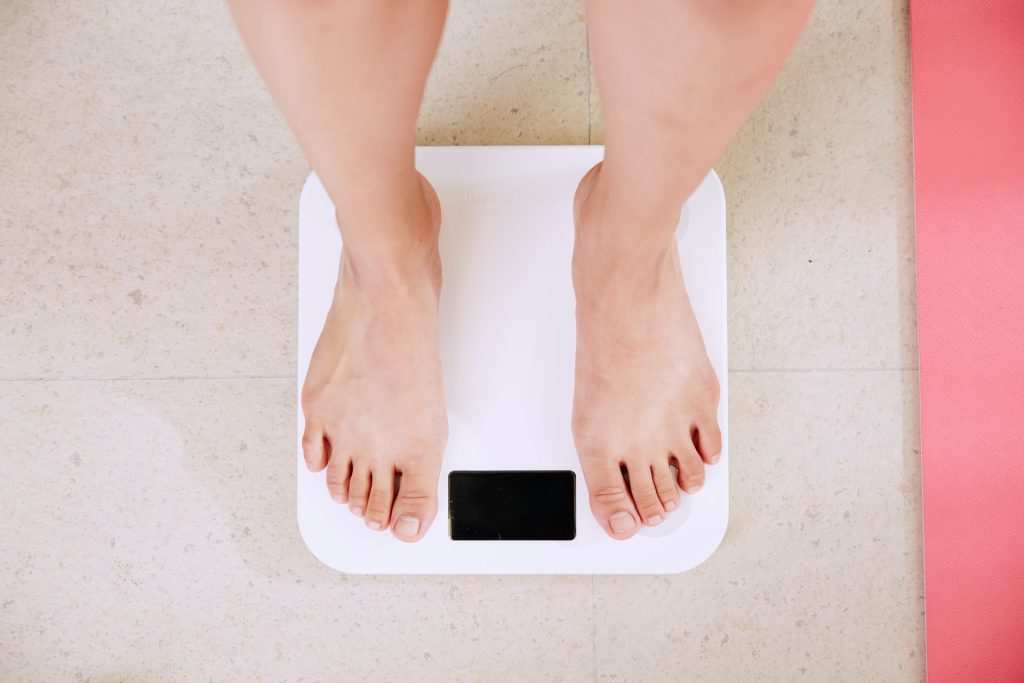
Photo by I Yunmai on Unsplash

18 November 2026: Managing obesity involves hundreds of everyday decisions that happen outside the doctor’s consulting room. That is a heavy burden for someone already dealing with a complex and demanding health reality, says Dr Gerhard Vosloo, Founder and Head Consulting Practitioner at Dr GL Vosloo Medical Practice, managed by BioWell.

“Doctors can give patients clear guidance during a consultation, but patients still have to carry that guidance into the choices they make throughout every ordinary day. Digital health tools can help close that gap by giving people practical ways to monitor their progress, remain connected to medical guidance, and keep following a structured weight-management programme when the pressures of daily life make consistency difficult.

“It should, however, remain part of a treatment plan developed and overseen by a qualified medical practitioner. An app can help someone recognise changes in their health or keep track of their progress, but, on its own, it cannot determine the cause of a medical problem, establish whether prescription treatment is appropriate, or make clinical decisions on the patient’s behalf. Those decisions need a doctor who remains accountable for them.”

Digital tools can make a difference if chosen wisely

Dr Vosloo explains that the value of digital health depends on what a tool helps patients accomplish and how effectively it supports their medical care. He suggests considering five practical factors when choosing an app, wearable device, or digital weight-management programme.

1.     Look for useful ways to monitor progress

Weight changes are only part of a much larger picture. Recording eating patterns, physical activity, sleep, energy levels, and other relevant health information can help patients identify trends they might otherwise overlook. Wearable devices can add useful estimates of daily movement, activity, and sleep, although their readings are not comparable to proper clinical measurements.

The information becomes particularly valuable when patients can discuss it with their doctor and use it to understand why progress may have slowed, why certain symptoms are developing, or where changes to their routine could help.

2.     Choose tools that make healthy routines easier to sustain

Reminders can help people maintain regular meals, exercise commitments, follow-up appointments, and other aspects of their treatment plan. For someone balancing work, family responsibilities, and the demands of managing obesity, having that structure available on a phone can make consistency considerably easier.

Dr Vosloo notes, “The most useful reminders are those tailored to the patient’s actual circumstances and treatment goals. If an app constantly demands attention or sets daily targets that simply do not fit a person’s life, it can quickly become yet another burden they are expected to carry. That frustration can defeat the very purpose the technology is meant to serve.”

3.     Make sure there is a connection to professional medical care

Digital consultations and patient-management platforms like BioWell that are managed by a professional medical team can help people access medical guidance without travelling to a consulting room every time they need advice. They can also give doctors more regular insight into how treatment is progressing, particularly when patients report symptoms, side effects, or difficulties following their programme.

However, online consultations and digital monitoring have limits. Some concerns still require physical examinations, laboratory testing, or urgent medical attention. Patients need to know when to contact their doctor directly and how to obtain in-person care when necessary.

4.     Check the quality of the medical information

A popular app is not necessarily a medically reliable one, warns Dr Vosloo. “An attractive design, thousands of downloads, and favourable customer reviews say little to nothing about whether its advice is medically accurate or appropriate for someone managing obesity.”

A May 2026 study published in the International Journal of Obesity screened 1,220 app listings and evaluated 21 listings representing 18 different obesity-management apps. Only one of those 18 apps had documented scientific evaluation. This does not mean the others were ineffective, but it highlights how limited the available scientific evidence can be among digital tools.

Patients should therefore establish who developed the tool, whether qualified medical professionals are involved, and whether its recommendations are grounded in recognised clinical evidence. AI-generated advice deserves particular care, especially when it concerns medication, symptoms, or changes to treatment. Patients should also always ask whether a doctor is accountable for what the tool tells them.

5.     Find out who can see your health information

Beyond physical wellbeing, patients should also consider how an app protects their personal data. Weight, eating habits, sleep, and symptoms are deeply personal, and digital health tools may store years of this information – data most people do not want to be shared with others without their knowledge and explicit consent.

Patients have every right to know where those records are stored, who can access them, and whether any of that data is shared with or sold to third parties. If a tool is linked to a medical practice, that information must be guarded with the same seriousness and confidentiality as any patient file.

Dr Vosloo believes the greatest opportunity for digital health ultimately lies in bringing these capabilities together within structured medical care, particularly for patients who struggle to access regular consultations because of distance, cost, or demanding schedules.

“Technology allows us to support patients far more consistently than occasional consultations alone. As these tools become more capable, it matters even more that doctors shape how they’re built and remain accountable for how they’re used. The real test is whether it helps doctors understand what is happening between appointments and gives patients the support they need to make meaningful progress in their everyday lives,” he concludes.

Daily Iron Supplements Reduce Iron Deficiency Anaemia in Children and Adolescents

Photo by Ben Wicks on Unsplash


Giving children and adolescents a daily iron tablet significantly reduces the risk of iron deficiency anaemia with little to no effect on several common illnesses, according to a Cochrane review of 114 studies involving more than 50 000 participants.

Iron deficiency occurs when the body lacks enough iron for its needs. These include making haemoglobin, the protein in red blood cells that carries oxygen from the lungs to the rest of the body. Left untreated, it leads to iron deficiency anaemia. 

Iron supplementation is the standard of care for the prevention and treatment of anaemia in many parts of the world particularly for adolescents and women. Previous evidence has pointed to the benefits of iron supplementation for improving iron deficiency anaemia in children. However, current World Health Organization guidelines, last updated in 2016, emphasize the gap in evidence on the long-term effects. 

Led by researchers from Cornell Joan Klein Jacobs Center for Precision Nutrition and Health at Cornell University, the review included 114 studies with over 50,000 children and adolescents, looking at the effects of daily oral iron, alone or with folic acid or when other vitamins and minerals were added. Many of the studies were conducted in Asia and focused on children under five years of age.

Daily iron reduces the risk of iron deficiency anaemia 

Findings from this review demonstrate that iron alone probably reduces iron deficiency anaemia compared with no intervention or placebo. Iron with folic acid probably reduces it too, although this finding rests on a single study, and iron with other vitamins and minerals also may reduce it. For anaemia and iron deficiency more broadly, there is some evidence that iron may be useful for reducing both. 

Iron alone had no effect on how tall a child is or how much they weigh, compared with other children of the same age and sex. It also had no effect on several common illnesses, such as cough, fever or respiratory illness, and iron with folic acid makes little to no difference to diarrhoea or respiratory illness. Findings for other combinations ranged from moderate to very low certainty. 

“Iron deficiency remains one of the most common nutritional problems affecting children worldwide,” says first author Dr Kripa Rajagopalan. “Our review shows that daily iron supplements do what they are meant to do, which is reduce iron deficiency anaemia, without any measurable impact on the common illnesses parents and health workers worry about.” 

Side effects are mostly mild, but evidence is uncertain 

The evidence on side effects was unclear for some outcomes. Iron may increase stool discolouration. Iron alone may make little to no difference to vomiting or diarrhoea, and the effect on constipation is very uncertain. Iron combined with other vitamins and minerals probably increases vomiting compared with the same supplement without iron.

Senior author Dr Saurabh Mehta explains: “While the evidence base supports the use of daily iron supplements where needed, some adverse effects do occur. Stool discolouration and, in some formulations, vomiting were more common with iron, and the certainty of evidence for several outcomes, including anaemia and iron deficiency themselves, was low or very low.” 

Anaemia remains a major global burden for young children

Anaemia affects an estimated 874 million children and women worldwide; the greatest burden is seen among young children, with 40% of children younger than five years affected in 2019. Approximately half of these cases are due to iron deficiency. Reducing anaemia is a key goal of the 2030 Global Strategy for Women’s, Children’s and Adolescents’ Health. 

“These findings give decision-makers a stronger evidence base for guidance on iron supplementation in children and adolescents,” says co-author Dr Julia L. Finkelstein. “The data supports continued use of iron supplementation where iron deficiency is a concern.”

The authors stress that the findings support iron supplementation but should not be read as meaning every child or adolescent needs daily iron supplements. They should be interpreted in light of individual nutritional needs, the prevalence of iron deficiency and anaemia, and the formulation of the supplement.

By Mia Parkinson

Read the full review

Source: Cochrane

Chronic Disease is Getting Younger. South Africa Cannot Afford to Ignore it

By Lee Callakoppen, Principal Officer of Bonitas Medical Fund

Photo by Hush Naidoo on Unsplash

When we think about chronic disease, most of us picture someone in their sixties or seventies. Someone who has spent decades working, raising a family and perhaps not paying as much attention to their health as they should have. We tend to associate conditions such as hypertension, diabetes and heart disease with getting older.

But what happens when the person being admitted to hospital for hypertension is just 11 years old? That is the age of the youngest member recorded in Bonitas’ hypertension-related hospital admissions data. It is an extraordinary statistic, and one that has stayed with me.

Of course, a single case does not tell us everything about the state of our nation’s health. But it does challenge something many of us have come to accept: that chronic disease is largely a problem for later in life. The reality is that the warning signs are appearing much earlier, and I believe we need to pay closer attention to what they are telling us.

The warning signs are closer than we think

South Africa is already carrying a significant burden of chronic disease. According to the International Diabetes Federation, approximately one in nine adults is living with diabetes, with many cases remaining undiagnosed. The South African Medical Research Council (SAMRC)

estimates that hypertension affects almost half of adult women and around 34% of adult men.

These figures are concerning enough on their own. What worries me more, however, is what happens when these risks begin to overlap, particularly among people who may otherwise consider themselves young and healthy.

At Bonitas, our wellness screening data offers an interesting perspective on this. Nearly three-quarters of screened participants had at least one elevated health risk marker. More than half were classified as obese, almost a quarter had elevated blood pressure, and 43% of those identified as being at risk presented with two or more cardiometabolic risk factors.

What caught my attention was that 71% of the elevated risk markers identified were among members younger than 50.

Now, that doesn’t necessarily mean younger people are at greater risk than older people. But it does tell us that these health concerns are very much present during the years when people are building careers, raising children, paying bonds and generally getting on with life.

And perhaps that is part of the problem.

When you’re in your thirties or forties, managing work deadlines, school runs and household responsibilities, your health can easily become something you promise yourself you’ll pay attention to later. You feel relatively fine, so you assume everything is fine.

Yet hypertension, for example, can develop without obvious symptoms. By the time someone realises there is a problem, the condition may already require ongoing medical management.

Our hospital admissions data brings this into sharper focus. Of more than 2,700 hypertension-related admissions recorded, approximately one-third involved members younger than 50, while one in eight involved members under 40.

These are not necessarily the ages at which most people expect to find themselves dealing with the consequences of high blood pressure.

Knowing your risk is only half the battle

For me, the bigger issue is not simply that we’re identifying health risks earlier. It’s what we’re doing once we’ve identified them.

We spend a great deal of time in healthcare encouraging people to go for screenings, check their blood pressure, monitor their glucose levels and understand their health risks. And rightly so. Early detection remains one of the most valuable tools we have.

But I sometimes wonder whether we’ve become so focused on getting people screened that we haven’t paid enough attention to what happens afterwards. Some of our wellness data suggests that individuals who recorded elevated health indicators continued to present with elevated readings a year later.

Think about what that means. Someone has been told that their blood pressure is too high or that their glucose levels need attention. They have the information. They know there is a potential problem. Yet a year later, the risk is still there.

It raises an uncomfortable question: Are we doing enough to help people act on what they know?

I don’t believe the answer lies in simply telling people to eat better, exercise more or lose weight. Most South Africans have heard that advice countless times. Knowing what to do and being able to do it consistently are two very different things.

Healthy choices don’t happen in isolation. They are influenced by people’s circumstances, the demands on their time, their access to healthcare and the support available to them.

A person working long hours, commuting for several hours a day and trying to support a family may understand the importance of regular exercise and healthy eating. But understanding the importance of something doesn’t automatically make it easy to achieve.

This is where I believe our approach to preventative healthcare needs to evolve. Screening should be the beginning of a conversation, not the end of one. When someone is identified as being at risk, there should be a clear path towards appropriate medical advice, ongoing monitoring and practical support that helps them make sustainable changes. However, that responsibility cannot sit with individuals alone.

Workplace wellness needs to go beyond wellness days

Medical schemes, healthcare providers and employers all have a role to play in making prevention more accessible and meaningful.

I am particularly interested in the role of employers because so many of these health risks are being identified during people’s working years.

We often speak about workplace wellness in terms of employee benefits, wellness days and annual health screenings. These initiatives certainly have their place, but I think we need to ask whether they are making a lasting difference.

If an employee discovers during a workplace screening that they have elevated blood pressure, what happens next? Is there support to help them manage it? Are they encouraged to seek medical advice? Is there any follow-up?

Or does everyone simply return to their desks and carry on until the next wellness day?

It’s worth thinking about, particularly when we consider the impact that unmanaged chronic conditions can have on absenteeism, productivity and people’s overall quality of life.

There is also a much bigger economic consideration.

When someone develops a chronic condition at 35 rather than 65, they may face decades of treatment, monitoring and potential complications. Multiply that across a population already experiencing high rates of hypertension, obesity and diabetes, and the implications for healthcare costs become difficult to ignore.

In a country where only 15.5% of the population belongs to a medical scheme and the majority depend on the public healthcare system, we simply cannot afford to keep responding to preventable health risks only once they have become serious medical problems.

We cannot afford to wait until people become ill

I don’t pretend that prevention is easy, nor do I believe every chronic condition can be avoided. Genetics, environmental factors and broader socioeconomic circumstances all influence our health.

But I do believe we have an opportunity to do things differently.

We have access to more health information than ever before. We can identify many risk factors earlier, and we understand far more about the interventions that can help people manage them.

What we need now is to become better at turning that knowledge into action.

For me, that is where the future of healthcare lies. Not only in developing better ways to treat illness, but in creating the support systems that help people stay healthier for longer.

And perhaps we also need to change the way we think about our own health. You shouldn’t have to reach a certain age, experience a health scare or receive a diagnosis before taking your health seriously.

If there is one thing our data has reinforced for me, it is that chronic disease doesn’t necessarily wait until we’re older. Neither should prevention.