
Day: October 29, 2026

How Sex-based Biology Shapes the Brain’s Response to Injury

Female and male brains seen to activate different hormone networks after traumatic brain injury.

ASU researchers found that patterns of hormone changes and gene activity in the brain differed between males and females after traumatic brain injury. The findings offer clues to how biological sex may influence the response to injury. Graphic generated with Grok AI.

Injury-induced stress cascades through the body by activating immune responses, shifting energy away from less urgent concerns to prioritise healing. In traumatic brain injury, or TBI, the brain, home to the signaling hubs that manage those safety processes, is the site of the incident.

Time is suddenly of the essence. Hormone levels in the blood shift.  Some genes prioritise structural support, including the tight seals of the blood-brain barrier, the lining that controls what passes from the bloodstream into the brain. As injury breaks those seals down, immune cells can move in, and they can help or harm. 

Which pathways the body activates can support tissue repair or contribute to further damage, influencing the brain’s healing journey. 

In a recent Science Advances publication, researchers Sarah Stabenfeldt and Christopher Plaisier outline their study suggesting that patterns of hormone changes and gene activity in the brain differed between males and females after traumatic brain injury.

Stabenfeldt, an assistant vice president and President’s Professor of biomedical engineering, and Plaisier, an associate professor of biomedical engineering, both in the School of Biological and Health Systems Engineering, part of the Ira A. Fulton Schools of Engineering at Arizona State University, say mapping out the affected biological pathways in the brain will advance understanding of how sex-based factors like hormones contribute to the body’s unique injury response.

“Better understanding the drivers of injury with studies such as ours will enable the development of therapeutics and interventions,” Stabenfelt says. “We aim to get the right treatment to the right patient at the right time.”

Tapping into dynamic networks

Hormones sit at the center of a much larger biological network.

“Our hormones do not act alone,” Stabenfeldt says. “The biological networks that control hormone regulation are integrated with almost every other system in the body, meaning sex-based differences have a major influence on our overall biology and how we respond to illness and injury.”

Those whole-body connections come into play long after the initial injury.

“Many people think a TBI starts and ends with the accident, but surviving the initial impact is just the beginning,” Stabenfeldt says. “Damage to key pathways in the brain can trigger(?) secondary damage cascades that may contribute to long-term symptoms and complications for TBI patients.”

After a traumatic brain injury, damage to vital brain pathways can cause swelling, abnormal bleeding and disrupted nutrient delivery, leading to further complications.

Focusing on what matters 

The researchers tackled these mechanisms by looking into the cellular and molecular differences in male and female mice after a traumatic brain injury at various time intervals. They documented changes in hormone concentrations and gene expression within the cerebral cortex, along with the expression of genes involved in immune responses and tissue remodeling, including those that maintain the blood-brain barrier. 

They observed that female mice exhibited a decrease in progesterone and testosterone, and males displayed a delayed decrease in oestradiol. Signaling changes in those three pathways have an established link to adverse outcomes in brain injury. 

“There is strong evidence that TBI affects males and females differently, but we still do not fully understand why,” Plaisier says. “Our study takes a broad look at the biological changes that occur after TBI and identifies connections between changes in hormone levels and biological processes that may help explain these sex differences.”

Thinking long-term

The study gives researchers a new avenue to further understand the body’s early response to traumatic brain injury, revealing how hormone shifts and changes in brain gene activity may work together after an injury. By identifying which processes change, when they change and how those patterns differ between male and female mice, the findings create new opportunities to investigate the biological factors that shape recovery.

That foundation could help researchers identify biological markers that signal how an injury is progressing, determine when particular treatments may be most effective and design preclinical studies that better represent the people those treatments are intended to help. 

Future studies will need to determine how those relationships influence recovery, account for factors such as hormonal fluctuations and test whether changing specific pathways improves outcomes.

“Understanding how sex-based biology influences brain trauma is no longer optional – it is essential,” Stabenfeldt says. “Identifying the specific hormonal and molecular networks at play will help us decode why women experience prolonged symptoms compared to men, opening the door to targeted treatments that account for hormonal and biological differences.”

Original written by Hannah Weisman

Source: Arizona State University

Narrower Surgical Margins May be Possible Without Increased Risk of Recurrence

Study explores margin extent in sarcoma surgery, risk of local cancer recurrence in children and youth

The standard treatment for non-rhabdomyosarcoma soft tissue sarcomas is surgery with a complete resection. Photo by Javid Hashimov

It’s a question that surgeons often face: How much surrounding healthy tissue should they take out when removing a patient’s cancer to be sure it is fully eliminated? Removing more can sacrifice nearby nerves, blood vessels, tendons and even joints, with lasting effects on quality of life.

A new study led by UC Davis researchers finds that in at least one type of cancer, control may be achieved with much narrower margins than previously thought.

Until now, surgeons have had no scientific evidence on the optimal surgical margins for paediatric patients with non-rhabdomyosarcoma soft tissue sarcomas (NRSTS).

It is very exciting to find that getting close to the tumour – within a millimetre – can potentially save a blood vessel or healthy tissue and meet the standard of care, something that had never been shown before.”

R. Lor Randall, chair, Department of Orthopaedic Surgery.

In this first-ever large prospective clinical trial, scientists evaluated the risk of local cancer recurrence after surgical and chemoradiation therapies to non-metastatic NRSTS in children and young adult patients.

The trial (ARST0332) by the Children’s Oncology Group showed that close surgical margins as little as a millimetre – less than one tenth of the traditional surgical margin – would preserve precious healthy tissue and maintain low risk of recurrence. The findings were published in JAMA Surgery.

“When we remove a tumour, our goal is to leave no cancer behind. So, when we operate on a child or young adult with soft tissue sarcomas, we ask how surgically aggressive we need to be in obtaining this negative margin?” said UC Davis Health orthopaedic surgeon R. Lor Randall, the study’s senior author.

He specialises in paediatric oncology and is The David Linn Endowed Chair for Orthopaedic Surgery. Randall is also a professor and chair of the Department of Orthopaedic Surgery and director of Sarcoma Advanced Research and Clinical Fellowships at UC Davis Health.

“For a child, a few millimetres can make a lifelong difference when a tumour is next to an important nerve or blood vessel. These findings give us more evidence to help remove the cancer while protecting as much healthy tissue as possible,” Randall said.

About non-rhabdomyosarcomas therapies

NRSTS include many different types of cancers that start in tissues that normally develop into muscles, nerves and tendons. They make up over half of soft tissue cancers in children and young adults. Every year, around 550 new cases are diagnosed in children in the United States alone. 

The standard treatment for NRSTS is surgery with a complete resection (known as R0) to fully remove the tumour with no cancer cells at the microscopic edges of the removed tissue. This is called a negative, or cancer-free margin. Traditionally, the recommended protocol is to have a 1-2 centimetre margin when feasible. However, in a child’s smaller body, this may be difficult to do without damaging important structures.

Some patients also need chemotherapy and radiation therapy. This will depend on the type of cancer, size and grade, as well as whether it can be completely removed. The objective is to prevent cancer from returning.

First study in children looking at non-rhabdomyosarcomas

This is the largest prospective trial to evaluate surgical margins in relation to risk of cancer recurrence.

The researchers assessed the impact of margin extent on local cancer recurrence and survival outcomes in 266 patients. The patients were under the age of 30 (median age 13.7 years) and had non-metastatic NRSTS. All had their tumors completely removed (via resection) with no cancer cells at the margins. Of these, 178 received surgery alone. The other 88 also received chemotherapy and radiation, either before or after surgery.

The team reviewed the patients’ diagnostic imaging, tumor biopsies and resection specimens and operative records. They followed the patients for a median of 6.2 years. They classified them into three groups: low risk with surgery and no other treatment; intermediate risk with upfront surgery followed by chemoradiation; and intermediate risk with upfront chemoradiation followed by surgery.

Low rates of cancer returning with narrow margins

Exact margin widths were available for 132 patients, about half of those studied. In this group, the estimated risk of cancer returning at the surgical site within five years was 4.9% with a 1-millimeter margin, 2.0% with a 2- to 5-millimeter margin, and 0% with a margin of 6 millimeters or more.

“For the first time, we have evidence from a large prospective trial to help answer how closely we can safely get to these tumors,” Randall explained. “So, it is very exciting to find that getting close to the tumor — within a millimeter — can potentially save a blood vessel or healthy tissue and meet the standard of care, something that had never been shown before.”

Randall explained that most smaller tumors (less than 5 cm) do well with close margins even without chemotherapy and radiation. Larger tumors (more than 5 cm), on the other hand, would likely require chemotherapy and radiation.

The study also showed that with surgery and no chemoradiation treatment, the risk of local return of cancer was 5.6% for patients with smaller tumors. For patients with large tumors and who received chemotherapy, the risk of local recurrence was 3.7%.

Randall noted that wider margins may also be more important for patients treated with surgery alone.

“These findings can help surgeons decide when a close, but cancer free margin may be enough, allowing them to preserve more of a young person’s limb and its function,” said Sheri Spunt, coauthor and principal investigator on the trial. Spunt was an endowed professor of pediatric cancer at Stanford University and is now a senior medical director at AbbVie.

By Nadine A Yehya

SOurce:

Health Experts Call for Pragmatic Harm Reduction Policies as South Africa Confronts Healthcare and Economic Pressures

MEC for Health Gauteng, Faith Mazibuko

Johannesburg, 23 October 2026 – South Africa needs to strengthen its focus on prevention, adopt evidence-based harm reduction approaches and recognise the economic benefits of investing in healthier communities, according to discussions at a health and wellness colloquium hosted by the Progressive Business Forum (PBF) in Johannesburg on Thursday.

The colloquium, held under the theme “Investing in Health and Wellness: Advancing Economic Prosperity, Prevention and Sustainable Development”, brought together policymakers, health professionals and business representatives to examine how prevention, community-based interventions and collaboration between government and industry can contribute to better health outcomes and economic prosperity.

A central theme emerging from the discussions was the need to move beyond approaches that focus predominantly on treating illness, towards policies and interventions that prevent disease, reduce avoidable harm and address the underlying social and economic factors affecting health.

ANC Treasurer-General and PBF Chairperson Dr Gwen Ramokgopa highlighted the importance of industry investment in health and initiatives aimed at reducing harm, linking improved health outcomes to sustainable economic growth and prosperity.

She welcomed the willingness of industries to engage with society and take an active role in addressing public health challenges, acknowledging those that are stepping forward to contribute to harm reduction efforts. She emphasised the importance of collaboration between government, business and communities in developing practical solutions that improve health outcomes and support economic development.

Gauteng’s Health MEC, Faith Mazibuko, drew attention to the considerable pressure on the province’s public healthcare system, highlighting the millions of patients accessing hospitals, clinics and other healthcare services. She emphasised the importance of strengthening primary healthcare and community outreach programmes to improve access to services and alleviate pressure on hospitals.

Minister of Trade, Industry and Competition Parks Tau highlighted the relationship between poverty, inequality, substance dependence and economic participation.

He noted that the impact of substance use is not experienced equally across society, with poorer communities often exposed to particularly harmful substances and the associated social and economic consequences.

Tau emphasised the importance of targeted interventions that reduce substance dependence and enable greater participation in economic activity.

“We have to and are working on programmes that reduce dependence on these substances as a means to ensure greater economic activity,” he said.

He also questioned whether enforcement alone could adequately address substance dependence, arguing that interventions should be informed by scientific evidence and an understanding of the circumstances affecting individuals.

Reflecting on approaches that rely on forcing people to stop using harmful substances, Tau said: “For as long as we think we’re going to force you, that you will stop because we forced you, science suggests that it does not work that way.”

His remarks reinforced the need for evidence-informed policies that address the underlying causes of substance dependence, while recognising the connection between health, employment, economic opportunity and the social conditions in which people live.

Harm reduction and differentiated risk

Health policy expert and clinician Dr Confidence Moloko argued that harm reduction should be recognised as an important component of public health policy, drawing attention to international approaches that seek to reduce the negative consequences associated with substance use.

Moloko noted that international organisations, including the World Health Organization (WHO), UNAIDS and the United Nations Office on Drugs and Crime, recognise harm reduction as an important component of public health responses to addiction.

However, he questioned what he described as an inconsistency between this recognition and the approach taken under the WHO Framework Convention on Tobacco Control, arguing that harm reduction principles should also be considered in addressing tobacco dependence.

Referring to international approaches, Moloko said: “Now, we cannot have a good approach being reserved for developed countries and not being used in the developing countries.”

His comments came amid broader discussions about the importance of recognising different levels of risk associated with substances, particularly tobacco, and the need for public health policies to respond accordingly.

With the Tobacco Products and Electronic Delivery Systems Control Bill currently before Parliament, Moloko was asked about product differentiation. In response, he pointed to South Africa’s taxation framework as an example of policy that, in his view, already recognises differential harm.

He said the structure of the taxation regime provided an opportunity to examine how differing levels of harm are recognised in policy.

Professor Monique Marks, who addressed the social and economic impact of community-based health and wellness interventions, argued that South Africa’s healthcare system places too much emphasis on treatment rather than prevention, lifestyle management and sustained recovery.

She called for a more integrated approach that considers physical and mental health, social circumstances and the underlying causes of substance dependence.

Marks emphasised the importance of “reducing harm without moralising”, arguing that practitioners should work collaboratively with individuals to identify underlying problems and support measurable improvements in their health and wellbeing.

Drawing on her experience with community-based harm reduction programmes, Marks highlighted how such interventions can improve quality of life and encourage people to access essential healthcare services.

She also argued that investing in lifestyle management and early intervention could reduce avoidable hospital admissions and the long-term costs associated with chronic illness.

The colloquium considered a series of proposed actions to translate discussions into practical interventions.

These included establishing a multisectoral task team involving government, business, academic institutions and the PBF; strengthening public-private partnerships in employee wellness and community health; advancing research into the economic benefits of prevention; and integrating mental health and harm reduction principles into broader health policy.

The discussions highlighted a broader policy challenge: ensuring that South Africa’s response to preventable illness and substance-related harm is informed by evidence, recognises differing risks and prioritises interventions that can improve health outcomes while reducing the long-term economic burden.

Little Evidence that Common Workplace Ergonomics Help with Pain

Specialised equipment, standing desks and ergonomic education may do little to ease workplace aches and pains

Photo by TheStandingDesk on Unsplash


An updated Cochrane review has found that ergonomic interventions show no meaningful benefit for pain, function, recovery or sick leave in workers with work-related complaints of the arm, neck or shoulder (CANS), compared with no treatment.

CANS covers disorders that develop from repetitive movements, awkward postures or external forces such as vibrating tools. They significantly affect working populations worldwide. 

Workplaces heavily invest in ergonomic interventions, such as office furniture changes and biomechanical or ergonomic education, to help office workers with CANS. 

No clear benefit for pain, function or sick leave

Led by researchers from the University of Technology Sydney, the review analysed 20 trials, 16 of which looked at non-specific CANS, involving a total of 2478 people with work-related CANS. The participants included workers who frequently use computers in their job.

The review found that, compared with no treatment, usual care or placebo, ergonomic interventions may make little to no difference to short-term pain. They probably make little to no difference to functional status, sick leave or recovery. 

Low-certainty evidence points to possible benefits for quality of life and health care use. Results were mixed, however, and one analysis showed a reduction in health care consumption while another showed little to no difference.

Overall, ergonomic approaches appear less effective than exercise, though small benefits may occur in specific subgroups, such as people with rotator cuff tendinitis.

“When we pooled the best available trials, ergonomic interventions made little to no difference to pain, function, recovery or sick leave compared with no treatment. The certainty of that evidence ranges from low to moderate, so this is a clear signal that the case for these interventions is weaker than many people assume,” says Dr Poonam Mehta, lead author from University of Technology Sydney. 

She continues: “We’d need more evidence to confirm this, as there is not much high-quality research in this area.”

A big investment for companies

Many companies push for and invest heavily in ergonomic interventions. Some examples include ergonomic training, sit-stand desks and specialised equipment such as mouses and ergonomic keyboards.

Repetitive strain injuries can lead to worker absenteeism, a higher turnover and more compensation claims. Workers can also be less productive when they’re in pain. 

“Ergonomic interventions can be a big financial burden for organisations,” continues Dr Mehta. “Our findings suggest that, on current evidence, these measures alone shouldn’t be expected to reduce pain or sick leave in the short term. Employers may want to weigh that against the cost.”

Co-author Dr Peter Stubbs also stated that “the methodological flaws and high risk of bias downgrade the confidence in the results.” 

No data were available on recurrence of injury or complaint, and little data on work-related outcomes beyond sick leave.

Ergonomic strategies may still have value in specific subgroups, or as part of a broader workplace or rehabilitation program, but supporting evidence is limited and uncertain.

The authors call for high-quality, well-designed trials to establish the role of ergonomic strategies in managing CANS.

Read the review

By Mia Parkinson

Source: Cochrane

Dual SGLT1/2 Inhibitor May Decrease Risk of Heart Attack and Stroke

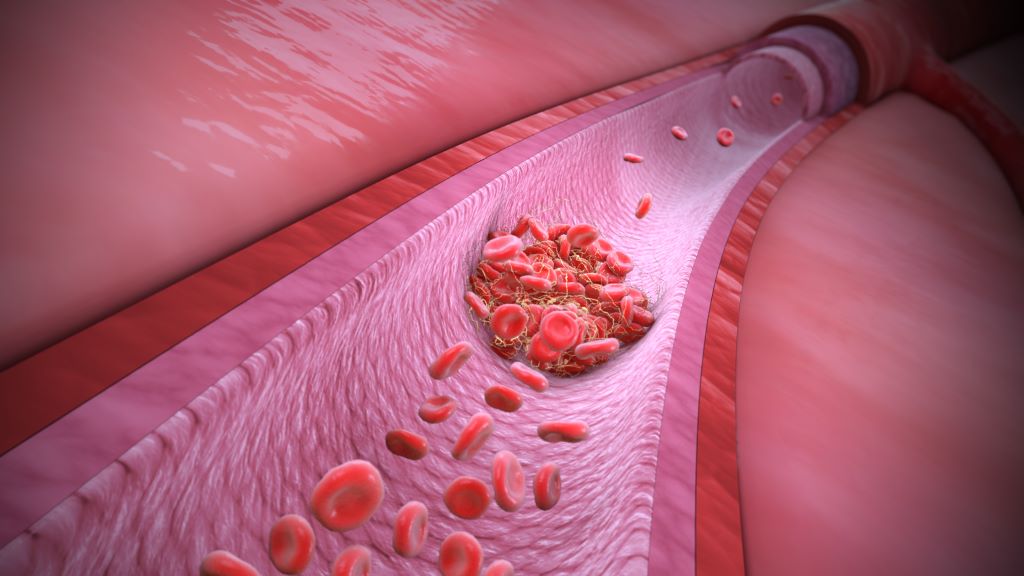
Thrombophilia. Credit: Scientific Animations CC4.0.

Researchers at Michigan Medicine have identified a mechanism that may explain why sotagliflozin, an approved dual SGLT1/2 inhibitor, reduces the risk of myocardial infarction and stroke. Laboratory experiments showed that the drug limits excessive platelet activation and aggregation, processes that promote arterial thrombosis.

Over the past decade, sodium-glucose cotransporter (SGLT)-2 inhibitors, such as empagliflozin and dapagliflozin, have become a mainstay of type 2 diabetes treatment. Over 20% of patients are taking the medications.

Sotagliflozin, a common diabetes medication, has demonstrated an unusual ability in clinical trials. Unlike medications that only target SGLT2, the drug reduced the risk of ischaemic events such as heart attack and stroke.

Sotagliflozin reduced platelet activation in samples from healthy volunteers and people with type 2 diabetes. The team also found that sotagliflozin made platelets less likely to stick together and form blood clots. In mice with injured blood vessels, the drug reduced clot formation by approximately 60%, compared with just 5-10% in animals treated with empagliflozin. 

Genetic or pharmacological SGLT1 blockade in platelets reproduced only part of the effect, indicating additional mechanisms, possibly involving endothelial SGLT1.

“These experiments showed that sotagliflozin has a unique effect, and blocking SGLT2 alone is not enough to inhibit platelet aggregation,” said Eugene Chen, MD, PhD, co-senior author and Frederick G. L. Huetwell Professor of Cardiovascular Medicine at U-M Medical School. 

“Sotagliflozin may offer additional protection against blood clots, potentially lowering the risk of heart attack and stroke.”

Dr Michael Holinstat (co-senior author) noted that a single agent addressing both glycaemic control and ischaemic risk could be advantageous. Dr Eugene Chen (co-senior author) emphasised that SGLT2 inhibition alone is insufficient for anti-platelet activity. Sotagliflozin is already indicated for heart failure, type 2 diabetes, chronic kidney disease and elevated cardiovascular risk; the authors suggest further evaluation in atrial fibrillation and other settings. The work appears in the Journal of Clinical Investigation.

Source: Michigan Medicine

The Heart’s Unusual Carbohydrate Metabolism Helps It Stay Strong

Microscope image of heart tissue showing mitochondria (striped oblongs in top right corner). Image credit: Gregory Ducker, PhD.

The heart is the hardest-working muscle in the body, beating constantly no matter what the body’s energy reserves look like. Maintaining energy flow to the heart is a complex process that can break down during common but severe cardiovascular disease conditions like heart failure. 

Researchers previously knew that heart muscle seems to do an unusual metabolic trick to always get enough energy: using two carbohydrate energy sources, glucose and lactate, at the same time. In most human tissues, using more glucose makes it harder to use lactate, and vice versa, but the heart is different.

Now, researchers have found a unique cell-level difference that helps keep heart muscle fuelled up: the ability to burn glucose in the cytosol while burning lactate in the mitochondria. This spatial separation allows both energy-generating reactions to happen simultaneously, helping keep the heart fuelled up no matter the energy source. While mostly dispensable to daily life, this process is crucial to preventing heart failure when the heart is stressed.

The results are published in Nature.

“This appears to be a critical backup system for heart function,” says Gregory Ducker, PhD, assistant professor of biochemistry at University of Utah Health and senior author on a paper describing the results. “In an emergency, we would really, really rely on this.”

The researchers found that the separation between glucose and lactate metabolism depends on a molecule called MCT1, which moves lactate to the inside of the mitochondria. Genetic mutations in MCT1 prevent lactate from entering the mitochondria and disrupt the heart’s energy balance, leading to heart failure when stressed. These results uncover a new requirement for lactate to fuel the injured heart and suggest new therapeutic targets to re-energise the heart during heart failure.   

“Our findings help point to new areas in which we could target the heart muscle to benefit and repair itself by allowing it to use lactate better. That’s the long-term goal: to help the heart muscle heal.”

Gregory Ducker, PhD

The discovery of a new pathway through which the heart muscle can use lactate to generate energy opens promising opportunities for developing new treatments for serious heart conditions, including heart failure and heart attacks.

“Rather than simply releasing lactate into the bloodstream as a waste product, we may be able to enhance the heart’s ability to use it as a valuable source of energy,” says Stavros Drakos, MD, PhD, professor of medicine at University of Utah Health and co-senior author of the study. “By optimising this process, we could potentially improve heart muscle function in patients suffering from heart failure or heart attacks.”

Source: University of Utah Health