

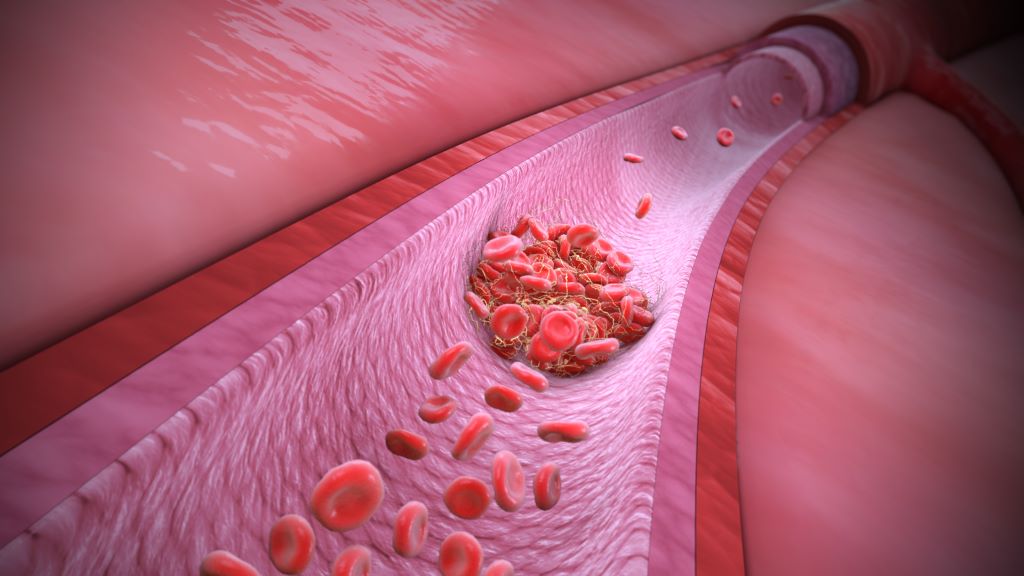
Researchers at Michigan Medicine have identified a mechanism that may explain why sotagliflozin, an approved dual SGLT1/2 inhibitor, reduces the risk of myocardial infarction and stroke. Laboratory experiments showed that the drug limits excessive platelet activation and aggregation, processes that promote arterial thrombosis.
Over the past decade, sodium-glucose cotransporter (SGLT)-2 inhibitors, such as empagliflozin and dapagliflozin, have become a mainstay of type 2 diabetes treatment. Over 20% of patients are taking the medications.
Sotagliflozin, a common diabetes medication, has demonstrated an unusual ability in clinical trials. Unlike medications that only target SGLT2, the drug reduced the risk of ischaemic events such as heart attack and stroke.
Sotagliflozin reduced platelet activation in samples from healthy volunteers and people with type 2 diabetes. The team also found that sotagliflozin made platelets less likely to stick together and form blood clots. In mice with injured blood vessels, the drug reduced clot formation by approximately 60%, compared with just 5-10% in animals treated with empagliflozin.
Genetic or pharmacological SGLT1 blockade in platelets reproduced only part of the effect, indicating additional mechanisms, possibly involving endothelial SGLT1.
“These experiments showed that sotagliflozin has a unique effect, and blocking SGLT2 alone is not enough to inhibit platelet aggregation,” said Eugene Chen, MD, PhD, co-senior author and Frederick G. L. Huetwell Professor of Cardiovascular Medicine at U-M Medical School.
“Sotagliflozin may offer additional protection against blood clots, potentially lowering the risk of heart attack and stroke.”
Dr Michael Holinstat (co-senior author) noted that a single agent addressing both glycaemic control and ischaemic risk could be advantageous. Dr Eugene Chen (co-senior author) emphasised that SGLT2 inhibition alone is insufficient for anti-platelet activity. Sotagliflozin is already indicated for heart failure, type 2 diabetes, chronic kidney disease and elevated cardiovascular risk; the authors suggest further evaluation in atrial fibrillation and other settings. The work appears in the Journal of Clinical Investigation.
Source: Michigan Medicine
