Day: August 19, 2026

This World-class Scientist from Cape Town Used to Cut up her Dolls and Perform Imaginary Transplant Surgeries

UCT’s Professor Liesl Zühlke has won a global women in science award for her groundbreaking work in improving care for children with cardiovascular disease. (Photo: Supplied)

By Sue Segar for Spotlight

Long before she became a pioneering scientist, Professor Liesl Zühlke insisted on seeing her tonsils after they were removed when she was just five years old. Today, paediatric cardiology is close to her heart, and her research has helped answer critical questions in the entire pipeline of heart disease.

In the mid-2000s, while working as a trainee in paediatric cardiology at the Red Cross War Memorial Children’s Hospital, Liesl Zühlke helped treat a 12-year-old patient who had an unusual congenital heart condition.

“His heart was so weak that he was dying,” she says. “He was thin, short of breath and very tired. He’d had multiple admissions to hospital and numerous health folders, tied together with elastic. On the front of his folder, the letters DNR (meaning do not resuscitate) were written in black khoki-pen.”

Zühlke recalls requesting an ultrasound of the heart, among other tests that eventually led to a diagnosis of a coronary artery anomaly. “This is a structural heart defect, present at birth, where the major coronary artery supplying the heart itself has the wrong origin, resulting in oxygen-poor blood supplying the heart muscle, causing it to die,” she explains. (See this Cleveland Clinic page for more on the condition.)

Fortunately, the defect is treatable with cardiac surgery to move the coronary artery to the correct place. Within a year of having this operation, the boy’s heart function had returned to normal.

A journey to research

This encounter was something of a turning point in Zühlke’s life. Till then, she’d only done clinical work, but the case piqued her interest in this particular lesion.

This experience, she says, was a lesson in looking beyond the obvious, re-examining a patient with a fresh approach, and asking new questions. “By thinking differently, we changed the trajectory of his life and many others.”

Zühlke did a small study looking at 30 cases of this lesion, and found it was more common than thought. “Our work led us to being able to diagnose this condition much earlier, before heart damage could happen, and children with the lesion could get surgery earlier. It made me realise why research and evidence-based medicine are so important … if one wants to impact not just the patient in front of you but multiple patients.”

A lifetime steeped in medicine

Zühlke, who was born and raised in Athlone, Cape Town, was from childhood fascinated about the inner workings of the human body.

“My siblings remember me cutting up my dolls and doing transplants with pieces of chicken,” she recalls with amusement.

When she had her tonsils removed at a tender five years old, she insisted on seeing the fleshy lymph node masses.

“My grandmother worked as a domestic worker in a residence at the University of Cape Town (UCT) and told us stories about students and what was happening there. Apparently, from when I was three or four, I said I wanted to study medicine,” says Zühlke.

It thus came as no surprise that she ended up studying medicine and surgery at the UCT. In 2015, she completed her PhD on the outcomes of asymptomatic and symptomatic rheumatic heart disease, which was supervised by the late Professor of Cardiology Bongani Mayosi. She calls him her “academic father” and “the man who saw something in me that I didn’t”.

In 2019, Zühlke was the first woman in South Africa to be appointed as a full professor in paediatric cardiology.

“It was always going to be paediatrics,” she says, adding “there was always a kid on my hip during ward rounds. With children, it’s not about status but about caring, and meeting them at their level.”

Losing patients, Zühlke says, is part of any doctor’s experience, “but it’s terrible telling a mother their child hasn’t got a normal heart and that there’s a possibility of death. To do that with compassion … is what we’re put in this world for.”

She says while her work started with research into rheumatic heart disease, her focus later evolved. “I started looking more at the reasons why we have the outcomes we do; the overarching determinants of why people are diagnosed late, why they don’t have enough treatment, and enough surgery; and why they have poorer outcomes.”

Today, Zühlke is vice-president of the South African Medical Research Council, and at Red Cross she is director of the Children’s Heart Disease Research Unit and a paediatric cardiologist in the Division of Paediatric Cardiology.

What types of things go wrong in children’s hearts?

Heart disease in children refers to any problem with the structure or work of the heart, explains Zühlke. There are two main types: congenital heart disease which relates to structural problems with the heart that are present at birth; and acquired heart disease that develops later.

“The heart is complete between six and eight weeks in utero. With congenital heart disease, the structural abnormalities are there already,” she says.

“The heart can be viewed as a house with four rooms or chambers, with walls that separate them, and veins or arteries going in or out to allow blood to move from one chamber to the next, through four valves or doors. There can be problems with any of those, for example, a hole in the heart, which is one of the most common things we see. If there’s a hole in one of the walls separating these chambers, then oxygen-rich and oxygen-poor blood can mix, making the heart and lungs work harder,” Zühlke says.

She says that a much more serious problem is when, instead of being born with four parts of the heart, a child is born with three or there’s obstruction to blood flow to the body. “This critical cardiac lesion requires surgery to reorganise the circulation. No surgery almost certainly means death. The range of structural abnormalities ranges from mild to critical. Congenital heart disease is the most common birth defect, affecting one in 50 children,” Zühlke says.

Explaining rheumatic heart disease, she says: “This is acquired later in life, particularly in children between the ages of five and fifteen, as a consequence of an infection called Streptococcus pyogenes (Strep A) which causes a sore throat or a skin infection and sets off an abnormal immune response. The body attacks and damages the tissue in the heart, an acute illness follows called Rheumatic fever and the permanent heart valve damage which results is known as Rheumatic Heart Disease.”

Zühlke believes not enough studies have been done to prove categorically what the prevalence of heart disease is in children in South Africa. “It’s hard to do a true birth prevalence study. But we’ve done a lot of work (through extrapolating numbers from other studies) to fill in the data gap showing that the prevalence in South Africa is similar to other parts of the world.” She says congenital heart disease is within the top five killers of children and more common than any other birth defects combined.

Unclear causes

The causes of congenital heart disease could include genetic changes, like chromosomal disorders like Down syndrome; maternal health issues like diabetes, obesity or infections; or exposure to smoke, alcohol or restricted medications during pregnancy.

The causes of acquired heart disease are similarly varied, ranging from environmental causes to and infections. It can take many forms. Kawasaki disease is a childhood illness that causes inflammation in the walls of blood vessels, resulting in fever, rashes and swelling; cardiomyopathy is a disease of the heart muscle that makes it harder for the heart to pump blood to the rest of the body. HIV-associated heart disease comes about because people living with HIV face a higher risk of developing cardiovascular disease.

The symptoms of heart disease, Zühlke says, include rapid breathing, an increased heart rate, and excessive sleepiness. Babies can be pale or blue around the fingers, toes or lips, and can tire when drinking or have problems gaining weight.

There are several possible diagnostics, but they are not always available in the public healthcare system. These include heart ultrasound, electrocardiograms, X-rays, and checking the amount of oxygen in the blood soon after birth, with a pulse oximetry test.

In addition, Zühlke says that some provinces such as the Northern Cape and Mpumalanga lack a paediatric cardiologist to make the diagnosis. “There are also issues with referrals to get diagnosed patients to centres for timeous attention. Sadly, people are dying without even knowing they had heart disease,” she says.

What we can do differently

Asked what could be done differently in the public sector to improve early diagnosis of heart issues, she says pulse oximetry screening is a simple, cost-effective, efficient test to rule out critical congenital heart disease. Zühlke says there are plans to incorporate it into the Road to Health Booklet used by health professionals and parents to monitor a child’s health and development.

“It wouldn’t be difficult to add pulse oximetry screening as a check before a baby is discharged from a hospital. It’s been well proven that it works. All that’s needed is a probe and somebody to do it; and it can tick a box on the child’s Road-to-Health chart.

“But that requires money because you need a particular newborn probe to do it … and people are busy in the clinics,” she says.

On rheumatic heart disease, Zühlke says it’s “unethical” that an entirely preventable disease is still such a problem in SA and Africa. “We need research, funding, and advocacy to change that, improving diagnosis, treatment and long-term care. Also, we need to make sure there’s a vaccine to treat strep A.”

First prize, she says, would be to enable immediate diagnosis of rheumatic fever. “Currently, there’s no one test to say a person has acute rheumatic fever.”

“Next, we need a different way of treating it (the current penicillin injection is extremely painful for children); and getting a vaccine in countries where it actually matters. In the meantime, the goal is to ensure people living with the disease get access to care.”

Zühlke says she’s following the work on a vaccine for rheumatic heart disease closely and is involved in a vaccine collaborative which is working to ensure that when the vaccine becomes available, it is accessible and affordable.

‘Some of them were my heart patients as children’

Meanwhile, her “varied, mad, interesting” life sees her overseeing numerous intra- and extramural research projects for the SAMRC and directing her childrens heart research unit at UCT. She still works in a multi-disciplinary clinic for women with cardio-vascular disease in Groote Schuur’s maternity centre which she loves.

“Some of them were my heart patients as children,” Zühlke says, adding that transitional care is a priority “because patients with congenital and rheumatic heart disease become adults, we need to ensure that they can get the best possible life-long care.”

Her big vision has always been “to integrate research into the clinical space, so that as you see patients, it goes into the research, and as you research, it goes back to the patient.” Zühlke adds: “Being part of the research landscape at the SAMRC is deeply gratifying. What I’d like to see, most importantly, is childhood onset heart disease recognised as an entity, part of policy … and in the national action plans.”

She is the 2026 laureate for Africa and the Arab States in the L’Oréal-UNESCO For Women in Science International Awards for her pioneering work in improving care for children with cardiovascular disease, particularly rheumatic heart disease. Given to the top five female scientists globally, the distinguished award recognised her for “combining cutting-edge science with social justice” and “turning the fight against childhood heart disease into a public policy priority”.

Zühlke is married to Alexander Zühlke, a plastic surgeon at Tygerberg Hospital in Cape Town, and together they have two children.

*This article is part of Spotlight’s 2026 Women in Health series, featuring the remarkable contributions of women to healthcare and science. Sign up to the Spotlight newsletter.

Coffee’s Biological Benefits Linked to Metabolic Health and Sex Hormones

Photo by Porapak Apichodilok on Pexels

Coffee is one of the world’s most widely consumed beverages, and previous research has linked its consumption to a lower risk of conditions such as type 2 diabetes and cardiovascular disease. However, the biological mechanisms behind these benefits remain unclear. A new Finnish study links habitual coffee consumption to healthier body composition and metabolic markers, while revealing distinct associations with sex hormones in men and women.

The study, conducted at the University of Oulu, analysed data from 2264 participants aged 46 in the Northern Finland Birth Cohort 1966. Researchers examined how habitual coffee consumption was associated with circulating metabolites, cardiometabolic risk markers and sex hormones.

Despite having a similar body mass index (BMI), individuals with higher coffee consumption had lower total and visceral fat and greater skeletal muscle mass than those who consumed less coffee.

In both men and women, higher coffee consumption was correlated with lower circulating levels of branched-chain amino acids, biomarkers that have previously been linked to insulin resistance and an increased risk of type 2 diabetes when chronically elevated.

The strongest sex-specific associations were observed in men. Higher coffee consumption was linked to a more favourable glucose–insulin profile, higher concentrations of total and bioavailable testosterone, and increased levels of sex hormone-binding globulin (SHBG). At the same time, free testosterone and the free androgen index were modestly lower. In women, hormonal associations were more limited and were primarily characterised by higher SHBG and lower measures of free androgens.

“Coffee is consumed by millions of people every day, yet we still know surprisingly little about how it relates to our metabolism and hormones. What stood out in our findings was a distinct hormonal signature that didn’t disappear even after we took into account BMI and lifestyle factors, with several of these associations differing between men and women,” says Luca Verroest, lead author of the study and Doctoral Researcher at the University of Oulu.

The results suggest that hormonal pathways may partly explain the relationship between coffee consumption and metabolic health. However, as this was an observational study, the findings demonstrate associations rather than cause-and-effect relationships.

The study is particularly relevant in Finland, one of the world’s highest coffee-consuming countries, where annual consumption averages around 11.8 kilograms per person.

The researchers say the findings provide a foundation for future studies aimed at determining whether coffee itself drives these biological changes and identifying the compounds responsible. These questions are currently being investigated in animal models, with the long-term goal of progressing to human intervention studies. Further research will be needed before the findings could inform dietary recommendations.

The study, Associations of habitual coffee intake with testosterone and cardiometabolic markers: the Northern Finland Birth Cohort 1966 study, has been published in the European Journal of Nutrition on 16 July 2026.

Source: University of Oulu

Researchers Examine Unanticipated Benefits of GLP-1 Medications

Editorial highlights emerging benefits and questions surrounding this rapidly expanding class of medications

Photo by Haberdoedas on Unsplash

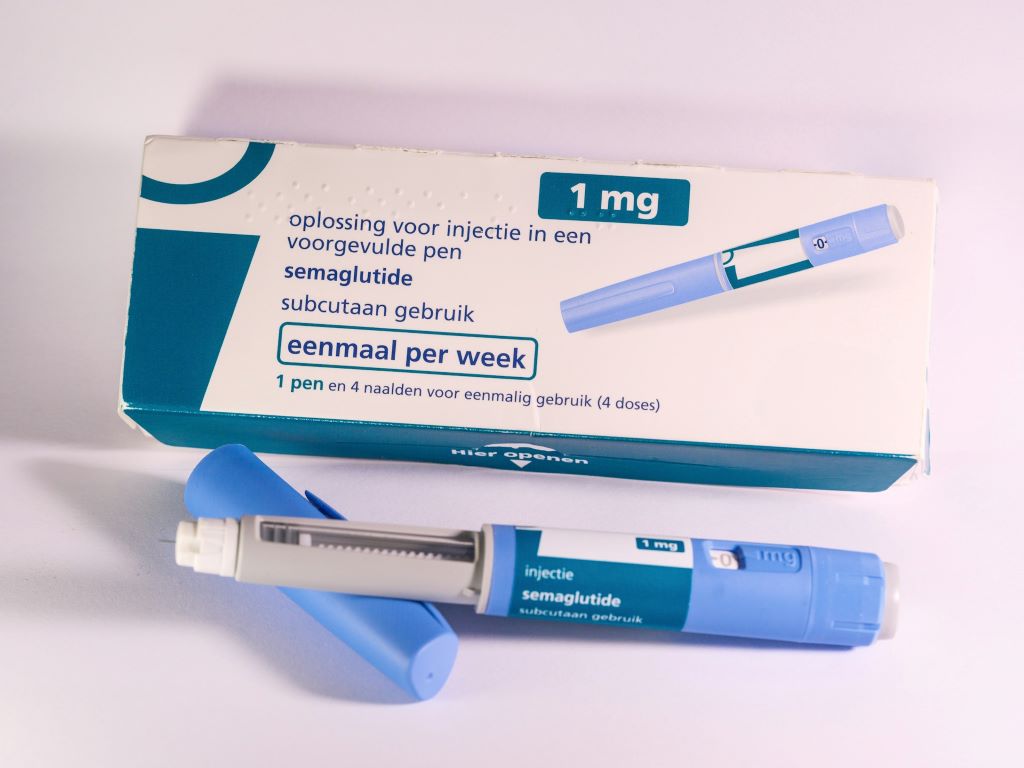
GLP-1 receptor agonists and dual agonists have transformed the treatment of obesity and other metabolic diseases, and a new editorial co-authored by Dr Steven Heymsfield of LSU’s Pennington Biomedical Research Center and Dr Adam Gilden of the University of Colorado examines what scientists are learning as these medications reach millions of people.

The editorial, “Unanticipated Effects of GLP-1 Receptor Agonists: A Net Positive,” was published in the journal Obesity and highlights additional benefits that were not fully anticipated when the drugs were initially developed.

“Most of the unanticipated side effects of GLP-1 receptor agonists have been positive,” the authors wrote.

The researchers highlight evidence suggesting GLP-1 medications may reduce inflammation and lower the risk of certain cardiovascular and musculoskeletal conditions. Emerging studies also suggest the medications may reduce alcohol consumption and the risk of certain substance use disorders, although additional clinical trials are needed to confirm these effects.

At the same time, questions remain about the medications’ effects on lean body mass and nutritional health. Weight loss associated with GLP-1 medications can include reductions in lean mass, including muscle, making it important to understand how to preserve muscle through exercise and appropriate nutrition. Reduced appetite may also increase the risk of micronutrient deficiencies in some patients.

“GLP-1 receptor agonists have already transformed the practice of medicine in the United States, and this change will continue as more medications come onto the market,” the authors wrote.

The researchers identify three key priorities for future GLP-1 research:

  • Understanding the mechanisms behind potential reductions in inflammation,
  • Conducting randomised trials to better understand changes in lean body mass and ways to preserve muscle,
  • Conducting larger randomised trials to determine whether these medications can reduce alcohol use disorders.

Despite the remaining questions, the authors conclude that the evidence available to date supports a favourable overall risk-benefit profile for GLP-1 receptor agonists and dual agonists.

Source: Pennington Biomedical Research Center

Can Humans Regulate Acute Inflammation Through Attention?

Source: Pixabay CC0

We usually think of bodily sensations as information the brain receives. What if the way we attend to those sensations can feed back and change the biological response itself?

Attention is already known to shape how bodily sensations are perceived. Focusing away from pain or itch, for example, can make these sensations feel less intense. A new study from the lab of Dr Liron Rozenkrantz at Bar-Ilan University’s Azrieli Faculty of Medicine, published in Nature Human Behaviour, shows that attention can also influence the body’s inflammatory response.

When people voluntarily focused their attention on sensations arising from a small area of inflammation in their arm, the inflammatory response was smaller and showed faster recovery dynamics than when their attention was directed away from those sensations.

The study, led by Dr Nofar Mizrachi and conducted in collaboration with Prof Menachem Rottem, a clinical immunologist, involved 57 healthy volunteers across three preregistered experiments. Participants underwent a standardised procedure that produced a small, temporary inflammatory response in the skin. They were then instructed either to focus on sensations from the affected area or to direct their attention elsewhere. The researchers measured the inflammatory response for 20 minutes as it unfolded, along with physiological measures such as heart-rate variability, skin temperature and autonomic activity.

The effect was substantial and highly consistent: nearly 90% of participants showed a smaller inflammatory response when they focused on the affected area, with responses approximately 1.5-fold smaller under internal attention compared with distraction. Differences emerged within minutes, with the response also showing faster return toward baseline.

“What was particularly striking was that directing attention toward the inflamed area changed not only what participants experienced, but the inflammatory response itself,” said Dr Rozenkrantz. “This raises the possibility that our subjective experience of what is happening in the body is not only a passive process, but may be actively contributing to how physiological responses are regulated.”

The researchers identified two complementary pathways that contributed to the effect. One involved sensory signals coming from the inflamed tissue. The other was a top-down mechanism through which attention continued to influence inflammation even when sensory signals were reduced using a local anesthetic.

Together, the findings suggest that attention can influence inflammation through both sensory and top-down pathways. More broadly, they suggest that the way the brain prioritises signals from the body may have consequences for how the body regulates itself.

The experiments involved healthy volunteers and a controlled model of acute skin inflammation. Whether the same mechanisms apply to chronic inflammation, autoimmune disease, wound healing or other conditions remains to be determined. The team’s next step is to identify the precise brain and immune pathways involved and determine whether similar effects occur in other physiological systems.

Source: EurekAlert!

Ultra-Processed Foods Linked to Notably Higher Prostate Cancer Risks

Photo by Erik Mclean

Growing evidence links higher consumption of ultra-processed foods (UPFs) to a range of health problems. Research has identified several potential biological pathways through which UPFs may contribute to cancer. These include metabolic disruption, inflammation, oxidative stress, and changes to the gut microbiome. However, data are sparse about whether men who consume high amounts of UPFs have greater risks of prostate cancer.

Now, new research from Florida Atlantic University’s Charles E. Schmidt College of Medicine provides evidence that men with higher consumption of UPFs have increased risks of prostate cancer. Published in The American Journal of Medicine, the study analyses a large and nationally representative survey from 17 024 US adults males from 2003 through 2023. Researchers used two 24-hour dietary recalls to calculate the percentage of daily calories participants consumed from UPFs. Using the validated and widely used NOVA classification system, they divided participants into four groups, ranging from less than about 20% of calories from UPFs to more than 44%.

Men in the three higher-consumption groups of UPFs had a 29% greater risk of prostate cancer, while those in the two highest-consumption groups had a 30% greater risk, compared to those in the lowest consumption group. After adjustments for age, race and ethnicity, smoking, and poverty status, the increased risk remained significant, ranging from 24% to 31%. Men with the highest UPF intake alone had a possible 34% higher risk, although the finding did not reach statistical significance, potentially reflecting the smaller number of prostate cancer cases in that group.

“Among adult men in this nationally representative US population, those who consumed higher amounts of UPFs had significantly higher risks of the subsequent development of prostate cancer,” said Charles H. Hennekens, MD, FACPM, FACC, senior author and the First Sir Richard Doll Professor of Medicine and Preventive Medicine in the Department of Medicine and the Department of Population Health at FAU’s College of Medicine. “These findings add to emerging evidence that UPFs have major adverse health effects and underscore the need for large-scale observational studies and randomised trials to adequately test the hypothesis.”

Previous studies have shown that people who consume larger amounts of UPFs have higher risks of overweight and obesity, metabolic disease, markers of inflammation, cardiovascular disease, principally heart attacks and strokes, as well as premature death.

This original research adds to the armamentaria of a major battle in which the priorities of the food  industry do not align with the needs of the U.S. public. The authors opine that just as the dangers of tobacco began to emerge during the middle of the prior century, decades passed before the preponderance of evidence and the efforts of forward-thinking health officials prompted policy changes to discourage cigarette use. The authors believe that this is likely to be a similar path for UPFs.

“Reducing consumption of UPFs is a complex public health challenge, particularly given how prevalent and accessible these products are,” said co-author Timothy De Ver Dye, PhD, professor and chair of FAU’s Department of Population Health. “Healthcare providers should recognise that many patients face barriers to accessing and affording healthier food options. Addressing these challenges will require efforts that extend beyond individual choices to support greater access to nutritious, minimally processed foods.”

According to the International Agency for Research on Cancer, nearly 1.5 million men worldwide were diagnosed with prostate cancer in 2022, and nearly 400 000 died from the disease.

“All healthcare professionals should encourage patients to adopt healthy lifestyle practices and evidence-based therapies, while also helping them reduce their consumption of ultra-processed foods,” Hennekens said. “Patients and their healthcare providers should consider this finding as part of broader efforts to promote healthier dietary choices.”

Study co-authors are FAU medical students Hunter Scott and John Dunn as well as Yanna Willett, a doctoral student at the University of Oxford in the United Kingdom.

Source: Florida Atlantic University