Month: November 2025

Largest Study Reveals Best Treatment Options for ADHD

Photo by Towfiqu barbhuiya on Unsplash

The most comprehensive review to date of ADHD treatments has found that medication for children and adults, and cognitive behavioural therapy for adults, remain the most effective approaches, backed by the strongest short-term trial evidence.

Researchers led by the Université Paris Nanterre (France), Institut Robert-Debré du Cerveau de l’Enfant (France), and the University of Southampton (UK) analysed over 200 meta-analyses covering different treatment types, participant groups, and clinical outcomes in a study published in The BMJ.

The research was funded by public and peer-reviewed research grants from Agence Nationale de la Recherche (France), France 2030 program (France), and National Institute for Health and Care Research (UK).

To help people with attention deficit hyperactivity disorder (ADHD) and their clinicians make more informed, shared decisions, the team has created an interactive website that clearly presents the findings and the evidence behind each treatment based on the review (ebiadhd-database.org ).

“We know that people with ADHD and their families are often overwhelmed by conflicting messages about which treatments work,” says Professor Samuele Cortese , an NIHR Research Professor at the University of Southampton and senior lead author on the paper.

“We believe this study and the accompanying website provide the most authoritative, evidence-based, and accessible guidance currently available.

“The Evidence-Based Interventions for ADHD website provides freely available, evidence-based, and continuously updated information in an easy-to-understand way. To the best of our knowledge, this is the first platform in the world to do so based on such a rigorous synthesis of the available evidence.”

Overall, five medications in children and adolescents, and two medications and cognitive behavioural therapy (CBT) in adults were shown to be effective while supported by a relatively robust evidence base. Critically, all this evidence was limited to the short-term, despite long-term treatment being common in clinical practice.

Treatments like acupuncture, mindfulness and exercise showed promise, but the evidence supporting their use was of a low quality due to small numbers of participants and risk of bias. The limitations applied to studies evaluating cognitive behavioural therapy in children and adolescents, as well as research on the long-term effects of mindfulness in adults, although mindfulness was the only intervention to demonstrate large beneficial effects at extended follow-up.

Dr Corentin Gosling, Associate Professor at the Paris Nanterre University and first lead author of the study, says: “Long waiting lists for mental health services are a major issue. Having incorrect information about treatments can make people’s journeys even more difficult, by wasting time and money on non-evidence-based approaches, for example.

“By contrast, taking the time to review all treatment options within a shared decision-making process using the web app we developed can empower people with ADHD, leading to better treatment adherence, improved outcomes, and an overall better patient experience.”

The findings generally complement current international clinical guidelines, not only by providing convenient access to current high-quality evidence, but also by covering interventions not usually mentioned in clinical guidelines.

The team hope this new project will achieve a similar impact in influencing clinical guidelines and practice as their previous project (ebiact-database.com), which looked at treatments for autism.

Benefits and harms of ADHD interventions: umbrella review and platform for shared decision making is published in The BMJ and is available online.

Source: University of Southampton

Bird Flu Viruses Are Resistant to Fever – Making Them a Major Threat to Humans

Photo by Karol Klajar on Unsplash

Bird flu viruses are a particular threat to humans because they can replicate at temperatures higher than a typical fever, one of the body’s ways of stopping viruses in their tracks, according to new research led by the universities of Cambridge and Glasgow.

In a study published in Science, the team identified a gene that plays an important role in setting the temperature sensitivity of a virus. In the deadly pandemics of 1957 and 1968, this gene transferred into human flu viruses, and the resulting virus thrived.

Human flu viruses cause millions of infections every year. The most common types of these viruses, which cause seasonal flu, are known as influenza A viruses. They tend to thrive in the upper respiratory tract, where the temperature is around 33°C, rather than deep in the lungs in the lower respiratory tract, where the temperature is around 37°C.

Unchecked, a virus will replicate and spread throughout the body, where it can cause illness, occasionally severe. One of the body’s self-defence mechanisms is fever, which can cause our body temperature to reach as high as 41°C, though until now it has not been clear how fever stops viruses – and why some viruses can survive.

Unlike human flu viruses, avian influenza viruses tend to thrive in the lower respiratory tract. In fact, in their natural hosts, which include ducks and seagulls, the virus often infects the gut, where temperatures can be as high as 40-42C.

In previous studies using cultured cells, scientists have shown that avian influenza viruses appear more resistant to temperatures typically seen in fever in humans. Today’s study uses in vivo models – mice infected with influenza viruses – to help explain how fever protects us and why it may not be enough to protect us against avian influenza.

An international team led by scientists in Cambridge and Glasgow simulated in mice what happens during a fever in response to influenza infections. To carry out the research, they used a laboratory-adapted influenza virus of human origin, known as PR8, which does not pose a risk to humans.

Although mice do not typically develop fever in response to influenza A viruses, the researchers were able to mimic its effect on the virus by raising the ambient temperature where the mice were housed (elevating the body temperature of the mice).

The researchers showed that raising body temperature to fever levels is effective at stopping human-origin flu viruses from replicating, but it is unlikely to stop avian flu viruses. Fever protected against severe infection from human-origin flu viruses, with just a 2C increase in body temperature enough to turn a lethal infection into a mild disease.

The research also revealed that the PB1 gene of the virus, important in the replication of the virus genome inside infected cells, plays a key role in setting the temperature-sensitivity. Viruses carrying an avian-like PB1 gene were able to withstand the high temperatures associated with fever, and caused severe illness in the mice. This is important, because human and bird flu viruses can ‘swap’ their genes when they co-infect a host at the same time, for example when both viruses infect pigs.

Dr Matt Turnbull, the first author of the study, from the Medical Research Council Centre for Virus Research at the University of Glasgow said: “The ability of viruses to swap genes is a continued source of threat for emerging flu viruses. We’ve seen it happen before during previous pandemics, such as in 1957 and 1968, where a human virus swapped its PB1 gene with that from an avian strain. This may help explain why these pandemics caused serious illness in people.

“It’s crucial that we monitor bird flu strains to help us prepare for potential outbreaks. Testing potential spillover viruses for how resistant they are likely to be to fever may help us identify more virulent strains.”

Senior author Professor Sam Wilson, from the Cambridge Institute of Therapeutic Immunology and Infectious Disease at the University of Cambridge, said: “Thankfully, humans don’t tend to get infected by bird flu viruses very frequently, but we still see dozens of human cases a year. Bird flu fatality rates in humans have traditionally been worryingly high, such as in historic H5N1 infections that caused more than 40% mortality.

“Understanding what makes bird flu viruses cause serious illness in humans is crucial for surveillance and pandemic preparedness efforts. This is especially important because of the pandemic threat posed by avian H5N1 viruses.”

The findings may have implications for the treatment of infections, though the team stresses that more research is needed before changes are considered for treatment guidelines. Fever is often treated with antipyretic medication, which include ibuprofen and aspirin. However, there is clinical evidence that treating fever may not always be beneficial to the patient and may even promote transmission of influenza A viruses in humans.

Professor Wendy Barclay, Chair of the Medical Research Council (MRC) Infections and Immunity Board, said: “This elegant study builds on the very simple observation that different animals have different body temperatures, and shows how this may impact the way that viruses replicate in new hosts as they cross species barriers. The authors show that replication of human-adapted influenza virus is attenuated when temperatures are increased, such as in a fever. But avian influenza viruses, whose natural hosts have higher body temperatures, are not controlled by the fever response when they cross into mammals.

“They link their findings to one particular gene of the virus, called PB1, which is often carried over from birds when a new pandemic virus emerges. These findings have important implications for when and how to use drugs to control the fever that is associated with an influenza infection, and may also help us to understand why the disease from some influenza outbreaks is more severe.”

The research was funded primarily by the Medical Research Council, with additional funding from the Wellcome Trust, Biotechnology and Biological Sciences Research Council, European Research Council, European Union Horizon 2020, UK Department for Environment, Food & Rural Affairs, and US Department of Agriculture.

Reference

Turnbull, ML et al. Avian-origin influenza A viruses tolerate elevated pyrexic temperatures in mammals. Science; 27 Nov 2025; DOI: 10.1126/science.adq4691

Republished from Cambridge University under a Creative Commons Attribution-NonCommercial-ShareAlike 4.0 International License.

Read the original article.

Release of Useful Health Statistics: 2015 to 2025

Mycobacterium tuberculosis drug susceptibility test. Photo by CDC on Unsplash

By Marcus Low and Nathan Geffen

The National Health Laboratory Service has provided HIV, TB, syphilis and cholesterol data, which Spotlight and GroundUp obtained through the Promotion of Access to Information Act.

Earlier this year, we made a request for data to the National Health Laboratory Service (NHLS) using the Promotion of Access to Information Act. In October, we were provided with the data we requested (and more).

We are grateful and impressed that the NHLS provided the data without fuss and without the need to go to court. Other state institutions could learn from this.

We used the data to analyse HIV viral load data in light of the withdrawal of US aid. It led to us publishing this article: Withdrawal of US aid has hurt South Africa’s HIV programme.

From the outset, we’ve intended to make the data public. No information on patients is recoverable from this data as the finest detail is at the monthly provincial level. We are therefore publishing this data, as an open document format spreadsheet, today. We are of the view that the data provided is useful for scientists and journalists and we hope the NHLS will regularly publish updates to it.

The spreadsheet contains monthly tallies per province of viral load tests, CD4 counts, TB tests, syphilis tests, full blood counts and cholesterol tests. The period covered is January 2015 to September 2025.

Download the spreadsheet

Much of the data is not straightforward to interpret. For example, after we puzzled over the decline in cholesterol tests, one expert pointed out to us that the decrease is probably due to changes in the standard second-line HIV treatment used in the public sector (some older HIV medicines had potential side effects that made cholesterol tests necessary). Similarly, changes in the number of TB tests conducted will have been impacted by guidelines that expanded eligibility for TB testing.

The NHLS informed us of the following caveats:

  1. All counts reflect the number of tests captured on the NHLS TrakCare (LabTrak) Laboratory Information System (LIS) as at the time the counts were performed (21 October 2025).
  2. A system-generated date from the time a sample was captured onto the LIS was used to total counts per month/year.
  3. There may be anomalies in counts for a few months from July 2024 because of disruptions caused by a cyber-attack.
  4. As test counts were requested, rejected tests and unreviewed results were included.
  5. As test counts were requested, the counts provided reflect the number of tests done, not the number of patients tested, as multiple tests may be performed on one patient sample. For example, for a full blood count, each individual test was counted.
  6. The “Pregnant or postnatal women” group was identified according to the NHLS maternal eGK (electronic gatekeeping) codes.

(We have amended the NHLS spreadsheet by inserting a new sheet with the above caveats and a link to this article. No other material changes have been made to the spreadsheet.)

This article was jointly produced by Spotlight and GroundUp.

Republished from Spotlight under a Creative Commons licence.

Read the original article.

New Trial Could End Kidney Transplant Recipients’ Need for Lifelong Immunosuppression

Human kidney. Credit: Scientific Animations CC0

When Karina Ledesma’s kidneys failed in high school, she was told she’d need a transplant – and a lifetime of immunosuppressive drugs to keep it working. But thanks to an experimental UCLA clinical trial, she’s now living with a kidney donated by her sister and no longer needs daily medications to protect it. 

“It was such a relief to finally throw all the drugs away,” said Ledesma, 26. “I didn’t need to keep them here. I didn’t need to see them every day as a reminder. Tossing them all out was just a really great feeling.”

For nearly a year after her transplant, and before enrolling in the trial, Ledesma experienced troubling side effects from the immunosuppressive medications – insomnia, burning sensations in her fingers and toes and the constant need to plan her day around taking pills at 8am and 8pm. 

Now she’s finally free from those burdens. Ledesma has been off her medications for just over a month, and her sister Rosa Rivera, 28, who donated the kidney, supported her through every step of the journey. 

More patients may soon have the same opportunity. UCLA’s Dr. Jeffrey Veale has received a $6.7 million grant from the California Institute for Regenerative Medicine to expand the clinical trial that helped Ledesma.

His study explores delayed immune tolerance, which involves infusing donor-derived blood stem cells months or even years after a kidney transplant to retrain the recipient’s immune system with the aim of eliminating the need for lifelong immunosuppressive drugs currently required to prevent organ rejection.

Veale and his team have already demonstrated early success with this approach, focusing solely on patients with a close-sibling match who had their transplant within the last five years. Starting in January 2026, the clinical trial will open to patients who have had kidney transplants up to 20 years ago.

Veale’s method works like this: After infusion, the donor stem cells integrate into the recipient’s bone marrow and immune system, creating a mixed population of donor and recipient immune cells — a state known as chimerism. This helps the recipient’s immune system recognize the transplanted kidney as “self,” reducing the risk of rejection and eliminating the need for ongoing immunosuppressive medications.

Of the six patients treated in the phase 1/2 trial to date, three are completely off immunosuppressive drugs, and the others are on a lower dose or successfully tapering. 

“This could be the difference between managing end-stage renal disease as a chronic condition and actually curing it,” said Veale, professor of urology at the David Geffen School of Medicine at UCLA and a member of the UCLA Broad Stem Cell Research Center. “A kidney transplant takes recipients most of the way there, but patients say being able to get off immunosuppressive drugs feels like truly being cured.”

Expanding the trial 

The new grant will fund the enrollment of 10 additional patients in the trial and support research into the science behind immune tolerance, helping Veale and his team identify the biological mechanisms that make tolerance possible and uncover biomarkers that could predict which patients are most likely to benefit. 

The clinical trial is currently only open to patients who have received a kidney donation from a well-matched sibling. Veale hopes that by understanding how tolerance occurs, he and others can pinpoint ways to make it possible in a broader range of donor-recipient types — and in more kinds of organ transplant cases.

“Right now, only a select group of patients qualify for this therapy,” said Veale, who is also director of the UCLA Kidney Exchange Program. “But if we can understand why tolerance works at the cellular level, we may be able to offer it to patients with less well-matched donors – or even extend it to liver and other transplants. That’s what makes this research so exciting. It’s not just about improving outcomes – it’s about unlocking immune tolerance for many more patients.”

Freeing more patients from the burden of immune suppression

Immunosuppressive medications, while essential for transplant success, come with serious — and sometimes life-threatening — side effects including infections, cardiovascular disease, diabetes and cancer. Ironically, they can also cause damage to the very organ they’re meant to protect.

“These immunosuppressive drugs have not changed in decades,” Veale said. “They’re expensive, impair the recipient’s quality of life and decrease graft survival. Once patients start taking them, it’s just a matter of time until they’ll need another transplant.” 

Approximately half of all kidney transplants fail within 15 years and many of the 90,000 people currently waiting for a kidney in the U.S. are heading for their second, third or fourth transplant.

Delayed tolerance could help turn the tide. Unlike earlier protocols that required simultaneous kidney and stem cell transplants, Veale’s method opens up immune tolerance for patients who received a kidney transplant years ago. 

This not only makes it possible to treat patients who received their kidney transplant elsewhere but also enables the stem cell infusion to take place on an outpatient basis, without placing strain on hospital beds and resources.

Importantly, the delayed protocol opens the door for tolerance beyond kidney transplant, where the recipient can recover from their major surgery prior to receiving conditioning treatment and donor stem cell infusion.

“The beauty of doing it in a delayed fashion is that it takes all the pressure off the hospital,” said Veale. “The transplant has already occurred, whether it was done at UCLA or in another part of the world. Now the patient just comes in for an outpatient conditioning regimen and stem cell infusion. They get their treatment in the morning and are out and about in the afternoon. That’s what makes it so scalable.”

Understanding why tolerance works

Still, more research is needed to fully understand why delayed tolerance works and which patients are most likely to benefit. 

Veale’s team will use the CIRM funding to analyse blood and tissue samples from trial participants to look for clues: changes in immune cell populations, cytokine profiles or signs of donor cells persisting in the organ itself. These insights could help researchers predict who will respond best to the protocol and guide the design of future trials involving mismatched pairs.

“With this funding, we can find out why tolerance works. We really don’t fully understand the immunology behind it,” Veale said. “For example, we’ve seen patients lose all signs of donor stem cells over time and yet remain tolerant and off their medications. That tells us something deeper is happening – maybe the donor stem cells re-educate the recipient’s immune system and leave a footprint we can’t yet detect. This grant gives us a chance to finally study what’s going on and learn how to replicate it in more patients.”

Ultimately, Veale hopes the research will help shift the transplant field’s focus from preserving organ function to preventing long-term harm – not just keeping donated kidneys working, but keeping recipients healthy and medication-free. 

Source: University of California – Los Angeles

Many Men May Not Need Long-term Hormone Therapy for Prostate Cancer

cancer 1
Wild type human prostate cells from an organoid. Credit: National Cancer Institute, National Institutes of Health

A study co-led by investigators at the UCLA Health Jonsson Comprehensive Cancer Center found that most of the benefits of androgen deprivation therapy (ADT) for prostate cancer occur within the first 9 to 12 months. Extending therapy beyond that provides only a small additional protection and increases the risk of other health problems, such as heart or metabolic issues. Results show that the ideal length of ADT depends on cancer risk:

  • Low-risk patients may not need ADT.
  • Intermediate-risk patients benefit most from 6 to 12 months.
  • High-risk patients may benefit from up to 12 months, while very high-risk patients may require longer therapy.

The study was published in the journal JAMA Oncology

ADT is a type of hormone therapy that is commonly given alongside radiation to slow the growth of prostate cancer by lowering testosterone. While effective at controlling the disease, long-term ADT can cause side effects, including bone loss, muscle loss and cardiovascular problems. Current treatment guidelines generally recommend 4 to 6 months of ADT for intermediate-risk patients and 18 to 36 months for high-risk patients, but the optimal duration has been unclear.

Researchers conducted a Meta-Analysis of Randomized Trials in Cancer of the Prostate (MARCAP) Consortium using data from 10 266 men across 13 international clinical trials. They assessed outcomes including overall survival, cancer-specific survival and deaths from other causes, comparing different ADT durations. 

The findings highlight the importance of personalised treatment plans for men with prostate cancer. Shorter courses of hormone therapy may be sufficient for many patients, reducing side effects while maintaining effectiveness. Physicians can now use patient-specific factors, including cancer risk, overall health, age and preferences, to make more informed decisions about ADT duration, improving both safety and quality of life.

Source: University of California – Los Angeles

Virtual Reality Nature Walks and “Magic” Hands: A New Era in Pain Management

Photo by Matteo Vistocco on Unsplash

What if arthritis sufferers could take an immersive walk through a forest filled with soothing birdsong and then, with some help from hypnosis, come to experience their pain as separate from their body – and expel it?

That’s the goal of research led by David Ogez, a professor in the Department of Anesthesiology and Pain Medicine at Université de Montréal and a clinical researcher at the Maisonneuve-Rosemont Hospital Research Centre.

Together with postdoctoral researcher Valentyn Fournier, Ogez is testing an approach that combines medical hypnosis and virtual reality (VR) to help seniors manage chronic arthritis pain in the hands, a common and debilitating condition.

Their research was published online last month in BMJ Open.

“Chronic pain is a major public-health issue that affects about one in five people in Canada and as many as one in three over the age of 60,” said Ogez. “It significantly impacts quality of life, mobility and mental health.  But apart from pharmacological treatments, solutions are few.”

The problem lies in the limitations of drug treatments, including the risk of addiction to painkillers. This led Ogez and his team to explore complementary, non-invasive methods to help patients better manage their pain.

A powerful duo

Medical hypnosis is already recognized as an effective pain management tool, particularly in palliative care and post-operative settings. It relies on hypnotic suggestion—guided phrases that help patients alter their sensory and emotional perception of pain.

For example, patients may be asked to imagine submerging their sore hand in cold water, or be guided through controlled breathing techniques to synchronize their heartbeat and breathing to induce relaxation.

Ogez’s team wanted to take it one step further by combining the power of hypnosis with immersive virtual experiences.

Wearing a headset, the patient is transported to a Quebec landscape—a forest, mountains, a beach—accompanied by music and the sounds of nature. Developed in Quebec, this application was originally designed to give end-of-life patients the opportunity to “visit” places they never had the chance to see in real life.

Pairing hypnosis and VR makes it possible to visualize and manipulate pain, allowing patients to reclaim control of their bodies and their pain, research has shown.

One intervention being tested is the “magic hand.” In virtual reality, patients look at their hand and put little sparkles on the painful area to alleviate the pain. Another intervention involves guiding patients to “objectify” their pain: to make it visible on their hand and then remove it. 

“The pain is still there, but…”

The researchers are also interested in the physiological mechanisms responsible for the pain relief provided by these techniques, which may resemble those associated with mindfulness.

One hypothesis is that VR distracts the brain. By intensely engaging vision, hearing and concentration, VR redirects mental resources that would otherwise be mobilized by pain. Hypnosis then reinforces this diversion of attention by guiding the patient toward pleasant sensations and gradual relief.

Neuroscience research has shown that these techniques modulate the activity of the anterior cingulate cortex and primary somatosensory cortex, two brain regions involved in the emotional and perceptual processing of pain.

“The pain is still there, but its unpleasantness and intensity are reduced,” explained Ogez.

Exposure to nature also provides psychological benefits. “Nature refreshes attention, directing the mind away from negative stimuli and restoring our ability to focus on positive ones,” said Fournier.

Promising preliminary results

Beyond the immediate calming or distracting effects of a treatment session combining hypnosis and VR, the new research aims to help patients develop self-hypnosis skills they can use at home. 

The team is also working on developing a neurofeedback tool that patients can use to track and regulate their brain activity in real time in order to help them modulate their physiological responses during immersive VR experiences. 

While the study is presently in the randomized clinical trial phase, the preliminary feedback from participants is encouraging, said Ogez.

“We’re seeing good patient satisfaction, although we mustn’t confuse satisfaction with effectiveness,” he cautioned. “Still, we’re hopeful, since pain is partly a subjective experience.” 

Complications After Stent Surgery Are More Common in Individuals with Diabetes

Percutaneous coronary intervention.
Percutaneous coronary intervention. Credit: Scientific Animations CC4.0

Patients with diabetes have an increased risk of complications after stent implantation, according to a study from Karolinska Institutet published in Diabetes Care. The study emphasises the importance of tailoring treatment strategies for this specific patient group.

Researchers have conducted a comprehensive study to investigate the risk of stent complications in patients with diabetes. The study consists of data from over 160 000 patients who received drug-eluting stents (small tubes placed in the coronary arteries of the heart that slowly release drugs to reduce the risk of the vessel becoming blocked again) between 2010 and 2020. The patients were divided into three groups: type 1 diabetes, type 2 diabetes, and patients without diabetes.

Highest risk in type 1 diabetes

The results show that patients with type 1 diabetes have more than twice the risk of stent complications compared to patients without diabetes. For patients with type 2 diabetes, the risk is also elevated, but not as significantly. Complications include both narrowing of the artery in the stent and blood clots in the stent.

“Our results show that people with diabetes, especially type 1 diabetes, have a much higher risk of stent complications. Therefore, it is important to carefully consider how we treat these patients,” says first author Irene Santos-Pardo, researcher at the Department of Clinical Science and Education, Södersjukhuset, Karolinska Institutet.

Tailored treatment strategies

The study also shows that the risk of stent complications is highest during the first few months after stent implantation. During the first month, the incidence of stent complications was 9.27 per 100 person-years for patients with type 1 diabetes, compared with 4.34 for patients without diabetes. After six months, the risk decreased but remained higher for patients with diabetes.

“We need to continue to investigate how we can improve treatment for patients with diabetes who undergo stent implantation. Our results indicate that there is a need to adapt treatment and follow-up for them,” says last author Thomas Nyström, professor at the Department of Clinical Science and Education, Södersjukhuset, Karolinska Institutet, and senior physician at Södersjukhuset,

Source: Karolinska Institutet

Microprotein Plays Vital Role in Fat Accumulation

Findings could lead to new treatments to improve metabolic health and reduce risks of obesity, diabetes

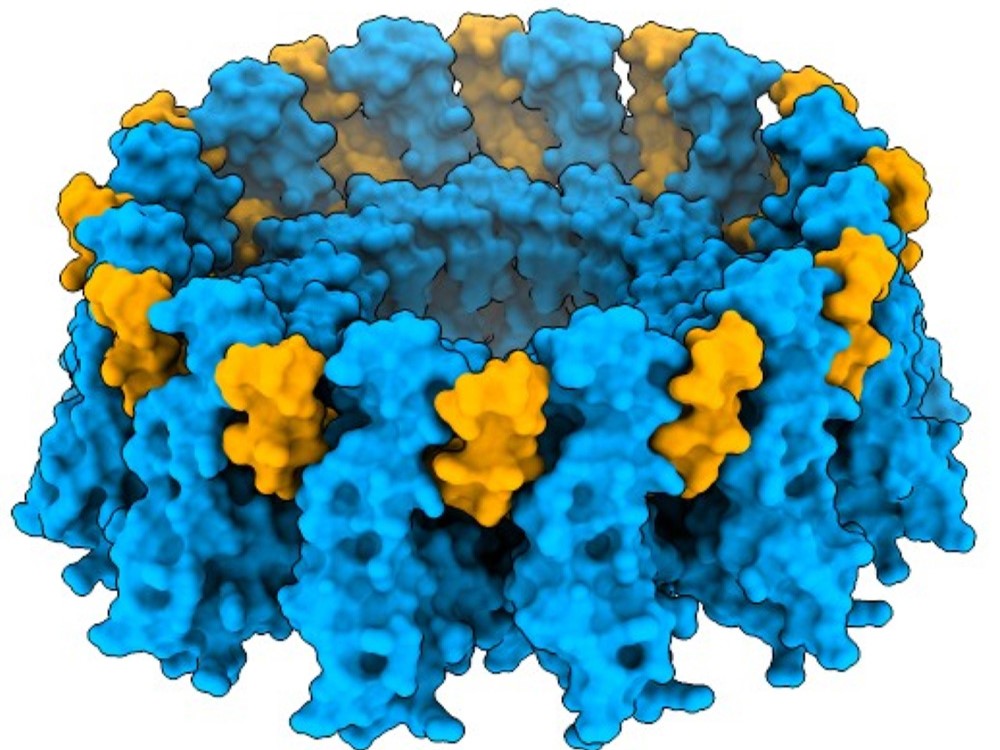
This image shows the seipin-adipogenin complex that is a critical driver of lipid droplet formation in fat cells. Credit: UT Southwestern Medical Center

A microprotein called adipogenin appears to play a key role in helping fat cells store lipid droplets – a phenomenon that’s pivotal for metabolic health, a study co-led by UT Southwestern Medical Center researchers shows. The findings, published in Science, could lead to new strategies to improve healthy lipid storage, which in turn may reduce risks of obesity, diabetes, and other metabolic conditions.

“This study builds upon our long-standing interest in how fat cells maintain their cellular health upon expansion. We show that a tiny microprotein punches far above its weight in sculpting fat biology,” said Philipp Scherer, PhD, Professor of Internal Medicine and Cell Biology and Director of the Touchstone Center for Diabetes Research at UT Southwestern.

Dr Scherer led the study with co-first authors Chao Li, PhD, and Xue-Nan Sun, PhD, Instructors of Internal Medicine at UTSW, and co-senior author Elina Ikonen, MD, PhD, Professor of Anatomy at the University of Helsinki.

After every meal, Dr Scherer explained, any lipids that aren’t burned immediately for energy must be stored in the body. The most common and healthy place to store lipids is in fat cells, or adipocytes, which stockpile these nutrients as droplets, much like oil forms droplets in water. Lipids stored in other cell types can cause a condition called lipotoxicity, spurring cell damage and cell death.

Previous research at UTSW and elsewhere has shown that a protein called seipin is critical for healthy lipid storage in a diverse range of organisms, including plants, fungi, and mammals. But how seipin accomplishes this feat has been unclear. Some studies have suggested that adipogenin – a small protein made of only 80 amino acids as compared with the hundreds found in seipin – is also important for lipid storage, but its exact function was unknown.

To answer these questions, the researchers isolated adipogenin along with its interacting proteins from mice, which produce a form of this microprotein that’s nearly identical to the one in humans. The most common binding partner for adipogenin turned out to be seipin.

Using cryo-electron microscopy, a technique that can image molecules at the atomic level, researchers showed that adipogenin appeared to reinforce seipin’s structure, making it more rigid and stable. Working with mouse models that overproduced adipogenin, the scientists found that their fat cells held significantly larger lipid droplets. They also stored considerably more fat than unaltered mice. In contrast, mouse models that produced no adipogenin had much smaller lipid droplets in their fat cells and less fat overall.

“This study nudges us a little closer to the clinic by revealing a brand-new handle on how fat cells store lipids, which matters enormously for obesity, diabetes, lipodystrophy, and fatty liver disease,” Dr Scherer said. “Adipogenin becomes a druggable lever on seipin’s machinery, with the promise to either dampen harmful fat buildup or boost healthy adipose storage when needed.”

Source: UT Southwestern Medical Center

Monthly Injection Helps Severe Asthma Patients Safely Stop or Reduce Daily Steroids

Photo by Elen Sher on Unsplash

A monthly injection has helped 90% of severe asthma patients reduce daily steroid tablets, which are associated with long-term side effects. More than half of the participants who had received the injection were able to stop their daily steroid tablets entirely, without any impact on their symptoms.

The clinical trial led by a King’s College London academic followed patients who had been injected with tezepelumab every four weeks for a year. Tezepelumab is a type of antibody which targets parts of the immune system, reducing lung inflammation.

Treatment with tezepelumab was also shown to significantly improve asthma symptoms, lung function, and overall quality of life. During the study, two-thirds of patients stopped having any asthma attacks. These improvements were seen as early as two weeks into treatment and lasted for the duration of the study.

Scientists are trying to identify alternative treatments for managing severe asthma, as long-term daily steroid use can lead to serious health problems, including osteoporosis, diabetes, and increased vulnerability to infections.

The WAYFINDER study, published in The Lancet Respiratory Medicine, is among long-standing research into severe asthma at King’s College London. Last year, another team at King’s discovered that another antibody, benralizamab, could be injected during some asthma and COPD attacks to reduce the need for further treatment. The latest discovery could help people manage their asthma long term.

Participants in the trial had a diagnosis of severe asthma and were recruited from 68 clinical centres across 11 countries. They received tezepelumab every four weeks and completed questionnaires on their asthma symptoms and medication at 28 and 52 weeks.

Professor David Jackson, Respiratory Medicine expert at King’s College London, and Clinical Lead of the asthma services across Guy’s and Royal Brompton Hospitals, Guy’s and St Thomas’ NHS Foundation Trust, said: “The WAYFINDER study is an important step forward for patients with the most severe form of asthma who require daily oral steroids in order to achieve reasonable disease control.

“In this International, multicentre clinical trial of more than 300 patients, the NICE-approved asthma treatment tezepelumab, a biologic therapy that targets asthma-related inflammation but without all the side effects of steroids, was capable of allowing the vast majority of patients to wean their steroids down to a low dose with over half able to stop their steroids altogether.

“As tezepelumab also suppresses allergy related symptoms and improves chronic rhinosinusitis as well, the results are particularly exciting for patients with severe asthma who suffer with both upper and lower airway symptoms.”

Dr Samantha Walker, Director of Research & Innovation at Asthma + Lung UK, said: “This study is a promising sign that tezepelumab injections support certain people with severe asthma to reduce or stop taking steroid tablets, which can have serious unwanted health consequences. Tezepelumab, an injectable biologic, significantly improves asthma symptoms, lung function and overall quality of life for participants.

“This is an incredibly encouraging development for the future of asthma care that could transform the lives of people with severe asthma. It’s vital that research into new types of treatment continues but we know current funding for lung health research is on life-support, despite lung conditions remaining the third biggest cause of death in the UK. Studies like this show the positive impact that research can make on providing potentially life-changing treatment for people with asthma and other lung conditions.”

The findings of the WAYFINDER study will be presented at the British Thoracic Society Winter Meeting 2025 on Thursday 27th November 2025.

Read the study here: https://www.thelancet.com/journals/lanres/article/PIIS2213-2600(25)00359-5/fulltext

Polyphenol-rich Diets Linked to Better Long-term Heart Health

Compounds found in tea, coffee, berries and nuts linked to better long-term heart health.

People who regularly consume polyphenol-rich foods and drinks, such as tea, coffee, berries, cocoa, nuts, whole grains and olive oil, may have better long-term heart health.

The research, led by King’s College London, found that those with higher adherence to polyphenol-rich dietary patterns had lower predicted cardiovascular disease (CVD) risk.

Polyphenols are natural compounds found in plants that are linked to various health benefits, including improved heart, brain, and gut health.

The study, published in BMC Medicine, followed more than 3100 adults from the TwinsUK cohort for over a decade, found that diets rich in specific groups of polyphenols were linked to healthier blood pressure and cholesterol profiles, contributing to lower CVD risk scores.

For the first time, the researchers also analysed a large number of metabolites in the urine that are produced when the body breaks down polyphenols.

These biomarkers confirmed that individuals with higher levels of polyphenol metabolites—especially those derived from specific groups of polyphenols, flavonoids and phenolic acids – had lower cardiovascular risk scores. They also had increased HDL cholesterol, also know as ‘good’ cholesterol.

The study used a newly developed polyphenol dietary score (PPS) to capture intake of 20 key polyphenol-rich foods commonly consumed in the UK, ranging from tea and coffee to berries, olive oil, nuts, and whole grains.

This score showed stronger associations with cardiovascular health than estimates of total polyphenol intake, likely because it captures overall dietary patterns rather than individual compounds.

This finding suggests that considering the whole diet provides a more accurate picture of how polyphenol-rich foods work together to support long-term heart health.

Our findings show that long-term adherence to polyphenol-rich diets can substantially slow the rise in cardiovascular risk as people age. Even small, sustained shifts towards foods like berries, tea, coffee, nuts, and whole grains may help protect the heart over time.”

Professor Ana Rodriguez-Mateos, Professor of Human Nutrition at King’s College London

Dr Yong Li, first author of the study, added: “This research provides strong evidence that regularly including polyphenol-rich foods in your diet is a simple and effective way to support heart health. These plant compounds are widely available in everyday foods, making this a practical strategy for most people.”

The researchers note that while cardiovascular risk naturally increases with age, higher polyphenol intake was associated with a slower progression of risk over the 11-year follow-up period. They also emphasise the need for future dietary intervention studies to further validate these associations.

Source: King’s College London