Year: 2023

How to Stop Losing Exercise Recovery Capacity as We Age

Old man jogging
Photo by Barbra Olsen on Pexels

Although exercise is well-known to protect against many ageing-related diseases, it is not known the beneficial effects of exercise diminish with age. Now, in a paper published in the Proceedings of the National Academy of Sciences, researchers investigated how a mitochondrial mechanism improves physical fitness by exercise training and identified one anti-ageing intervention that delayed the declines that occur with ageing in the model organism. These findings may lead to new strategies for promoting muscle function during ageing.

“Exercise has been widely employed to improve quality of life and to protect against degenerative diseases, and in humans, a long-term exercise regimen reduces overall mortality,” said co-corresponding author T. Keith Blackwell, MD, PhD, a senior investigator at Joslin. “Our data identify an essential mediator of exercise responsiveness and an entry point for interventions to maintain muscle function during ageing.”

That essential mediator is the cycle of fragmentation and repair of the mitochondria. Disruption of mitochondrial dynamics the cycle of repairing dysfunctional mitochondria and restoring the connectivity among the energy-producing organelles has been linked to the development and progression of chronic, age-related diseases, such as heart disease and type 2 diabetes.

“As we perceive that our muscles undergo a pattern of fatigue and restoration after an exercise session, they are undergoing this mitochondrial dynamic cycle,” said Blackwell. “In this process, muscles manage the aftermath of the metabolic demand of exercise and restore their functional capability.”

Blackwell and colleagues investigated the role of mitochondrial dynamics during exercise in the model organism C. elegans, a simple, well-studied microscopic worm species frequently used in metabolic and aging research.

Recording wild type C. elegans worms as they swam or crawled, the investigators observed a typical age-related decline in physical fitness over the animals’ 15 days of adulthood. The scientists also showed a significant and progressive shift toward fragmented and/or disorganised mitochondria in the ageing animals. For example, they observed in young worms on day 1 of adulthood, a single bout of exercise induced fatigue after one hour. The 60-minute session also caused an increase in mitochondrial fragmentation in the animals’ muscle cells, but a period of 24 hours was sufficient to restore both performance and mitochondrial function.

In older (day 5 and day 10) worms, the animals’ performance did not return to baseline within 24 hours. Likewise, the older animals’ mitochondria underwent a cycle of fragmentation and repair, but the network reorganization that occurred was reduced compared to that of the younger animals.

“We determined that a single exercise session induces a cycle of fatigue and physical fitness recovery that is paralleled by a cycle of the mitochondrial network rebuilding,” said first author Juliane Cruz Campos, a postdoctoral fellow at Joslin Diabetes Center. “Ageing dampened the extent to which this occurred and induced a parallel decline in physical fitness. That suggested that mitochondrial dynamics might be important for maintaining physical fitness and possibly for physical fitness to be enhanced by a bout of exercise.”

In a second set of experiments, the scientists allowed wild type worms to swim for one hour per day for 10 consecutive days, starting at the onset of adulthood. As in humans, the long-term training programme significantly improved the animals’ middle-aged fitness at day 10, and mitigated the impairment of mitochondrial dynamics typically seen during ageing.

Finally, the researchers tested known, lifespan-extending interventions for their ability to improve exercise capacity during ageing. Worms with increased AMPK – a “guardian” of metabolism and mitochondrial homeostasis – exhibited improved physical fitness. They also demonstrated maintenance of exercise performance during ageing – but not enhancement. Worms engineered to lack AMPK exhibited reduced physical fitness during ageing as well as impairment of the recovery cycle. They also did not receive the age-delaying benefits of exercise over the course of the lifespan.

“An important goal of the ageing field is to identify interventions that not only extend lifespan but also enhance health and quality of life,” said Blackwell, who is also a professor of genetics at Harvard Medical School. “In ageing humans, a decline in muscle function and exercise tolerance is a major concern that leads to substantial morbidity. Our data point towards potentially fruitful intervention points for forestalling this decline – most likely along with other aspects of ageing. It will be of great interest to determine how mitochondrial network plasticity influences physical fitness along with longevity and ageing-associated diseases in humans.”

Source: Joslin Diabetes Center

Genetic Radiation Damage Passed down Through Fathers

Chromosomes. Source: NIH

Whether radiation exposure of fathers can have consequences on their children is one of the most long-standing questions in radiation biology. Using the nematode Caenorhabditis elegans as a model, University of Cologne researchers reported in the journal Nature that radiation damage to mature sperm cannot be repaired but is instead passed on to the offspring.

Female eggs with radiation damage either accurately repair it or, if the damage is too severe, are eliminated and no damage is passed on. However, when the egg is fertilised with a radiation-damaged sperm, the maternal repair proteins that are provided by the egg try to repair the paternal DNA.

For this purpose, a highly error-prone repair mechanism is used and fuses the broken DNA pieces randomly. These random fusions of the breaks then lead to structural changes in the paternal chromosomes. The resulting offspring now carry the chromosome damage and in turn their offspring show severe developmental defects. The work done on C. elegans lays the foundation for a better understanding of the mechanisms for the heritable effects of paternal radiation exposure.

This work has now been published under the title ‘Inheritance of paternal DNA damage by histone-mediated repair restriction’ in 

The offspring that results from male animals that have been exposed to radiation and healthy female worms carry on the so-called structural variations – random connections of chromosome parts. In the offspring, these aberrations lead to recurrent breaks but this damage can no longer be repaired. Instead, the damaged chromosomes are shielded from accurate repair by proteins, so-called histones, that densely pack the long strands of DNA. In the densely packed DNA, the breaks can no longer be reached by the repair proteins. The packed DNA structures are held tightly together by the specific histone proteins, HIS-24 and HPL-1. When those histone proteins are removed, the paternally inherited damage is completely eliminated and viable offspring can be produced. The finding that histone proteins govern the accessibility of DNA for repairs could provide effective therapeutic targets for treating radiation damage.

Adding to the work on nematodes, the team detected the same structural variants, or randomly assembled chromosomes, in humans. Also here, the chromosome aberrations were specifically passed on from the fathers but not the mothers. For this, the scientists analysed various data sets from the 1000 Genome Project that contains genetic data from more than a thousand people and the Islandic deCODE project with genetic data from the respective mothers, fathers and children.

“Genome aberrations, especially structural variations in chromosomes, which develop in the paternal germline, are thought to increase the risk of disorders like autism and schizophrenia,” study leader Professor Dr Björn Schumacher said. This means that also in humans, mature sperm needs to be especially protected from radiation damage, and damaged mature sperm should not be used for conception. He added, “Such damage could potentially be inflicted during radiotherapy or chemotherapy and thus pose a risk in the two months that it takes to generate new sperm to replace the damaged one.” This is because in contrast to mature sperm, newly generated sperm have the capacity to accurately repair the damage.

Interestingly, the scientists found those structural variations in the chromosomes also in nematodes in the wild and in the human population. These results suggest that damage to mature sperm and the inaccurate repair of paternal DNA in the zygote could be major drivers for genetic diversity during evolution and might be responsible for genetic diseases in humans.

Source: University of Cologne

Recognising a Voice is Easier with a Face

To recognise a famous voice, human brains use the same centre that is activated when the speaker’s face is presented, according to the results of an innovative neuroscience study which asked participants to identify US presidents.

The new study, published in the Journal of Neurophysiology, suggests that voice and face recognition are linked even more intimately than previously thought. It offers an intriguing possibility that visual and auditory information relevant to identifying someone feeds into a common brain centre, allowing for more robust, well-rounded recognition by integrating separate modes of sensation.

“From behavioural research, we know that people can identify a familiar voice faster and more accurately when they can associate it with the speaker’s face, but we never had a good explanation of why that happens,” said senior author Taylor Abel, MD, associate professor of neurological surgery at the University of Pittsburgh School of Medicine. “In the visual cortex, specifically in the part that typically processes faces, we also see electrical activity in response to famous people’s voices, highlighting how deeply the two systems are interlinked.”

Even though the interplay between the auditory and the visual brain processing systems has been widely acknowledged and investigated by various teams of neuroscientists all over the world, those systems were traditionally thought to be structurally and spatially distinct.

Few studies have attempted to directly measure activity from the brain centre – which primarily consolidates and processes visual information – to determine whether this centre is also engaged when participants are exposed to famous voice stimuli.

Researchers recruited epilepsy patients who had been implanted with electrodes measuring brain activity to determine the source of their seizures.

Abel and his team showed five participants photographs of three US presidents – Bill Clinton, George W. Bush and Barack Obama – or played short recordings of their voices, and asked participants to identify them.

Recordings of the electrical activity from the region of the brain responsible for processing visual cues (the fusiform gyri) showed that the same region became active when participants heard familiar voices, though that response was lower in magnitude and slightly delayed.

“This is important because it shows that auditory and visual areas interact very early when we identify people, and that they don’t work in isolation,” said Abel. “In addition to enriching our understanding of the basic functioning of the brain, our study explains the mechanisms behind disorders where voice or face recognition is compromised, such as in some dementias or related disorders.”

Source: University of Pittsburgh

Antibiotics Residues in Water Threaten Human Health

Photo by Nathan Dumlao on Unsplash

In Asia, researchers found that antibiotic residues in wastewater and wastewater treatment plants risk contributing to antibiotic resistance, and the drinking water may pose a threat to human health. Published in The Lancet Planetary Health, their comprehensive analysis also determined the relative contribution of various sources of antibiotic contamination in waterways, such as hospitals, municipals, livestock, and pharmaceutical manufacturing.

“Our results can help decision-makers to target risk reduction measures against environmental residues of priority antibiotics and in high-risk sites, to protect human health and the environment,” says first author Nada Hanna, researcher at the Department of Global Public Health at Karolinska Institutet. “Allocating these resources efficiently is especially vital for resource-poor countries that produce large amounts of antibiotics.”

Antibiotics can enter the environment during their production, consumption and disposal. Antibiotic residues in the environment, such as in wastewater and drinking water, can contribute to the emergence and spread of resistance.

Major antibiotics producers and users

The researchers looked for levels of antibiotic residues that are likely to contribute to antibiotic resistance from different aquatic sources in the Western Pacific Region (WPR) and the South-East Asia Region (SEAR), regions as defined by the World Health Organization. China and India, among the world’s largest producers and consumers of antibiotics, fall within these regions.

To find the data, researchers made a systematic review of the literature published between 2006 and 2019, including 218 relevant reports from the WPR and 22 from the SEAR. They also employed a method called Probabilistic Environmental Hazard Assessment to determine where the concentration of antibiotics is high enough to likely contribute to antibiotic resistance.

Ninety-two antibiotics were detected in the WPR, and forty five in the SEAR. Antibiotic concentrations exceeding the level considered safe for resistance development (Predicted No Effect Concentrations, PNECs) were observed in wastewater, influents and effluents of wastewater treatment plants and in receiving aquatic environments. Wastewater and influent of wastewater treatment plants had the highest risks. The relative impact of various contributors, such as hospital, municipal, livestock, and pharmaceutical manufacturing was also determined.

Potential threat to human health

In receiving aquatic environments, the highest likelihood of levels exceeding the threshold considered safe for resistance development was observed for the antibiotic ciprofloxacin in drinking water in China and the WPR.

“Antibiotic residues in wastewater and wastewater treatment plants may serve as hot spots for the development of antibiotic resistance in these regions and pose a potential threat to human health through exposure to different sources of water, including drinking water,” says Nada Hanna.

Limitations to be considered when interpreting the results are the lack of data on the environmental occurrence of antibiotics from many of the countries in the regions and the fact that only studies written in English were included.

Source: Karolinska Institutet

Newly Discovered Subarachnoidal Layer Protects the Brain

Advances in neuro-imaging and molecular biology have unearthed a subtle, previously unknown layer in the brain. As described in the journal Science, the newly discovered layer forms a previously unknown component of brain anatomy that acts as both a protective barrier and platform from which immune cells monitor the brain for infection and inflammation.

“The discovery of a new anatomic structure that segregates and helps control the flow of cerebrospinal fluid (CSF) in and around the brain now provides us much greater appreciation of the sophisticated role that CSF plays not only in transporting and removing waste from the brain, but also in supporting its immune defenses,” said Maiken Nedergaard, co-director of the Center for Translational Neuromedicine at University of Rochester and the University of Copenhagen. Nedergaard and her colleagues have made significant findings in the field of neuroscience, including detailing the many critical functions of previously overlooked cells in the brain called glia and the brain’s unique process of waste removal, which the lab named the glymphatic system.

The study focuses on the series of membranes that encase the brain, creating a barrier from the rest of the body and keeping the brain bathed in CSF.  The traditional understanding of what is collectively called the meningeal layer identifies the three individual layers as dura, arachnoid, and pia matter.

 This new layer discovered by the international research team further divides the space between the arachnoid and pia layers, the subarachnoid space, into two compartments, separated by the newly described layer, which the researchers name SLYM (Subarachnoidal LYmphatic-like Membrane).  While the paper mostly describes the function of SLYM in mice, it also reports its presence in the adult human brain as well.

SLYM is a type of membrane that lines other organs in the body, including the lungs and heart, called mesothelium. These membranes typically surround and protect organs, and harbour immune cells.

The new membrane is very thin and delicate, consisting of only a few cells in thickness.  Yet SLYM is a tight barrier, allowing only very small molecules to transit and it also seems to separate “clean” and “dirty” CSF.  This last observation hints at the likely role played by SLYM in the glymphatic system, which requires a controlled flow and exchange of CSF, allowing the influx of fresh CSF while flushing the toxic proteins associated with Alzheimer’s and other neurological diseases from the central nervous system.  This discovery will help researchers more precisely understand the mechanics of the glymphatic system.

Central nervous system immune cells (indicated here expressing CD45) use SLYM as a platform close to the brain’s surface to monitor cerebrospinal fluid for signs of infection and inflammation.

The SLYM also appears important to the brain’s defences.  The central nervous system has its own native population of immune cells, and the membrane’s integrity prevents outside immune cells from entering.  In addition, the membrane appears to host its own population of central nervous system immune cells that use SLYM as an observation point close to the surface of the brain from which to scan passing CSF for signs of infection or inflammation. 

Discovery of the SLYM opens the door for further study of its role in brain disease.  For example, the researchers note that larger and more diverse concentrations of immune cells congregate on the membrane during inflammation and aging.  Furthermore, when the membrane was ruptured during traumatic brain injury, the resulting disruption in the flow of CSF impaired the glymphatic system and allowed non-central nervous system immune cells to enter the brain. 

These and similar observations suggest that diseases as diverse as multiple sclerosis, central nervous system infections, and Alzheimer’s might be triggered or worsened by abnormalities in SLYM function. They also suggest that the delivery of drugs and gene therapeutics to the brain may be impacted by SLYM, which will need to be considered as new generations of biologic therapies are being developed.

Source: University of Rochester Medical Center

Blood Pressure Drug may Help Fight PTSD

Photo by Alex Green on Pexels

Research published in the journal Molecular Psychiatry suggest that clonidine, a 50-year-old blood pressure drug, could provide immediate treatment to the significant number of people emerging from the current pandemic with PTSD, as well as from longer-established causes like wars and other violence.

Clonidine is commonly used as a hypertension medication and for ADHD. It’s also already been studied in PTSD because clonidine works on adrenergic receptors in the brain, likely best known for their role in “fight or flight,” a heightened state of response that helps keep us safe.

These receptors are thought to be activated in PTSD and to have a role in consolidating a traumatic memory. Clonidine’s sister drug guanfacine, which also activates these receptors, also has been studied in PTSD. Conflicting results from the clinical trials have clonidine, which has shown promise in PTSD, put aside along with guanfacine, which has not.

Laboratory evidence shows that while the two drugs bind to the same receptors, they do different things there, says Qin Wang, MD, PhD, neuropharmacologist and founding director of the Program for Alzheimer’s Therapeutics Discovery at MCG.

Large-scale clinical trials of clonidine in PTSD are warranted, the scientists write. Their studies also indicate that other new therapies could be identified by looking at the impact on activation of a key protein called cofilin by existing drugs.

The new studies looked in genetically modified mice as well as neurons that came from human stem cells, which have the capacity to make many cell types.

In the hippocampus, they found that a novel axis on an adrenergic receptor called ɑ2A is essential to maintaining fear memories which associate a place or situation, like the site of a horrific car accident, with fear or other distressing emotions that are hallmarks of PTSD.

In this axis, they found the protein spinophilin interacts with cofilin, which is known to control protrusions on the synapses of neurons called dendritic spines, where memories are consolidated and stored.

A single neuron can have hundreds of these spines which change shape based on brain activity and whose changing impacts the strength of the synapse, the juncture between two neurons where they swap information.

“Normally whenever there is a stimulation, good or bad, in order to memorize it, you have to go through a process in which the spines store the information and get bigger,” Wang says, morphing from a slender profile to a more mushroom-like shape.

“The mushroom spine is very important for your memory formation,” says corresponding author Wang. For these mushroom shapes to happen, levels of cofilin must be significantly reduced in the synapse where the spines reside. That is where clonidine comes in.

The scientists found clonidine interferes with cofilin’s exit by encouraging it to interact with the receptor which consequently interferes with the dendritic spine’s ability to resume a mushroom shape and retain the memory. Guanfacine, on the other hand, had no effect on this key player cofilin.

The findings help clarify the disparate results in the clinical trials of these two similar drugs, Wang says. In fact, when mice got both drugs, the guanfacine appeared to lessen the impact of clonidine in the essential step of reconsolidating – and so sustaining – a traumatic memory, indicating their polar-opposite impact at least on this biological function, Wang says.

There was also living evidence. In their studies that mimicked how PTSD happens, mice were given a mild shock then treated with clonidine right after they were returned to the place where they received the shock and should be recalling what happened earlier. Clonidine-treated mice had a significantly reduced response, like freezing in their tracks, compared to untreated mice when brought back to the scene. In fact, their response was more like the mice who were never shocked. Guanfacine had no effect on freezing behaviour.

Obviously, Wang says, they cannot know for certain how much the mice remember of what previously happened, but clearly those treated with clonidine did not have the same overt reaction as untreated mice or those receiving guanfacine.

“The interpretation is that they don’t have as strong a memory,” she says, noting that the goal is not to erase memories like those of wartime, rather diminish their disruption in a soldier’s life.

When a memory is recalled, like when you return to an intersection where you were involved in a horrific car wreck, the synapses that hold the memory of what happened there become temporarily unstable, or labile, before the memory restabilises, or reconsolidates. This natural dynamic provides an opportunity to intervene in reconsolidation and so at least diminish the strength of a bad memory, Wang says. Clonidine appears to be one way to do that.

Adrenergic drugs like clonidine bind to receptors in the central nervous system to reduce blood levels of the stress hormones you produce like epinephrine (adrenaline) and norepinephrine, which do things like increase blood pressure and heart rate.

Studies like one that came out 15 years ago, which only looked at guanfacine, indicated it was of no benefit in PTSD. But then in 2021, a retrospective look at a cohort of 79 veterans with PTSD treated with clonidine, for example, indicated 72% experienced improvement and 49% were much improved or very much improved with minimal side effects.

Previous basic science studies also have indicated that manipulating the adrenergic receptor can impact fear memory formation and memory, but how has remained unknown.

PTSD has emerged as a major neuropsychiatric component of the COVID-19 pandemic, affecting about 30% of survivors, a similar percentage of the health care workers who care for them and an estimated 20% of the total population, Wang says, which means the impact on human health and health care systems could be “profound.”

Psychotherapy is generally considered the most effective treatment for PTSD, and some medications, like antidepressants, can also be used, but there are limited drug options, with only two approved specifically for the condition, she says. The lack of approved drugs has led to off-label uses of drugs like clonidine.

Cofilin is a key element in helping muscle cells and other cell types contract as well as the flexibility of the cytoskeleton of the dendritic spine. A single neuron can have thousands of dendritic spines which change shape based on brain activity and whose changing shape impacts the strength of the synapse.

Source: Medical College of Georgia at Augusta University

Gut Bacteria may Contribute to Type 2 Diabetes

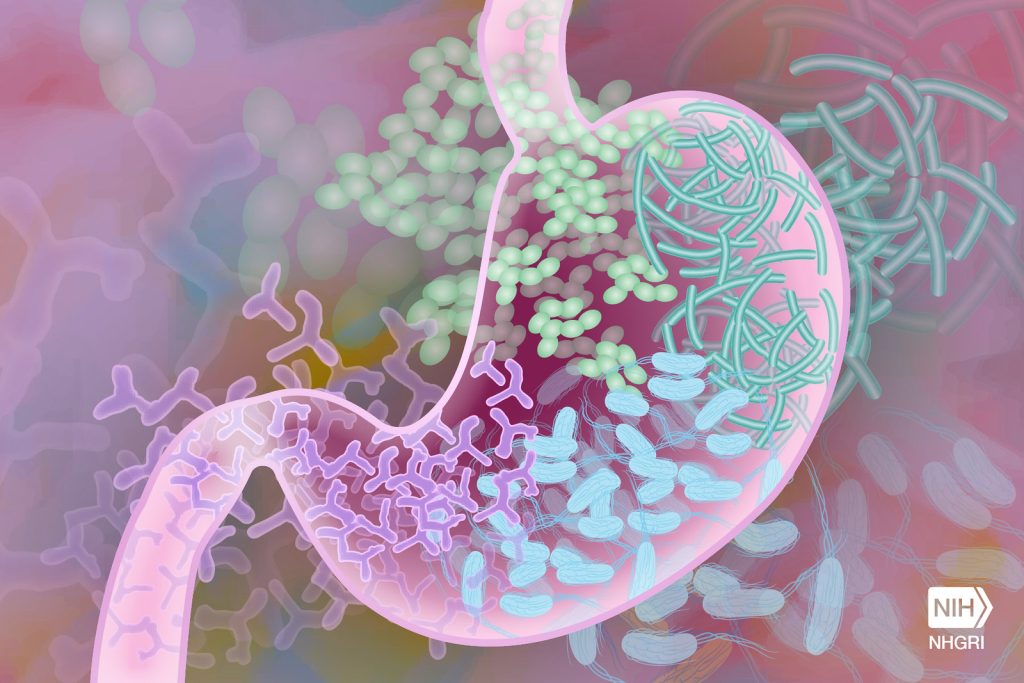
Gut microbiome. Credit: Darryl Leja, NIH

One type of bacteria found in the gut may contribute to the development of Type 2 diabetes, while another may protect from the disease, according to a study published in the journal Diabetes.

The study found people with higher levels of a bacterium called Coprococcus tended to have higher insulin sensitivity, while those whose microbiomes had higher levels of the bacterium Flavonifractor tended to have lower insulin sensitivity.

Studies of the gut microbiome have found that people who don’t process insulin properly have lower levels of a certain type of bacteria that produce a type of fatty acid called butyrate.

Mark Goodarzi, MD, PhD, the director of the Endocrine Genetics Laboratory at Cedars-Sinai, is leading an ongoing study that is following and observing people at risk for diabetes to learn whether those with lower levels of these bacteria develop the disease.

“The big question we’re hoping to address is: Did the microbiome differences cause the diabetes, or did the diabetes cause the microbiome differences?” said Goodarzi, who is the senior author of the study and principal investigator of the Microbiome and Insulin Longitudinal Evaluation Study (MILES).

An earlier cohort study from the MILES trial found that birth by caesarean section is associated with a higher risk for developing prediabetes and diabetes. For the present study, investigators analysed data from 352 people without known diabetes.

Study participants were asked to attend three clinic visits and collect stool samples prior to the visits. Investigators analysed data collected at the first visit. They conducted genetic sequencing on the stool samples, for example, to study the participants’ microbiomes, and specifically look for bacteria that earlier studies have found to be associated with insulin resistance. Each participant also filled out a diet questionnaire and took an oral glucose tolerance test, which was used to determine ability to process glucose.

Investigators found 28 people had oral glucose tolerance results that met the criteria for diabetes. They also found that 135 people had prediabetes, a condition in which a person’s blood-sugar levels are higher than normal but not high enough to meet the definition of diabetes.

The research team analysed associations between 36 butyrate-producing bacteria found in the stool samples and a person’s ability to maintain normal levels of insulin. They controlled for factors that could also contribute to a person’s diabetes risk, such as age, sex, body mass index and race. Coprococcus and related bacteria formed a network of bacteria with beneficial effects on insulin sensitivity. Despite being a producer of butyrate, Flavonifractor was associated with insulin resistance; prior work by others have found higher levels of Flavonifractor in the stool of people with diabetes.

Investigators are continuing to study samples from patients who participated in this study to learn how insulin production and the composition of the microbiome change over time. They also plan to study how diet may affect the bacterial balance of the microbiome.

Goodarzi emphasised, however, that it is too early to know how people can change their microbiome to reduce their diabetes risk.

“As far as the idea of taking probiotics, that would really be somewhat experimental,” said Goodarzi, who is also the Eris M. Field Chair in Diabetes Research at Cedars-Sinai. “We need more research to identify the specific bacteria that we need to be modulating to prevent or treat diabetes, but it’s coming, probably in the next five to 10 years.”

Source: Cedars-Sinai Medical Center

Curing an Incurable Liver Disease

Female scientist in laboratory
Photo by Gustavo Fring on Pexels

Research published in the Proceedings of the National Academy of Sciences has shown for the first time that the effects of Alagille syndrome, an incurable genetic disorder that affects the liver, could be reversed with a single drug. The study has the potential to transform treatment for this rare disease and may also have implications for more common diseases.

More than 4000 babies each year are born with Alagille syndrome Alagille syndrome (ALGS) is a multisystem autosomal dominant disorder with a wide variety of clinical manifestations. The clinical manifestations are variable, even within the same family, and commonly include hepatic (cholestasis, characterised by bile duct paucity on liver biopsy), cardiac (primarily involving the pulmonary arteries), skeletal (butterfly vertebrae), ophthalmologic (posterior embryotoxon), and facial abnormalities.

“Alagille syndrome is widely considered an incurable disease, but we believe we’re on the way to changing that,” says Associate Professor Duc Dong, PhD, who led the study. “We aim to advance this drug into clinical trials, and our results demonstrate its effectiveness for the first time.”

Children with ALGS frequently require a liver transplant, but donor livers are limited, and not all children with ALGS qualify. Without a transplant, the disease has a 75% mortality rate by late adolescence.

“Duc and his team continue to do thrilling research on Alagille syndrome, and these breakthroughs certainly offer hope for families living with this very complicated and complex disorder,” says Roberta Smith, CNMT, president of the Alagille Syndrome Alliance. “We have been longtime supporters of Duc’s work and have come to know him as a driven, dedicated scientist who is passionate about moving the needle one step closer toward a cure.”

Their new drug, called NoRA1, activates the Notch pathway, a cell-to-cell signaling system present in nearly all animals. Notch signaling helps orchestrate fundamental biological processes and plays a role in many diseases in addition to Alagille syndrome. In children with Alagille syndrome, a genetic mutation causes a reduction in Notch signaling, which results in poor liver duct growth and regeneration.

The researchers found that in animals with mutations in the same gene affected in ALGS, NoRA1 increases Notch signaling and triggers duct cells to regenerate and repopulate in the liver, reversing liver damage and increasing survival.

“The liver is well known for its great capacity to regenerate, but this doesn’t happen in most children with Alagille syndrome because of compromised Notch signaling,” says first author Chengjian Zhao, a postdoctoral researcher in Dong’s lab. “Our research suggests that nudging the Notch pathway up with a drug could be enough to restore the liver’s normal regenerative potential.”

The researchers are currently testing the drug on lab-grown liver orgnelles cultured made with stem cells derived from the cells of ALGS patients.

“Instead of forcing the cells to do something unusual, we are just encouraging a natural regenerative process to occur, so I’m optimistic that this will be an effective therapeutic for Alagille syndrome,” adds Dong.

Source: Sanford Burnham Prebys

China Accused of Under-reporting COVID Deaths

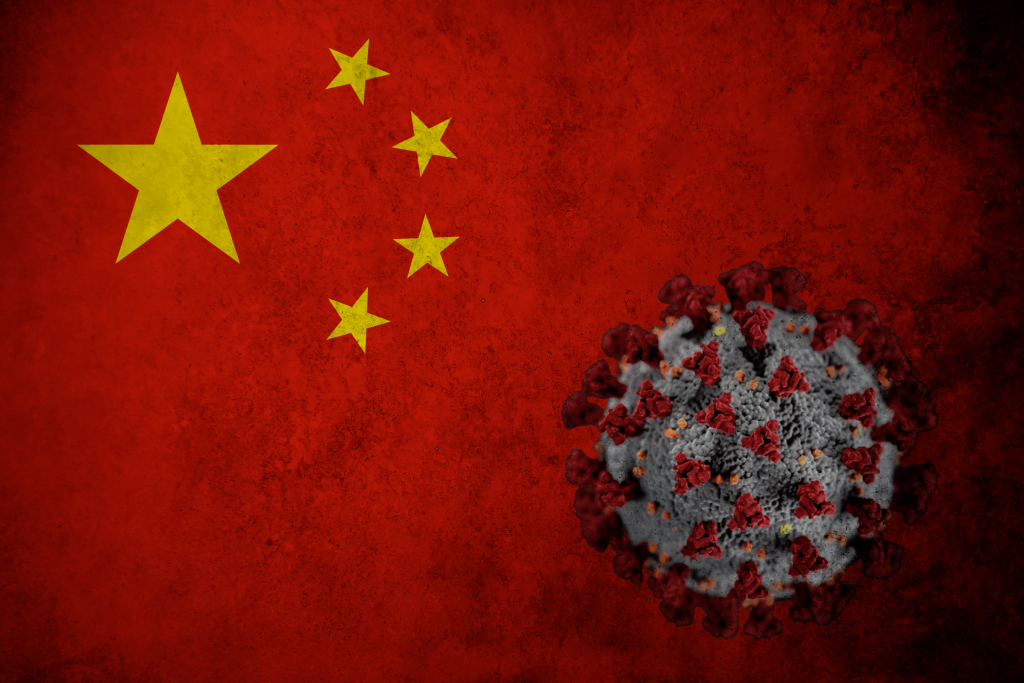
In China, there are signs that the latest wave of COVID brought about by the easing of lockdown measures alongside a surprisingly low vaccination rate may be more severe than official reports indicate.

A recent spate of suspicious deaths among Chinese celebrity has prompted alarm among citizens, BBC News reports. In December, 40-year-old opera singer Chu Lanlan died, which came as a shock to many, given her young age.

Her family said they were saddened by her “abrupt departure”, but did not give details of the cause of her death.

China’s scrapping of many “zero COVID” regulations has resulted in a surge of cases, and there reports of hospitals and crematoria becoming overwhelmed. Yet China has only reported 22 COVID deaths since December, based on its own strict criteria which now only allow for death from respiratory illnesses such as pneumonia.

The World Health Organization (WHO) on Wednesday warned that the country was under-representing its COVID statistics, especially deaths. Chinese officials denied this.

China’s foreign ministry spokesperson Mao Ning said in a media briefing that China had transparently and quickly shared COVID data with the WHO, adding that China’s “epidemic situation is controllable”.

“Facts have proved that China has always, in accordance with the principles of legality, timeliness, openness and transparency, maintained close communication and shared relevant information and data with the WHO in a timely manner,” Mao said.

While many countries have likely under-represented COVID deaths, including the United States, the extent appears to be much greater in China.

Back in January of 2022, Forbes took a critical look at China’s official figures, with a death rate at the time of 0.32 per 100 000 population compared to the US’ 248 per 100 000 – a rate 800 times lower higher which beggars belief.

China used these figures to position itself as the world leader in the response against COVID, the New York Times noted.

The director of Beijing’s Institute of Respiratory Diseases admitted in a TB interview that the number of deaths among the elderly was “definitely more” so far this winter than in past years, but stressed that critical cases remained in the minority.

This week the People’s Daily, the Communist Party’s official newspaper, urged citizens to work towards a “final victory” over COVID and dismissed criticism of the previous zero-COVID policy.

How Well Do Acupuncture and Acupressure Help Cancer Patients to Sleep?

Source: Katherine Hanlon on Unsplash

Acupuncture and acupressure (which stimulates pressure points without the invasive needles) have been suggested as ways to help reduce sleep disturbance in patients with cancer. A recent analysis published in Worldviews on Evidence-Based Nursing finds moderate evidence that acupressure and acupuncture may be effective, with acupressure having a greater effect.

Researchers included 24 randomised controlled trials involving 2002 patients in the analysis. Compared with enhanced supportive care, acupressure had the largest effect size for reducing self-reported sleep disturbance (standardised mean difference [SMD] = −2.67, 95% CrI: −3.46 to −1.90; GRADE = moderate), followed by acupuncture (SMD = −1.87, 95% CrI: −2.94 to −0.81, GRADE = moderate) and electroacupuncture (SMD = −1.60, 95% CrI: −3 to −0.21; GRADE = low).

Based on these findings, the researchers conclude that acupressure can be recommended as the optimal treatment for reducing sleep disturbance in cancer patients. They also suggest further trials to investigate the effects of different acupuncture or acupressure techniques have on sleep in cancer patients, especially alongside other therapies.

“Based on available evidence, acupressure may be a more promising approach than acupuncture for reducing sleep disturbance in patients with cancer,” said corresponding author Denise Shuk Ting Cheung, BNurs, PhD, RN, of the University of Hong Kong. “Future studies should focus on the differential mechanisms of action of acupressure and acupuncture and link them to the multifactorial causes of sleep disturbance in patients with cancer.”

Source: Wiley