Year: 2022

Unlocking the Complex Neurological Puzzle of Depression

Source: Pixabay

By studying the brains of fruit flies, which share similar mechanisms to human ones, scientists at Johannes Gutenberg University Mainz (JGU) are attempting to gain a better understanding of depression-like states and thus improve means of treating them. Their findings include the effect of Asian traditional medicine and its mode of preparation, and the effect of timing, such as getting a reward in the evening as opposed to other times of the day. The results were published recently in the journal Current Biology.

One aspect of their research “We have been looking at the effects of natural substances used in traditional Asian medicine, such as in Ayurveda, in our Drosophila fly model,” explained Professor Roland Strauss at JGU. “Some of these could have an anti-depressive potential or prophylactically strengthen resilience to chronic stress, so that a depression-like state might not even develop.”

The researchers intend to demonstrate efficacy, find optimal formulations, and isolate the active substances from the plant, which could lead to new drugs.

“In the Drosophila model we can pinpoint exactly where these substances are active because we are able to analyse the entire signalling chain,” Strauss pointed out. “Furthermore, every stage in the signalling pathway can also be proven.” The researchers subject the flies to a mild form of recurrent stress, such as irregular phases of vibration of the substrate. This treatment results in the development of a depression-like state (DLS) in the flies, ie, they move more slowly, do not stop to examine unexpectedly encountered sugar, and, unlike their more relaxed counterparts, are less willing to climb wide gaps. Whether or not the natural substances have an effect depends on the preparation of each natural substance, eg, whether it has been extracted with water or alcohol.

The research team has also discovered that if they reward the flies for 30 minutes on the evening of a stressful day, by offering them food with a higher sugar content than usual, or by activating the reward signalling pathway, this can prevent DLS developing. Flies have sugar receptors on their tarsi (the lower part of their legs) and their proboscis, while the end of the signalling pathway at which serotonin is released onto the mushroom body (equivalent to the human hippocampus) have also been located.

The researchers’ investigations showed that the pathway was considerably more complex than anticipated. Three different neurotransmitter systems have to be activated until the serotonin deficiency at the mushroom body, which is present in flies in a DLS, is compensated for by reward. One of these three systems is the dopaminergic system, which also signals reward in humans. Humans might obtain a reward through something other than sugar.

Boosting resilience by preventing depression

In addition, the researchers decided to look for resilience factors in the fly genome. The team intends to find out whether and how the genomes of flies that are able to better cope with stress differ from those that develop a DLS in response to exposure to recurrent mild stress. The hope is that in the future it will be possible to diagnose genetic susceptibility to depression in humans – and then treat this with the natural substances that are also being investigated during the project.
Source: Johannes Gutenberg Universitaet Mainz

Third of Unvaccinated People Lose SARS-CoV-2 Antibodies A Year after Infection

Image from Pixabay

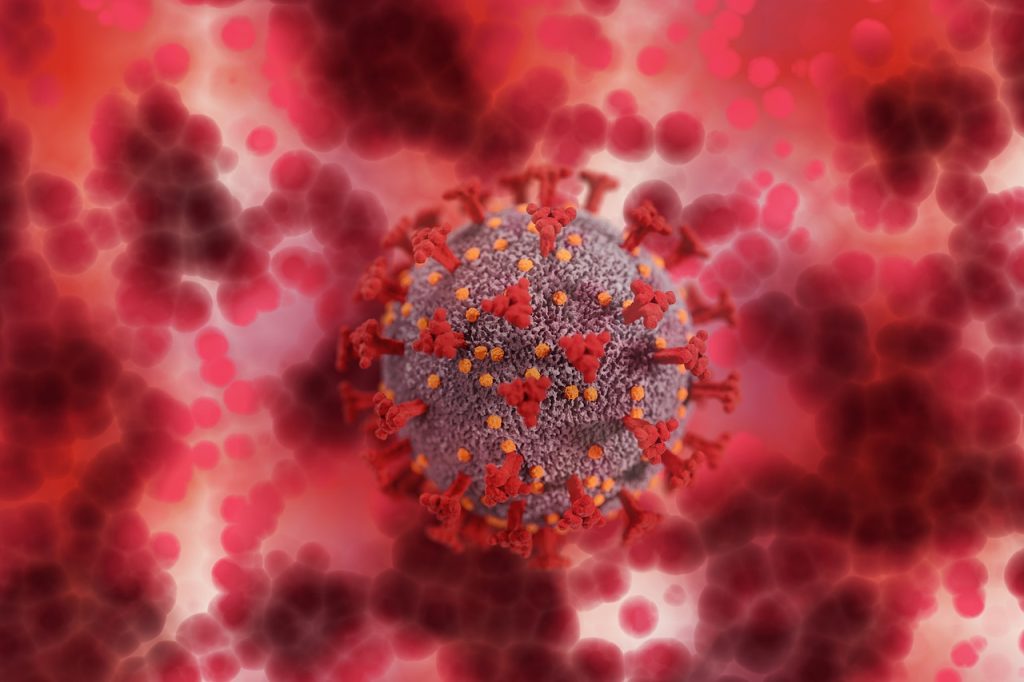
Findings from a prospective seroprevalence study in Spain reveal falling SARS-CoV-2 antibody levels in unvaccinated but infected individuals a year after their infection. This reinforces the necessity of vaccination even after infection, and confirms that hybrid immunity – gained from both infection and vaccination – is the most robust. The study findings appears in BMC Medicine.

Both infection and vaccination against SARS-CoV-2 contribute to population immunity, an important factor for deciding when and to whom booster shots should be offered. Although immunity against a pathogen is more than antibodies, the easiest strategy for assessing population immunity is to perform seroepidemiological studies.

“Most of the serological studies performed after COVID vaccination focused on specific groups such as healthcare workers, did not distinguish between people with or without previous infection, or did not have clinical and immunological data of the infection,” explained senior co-author Manolis Kogevinas, ISGlobal researcher.

In this study, the research team performed a second measurement in a population-based cohort from Catalonia six months after the start of the vaccination campaign (the first one was just after the first confinement), to monitor the level and type of antibodies against five viral antigens (the whole Spike (S) protein, the RBD receptor binding domain, the S2 fragment, the full nucleocaspid (N) protein, or the N-terminal fragment). They also used information from a questionnaire and health records to identify potential factors that determine the magnitude and duration of the antibody response in unvaccinated, vaccinated, or vaccinated and infected persons. A total of 1076 people, aged 43 to 72 years, were included in the analysis.

The results yielded three main conclusions: First, that in 36% of infected but unvaccinated persons, antibodies were no longer detectable almost a year after the infection, particularly in those older than 60 years and smokers.

The second conclusion was that vaccination induced significantly higher antibody levels in people who had a prior infection, as compared to those without prior infection; and that these levels were strongly associated with the magnitude of the response during the infection. “Our data underscore the importance of vaccinating people even if they have been previously infected, and confirm that hybrid immunity is superior and more durable. This means that people who have been vaccinated but have not been infected would need a booster earlier than those who have,” pointed out Marianna Karachaliou, first author of the study together with Gemma Moncunill.

The third was that the factor most strongly associated with the level of antibodies is the type of vaccine, with Moderna’s Spikevax generating the highest levels of antibodies. Other factors also appear to play a role: people older than 60 or with mental illness had lower antibody levels post-vaccination. “The association between mental health and antibody responses requires further investigation, but it is known that people with disorders such as depression, chronic stress or schizophrenia have a lower response to vaccination in general,” explained co-author Carlota Dobaño.

Among those vaccinated, only 2.1% had no antibodies at the time of testing and approximately 1% had a breakthrough infection. “However, it should be noted that this study was done before the Omicron variant became dominant,” warned Kogevinas.

Source: Barcelona Institute for Global Health (ISGlobal)

Algorithm Rapidly Assesses Level of Consciousness in ICU Patients

Source: Pixabay CC0

Neurological assessment of an ICU patient’s level of consciousness is an important but time-consuming task that may take up to an hour. Now, researchers have developed an algorithm that can accurately track patients’ level of consciousness based on simple physiological markers that are already routinely monitored in hospital settings.

The work, published in Neurocritical Care, may eventually yield a way to reduce the strain on medical staff, and could also provide vital new data to guide clinical decisions and enable the development of new treatments.

“Consciousness isn’t a light switch that’s either on or off – it’s more like a dimmer switch, with degrees of consciousness that change over the course of the day,” said Associate Prof Samantha Kleinberg at Stevens Institute of Technology. “If you only check patients once per day, you just get one data point. With our algorithm, you could track consciousness continuously, giving you a far clearer picture.”

To develop their algorithm, A/Prof Kleiberg’s team gathered a variety of data, simple heart rate monitors up to sophisticated devices that measure brain temperature, and used them to forecast the results of a clinician’s assessment of a patient’s level of consciousness. Yet, even using just the simplest physiological data, the algorithm proved as accurate as a trained clinical examiner, and only slightly less accurate than more sophisticated tests such as MRI.

“That’s hugely important, because it means this tool could potentially be deployed in virtually any hospital setting – not just neurological ICUs where they have more sophisticated technology,” A/Prof Kleinberg explained. The algorithm could be installed as a simple software module on existing bedside patient-monitoring systems, she noted, making it relatively cheap and easy to roll out at scale.

Besides giving doctors better clinical information, and patients’ families a clearer idea of their loved ones’ prognosis, continuous monitoring could help to drive new research and ultimately improve patient outcomes.

“Consciousness is incredibly hard to study, and part of the reason is that there simply isn’t much data to work with,” said A/Prof Kleinberg. “Having round-the-clock data showing how patients’ consciousness changes could one day make it possible to treat these patients far more effectively.”

More work will be needed before the team’s algorithm can be rolled out in clinical settings. The team’s algorithm was trained based on data collected immediately prior to a clinician’s assessment, and further development will be needed to show that it can accurately track consciousness around the clock. Additional data will also be required to train the algorithm for use in other clinical settings such as paediatric ICUs.

A/Prof Kleinberg also hopes to improve the algorithm’s accuracy by cross-referencing different kinds of physiological data, and studying the way they coincide or lag one another over time. Some such relationships are known to correlate with consciousness, potentially making it possible to validate the algorithm’s consciousness ratings during periods when assessments by human clinicians aren’t available.

Source: Stevens Institute of Technology

African Scientists Show How COVID Variants Spread across Africa

Source: Fusion Medical Animation on Unsplash

A major scientific report from Africa is featured in the journal Science today. This scientific report shows how the rapid expansion of genomics surveillance in Africa allowed the continent to describe the introduction and spread of the SARS-CoV-2 variants in African countries in real time during the COVID pandemic.

The scientific report includes over 300 authors from Africa and abroad who worked together to describe and analyse over 100 000 genomes and characterise SARS-CoV-2 variants in real time. This was the largest consortium of African scientists and public health institutions ever to work together to support data-driven COVID response in Africa.

This report shows how the large investment, collaboration and capacity building in genomic surveillance on the African continent enabled real-time public health response. Particularly it describes the setting up of the Africa Centres for Disease Control (CDC) – Africa Pathogen Genomics Initiative (Africa PGI) and the continental network by the Africa CDC and World Health Organisation (WHO) Regional Office for Africa (WHO AFRO) to expand access to sequencing and cover surveillance blind spots, in parallel with the growth of the number of countries that are able to sequence SARS-CoV-2 within their own country.

The publication highlights that sustained investment for diagnostics and genomic surveillance in Africa was needed to not only combat SARS-CoV-2 on the continent, but establish a platform to address the emerging, re-emerging, endemic infectious disease threats, such as Ebola, HIV/AIDS, TB and Malaria. These investments are crucial for pandemic preparedness and response and will serve the health of the continent well into the 21st century,” said Dr. Yenew Kebede, Head Division of Laboratory Systems and Acting Head: Surveillance and Disease Intelligence at the Africa CDC.

African Scientists receiving training in genomics surveillance at the KwaZulu-Natal Research Innovation and Sequencing Platform (KRISP), South Africa.

This study was led by two labs that setup the network for genomics surveillance in South Africa – the Centre for Epidemic Response and Innovation (CERI) at Stellenbosch University and the KwaZulu Natal Research and Innovation Sequencing Platform (KRISP) at the University of KwaZulu-Natal, in close coordination with the Africa CDC, WHO AFRO and 300 other institutions across the continent.
 
“The enormous leap Africa made in genomic surveillance during the past two years is the silver lining in the COVID pandemic,” said Dr Matshidiso Moeti, WHO Regional Director for Africa. “The continent is now better prepared to face down both old and emerging pathogens. This is a model of how when Africans are in the driving seat we can come up with lasting change and stay a step ahead of dangerous diseases.”
 
“It has been an inspiring experience to continuously share knowledge, support and learn from colleagues all over the continent during the pandemic. We witnessed small countries with no previous genomics experience become empowered in sequencing and bioinformatics methods, and how they started to actively participate in regular pathogen genomic surveillance for SARS-CoV-2. I think it will be a real model of how scientists and public health officials across countries can form a unified front against infectious diseases in the future,” says Houriiyah Tegally, Bioinformatician at KRISP and CERI and first author on this report.
 
The results also highlight the early warning capacity that genomic surveillance in Africa has had for the rest of the world with the detection of new lineages and variants, the most relevant being the detection of the Beta and various Omicron subvariants. The report highlights that most SARS-CoV-2 variants, which caused  an epidemic in Africa, were introduced from abroad.

The scientists proceeded carefully in analysing genomic and epidemiological data collected in over 50 countries that experienced quite heterogenous epidemics in order to reconstruct transmission dynamics of the virus in the most accurate way. “The phylogeographic methods that we employ to investigate the movement of the SARS-CoV-2 virus and its variants into, out of, and within the African continent account for uneven testing and sampling proportions across countries, arising from the realities of doing genomic sequencing in the middle of a pandemic, often in low resourced settings,” explains Dr Eduan Wilkinson, head of bioinformatics at CERI at Stellenbosch University and senior author on this report.
 
The initial waves of infections in Africa were primarily seeded by multiple introductions of viral lineages from abroad (mainly Europe). The Alpha variant that emerged in Europe at the end of 2020, was responsible for infections in 43 countries with evidence of community transmission in Ghana, Nigeria, Kenya, Gabon and Angola. For the Delta variant, the bulk of introductions were attributed to India (~72%), mainland Europe (~8%), the UK (~5%), and the US (~2.5%). Viral introductions of Delta also occurred between African countries in 7% of inferred introduction. For Omicron, the scientific results indicate more reintroductions of the variant back into Africa, with at least 69 (95% CI: 60 – 78) from Europe and 102 (95% CI: 92 – 112) from North America than from other African countries. This was amplified for Omicron BA.2; the results suggest at least 99 separate introduction or reintroduction events of BA.2 into African countries, ~65% of which are from Europe and ~30% from Asia.
 
“The ironical part of these results is that most of the introductions of variants in Africa were from abroad, but Africa was the most discriminated and penalized continent in the world with travel bans imposed. Instead of unscientific and inappropriate reactions, we should be building on the infrastructure established in Africa so that the continent can rapidly pivot to other epidemics without the fear of being punished,” says Prof Tulio de Oliveira, director of CERI and KRISP, which lead the consortium analysis with the Africa CDC and WHO AFRO.
 
“This study is a testament of the Africa CDC – Africa PGI efforts to expand access to sequencing to member states and create a platform of coordination and collaboration among institutions within and outside of the continent,” said Dr. Ahmed Ogwell, Acting Director of the Africa CDC.

Provided by Stellenbosch University

Killer T Cells Grab and Twist Cancer Cells Like Expert Warriors

Killer T cells about to destroy cancer cell
Killer T cells about to destroy cancer cell (centre). Credit: NIH

While killer T cells have long been known to kill cancer cells with a cytotoxic weapon, new research has shown that they deliver the lethal strikes like expert warriors, grabbing and pulling the cancer cell’s membrane to more easily penetrate it like a dagger penetrating armour. The findings are detailed in a paper published in Developmental Cell.

Killer T cells are armed with lytic granules containing two key components for immune attack: a perforin proteins stabs a hole in the cell membrane, and the lethal granzymes which kill the cell.

T cells cosy up to targeted diseased cells in a close junction called the ‘cytotoxic immunological synapse’.

A research team at UNSW Sydney has found that mechanical forces generated by T cells influence how effectively perforin can punch through tumour cell membranes. The researchers describe the cell interactions and the integration of forces at both the front and rear of the cell.

The researchers detected physical forces within T cells that propel lytic granules toward the immunological synapse where their payloads are released. These forces also enable T cells to grab onto regions of the cancer cell membrane where the membranes of both immune and target cells are pulled and manipulated.

“It was very exciting to discover that, in addition to its mechanical tension and biochemical configuration, the shape of the target cell membrane plays an important role in T cell mediated cancer cell killing,” said Dr Daryan Kempe at UNSW Medicine & Health who co-led the research.

By stretching and bending the membranes of tumour cells in a certain direction, T cells made it easier for perforin to punch through, but only if the membranes were bent in the right direction.

Bias towards outwardly curved cell membranes

Using human melanoma cell lines, the researchers demonstrated that perforin preferentially perforated outwardly curved tumour cell membranes, rather than inwardly curved ones – which may help the T cells avoid being harmed by their own attack.

“As the granules arrive, their contents will be emptied at this region of the membrane that is very highly curved. That there was a bias between positively curved and negatively curved membranes was completely unexpected,” said senior Associate Professor Maté Biro at UNSW Medicine & Health.

Source: University of New South Wales

Specific Drug Sequence for Metastatic Breast Cancer Lowers Costs

Photo by Andrea Piacquadio on Unsplash

Giving standard chemotherapy drugs in a specific sequence for certain types of metastatic breast cancer can cut costs while preserving quality of life, according to a study in the Journal of Clinical Oncology.

The study, led by researchers from UNC Lineberger Comprehensive Cancer Center and UNC Gillings School of Global Public Health, developed three different computer models to predict how a hypothetical set of 10 000 patients with specific types of metastatic breast cancer would respond to different sequences and types of chemotherapy. For this study, the patient’s cancer was either endocrine resistant or was triple-negative breast cancer.

Many chemotherapy choices are available to treat metastatic breast cancer. While oncologists may prefer certain drugs to use early in treatment, the best order in which to give the drugs is unclear. The researchers consulted oncologists and experts in the field to choose which chemotherapy drugs were preferred choices to include in the study.

Mimicking clinical practice, and based upon existing data, the researchers then assumed that if a person started treatment with one drug, they would change to a second-choice treatment after their cancer stopped responding to the first drug, or if the side effects weren’t tolerable. The purpose of the study was to test whether putting the drugs in one sequence compared to another could keep the patient on treatment for similar times while decreasing their side effect and/or cost burden.

“The cost of cancer drugs in the US has rapidly increased, even for generics. As a society, we urgently need more strategies to reduce cancer drug costs without compromising outcomes, and our analysis provides quantifiable evidence to help providers choose lower priced, but equally effective sequences of drugs,” said Stephanie B. Wheeler, PhD, MPH, professor of health policy & management at UNC Gillings and associate director of community outreach and engagement at UNC Lineberger and corresponding author of the article. “More spending on cancer care does not necessarily confer greater health benefits.”

The costs calculated in this study were inclusive of medical and nonmedical costs borne by patients, including lost productivity. In this simulation, after two years, nearly all women would have completed the first three sets of treatment, but the cancer would cause the death of about one-third of the women. Productivity days lost due to sickness were similar across chemotherapy sequences, so most of the cost difference was due to drug savings. In the simulation, patients were placed in three groups, depending on what treatments they had already received for earlier episodes of breast cancer.

Outcomes in the three groups were:

  • For people who had not previously received the common chemotherapy drug categories, including a taxane (e.g., paclitaxel) or an anthracycline (e.g., capecitabine), treatment with paclitaxel then capecitabine followed by doxorubicin corresponded to the highest expected gains in quality of life and lowest costs.
  • For people who had previously received a taxane and an anthracycline drug, treatment with carboplatin, followed by capecitabine, followed by eribulin, corresponded to the highest expected gains in quality of life and lowest costs.
  • For people who had previously received a taxane but not an anthracycline, treatment sequences beginning with capecitabine or doxorubicin, followed by eribulin, were most cost-effective.

“The drugs we studied are already recommended and reimbursed for the treatment of metastatic breast cancer, but the optimal sequencing of them has been unclear, which has led to considerable variation in physician preference and practice. Our study suggests that treatment sequencing approaches that minimise costs early may improve the value of care,” Wheeler said. “The implications of this study are fairly straightforward for medical oncologists and those developing value-based clinical pathways to implement in practice now.”

Associate professor Katherine E. Reeder-Hayes, one of the study’s authors, said the treatment choices for metastatic breast cancer are constantly changing, and new options for targeted therapy have emerged even since this study was conducted. “Many oncologists and patients find that there aren’t any more targeted therapies that fit the cancer’s molecular profiles, so they are left with the choice of a number of chemotherapy drugs that may feel pretty similar or have an unclear balance of pros and cons.

“In that scenario, I hope our study will help expand the framework that we use to make these decisions from one where we just think about the biologic action of the drug to one where we also consider the bigger picture of what the treatment experience is like for the patient, including their financial burden, investment of time, and side effects,” Reeder-Hayes added. “The most potent drug isn’t always the next best choice depending on what the patient values and wants to accomplish with their treatment.”

Source: UNC Lineberger Comprehensive Cancer Center

Asthma from Smoke Exposure Can Pass Down the Generations

Cigarette smoking
Source: Sabine R on Unsplash

Children are more likely to develop asthma if their father was exposed to secondhand smoke when he was a child, according to a study published today in the European Respiratory Journal. The researchers also found that the children have an even higher asthma risk if their father was exposed to secondhand smoke and then also became a smoker.

The researchers say their findings highlight how smoking can cause intergenerational harm, impacting even grandchildren.

The research drew on on data from the Tasmanian Longitudinal Health Study (TAHS). TAHS began in 1968 and is one of the world’s largest and longest ongoing respiratory studies.

For this study, researchers looked at 1689 children who grew up in Tasmania, and their fathers and their paternal grandparents. They compared data on whether the children had developed asthma by age 7 with data on whether the fathers grew up with parents who smoked when they were under age 15. They also included data on whether the fathers were current or former smokers.

First author Mr Jiacheng Liu said, “We found that the risk of non-allergic asthma in children increases by 59% if their fathers were exposed to secondhand smoke in childhood, compared to children whose fathers were not exposed. The risk was even higher, at 72%, if the fathers were exposed to secondhand smoke and went on to smoke themselves.”

Researcher Dr Dinh Bui said, “Our findings show how the damage caused by smoking can have an impact not only on smokers, but also their children and grandchildren. For men who were exposed to secondhand smoke as children, our study suggests that they can still lower the risk they pass on to their own children, if they avoid smoking.”

Senior author Professor Shyamali Dharmage said, “We can’t be certain of how this damage is passed on through generations, but we think it may be to do with epigenetic changes. This is where factors in our environment, such as tobacco smoke, interact with our genes to modify their expression. These changes can be inherited but may be partially reversible for each generation.

“It’s possible that tobacco smoke is creating epigenetic changes in the cells that will go on to produce sperm when boys grow up. These changes can then be passed on to their children.”

The researchers will now investigate if the increased risk of asthma persists into adult life and whether fathers who were exposed to secondhand smoke as children pass on any increase in allergies or other lung diseases to their children.

Source: University of Melbourne

A New Analytical Technique for Dense Breast Tissue Mammograms

Source: National Cancer Institute

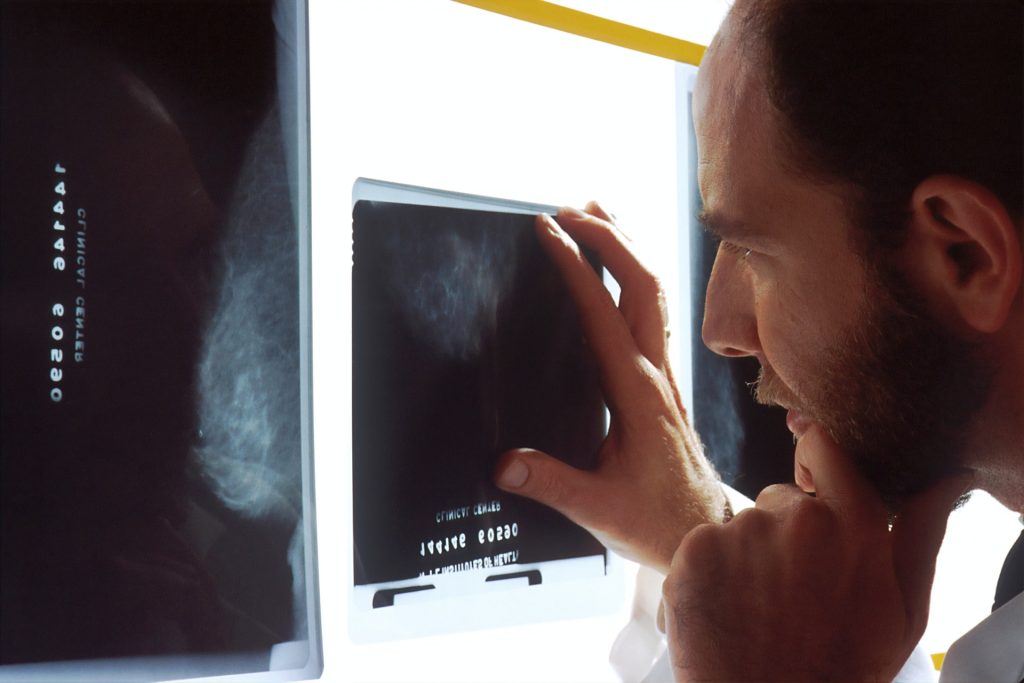
Researchers have developed a two-pronged approach to imaging breast density in mice, resulted in better detection of changes in breast tissue, including spotting early signs of cancer. If applied in humans, the technology may also help with prognosis of disease as density can be linked to specific patterns of mammary gland growth, including signs of cancer development. The findings appeared in the American Journal of Pathology.

“Having a means to accurately assess mammary gland density in mice, just as is done clinically for women using mammograms, is an important research advance,” said Priscilla A. Furth, MD, professor of oncology and medicine at Georgetown Lombardi Comprehensive Cancer Center, and corresponding author of the study. “This method has the benefit of being applicable across all ages of mice and mammary gland shapes, unlike some methods used in earlier studies.”

While working as an undergraduate in Furth’s lab, Brendan Rooney developed an innovative analytic computer program (C’20), which allowed for sorting of mammary gland tissue to one of two imaging assessments. At first, Rooney looked at younger mouse glands and found that a program that removed background ‘noise’ in those images helped boost detection of abnormalities in what are typically rounder, more lobular tissues. But as aging occurs and the chances of developing cancer increase, lobules diminish and ridges become more apparent, just as falling autumn leaves expose tree branches. The mammary ridges represent ducts that carry milk and other fluids. When the de-noising technique was applied to the images from the older mice, it was found to be less reliable in detecting ridges. Therefore Rooney and the team turned to a different imaging program, which has primarily been used to detect blood vessel changes in the eye’s retina.

“The idea for the analytic program came from routine visual observations of tissue samples and the challenges inherent in observing differences in breast tissue with just a microscope. We found that visual human observations are important but having another read on abnormalities from optimal imaging programs added validity and rigor to our assessments,” says Rooney, the lead author of the study. “Not only does our program result in a high degree of diagnostic accuracy, it is freely available and easy to use.”

Now that the broad strokes of the research have been laid down and proof-of-principle has been established, Rooney has started medical school with a possible eye toward specializing in oncology. Both Furth and Rooney believe that future studies will need to refine and streamline their research approach in mice, including better density measurements that could enable sorting of samples into higher and lower probabilities of cancer.

Source: Georgetown University Medical Center

More Evidence Linking Blood Clotting and COVID Severity

Source: CC0

New research shows that the Omicron variants cause significantly lower levels of blood clotting, thereby providing further evidence for the link between the severity of the disease and the prevalence of persistent micro blood clots in individuals with acute and Long COVID.

Prof Resia Pretorius, a researcher in the Department of Physiological Sciences at Stellenbosch University (SU), South Africa, first made this connection late in 2020 when she detected small amyloid-like blood clots in the plasma of individuals suffering from COVID. Amyloids are a type of protein associated with various inflammatory diseases. As part of a long-term collaboration with Prof Douglas Kell from the University of Liverpool, they showed that these micro clots contained pro-inflammatory molecules. The results of both studies were published in the journal Cardiovascular Diabetology, in 2020 and 2021.  

These insoluble micro clots inhibit or may temporarily block blood flow to capillaries and hence impair oxygen transfer to tissues. At present, they believe that this oxygen impairment in various parts of the body can account for most of the symptoms of Long COVID, such as constant fatigue, shortness of breath, brain fog, joint and muscle pain.

Prof Resia Pretorius

Prof Pretorius said the persistent prevalence of micro clots may have significant clinical value: “Our findings suggest that hypercoagulation and vascular damage are key role players causing the wide range of symptoms we see in patients with Long COVID. There is a golden thread running through pathologies noted in post-viral syndromes such as Long COVID.”

More recently, Prof Pretorius and Prof Kell worked with a team of clinicians in South Africa and the United States, to ascertain whether the difference in the degree of clotting between different viral strains of the SARS-CoV-2 virus provides a plausible explanation for the relatively low severity of the Omicron variants during acute COVID infection.

While the earlier variants caused severe disease and critically ill patients, the heavily mutated Omicron variants have been shown to have milder symptoms, most commonly a runny nose, rhinitis headaches, fatigue (from mild to severe), sneezing and a sore throat.

For the purposes of the study, they revisited data and blood samples from stored blood samples from ten patients with COVID due to the Beta and Delta variants between October 2020 and September 2021 before the patients received treatment.

The team also collected blood from patients infected with the Omicron variants. In all ten samples it was found that the Omicron samples presented with a significantly lower total amount of microclots compared to earlier Beta and Delta variants.  

In a recent webinar on the topic, Dr Mark Walsh, an emergency medicine physician at the Saint Joseph Regional Medical Center in the United States of America, said the foundational work of Profs Pretorius and Kell has helped them to explain the clotting complications of COVID-induced coagulopathies (CAC) of patients with acute COVID. He is also one of the co-authors on the article.

“We could not understand why patients with CAC would clot and bleed at the same time. We now have the pathophysiological foundation for a point-of-care bedside medicine approach, based on the foundations of excellent research,” he said.

Early in the pandemic, Dr Walsh and his team of emergency physicians in the USA, developed a protocol to provide safe anticoagulation treatment to severely ill COVID patients. The team was guided by thromboelastography, a point-of-care protocol to monitor bleeding and clotting.

According to Prof Kell, more importantly, the findings are consistent with the view that these insoluble micro clots are not a side-effect of COVID-19, but a part of how the disease develops. However, he warned, we do not yet know how this will impact or relate to other post-viral syndromes such as Long-COVID, myalgic encephalomyelitis/chronic fatigue syndrome (ME/CFS), post-Zika or post-Dengue diseases.

The paper, titled “Relative hypercoagulopathy of the SARS-CoV-2, Beta and Delta variants when compared with the less severe Omicron variants is related to TEG parameters, the extent of fibrin amyloid microclots, and the severity of clinical illness” is in press in the journal Seminars in Thrombosis and Hemostasis, and a preprint is available at https://www.researchsquare.com/article/rs-1970823/v1

The webinar, “COVID-induced Coagulopathy (CAC): The clot thickens…or not?” is presented by Dr Mark Walsh, Prof Resia Pretorius and Prof Douglas Kell, and moderated by Dr Asad Khan. It is available at https://youtu.be/yyf7xunWydM

A Practice-changing Treatment for Refractory Metastatic Colon Cancer

Colon cancer cells
Colon cancer cells. Source: National Cancer Institute on Unsplash

In a phase III clinical trial, fruquintinib achieved improved overall survival (OS) in refractory metastatic colon cancer (mCRC) compared to best supportive care (BSC) alone, according to a randomised trial reported at the European Society for Medical Oncology (ESMO) annual congress.

BSC plus fruquintinib improved median OS to 7.4 months compared to 4.8 months with BSC plus placebo.

Patients with mCRC have few treatment options and a poor prognosis. Regorafenib is currently the only tyrosine kinase inhibitor (TKI) with an indication for mCRC.

The heavily treated patient population had received a median of five prior therapies, including regorafenib in about half of cases, N. Arvind Dasari, MD, of the University of Texas MD Anderson Cancer Center in Houston, presenting the results.

“These results are both clinically and statistically significant and consistent across all prespecified subgroups,” said Dr Dasari. “Fruquintinib was also well tolerated and consistent with a prior established safety profile. Overall, these results are consistent with [a prior trial conducted in China] and support a new practice-changing global oral treatment option for patients with metastatic colorectal cancer, enriching the treatment continuum for these patients.”

Dr Dasari noted that the VEGF pathway is a key mediator of angiogenesis, and fruquintinib is a selective and potent inhibitor of VEGF receptors 1, 2, and 3. In the phase III FRESCO trial conducted in China, fruquintinib resulted in statistically significant improvement in OS and progression-free survival (PFS), and received an approved indication for mCRC in fourth line and beyond.

Dr Dasari reported findings from the FRESCO-2 trial, which was designed to evaluate fruquintinib in a more diverse, multiregional patient population. Investigators enrolled patients with mCRC and a treatment history that included chemotherapy, anti-VEGF therapy, and anti-EGFR therapy. Patients with progression or intolerance to TAS-102, and regorafenib were eligible, as well as patients previously treated with an immune checkpoint inhibitor or a BRAF inhibitor.

Patients randomised 2:1 to BSC plus either fruquintinib or placebo. Treatment continued until disease progression or development of unacceptable toxicity.

The primary endpoint was OS, and the principal statistical assumption was that the control arm would have a median OS of 5.0 months, which would be improved to 6.8 months with fruquintinib.

The trial had 691 patients with a median follow-up of 11.2 months. Almost all of the patients had prior exposure to a VEGF inhibitor, about 40% had received an EGFR inhibitor, about 60% had received TAS-102 or regorafenib, and about 40% had received both. Dr Dasari said the patient population resembled the patients that clinicians see in clinical practice.

The primary analysis showed a 2.6-month improvement in median OS with fruquintinib, which translated into a survival hazard of 0.662.

Treatment with fruquintinib more than doubled the median PFS, from 1.8 months with placebo to 3.7 months, a 68% reduction in the hazard ratio. Seven patients in the fruquintinib arm had objective responses versus none in the placebo arm. The clinical benefit rate (response plus stable disease) was 55.5% with fruquintinib and 16.1% with placebo.

Grade ≥3 treatment-related adverse events occurred in 36.0% of the treatment arm and 11.3% of the placebo arm.

FRESCO-2 was not designed as a head-to-head comparison with regorafenib and was instead designed to validate fruquintinib for mCRC, said ESMO invited discussant Filippo Pietrantonio, MD, of the National Cancer Institute in Milan, Italy. The primary endpoint would have been noninferiority or equivalence. Even so, the trial set a high bar, as almost half the patients were 65 or older, had received multiple prior lines of therapy, and there were limitations on the proportion of patients with prior regorafenib treatment.

“Despite the challenges, FRESCO-2 is a positive trial, so fruquintinib may be a new standard-of-care option in patients with refractory metastatic colorectal cancer,” said Dr Pietrantonio. “This agent significantly prolonged overall survival and progression-free survival independently from prior treatment.”

“Sustained inhibition of angiogenesis is still important in later treatment lines, and fruquintinib provided an additional incremental gain of survival,” he added. “Real world and phase IV data are necessary to further assess the safety of fruquintinib, especially in underrepresented populations, and quality-of-life data are necessary as well.”

Source: MedPage Today