Year: 2022

Genes and Environment Bridge Depression and Endocrine-metabolic Disorders

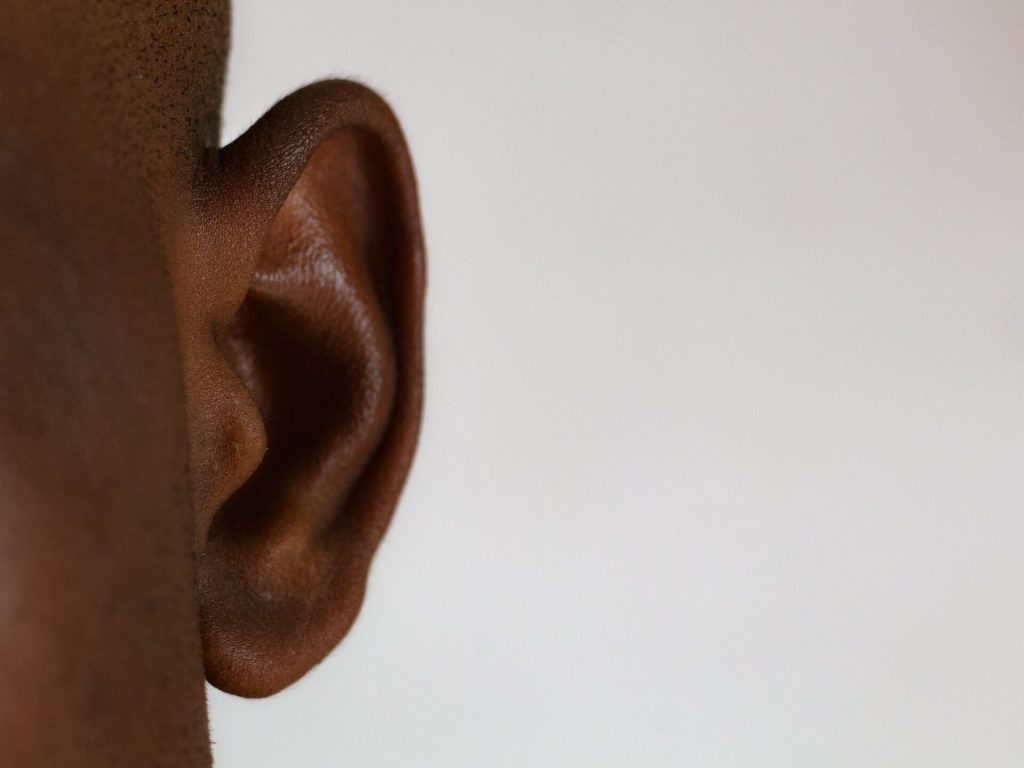
Photo by Engin Akyurt on Pexels

While endocrine-metabolic disorders and depression are known to co-occur, genetic and environmental factors are known to underlie both. In a study examining the link, published in the American Journal of Psychiatry, analysis revealed the balance of genetic and environmental influences underlying the co-occurrence of depression for a range of endocrine-metabolic disorders.

It is known that there is elevated co-occurrence between endocrine-metabolic disorders and depression, but the relationship between them is still not well understood.

Familial aggregation

The authors identified 2.2 million individuals born in Sweden between 1973 and 1996, as well as their full and half siblings, and followed them up to age 40. A number of medical conditions were studied; depression and various endocrine-metabolic disorders, including three autoimmune diseases (autoimmune hypothyroidism, Graves’ disease, and type 1 diabetes) and three non-autoimmune disorders (type 2 diabetes, obesity, and polycystic ovary syndrome).

Individuals with endocrine-metabolic disorders had 1.4 to 3.5 times the risk of depression compared to people without these diagnoses. Full and half siblings of these individuals also showed some elevated risk for depression, suggesting that genetic and/or environmental risk factors shared between family members play a role in the co-occurrence of these mental and physical disorders.

Genetic and environmental contributions

By comparing pairs of full sibling (who share about half of their genes) to pairs of half siblings (who share about a quarter of their genes), it was possible to calculate the relative contribution of genetic and environmental factors to the co-occurrence of depression and various endocrine-metabolic disorders. 

The results were a mix of these possibilities; the overlap between depression and non-autoimmune conditions was mainly explained by shared genetic influences, while environmental factors were predominantly involved in the association between depression and autoimmune disorders, particularly type 1 diabetes.

This indicates that the link between depression and different endocrine-metabolic disorders may be driven by different mechanisms. For example, shared biological mechanisms, such as immuno-inflammatory and metabolic dysregulations, may underlie the co-occurrence of depression and type 2 diabetes, obesity, and polycystic ovarian syndrome. In contrast, the absence of shared genetics in the association between type 1 diabetes and depression may reflect the existence of environmental factors influencing the risk of both conditions and/or a direct link between these conditions through mediating factors – eg, biological and psychosocial mechanisms connected to type 1 diabetes, including inflammation, cerebral damage, as well as stress of this lifelong condition that is often diagnosed early in life and that requires a complex management regime for both patients and their families.

“Our results underscore that clinicians should be aware of increased risks of depression in individuals with endocrine-metabolic disorders, and vice versa, and be vigilant for shared symptoms. This study also provides a useful foundation for future research aimed at identifying and targeting the biological mechanisms and modifiable risk factors underlying the co-presentation of endocrine-metabolic disorders and depression”, said Marica Leone, first author for the study.

Source: Karolinska Institutet

Guar Gum Limits Inflammation and Delays MS-like Symptoms

Guar gum is a common additive in foods such as gummy sweets, but a healthier alternative should be found for its inflammation-limiting benefits. Photo by Amit Lahav on Unsplash

Guar gum is derived from guar beans, and is a common food additive and dietary fibre. Surprisingly, limited inflammation and delayed the onset of multiple sclerosis (MS) symptoms in mice, according to new research published in Cell Reports.

“The rapid increase of autoimmune and inflammatory disorders in industrialised countries in the last few decades indicates dietary choices are one environmental factor contributing to incidence,” said Dr Lisa Osborne, senior study researcher on the study.

“Dietary fibres are potent modulators of immune responses and can control inflammation in multiple diseases, but they’re a very biochemically diverse family. Our study gives us a clearer window into the potential of several sources of fibre in maintaining immune health.”

Dr Osborne and colleagues exposed groups of mice to a variety of diets: a control diet with 5% cellulose fibre, a no-fibre diet, or diets enriched (30%) with fibre in either resistant starch, inulin, pectin, or guar gum. Guar gum was the only fibre type that significantly limited the MS-like symptoms. 

Guar gum (guaran) is extracted from guar beans, and is often used as an additive to thicken and stabilise food and animal feed, and in industrial applications.

“Guar beans aren’t that common in western diets, and the gum isn’t used at these high levels as an additive in the west,” says Naomi Fettig, first author on the study and a PhD student with the Department of Microbiology and Immunology at UBC.

“Experts have consistently been saying fibre is good for you – and a variety of fibre sources is important to immune health – but there hasn’t been very much critical work into identifying how the body responds to different fibre types. It’s fascinating that this particular source has such an impact.”

In the US and Canada, the average daily intake of fibre is 15g – current recommendations are 30g, with no regard to specific fibre type. “Incorporating guar beans might be challenging to achieve at the doses we gave to mice,” says Dr Osborne. “But a guar gum derivative, partially hydrolysed guar gum, is commercially available as a prebiotic.”

After the gum is broken down by the gut microbiota of mice, the resulting molecules appeared to reduce the activity and proliferation of a type of CD4+ T cells, Th1 cells, which have a key role in triggering the autoimmune response, which can lead to MS-like symptoms in mice. The effects of fibre on Th1 cells remained largely unknown prior to this study, and these findings suggest that the biochemical differences in fibre structures can influence diverse immune pathways.  

Dr Osborne and her lab now want to explore the potential benefits in humans – including developing a more detailed understanding of the molecular picture, which might help design therapeutics that offer the benefits of such high guar gum diets in a more practical form.

Source: University of British Columbia

Male and Female Running Speeds are Closer in Shorter Sprints

Man and woman about to sprint
Source: Andrea Piacquadio on Pexels

Conventional wisdom holds that men run 10–12% faster than women regardless of the distance raced. But new research published in the Journal of Applied Physiology suggests that the performance gap narrows at shorter sprint distances.

Speed over short distances is determined by different factors – specifically, the magnitude of the ground forces athletes can apply in relation to their body mass. Muscular force to body mass ratios are greater in smaller individuals.

PhD candidate Emily McClelland, working with Peter Weyand, the Director of SMU’s Locomotor Performance Lab, quantified sex performance differences using data from sanctioned international athletic competitions such as the Olympics and World Championships. An accomplished athlete, McClelland has always had a natural interest in the scientific basis of human performance. The researchers hypothesised that these data would reveal smaller male-female performance differences at shorter distances.

The understanding of comparative strength, speed and endurance capabilities of male and female athletes has been a contentious issue for modern sport.  Yet, prior to the new SMU study, quantitative understanding of sex performance differences for short sprint events had received little attention. McClelland’s background, male-female differences in force/mass capabilities, and existing data trends led her to hypothesise that sex differences in sprint running performance might be relatively small and increase with distance.

Her analysis of race data from sanctioned international competitions between 2003 and 2018 supported her initial hypothesis. These data revealed that the difference between male and female performance time increased with event distance from 8.6% to 11% from shortest to longest sprint events (60 to 400m). Additionally, within-race analysis of each 10-meter segment of the 100m event revealed a more pronounced pattern across distance: sex differences rose from 5.6% for the first segment to 14.2% in the last segment.

Why then are women potentially less disadvantaged versus men at shorter sprint distances?

Unlike other running species like horses and dogs, there is significant variation in body size between human males and females. Holding all other factors equal, body size differences result in muscular force to body mass ratios that are greater in relatively smaller individuals.  Since sprinting velocities are directly dependent on the mass-specific forces runners can apply during the foot-to-ground contact phase of the stride, greater force/mass ratios of smaller individuals provide a theoretical relative advantage. A female runner’s shorter legs may confer the advantage of more steps and pushing cycles per unit time during the acceleration phase of a race. These factors offset male advantages (longer legs and greater muscularity) that become more influential over longer distances.

Source: Southern Methodist University

HIV Antiretroviral Therapy’s Life Expectancy Success

HIV themed candle
Image by Sergey Mikheev on Unsplash

Since the introduction of the first antiretroviral therapy (ART) drug for HIV/AIDS treatment 35 years ago, life expectancy in Sub-Saharan Africa has steadily increased. ART medications are specifically designed to help an individual’s immune system fight HIV and in turn suppress HIV replication. However, there is a limited understanding of the combined effects of HIV and ART on disability and healthy longevity for individuals with the disease.

In a study published in The Lancet HIV, investigators from the Brigham and Women’s Hospital collaborated alongside international partners in South Africa to compare people with both virally suppressed and unsuppressed HIV, with people who were uninfected with HIV. The team used data they collected in an observational, longitudinal, population-based cohort study that included baseline interviews and blood collection, as well as subsequent follow-up interviews and blood collection about four years later. Their modelling analysis found that those receiving ART medication were predicted to live considerably longer and with less disability than those with unsuppressed HIV.

This research demonstrates the role of ART in healthy aging, as well as the continued importance for international global health organisations to provide HIV treatment to those all over the world, including in Africa.

“It was exciting for us to find that – at the population level – achieving high rates of viral suppression among people with HIV will not only lead to increases in life expectancy but also to healthier aging,” said senior author Jennifer Manne-Goehler, MD of the Division of Infectious Diseases. “This confirms the critical importance of maintaining support for antiretroviral programs as a way to ensure the best long-term health outcomes for people growing older with HIV.”

Source: EurekAlert!

Coffee Extends Life as Well as Consciousness

Coffee cup and beans
Photo by Mike Kenneally on Unsplash

Coffee lovers have another thing to rejoice about: drinking two to three cups of coffee a day is linked with a longer lifespan and lower risk of cardiovascular disease (CVD) compared with avoiding coffee, according to a study in the European Journal of Preventive Cardiology. The association was strongest with drinking ground coffee, though instant and decaffeinated preparations also showed this benefit.

“In this large, observational study, ground, instant and decaffeinated coffee were associated with equivalent reductions in the incidence of cardiovascular disease and death from cardiovascular disease or any cause,” said study author Professor Peter Kistler of the Baker Heart and Diabetes Research Institute, Melbourne. “The results suggest that mild to moderate intake of ground, instant and decaffeinated coffee should be considered part of a healthy lifestyle.”

There is little information on the impact of different coffee preparations on heart health and survival. This study examined the associations between types of coffee and incident arrhythmias, CVD and death using data from the UK Biobank, with participants aged 40–69. CVD was comprised of coronary heart disease, congestive heart failure and ischaemic stroke.

The study included 449 563 participants free of arrhythmias or other CVD at baseline. The median age was 58 years and 55.3% were women. Participants completed a questionnaire asking how many cups of coffee they drank each day and whether they usually drank instant, ground (such as cappuccino or filtered coffee), or decaffeinated coffee. They were then grouped into six daily intake categories, consisting of none, less than one, one, two to three, four to five, and more than five cups per day. The usual coffee type was instant in 198 062 (44.1%) participants, ground in 82 575 (18.4%), and decaffeinated in 68 416 (15.2%). A comparator group of 100 510 (22.4%) non-coffee drinkers was included.

Coffee drinkers were compared to non-drinkers for the incidence of arrhythmias, cardiovascular disease and death, after adjusting for age, sex, ethnicity, obesity, hypertension, diabetes, obstructive sleep apnoea, smoking status, and tea and alcohol consumption. Outcome information was obtained from medical records and death records. The median follow up was 12.5 years.

A total of 27 809 (6.2%) participants died during follow up. All types of coffee were linked with a reduction in death from any cause. The greatest risk reduction seen with two to three cups per day, which compared to no coffee drinking was associated with a 14%, 27% and 11% lower likelihood of death for decaffeinated, ground, and instant preparations, respectively.

CVD was diagnosed in 43 173 (9.6%) participants during follow up. All coffee subtypes were associated with a reduction in incident cardiovascular disease. Again, the lowest risk was observed with two to three cups a day, which compared to abstinence from coffee was associated with a 6%, 20%, and 9% reduced likelihood of cardiovascular disease for decaffeinated, ground, instant coffee, respectively.

During follow up, an arrhythmia was diagnosed in 30 100 (6.7%) participants. Ground and instant coffee, but not decaffeinated, was associated with a reduction in arrhythmias including atrial fibrillation. Compared with non-drinkers, the lowest risks were observed with four to five cups a day for ground coffee and two to three cups a day for instant coffee, with 17% and 12% reduced risks, respectively.

Professor Kistler said: “Caffeine is the most well-known constituent in coffee, but the beverage contains more than 100 biologically active components. It is likely that the non-caffeinated compounds were responsible for the positive relationships observed between coffee drinking, cardiovascular disease and survival. Our findings indicate that drinking modest amounts of coffee of all types should not be discouraged but can be enjoyed as a heart healthy behaviour.”

Source: European Society of Cardiology

SARS-CoV-2 Can also Impact the Colon

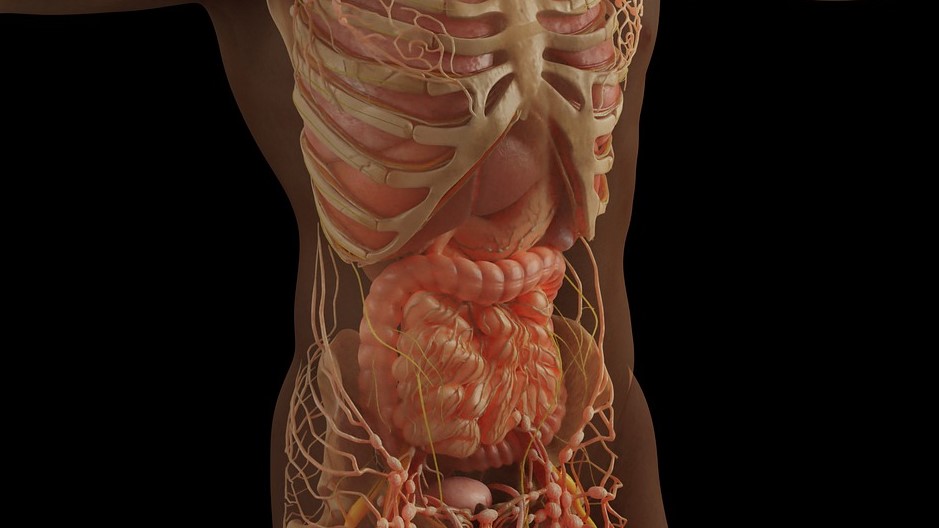
Anatomy of the gut
Source: Pixabay CC0

Although SARS-CoV-2 infections mainly attack the lungs, in many cases they can also damage other organs, such as the colon: around 60% of patients experienced digestive tract impacts. A study published in the International Journal of Molecular Sciences analysed the manifestations of COVID in the lungs and colon, identifying the differences at a molecular level.

Their findings serve as the basis for the identification of novel biomarkers and the development of new treatment strategies.

The University of Vienna scientific team, led by Diana Mechtcheriakova, studied the singularities and commonalities in the impact of COVID on the lungs and other organs. Using complex dataset analyses, the researchers recognised that a different molecular mechanism is at work in pulmonary and gastrointestinal manifestations. While SARS-CoV-2 infections of the lungs evoke classic immune system responses, in the gastrointestinal tract they evoke responses related to liver and lipid metabolism.

The fact that SARS-CoV-2 infections not only manifest in the lungs but frequently also manifest in other organs, such as the heart, kidneys, skin or gut, can be attributed to the particular structure of the virus. During the course of COVID, up to 60% of patients experience gastrointestinal symptoms, which may be associated with a longer duration of disease and/or a worse outcome. The results of this study will add to our understanding of the organ- and tissue-specific molecular processes triggered by SARS-CoV-2.

“Our findings can advance the identification of new biomarkers and treatment strategies for COVID, taking account of the specific responses in manifestations outside the lung,” said Diana Mechtcheriakova, Head of the Molecular Systems Biology and Pathophysiology Research Group at MedUni Vienna, holding out the prospect of promising follow-up studies.

Source: Medical University of Vienna

Microscopic Robots Kill Pneumonia Bacteria in Lungs

Pseudomonas
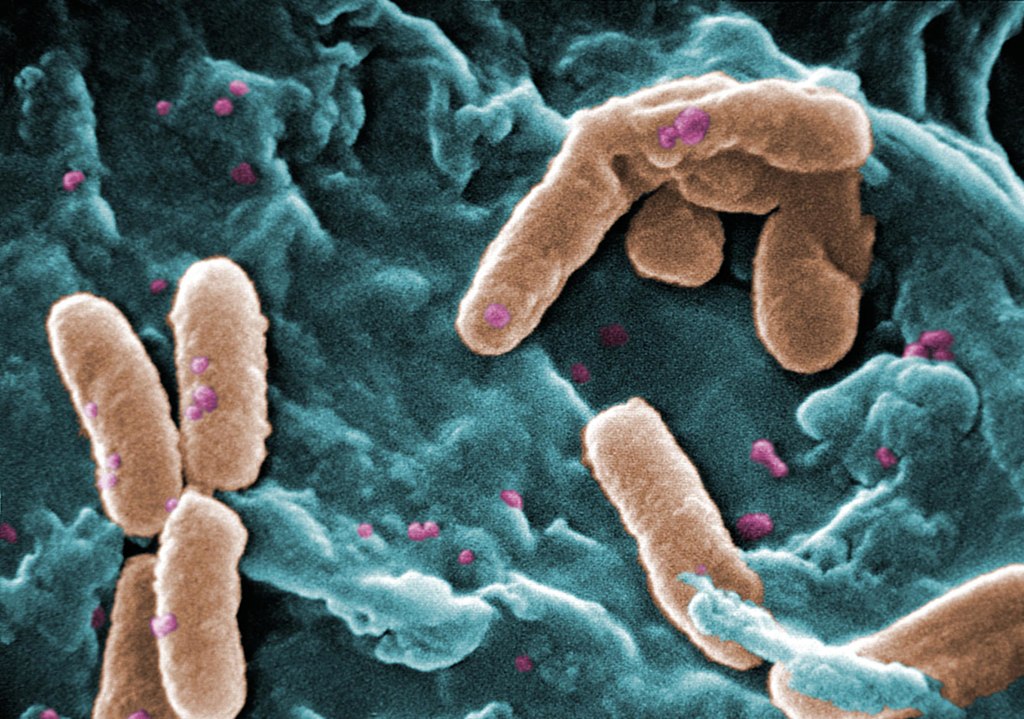
Scanning Electron Micrograph of Pseudomonas aeruginosa. Credit: CDC/Janice Carr

Nanoengineers have developed microscopic robots, called microrobots, that can swim around in the lungs, deliver medication and be used to clear up life-threatening cases of bacterial pneumonia.

In mice, the microrobots safely eliminated Pseudomonas aeruginosa in the lungs of infected mice, resulting in a 100% survival rate. By contrast, untreated mice all died within three days after infection. The scientists describe the technology in Nature Materials.

The microrobots are not actually made of metal and plastic: instead they are algae cells armed with antibiotic-filled nanoparticles on their surfaces. The algae provide movement, which allows the microrobots to swim around and deliver antibiotics directly to more bacteria in the lungs. The nanoparticles are also coated with the neutrophil cell membranes, which absorb and neutralise inflammatory molecules produced by bacteria and the body’s immune system. This gives the microrobots a powerful anti-inflammatory tool, and the algae are biodegradable in the body, leaving no toxic traces.

The work is a joint effort between the labs of nanoengineering professors Joseph Wang and Liangfang Zhang, both at the UC San Diego Jacobs School of Engineering, both world leaders in nanoengineering.

“Our goal is to do targeted drug delivery into more challenging parts of the body, like the lungs. And we want to do it in a way that is safe, easy, biocompatible and long lasting,” said Prof Zhang. “That is what we’ve demonstrated in this work.”

The team used the microrobots to treat mice with an acute and potentially fatal form of pneumonia caused by P. aeruginosa. This is commonly seen in mechanically ventilated ICU patients. The researchers administered the microrobots to the lungs of the mice through a tube inserted in the windpipe. The infections fully cleared up after one week. All mice treated with the microrobots survived past 30 days, while untreated mice died within three days.

The microrobots enabled targeted drug delivery of only 500 nanograms of antibiotics per mouse, while an IV injection provided 1.644 milligrams of antibiotics per mouse.

“These results show how targeted drug delivery combined with active movement from the microalgae improves therapeutic efficacy,” said Wang.

“With an IV injection, sometimes only a very small fraction of antibiotics will get into the lungs. That’s why many current antibiotic treatments for pneumonia don’t work as well as needed, leading to very high mortality rates in the sickest patients,” said Professor Victor Nizet, co-author on the study and a physician-scientist collaborator of Profs Wang and Zhang. “Based on these mouse data, we see that the microrobots could potentially improve antibiotic penetration to kill bacterial pathogens and save more patients’ lives.”

The work is still at the proof-of-concept stage. The team plans to do more basic research to understand exactly how the microrobots interact with the immune system. Next steps also include studies to validate the microrobot treatment and scaling it up before testing it in larger animals and eventually, in humans.

“We’re pushing the boundary further in the field of targeted drug delivery,” said Zhang.

Source: University of California – San Diego

The Same Medications for Humans are Pricier than for Pets

Photo by Pauline Loroy on Unsplash

In a research letter published in JAMA Internal Medicine, researchers compared the prices of 120 medications commonly used in humans and pets. The authors found human medication prices were typically higher than the price of pet medications – with the same ingredients at common human-equivalent doses.

While some medications are common to both pets and humans, but price differences can be extreme. In 1991, levamisole (introduced in the 1960s as a veterinary antiparasitic) demonstrated efficacy in treating human colon cancer. The introductory human price of Janssen’s Ergamisol (brand-name levamisole; $5 per 50mg tablet) was 100 times the then veterinary price (approximately $0.05 for an equivalent amount). With the COVID pandemic, a misinformation-driven demand for ivermectin as a COVID treatment led to people seeking veterinary formulations of the drug, increasing the price 15-fold over a month ($6 to $92 for 3 tubes). In this cross-sectional study, the researchers sought to compare prices of commonly prescribed medications used to treat both humans and pets.

The researchers from the University of Minnesota found that retail price for human medications was on average 5.5 times higher than pet medications. For more than 60% of medications, even discounted prices for humans were higher than pet prices. On average, discounted prices were 1.5 times higher for human medications than for pet medications.

‘’A 10-day supply of the same medication costs $2 for a pet dog, $10 for a person with a discount coupon, and $100 for a person without a coupon,” said Arjun Gupta, MBBS, assistant professor at the U of M Medical School and oncologist with M Health Fairview. He is also a member of the Masonic Cancer Center. “With many humans and pets uninsured or underinsured, it is important that cash prices for medications are affordable and that pricing is not exploitative.”

Human prices were also higher than pet prices for drugs such as antibiotics. Researchers warn this may promote humans sourcing antibiotics for their own use from pet sources, especially since human antibiotic use is more regulated.

Exactly why there is such a significant price difference is unclear. One possibility may be drug manufacturers engaging in price discrimination by charging consumers different prices in different markets for the same product, the researchers suggest. Additionally, price differences could reflect variations in medication effectiveness, willingness to pay, and manufacturing, storage, and regulatory standards.

Further research is suggested to explore the causes of price differences.

Source: University of Minnesota Medical School

Long-standing Theory of Hearing Turned on its Ear

The sensory cells of hearing, outer and inner hair cells, are located in the cochlea, where the arrival sound waves cause the ‘hairs’ of the inner hair cells to bend, sending a signal through the nerves to the brain, which interprets the sound we hear.

For the past century, scientific belief was that each sensory cell has its own ‘optimal frequency’, to which the hair cell responds most strongly. This idea means that a sensory cell with an optimal frequency of 1000Hz would be much less responsive to sounds of slightly lower or higher frequency. It has also been assumed that all parts of the cochlea work in the same way. Now, however, researchers have discovered that this is not so for sensory cells that process sound with frequencies under 1000Hz, considered to be low-frequency sound, where the vowel sounds in human speech lie.

“Our study shows that many cells in the inner ear react simultaneously to low-frequency sound. We believe that this makes it easier to experience low-frequency sounds than would otherwise be the case, since the brain receives information from many sensory cells at the same time,” said Professor Anders Fridberger at Linköping University, senior author of the study published in Science Advances.

The scientists believe that this construction of our hearing system makes it more robust. If some sensory cells are damaged, many others remain that can send nerve impulses to the brain.

As well as the vowel sounds of human speech, many of the sounds that go to make up music also lie in this low-frequency area. Middle C on a piano, for example, has a frequency of 262Hz.

These results may eventually be significant for people with severe hearing impairments. The most successful treatment currently available in such cases is a cochlear implant, in which electrodes are placed into the cochlea.

“The design of current cochlear implants is based on the assumption that each electrode should only give nerve stimulation at certain frequencies, in a way that tries to copy what was believed about the function of our hearing system. We suggest that changing the stimulation method at low frequencies will be more similar to the natural stimulation, and the hearing experience of the user should in this way be improved,” says Anders Fridberger.

The researchers now plan to examine how their new knowledge can be applied in practice. One of the projects they are investigating concerns new methods to stimulate the low-frequency parts of the cochlea.

These results come from experiments on the cochlea of guinea pigs, whose hearing in the low-frequency region is similar to that of humans.

Source: Linköping University

Viruses may ‘Watch’ for the Right Moment to Strike

Lassa virus scanning electron micrograph
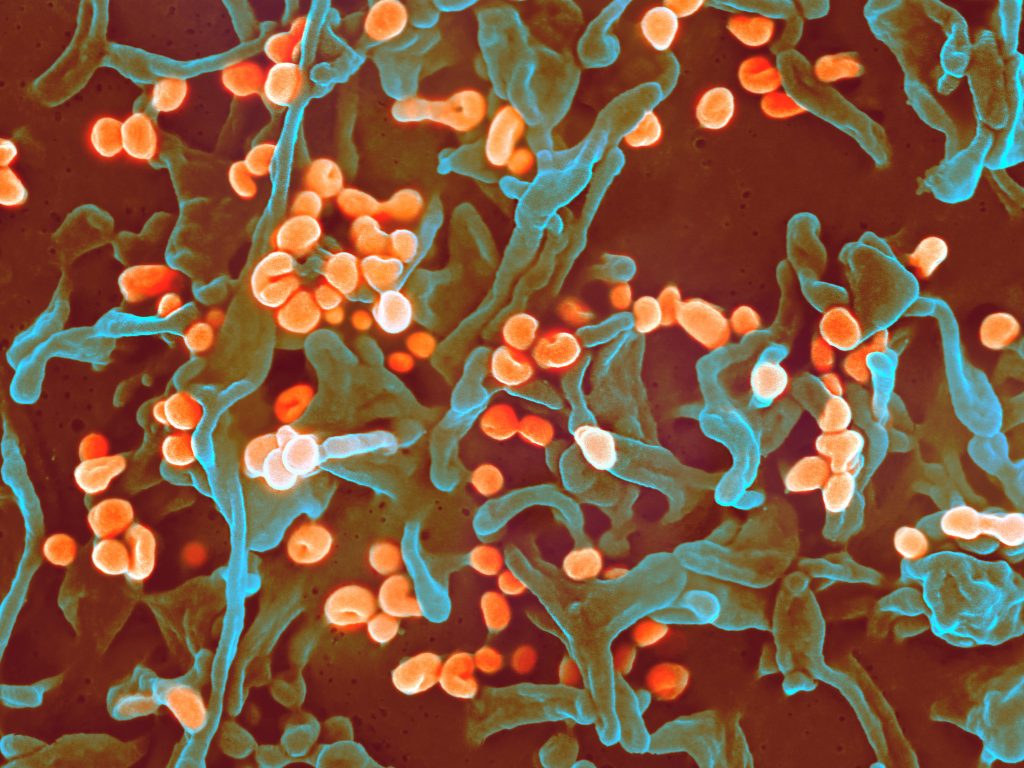
Scanning electron micrograph of Lassa virus budding off a Vero cell. Image credit: National Institute of Allergy and Infectious Diseases, NIH

Scientists have found that viruses lurking inside cells may be on the ‘watch’ for information from their environment to choose when to multiply and burst out. The work, published in Frontiers in Microbiology, has implications for antiviral drug development.

A virus’s ability to sense its environment, including elements produced by its host, adds “another layer of complexity to the viral-host interaction,” said senior author Ivan Erill, professor of biological sciences. Currently, viruses use that ability to their benefit. But in the future, he says, “we could exploit it to their detriment.”

Not a coincidence

The new study focused on bacteriophages, viruses which infect bacteria – also known as ‘phages.’ The phages in the study can only infect their hosts when the bacterial cells have special appendages, called pili and flagella, that help the bacteria move and mate. The bacteria produce a protein called CtrA that controls when they generate these appendages. The new paper shows that many appendage-dependent phages have patterns in their DNA where the CtrA protein can attach, called binding sites. A phage having a binding site for a protein produced by its host is unusual, explained Prof Erill.

Even more surprising, Erill and the paper’s first author Elia Mascolo, a PhD student in Erill’s lab, found through detailed genomic analysis that these binding sites were not unique to a single phage, or even a single group of phages. Many different types of phages had CtrA binding sites – but they all needed their hosts to have pili and/or flagella to infect them. It couldn’t be a coincidence, they decided.

The ability to monitor CtrA levels “has been invented multiple times throughout evolution by different phages that infect different bacteria,” Prof Erill said. This convergent evolution indicates that the trait is useful.

Timing is everything

Another wrinkle in the story: The first phage in which the research team identified CtrA binding sites infects a particular group of bacteria called Caulobacterales. Caulobacterales are an especially well-studied group of bacteria, because they exist in two forms: a free-swimming ‘swarmer’ form which has pili/flagella, and a ‘stalked’ form that attaches to a surface and lacks those appendages. In these bacteria, CtrA also regulates the cell cycle, determining whether a cell will divide evenly into two more of the same cell type, or divide asymmetrically to produce one swarmer and one stalk cell.

Because the phages can only infect swarmer cells, it’s in their best interest only to burst out of their host when there are many swarmer cells available to infect. Generally, Caulobacterales live in nutrient-poor environments, and they are very spread out. “But when they find a good pocket of microhabitat, they become stalked cells and proliferate,” Prof Erill said, eventually producing large quantities of swarmer cells.

“We hypothesise the phages are monitoring CtrA levels, which go up and down during the life cycle of the cells, to figure out when the swarmer cell is becoming a stalk cell and becoming a factory of swarmers,” Prof Erill said, “and at that point, they burst the cell, because there are going to be many swarmers nearby to infect.”

Listening in

Unfortunately, the method to prove this hypothesis is labour-intensive and extremely difficult, so that wasn’t part of this latest paper — although Erill and colleagues hope to tackle that question in the future. However, the research team sees no other plausible explanation for the proliferation of CtrA binding sites on so many different phages, all of which require pili/flagella to infect their hosts. Even more interesting, they note, are the implications for viruses that infect humans.

“Everything that we know about phages, every single evolutionary strategy they have developed, has been shown to translate to viruses that infect plants and animals,” he said. “It’s almost a given. So if phages are listening in on their hosts, the viruses that affect humans are bound to be doing the same.”

There are a few other documented examples of phages monitoring their environment in interesting ways, but none include so many different phages employing the same strategy against so many bacterial hosts.

Prof Erill predicts that more examples of this will be found, and his lab is already discovering more.

New therapeutic avenues

The key takeaway from this research is that “the virus is using cellular intel to make decisions,” Erill says, “and if it’s happening in bacteria, it’s almost certainly happening in plants and animals, because if it’s an evolutionary strategy that makes sense, evolution will discover it and exploit it.”

For example, to optimize its strategy for survival and replication, an animal virus might want to know what kind of tissue it is in, or how robust the host’s immune response is to its infection. While it might be unsettling to think about all the information viruses could gather and possibly use to make us sicker, these discoveries also open up avenues for new therapies.

“If you are developing an antiviral drug, and you know the virus is listening in on a particular signal, then maybe you can fool the virus,” Erill said. “We are just starting to realise how actively viruses have eyes on us – how they are monitoring what’s going on around them and making decisions based on that. “It’s fascinating.”

Source: University of Maryland Baltimore County