Year: 2022

‘SuperAger’ Brains Remain Free of Alzheimer’s Signs
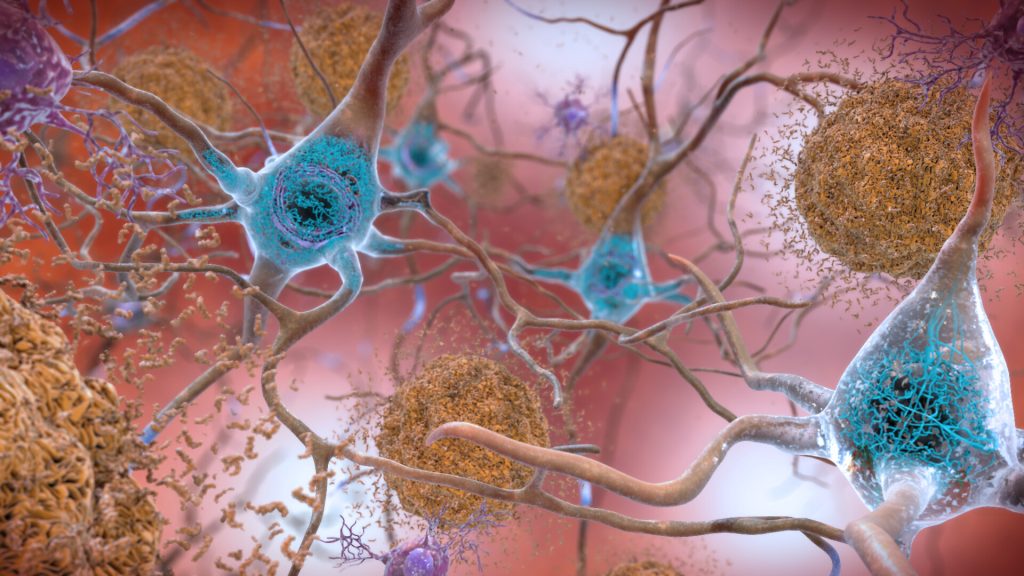
Plaques and neurons. Source: NIAH

According to a study which was published in The Journal of Neuroscience, neurons in the entorhinal cortex (a brain area responsible for memory) were significantly larger and healthier in 80+ year olds who have exceptional memory, also known as ‘SuperAgers’.

Their neurons were larger than those of cognitively average peers, individuals with early-stage Alzheimer’s disease and even those decades younger than SuperAgers. These neurons also did not harbour tau tangles, a hallmark of Alzheimer’s disease.

“The remarkable observation that SuperAgers showed larger neurons than their younger peers may imply that large cells were present from birth and are maintained structurally throughout their lives,” said lead author Tamar Gefen, an assistant professor at Northwestern University Feinberg School of Medicine. “We conclude that larger neurons are a biological signature of the SuperAging trajectory.”

The study of SuperAgers with exceptional memory was the first to show that these individuals carry a unique biological signature that comprises larger and healthier neurons in the entorhinal cortex that are relatively clear of tau tangles.

The Northwestern SuperAging Research Program studies unique individuals known as SuperAgers, 80+ year-olds who show exceptional memory at least as good as individuals 20 to 30 years their junior.

“To understand how and why people may be resistant to developing Alzheimer’s disease, it is important to closely investigate the postmortem brains of SuperAgers,” A/Prof Gefen said. “What makes SuperAgers’ brains unique? How can we harness their biologic traits to help elderly stave off Alzheimer’s disease?”

Scientists studied the entorhinal cortex of the brain because it controls memory and is one of the first locations targeted by Alzheimer’s disease. The entorhinal cortex comprises six layers of neurons. Layer II, in particular, receives information from other memory centres and is a very specific and crucial hub along the brain’s memory circuit.

In the study, scientists show that SuperAgers have large, healthier neurons in layer II of the entorhinal cortex compared to their same-aged peers, individuals with early stages of Alzheimer’s disease and even individuals 20 to 30 years younger. They also showed that these large layer II neurons were spared from the formation of tau tangles.

These findings together suggest that a neuron spared from tangle formation can maintain its structural integrity, and the inverse is true: Tau tangles can lead to neuronal shrinkage.

Participants in the SuperAger study donate their brains for research.

For the study, scientists examined the brains of six SuperAgers, seven cognitively average elderly individuals, six young individuals and five individuals with early stages of Alzheimer’s. Then they measured the size of neurons in layer II of the entorhinal cortex (compared to layers III and V). They also measured the presence of tau tangles in these cases.

For reasons that remain unknown, cell populations in the entorhinal cortex are selectively vulnerable to tau tangle formation during normal aging and in early stages of Alzheimer’s.

“In this study, we show that in Alzheimer’s, neuronal shrinkage (atrophy) in the entorhinal cortex appears to be a characteristic marker of the disease,” Gefen said.

“We suspect this process is a function of tau tangle formation in the affected cells leading to poor memory abilities in older age,” A/Prof Gefen said. “Identifying this contributing factor (and every contributing factor) is crucial to the early identification of Alzheimer’s, monitoring its course and guiding treatment.”

Future studies are needed to understand how and why neuronal integrity is preserved in SuperAgers. A/Prof Gefen wants to focus on probing the cellular environment.

“What are the chemical, metabolic or genetic features of these cells that render them resilient?” she asked. She also plans to investigate other hubs along the memory circuit of the brain to better understand the spread of or resistance to disease.

Source: Northwestern University

Nanoparticles Amplify Benefits of Magnetic Stroke Treatment

Chinese researchers have reported in Materials Today Chemistry that magnetic brain stimulation combined with a nasal spray containing nanoparticles can improve recovery in a mouse model of ischaemic stroke.

The nasal spray non-invasively delivers magnetic nanoparticles into the brain, which serve to amplify the benefits of transcranial magnetic stimulation (TMS). TMS is a method of non-invasive brain stimulation already used clinically or in clinical trials to treat neurological conditions like stroke, Parkinson’s disease, Alzheimer’s disease, depression, and addiction.

Rats that were given combined nanoparticle and TMS treatment every 24 hours for 14 days after an ischaemic stroke had better overall health, put on weight more quickly and had improved cognitive and motor functions compared to those treated with TMS alone. TMS stimulation uses a magnetic field to induces an electrical current in the brain, but is often not able to penetrate deeply enough.

In this new study, the researchers show that magnetic nanoparticles, administered intranasally, can make neurons more responsive and amplify the magnetic signal from TMS to reach deeper brain tissue, aiding recovery. The finding offers new opportunities for treating neurological disorders. 

From impossible to possible

The research answers a key question in nanomedicine – whether it is possible to enhance TMS by using nanoparticles that are non-invasively delivered into the brain. Experts had believed that it was almost impossible because of the blood-brain barrier.

However, the team of researchers overcame this by guiding the magnetic nanoparticles closer to the correct area with a large magnet near the head. 

Dr Gang Ruan, a corresponding author of the study, said: “We were able to overcome the blood-brain barrier and send enough nanoparticles into the brain to use in combination with TMS simulation to improve recovery from stroke. 

“TMS devices are already used for the clinical treatment of neurological disorders but have severe limitations in terms of stimulation strength and depths of the brain they can penetrate. 

“By non-invasively putting magnetic nanoparticles into the brain, we can amplify and enhance the TMS stimulation effects on neurons, making the treatment more effective,” Dr Ruan added.

“Showing it is possible to use nanoparticles in this way paves the way for medical applications of nanoparticles for other neurological disorders.”

Crossing barriers 

The iron oxide nanoparticles, normally used to treat anaemia, were coated various non-toxic substances. 

Dr Ruan explained: “The coating causes the nanoparticles to stick to the blood-brain barrier, increasing their chances of passing through it. Without this coating, the particles just bounce back from the barrier instead of crossing it.

“The modifications of the iron oxide particles also ensure that the nanoparticles can stick to the neurons and increase their responsiveness to TMS stimulation.”

The safety of using the modified nanoparticles needs to be assessed in clinical trials but has the potential to be used in combination with TMS, and other methods such as brain imaging, to gain more insight into how the brain works and improve the treatment of neurological disorders. 

“Many scientists still think it is impossible to non-invasively send enough nanoparticles into the brain to affect brain function. Yet we have shown that it is possible,” said Dr Ruan.

“We combined the expertise on our team in four different disciplines, materials science, biophysics, neuroscience, and medical science, to push the boundaries of our knowledge and challenge what is currently thought in the field.”

Source: EurekAlert!

An Easy-to-use Model for Assessing Hysterectomy Complication Risk

Photo by Piron Guillaume on Unsplash

Researchers have developed easy-to-use online prediction tools that provide personalised risk estimates for patients undergoing hysterectomy for benign disease. The models are described in a study published in the Canadian Medical Association Journal.

Hysterectomy is one of the most common surgical procedures, with one-third of women in Canada undergoing this procedure before age 60. Laparoscopic hysterectomies are more common as they are less invasive than abdominal surgery. Current practice entails that surgeons discuss benefits of the type of procedure and risks of complications with patients.

The researchers developed and tested prediction models with the aim of supplementing a surgeon’s expert opinion on patients’ risks of complications from hysterectomy. Hysterectomy complications can include ureteric, gastrointestinal and vascular injury as well as wound complications. The authors used data from the English National Health Service (NHS) on 68 599 women who had laparoscopic hysterectomies and 125 971 women who had abdominal hysterectomies between 2011 and 2018.

“Historically, a surgeon’s gut feeling has been shown to be a good indicator of postoperative outcomes; however, an expert opinion is the lowest value in evidence-based medicine,” said Dr Krupa Madhvani, Queen Mary University of London. “Although a surgeon’s experience and expert opinion carries utility, it cannot be used solely to guide risk management. In Canada and globally, the overall rate of hysterectomy for benign disease is declining, and more patients are undergoing surgery by lower-volume surgeons, who may not have expertise in every procedure,” write the authors.

Using 11 predictors, such as age, body mass index and diabetes, the researchers also included ethnicity as a potential risk factor.

“Ethnicity has been shown to be an independent factor influencing the route and complications of hysterectomy,” the authors wrote.

They found women of Asian background were at higher risk of major complications after abdominal hysterectomy compared with women who were white, although the risk was not associated with laparoscopy. The most significant risk factor for major complications in both procedures were the presence of adhesions, which is consistent with existing evidence.

“These tools will guide shared decision-making and may lead to referral to centres with greater surgical expertise or to exploration of nonsurgical treatment options,” the authors wrote.

Source: EurekAlert!

Circadian Rhythm and Temperature Link to Cancer

Sleeping man
Photo by Mert Kahveci on Unsplash

Circadian rhythm disruptions have been linked to cancer but the connection has been poorly understood, even though shift workers and others with irregular schedules experience these disruptions regularly. A new Scripps Research article published in Science Advances shows that chronic circadian disruption significantly increased lung cancer growth in animal models.

By identifying the genes implicated, the researchers are illuminating the mysterious link between sleeping patterns and disease, which could help inform everything from developing more targeted cancer treatments to better monitoring high-risk groups.

“There has always been a lot of evidence that shift workers and others with disrupted sleep schedules have higher rates of cancer, and our mission for this study was to figure out why,” said senior author Katja Lamia, PhD, associate professor in the Department of Molecular Medicine.

The researchers used mice with KRAS genes. Half of the mice were housed in a “normal” light cycle, meaning 12 hours of light and 12 hours of darkness. The other half were housed in a light cycle meant to resemble that of shift workers’, where the light hours were moved earlier by eight hours every two or three days.  

The findings agreed with predictions: mice that were exposed to the irregular, shifting light patterns had an increased tumour burden of 68%.

With RNA sequencing, they determined the different genes involved in the cancer growth – and were surprised to discover a subset in the heat shock factor 1 (HSF1) family of proteins.

“This is not the mechanism we were expecting to find here. HSF1 has been shown to increase rates of tumour formation in several different models of cancer, but it has never been linked to circadian disruption before,” Lamia says.

HSF1 genes are responsible for making sure proteins are still made correctly even when a cell is under extreme stress – in this case, when it experiences changes in temperature. The team suspects that HSF1 activity is increased in response to circadian disruption because changes in our sleep cycles disturb the daily rhythms of our bodies’ temperature.

“Normally, our body temperature changes by one or two degrees while we’re sleeping. If shift workers don’t experience that normal drop, it could interfere with how the HSF1 pathway normally operates – and ultimately lead to more dysregulation in the body,” A/Prof Lamia added. She believes cancer cells may exploit the HSF1 pathway to their own benefit and create mutant, misfolded proteins, but says this needs more research.

These findings could potentially point preventative strategies for at-risk groups. By non-invasive monitoring of body temperature, it may be possible to optimise shift workers’ schedules and even halt this type of dysregulation that can lead to cancer. The scientists are now evaluating if HSF1 signalling is required to increase tumour burden and isn’t solely just a correlation.

“Now that we know there’s a molecular link between HSF1, circadian disruption and tumour growth, it’s our job to determine how they’re all connected,” A/Prof Lamia said.

Source: Scripps Research

‘Wear and Tear’ of Stress Impacts Ability to Fall Pregnant

pregnant woman holding her belly
Source: Anna Hecker on Unsplash

New research suggests that the physiological ‘wear and tear’ of stress may affect a woman’s fecundability, ie her ability to fall pregnant within a menstrual cycle. The study was published in Acta Obstetricia et Gynecologica Scandinavica.

Allostatic load reflects multi-system physiological changes which occur in response to chronic psychosocial stress, reflecting a kind of ‘wear and tear’. The study investigated the link between female pre-pregnancy allostatic and time to pregnancy.

Reduced human fecundability not only results in infertility, it also creates social aging problems. Female fecundability is a complicated topic that can be influenced in many ways, including physical factors and psychological factors. Prior research tended to focus on the impact of chronic diseases, such as hypertension, diabetes and obesity. However, mental factors, including psychological pressure, anxiety and depression, could also potentially exert impact on female fecundability. Evidence supports that infertility may cause stress in many ways, but it is unclear whether stress causes infertility, or how stress and human fecundability interact.

The study assessed AL in 444 women who were trying to become pregnant. Women with higher allostatic load scores – based on nine indicators such as blood pressure, blood sugar, cortisol, noradrenaline, and cholesterol – were less likely to become pregnant within a year. For example, the women with an allostatic load score of 5–6 would have a 59% reduction of fecundability compared with those with scores of 0.

“What we found provides a new idea for preconception counselling. But obviously, how to objectively assess the stress is a complex scientific question, and how to intervene and reduce the impact of chronic stress is a burning problem, which are all things we need to study further,” said senior author Bei Wang, PhD, of Southeast University in Jiangsu, China.

Source: Wiley

TAC Slams Mbeki over His Views on HIV

Photo: Mohamed Nanabhay (via Flickr, CC BY 2.0)

By Mary-Anne Gontsana for GroundUp

The Treatment Action Campaign (TAC) has called on former president Thabo Mbeki to offer an apology to the public for the “dissident” views he expressed about HIV/AIDS while delivering a speech at the University of South Africa (UNISA) last week Wednesday.

In a scathing statement published by the TAC on Tuesday, the organisation said the “repetition of his scientifically erroneous views with such insensitive arrogance is an insult to the 8 million people living with HIV in SA and the families of 4 million South Africans who have died from HIV over the last three decades”.

Mbeki, who is also the Chancellor at UNISA, was speaking to students, diplomats and members of the media at an event which takes place twice each year and allows students to interact with him on pertinent issues that affect Africans.

The TAC accuses Mbeki of misleading the public when he questions the cause of AIDS. The organisation also goes on to say that they were stunned again by Mbeki’s support of the views of the late former Minister of Health, Manto Tshabalala-Msimang “who was ridiculed for promoting garlic and beetroot as the essential ingredient to manage AIDS, giving it a higher premium than antiretroviral (ARV) treatment”.

“Whilst there may be benefits in all healthy foods, the idea that these vegetables are what are most required in the management of AIDS has no basis in fact and is misleading to the public,” said the statement.

Speaking about HIV/AIDS after a question was raised in the event, Mbeki said the questions that he raised then, he would still raise today. He emphasized that AIDS was a syndrome and not a disease.

“Now this syndrome in medical terms is a group of diseases. So all of these diseases which fall under this syndrome, meningitis, TB, they’re in the syndrome.”

“Causes of Tuberculosis are known and historical, but it’s part of the syndrome. So you can’t say one virus causes all of these illnesses, what you can say is this virus impacts negatively on the immune system, it’s that weakened immune system which results in a syndrome.”

“But there’s a consequence to that kind of thinking which is when you go to test and that test says HIV positive… it does not necessarily mean you’ve got the virus. What it means is that the immune system is responding to something that is threatening the body, and therefore you need a clinical analysis in order to determine what is this thing that the immune system is rejecting. It’s in all the medical documents that go about it, and it’s correct, because then you have to go and do this clinical examination in order to determine which of these illnesses in the syndrome is the one that’s affecting this person. And then you treat the person for that particular disease,” said Mbeki.

Mentioning the views of Tshabalala-Msimang, Mbeki started off by saying as government they had to respond in an effective manner to the HIV/AIDS pandemic and various interventions were needed to do this.

“Which is why the question was raised by the then Minister of Health in a very dramatic fashion. Nutrition. Nutrition is very very critical to solving this problem and that’s why she was saying that we must take garlic and beetroot and so on. She was not saying that with those things you’re going to be cured.”

“She was raising the matter about the importance of nutrition. And those particular types of foods even today have been raised in the context of this Covid-19,” said Mbeki.

The TAC, which successfully campaigned in the 2000s for Mbeki’s government to roll out life-saving medicines, was not impressed.

“There is much ongoing stigma and denial when it comes to HIV and we call on Mr Mbeki to desist from statements about HIV that have no basis in fact,” said the TAC statement.

It said: “The former president’s statements remind us that his unscientific views led to a delay in the rollout of the ARV programme during his presidency.”

The TAC’s General Secretary, Anele Yawa, said that if Mbeki was not prepared to apologise, the organisation would make sure that his HIV denialism and the thousands of deaths that resulted, would be the only thing that he would be remembered for.

These are the facts when it comes to HIV/AIDS under Thabo Mbeki’s presidency

By Nathan Geffen, GroundUp Editor

It’s seldom clear what Thabo Mbeki means when it comes to HIV/AIDS. There is much obfuscation. But the key facts are this:

  1. HIV destroys immune system cells in infected people.
  2. Usually over a period of several years, if left untreated, the immune system collapses, causing the person to become ill with life-threatening infections. This is known as AIDS.
  3. Only antiretroviral medicines can halt this process. They have been so effective that the life-expectancy for people with HIV who take them is brought back to almost normal.
  4. HIV tests are reliable. If proper protocols are followed the odds of an incorrect result are extremely small.
  5. Mbeki’s government delayed the rollout of antiretroviral treatment in the public sector until 2004, even though an effective combination of antiretroviral medicines was available from the mid to late 1990s.
  6. It was only due to pressure from the TAC and its allies that Mbeki’s government made antiretrovirals available in the public sector.
  7. The prices of these medicines also became affordable because of the TAC’s (and its allies) campaigning against pharmaceutical companies. Mbeki’s government was largely AWOL in these efforts, despite Mbeki’s rhetoric about these companies.
  8. Two different studies have estimated that the delayed rollout of antiretrovirals resulted in well over 300 000 avoidable deaths. These estimates are conservative.
  9. These estimates also exclude those who died because they were convinced by Mbeki, Tshabalala-Msimang and their acolytes to try treatments promoted by as alternatives to antiretroviral medicines. The promotion of these nonsense remedies by Mbeki and his health minister continued long after the antiretroviral treatment rollout began.

Geffen was involved with the TAC from 2000 to 2013.

Republished from GroundUp under a Creative Commons Attribution-NoDerivatives 4.0 International License.

Views expressed are those of GroundUp and not Quicknews.

Source: GroundUp

Omega-3 Fatty Acids Could Help Elderly COVID Patients

Intravenous treatment with omega-3 fatty acids in elderly hospitalised patients in intensive care due to COVID seems to help the immune system’s ability to cope with the virus, according to a study published in the journal Clinical and Translational Medicine. These findings could lead to a complementary, cost-effective treatment for COVID.

In COVID patients, the immune system and the body’s activation of white blood cells are over-activated. It can lead to a so-called systemic inflammatory storm, which worsens the disease state and can cause complications such as sepsis and heart failure.

Researchers at Karolinska Institutet, among others, have now shown that omega-3 fatty acids can stimulate active healing of inflammation, without inhibiting the immune response. By accelerating the healing of the inflammation without compromising the body’s immune system, it could be possible to counteract the most serious complications of COVID, researchers believe.

Stimulated inflammation-healing molecules

The treatment effect was found by mapping inflammatory biomarkers and immunological reactions.

“First, we showed that fatty acid metabolism to inflammation-healing molecules was stimulated in those patients treated with omega-3 fatty acids. By isolating immune cells before, during, and after treatment, we were able to show that immune function improved,” said corresponding author Magnus Bäck, senior consultant in cardiology and professor at Karolinska Institutet.

Planning further studies

Researchers are now planning for larger clinical studies, which will be needed to show whether the course of the disease in severe COVID is improved through treatment with omega-3 fatty acids.

“It is important that even our weakest and frailest patients have the opportunity to participate in studies when the enemy, in this case, COVID, is on the attack and that they can fight the disease with the help of the medicine,” said Dorota Religa, senior consultant and professor in geriatrics at Karolinska Institutet.

“Stimulating the healing of inflammation with omega-3 fatty acids has the potential to lead to a new, cost-effective low-risk treatment for COVID-19, as a complement to existing treatment,” said Prof Magnus Bäck.

Source: Karolinska Institutet

‘Love Hormone’ Oxytocin can Heal an Injured Heart

Photo by Mayur Gala on Unsplash

The neurohormone oxytocin has a number of functions involved in pleasure and social bonding, and plays a role in both female and male reproductive functions. Now, researchers have shown that in zebrafish and human cell cultures, oxytocin has yet another, unsuspected, function: it stimulates stem cells derived from the heart’s epicardium (the outer layer) to migrate into its myocardium (middle layer) and there develop into cardiomyocytes, cardiac muscle cells. This discovery could one day be used to promote the regeneration of the human heart after a heart attack. The results are published in Frontiers in Cell and Developmental Biology.

“Here we show that oxytocin, a neuropeptide also known as the love hormone, is capable of activating heart repair mechanisms in injured hearts in zebrafish and human cell cultures, opening the door to potential new therapies for heart regeneration in humans,” said senior author Dr Aitor Aguirre, an assistant professor at Michigan State University.

Stem-like cells can replenish cardiomyocytes

Cardiomyocetes typically die off in great numbers after a heart attack. Because they are highly specialised cells, they can’t replenish themselves. But previous studies have shown that a subset of cells in the epicardium can undergo reprogramming to become stem-like cells, called Epicardium-derived Progenitor Cells (EpiPCs), which can regenerate not only cardiomyocytes, but also other types of heart cells.

“Think of the EpiPCs as the stonemasons that repaired cathedrals in Europe in the Middle Ages,” explained A/Prof Aguirre.

Unfortunately for us, the production of EpiPCs is inefficient for heart regeneration in humans under natural conditions.

Zebrafish could teach us how to regenerate hearts more efficiently

Zebrafish are famous for their extraordinary capacity for regenerating organs. They don’t suffer heart attacks, but its many predators are happy to take a bite out of any organ, including the heart – so zebrafish can regrow their heart when as much as a quarter of it has been lost. This is done partly by proliferation of cardiomyocytes, but also by EpiPCs. How the EpiPCs so efficiently repair the heart, and whether they could be boosted in humans remained a mystery.

The authors argued that this was possible.

To reach this conclusion, the authors found that in zebrafish, within three days after cryoinjury – injury due to freezing – to the heart, the expression of the messenger RNA for oxytocin increases up to 20-fold in the brain. They further showed that this oxytocin then travels to the zebrafish epicardium and binds to the oxytocin receptor, triggering a molecular cascade that stimulates local cells to expand and develop into EpiPCs. These new EpiPCs then migrate to the zebrafish myocardium to develop into cardiomyocytes, blood vessels, and other important heart cells, to replace those which had been lost.

Similar effect on human tissue cultures

Crucially, the authors showed that oxytocin has a similar effect on human tissue in vitro. Of the 15 neurohormones tested, only oxytocin stimulates cultures of human Induced Pluripotent Stem Cells (hIPSCs) to become EpiPCs, at up to twice the basal rate: a much stronger effect than other molecules previously shown to stimulate EpiPC production in mice. Conversely, genetic knock-down of the oxytocin receptor prevented the the regenerative activation of human EpiPCs in culture. The authors also showed that the link between oxytocin and the stimulation of EpiPCs is the important ‘TGF-β signaling pathway’, known to regulate the growth, differentiation, and migration of cells.

A/Prof Aguirre said: “These results show that it is likely that the stimulation by oxytocin of EpiPC production is evolutionary conserved in humans to a significant extent. Oxytocin is widely used in the clinic for other reasons, so repurposing for patients after heart damage is not a long stretch of the imagination. Even if heart regeneration is only partial, the benefits for patients could be enormous.”

A/Prof Aguirre concluded: “Next, we need to look at oxytocin in humans after cardiac injury. Oxytocin itself is short-lived in the circulation, so its effects in humans might be hindered by that. Drugs specifically designed with a longer half-life or more potency might be useful in this setting. Overall, pre-clinical trials in animals and clinical trials in humans are necessary to move forward.”

Source: Frontiers

Lassa Virus Endemic Area may Grow in Coming Decades

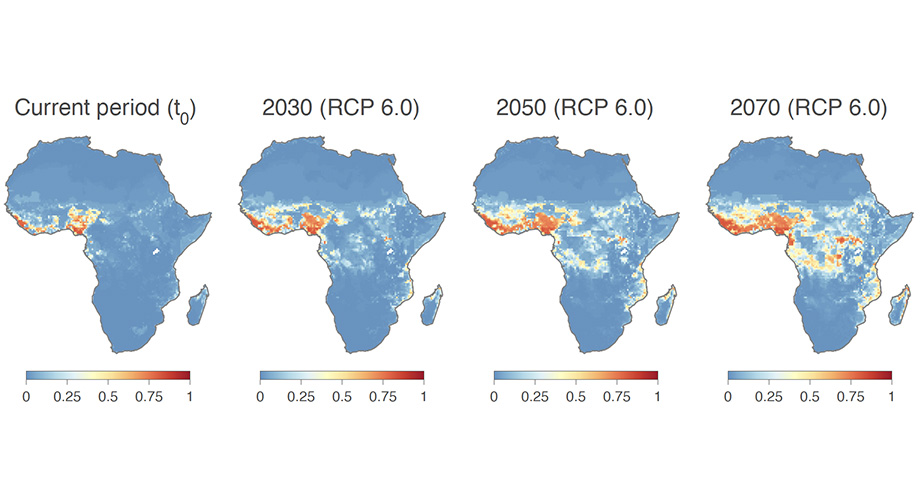
Pictured are projections of the ecological niche suitability for Lassa virus based on climate models and other data. Credit: Scripps Research and University of Brussels

Analysing decades of environmental data associated with Lassa virus outbreaks, researchers projected that areas hospitable to Lassa virus spread may extend from West Africa into Central and East Africa in the next several decades. With this expansion and expected African population growth, the human population living in the areas where the virus should theoretically be able to circulate may rise by more than 600 million.

“Our analysis shows how climate, land use, and population changes in the next 50 years could dramatically increase the risk of Lassa fever in Africa,” says first author Raphaëlle Klitting, PhD, a postdoctoral researcher at Scripps Research during the study, which is published in Nature Communications.

Lassa virus is a zoonotic pathogen found in the Natal multimammate rat (Mastomys natalensis), most likely transmitted to humans via its droppings. While an estimated 80% of infections are mild or asymptomatic, the remaining cases are more severe, with signs and symptoms that can include haemorrhaging from the mouth and gut, hypotension, and potentially permanent hearing loss. Mortality rate in hospitalised patients can be up to 80%.

An estimated several hundred thousand infections occur each year, chiefly in Nigeria and several other West African countries. So far there is no approved vaccine or highly effective drug treatment.

Although the primary animal reservoir for Lassa virus is known, the virus spreads in only a subset of the areas where the animal is found. Thus, it is possible that environmental factors also help determine whether and where significant viral transmission can occur. In the study, the researchers developed an ‘ecological niche’ model of Lassa virus transmission, using environmental data at sites of known spread.

Combining the model with projections of climate and land-use changes in Africa in the next several decades, as well as the known range of the Natal multimammate rat, the researchers estimated the areas of Africa that could support Lassa virus transmission currently, and in the years 2030, 2050, and 2070. The projected current areas corresponded well to known endemic areas in West Africa, but the estimates for future decades suggested a vast expansion within and beyond West Africa.

“We found that several regions will likely become ecologically suitable for virus spread in Central Africa, including in Cameroon and the Democratic Republic of the Congo, and even in East Africa, in Uganda,” Klitting said.

Currently Africa’s population is undergoing rapid growth; the researchers therefore considered projections of this population growth for the areas of current and potential future Lassa virus circulation. They found that the number of people potentially exposed to the virus could increase from about 92 million today to 453 million by 2050, and 700 million by 2070 – an increase of over 600%.

More hopefully, the researchers examined the dynamics of the spread of Lassa virus using data on sequenced viral genomes sampled at various locations in West Africa and found that virus dispersal appeared to be slow. They concluded that, unless transmission dynamics change drastically in the new location where the virus circulates, the virus’s spread into new ecologically suitable areas in the coming decades may also be slow.

The authors say that the findings should inform African public health policies, for example, by encouraging officials to add Lassa virus to lists of viruses under epidemiologic surveillance in parts of Central and East Africa.

“With the ongoing climate change and increasing impact of human activities on the environment, further comprehensive studies of the ecology and spread of zoonotic and vector-borne diseases are needed to anticipate possible future changes in their distribution as well as their impact on public health,” said senior author Simon Dellicour, PhD, of the University of Brussels.

Source: Scripps Research Institute

Trial Finds Linzagolix Safe and Effective for Uterine Fibroids

Photo by Sora Shimazaki on Pexels

A new, safer drug has been developed that could revolutionise the way clinicians treat some of the most common gynaecologic diseases including fibroids and endometriosis. A clinical trial published in the Lancet found that linzagolix, an oral drug that hinders oestrogen production, is an effective and customisable treatment for fibroids. Not only does linzagolix ease symptoms but also shrinks the fibroids themselves.

Professor Hugh S. Taylor, MD, co-author of the paper, said: “No treatments to date for fibroid growth are something I would ever want my patients to take for a prolonged period of time, as they did not treat the underlying cause of the problem. This is an extremely well tolerated class of drugs that can control fibroid growth. We’ve never had anything like that before.”

The suffering and inconvenience caused by uterine fibroids can have a serious impact on quality of life. “This can be an impediment to getting a good night’s sleep and being socially active, and it can even affect job performance,” said Prof Taylor.

As fibroids grow larger, they may begin putting pressure on other organs, resulting in a range of unpleasant symptoms including diarrhoea or constipation and frequent urination. Fibroids can also lead to difficulty in getting pregnant and increased risk of miscarriage. They are more common and aggressive in black patients.

Most drugs commonly used for uterine fibroids, including birth control pills, do not treat the fibroids themselves and just lighten or stop periods. And more aggressive drugs, although they treat the root of the problem are “overkill” Prof Taylor said. For example, leuprolide is an injectable drug that puts patients into a menopausal state by initially overstimulating hormonal receptors, which eventually shuts them down and completely blocks oestrogen production. Although the treatment addresses the fibroids, it also can initially exacerbate symptoms and cause harsh side effects. In more extreme cases, patients may opt for hysterectomy.

Promising clinical trial results

Linzagolix is an oral medication that works similarly to leuprolide by hindering hormone production. However, unlike its predecessor, it works by directly blocking the receptors instead of overstimulating them. The drug is also titratable, allowing reduction of oestrogen production without initiating menopause.

The new drug may however cause menopause symptoms such as hot flashes, with hormonal add-back therapy an option for mitigating these symptoms. For some patients, however, including patients with obesity, hypertension, or diabetes, this therapy has risks and may not be a suitable option. These conditions also tend to be more prevalent in Black patients. In this group, a lower dose of linzagolix without add-back therapy might be preferable.

To test the effectiveness of the drug, Prof Taylor’s team ran two large prospective, randomised, double-blind, placebo-controlled clinical trials known as PRIMROSE 1 and PRIMROSE 2. The studies enrolled patients suffering from substantial bleeding who were randomised to placebo or one of several different doses of the drug: 100mg alone, 100 mg with add-back therapy, 200mg alone, or 200mg with add-back therapy. Patients were followed for one year. The researchers considered the therapy successful if the patient’s bleeding was reduced by half and also stayed in what is considered the normal range.

Patients in all four treatment groups experienced a significant reduction in menstrual bleeding. The 200 mg with add-back therapy group worked with “amazing efficacy,” said Prof Taylor: the clinical trials showed a 75.5% response rate in PRIMROSE 1 and a 93.9% rate in PRIMROSE 2. Even the lower dose of the drug still showed promising results. There were greater than 60% response rates in both trials for the 100mg group with add-back therapy, and the 100mg group without add-back showed better than 50% response rates.

“What is interesting and unique about our trials, that has not been done with other drugs in this class, is that we used a low dose with or without hormones,” said Prof Taylor. “This is a great option for patients who experience severe menopause symptoms from the high dose or have a medical problem where they can’t tolerate hormonal add-back therapy.”

Changing the treatment of gynaecologic disease

Linzagolix is one of several in this new class of drugs in development for the treatment for common gynaecologic diseases. Prof Taylor was also involved in the 2017 clinical trial for elagolix, a medication designed to suppress endometriosis that has recently become available for patients.

Linzagolix has so far been approved in Europe. Taylor says drugs in this class will radically change how clinicians treat fibroids, and he hopes linzagolix will lead to a reduction in future hysterectomies once it becomes available.

“A good medical therapy is finally here for fibroids, and I predict that what was a very common operation will dramatically decrease within the next few years,” he says. “Reducing the need for hysterectomy is very important for patients who don’t want to undergo a major surgery, especially for younger people who may still want to preserve the potential of having children in the future.”

Source: Yale University