Year: 2022

A Common Mouthwash Ingredient Suppresses SARS-CoV-2

Source: Fusion Medical Animation on Unsplash

A team of Japanese researchers have shown that low concentrations of cetylpyridinium chloride, used in certain mouthwashes, has an antiviral effect on SARS-CoV-2. Their findings were published in the journal Scientific Reports.

SARS-CoV-2 is transmitted via aerosols, which are spread from the oral and nasal cavities. In addition to infecting the cells of the respiratory tract, SARS-CoV-2 is also known to infect the cells of the lining of the mouth and the salivary glands.

Store-bought mouthwashes contain a number of antibiotic and antiviral components, such as cetylpyridinium chloride (CPC), which has been shown to reduce the oral viral load of SARS-CoV-2, chiefly by disrupting the virus’s lipid envelope. While there are other chemicals with similar effects, CPC has the advantage of being tasteless and odourless.

The researchers, led by Professor Kyoko Hida at Hokkaido University, were interested in studying the effects of CPC in Japanese mouthwashes, which typically contain a fraction of the CPC compared to previously tested mouthwashes. They tested the effects of CPC on cell cultures that express trans-membrane protease serine 2 (TMPRSS2), which is required for SARS-CoV-2 entry into the cell.

They found that, within 10 minutes of application, 30–50 µg/mL of CPC inhibited the infectivity and capability for cell entry of SARS-CoV-2. Interestingly, commercially available mouthwashes that contain CPC performed better than CPC alone. They also showed that saliva did not alter the effects of CPC. Testing with the original, alpha, beta and gamma variants of SARS-CoV-2 showed similar effetcts of CPC.

This study shows that low concentrations of CPC in commercial mouthwash suppress the infectivity of four variants of SARS-CoV-2. The authors have already begun assessing the effect on CPC-containing mouthwashes on viral loads in saliva of COVID patients. Future work will also focus on fully understanding the mechanism of effect, as lower concentrations of CPC do not disrupt lipid membranes.

Source: Hokkaido University

Adult Brains can Rewire to Recover from Inherited Blindness

Eye
Source: Daniil Kuzelev on Unsplash

A recent discovery has revealed that the adult brain has far greater potential to recover from inherited blindness than previously believed, with important implications for visually impaired people. The paper appears in Current Biology.

The research team was examining treatment for Leber congenital amaurosis (LCA), a group of inherited retinal diseases distinguished by severe visual impairment at birth. The condition, caused by mutations in any of over two dozen genes, results in degeneration or dysfunction in the retina’s photoreceptors.

Administering chemical compounds that target the retina, called synthetic retinoids, can restore a notable amount of vision in children with LCA. The UCI team wanted to find out if the treatment could make a difference for adults who have the condition.

“Frankly, we were blown away by how much the treatment rescued brain circuits involved in vision,” said corresponding author Sunil Gandhi, professor of neurobiology and behaviour. “Seeing involves more than intact and functioning retinae. It starts in the eye, which sends signals throughout the brain. It’s in the central circuits of the brain where visual perception actually arises.” Until now, scientists believed that the brain must receive those signals in childhood so that central circuits could wire themselves correctly.

The researchers were surprised by what they found in rodent models of LCA. “The central visual pathway signalling was significantly restored in adults, especially the circuits that deal with information coming from both eyes,” Prof Gandhi said. “Immediately after the treatment, the signals coming from the opposite-side eye, which is the dominant pathway in the mouse, activated two times more neurons in the brain. What was even more mind-blowing was that the signals coming from the same-side eye pathway activated five-fold more neurons in the brain after the treatment and this impressive effect was long-lasting. The restoration of visual function at the level of the brain was much greater than expected from the improvements we saw at the level of the retinae. The fact that this treatment works so well in the central visual pathway in adulthood supports a new concept, which is that there is latent potential for vision that is just waiting to be triggered.”

The finding opens exciting research possibilities. “Whenever you have a discovery that breaks with your expectations about the possibility for the brain to adapt and rewire, it teaches you a broader concept,” Prof Gandhi said. “This new paradigm could aid in the development of retinoid therapies to more completely rescue the central visual pathway of adults with this condition.”

Source: University of California – Irvine

Genes that Influence Longevity Differ Between the Sexes

DNA repair
Source: Pixabay/CC0

There is an elaborate interplay between genes, sex, the environment during growth, and age and how they influence variation in longevity, according to a study published in the journal Science. These findings are an important step in understanding why some people live longer than others and provide a basis for future studies to improve a healthy lifespan.

Robert Williams, PhD, at the University of Tennessee Health Science Center (UTHSC), along with Johan Auwerx, MD, PhD, at the École Polytechnique Fédérale de Lausanne (EPFL) in Switzerland, began a program in 2016 to define genetic factors involved in agieng and lifespan. “Finding common molecular pathways that control differences in rate of aging is critical to our understanding of how individuals differ in their health and lifespan,” Dr Williams said. “Such insights may help us work out ways to intervene rationally.”

Drs Williams and Auwerx received DNA of over 12 000 mice from the National Institute of Aging. Each of the 27 574 genetically heterogeneous mice studied is a full sibling, sharing half its genetic inheritance with each other mouse in the programme, and each has a known lifespan, making them an ideal system to study.

The research team analysed the genes of over 3 000 mice, all of them genetic brothers or sisters which were allowed to live until their natural death. Comparing their DNA to lifespan, the researchers defined stretches of DNA in genomes that affect longevity. The results show the DNA segments, or loci, associated with longevity are largely sex-specific, with females having a region in chromosome 3 that affects lifespan. When the males who died early due to non-aging-related reasons were removed from the analysis, additional genetic signals started to emerge, suggesting some genetic variations only affect lifespan after a certain age.

In addition to finding genetic determinants of longevity, the researchers explored other contributors. In general, bigger mice die younger. The researchers found that some, but not all, of the genetic effects on longevity are through effects on growth. One of the non-genetic effects may be how early access to food affects growth. They observed that mice from smaller litters tended to be heavier adults and live shorter lives. Mice from larger litters that had to share their mother’s milk with more siblings, grew more slowly and lived longer on average. The researchers corroborated these trends of early growth versus longevity in large human datasets with hundreds of thousands of participants.

Beyond characterising how longevity is affected, the researchers worked to find genes most likely to play a role in longevity determination. They measured the effect of DNA variation on how genes are expressed and compared their analyses with multiple human and non-human databases. From this they nominated a few genes likely to modulate aging rates. They then tested the effects of manipulating these genes in roundworms and found that a subset of gene perturbations did in fact affect the lifespan. The results of this study will be a rich resource of aging genes that will hopefully guide the design of therapies that not only extend lifespan, but also healthspan.

Source: University of Tennessee Health Science Center

Iron is Critical for Neutrophils as Well as Red Blood Cells

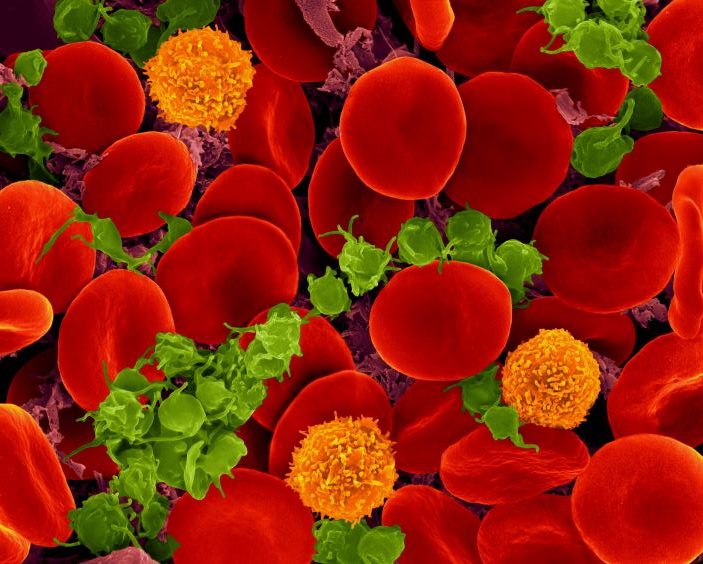
Red blood cells, platelets and T cells. Source: CC0

In a surprising discovery published in Science Advances, turning off the two proteins that regulate iron uptake results in not only anaemia but also in neutrophil levels plummeting. Iron deficiency, a known defence mechanism against infectious pathogens, can therefore a double-edged sword, as it simultaneously curbs the defensive power of this important arm of the innate immune system.

Iron is an indispensable component, needed for the blood pigment haemoglobin. The iron supply to the cells is controlled by the two proteins IRP-1 and IRP-2. If the cell lacks iron, IRP-1 and IRP-2 crank up the production of the various iron transporter proteins that take iron into the cell. IRP-1 and IRP-2 also ensure that an equally dangerous excess of iron does not occur.

IRP-1 and IRP-2 are essential for survival: mice lacking both control proteins during embryonic development die while still in the womb. But what happens when IRP-1 and IRP-2 fail in adult mice? A team led by Bruno Galy at the German Cancer Research Center (DKFZ) has now investigated this by shutting down IRP production in mice.

As the researchers had expected, the most striking change after IRPs were switched off was a pronounced decrease in red blood cells. Due to the lack of haemoglobin, these erythrocytes reached only a minimal size.

However, the researchers were surprised to see that white blood cells also decreased, mainly due to a deficiency of neutrophils, which account for up to two-thirds of white blood cells in humans.

The neutrophil decline was not caused by a mass die-off but a developmental blockade in the haematopoietic system: the precursor cells in the bone marrow no longer develop into mature neutrophils – an iron-dependent process. Other types of white blood cells, such as monocytes, were unaffected by the IRP-dependent developmental blockade.

Iron limitation is a double-edged sword

“This strong iron dependence of neutrophils was previously unknown. It possibly affects the immune defence against bacterial pathogens,” said senior author Bruno Galy. Yet iron deficiency is one of the body’s defence strategies in bacterial infections since many pathogens are dependent on iron. The body hoards the metal in certain cells to cut off access for pathogens, limiting their ability to replicate.

Galy is involved with another study also in Science Advances, which shows that iron deficiency in blood serum, as typically occurs with infections, leads to a decrease in neutrophils in mice and limits the ability of these immune cells to fight bacteria. “Iron deficiency apparently modulates the innate immune system. It suppresses the maturation of neutrophils and also throttles their defensive power,” commented Bruno Galy. “The limitation of available iron is apparently a double-edged sword: On the one hand, the body thereby prevents bacteria from spreading. On the other hand, the function of an important arm of the innate immune system suffers.”

Inflammation often leads to anaemia, as can be experienced by cancer patients. The researchers next want to investigate whether iron deficiency in chronic inflammation also impairs immune function.

Source: German Cancer Research Center (Deutsches Krebsforschungszentrum, DKFZ)

Resilient Mindset Helps Older People with Type 2 Diabetes

Old man
Source: JD Mason on Unsplash

New research suggests that psychological resilience, ie having attitudes and behaviours that help people bounce back after stressful challenges, may help older individuals with type 2 diabetes to experience fewer hospitalisations and have better physical functioning, lower disability, better mental quality of life, and a lower likelihood of becoming frail.

The study, published in published in the Journal of the American Geriatrics Society, recruited 3199 participants, average age 72.2 years, 61% female, 61% white, and followed them for 14 years. The association of resilience with some metrics (grip strength and self-reported disability) varied based on recent hospitalisation history, and results suggested that some associations may differ based on race/ethnicity.

“This study suggests that individuals who report being psychologically resilient also report fewer aging-related concerns,” said lead author KayLoni L. Olson, PhD, of the Warren Alpert Medical School of Brown University. “This study is preliminary but points to the potential role of psychological resilience in helping individuals feel better mentally and physically, which can ultimately enhance their later years of life.”

Source: Wiley

Haloperidol Could be Better for Some ED Patients with Nausea and Vomiting

Source: Mat Napo on Unsplash

For certain patients with vomiting and nausea in the emergency department (ED), haloperidol may be a better alternative to the usual ondansetron, according to a small study presented at the American College of Emergency Physicians annual meeting.

“[Haloperidol] is definitely a drug that’s going to help young patients with benign abdomens who come in with vomiting and generalised abdominal pain,” study presenter Jessica McCoy, MD, told MedPage Today.

Dr McCoy presented data showing that, at 90 minutes, median abdominal pain Visual Analogue Scale (VAS) score fell from 5 to 0 in the patients who received haloperidol compared with a VAS score drop from 6 to 3.5 in the ondansetron group.

Also at 90 minutes, median nausea VAS score fell from 7 to 0.5 in the haloperidol group versus 6 to 3.5 in the ondansetron group.

Of 48 patients (ages 18-55) who were included and completed the study, 22 were randomised to receive 2.5mg of intravenous haloperidol (half the usual dose) and 26 to receive 4mg of IV ondansetron.

Dr McCoy said despite concern over haloperidol prolonging the QT interval, no sign of a difference between the drugs was found. Among the 29 cannabis users in the study, haloperidol was not found to be superior at 90 minutes post-treatment, she said.

Halving the dose of haloperidol seemed to prevent common side effects of anxiety, sedation, and restlessness, Dr McCoy noted.

Adverse effects, which resolved by the time of discharge from the ED, included three cases of anxiety/restlessness and one case of tongue swelling in the haloperidol group and single cases of restlessness, sleepiness, and irritated throat in the ondansetron group.

Nausea and vomiting is commonly reported by ED patients, one of the top five complaints in the ED, and a diagnosis may be elusive if urgent treatment is not needed, she explained. “There’s this whole list of things it could be that make you feel lousy for a little bit but get better on their own.”

Increased chronic cannabis use, meanwhile, has caused more cases of nausea and vomiting, she said.

ED physicians often use ondansetron, developed for nausea in chemotherapy patients, Dr McCoy said. However, ondansetron “doesn’t work great. And it really wasn’t developed for people who were actively vomiting.”

The new study follows on from Dr McCoy’s previous research demonstrating the benefit of haloperidol for severe benign headache. She noted that the new study is small and was halted at the interim analysis due to COVID. At that time, ED waits were six or seven hours long, she said, and some patients with nausea and vomiting gave up and went home.

Dr McCoy noted that the ED physicians at her institution continue to turn to alternatives to ondansetron such as haloperidol in appropriate cases, especially in patients with anxiety. Haloperidol, however, is not appropriate, she cautioned, for more complex cases such as patients with rigid abdomens, possible dissections, or who have a need for surgery.

Like ondansetron, haloperidol is inexpensive, she added. “I hope [the new research] spurs more interest in studying this drug and its pain-relieving properties.”

Source: MedPage Today

Excessive Physical Activity May Impact Teens’ Leg Development

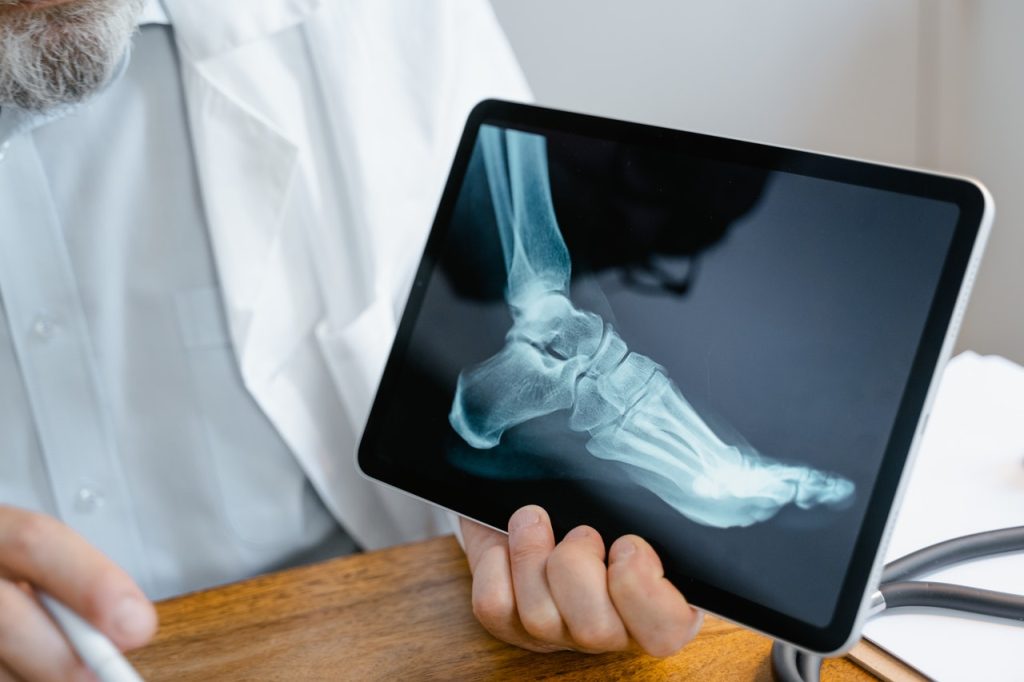
Doctor shows an X-ray of a foot
Photo by Tima Miroshnichenko on Pexels

A study published in the Journal of Orthopaedic Research showed that physical activity levels may impact adolescents’ and young adults’ leg alignment during development, as measured by magnetic resonance imaging (MRI) scans.

The study included 57 elite male soccer players compared with 34 male and 34 female controls aged 11–21 years. Outcome measures were the hip knee angle (HKA), medial proximal tibial physeal angle (MPTPhyA), lateral distal femoral physeal angle (LDFPhyA) on full leg length MRI scans, and a physical activity questionnaire score.

Using magnetic resonance imaging scans, physical activity levels were associated with the development of varsus or ‘knock knees’, an abnormal leg alignment, which may represent a physiological adaptation to load where the shin bone meets the knee.

“Our study suggests that abnormal leg alignment, a risk factor for future injury and osteoarthritis, develops in early adolescence due to high activity levels,” said corresponding author Scott Fernquest, DPhil, of the University of Oxford. “Modifying activity levels during this critical period of growth may prevent the development of abnormal leg alignment. We hope our findings lead to further research investigating this possibility.”

Source: Wiley

Video Games Designed for the Elderly Boost Cognition

Photo by Tima Miroshnichenko on Pexels

Scientists have developed a variety of games designed to boost older adults’ cognitive capacity. Co-creator Professor Adam Gazzaley, MD, PhD, said the games can be an “experiential medicine”. The games adapt to the players’ skill on the fly, and were shown to confer benefits on many important cognitive processes such as short-term memory, attention and long-term memory.

Each game uses adaptive closed-loop algorithms that Dr Gazzaley’s lab pioneered in the widely cited 2013 Neuroracer study published in Nature, which first demonstrated it was possible to restore diminished mental faculties in older people with just four weeks of training on a specially designed video game. The most recent game, which uses drumming, is described in in PNAS.

Watch a short video showing how the games Neuroracer and Body Brain Trainer, developed by the Neuroscape Center, improve cognitive function for multitasking and working memory, and can even be beneficial for conditions like ADHD, Parkinson’s, and multiple sclerosis.

These algorithms get better results than commercial games by automatically adjusting in difficulty according to the players’ skills. The games using these algorithms recreate common activities, such as driving, exercising and playing a drum, and use the skills each can engender to retrain cognitive processes that decline with age.

“All of these are taking experiences and delivering them in a very personalised, fun manner, and our brains respond through a process called plasticity,” said Prof Gazzaley at the UCSF Weill Institute for Neurosciences and who is founder and executive director of Neuroscape. “Experiences are a powerful way of changing our brain, and this form of experience allows us to deliver it in a manner that’s very accessible.”

The lab’s most recent invention is a musical rhythm game, developed in consultation with drummer Mickey Hart, that not only taught the 60 to 79-year-old participants how to drum, but also improved their ability to remember faces.

The eight-week program used visual cues to train people how to play a rhythm on an electronic tablet, with an algorithm matching difficulty to the player’s ability. The cues disappeared over time, forcing the players to memorise the rhythmic pattern.

When the participants were tested at the end to see how well they could recognise unfamiliar faces, electroencephalography (EEG) data showed increased activity in a part of the brain on the right side (the superior parietal lobule) that is involved both in sight reading music and in short-term visual memory for other tasks. The researchers said the data indicate that the training improved how people bring something into memory and then take it back out again when they need it.

A second game, the Body Brain Trainer, published recently in NPJ Aging, improved blood pressure, balance and attention in a group of healthy older adults with eight weeks of training, as well as a key signature of attention that declines with age. The game also included a feedback mechanism.

“We had people wearing a heart rate monitor, and we were getting that heart rate data and feeding it into the game,” said Joaquin A. Anguera, PhD, associate professor of neurology at UCSF and director of the Clinical Division at Neuroscape. “If they weren’t working hard enough, the game got harder.”

Neuroscape published the results of a third study last year in Scientific Reports on a virtual reality spatial navigation game called Labyrinth that improved long-term memory in older adults after four weeks of training.

“These are all targeting cognitive control, an ability that is deficient in older adults and that is critical for their quality of life,” Prof Gazzaley said. “These games all have the same underlying adaptive algorithms and approach, but they are using very, very different types of activity. And in all of them we show that you can improve cognitive abilities in this population.”

Source: University of California – San Francisco

Link Found Between Dementia Indicators and Metabolism

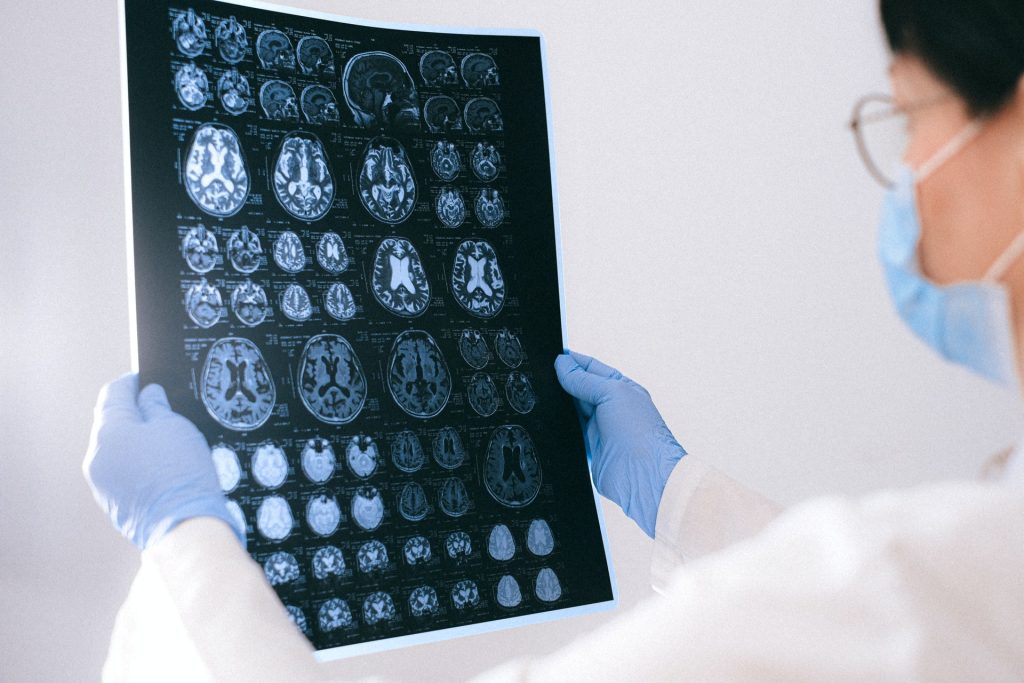
MRI images of the brain
Photo by Anna Shvets on Pexels

A world-first study published in the journal Diabetes, Obesity and Metabolism, has uncovered an association between metabolism and dementia-related brain measures, providing valuable insights about the disease.

Analysing UK Biobank data from 26 239 people, University of South Australia researchers found that those with obesity related to liver stress, or to inflammation and kidney stress, had the most adverse brain findings.

The study measured associations of six diverse metabolic profiles and 39 cardiometabolic markers, using MRI brain scan measures of brain volume, brain lesions, and iron accumulation, to identify early risk factors for dementia.

Participants with metabolic profiles associated with obesity were more likely to have adverse MRI profiles showing lower hippocampal and grey matter volumes, greater burden of brain lesions, and higher accumulation of iron.

UniSA researcher, Dr Amanda Lumsden, says the research adds a new layer of understanding to brain health.

“Dementia is a debilitating disease that affects more than 55 million people worldwide,” Dr Lumsden said.

“Understanding metabolic factors and profiles associated with dementia-related brain changes can help identify early risk factors for dementia.

“In this research, we found that adverse neuroimaging patterns were more prevalent among people who had metabolic types related to obesity.

“These people also had the highest Basal Metabolic Rate (BMR) -how much energy your body requires when resting in order to support its basic functions — but curiously, BMR seemed to contribute to adverse brain markers over and above the effects of obesity.”

Senior investigator Professor Elina Hyppönen said that the finding presents a new avenue for understanding brain health.

“This study indicates that metabolic profiles are associated with aspects of brain health. We also found associations with many individual biomarkers which may provide clues into the processes leading to dementia,” said Prof Hyppönen.

“The human body is complex, and more work is now needed to find out exactly why and how these associations arise.”

Source: University of South Australia

Strong Link of Type 1 Diabetes to Enterovirus Infection

A 3D map of the islets in the human pancreas. Source: Wikimedia

A meta-analysis of molecular studies found a strong link between enterovirus infection and type 1 diabetes. Across 48 abstracts on the topic, people with type 1 diabetes were nearly eight times more likely to have an enterovirus infection than those with normal pancreatic function, according to a presentation at the European Association for the Study of Diabetes (EASD) meeting.

For this review, researchers examined 56 studies using molecular methods to identify enterovirus infection by looking for viral nucleic acid or protein in a human clinical sample.

People with islet autoimmunity were twice as likely to have had an enterovirus infection at any point in time, based on data from 18 studies.

Subgroup analysis of people who were diagnosed with the enterovirus within the past month found 16.22-fold higher odds of recent-onset type 1 diabetes, based upon 28 studies.

“This is very recent onset type 1 diabetes, and that was the highest risk group that we detected,” reported Sonia Isaacs, PhD candidate, of University of New South Wales in Australia, during a press conference.

Looking more closely at other subgroup criteria revealed associations.

First, those who had any islet autoimmunity and eventually progressed to full-blown type 1 diabetes were over five times more likely to have an enterovirus infection than controls; this was a higher risk than those who had islet autoimmunity and never progressed to type 1 diabetes. When it came to timing, only infections at the time of or after islet autoimmunity seroconversion carried higher risk (OR 5.1), whereas the increased risk wasn’t significant for infections prior to seroconversion.

Isaacs noted that those with a familial risk of type 1 diabetes (ie in a first-degree relative) also had a much higher risk for an enterovirus infection (OR 9.8), higher than the subgroup recruited for having a high-risk HLA gene. Those who had the high-risk HLA gene and a familiar risk of type 1 diabetes had 141.1-times higher odds of prior enterovirus infection.

Having several enterovirus infections was also linked with a doubled chance of islet autoimmunity.

Specific type of enterovirus linked to risk of type 1 diabetes included:

  • Enterovirus A: OR 3.7
  • Enterovirus B: OR 12.7
  • Enterovirus C: OR 13.8

“This is where the coxsackieviruses come from,” Isaacs pointed out. “Coxsackievirus B1 and B4 stood out.”

Isaacs suggested the possibility of enterovirus vaccinations and antivirals as a prevention strategy for type 1 diabetes.

Source: MedPage Today