Year: 2021

New Insights into First Stages of Wound Healing
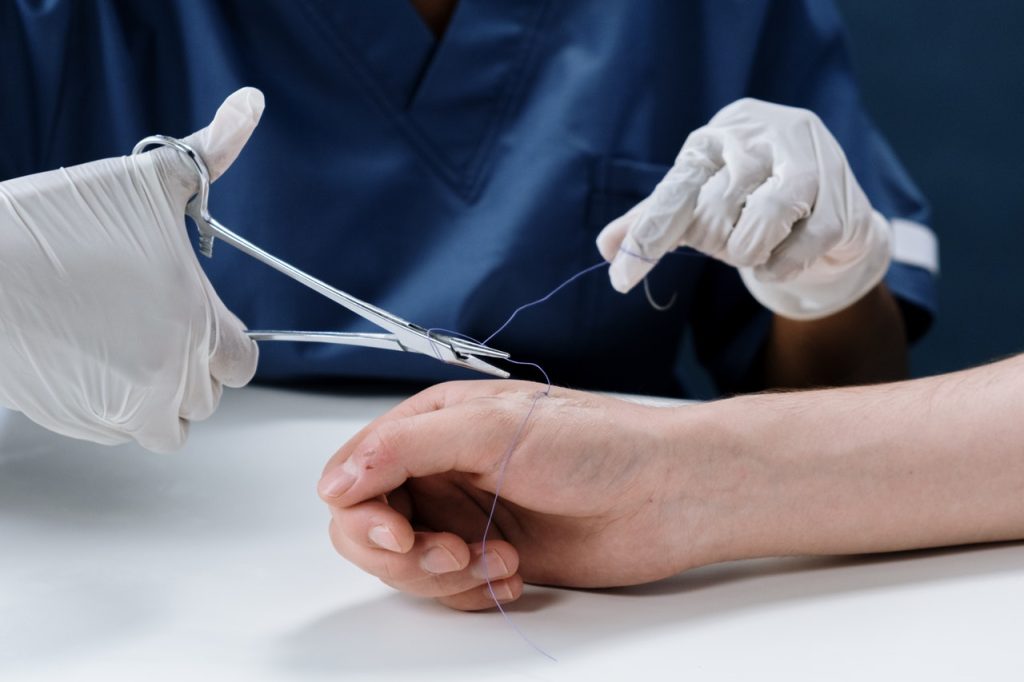
Photo by cottonbro from Pexels

A new study from Vanderbilt University researchers has revealed how cells detect and react to wounds.

The epithelial cells which cover the body and its organs, must be able to heal wounds, as they are constantly exposed to insults and abrasion. “When these cells detect a wound nearby, they change their behaviours,” said study co-leader Professor Andrea Page-McCaw in the Department of Cell and Developmental Biology. “They transition from stationary, nondividing, noninvasive cells to cells that migrate, divide and invade.” This also describes the behaviors of cancer cells, which adopt wound-healing behaviours without any wound.

The researchers began with focusing on epithelial cells’ first known reaction of to a nearby wound: an increase in calcium levels, which typically occurs within a minute of wounding.

“We were able to connect the response of these cells directly to the cellular damage inherent in wounding,” Prof Page-McCaw said. “We found that wounds destroy cells, causing them to leak or even burst, and some of their contents get out. Outside of cells, tissues have a detector molecule ready to sense these cellular contents. When they do, proteases in the cellular contents chop up the detector molecule into smaller pieces, which spread to nearby cells. This activates receptors on the cells’ surfaces, giving them the information that a wound is nearby.”

Successful and efficient wound healing is key for recovery from trauma or surgery, and this study improves the understanding of how wounds are recognised by epithelial cells and how this leads to wound healing. This will help develop therapeutics that can address this health issue.

Slow wound healing time can be caused by a number of factors, such as diabetes, and can lead to infection and declining health. By figuring out how to downregulate these wound-healing behaviours in combination with other cancer interventions, this work offers insights that could help combat cancer’s adoption of this mechanism.

The researchers will next focus on how cells use the information they receive about the presence of a wound, specifically how the information is encoded in the calcium signal dynamics and then converted into migration, proliferation and changes in cell- and tissue-level mechanics. “Now that we have a solid understanding of how the presence of a wound is first signaled to nearby cells, we can ask a lot of interesting follow-up questions,” said study co-leader Shane Hutson, chair of the Department of Physics and Astronomy and professor of physics and biological sciences. “How much information is present in those signals? Can cells interpret the signals to know how large the wound is or how far they are from the wound? Do they use the way the dynamic signals change with time to make that measurement? What are the detailed mechanisms by which the signals then get turned into cellular actions?”

Source: Vanderbilt University

Journal information: James T. O’Connor et al, Proteolytic activation of Growth-blocking peptides triggers calcium responses through the GPCR Mthl10 during epithelial wound detection, Developmental Cell (2021). DOI: 10.1016/j.devcel.2021.06.020

Deaths From Medical Devices Are Underreported in the US

Photo by Vidal Balielo Jr. from Pexels

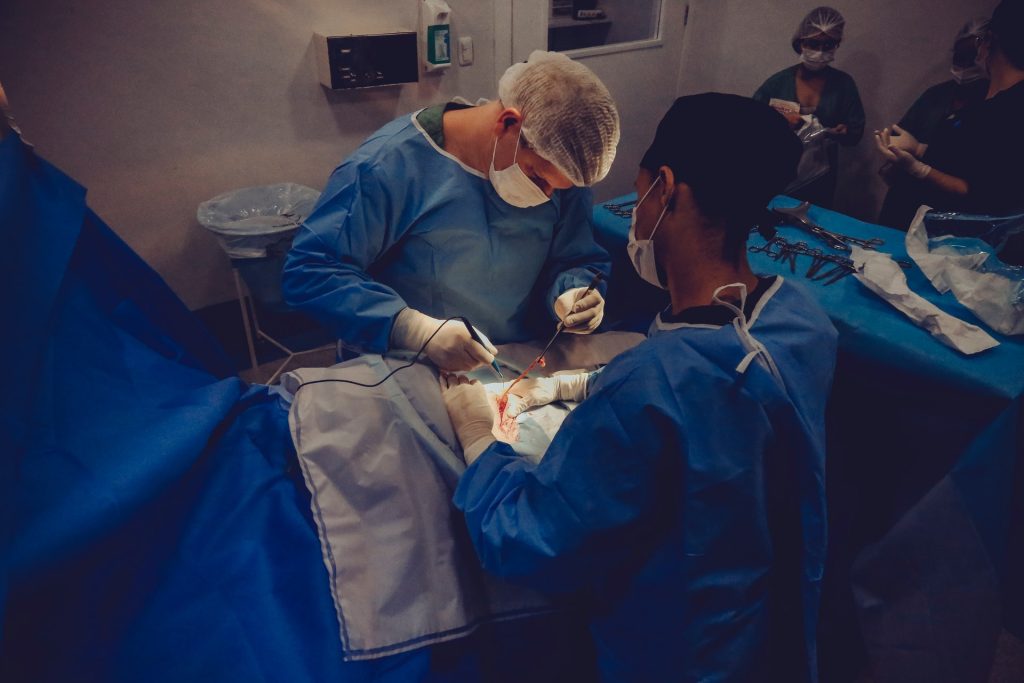
Researchers have found that a number of deaths related to medical device adverse events were improperly categorised in the FDA’s Manufacturer and User Facility Device Experience (MAUDE) database, according to a new study.

Flagging terms commonly associated with death, the study investigators used a natural language processing algorithm to identify 290 141 reports where serious injury or death was reported; 52.1% of these events were reported as deaths, and 47.9% were classified as either malfunction, injury, or missing (report was uncategorised), reported Christina Lalani, MD, of the University of California San Francisco, and colleagues, in JAMA Internal Medicine.

Overall, 23% of reports with a death were not placed in the death category, amounting to some 31 552 reports filed from December 31, 1991, to April 30, 2020.

Whether to classify the event as a malfunction, injury, death, or ‘other’ is up to the physician or manufacturer. According to the FDA, the reporter is required to categorise an adverse event as an official death if the cause of death is unknown, or if the device “may have caused or contributed to a death.”

The three most common product codes among the adverse event reports were for ventricular assist bypass devices (38 708 reports), dialysate concentrate for haemodialysis (25 261 reports), and transcervical contraceptive tubal occlusion devices (14 387 reports).

The natural language processing algorithm scanned through reports, identifying terms such as “patient died,” “patient expired,” “could not be resuscitated,” and “time of death.” Of the 70 terms that were associated with a death, 62 (88.6%) were found among miscategorised adverse event reports involving a patient death. And, out of all 62, there were 17 terms that had an estimated percentage of 100%, meaning that “every time that term was used, the patient had died, even though the reporter had not classified the report as death,” the team wrote.

Only 18 terms had sample sizes large enough for researchers to calculate confidence intervals; among them, the words “death” or “deaths” were linked to 12% of adverse event reports in which a patient died, but were classified as malfunction, other, or missing — the highest rate of all the analysed terms.

The researchers acknowledged a major limitation in that only reports with at least one death-associated term were included, in contrast to all the reports from the MAUDE database. Improperly categorised deaths likely contribute to an underestimate.

“The classification chosen by the reporter is vital, as the FDA must review all adverse events reported as deaths, which is not the case for other reporting categories,” the authors wrote. Improving the reports’ accuracy is crucial, since patient death frequency can prompt the FDA to pursue investigations into the device’s safety, they added.

The researchers pointed out an inherent conflict of interest as 95.9% of the reports evaluated in the study were submitted by manufacturers.

“It may not be in their interest to facilitate identification of serious problems with their own devices in a timely manner,” they wrote. “There have been multiple instances of delays by manufacturers in reporting serious malfunctions and deaths that were associated with medical devices, as well as complete failures to report.”

Therefore, it’s likely that a significant number of patients have been unknowingly treated with devices that were later revealed to be dangerous, Dr Lalani and colleagues noted. For example, they referenced the reporting failures that occurred from 2002 to 2013, when 32 000 women reported adverse events associated with the permanent birth control device Essure while the FDA only received 1023 adverse event reports from the manufacturer.

They concluded that patients and care providers should submit reports directly to the FDA as well as or instead of the manufacturer.

Source: MedPage Today

Journal information: Lalani C, et al “Reporting of death in US Food and Drug Administration medical device adverse event reports in categories other than death” JAMA Intern Med 2021; DOI: 10.1001/jamainternmed.2021.3942.

Nearly Half of Female Surgeons Experience Pregnancy Complications

Photo by JESHOOTS.COM on Unsplash
Long hours and delaying pregnancy to after 35 increase complication risk for female surgeons’ pregnancies. Photo by JESHOOTS.COM on Unsplash

A survey of female surgeons found that 48 percent had experienced major pregnancy complications, with even higher risks for those with more operation hours per week in the last trimester of pregnancy.

Women are entering the surgical field in increasing numbers but they continue to face well-known challenges related to childbearing. Surveys have documented pregnancy-related stigma, unmodified work schedules, brief maternity leave options, and little support for childcare and lactation needs after delivery. Due to a lack of childcare options in developed countries, many female trainees delay pregnancy until after 35, already a risk factor for pregnancy complications, researchers from Brigham and Women’s Hospital and elsewhere surveyed 1175 surgeons and surgical trainees from across the US to study their or their partner’s pregnancy experiences. They found that 48 percent of surveyed female surgeons experienced major pregnancy complications, with those who operated 12-or-more hours per week during the last trimester of pregnancy at a higher risk compared to those who did not. Their findings are published in JAMA Surgery.

“The way female surgeons are having children today makes them inherently a high-risk pregnancy group,” said corresponding author Erika Rangel, MD, MS, of the Division of General and Gastrointestinal Surgery. “In addition to long working hours, giving birth after age 35 and multiple gestation which is associated with increased use of assisted reproductive technologies – is a risk factor for having major pregnancy complications, including preterm birth and conditions related to placental dysfunction.”

The researchers found that over half (57 percent) of female surgeons worked more than 60 hours per week during pregnancy. Over a third (37 percent) took more than six overnight calls. Of the 42 percent of women who experienced a miscarriage (a rate twice that of the general population) three-quarters took no leave afterwards.

“As a woman reaches her third trimester, she should not be in the operating room for more than 12 hours a week,” Dr Rangel said. “That workload should be offset by colleagues in a fair way so that it does not add to the already-existing stigma that people face in asking for help, which is unfortunately not a part of our surgical culture.”

Male and female surgeons were asked to respond to the survey, which had been developed with obstetricians and gynaecologists. Nonchildbearing surgeons answered questions regarding their partners’ pregnancies. The investigators found that, compared to female nonsurgeons, female surgeons were 1.7 times more likely to experience major pregnancy complications, along with greater risk of musculoskeletal disorders, non-elective caesarean delivery, and postpartum depression, which was reported by 11 percent of female surgeons.

“The data we have accumulated is useful because it helps institutions understand the need to invest in a top-down campaign to support pregnant surgeons and change the culture surrounding childbearing,” Dr Rangel said. “We need to start with policy changes at the level of residency programs, to make it easier and more acceptable for women to have children when it’s healthier, while also changing policies within surgical departments. It is a brief period of time that a woman is pregnant, but supporting them is an investment in a surgeon who will continue to practice for another 25 or 30 years.”

Source: Brigham and Women’s Hospital

Journal information: Rangel EL et al. “Incidence of Infertility and Pregnancy Complications in US Female Surgeons” JAMA Surgery DOI: 10.1001/jamasurg.2021.3301

Minimal COVID Breakthrough in Vaccinated Healthcare Workers

Photo by Sammy Williams on Unsplash

Results from a study of cases at Israel’s largest medical centre have shown that breakthrough COVID infection appears to be rare in vaccinated healthcare workers, though they still pose a further infection hazard. Breakthrough infections were correlated with neutralising antibody titres in the early days of infection, and were mild or asymptomatic.

The findings were published in the New England Journal of Medicine. Testing for symptomatic COVID as well as those who had been exposed to an infected person, out of 1497 healthcare workers, the researchers found 39 testing positive in PCR tests. The researchers also measured neutralising antibody titres of uninfected controls. Breakthrough infections were defined as testing positive for SARS-CoV-2 11 days after the second immunisation dose.

Of the 39 cases, 27 occurred in workers tested solely because of exposure to an infected person, 26 (67% of all cases) had mild symptoms at some stage, and none needed hospitalisation. The remaining 13 workers (33%) were asymptomatic. The researchers found that 85% of the 33 infections tested for variants of concern were caused by the Alpha variant.

Symptoms reported included upper respiratory congestion (36% of all cases), myalgia (28%) and loss of smell or taste (28%); fever or rigors were reported in 21%. On follow-up questioning, 31% reported having residual symptoms 14 days after diagnosis. Six weeks after their diagnosis, 19% reported having ‘long COVID’ symptoms. Nine workers (23%) took a leave of absence from work beyond the 10 days of required quarantine.

They discovered that neutralising antibody titres were lower than uninfected controls during the “peri-infection period”.

“Most important, we found that low titres of neutralising antibody and S-specific IgG antibody may serve as markers of breakthrough infection,” they said.

Most of the cases however had N gene Ct values, suggesting they had been infectious at some point, which likely would have gone unnoticed save for exposure screening, which means the vaccine protected them against symptomatic disease, but not infection.

“However, no secondary infections were traced back to any of the breakthrough cases, which supports the inference that these workers were less contagious than unvaccinated persons,” the researchers noted.

The study was limited, the researchers acknowledged, due to a small number of cases, the possibility of asymptomatic cases being missed, and the lack of generalisability from a younger, healthy population to the general populace.

The researchers concluded that in their study, they “found that although the BNT162b2 vaccine is extremely effective, rare breakthrough infections carry an infectious potential and create a special challenge, since such infections are often asymptomatic and may pose a risk to vulnerable populations.”

Journal information: Bergwerk M., et al. Covid-19 breakthrough infections in vaccinated health care workers, New England Journal of Medicine, 2021; DOI: 10.1056/NEJMoa2109072.

T Cells Unnecessary for COVID Recovery

Infected cell covered with SARS-CoV-2 viruses (yellow). Source: NIAID

New research with monkeys reveals that primates do not need T cells for the recovery of from acute COVID infections.

T cell depletion was also found not to induce severe disease, and T cells do not explain the natural resistance of rhesus macaques to severe COVID. Furthermore, it was found that strongly T cell-depleted macaques still develop potent memory responses to a second infection.

The findings, published in mBio, an open-access journal of the American Society for Microbiology, have implications for the development of second-generation vaccines and therapeutics.

Lead study author Kim Hasenkrug, PhD, senior investigator in the Laboratory of Persistent Viral Diseases, National Institutes of Health, explained: “We started this study early in the pandemic, trying to figure out how to make a good model to study the disease in humans using animals. The monkeys turned out to be more resistant to the disease than we expected, so we wanted to try to figure out why that was and try to gain some insights into the disease in humans as well. We now know that the antibody response is the most critical response for protection by vaccination, not the T cell response.”

In the new study, the researchers used classic reagents known to deplete CD4+ and CD8+ T cells in rhesus macaques. CD8+ T cells attack infected cells and kill them, and CD4+ T cells are helper T cells that set off the immune response by recognising pathogens and secreting cytokines, which signal other immune cells to act, including CD8+ T cells and antibody-producing B cells.

One week after depleting the macaques of CD4+ T cells, CD8+ T cells, or both at the same time, the researchers infected the animals with SARS-CoV-2. “We depleted, we infected them and then we continued the depletions during the first week of infection to make sure the animals were well depleted. Then we studied their blood to see how they were responding in terms of their T cells and B cells,” said Hasenkrug. Nasal swabs and bronchoalveolar lavages were performed over six weeks to measure virus in the nose, mouth and lungs, along with rectal swabs to check for virus shedding in the gut. After six weeks, the monkeys were re-challenged with SARS-CoV-2 and virus and blood samples collected, which let the researchers evaluate immune memory responses. “If there is a memory response, you get a much quicker immune response and control of the virus. That is how vaccinations work. Once your body has seen a viral pathogen, the next time it sees it, you can get a much faster and stronger immune response,” said Dr Hasenkrug.

Unexpected response

Even with T cell depletion, the monkeys were still able to mount a good memory response against the virus. “We found we got really good memory responses regardless of whether we depleted T cells or not. Basically, we found very strong virus neutralising antibodies, and they are the most important antibodies in controlling the infection. That was unexpected by most immunologists, virologists and vaccinologists,” said Dr Hasenkrug.

“The other thing that happens during a memory response is that antibodies mature, becoming stronger and more potent at binding the viral pathogen. We saw indications of this through what’s called ‘class switching’,” said Dr Hasenkrug.

‘Class switching’ was also not expected in these monkeys with depleted T cells. “We don’t have a firm explanation as to why that happened, but we think it involves some sort of compensatory response, which you can see in our study. For example, when we depleted CD8+ T cells, we saw stronger CD4+ T cell or B cells responses in some animals. When the animals are missing something, they will try to make up for it by making more of something else.”

Dr Hasenkrug doesn’t know why the T cells turned out to be not very important, but this may be a good thing, since people who fail to mount sufficient T cell responses still have opportunities to recover.

“This implies that the innate immune response is critical for initial control of the virus, rather than the adaptive immune responses we studied,” said Hasenkrug.

Source: American Society for Microbiology

Journal information: Hasenkrug, K.J., et al. (2021) Recovery from Acute SARS-CoV-2 Infection and Development of Anamnestic Immune Responses in T Cell-Depleted Rhesus Macaques. mBio. doi.org/10.1128/mBio.01503-21.

Weight Loss Not Prioritised in Heart Patient Care

Image source: Neonbrand on Unsplash

Weight loss is given insufficient priority in the management of heart patients despite the benefits, according to a new study of over 10 000 European patients.

In overweight and obese patients with coronary heart disease, weight loss is strongly recommended to reduce the risk of another heart event by improving blood pressure and lipids levels and reducing diabetes risk. This study investigated the management of patients who were overweight or obese at the time of hospitalisation for a first or recurrent heart event such as heart attack. The researchers examined lifestyle advice received, actions taken, and the relationship between weight changes and health status.

The researchers pooled data from the EUROASPIRE IV (2012 to 2013) and EUROASPIRE V (2016 to 2017) studies, which included 10 507 patients with coronary heart disease. Patients were visited 6 to 24 months after hospitalisation for their heart event (the average gap was 16 months). The visit consisted of an interview, questionnaires and a clinical examination including weight, height and blood tests.

The study found that less than 20% had a healthy body mass index (BMI) at the time of hospitalisation for a heart event. Some 16 months later, 86% of patients who were obese during hospitalisation were still obese while 14% of overweight patients had become obese. Young women were particularly affected, with nearly half of those under 55 years being obese. Yet more than a third of obese patients reported they had not received advice on physical activity or nutrition and nearly one in five said they had not been informed that they were overweight. Half of all patients reported not receiving such advice.

Weight management proved effective, with overweight or obese patients who lost 5% or more of their body weight having significantly lower levels of hypertension, dyslipidaemia, and previously unrecognised diabetes compared to those who gained 5% or more of their body weight. However, quitting smoking was observed to result in a 1.8kg average weight gain compared to an 0.4kg average weight gain in persistent smokers.

Study author Professor Catriona Jennings of the National University of Ireland – Galway said cardiac rehabilitation programmes, which typically emphasise exercise, should give equal priority to dietary management. She said: “Weight loss is best achieved by adopting healthy eating patterns and increasing levels of physical activity and exercise. Whilst actively trying to lose weight at the same time as trying to quit smoking is not advised, adopting a cardio-protective diet and becoming more physically active has the potential to mitigate the effects of smoking cessation on weight gain in patients trying to quit. Their aim is to maintain their weight and to avoid gaining even more weight following their quit.”

“Uptake and access to cardiac rehabilitation programmes is poor with less than half of patients across Europe reporting that they completed a programme,” added Professor Jennings. “Such programmes would provide a good opportunity to support patients in addressing overweight and obesity, especially for female patients who were found to have the biggest problem with overweight and obesity in the study. Uptake and access could be improved with the use of digital technology, especially for women, who possibly are less likely to attend a programme because they have many other competing priorities, such as caring for others. There are good reasons for people to address their weight after a cardiac event – but it’s not easy and they do need help.”

The study was published in European Heart Journal – Quality of Care and Clinical Outcomes, a journal of the European Society of Cardiology (ESC).

Source: European Society of Cardiology (ESC)

Journal information: Harrison, S.L., et al. (2021) Cardiovascular risk factors, cardiovascular disease, and COVID-19: an umbrella review of systematic reviews. European Heart Journal – Quality of Care and Clinical Outcomes. doi.org/10.1093/ehjqcco/qcab029.

Mice Born From Stem Cell-derived Gametes

Photo by Kanashi on Unsplash

For the first time, mice have been born from gametes that have been created entirely from stem cells, marking the beginning of a revolutionary new reproductive option.

The experiment is the brainchild of Dr Katsuhiko Hayashi of Kyushu University, who has led the pursuit of making gametes outside of a living body. If adapted for humans, these wild reproductive pursuits are bound to shake up our entire conception of the beginning of life, similar to the way “test-tube” babies did when in vitro fertilisation (IVF) was first introduced.

Dr Hayashi dreams of even bigger possibilities; since stem cells can be rapidly created from skin or other cells, they are an endless source of raw material to make sperm and egg cells. These gametes, if fully functional, can merge into a zygote inside a test tube, be transplanted into a surrogate, and birth a new generation without ever seeing testes or ovaries.

Though still far off for humans, in vitro gametogenesis, or IVG, has great potential. Researchers can use these lab-grown models to better understand how reproductive cells form and mature. For couples struggling to conceive, or people who’ve lost reproductive function due to diseases like cancer, IVG would offer a new route towards pregnancy. Same-sex couples could also potentially conceive children with their own genetic makeup. There are many possibilities, and a wide range of ethical problems.

The basis of the technology uses induced pluripotent stem cells (iPSCs), which can be nudged in any direction, including sperm and egg. Back in 2011, Dr Hayashi showed that by bathing stem cells in a particular chemical soup, his team was able to produce sperm cell precursors, with the capacity to turn into functional sperm.

In 2016, the team achieved the same with eggs in mice, mimicking the entire process of how ovaries make eggs – which were used to produce healthy pups. However, eggs made in a test tube couldn’t develop naturally outside the ovary. Fresh ovarian tissue from mice was needed, creating an obvious challenge for fertility treatments in humans.

In the current study, the team focused on the support cells that normally encapsulate a developing egg. These support cells thrive inside the ovary, secreting hormones and nutrients that help support the metabolic needs of an egg  – a crucial step, which includes forming ovarian follicles for the eggs to mature in.

These ovary-supporting cells can also be made from stem cells if the right chemical keys are used, and so after five years Dr Hayashi figured out those keys. Many of them sport fanciful names like ‘sonic hedgehog‘ (SHH), but most of these proteins belong to the morphogen family, in that they can morph the physical structure and identity of a tissue.

After dousing stem cells with this soup, the cells differentiated into foetal ovary supporting cells, with a gene expression profile closely mimicking that of their natural counterparts.

Next, the researchers added precursor immature egg cells, also made from stem cells. Together, the cells coalesced into tiny ovarian follicles, with support cells forming a bubble wrapping the developing egg. The eggs were then fertilised with sperm, transplanted into surrogate mouse mothers, and after normal pregnancies, resulted in about a dozen healthy pups. Those mice eventually gave birth to babies of their own.

The artificial ovary produces mature eggs less effectively than its natural counterpart, suggesting there’s still much to be learned about this stage of reproduction.

Application of this technology to assisted reproduction in humans is still decades away: human reproductive cells take far longer to mature than those in mice, and likely require different supporting nutrients for the sperm, egg, and surrounding tissue.

The team is now testing their chemical soup in marmosets, to be followed by primates.

Currently no laws or ethical frameworks deal with IVG, since the technology is so new.

Dr Hayashi is taking it step by step, and welcoming public discourse before even considering any clinical use. The first step, he said, is verifying the quality of the stem-cell derived eggs, adding, “That could take a long, long time.”

Source: SingularityHub

COVID Crowdfunding Entrenches Health Inequalities

Photo by Carlos Muza on Unsplash

A study set to be published in the August issue of Social Science & Medicine found that Americans created over 175 000 COVID-related crowdfunding (CCF) campaigns in the first half of 2020, with many receiving no funding at all and campaigns in the most privileged areas receiving the most funding.

During the first year of the COVID crisis, many Americans turned to charitable crowdfunding for help with medical bills, funeral expenses, lost wages, small business support, food assistance, and other needs. CCF increased exponentially after March 2020 on platforms such as GoFundMe. Europe saw CCF focusing largely on support for medical facilities and workers, while the majority of US CCF aimed to support individuals, raising money for food, rent, funerals, and other expenses. In India, which only spends 1.2% of its GDP on healthcare, huge numbers of people are turning to crowdfunding in an attempt to cover costs caused by patchy medical insurance which often does not cover COVID-related illness, nor the significant outpatient costs.

According to GoFundMe CEO Tim Cadogan, the platform saw “unprecedented use,” in the first few months of the COVID pandemic, and crowdfunding “activity has persisted at an alarming rate” since then. Unlike most disasters, which generally have an acute phase of destruction followed by a recovery phase, the economic and health impacts of the pandemic are long-lasting, a trend reflected in the prolonged growth of CCF campaigns. Between March and August of 2020, GoFundMe reported that more than 150 000 CCF campaigns had been started.

Drawing on a large dataset of geo-tagged CCF campaigns started on GoFundMe between January 1 and July 31, 2020, researchers found a number of surprising results in their analysis.
They found that the median campaign raised only $65 out of a $5000 goal, with a median of 2 donations. A striking 43.2% of CCFs received zero donations, with more than 90% not reaching their campaign goal. This is worse than reported in prior research; a 2017 study of medical campaigns found only 3.5% had no donations.
Medical fundraising made up 18.3% of all CCF campaigns, and those indicating severe medical needs, with terms like “ICU”, received an average of 96 donations, and an average donation size of $197, while campaigns mentioning “rent” or “eviction” received an average of 23 donations, with an average size of $84. Campaigns seeking money for businesses or PPE fell between these extremes.

The researchers also noted that CCF campaigns are created most often in the highest-income areas, not those hardest hit by COVID. Previous research on charitable crowdfunding has shown that it exacerbates social inequities by providing financial relief primarily to privileged recipients. Previous economic and ecological crises have also been used by powerful individuals and institutions to serve their own interests, deepening inequities and health disparities during recovery.

“We find a significant disconnect between COVID- related needs, and the ability to adequately and equitably address them with crowdfunding. CCF campaigns face heightened competition, and steep inequalities between winners and losers,” the authors wrote. “Campaign success increasingly accrues among those with more social and economic capital.”

Link to journal article

Journal information: Igra, M., Kenworthy, N., Luchsinger, C. and Jung, J., 2021. Crowdfunding as a response to COVID-19: Increasing inequities at a time of crisis. Social Science & Medicine, 282, p.114105.

Nine in Ten Hypertension Cases Need More Treatment

Image by Hush Naidoo from Unsplash

A series of studies has shown that in most cases, hypertension is not being adequately treated.

Hypertension is the leading treatable cause of illness and death worldwide. More than a billion people are hypertensive, defined as having diastolic blood pressure (BP) with 140mmHg or higher, or diastolic blood pressure (DBP) 90 mmHg or higher. Fewer than half of people with hypertension are aware of their condition.

This condition increases the risk of several dangerous illnesses, such as myocardial infarction (MI) and stroke, and of dying prematurely. For some patient categories, the most advantageous BP levels in terms of avoiding MI and stroke are uncertain.

In one of the studies in his thesis at Sahlgrenska Academy, University of Gothenburg, specialist doctor Johan-Emil Bager investigated the link between BP levels and the risk of MI or stroke in 5041 older patients.with hypertension but no history of heart attacks or strokes.
Risk for MI or stroke was found to be some 40 percent lower for the patients with systolic blood pressure (SBP) below 130 mmHg, compared with those in the SBP 130–139 range. In the latter group, 5.2 percent of the patients experienced a heart attack or stroke during the follow-up period, compared with 3.4 percent of those in the lower SBP group.

This pattern was repeated in another study, which investigated the risk of haemorrhagic stroke at different levels of BP in 3972 patients with atrial fibrillation (AF). These patients were receiving treatment with blood-thinning drugs, such as Warfarin or Eliquis.

The study showed that patients with SBP ranging from 140 to 179 mmHg had a haemorrhagic stroke risk roughly double that of patients with SBP of 130–139 mmHg. In the patient group with higher SBP, 1.4 percent suffered a hemorrhagic stroke during the follow-up period, compared with 0.7 percent of patients in the group with lower SBP.

A separate study with data on 259 753 patients also demonstrated insufficiency of hypertension treatment. Nine out of ten patients had either insufficient BP control or high blood lipids (cholesterol), or were smokers.

Johan-Emil Bager at the University of Gothenburg, said: “This means that an overwhelming majority of the patients with high blood pressure are exposed to at least one important, modifiable risk factor for cardiovascular disease and premature death.”

He concluded that an unnecessarily high number of people in Sweden suffer MI or stroke, or die prematurely, because of insufficiently treated hypertension.

“Health professionals and patients with hypertension alike need to aim higher when it comes to treating high blood pressure. The vast majority of patients with hypertension could reduce their MI and stroke risk by lowering their BP and blood lipids with more drugs, or through lifestyle changes.”

Source: University of Gothenburg

Heart Failure Diagnoses Being Missed in Primary Care Settings

Image by StockSnap from Pixabay

A considerable number of heart failure diagnoses may be missed in primary care settings, a new Stanford University study suggests, with gender, racial and income disparities.

Black adults, women and individuals with lower net worth are significantly more likely to be diagnosed with heart failure in an acute care setting such as the emergency room or during a hospitalisation, according to a new study. This is true even if they reported symptoms of heart failure in a routine, outpatient health care appointment within the previous six months. The study was published in Circulation: Heart Failure, an American Heart Association journal.

“This national study raises concerns that many heart failure diagnoses may be missed in a primary care setting,” said Rebecca Tisdale, MD, MPA, co-first author and health services research and development fellow at the US Department of Veterans Affairs and Stanford University. “Our results suggest acute care diagnosis rates for heart failure may be reduced if signs and symptoms of heart failure are more closely assessed in a primary care setting, particularly among women and Black adults.”

According to the American Heart Association 2021 Statistical Update, an estimated 6 million Americans ages 20 and older have been diagnosed with heart failure, with mortality rates of over 20% within the first year after diagnosis. Previous studies have found that heart failure is frequently first diagnosed in an acute care setting.

“Patients diagnosed with heart failure in the emergency room or during inpatient hospitalisation often have more advanced heart failure and complications with worse prognoses than individuals diagnosed with heart failure in a primary care setting,” said Alexander Sandhu, MD, MS, lead author of the study, an instructor of medicine in advanced heart failure in the division of cardiovascular medicine and the Stanford Cardiovascular Institute at Stanford University. “Since earlier recognition and treatment may prevent some of the serious complications and costs of heart failure, our analysis focused on evaluating whether heart failure is identified before the patient is in the emergency room or the hospital.”

Drawing on a national database of health care claims from 2003-2019, the investigators evaluated if patients with new incidence of heart failure were diagnosed in an outpatient (primary care) or acute care (emergency room or urgent care) setting. The analysis included nearly one million adults ages 18 or older with a first-time heart failure diagnosis.

A large proportion of new heart failure diagnoses were found to have occurred in the emergency room or during hospitalisation, particularly among women and Black adults, yet many had potential heart failure symptoms in the months before their acute care visits. Delving further, the investigators found that:

  • Among patients with newly diagnosed heart failure, 38% were diagnosed in acute care settings.
  • Of patients diagnosed in the acute care setting, 46% had potential heart failure symptoms during primary care clinic visits in the previous six months, including oedema (15%), cough (12%), shortness of breath (11%), and chest pain (11%).
  • Heart failure diagnosis in an acute care setting was higher for women than men, and also higher for Black adults than white adults.
  • People with a net worth of under $25 000 had 39% higher odds of receiving heart failure diagnoses in an acute care setting compared to people with a net worth of over $500 000.

Disparities in heart failure diagnosis within clinical practices persisted nationally across race, gender and economic status, suggesting potential differences in either quality of care or local resource availability. In addition, acute care heart failure diagnoses increased by 3.2% annually during the 16-year study period.

Timely heart failure diagnosis can lead to earlier care with the slowing of heart failure progression and improved patient outcomes. However, previous research has shown that both women and Black adults are less likely to be referred to a cardiologist or to promptly receive advanced heart failure treatment.

“Further research is needed to better understand the factors influencing these disparities,” Dr Sandhu concluded. “It is important to note that we only analysed patients with health insurance, raising concerns that inequities may be even larger among people who are uninsured, marginally insured or those who have less access to care.”

Source: American Heart Association

Journal information: Sandhu, A.T., et al. (2021) Disparity in the Setting of Incident Heart Failure Diagnosis. Circulation: Heart Failure. doi.org/10.1161/CIRCHEARTFAILURE.121.008538.