Month: August 2021

Exact Location of Body’s Blood Pressure Sensors Finally Revealed

Credit: CC0

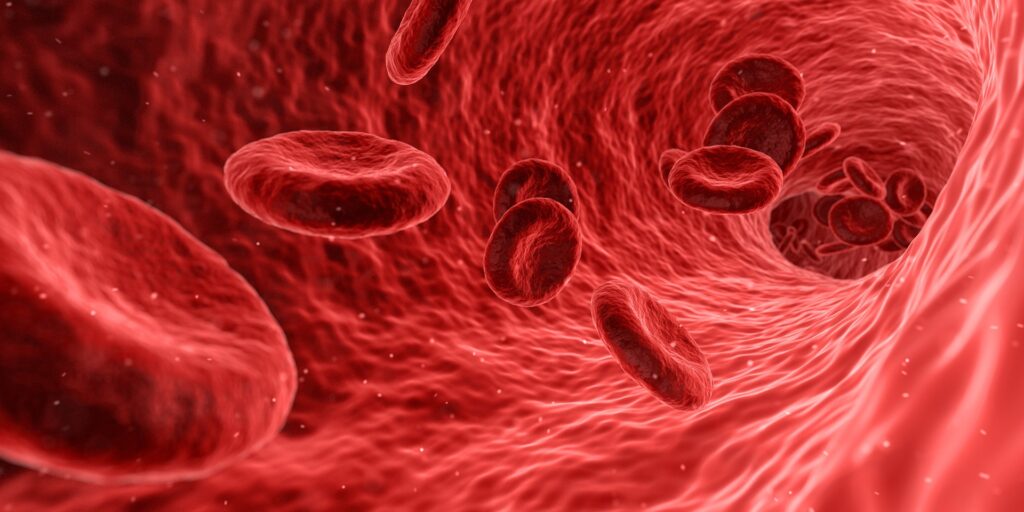
After 60 years of fruitless searches by scientists, researchers from the University of Virginia have finally determined the location of our bodies’ natural blood-pressure sensors.

These cellular sensors monitor blood pressure and adjust hormone levels to keep it in check. Scientists have long suspected that these ‘baroreceptors’, may exist in or around specialised kidney cells called renin cells, but no one has been able to locate the baroreceptors within the cell until now.

The new findings, from UVA Health’s Dr Maria Luisa S Sequeira-Lopez and colleagues, finally reveal where the barometers are located, how they work and how they help prevent hypertension or hypotension. The study was published in Circulation Research.

“It was exhilarating to find that the elusive pressure-sensing mechanism, the baroreceptor, was intrinsic to the renin cell, which has the ability to sense and react, both within the same cell,” said Dr Sequeira-Lopez. “So the renin cells are sensors and responders.”

Back in 1957, it was first proposed that a pressure sensor existed inside renin cells because the cells had to know when to release renin, a hormone that helps regulate blood pressure. Though the baroreceptors had to exist, scientists couldn’t tell what it was and whether it was located in renin cells or surrounding cells.

To tackle this decades-old mystery, the study’s researchers used a combination of innovative lab models and determined that the baroreceptor was a ‘mechanotransducer’ inside renin cells. This mechanotransducer detects pressure changes outside the cell, then transmits these mechanical signals to the cell nucleus, akin to how the cochlea turns sound vibrations into nerve impulses.

Through in vitro tests, the researchers found that applying pressure to renin cells triggered changes within the cells and decreased activity of the renin gene, Ren1. The scientists also compared differences in gene activity in kidneys exposed to lower pressure and those exposed to higher pressure.

Ultimately, when the baroreceptors detect excess pressure outside the renin cell, renin production is cut back, while low blood pressure prompts more renin production.

Dr Sequeira-Lopez said she is looking forward to the work to “unravel the signaling and controlling mechanisms of this mechanotransducer and how we can use the information to develop therapies for hypertension.”

Source: University of Virginia

Lipid Shield Protects Both Immune and Cancer Cells

Colourised scanning electron microscope image of a natural killer cell. Credit: National Institutes of Health

A newly discovered lipid ‘shield’ that prevents natural killer cells from being destroyed by their own deadly biological weapons also allows some cancer cells to evade an immune system attack, a study at Columbia University has found.

The findings, which may lead to new treatments for aggressive cancers, were published in the journal PLoS Biology.

Natural killer cells are efficient assassins that can eliminate up to six infected or cancer cells each day. The deadly immune cells grab onto their target and blast it with toxic proteins and enzymes that punch holes in the cell’s membrane. But these substances are also capable of destroying the natural killer cell’s membrane during the attack.

But how do natural killer cells survive releasing this blast of deadly substances? “I’ve been working on natural killer cells since the early 1990s, and every time I gave a talk about these cells, someone always asked that question,” said study leader and immunology expert Jordan Orange, MD, PhD, a professor at Columbia University Vagelos College of Physicians and Surgeons. “And nobody really knew until now.”

Avoiding self-destruction

Yu Li, a graduate student working with Prof Orange to understand how natural killer cells work and co-author of the study, thought the answer might lie in the double layer of lipids that makes up the outer membranes of all cells. Compared with other cells, Li noticed, the membranes of natural killer cells looked more orderly and more densely packed with lipids when viewed under a microscope.

“There were a lot of hypotheses about why natural killer cells don’t kill themselves during their attack on other cells, but they all proposed there might be a magic, unknown protein protecting these cells,” Li says. But Li had doubts. “Based on biophysical considerations, I didn’t think a protein would be strong enough to protect the cells. When I looked at the cells, I thought of lipids.”

To test out his idea, he exposed the membranes to a compound that weakens the structure of the lipid layer. With less dense and less orderly membranes, the natural killer cells were unprotected from their own toxic blast—and perished along with their targets.

Shields up

To survive their own toxic blast natural killer cells reinforce their membranes immediately beforehand, Li found. The small granules holding the deadly substances move to the outer edge of the natural killer cell. As the granule unleashes its cargo into the space between the killer and target cells, its own unusually dense lipid membrane merges with and reinforces the natural killer cell membrane.

“In essence, Li found that the membrane turns into a blast shield,” Prof Orange says. “And the protection comes from the way the membrane’s lipids are arranged. When the lipids are arranged in a more orderly fashion, more lipids can be packed into the membrane. The toxic substances simply can’t find a way into the membrane,” Orange says.

Cancer cells steal the idea

Besides natural killer cells, some cancer cells have adopted this defence against natural killer cells’ attacks, Li and Prof Orange found. They may also use this as a defence from cytotoxic T cells, another immune cell that uses lipids for self-protection.

Li found that cells from an aggressive breast cancer known to be impervious to natural killer cells fortify their membranes during the attack. The reinforcement was vital for the cancer cells, Li discovered, because when he added a membrane compound that disrupts lipid packing, the cancer cells were rendered vulnerable.

“We don’t know yet if this is a general mechanism by which cancer cells resist natural killer cells,” Li said. “If it is generalisable, we can start to think of therapies that disrupt the tumor cell membrane and make it more susceptible to attack by the immune system.” 

Source: Medical Xpress

New Guidelines for Venous Thromboembolism Released

Source: Marcelo Leal on Unsplash

The American College of Chest Physicians (CHEST) have released new clinical guidelines for venous thromboembolism (VTE) management, which provide 29 recommendations on 17 Patients, Interventions, Comparators, Outcomes (PICO) questions, four of which have not been addressed previously.

The last full edition of the guideline, “Antithrombotic Therapy and Prevention of Thrombosis 9th ed: American College of Chest Physicians Evidence-Based Clinical Practice Guidelines,” was published in 2012, with an update in 2016. This guideline is the first addressing this topic, which will have regular updates as new evidence emerges according to the Living Guidelines Model of the American College of Chest Physicians.

Within the updated recommendations, the panel generated 29 guidance statements, 13 of which are graded as strong recommendations. These include:

  • In patients with acute isolated distal deep vein thrombosis (DVT) of the leg who are managed with anticoagulation, we recommend using the same anticoagulant regimen as for patients with acute proximal DVT.
  • In patients with cerebral venous sinus thrombosis, we recommend anticoagulation therapy for at least the treatment phase (first 3 months) over no anticoagulant therapy.
  • In patients with acute DVT of the leg, we recommend against the use of an inferior vena cava (IVC) filter in addition to anticoagulants.
  • In patients with thrombosis and antiphospholipid syndrome being treated with anticoagulant therapy, we suggest adjusted-dose vitamin K antagonists over direct oral anticoagulant therapy.

“These guidelines help to clarify for providers the intricacies of managing patients with VTE,” said expert panel member, Scott C Woller, MD, FCCP. “Serving as a comprehensive reference for any stage, the recommendations cover aspects from initial management through secondary prevention and risk reduction of post-thrombotic syndrome.”

The order in which PICOs and guidance statements are presented in the manuscript is intended to follow the chronology of VTE management:

  • Whether to treat
  • Interventional and adjunctive treatments
  • Initiation phase
  • Treatment phase
  • Extended phase
  • Complications of VTE

The guidance statements are mainly intended for clinicians who manage patients with VTE but could also inform researchers selecting topics for future studies. Patients and policy makers may also be informed by the guideline content.

Source: EurekAlert!

No COVID Impact on Increased Preterm Births or Stillbirths

Source: Anna Hecker on Unsplash

A study found no increases in preterm births or stillbirths during the first year of the COVID pandemic, which will help alleviate concerns around pregnancy and COVID. The large study of more than 2.4 million births in Ontario is published in CMAJ (Canadian Medical Association Journal).

Infection, inflammation, stress, medical or pregnancy-induced disorders, genetic predisposition, and environmental factors are risk factors for stillbirth and preterm birth, although in many instances the exact mechanism is not yet known.

During the COVID pandemic, reports emerged of declining rates of preterm births in countries such as the Netherlands, Ireland and the United States, while the United Kingdom, Italy, India while others reported increases in stillbirths and some variability in preterm birth rates. However, most studies were limited by their small size.

To identify a possible shift, the study researchers analysed Ontario births over an 18-year period and compared these trends in the prepandemic period (2002–2019) with the pandemic period (January to December 2020).

“We found no unusual changes in rates of preterm birth or stillbirth during the pandemic, which is reassuring,” said Dr Prakesh Shah, a paediatrician-in-chief at Sinai Health and professor at University of Toronto, Toronto, Ontario.

It is possible that measures related to the pandemic and compliance with them could affect preterm birth rates in different settings. Thus, the researchers examined birth outcomes in the public health units with higher SARS-CoV-2 positivity rates (Toronto, Peel Region, York Region and Ottawa), and also compared urban and rural births and those in neighbourhoods with different average income levels.

“In some areas and in certain people, the restrictions could be beneficial, and in other settings or individuals, restrictions could have the opposite effect,” said Dr Shah.  

International studies are now underway to help understand the impact of COVID on pregnancy and childbirth around the globe.

Source: EurekAlert!

Japan Tries to Curb COVID with Public Shaming

A train station in Japan. Photo by Zhipeng Ya on Unsplash

The Japanese government, struggling to control its latest and largest COVID outbreak while maintaining the Olympic bubble, is turning to a new tactic — public shaming.

On Monday, Japan’s health ministry released the names of three people who broke COVID rules after returning from overseas. An official statement said that the three people, two returning from South Korea and one from Hawaii, had clearly acted to avoid contact with the authorities.

All three had negative virus tests on arrival at the airport but thereafter neglected to report their health condition and did not respond to location-monitoring apps or video calls from the health authorities.

In May, the Japanese government had said that about 100 people a day were flouting the border control rules, and warned that it would disclose the names of violators soon.

Japanese authorities are struggling to adapt their COVID response as caseloads surge to their highest levels of the pandemic and vaccinations continue to lag behind other wealthy nations. Public fatigue seems to be setting in from the on-and-off emergency measures the government has imposed in various cities.

And in the face of rising cases, the Japanese government failed to speed up its vaccination campaign. It has maintained that hosting the Olympics inside a tightly controlled bubble, with spectators and athletes isolated from the public, did risk exacerbating the outbreak.

While comparatively few infections have occurred inside the Games, totalling about 300 so far, some Japanese people say that seeing the Olympics held in Tokyo has encouraged them to relax against the virus. The first cases were reported on July 17, with two members of the South Africa soccer team testing positive despite having tested negative on their departure.

Yet the outbreak has continued to worsen. On Tuesday, officials said they had recorded more than 8300 daily cases across Japan, slightly down from the weekend’s record high of more than 10 000. A total of 3709 cases were reported in Tokyo, also slightly lower than previous days.

On Monday the government said that it would hospitalise only those with severe cases of COVID, to avoid increasing the strain on hospitals, suggesting that they are already starting to struggle with the influx of cases.

Source: New York Times

‘Vast Majority’ of Urine Tests Before Planned Surgery Unnecessary

Source: Vidal Balielo Jr on Pexels

“The vast majority” of urine tests conducted prior to scheduled surgeries to check for infections “were not plausibly indicated,” according to US researchers in a study of claims data.

Though the individual tests were inexpensive at $17 each, over the study’s 11-year duration they came to $50 million, plus another $5 million for antibiotics prescribed to patients with no clinical signs of infection.

“Patients and society bear the risk of inappropriate antibiotic use, which can result in adverse drug reactions, increased risk of infections such as Clostridioides difficile, and emergence of antibiotic resistance,” wrote authors Erica Shenoy, MD, PhD, of Massachusetts General Hospital in Boston, and two colleagues in a JAMA Internal Medicine research letter, published in the journal’s ‘Less Is More’ series which highlights overused tests and treatments.

Once, preprocedural urinalyses were routinely done to check for infections that could increase complication risk. However studies have since shown that such testing rarely improves outcomes or even changes clinical management. Organisations such as the Infectious Diseases Society of America and the US Preventive Services Task Force have recommended against testing and prescribing for asymptomatic infections except in certain narrow indications.

To see just how common the practice has been, the researchers used data on some 13 million procedures performed from 2007 to 2017 from Medicare and the IBM Watson Marketscan database of commercial insurance claims, spanning 14 specialties. The researchers did not count kidney and urological surgeries since urinalysis is recommended by guidelines for most such procedures.

Urinalysis was deemed appropriate for the others when urinary tract symptoms, fever, or altered mental state was mentioned. Without those codes, the procedures were “not plausibly indicated.”

While 75% of surgeries in the data did not involve preprocedural urinalysis, suggesting good adherence, in the 25% that did, fully 89% across all types of surgery had no apparent indication; with the lowest non-indicated testing rate being 84%.

The results show that traditional practice patterns “remain entrenched”, according to the researchers, who called on insurers to take more steps to be more aggressive in denying claims for unneeded testing.

Limitations included incomplete patient data as patients may have had legitimate indications for testing and antibiotic prescriptions that were not recorded with the relevant diagnostic codes. Also, about half of the 11-year study period preceded the movement to limit ‘low-value’ testing.

Source: MedPage Today

Study Uncovers Assortment of New Biomarkers for Dementia

Source: National Cancer Institute on Unsplash

An international study identified 15 novel biomarkers that are linked to late-onset dementias. These protein biomarkers predict cognitive decline and subsequent increased risk of dementia 20 years before the disease onset. 

The proteins identified by the study are involved with immune system dysfunction, blood-brain-barrier dysfunction, vascular pathologies, and central insulin resistance. Six of these proteins can be modified with currently available medications.  

“These findings provide novel avenues for further studies to examine whether drugs targeting these proteins could prevent or delay the development of dementia,” explained lead author Joni Lindbohm MD, PhD from the University College London and University of Helsinki.

The study findings have been published in Alzheimer’s & Dementia: The Journal of the Alzheimer’s Association.

Pathophysiological research on dementia aetiology has focused on amyloid beta and tau proteins, but thus far prevention and treatment trials targeting these biomarkers have been unsuccessful. This has spurred the search for other potential mechanisms that could predispose to dementia. Recent development of scalable platforms has made it possible to analyse a wide range of circulating proteins, which may reveal novel dementia-linked biological processes.

In this study, the researchers analysed proteins with a novel large-scale protein panel from stored blood samples of the British Whitehall II and US Atherosclerosis Risk in Communities (ARIC) study collected 20 years ago. Using a panel of 5000 proteins, the researchers identified proteins in plasma that predicted cognitive decline in 5-yearly screenings and subsequent onset of clinical dementia. The 15 proteins that were identified were predictive of dementia in both the British and US cohorts.

“This new study is the first step in our 5-year Wellcome Trust funded research programme. We will next examine whether the identified proteins have a causal association with dementia, and whether they are likely to be modifiable, and druggable”, said study author Professor Mika Kivimäki, Director of the Whitehall II study at University College London.

The research programme ultimately aims to identify novel drug targets for dementia prevention.

Source: EurekAlert!

New Lupus Treatment Gets the Nod from FDA

Source: Unsplash

AstraZeneca announced that its type 1 interferon receptor antagonist anifrolumab (Saphnelo) has received approval from the US Food and Drug Administration for the treatment of moderate-to-severe systemic lupus erythematosus alongside standard therapy.

“This is wonderful, exciting news, and is great for the lupus community — patients, family members, and clinicians who treat patients,” said Richard Furie, MD, chief of rheumatology at Northwell Health in Great Neck, New York, in an interview.

Only belimumab (Benlysta) in 2011 and voclosporin (Lupkynis) for lupus nephritis a few months ago had been approved in the past decades. “And that represents 25 years of trying,” Dr Furie said.

Significant benefits were reported in 2016 in a phase IIb trial known as MUSE. In that trial, 62.6% of patients receiving 300 mg intravenous anifrolumab every 4 weeks had an SLE Responder Index score of 4 (SRI-4) plus a reduction in the steroid dose to less than 10 mg/day compared with only 17.6% of patients in the placebo group, which was a significant difference — the best lupus trial data so far, according to Dr Furie.

Two pivotal phase III trials, TULIP-1 and TULIP-2, followed, with conflicting results.

In TULIP-1, the primary endpoint of Systemic Lupus Erythematosus Responder Index (SRI-4) was not met. After a year, an SRI-4 response was seen in 36% of patients receiving anifrolumab and in 40% on placebo. Some secondary endpoints suggested benefits, including the British Isles Lupus Assessment Group (BILAG)-based Composite Lupus Assessment (BICLA).

In TULIP-2, patients were randomised 300 mg intravenous anifrolumab or placebo every 4 weeks for 48 weeks, with a BICLA response as the primary endpoint. After a year, 47.8% of patients in the anifrolumab group achieved a BICLA response compared with 31.5% of placebo patients.

“We were all shocked when TULIP-1 failed,” said Dr Furie, who is also a leading member of the Lupus Research Alliance’s Lupus Clinical Investigators Network. “But it didn’t really fail — it depends on how you define failure. It did not reach the primary endpoint, but on the other composite, BICLA, it was successful, as well as on a lot of the key secondary endpoints. The totality of the data, I think, is the key phrase,” he said.

“I think the two studies were more similar than dissimilar. You have to have an appreciation of how difficult it is doing clinical trials in lupus. For every one trial that has been successful, there have probably been 10 that were unsuccessful,” he said.

This was not the first time discordant results had been seen in lupus trials. “We also saw discordance between the BICLA and SRI in the ustekinumab phase II trial,” he noted.

Source: MedPage Today

Human Rights Commission Inundated with Complaints of Pressure to Vaccinate

Photo by Bill Oxford on Unsplash

The South African Human Rights Commission (SAHRC) said that it had been inundated with complaints from people who claimed they had been pressured to get a COVID vaccination. These included tenants being threatened with eviction if they did not vaccinate.

Employees and tenants were not the only ones coming forward; companies had also approached the commission for guidance and clarification. The situation is something of a grey area for employers, according to the Department of Labour’s director-general Thobile Lamati.

“Can the employer then force the employees to take the vaccine? This is a very difficult question because we have different work places and different situations,” he said, adding that a worker could not be compelled to take a vaccine without the risks being explained to them.

On Friday morning, acting Health Minister Mmamaloko Kubayi-Ngubane reiterated that vaccination was purely voluntary and confirmed that employers were not allowed to force workers to get the jab.

Nevertheless, the government is encouraging all eligible South Africans to achieve herd immunity, and exit the cycle of waves and economically crippling lockdowns. However, inoculation has not been mandatory, with a target of around two-thirds of the population vaccinated. In a statement, President Cyril Ramaphosa said that only one in ten South Africans now believed that COVID vaccines were not safe.

The commission’s Buang Jones said they would also be examining the reasons given by some people refusing to receive vaccines.

“The reasons may range from medical, religious or other constitutional accounts. But complainants will be requested to take us through their reasoning and the team will be offering advice to those who have complained to the commission.”

Jones said that companies also voiced concerns about the negative impact that COVID had had on their finances.

“That they would like staff to be at work and ensure that the company functions optimally. Their concern is there will be increases in sick leave taken and it will affect production. They are also concerned about the rights of other employees to have chosen to take the vaccine.”

Source: Eyewitness News