Tag: South Africa

Major SAMRC Study Sheds Light on Causes of Disease and Death in SA
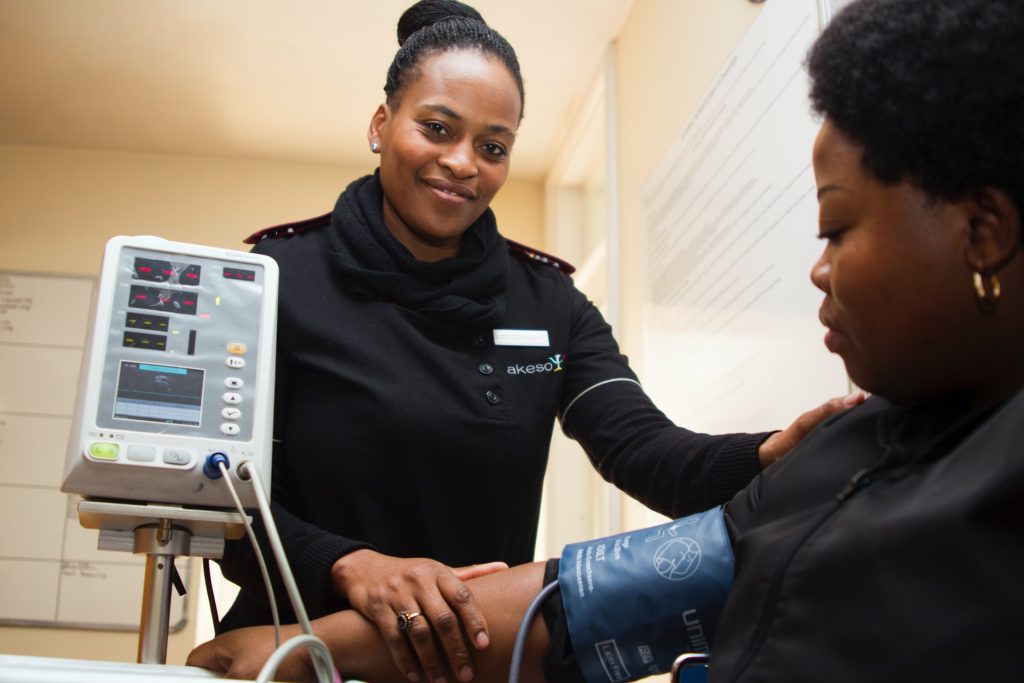
Image by Hush Naidoo from Unsplash

By Nthusang Lefafa at Spotlight

Unsafe sex, interpersonal violence, high body mass index (BMI), high systolic blood pressure, and alcohol consumption are the top risk factors for disease and death in South Africa, according to the Second Comparative Risk Assessment (SACRA2) study conducted by the South African Medical Research Council’s Burden of Disease (BOD) Research Unit in collaboration with a long list of researchers. The study was recently published in a series of 15 related articles in the South African Medical Journal.

The study differs from other assessments of what people in South Africa die of in that it focusses on risk factors rather than on the eventual cause of death. This is, for example, why the study considers factors like unsafe sex or high body mass index rather than HIV or diabetes.

According to a related policy brief, the aim of the study was “to quantify the contribution of 18 selected risk factors to identify areas of public health priority”. The idea is that policymakers can use these findings to address the underlying causes of death and disease in South Africa since the identified risk factors are considered to be modifiable.

“We have to reduce the underlying drivers of disease and death if we are to improve the health of South Africans,” said CEO and President of the SAMRC Professor Glenda Gray in a statement. “Knowing that this is possible, should strengthen our resolve to ensure that this is accomplished.”

Causes of lost DALYs

Rather than only looking at what people died of, the researchers estimated the lost disability-adjusted life years (DALYs) associated with various risk factors. The World Health Organization describes DALYs as “a time-based measure that combines years of life lost due to premature mortality (YLLs) and years of life lost due to time lived in states of less than full health, or years of healthy life lost due to disability (YLDs). One DALY represents the loss of the equivalent of one year of full health.”

The researchers calculated the proportion of the total burden of disease (measured as DALYs) that can be attributed to each of the 18 risk factors in South Africa in 2012. Unsafe sex was top of the list at 26.6%, followed by interpersonal violence at 8.5%, high body mass index at 6.9%, high systolic blood pressure at 5.8%, and alcohol consumption at 5.6%. There were some differences by sex, with alcohol consumption, for example, ranking third in males, while it ranked fifth overall.

“Improvements have been observed, in particular, the reductions in the burden attributable to household air pollution and water and sanitation,” read the policy brief. “On the other hand, shifts in cardiometabolic risk factors, particularly the rapid emergence of high fasting plasma glucose accompanied by increases in high systolic blood pressure and high BMI, can be seen as well as the increased impact of ambient air pollution.”

According to project lead and BOD Unit Director Professor Debbie Bradshaw, while unsafe sex and interpersonal violence remained high on South Africa’s risk profile for the study period, non-communicable diseases combined are at an all-time high and are highly likely to overtake unsafe sex and interpersonal violence as causes of death and disease in South Africa.

Findings only up to 2012

The SACRA2 findings cover the period from 2000 to 2012. One reason for it only being published now is that the study required access to a wide variety of data sources. “Each data set had to be evaluated to identify any weaknesses or possible bias so that we can develop a robust understanding [of] the trends in the risk factors. This is a painstaking task, involving a large number of scientists, and means that we have only been able to describe the trends for the period 2000 – 2012,” says Bradshaw.

While robust and more up-to-date estimates would likely only come from the next SACRA study, it seems likely that some of the trends identified in SACRA2 would have continued in the years since 2012. For example, findings from SACRA2 suggest that the burden attributable to unsafe sex peaked in 2006 and has been declining ever since, largely due to the provision of antiretroviral treatment. Evidence from other sources, such as Thembisa, the leading mathematical model of HIV in South Africa, suggests that the decline in HIV-related deaths and the increase in treatment coverage have continued in the years since 2012.

Bradshaw describes unsafe sex as a lack of condom use which leads to sexually transmitted infections (STIs) and the possible transmission of HIV.

“Condom use is very important. If we get rid of unsafe sex, we will see the number of people being infected with HIV and STIs being reduced,” she said. “It is important that these epidemic drivers are not neglected in the push towards meeting the 90-90-90 management targets for 2022 and the 95-95-95 targets by 2030. HIV communication programmes should continue to promote male circumcision and risk awareness in the context of non-marital relationships to prevent HIV transmission.” (The first 90/95 refers to the percentage of people living with HIV who are diagnosed, the second to the percentage of those diagnosed on treatment, and the third to the percentage of those on treatment who are virally suppressed.)

Interpersonal violence declining

As with unsafe sex, the trend with interpersonal violence in South Africa also appears to be downward, although, as Megan Prinsloo, a researcher at the SAMRC, and colleagues highlight in one of the 15 papers, it continues to be a leading public health problem for the country.

The researchers found that between 2000 and 2012, there was a decrease in the death rate associated with interpersonal violence from 100 per 100 000 to 71 per 100 000. There was also a decrease in lost DALYs attributable to interpersonal violence from an estimated 2 million in 2000 to 1.75 million in 2012.

“Further strengthening of existing laws pertaining to interpersonal violence, and other prevention measures are needed to intensify the prevention of violence, particularly gender-based violence,” the researchers wrote.

High BMI and high blood pressure
Image by Marcelo Leal on Unsplash

A high BMI is associated with several cardiovascular diseases, diabetes, and chronic kidney disease, among others. According to one of the SACRA2 papers, high BMI caused around 59 000 deaths in 2012. Over the study period, the burden was higher in males than in females. Type 2 diabetes was the leading cause of death attributable to high BMI in 2012, followed by hypertensive heart disease, haemorrhagic stroke, ischaemic heart disease, and ischaemic stroke.

The researchers found that the average BMI increased between 2000 and 2012 and accounted for a growing proportion of both total deaths and DALYs.

High systolic blood pressure is similarly linked to an increased risk of several conditions, including stroke and heart disease. According to a paper by Beatrice Nojilana, a senior research scientist at the SAMRC, and colleagues, the prevalence of hypertension in people aged 25 and older increased from 2000 to 2012 – 31% to 39% in men and 34% to 40% in women.

But there is some interesting nuance. In both men and women, age-standardised rates for deaths and DALYs associated with raised systolic blood pressure increased between 2000 and 2006 but decreased from 2006 to 2012.

High systolic blood pressure is estimated to have caused around 62 000 deaths in South Africa in 2012. Stroke (haemorrhagic and ischaemic), hypertensive heart disease, and ischaemic heart disease accounted for over 80% of the disease burden attributable to raised systolic blood pressure over the period.

Alcohol abuse

Source: Pixabay CC0

In another SACRA2 paper, Dr Richard Matzopoulos, chief specialist scientist at the SAMRC, and colleagues, point out that alcohol abuse has widespread effects on health and contributes to over 200 health conditions. They write that, although the pattern of heavy episodic drinking independently increases the risk for injuries and transmission of some infectious diseases, long-term average consumption is the fundamental predictor of risk for most conditions.

The researchers used data from 17 population surveys to estimate age- and sex-specific trends in alcohol consumption in the adult population of South Africa between 1998 and 2016. For each survey, they calculated sex- and age-specific estimates of the prevalence of drinkers and the distribution of individuals across consumption categories.

Among males, the prevalence of drinkers was found to have decreased between 1998 and 2009, from 56.2% to 50.6%, but had increased again by 2016. Among females, the prevalence of current drinkers rose slightly from 19% in 1998 to 20% in 2016.

Speaking to Spotlight, Matzopoulos stresses that alcohol abuse puts a heavy burden on the already strained health system. “When you enter the trauma unit at hospitals on weekends, all you can smell is alcohol,” he said.

He says in some of his research he has noted a shift where young females are engaging in heavy drinking and young males are engaging in binge drinking over weekends. “These patterns are alarming because alcohol abuse can lead to unsafe sex, which may lead to the transmission of HIV and STIs. Excessive alcohol use also has an impact on some NCDs and can compromise the immune system of a person who is on ARV treatment,” he said.

Matzopoulos said government can put in place policies such as the restriction of alcohol sales, banning alcohol advertising, and increasing the price of alcohol.

Republished from Spotlight under a Creative Commons 4.0 Licence.

Read the original article here.

FACES OF HEALTH: ‘Sr Fikx’ – the Nurse Activist Unafraid to Speak out against Corruption

Fikile (Sr Fikx) Dikolomela-Lengene, a nurse activist says she has had a front-row seat to corruption unfolding in Gauteng’s public health sector. PHOTO: Supplied/Facebook

Fiery nurse activist Fikile Dikolomela-Lengene says she has had a front-row seat to corruption unfolding in Gauteng’s public health sector, and she is not afraid to speak out.

Dikolomela-Lengene grew up in the corridors of Chris Hani Baragwanath Academic Hospital in Soweto, Johannesburg – Africa’s largest health facility.

The youngest of nine siblings and the only daughter, her father died when she was three years old. After this, her mother, a nurse at Baragwanath Hospital, would take her along to work.

“There were times when my mum didn’t have a nanny so she would take me to Bara [a nickname among healthcare workers for Baragwanath], where she worked in the same surgery theatre for 40 years,” says Dikolomela-Lengene. “I was actually sleeping on stretcher beds. I would accompany her to go fetch patients. This was a single mom with a little girl and nobody to look after her and she needed to work.”

At the hospital, a young Dikolomela-Lengene grew inspired to become a nurse, while cultivating her first inkling of justice. “I saw what was happening, and I thought, this is something I would like to do,” she says. “It came with a lot of context of the profession. I mean, I saw my mom and how the profession didn’t upskill her, how she suffered because of having a child, the shifts, and all of that. And I think it’s where the love for professional activism came in. To say, if I go into this profession, I wanted to be in a place where I could influence change.”

Nurse activist

Today, with a string of qualifications behind her name, including a Bachelor’s degree in nursing from North West University and a Mandela Washington Fellowship for Young African Leaders, 36-year-old Dikolomela-Lengene describes herself as a “nurse activist” and calls herself ‘Sr Fikx’ because she is passionate about influencing change in the public health sector. Currently based at the Stretford Community Health Centre – which serves the township of Orange Farm in the south of Johannesburg – she is passionate about HIV care and heads several public health campaigns at community level.

“What is interesting to me is the non-acquiring of condoms, today in an era when HIV is so rife

Commenting on the report findings of the Stop Stockouts Project (the SSP monitors shortages in essential medicines across South Africa) launched in August, Dikolomela-Lengene laments the shortfall of contraceptives – particularly injectable contraceptives and condoms – in the country’s public health sector.

“What is interesting to me is the non-acquiring of condoms, today in an era when HIV is so rife,” she says. “We ran out of [government-issued] condoms in May. And they actually don’t even have a new tender yet. And this shocked me. We should plan, right?”

She points out the ripple effects of this shortfall, such as an increase in required abortions. “Since there are none of these types of contraceptives, how has it impacted on our TOP [termination of pregnancy] services, you know? Especially in clinics where these services are burdened as it stands?”

“rot of corruption”

Dikolomela-Lengene says “the rot” of corruption in Gauteng’s health sector runs deep.

In 2015, she was a founding member of The Young Nurses Indaba Trade Union (YNITU), which represented over 10 000 workers, who pay R70 per month for membership.

Speaking to Spotlight, Dikolomela-Lengene alleges that the union’s leadership was “hijacked” at a congress in October last year and that millions of rands from the union’s coffers disappeared. In the midst of the clash, the union’s FNB business account was frozen in November 2021. However, allegedly membership fees are still being paid into private accounts. AmaBhungane reported on the alleged hijacking of the trade union in September. The new leadership rejected claims of wrong-doing.

In February this year, Dikolomela-Lengene and fellow former union leaders put the allegations before the Department of Labour. “We told them we need assistance because the union is hijacked and is being used for activities that currently… we actually don’t even know what is happening,” she says.

Dikolomela-Lengene adds that the union had been given notice to deregister on September 28. She will continue to meet with the Department of Labour. “Let me just say it’s been a hassle,” she adds. (AmaBhungane reported on the deregistration here.)

Last year in August, Gauteng health official Babita Deokaran was assassinated shortly after flagging up to R850 million in suspicious payments authorised at Tembisa Hospital in Johannesburg. (Spotlight earlier asked the new Gauteng Health MEC Nomantu Nkomo-Ralehoko about the alleged corruption flagged by Deokaran and other corruption-related issues here.)

According to media reports, one of the people accused of capturing the YNITU – Lerato Mthunzi – is the wife of embattled Tembisa Hospital chief executive officer (CEO), Ashley Mthunzi, who was suspended on August 26 over allegations of widespread corruption – including R498 000 of the hospital budget spent on 200 pairs of skinny jeans. After his suspension, one of Mthunzi’s notable supporters had been the nursing union, now headed by his wife. Mthunzi (Lerato) has denied any wrongdoing.

‘defending and defending’

During the interview with Spotlight, Dikolomela-Lengene shakes her head, laughing. “I’m laughing, you know because it’s so sad. People are defending and defending, but there’s a family here that lost somebody. There are kids currently who don’t have a mother because there are people in positions who don’t want to do their job.

“You get to ask yourself, who authorises codes for jeans, skinny jeans, in a hospital?

“I don’t know how they’re going to get rid of corruption in health in Gauteng. You get to ask yourself, who authorises codes for jeans, skinny jeans, in a hospital? It’s like somebody’s mocking the governance.

“You have to ask yourself, how many processes are there before payment is actually made? So all those processes were flawed, or were people in those processes flawed themselves? And then, you have condoms not being on tender. You start asking yourself [how are] people able to get money for jeans, but there’s no money for a tender for condoms?”

Looted

Shaking her head, Dikolomela-Lengene says the province’s health budget is being looted.

“We’re not going anywhere unless they actually bring a lot of people to account,” she says. “R850 million, imagine! I’m looking at my clinic. Our budget is around R20 million. How many clinics could have been revamped for R850 million? How many hospitals could have been looking A-class, private style, with that money? It is possible to revamp our clinics. It is possible to revamp our hospitals. There is money. There is money, but there is no political will.”

“into the lion’s den”

On Gauteng’s new health MEC Nomantu Nkomo-Ralehoko, Dikolomela-Lengene says, “We’ll see with the new MEC. The past two MECs disappointed us and they were both health professionals. (Nkomo-Ralehoko is not a healthcare professional by training).”

“I mean, having to fight with a patient because you don’t have a Panado. You don’t have Panado! A simple thing like that.

Nkomo-Ralehoko, in response to questions by Spotlight, vowed to act on recommendations by a Special Investigating Unit (SIU) currently conducting a forensic investigation into transactions at Tembisa Hospital.

“At this moment, I’m not going to be judgmental,” says Dikolomela-Lengene. “You know, we just want to see change. I mean, having to fight with a patient because you don’t have a Panado. You don’t have Panado! A simple thing like that. And as a nurse, you have to take the brunt of it. She’s [Nkomo-Ralehoko] going into a lion’s den. She will need a thick skin.”

Earlier this year, Dikolomela-Lengene was one of 700 young African leaders who studied in the United States for six weeks as Mandela Washington Fellows. She was placed at Howard University, which counts former US President Barack Obama among its alumni.

“It’s what we call a historically black college, one of the colleges that Barack Obama went to. So I think that was an honour on its own,” she says.

As part of her training, she got to shadow and even debate with high-ranking American government officials. “I learned a lot of skills, but what stood out was the ‘huddle system’. This is a programme whereby we have meetings more frequently so that changes can be made more frequently. I think in South Africa, we stick with things that are wrong for too long. If a policy isn’t working, we wait for five years. If a system isn’t working, we wait for five years. So with the huddle approach, you continuously monitor and make changes when things are not working.”

a “downgrade” in nurse training

Dikolomela-Lengene lives in Johannesburg but says she prefers not to divulge particulars due to safety concerns.

She did, however, share about her current reading material.

The book currently on her bedside table is ‘Who Ate My Cheese? The Road to Freedom’ by Rowland Rose – a gift from the United States embassy during her recent trip.

Another issue keeping Dikolomela-Lengene awake at night is South Africa’s nurse training curriculum. In 2019, she served on the ministerial task team that oversaw amendments brought to South Africa’s nurse training strategy, as chronicled in The National Strategic Direction for Nursing Education and Practice: A Road Map for Strengthening Nursing and Midwifery in South Africa (2020/21−2025/26).

“Our qualifications have been downgraded.

She is highly critical of this new strategy, calling it a “big mistake”, and effectively a “downgrade” in nurse training in the country.

“I’ve got a four-year diploma. I’ve got a one-year post-graduate, [and] I’ve got a three-year degree. I’m not even going to talk about the side courses I’ve done. There are more than ten. Can I tell you that I cannot access a university in South Africa? Our qualifications have been downgraded. I’ve got more than nine years of formal study and I can’t do my Masters [degree] because my accreditation has been brought two to one level lower,” says Dikolomela-Lengene.

“You’ve got academia and professors making a curriculum for nurses – not nurses. It’s shocking…  So there is a big fight between the National Department of Health, the South African Nursing Council, which is the regulatory body of nursing, and the Department of Higher Education.”

The nurse activist says that her salary could triple if she moved from the public sector into private, but that she wouldn’t dream of such a step. “The passion I have for what I do is what fuels me,” she says. “And it’s effortless, you know? I love what I do. Whatever time they call me, I’m ready. I just show up – always.”

Republished from Spotlight under a Creative Commons 4.0 Licence. Read the original article here.
In the Hot Seat: New Gauteng Health MEC Responds to 10 Questions from Spotlight

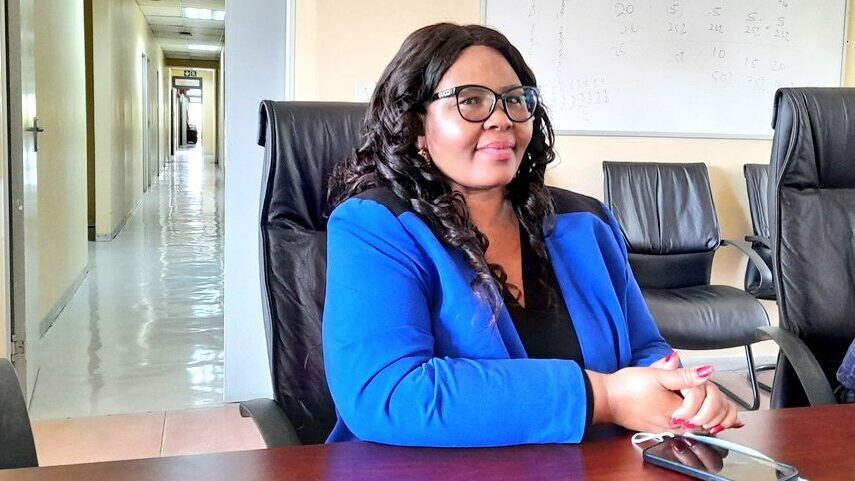
Nomantu Nkomo-Ralehoko, MEC for Health in Gauteng. Photo: GP Health and Wellness/Twitter

By Spotlight Editors

On 7 October, Gauteng Premier Panyaza Lesufi appointed Nomantu Nkomo-Ralehoko to the position of MEC for Health in the province. Nkomo-Ralehoko replaced Nomathemba Mokgethi, who had been in the job for less than two years.

The position of MEC for Health in Gauteng is one of the most important, and probably one of the toughest public sector health jobs in South Africa. Spotlight sent Nkomo-Ralehoko ten questions about her plans and on the chronic problems plaguing health in Gauteng. We received the below responses via Tshepo Shawa, the MEC’s spokesperson.

1. After the murder of Babita Deokaran, the Gauteng Health Department was very slow to follow up on the alleged corruption that Deokaran had exposed at Tembisa Hospital. What steps will you take as MEC to ensure that the alleged corruption at Tembisa Hospital is fully investigated and that justice is done?

Nkomo-Ralehoko: The Gauteng Provincial Government has already, through the Office of the Premier, taken action to ensure that the Special Investigating Unit (SIU) conducts a forensic investigation into the transactions at Tembisa Hospital. I am also aware that the Hawks are probing the matter.

I have made a commitment that as soon as the SIU concludes the forensic investigation, we will definitely not hesitate to act on the recommendations.

Sometimes, justice might seem delayed, but it is important that we allow law enforcement agencies to complete their work so that firm action can be taken where there is wrongdoing.

2. From PPE-related corruption to alleged corruption at Tembisa Hospital, the Gauteng Department of Health appears to have a chronic and systemic problem with corruption. What steps will you take as MEC to:

i) root out corruption in the department at a systemic level;

ii) and ensure there are consequences for those implicated?

Nkomo-Ralehoko: One of my immediate focus areas is to ensure that the department’s systems across delivery areas such as Finance, Human Resources, Monitoring and Evaluation, Risk Management, etc. are strengthened so that processes are not dependent on human vulnerability but there are clear checks and balances.

An environment that has no consequence management breeds ill-discipline and a culture of ignoring processes and procedures as prescribed in our legislative framework. Our environment is highly regulated through various prescripts and it is important for oversight purposes and for good governance that the distinctive roles in terms of the role of Executive Authority and the role of Accounting Officer are appreciated.

I have already made an undertaking to work with stakeholders internally and externally to ensure that there is accountability and consequence management. Equally so, it will be important to also recognise people that go beyond the call of duty. We need to encourage an environment where we get back to the Batho Pele principles by ensuring that our work is geared towards improving patient experience of care and improving our service offering. We also need to make sure that employees work in an environment that appreciates the service they are rendering to communities and allows them to thrive.

3. The work of restoring Charlotte Maxeke Johannesburg Academic Hospital was handed over to the National Department of Health after the Gauteng government botched the job. What steps will you take as MEC to ensure that Charlotte Maxeke is fully functional again as soon as possible?

(Here, the MEC referred us to a response provided to the provincial legislature regarding the rebuilding of Charlotte Maxeke)

4. There have in recent years been chronic management-level vacancies in the Gauteng Department of Health. What steps will you take as MEC to ensure that all vacancies in the department are filled with suitably qualified people?

Nkomo-Ralehoko: Part of the intervention programme for the remainder of the 6th Administration term of office will be to review the age-old organisational structure which was last updated in 2006 to ensure that it is relevant and fit-for-purpose and takes into consideration the size of the Gauteng healthcare system and the kind of skills that are needed to provide adequate and effective care to the over 16 million people of the province, majority of whom rely on the public healthcare system.

We have put in place an ambitious plan called Turning The Tide: Reclaiming the Jewel of Public Health in Gauteng, which looks at a number of intervention areas. Key amongst these is the Human Resource component.

This is to ensure that we have a structure that responds adequately to clinical, administrative, social, and economic challenges faced by the province. This will enable the department to be able to deliver on the workforce that positively impacts its strategy execution efforts and acceptable levels of organisational performance.

5. Are you in favour of cadre deployment in the provincial health department?

Nkomo-Ralehoko: If by cadre deployment you mean a situation where highly trained and qualified personnel who understand the delivery imperatives of the developmental state and are committed to a high ethical standard embracing a culture and ethos of service, then indeed I am for cadre development.

However, if by cadre development you are referring to bringing incapable and unqualified people into the public service at the expense of delivery, then I can’t support such.

6. Healthcare workers often work under very difficult conditions and surveys have shown that many healthcare facilities are understaffed. What steps will you take as MEC to ensure sufficient numbers of healthcare workers are employed in Gauteng and work under decent working conditions?

Nkomo-Ralehoko: Kindly refer to the response to question 4 above. Additional to that response is that the Turning the Tide plan has also prioritised health infrastructure to ensure that healthcare workers work in a safe environment.

Our Department is now called the Department of Health and Wellness that on its own is a clear indication that issues of wellness will also receive special focus. We can’t preach a message of wellness while our employees are unwell and unhappy. In my first address to the staff at head office on 10 October 2022, I made a commitment to the team that charity will begin at home. For this reason, we will soon be rolling out Wellness Wednesdays, the aim of which is to bring the spotlight on employee wellness and to ensure that we pay more attention to the softer but critical issues that make the workplace a more conducive environment.

7. In your view, what is the key difference between the role of the MEC for health and the HoD of the province’s health department?

Nkomo-Ralehoko: The roles of the Executive Authority (MEC) and Accounting Officer (HoD) are clearly defined by various laws and regulations, such as the Public Service Act, Public Service Regulations, and Public Finance Management Act. The executive authority is the political head and is responsible for policy direction and oversight. The executive authority delegates certain functions to the accounting officer to ensure effective public management and administration.

The accounting officer is the administrative head of the department and is responsible for the day-to-day operations of the department.

8. As MEC, will you listen to and support healthcare workers like Dr Tim de Maayer who blow the whistle when the situation at health facilities becomes untenable, or will you take steps against such people?

Nkomo-Ralehoko: I have made a commitment to staff to work with them to turn the health system around. This means that performance systems and tools will have to be strengthened while we also create a conducive environment that allows employees to be heard. Everyone’s voice matters if it is a voice that seeks to move us forward. We all have a role to play to restore the tarnished image of the Gauteng public health system.

9. As the province’s new MEC for Health, what lessons do you take from the Life Esidemeni tragedy?

Nkomo-Ralehoko: You will appreciate that I am just a few days in office and I am obviously getting appraised with the myriad of issues confronting the healthcare system in the province. One of the commitments made by this 6th Administration was to be a patient-centred, clinician-led, and stakeholder-driven healthcare system. This is a commitment we intend to see through in the remaining period of the term of office. My job is to ensure that patients are at the centre of our work by giving clinicians space to do what they are trained to do while at the same time listening to the voice of the many stakeholders who want to see public health live up to its promise.

10. As we understand, you are not a medical doctor and in a SABC interview you said you are “a politician by accident”. What in your background and experience would you say makes you the right candidate for the role of MEC for Health?

Nkomo-Ralehoko: Yes I said I am a politician by accident given that I was drawn by many lived experiences which harnesses the activist in me that was driven to change things for the better. I am an administrator at heart, but I am also an experienced leader, having led across various structures in society.

I understand the plight of the people of Gauteng and I am committed to putting my skills and knowledge to change things for the better. I may not be a clinician or a nurse, but I do know that the healthcare system is nothing without healthcare workers.

Republished from Spotlight under a Creative Commons 4.0 Licence.

Source: Spotlight

Maternity Wards at Dora Nginza Hospital ‘Chaotic’ as Nurses Down Tools

By Joseph Chirume at GroundUp

Services at the Dora Nginza Hospital in Gqeberha, Eastern Cape are under strain as the nurse’s strike entered its second day on Friday. The striking nurses are demanding that management provide more beds and staff to the maternity wards, among other demands. They claim that their previous engagements with the health department have been fruitless.

On Thursday, some patients were moved to another hospital. Dora Nginza Hospital is the centre for maternal and paediatric care for the western part of the Eastern Cape.

A pregnant woman at the hospital described the maternity ward as “chaotic”.

“Heavily pregnant women were crying for help that was not coming. Many people are sleeping on the cold floor and there is a smell of blood in the ward. The few nurses there are overwhelmed,” she said.

Vuyo Nodlawu, regional chairperson of the Democratic Nursing Organisation of South Africa (DENOSA), told GroundUp that the maternity wards do not have enough beds and resources to cope with the influx of patients since Monday. “Patients, be it prenatal or postnatal, did not have beds to sleep on. The situation has been getting worse, to the extent that patients who had given birth were removed from beds to accommodate those in labour,” he said.

Nodlawu said the hospital’s management had told medical practitioners to stop admitting patients if there were no more beds available or until the matter was resolved. “However, the doctors continued to admit patients. Nurses then decided to allocate all available beds within the maternal department to everyone who didn’t have a bed,” said Nodlawu.

A meeting was called between the maternal directorate from the head office and the hospital but it was unsuccessful.

Mzikazi Nkatha, provincial deputy secretary of the National Union of Public Service and Allied Workers (NUPSAW)’s, said, “Nurses are saying enough is enough. They can’t continue as normal when patients have to lie on the floor and not on hospital beds. This is also an overwhelming number of patients and not enough health providers to care for them.”

Health department spokesperson Yonela Dekeda said union leaders have not been willing to negotiate with officials sent by management. Dekeda said plans to “decongest” Dora Nginza Hospital are underway, with emergency cases being referred to Port Elizabeth Provincial Hospital.

She said a team from other hospitals across the district were deployed to assist. The team included Anaesthetics, Obstetrics , Gynaecology, Paediatrics, Neonatology, Nursing and non-clinical support services.

“The designated ward and theatre at the Provincial Hospital has been staffed and equipped with the relevant equipment and medication. The Emergency Medical Services is also part of the response team and will coordinate patient transfers between facilities,” she said.

Dekeda said the department considers the nurses’ action as an unprotected strike. “These essential workers are refusing to engage with senior management nor do they want to return to work. The department takes this very seriously and the administrative and legal remedies at our disposal are being deployed,” she said.

DENOSA’s deputy regional chairperson Vuyo Dlanga has vowed that nurses would continue their action until provincial government officials meet them to resolve the issues.

Republished from GroundUp under a Creative Commons Attribution-NoDerivatives 4.0 International License.

Source: GroundUp

New Laws Set to Turn the Screws on Smoking in South Africa

Cigarette butts
Source: Pawel Czerwinski on Unsplash

New legislation will soon place further curbs on tobacco smoking in South Africa – and these laws will also now extend to e-cigarettes. In South Africa, lung cancer is the third most common cancer among men and seventh for women. More than two-thirds of lung cancer patients are diagnosed at an advanced stage, resulting in poorer outcomes for treatment.

The proposed laws impose harsher penalties against smoking in smoke-free zones, being punishable with a fine or up to three months imprisonment. More areas would be designated smoke-free zones, essentially ending the smoking sections currently set aside for restaurants and bars. This would also extend to the homes of people who employ domestic workers – the employers would not be able to smoke while those workers are present.

Smoking would also be banned in homes used for teaching, tutoring and commercial childcare. Shared residences would also have smoking banned in common areas, as would smoking in vehicles with occupants under the age of 18.

Cigarette packaging will also be targeted, with a move to plain packaging with graphic health warnings. It will no longer be legal to sell cigarettes through vending machines, nor display cigarettes at the point of sale. Sweets and toys resembling cigarettes would also be banned – however, the sugar ‘cigarettes’ that many may remember from their youth are already banned.

Vaping and e-cigarette products will also be liable to the same legislation, and are also soon to have an excise tax levied upon them.

Reinstate Whistleblower – Court Orders Eastern Cape Health MEC

By Tania Broughton

The health department in the Eastern Cape has been ordered to reinstate a “whistleblower”. She was removed from her job in a district human resources office after she raised the alarm about a colleague attempting to get her niece short-listed for a job.

Eastern Cape Labour Court Judge Zolashe Lallie found that “an occupational detriment” had been committed against Vuyelwa Thelma Tanda. The judge ruled that in terms of the Protected Disclosures Act, Tanda had made a “protected disclosure” when she reported the attempted nepotism to her boss.

The judge ordered that she be compensated with R162 402 and that she must be given back her job.

Read the full judgment here

Tanda was initially employed as a data capturer at the Motherwell Community Health Centre. In January 2014, she was seconded to the human resources department in the district office, where she, and two fellow employees, were responsible for managing recruitment and selection processes. They had to report to the deputy director of human resources management, Charmain Jaggers, who in turn reported to the director, Mzoli Njalo.

In January 2018, the department advertised several administrative clerk posts and received a large number of applicants. Njalo’s wife, Phumla Njalo, who was also employed by the department, chaired the shortlisting panel.

The following day, Tanda’s colleague, Princess Makhulume, “got upset” and questioned why her niece had not been shortlisted.

A few days later Tanda was contacted by Mrs Njalo, who said there had been an oversight in the shortlisting process and instructed her to add the niece’s name to the shortlist.

Tanda refused, saying that HR policies and procedures did not permit her to comply with such an instruction. She explained that the correct procedure was to reconvene the selection panel.

Tanda said she reported the instruction to Jaggers, but she did not want to intervene. Jaggers advised her to call a meeting of the selection panel.

When the meeting was held, the issue remained unresolved, because only Mrs Njalo wanted Makhulume’s niece to be shortlisted.

Tanda again spoke to Jaggers, who again expressed unwillingness to intervene. Ultimately, the selection panel took a final decision not to shortlist Makhulume’s niece.

Shortly after the incident, Tanda said she was reprimanded by Jaggers for attending a memorial service for a nurse and taking files home.

She said Jaggers had given her permission to attend the service – and she denied taking files home.

She was then barred from attending HR staff meetings, removed from the department’s WhatsApp group, and her files were taken away from her.

After Tanda launched a grievance, it was recommended that she be “removed from the HR department”. She left at the end of March 2019 and was given a job as a data capturer at the information section of the district office.

Judge Lallie said Jaggers denied ill-treating or victimising Tanda after she reported Mrs Njalo’s conduct. She said Tanda had become rebellious and failed to perform her duties properly.

Lawyers for the health MEC argued that in terms of the Protected Disclosures Act, a disclosure made in the normal scope of employment could not be protected.

However, Judge Lallie said the argument that Tanda had not made a protected disclosure was not supported by the evidence that Mrs Njalo was “intentionally acting in breach of recruitment procedures” and attempting to give Mkhuluma’s niece an unfair advantage.

“In the circumstances of this case … the report that Mrs Njalo was instructing Tanda to be complicit in nepotism in violation of the recruitment policy constituted a protected disclosure. The report was made in good faith to Jaggers.”

Judge Lallie said it was common cause that Jaggers had refused to intervene in the matter.

Tanda had given a detailed account of how Jaggers victimised her shortly after she made the disclosure. “I cannot accept the version that the relationship between Tanda and Jaggers changed because of Tanda’s misconduct and incompetence. Tanda had worked in the HR office for four years without any complaint,” said the judge.

Judge Lallie said Tanda had been “punished” and that Jaggers had abused her seniority.

“Tanda has proved that solatium (compensation) is due to her as a result of humiliation, hurt and the violation of her right to dignity which she suffered in the hands of Jaggers for making the protected disclosure.”

Judge Lallie ordered compensation equivalent to the pay she would have earned over a period of ten months, at the rate she was earning when she made the protected disclosure, and that she be given back her job, and that the MEC pay her costs.

Republished from GroundUp under a Creative Commons Attribution-NoDerivatives 4.0 International License.

Source: GroundUp

Operation Dudula Harasses Immigrants outside Kalafong Hospital

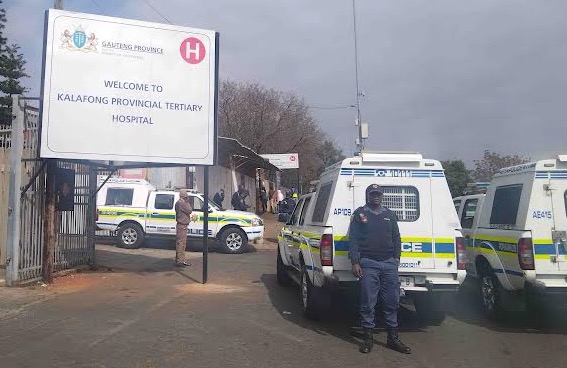
Police were present at Kalafong Hospital in Tshwane on Wednesday after the Gauteng Health Department obtained an interdict to prevent members of Operation Dudula from threatening immigrants. Photo: Mosima Rafapa

Members of Operation Dudula were outside Kalafong provincial hospital in Tshwane on Wednesday, shouting at immigrant patients and employees. Police were present, enforcing the court interdict obtained last week by the Gauteng Health Department against the threats.

A security guard who did not want to give his name said for most of August Operation Dudula members had been operating outside the hospital, until the Gauteng Department of Health obtained a court interdict last Friday.

“They greeted patients who were of a dark skin colour one by one, to check which language they spoke and to listen to their accent. The local language here is Tswana or Pedi. If they found that you don’t know those languages, they turned you away,” said the security officer, whose station is not far from the pedestrian entrance.

Since 4 August, Operation Dudula has been trying to deny access to patients and employees from other countries.

“I’m here at 5:30 in the morning. Just before 8am this morning, a member of Operation Dudula was speaking through a loudspeaker saying they don’t want makwerekwere. On Monday, they checked their ID documents before people could enter the hospital. Today, they were about five or six of them outside. I think they wanted to scare people away because they just stood there until the police arrived,” he added.

Last Friday, the Gauteng MEC for Health obtained a court interdict against the members from threatening or denying access to patients and employees. The interdict was pinned to the notice board outside the hospital.

When GroundUp arrived just after 10am, a handful of Operation Dudula members were still gathered outside. Some were shouting that foreigners should leave.

Chairperson of Operation Dudula in Atteridgeville and regional coordinator in Greater Tshwane Elias Makgwadi said they were picketing outside the hospital entrance to get management to enforce the hospital’s admission rules and not admit “illegal foreign nationals”.

“We are saying, enforce your own rules. If illegal foreign nationals have been admitted to hospitals they must be discharged to law enforcement officers and immigration officers. That’s why we’re here, ” said Makgwadi.

Members of the Economic Freedom Fighters (EFF) put up a tent outside the hospital entrance and started chanting songs. Provincial spokesperson Phillip Makwala told the crowd: “Operation Dudula is acting as doctors, they are interfering with the process of the South African Police Service and the immigration office.”

Police officers were stationed outside the hospital.

Verrah Frace, from Zomba in Malawi, condemned the xenophobia. She works as a domestic worker in Laudium, west of Pretoria. Frace, who had come to visit her sick sister, said it was painful to see what Operation Dudula was doing.

“I came to South Africa in 2019 to look for a job because we are very poor back in Malawi. We are in South Africa to earn a living,” said Frace.

GroundUp heard a hospital employee wearing a pharmacy tag praising the Operation Dudula members. “These people get our medicine for free. They get everything for free. You guys are helping us. You are doing a great job,” said the employee before going back inside the hospital.

James Chasiya, from Magochi in Malawi, was at the hospital to see his wife who had given birth to a premature baby. He arrived in South Africa in 2014 and works as a plumber, living in one room in Laudium with his wife.

“Sometimes the piece jobs are hard to come by so I sell some of the furniture I have in order to pay rent. It’s not as easy living here as people think. We struggle. My wife works at a creche but it’s still hard. I’m undocumented so I can’t find a real job. There’s no way I can pay for a private hospital,” said Chasiya.

Head of Communication for the Gauteng Department of Health Motalatale Modiba had not responded to GroundUp’s questions by the time of publication.

The health department’s Motalatale Modiba said that the facility reported that operations are continuing as normal with no change in the number of patients.

“There is now increased police monitoring the situation. Patients are no longer obstructed from coming into the facility. The Department would like to assure patients that the hospital continues to render services to all who need such care,” he said.

Modiba said the department will not hesitate “to call law enforcement agencies to act against those that put the lives of patients and staff at risk”. He said the Department obtained a court interdict on 26 August from the High Court in Pretoria “to prevent a group of people from threatening, preventing and denying patients (deemed to be non-South African) and employees at Kalafong Hospital from accessing the facility to receive medical attention and to administer care respectively”.

Written by Mosima Rafapa

Republished from GroundUp under a Creative Commons Attribution-NoDerivatives 4.0 International License.

Source: GroundUp

New Sanofi GM Poised to Transform Southern Africa Medical and Pharma Industry

Kagan Keklik, General Manager South Africa & Country Lead, Sanofi South Africa

Johannesburg, 30 August 22: Kagan Keklik has taken the reigns as General Manager South Africa & Country Lead of multinational pharmaceutical and healthcare company, Sanofi, in South Africa, at a time when revolutionary technology and medical interventions are set to change lives across Africa.

With all the business acumen needed, a passion for science and expertise across several therapeutic areas and products, Keklik is already inspiring excellence in the 500 plus workforce that he leads in South Africa.

Keklik has over 20 years of experience in the pharmaceutical sector where the positions he has held have spanned from managing products to leading teams in the Middle East, Eurasia, and South Asia. He has been with Sanofi for nearly 13 years, making him well-poised to take the company to new heights.

“Sanofi is dedicated to finding answers for patients by developing breakthrough medicines and vaccines. Our purpose is to chase the miracles of science to improve the lives of patients, partners, communities and our own people. We provide potentially life-changing treatments and life-saving vaccines to millions of people as well as affordable access to our medicines in some of the world’s poorest countries,” says Keklik.

Keklik is excited about the potential of the South African market. “South Africa is considered the gateway to the African continent and is an important market for the Sanofi Group. The people are driven and dynamic and there are great opportunities for growth. We are passionate about knowledge and technology transfer to ensure the local manufacturing of medicines. We sincerely look forward to helping to make a difference and I look forward to working with my team to drive change in the region,” says Keklik.

Keklik is a great proponent for forging important alliances, such as the strategic partnership with South African manufacturer, Biovac, for the local manufacture of vaccines through the transfer of manufacturing excellence, skills, and knowledge.

Keklik’s vision takes this even further: “As a world leader in the development and delivery of vaccines, we fully support continued investment in localised manufacturing and the sustainability of local vaccine supply. Through long-term partnerships such as the one we have with Biovac, we can ensure that South Africa can be a manufacturing hub that will improve the distribution of vaccines into neighboring countries.”

Supported by a strong team, Keklik is enthusiastic about unlocking not only the potential of the region but also of Sanofi itself. He sees himself as a transformative leader and believes in inspiring and empowering individuals and teams to achieve the company’s goals. At the same time, he is prepared to push limits to make a difference in both the prescription and over-the-counter medication markets.

“We are focused on growth and believe this can be achieved if we lead with innovation and accelerate efficiencies. I’ll be focusing on these levers over the next few years to ensure Sanofi maintains its position as a leading healthcare company, not only in South Africa, but throughout the region,” says Keklik.

Battling to Increase Nurse Numbers, SA Looks Abroad

Image by Hush Naidoo from Unsplash

The addition of specialist nurses by the Department of Home Affairs to the critical skills list has drawn renewed attention to and criticism of the chronic shortage of nurses in South Africa.

According to a statement by Life Healthcare last year, the country would need as many 26 000 additional nurses in 2022 to meet growing demand.

“Nurses have been on the frontline of the efforts to combat COVID for over two years. They are understandably exhausted and require our support as they continue to deliver quality care to our patients,” the group said, adding that it was embarking on programme to train an additional 3000 nurses per year.

In an open letter on the situation, the Hospital Association of South Africa (HASA) said that there was considerable training capacity and willingness from private sector hospitals, while also noting that the transition to new nursing qualifications has interrupted nurse training.

Last week, following engagement with the Minister of Health, South African Nursing Council, Health Professions Council of South Africa, public hospital CEOs and other experts, the DHA published an updated critical skills list, which was expanded to include specialist nurses and medical specialists.

The registered nurse specialties are intensive/critical care, psychiatric, peri-operative, trauma and paediatric nursing, as well as midwife specialists.

What many seen as the government’s inaction over the situation has not gone without criticism.

Speaking to the the Sunday Tribune, Sibongiseni Delihlazo of the Democratic Nursing Organisation of SA said that they were “extremely angry that we have to import specialist nurses because of the government’s actions.”

He points to falling numbers of nurses being produced each year and the shutting of nursing colleges as a sign of government neglect. World Health Organization studies showed a worldwide nursing shortage of 10 million positions by 2030, which needed an 8% annual increase in new nurses.

“Our country has not adhered to the warning, but has done the opposite,” he said.

Delihlazo said that most nursing students received government funding which was drying up, yet the population growth continued as did public healthcare system demand.

Public healthcare was not releasing nurses for specialist training, as doing so would cause the system to crumbled, Delihlazo said. In addition, local nurses are being effectively poached by first world nations.

“We could have produced our own nurses in a country with serious unemployment issues. The government doesn’t have a strategy to keep our nurses,” he said.

Horses Work ‘Magic’ for Children with Disabilities

Children with disabilities enjoy free riding lessons at the South African Riding for the Disabled Association in Durban. Photo: Nokulunga Majola

GroundUp reports on the South African Riding for the Disabled Association, which provides 50 rides a week for children with disabilities near Durban.

“You make the world of difference one day of the week in the lives of the Browns Pre-Primary children, and for this I thank you,” Browns School teacher Fiona Muhl tells the volunteers at the South African Riding for the Disabled Association (SARDA) in Durban.

Based in Assagay on the outskirts of Durban, SARDA has been offering free therapeutic horse-riding lessons since 2007 for children with disabilities. They see about 50 children a week, aged five to 16.

From the minute the children arrive at the Ridgetop Equestrian Centre to the moment they leave, their day is filled with thrills. Children giggle on their horses in the riding arena as volunteers play with them and teach them riding.

Each child is allocated a suitable pony. Once they are all mounted, the lesson begins. There are obstacle courses and various activities, such as throwing a ball into a hoop, to encourage coordination, flexibility and cognitive development.

A SARDA volunteer said one child is still completely non-verbal at school, but laughed right through a riding session and at the end gave a cowboy style “Yeehaw”. What is happening at the riding school is magic, she said.

Susan Warrington, a volunteer at SARDA, said it is one of the most rewarding things she has ever done. “The joy on their faces, the often first words an autistic child speaks, and knowing that these little souls had a good day is the reason we do this,” said Warrington.

Libby Durk, chairperson of SARDA Durban, said children come from Browns School in Pinetown, Ethembeni School in Inchanga, West Park School in Malvern and the Open Air School in Glenwood.

The riding school depends on donor funding.

“We currently lease six ponies from Ridgetop Equestrian Centre and also pay a lease for the use of the property. Other costs include vet fees, farrier fees, dentist fees, insurance, cost of equipment, training days for volunteers, and training and therapy of our horses,” said Durk.

Three volunteers are also needed per child in addition to the instructor of the day – two side walkers and a leader for the horse.

“Our ponies are an integral part of our programme and require special training to become a therapeutic riding pony. The cost of keeping and caring for the horses is our main expense,” said Durk.

Written by Nokulunga Majola

Republished from GroundUp under a Creative Commons Attribution-NoDerivatives 4.0 International License.

Source: GroundUp