Tag: myocardial infarction

A Review of Progress Toward Heart Muscle Regeneration

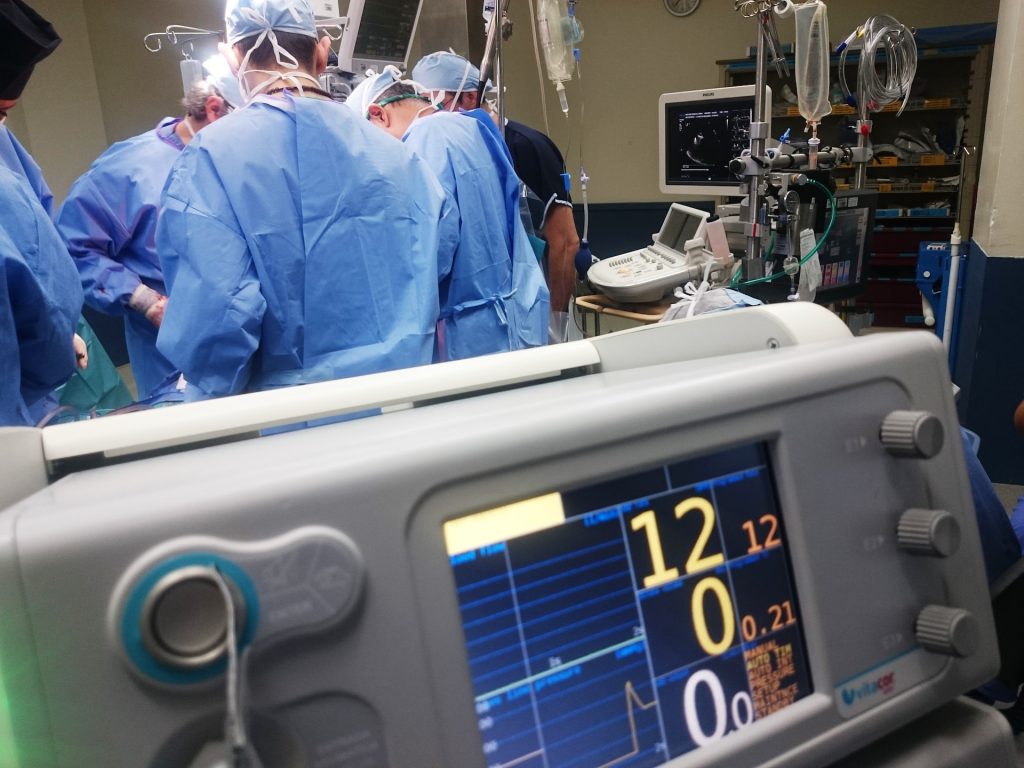
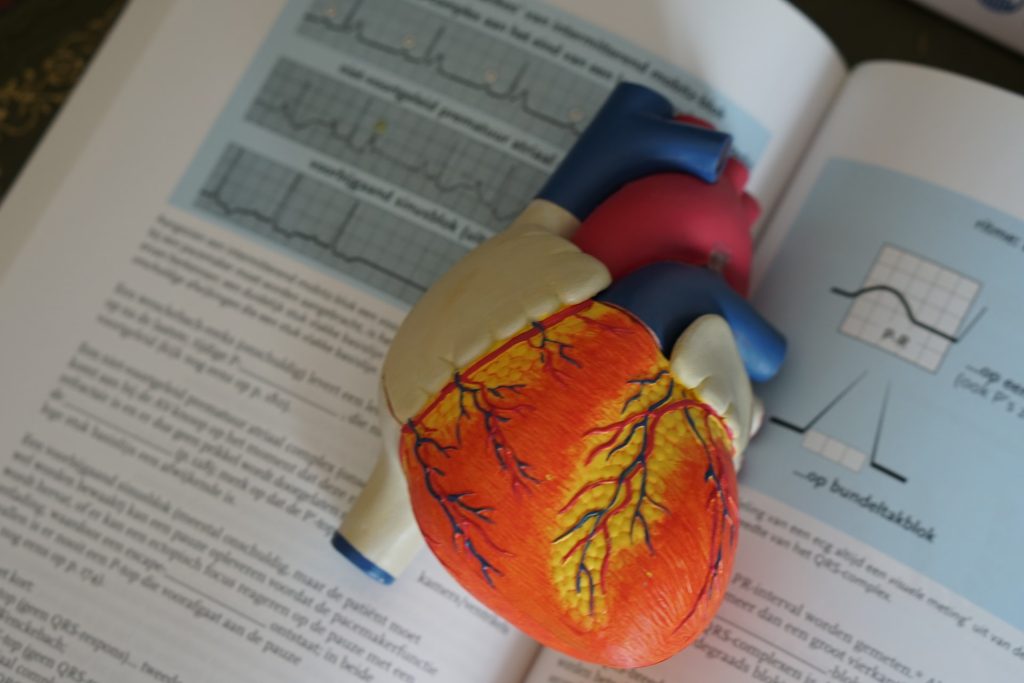
Photo from Olivier Collett on Unsplash

Twenty years ago, clinicians first attempted to regenerate a failing human heart by injecting muscle myoblasts into the heart during a bypass operation. Despite high initial hopes and multiple studies since then, attempts to remuscularise an injured heart have met with little, if any, success.

Yet, there is hope that a therapy will be developed, according to experts in a Journal of the American College of Cardiology state-of-the-art review. The challenge is this: A heart attack kills heart muscle cells, leading to a scar that weakens the heart, often causing eventual heart failure. The lack of muscle repair is due to the very limited ability of mammalian heart muscle cells to proliferate, except during a brief period around birth.

In the review, the experts focus on three topics. First are several recent clinical trials with intriguing results. Second is the current trend of using cell-derived products like exosomes rather than muscle cells to treat the injured heart. For the third topic, authors discuss likely future experiments to replace a myocardial scar with heart muscle cells by ‘turning back the clock’ of the existing cardiomyocytes, rather than trying to inject exogenous cells. These efforts try to reverse the inability of mature mammalian heart muscle cells to proliferate.

Clinical trials
One of the clinical trials reviewed involved giving cardiosphere-derived cells to patients with Duchenne muscular dystrophy, which affects both heart and skeletal muscles.

Cardiosphere-derived cells are a type of heart stromal/progenitor cell that has potent immunomodulatory, antifibrotic and regenerative activity in both diseased hearts and skeletal muscle. The HOPE-2 trial gave repeated intravenous doses of cardiosphere-derived cells to patients with advanced Duchenne disease, most of whom were unable to walk. Preliminary results showed safety, as well as major improvements in heart parameters such as left ventricle ejection fraction and reduced left ventricle size.

The HOPE-2 trial evaluated a repeated sequential dosing regimen of cell therapy for any cardiac indication, evaluated intravenous cardiosphere-derived administration, and clinically benefitted Duchenne patients.

Two features of the trial may bode well: a move away from invasive cardiac-targeted cell delivery and toward easily administered intravenous cell delivery, and the use of sequential repeated cell doses.

Cell-derived products
Few cells transplanted into the heart survive, though some functional benefits in heart performance have been seen despite physical clearance of grafted cells. It could be possible that the cells were acting not as replacements but rather boosters of endogenous repair pathways through the release of a wide array of tissue-repairing biomolecules.
This led to investigation of using cell-derived products rather than transplanting cells. Most of these biomolecules – proteins and non-coding nucleic acids – are enclosed in tiny vesicles that cells release naturally. When the vesicles, including exosomes, merge into recipient cells, the biomolecules can modulate signaling pathways. Using vesicles or exosomes involves a simpler manufacturing process compared with live cells, the ability to control quality and potency, and being able to refrigerate the vesicles to make administration simpler.

An alternative approach to the vesicle cell-derived products was the finding that injected stem cells can promote cardiac repair through release of biologically active molecules acting as short-range, paracrine hormones. These molecules are distinct from the biomolecules in vesicles or exosomes.

However, before use of any of these cell-derived products for heart repair in early trials, the reviewers say, more experiments are needed in purification of the products, potential modes of delivery and the suitability of repeated doses.

Proliferation of endogenous heart cells
The final review topic looked ahead toward endogenous generation of cardiomyocytes – in other words, forcing existing native cardiomyocytes to divide, or other cells to become cardiomyocytes.

Pigs can regenerate heart muscle for only a few days after birth. But in one remarkable study, researchers injured the heart by removing part of the apex of the left ventricle one day after birth, and then induced heart attack 28 days after birth. Control pigs without the Day 1 resection showed no repair of heart attack damage at Day 56. In contrast, the pigs that had a resection one day after birth, and then had experimental heart attacks at Day 28, showed heart repair by Day 56 – notably an absence of dead heart muscle, known as an infarction. Furthermore, these pigs had more cardiomyocytes throughout their left ventricles.

This study showed that heart muscle cells in large mammals can be induced to proliferate and regenerate by inducing a heart injury at Day 1 to extend the neonatal regneration window. “If this cardiomyocyte cell-cycle activation can be activated in neonates, the same signaling pathways may be activated in adults as well,” the authors wrote, “which is highly impactful and significant.”

Another possible approach to endogenous generation is the direct programming of cardiac fibroblasts into cardiomyocytes. Inducing proliferation of cardiomyocytes will also need ways to promote growth of heart blood vessels to supply the new cardiomyocytes.

In conclusion, the authors believe that short-term approaches to clinical trials of post heart-attack therapies will use cells like cardiospheres or cell products. The longer-term approach, the reviewers said, will target “a more direct remuscularisation of the injured left ventricle by ‘turning back the clock’ of the cardiomyocyte cell-cycle or generating new cardiomyocytes from other cell types such as fibroblasts.”

“However, the efficiency and safety of these strategies, particularly their ability to generate cardiomyocytes seamlessly coupled with their native counterparts and to allow a regulation of these induced proliferative events preventing an uncontrolled and harmful cardiac growth, still need to be appropriately addressed before moving to clinical applications.”

Source: University of Alabama at Birmingham

Parental History Not The Only Premature Heart Attack Risk

Image source: Unsplash CC0

A new study has shown that, while parental history is a contributing factor, young heart attack victims are more likely to be smokers, obese, and have high blood pressure or diabetes compared to their peers.

“The findings underline the importance of preventing smoking and overweight in children and adolescents in order to reduce the likelihood of heart disease later in life,” said study author Professor Harm Wienbergen of the Bremen Institute for Heart and Circulation Research.

“Understanding the reasons for heart attacks in young adults is important from a societal perspective due to their employment and family responsibilities,” he continued. “However, there are limited data on the predictors of heart events in this group.”

The researchers compared the clinical characteristics of consecutive patients admitted to hospital with acute myocardial infarction at 45 years of age or younger against randomly selected individuals from the German population. Cases and controls were matched according to age and gender. The case-control study enrolled a total of 522 patients with 1191 matched controls from a national database.

The researchers found that the proportion of active smokers was more than three-fold higher in the young heart attack group compared to the general population (82.4% vs 24.1%). Patients were more likely to have high blood pressure (25.1% vs 0.5%), diabetes (11.7% vs 1.7%) and a parental history of premature heart attack (27.6% vs 8.1%) compared to their peers. Patients were more often obese, with a median body mass index (BMI) of 28.4 kg/m2 compared to 25.5 kg/m2 for controls. In contrast, the proportion consuming alcohol at least four times a week was higher in the general population (11.2%) compared to heart patients (7.1%).

The researchers analysed the independent risk factors for the occurrence of acute myocardial infarction at 45 years of age or younger. The analysis was adjusted for age, sex, high blood pressure, diabetes, active smoking, body mass index, alcohol consumption, years of school education, and birth in Germany.

Hypertension was associated with an 85-fold odds of a heart attack aged 45 or under. The corresponding odds of a premature heart attack associated with active smoking, diabetes mellitus, parental history and obesity (BMI 30 kg/m2 or above) were 12, 5, 3 and 2. Alcohol consumption was associated with a lower odds of heart attack at a young age with an odds ratio of 0.3.

Prof Wienbergen said: “Our study shows that smoking and metabolic factors, such as hypertension, diabetes and obesity, are strongly associated with an increased likelihood of premature acute myocardial infarction. A protective effect of moderate alcohol consumption has been described by other studies and is confirmed in the present analysis of young patients.”

He concluded: “Our study suggests that family history is not the only predisposing factor for early heart attacks. The findings add impetus to the argument that young people should be educated about why it is important to avoid smoking and have a healthy body weight.”

Source: European Society of Cardiology

A Treatment for Heart Attack from Spider Venom

Photo by Adrián Valverde on Unsplash

A protein found in the venom of one of the world’s deadliest spiders has been shown to preserve heart cells, and could be developed into a potentially life-saving treatment for heart attack victims.

A drug candidate developed from a molecule found in the venom of the Fraser Island (K’gari) funnel web spider can prevent damage caused by a heart attack and extend the life of donor hearts used for organ transplants. This would not be the first investigation into a clinical application for spider venom, however. Tarantula spider venom has also been investigated as a potent anaesthetic.

The discovery was made by a team led by Dr Nathan Palpant and Professor Glenn King from The University of Queensland (UQ) and Professor Peter Macdonald from the Victor Chang Cardiac Research Institute.

Dr Palpant, from UQ’s Institute for Molecular Bioscience (IMB), said the drug candidate worked by stopping a ‘death signal’ sent from the heart in the wake of an attack.

“After a heart attack, blood flow to the heart is reduced, resulting in a lack of oxygen to heart muscle,” Dr Palpant said. “The lack of oxygen causes the cell environment to become acidic, which combine to send a message for heart cells to die.

“Despite decades of research, no one has been able to develop a drug that stops this death signal in heart cells, which is one of the reasons why heart disease continues to be the leading cause of death in the world.”

Using beating human heart cells exposed to heart attack stresses, Dr Palpant tested the drug candidate, a protein called Hi1a, to see if the drug improved the cells’ survival.

“The Hi1a protein from spider venom blocks acid-sensing ion channels in the heart, so the death message is blocked, cell death is reduced, and we see improved heart cell survival.”

At present, there are no drugs in clinical use that prevent the damage caused by heart attacks.

Professor Macdonald of Victor Chang Cardiac Research Institute said that this incredible result had been decades in the making.

“This will not only help the hundreds of thousands of people who have a heart attack every year around the world, it could also increase the number and quality of donor hearts, which will give hope to those waiting on the transplant list,” said Professor MacDonald, who is also a senior cardiologist at St Vincent’s Hospital in Sydney.

“The survival of heart cells is vital in heart transplants — treating hearts with Hi1a and reducing cell death will increase how far the heart can be transported and improve the likelihood of a successful transplant,” added Prof MacDonald. “Usually, if the donor heart has stopped beating for more than 30 minutes before retrieval, the heart can’t be used — even if we can buy an extra 10 minutes, that could make the difference between someone having a heart and someone missing out. For people who are literally on death’s door, this could be life-changing.”

The discovery builds on earlier work by Professor King, who identified a small protein in the venom of the Fraser Island (K’gari) funnel-web spider that was shown to markedly improve recovery from stroke.

“We discovered this small protein, Hi1a, amazingly reduces damage to the brain even when it is given up to eight hours after stroke onset,” Professor King said.

“It made sense to also test Hi1a on heart cells, because like the brain, the heart is one of the most sensitive organs in the body to the loss of blood flow and lack of oxygen.

“For heart attack victims, our vision for the future is that Hi1a could be administered by first responders in the ambulance, which would really change the health outcomes of heart disease.”

“This is particularly important in rural and remote parts of Australia where patients and treating hospitals can be long distances apart — and when every second counts.”

Also, this could help for the transfer of donor hearts for cardiac transplantation — allowing these donor hearts to be transported over longer distances and therefore increasing the network of available donors and recipients.

The protein has been tested in human heart cells, and the team are aiming for human clinical trials for both stroke and heart disease within 2-3 years.

Source: ScienceDaily

Journal information: Meredith A. Redd, et al. Therapeutic Inhibition of Acid Sensing Ion Channel 1a Recovers Heart Function After Ischemia-Reperfusion Injury. Circulation, 2021; DOI: 10.1161/CIRCULATIONAHA.121.054360

Drop in Heart Attacks Linked to COVID Pandemic

Photo by camilo jimenez on Unsplash

A sharp drop in heart attacks in Finland last year seems to be a result of the COVID pandemic, doctors believe.

Cardiologist Mika Laine noticed a roughly 30 per cent reduction in the number of patients suffering myocardial infarction at Helsinki University Central Hospital in April and May 2020. But what was even more surprising was that this was not an isolated occurrence.

“When we started to study this further, we noticed that exactly the same phenomenon happened everywhere else in Finland and also in other countries in Europe and in the United States. So it was a kind of global phenomenon that happened during the COVID pandemic,” he told Euronews.

What was behind the drop?

Dr Laine is of the opinion that the fall in heart attack patient numbers results from changes made in response to the COVID outbreak.

“We have the exact same genes that we had a year ago, two years ago. So it has to be something in the environment that has changed,” he said. One major factor could be the massive global shift to remote working for many people, as a result of the lockdowns.

“People are at home, they are less stressed because they don’t need to go through morning traffic, hurry to work and so forth,” Dr Laine added.

EU Science Hub data shows that even before the pandemic, Finns worked remotely more than almost any other EU country. Last May, EU labour research body Eurofound revealed that Finnish workers made the fastest switch to teleworking in the EU, with nearly 60 per cent switching over.

“We also see this decrease in those people who are retired, who don’t go to work, so it cannot be just because you’re commuting,” said Dr Laine.
He however cautioned that there could be other factors behind the fall in heart attack patients.

Was there a real fall in heart attacks in 2020?

“We know that many people stopped smoking because smoking was associated with severe COVID mortality,” he said.

Better air quality in urban areas as a result of the lockdown could be another cause, Laine said, since airborne particles are known to be a risk factor for heart disease.

However not all are convinced that the pandemic had a positive impact on patients with all types of heart conditions.

Research published in the Journal of the American College of Cardiology in January found that, during the early phase of the pandemic, deaths due to ischaemic heart disease and hypertensive diseases increased in some parts of the US. Some patients may have died as a result of avoiding hospital visits due to infection fears, the researchers noted. 

A temporary or permanent effect?

With Finland, however,Dr Laine believes that was not the case.

“We haven’t seen any increase in mortality in cardiac diseases and so currently we think that it’s a true decrease in the number of cases and not because patients are not seeking help,” he said. “People were not dying at home to myocardial infarction”.

According to Dr Laine, the number of heart attack patients in Finland remains about 5 per cent lower than average, despite the easing of COVID restrictions.

“I think this is a typical example that environmental factors can have profound effects on myocardial infarction. And I think it’s motivating us to change our lifestyle healthier,” Dr Laine said.

Source: EuroNews

Averting Heart Failure by Shutting Down a Heart Protein

Photo from Olivier Collett on Unsplash

Shutting down a protein found in cardiac muscle could be a new mechanism to treat post-heart attack heart failure, according to research led by the University of Cambridge.

New drugs are needed to improve the heart’s pumping ability after damage from a heart attack. Drugs that strengthen the contraction of failing heart muscle have been deemed unsafe, leaving a gap in the heart attack and heart failure armamentarium.

Researchers now believe that they might have identified a new drug target—a protein called MARK4.

In research funded by the British Heart Foundation (BHF), Cambridge scientists found levels of MARK4 were elevated in mouse hearts after a heart attack. When they compared mice with and without MARK4 in the heart, they found hearts lacking the protein pumped blood 57% more efficiently. This protective effect was seen 24 hours after a heart attack and persisted over the entire follow-up period of four weeks.

The team was first in identifying that MARK4 fine-tunes a structural network within the heart muscle cell—called the microtubule network—that attaches to the machinery governing heart muscle cells contraction and relaxation. When MARK4 levels were increased after a heart attack, microtubules were tightly anchored onto the contractile machinery in the heart, increasing resistance and hindering normal function. When MARK4 levels were reduced, microtubules were loosely anchored, making contraction and relaxation easier.

Following a heart attack the speed of contraction in MARK4-lacking muscle cells increased by 42 percent and the speed of relaxation increased by 47 percent, compared to muscle cells from mice that had the MARK4 protein. They were also almost on par with healthy heart muscle performance, attesting to the power of reducing MARK4.

Based on these findings, the researchers suggested that drugs to switch off MARK4 could be a new way to improve recovery and help the heart to pump blood more efficiently in people with failing hearts.

Dr Xuan Li, BHF Intermediate Research Fellow at University of Cambridge BHF Centre of Research Excellence, said: “After years of research we’ve revealed an entirely new and promising way that could help the recovery of failing hearts.

“It’s early days, and we now need to test the longer-term effects of switching off MARK4. But if drugs to do that prove successful, the life-changing benefits could be seen in people with other types of heart disease as well as those who’ve had a heart attack and developed heart failure.”

Professor Metin Avkiran, Associate Medical Director at the British Heart Foundation, said: “Heart attacks are a major cause of disability worldwide—people who’ve had a major heart attack are at much greater risk of developing chronic heart failure. There are around 920 000 people living with heart failure in the UK, and we desperately need drugs to drastically improve the heart’s function in these patients.

“These findings are a positive step forward. Further research is needed to refine and test drugs that can target MARK4 before we’ll see them given to people who’ve had a heart attack and develop heart failure.”

Source: University of Cambridge

Manganese Sharpens MRI Scans of Heart Attacks

Clinician prepares an MRI scanner. Image by Michal Jarmoluk from Pixabay

Manganese, a common trace mineral, could improve MRI scans of hearts after a heart attack and guide therapy, according to a new study.

By far the most widely used contrast agent for MRI is gadolinium, which improves the visibility of different organs and tissue types in MRI scans. However, it is taken up equally by cells regardless of their activity, and spreads out in damaged tissue. Furthermore, there are also extremely rare instances of serious kidney damage from its use. 

Manganese, besides being less toxic, has a useful property in that it competes with calcium uptake. Calcium handling is highly sensitive to altered heart muscle viability and changes rapidly after damage. Manganese ions enter heart muscle cells through calcium channels, and thus give a useful surrogate for heart tissue viability.

The contrast agent was tested first in vitro with heart muscle cells, and then in mice which had a myocardial infarction (heart attack) induced. The manganese contrast agent was administered with a calcium supplement or administered slowly to negate the effects of manganese interfering with the heart’s calcium channel. Findings were evaluated by examining the infarct size and blood supply at three key intervals: one hour, one day and 14 days after a myocardial infarction was induced. Overall, the manganese contrast agent was superior to gadolinium.

These findings could have major implications for heart attack treatment, if confirmed. They could also be greatly useful in preclinical evaluation of treatments for patients with cardiac ischaemia – where blood supply to the heart muscle is reduced, possibly leading to cardiac arrest.

Furthermore, if manganese-enhanced MRI is performed within the first few hours of a heart attack it could be used to determine the optimal treatment regime for individual patients – helping to regulate changes in the cardiac muscle and thereby further improving survival chances. 

“Magnetic resonance imaging (MRI) is increasingly used to diagnose and give information on heart conditions,” said lead researcher Dr Patrizia Camelliti, Senior Lecturer in Cardiovascular Science, University of Surrey. “This research using mice allows us to measure the health status of the heart muscle rapidly after a heart attack and could provide important information for optimizing treatments in patients.”

Source: News-Medical.Net

Journal reference: Jasmin, N.H., et al. (2021) Myocardial Viability Imaging using Manganese‐Enhanced MRI in the First Hours after Myocardial Infarction. Advanced Science. doi.org/10.1002/advs.202003987.

Recurrence Risk of Heart Attack is Increased by Long Hours

Photo of neon-lit heart by Leon Collett, via Unsplash.

For heart attack survivors, the risk of recurrent coronary heart disease is increased by working long hours.

Heart attack survivors who working 55+ hours per week were at higher risk of recurrent coronary heart disease (CHD) events (ie, myocardial infarction [MI] or unstable angina) over 6 years compared with people working a more standard 35-40 hours a week (adjusted HR 1.67). This included adjustment for sociodemographics, lifestyle-related risk factors, clinical risk factors, work environment factors, and personality factors.

“These results showed a linear risk increase after 40 h/week and a stronger effect after the first 4 years of follow-up and when long working hours are combined with job strain,” wrote Xavier Trudel, PhD, of CHU de Québec-Laval University Research Centre in Quebec City, and colleagues. 
The researchers suggested secondary interventions in curbing working hours among patients at risk of CHD recurrence.

In an accompanying editorial, Jian Li, MD, PhD, of UCLA, and Johannes Siegrist, PhD, of Heinrich-Heine-University, concurred: A “short standardized assessment of working time and stressful working conditions among economically active cardiac patients would enrich physicians’ awareness of patients’ needs and inform medical decision making.”

“With the transformation of the modern work due to technological advances and economic globalisation, an increase in work load and an extension of irregular, nonstandard forms of employment, including working from home, were reported, aggravating the control and prevention of long working hours,” Drs Li and Siegrist wrote.

They urged cardiac rehabilitation programmes to offer “training skills of coping with stressful demands and of strengthening resilience and relaxation” and involving occupational health services to develop return-to-work plans.

When cardiac disease patients return to work, their workplaces will need to adopt tailored, programs to retain the workers and manage disease, Drs Li and Siegrist added.

The prospective cohort study included 967 MI survivors under age 60, of whom 205 had a recurrent CHD event over follow-up averaging 5.9 years.Men and people in their 40s and 50s were most likely to be working long hours after an MI. Job strain, defined as a combination of high psychological demands and low decision latitude at work, was measured with a questionnaire.

Work hours for each participant were assessed only once, at about 6 weeks after returning to work. “Some patients could have changed exposure during follow-up, leading to potential nondifferential misclassification and to an underestimation of the true effect,” Trudel’s group acknowledged.

The observational study was limited by only one tenth of participants being women, limiting generalisability, and by unknown confounding variables.

“In conclusion, the study by Trudel et al. provides a new piece of research evidence that work-related factors play an important role in CHD prognosis,” Drs Li and Siegrist wrote. “Occupational health services are urgently needed to be incorporated into cardiac rehabilitation programs and secondary prevention of CHD.”

Source: MedPage Today

Journal article information: Trudel X, et al “Long working hours and risk of recurrent coronary events” J Am Coll Cardiol 2021; DOI: 10.1016/j.jacc.2021.02.012.

Editorial information: Li J, Siegrist J “Occupational risks of recurrent coronary heart disease” J Am Coll Cardiol 2021; DOI: 10.1016/j.jacc.2021.02.020.