Tag: mental health

Encouraging News for Migraine Sufferers
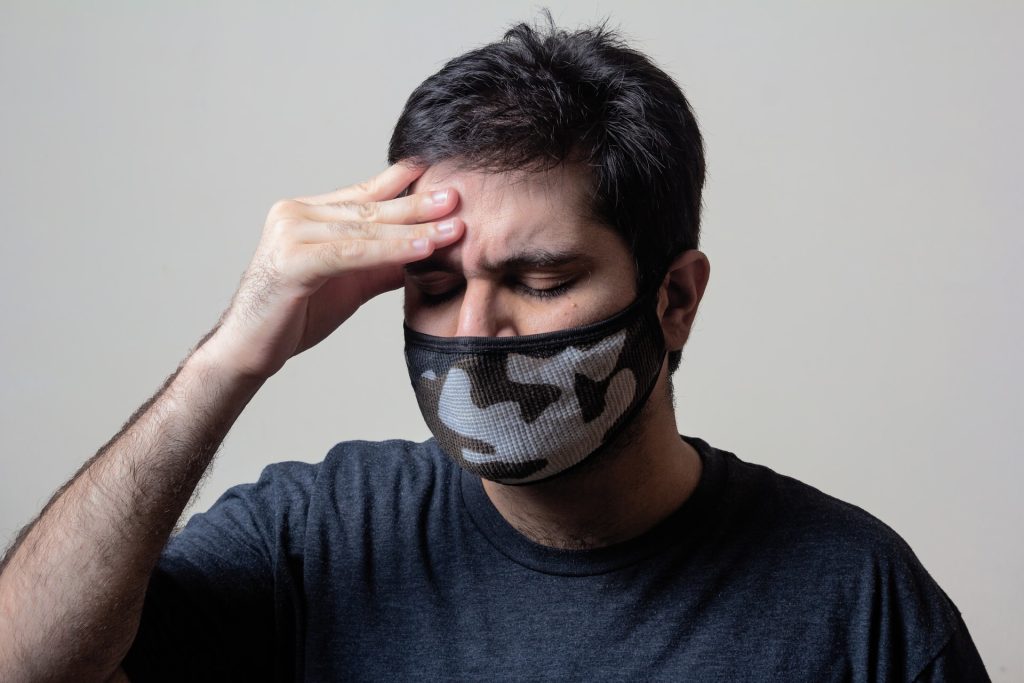
Photo by Usman Yousaf on Unsplash

According to a new study from the University of Toronto, 63% of Canadians who suffer from migraine headaches are able to flourish, despite the painful condition.

“This research provides a very hopeful message for individuals struggling with migraines, their families and health professionals. The findings of our study have contributed to a major paradigm shift for me. There are important lessons to be learned from those who are flourishing,” said lead author Esme Fuller-Thomson, Professor at both the Factor-Inwentash Faculty of Social Work and the Department of Family & Community Medicine, University of Toronto.

Over the past decade, Prof Fuller-Thomson has published on negative mental health outcomes associated with migraines, including suicide attempts, anxiety disorders and depression.

Migraine is a complex,   genetically influenced disorder characterised by episodes of moderate-to-severe headache, usually unilateral and associated with nausea and increased sensitivity to light and sound. A migraine headache is the seventh most disabling disorder in the world. However, there is little research investigating factors associated with mental health and well-being among sufferers.

The University of Toronto study investigated optimal mental health in a nationally representative sample of 2186 Canadian adults diagnosed with migraines. The data were drawn from Statistics Canada’s Canadian Community Health Survey-Mental Health. To be defined in excellent mental health, respondents had to achieve three things: 1) almost daily happiness or life satisfaction in the past month, 2) high levels of social and psychological well-being in the past month, and 3) freedom from generalised anxiety disorder and depressive disorders, suicidal thoughts and substance dependence for at least the preceding full year.

“We were so encouraged to learn that more than three in every five migraineurs were in excellent mental health and had very high levels of well-being,” said Prof Fuller-Thomson.

Those experiencing migraines who had at least one person they could confide in were four times more likely to be in excellent mental health than those without. Additionally, those using religious or spiritual beliefs to cope with everyday difficulties had 86% higher odds of excellent mental health than those who did not use spiritual coping. Poor physical health, functional limitations, and a history of depression were also found to inhibit excellent mental health among those with migraines.

“Health professionals who are treating individuals with migraines need to consider their patients’ physical health needs and possible social isolation in their treatment plans” said co-author Marta Sadkowski, a recent nursing graduate from the University of Toronto.

Source: EurekaAlert!

Journal reference: Fuller-Thomson, E & Sadkowski, M., (2021) Flourishing Despite Migraines: A Nationally Representative Portrait of Resilience and Mental Health among Canadians. Annals of Headache Medicine. doi.org/10.30756/ahmj.2021.05.02.

Possible Cannabis Link to Suicidality in Young Adults

Photo by Wesley Gibbs on Unsplash

Cannabis use among young adults was associated with increased risks of thoughts of suicide (suicidal ideation), suicide plan, and suicide attempt, according to a population analysis.

These associations remained regardless of whether someone was also experiencing depression, and the risks were greater for women than for men. The study was conducted by researchers at the National Institute on Drug Abuse (NIDA), part of the National Institutes of Health.

“While we cannot establish that cannabis use caused the increased suicidality we observed in this study, these associations warrant further research, especially given the great burden of suicide on young adults,” said senior author NIDA Director Nora Volkow, MD. “As we better understand the relationship between cannabis use, depression, and suicidality, clinicians will be able to provide better guidance and care to patients.”

The number of cannabis-using adults in the US more than doubled from 22.6 million in 2008 to 45.0 million in 2019. Over the same period the number of adults with depression also increased, as did those reported suicidal ideation or who committed suicide. However the link between cannabis and suicidality is not well understood. 

Setting out to address, NIDA researchers examined data from the 2008-2019 National Surveys on Drug Use and Health (NSDUH). NSDUH collects nationally representative data among the US civilian population age 12 or older on cannabis use and use disorder, depression, suicidality, and other behavioural health indicators. In addition to determining the associations between these factors, the researchers examined whether the associations varied by gender. They examined data from 281 650 young adults ages 18 to 35 years, the age range where most mood and substance use disorders emerge.

Four levels of past-year cannabis use were compared: no cannabis use; nondaily cannabis use; daily cannabis use (use on at least 300 days per year); and presence of cannabis use disorder, assessed on specific criteria for a pattern of continued cannabis misuse. The prevalence of major depressive episodes based on specific diagnostic criteria measured through the survey was used to measure depression. To identify suicidality trends, the tean separately assessed the trends in the prevalence of past-year suicidal ideation, plan, and attempt as reported in the 2008-2019 NSDUH surveys.

The study found that even nondaily cannabis users were more likely to have suicidal ideation and to plan or attempt suicide than complete non-users. These associations remained regardless of comorbid depression. In people without a major depressive episode, about 3% of those who did not use cannabis had suicidal ideation, compared with about 7% of those with nondaily cannabis use, about 9% of those with daily cannabis use, and 14% of those with a cannabis use disorder. In people with depression, 35% of non-users had suicidal ideation, compared to 44% of nondaily cannabis users, 53% of daily cannabis users, and 50% of those with cannabis use disorder. Similar trends existed for the associations between different levels of cannabis use and suicide plan or attempt.

Additionally, the researchers found that women with any cannabis use were more likely to have suicidal ideation or report a suicide plan or attempt than men with the same levels of cannabis use. For example, among individuals without major depressive episode, the prevalence of suicidal ideation for those with vs without a cannabis use disorder was 13.9% vs. 3.5% among women and 9.9% vs. 3.0% among men. In individuals with both cannabis use disorder and major depressive episode, the prevalence of past-year suicide plan was 52% higher for women (23.7%) than men (15.6%).

“Suicide is a leading cause of death among young adults in the United States, and the findings of this study offer important information that may help us reduce this risk,” explained lead author Beth Han, MD. PhD, MPH, from NIDA. “Depression and cannabis use disorder are treatable conditions, and cannabis use can be modified. Through better understanding the associations of different risk factors for suicidality, we hope to offer new targets for prevention and intervention in individuals that we know may be at high-risk. These findings also underscore the importance of tailoring interventions in a way that take sex and gender into account.”

Source: National Institutes of Health

Heat Waves Increase Aggression in Mental Health Wards

Photo by Mary Taylor from Pexels

According to a new study from Germany, heatwaves may increase aggressive patient behaviour in mental health wards.

Studies have shown an association between increased temperature and the incidence of violent crimes, accounting for about 10% of the variance in one study in Finland. This effect has also been seen within the context of American Football games, with more penalties for aggressive behaviour given for visiting teams on hotter days.

Researchers from ZfP Südwürttemberg and Ulm University in Germany drew on local weather data and incident reporting data to examine the impact of hot weather on mental health inpatient wards.

They discovered that there were an average of 15% more aggressive incidents on days over 30°C (9.7 per day) compared to days under 30°C (8.4 per day).

A clear relationship was also seen between the temperature of hot days (those over 30°C) and the number of aggressive incidents. As the temperature increased, the higher the rate of incidents, which reached a peak of 11.1 on the very hottest days (over 33.5°C).

The findings suggest that temperature is the cause of the increase in incidents, rather than another factor. No equivalent correlation was found between temperature on hot days and the use of restrictive practices by hospital staff.

Staff recorded aggressive incidents according to a standardised protocol, documenting the nature of the aggression (eg physical, verbal), the target (eg staff, patients), the impact and any subsequent measures taken.

The data for the study came from six German mental health hospitals and covered 13 years (2007-2019), 1007 beds and 164 435 admissions. Over this period, there were a total of 207 days over 30°C. All six hospitals were built according to modern building standards, but all lacked air-conditioning.

Lead author Dr Hans Knoblauch said: “The climate emergency means that many areas of the world could experience significantly more hot weather in the future.

“While more research into the mental health consequences is needed, these findings could have practical implications for mental healthcare, particularly around hospital design and architecture.”

His colleague, Professor Tilman Steinert, from Ulm University, commented: “These findings highlight an underappreciated impact of the climate emergency on mental health services. Increased aggression is an indicator of increased distress and an environment that is failing to help patients recover.

“Urgent action is now needed, to replicate the findings of this study using more measurements within mental health hospitals, to invest in those hospitals, and to tackle the climate crisis. Mental health patients deserve better.”

Source: EurekaAlert!

Journal information: Frank Eisele et al, Aggressive incidents in psychiatric hospitals on heat days, BJPsych Open (2021). DOI: 10.1192/bjo.2021.33

Spotting Self-harming Risk for Adolescents a Decade in Advance

Photo by Andrew Neel on Unsplash

Researchers have revealed two subgroups of self-harming adolescents and have shown that those self-harming risk can be identified almost a decade before they begin self-harming.

The team, based at the MRC Cognition and Brain Sciences Unit, University of Cambridge, found that while sleep problems and low self-esteem were common risk factors, there were two distinct profiles of young people who self-harm – one with emotional and behavioural difficulties and a second group with different risk factors.

Between one in five and one in seven adolescents in England self-harms, such as by cutting themselves. Though self-harm is a significant risk factor for later suicide attempts, many do not plan suicide but face other harmful outcomes, including repeatedly self-harming, poor mental health, and risky behaviours like substance abuse. 

Despite its prevalence and lifelong consequences, there has been little progress in the accurate prediction of self-harm, and until recently, little research in the area.

Drawing from a nationally representative UK birth cohort of approximately 11 000 individuals, the Cambridge team picked out adolescents who reported self-harm at age 14. With machine learning analysis, they were able to establish profiles of self-harming young people, with different emotional and behavioural characteristics. This information enabled them to identify risk factors present in early and middle childhood. 

Since the data tracked the participants over time, the researchers could distinguish factors that appear at the same time reported self-harm, such as low self-esteem, from those that came before it, such as bullying.

The analysis showed that there were two distinct subgroups among young people who self-harm, with significant risk factors manifesting as early as age five, almost a decade before self-harming. Both groups were likely to experience sleep difficulties and low self-esteem reported at age 14, but other risk factors differed between the two groups.

The first group tended to have a long history of poor mental health, as well as bullying before self-harming. Their caregivers were also more likely to have their own mental health issues.

With the second group, however, self-harming was harder to predict early in childhood. One of the key signs was a greater willingness to take part in risk-taking behaviour, linked to impulsivity. Research suggests that these tendencies may make the individuals less likely to consider alternatives to self-harm. Relationship factors with their peers were also important for this subgroup, including feeling less secure with friends and family at age 14 and worrying more about the feelings of others as a risk factor at age 11.

First author Stepheni Uh, a Gates Cambridge Scholar, explained: “Self-harm is a significant problem among adolescents, so it’s vital that we understand the nuanced nature of self-harm, especially in terms of the different profiles of young people who self-harm and their potentially different risk factors.

“We found two distinct subgroups of young people who self-harm. The first was much as expected – young people who experience symptoms of depression and low self-esteem, face problems with their families and friends, and are bullied. The second, much larger group was much more surprising as they don’t show the usual traits that are associated with those who self-harm.”

The findings suggest the possibility of predicting who is most at risk of self-harm up to a decade in advance, creating a window of opportunity for intervention.

Principal investigator Dr Duncan Astle said: “The current approach to supporting mental health in young people is to wait until problems escalate. Instead, we need a much better evidence base so we can identify who is at most risk of mental health difficulties in the future, and why. This offers us the opportunity to be proactive, and minimise difficulties before they start.

“Our results suggest that boosting younger children’s self-esteem, making sure that schools implement anti-bullying measures, and providing advice on sleep training, could all help reduce self-harm levels years later.

“Our research gives us potential ways of helping this newly-identified second subgroup. Given that they experience difficulties with their peers and are more willing to engage in risky behaviours, then providing access to self-help and problem-solving or conflict regulation programmes may be effective.”

Source: University of Cambridge

Journal information: Uh, S et al. Two pathways to self-harm in adolescence. Journal of the American Academy of Child and Adolescent Psychiatry; DOI: 10.1016/j.jaac.2021.03.010

WHO Releases New Guidelines on Community-based Mental Healthcare

Photo by Sydney Sims on Unsplash

The World Health Organization has released new guidance that aims to put an end to abuse of people in psychiatric care by embracing community-based mental healthcare.

Around the world, most mental health care continues to be provided in psychiatric hospitals, and human rights abuses and coercive practices remain widespread. But providing community-based mental health care that is both respectful of human rights and focused on recovery is proving successful and cost-effective, according to new guidance released today by the World Health Organization.

The Life Esidimeni tragedy highlights the importance of providing adequate care to mental health patients. Mental health care recommended in the new guidance should be located in the community, and which also supports day-to-day living, such as facilitating access to accommodation and links with education and employment services.

WHO’s new “Guidance on community mental health services: promoting person-centred and rights-based approaches” further affirms that mental health care must be grounded in a human rights-based approach, as recommended by the WHO Comprehensive Mental Health Action Plan 2020-2030 endorsed by the World Health Assembly in May 2021.

Faster transition needed
“This comprehensive new guidance provides a strong argument for a much faster transition from mental health services that use coercion and focus almost exclusively on the use of medication to manage symptoms of mental health conditions, to a more holistic approach that takes into account the specific circumstances and wishes of the individual and offers a variety of approaches for treatment and support,” said Dr Michelle Funk of the Department of Mental Health and Substance Use, who led the development of the guidance.

A growing number of countries are seeking to reform their laws, policies and services related to mental health care since the adoption of the Convention on the Rights of Persons with Disabilities (CRPD) in 2006, But few countries have so far set down the necessary frameworks to meet the far-reaching changes required by international human rights standards. Severe human rights abuses and coercive practices are still far too common in countries of all income levels. Examples of these include forced admission and forced treatment; manual, physical and chemical restraint; unsanitary living conditions; and physical and verbal abuse.

Governments spend less than 2% of their health budgets on mental health, according to WHO’s latest estimates and most mental health expenditure is allocated to psychiatric hospitals, save for high-income countries where the figure is around 43%.

The new guidance, mainly aimed at people responsible for organising and managing mental health care, presents details of what is required in areas such as mental health law, policy and strategy, service delivery, financing, workforce development and civil society participation for mental health services to achieve compliance with the CRPD.

It includes examples from countries which have community-based mental health services that have shown good practices in respect of non-coercive practices, community inclusion, and respect of people’s legal capacity (ie the right to make decisions about their treatment and life).

The required services include crisis support, mental health services provided within general hospitals, outreach services, supported living approaches and support provided by peer groups. Information about financing and results of evaluations of the services presented are included. The report include cost comparisons which show that the featured community-based services produce good outcomes, are preferred by service users and cost about the same as standard mental care services.

“Transformation of mental health service provision must, however, be accompanied by significant changes in the social sector,” said Gerard Quinn, UN Special Rapporteur on the Rights of Persons with Disabilities. “Until that happens, the discrimination that prevents people with mental health conditions from leading full and productive lives will continue.”

Source: The World Health Organization

Low Doses of Nitrous Oxide can Relieve Stubborn Depression

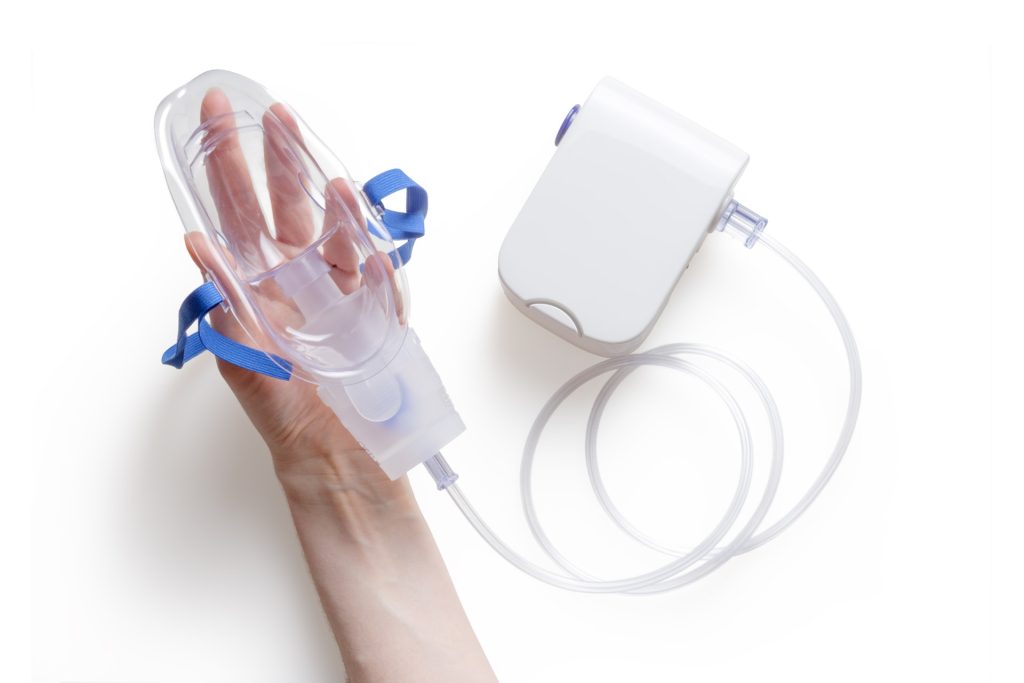
A small dose of nitrous oxide may be able to relive the symptoms of medication-resistant depression. Photo by Mockup Graphics on Unsplash

A new study at the University of Chicago Medicine and Washington University found that inhaling low doses of nitrous oxide gas rapidly relieved symptoms of treatment-resistant depression, with few adverse side effects. They found that this was as effective as higher doses of the gas, with fewer unpleasant side effects.

These findings add to the growing body of evidence of non-traditional treatments that may be a viable option for patients with depression that is unresponsive to typical antidepressant medications. It may also be a fast-acting and effective treatment option for patients in crisis.

Often called ‘laughing gas’, nitrous oxide is widely used as an anaesthetic, providing short-term pain relief in dentistry, emergency response and surgery.

A previous study tested a one-hour inhalation session with 50% nitrous oxide gas, which resulted in rapid improvements in depressive symptoms that lasted for at least 24 hours. However, several patients reported negative side effects, including nausea, vomiting and headaches.

“This investigation was motivated by observations from research on ketamine and depression,” said Peter Nagele, MD, Chair of Anesthesia and Critical Care at UChicago Medicine. “Like nitrous oxide, ketamine is an anaesthetic, and there has been promising work using ketamine at a sub-anesthetic dose for treating depression. We wondered if our past concentration of 50% had been too high. Maybe by lowering the dose, we could find the ‘Goldilocks spot’ that would maximize clinical benefit and minimize negative side effects.”

The new study used a similar protocol with 20 patients, this time adding an additional inhalation session with 25% nitrous oxide. They found that the halved-concentration treatment was nearly as effective as 50% nitrous oxide, but there were only one quarter of the negative side effects.

Additionally, researchers tested the patients’ depression scores following treatment over a longer period of up to two weeks compared to 24 hours in the previous protocol. Surprisingly, they found that after only a single administration, some patients had improvements that lasted for the entire follow-up period.

“The reduction in side effects was unexpected and quite drastic, but even more excitingly, the effects after a single administration lasted for a whole two weeks,” said Dr Nagele. “This has never been shown before. It’s a very cool finding.”

These findings point to nitrous oxide being a promising, rapid and effective treatment for those suffering from severe depression which is unresponsive to the usual medication such as SSRIs.

“A significant percentage — we think around 15% — of people who suffer from depression don’t respond to standard antidepressant treatment,” said Charles Conway, MD, Professor of Psychiatry and Director of the Treatment Resistant Depression and Neurostimulation Clinic at Washington University School of Medicine. “These ‘treatment-resistant depression’ patients often suffer for years, even decades, with life-debilitating depression. We don’t really know why standard treatments don’t work for them, though we suspect that they may have different brain network disruptions than non-resistant depressed patients. Identifying novel treatments, such as nitrous oxide, that target alternative pathways is critical to treating these individuals.”

Despite its ‘laughing gas’ name, patients actually fall asleep after such a low dose.

“They’re not getting high or euphoric, they get sedated,” Dr Nagele said.

Non-traditional treatments for depression faces an uphill battle for acceptance in the mainstream, though researchers hope that the findings from this and similar studies will help open physicians’ minds towards these other possible solutions.

“These have just been pilot studies,” said Dr Nagele. “But we need acceptance by the larger medical community for this to become a treatment that’s actually available to patients in the real world. Most psychiatrists are not familiar with nitrous oxide or how to administer it, so we’ll have to show the community how to deliver this treatment safely and effectively. I think there will be a lot of interest in getting this into clinical practice.”

With broader public acceptance, Dr Nagele hopes that these results help those patients who are struggling to find adequate therapies for their depression.

“There is a huge unmet need,” he said. “There are millions of depressed patients who don’t have good treatment options, especially those who are dealing with suicidality. If we develop effective, rapid treatments that can really help someone navigate their suicidal thinking and come out on the other side — that’s a very gratifying line of research.”

Source: University of Chicago Medical Center

Journal information: P. Nagele et al., “A phase 2 trial of inhaled nitrous oxide for treatment-resistant major depression,” Science Translational Medicine (2021). 

Lifestyle Interventions Reverse the DNA Methylation Ageing ‘Clock’

Source: Pixabay/CC0

The results of a clinical trial showed that appropriate diet and exercise are able, to some extent, to reverse the DNA methylation ageing ‘clock’.

Lead author Kara Fitzgerald, ND IFMCP, at The Institute for Functional Medicine, explained: “Advanced age is the largest risk factor for impaired mental and physical function and many non-communicable diseases including cancer, neurodegeneration, type 2 diabetes, and cardiovascular disease.”

Methylation clocks are based on systematic methylation changes with age. DNAmAge clock specifically demonstrates about 60% of CpG sites losing methylation with age and 40% gaining methylation.

The researchers conducted a randomised controlled clinical trial conducted among 43 healthy adult males between the ages of 50-72. The 8-week treatment programme included diet, sleep, exercise and relaxation guidance, and supplemental probiotics and phytonutrients.

Genome-wide DNA methylation analysis was conducted on saliva samples using the Illumina Methylation Epic Array and DNAmAge was calculated using the online Horvath DNAmAge clock tool.

The researchers found that the diet and lifestyle treatment resulted in a 3.23 years decrease in DNAmAge compared with controls.

With a strong trend to significance, DNAmAge of those in the treatment group decreased by an average 1.96 years by the end of the program compared to those individuals’ baseline.

Nearly a quarter of the DNAmAge CpG sites are located in glucocorticoid response elements, indicating a likely relationship between stress and accelerated ageing. Cumulative lifetime stress has been shown to be linked to accelerated ageing of the methylome.

Other findings include that PTSD contributes to accelerated methylation age; and that greater infant distress is associated with an underdeveloped, younger epigenetic age.

The researchers tentatively accepted the hypothesis that the methylation pattern, from which the DNAmAge clock is computed, is a driver of ageing, thus they expect that attempting to directly influence the DNA methylome using diet and lifestyle to set back DNAmAge should lead to a healthier, more ‘youthful’ metabolism.

The Fitzgerald Research Team concluded, “it may be that emerging ‘omics’ approaches continue to evolve our understanding of biological age prediction and reversal beyond DNA methylation alone. Integration of our future understanding of multi-omics data should therefore be considered in the future trials of candidate age-delaying interventions.”

Source: Aging

Journal information: Fitzgerald, K. N., et al. (2021) Potential reversal of epigenetic age using a diet and lifestyle intervention: a pilot randomized clinical trial. AGING-US. doi.org/10.18632/aging.202913.

Rough Night? Perhaps Skip the Coffee, Study Suggests

Photo by Toa Heftiba on Unsplash

Depending on coffee to get through the day after a night of poor sleep isn’t always the answer, suggests a new study from Michigan State University.

Researchers from MSU’s Sleep and Learning Lab, led by psychology associate professor Kimberly Fenn, assessed the effectiveness of caffeine in counteracting the negative effects of sleep deprivation on cognition. It turned out that caffeine only helps up to a point.

The study assessed the impact of caffeine following a night of sleep deprivation. The study recruited over 275 participants who were asked to complete a simple attention task as well as a more challenging ‘placekeeping’ task where tasks had to be completed in a specific order without skipping or repeating steps.

Asst Prof Fenn’s study is the first to investigate the effect of caffeine on placekeeping after a period of sleep deprivation.

“We found that sleep deprivation impaired performance on both types of tasks and that having caffeine helped people successfully achieve the easier task,”  said Asst Prof Fenn. “However, it had little effect on performance on the placekeeping task for most participants.”

She added: “Caffeine may improve the ability to stay awake and attend to a task, but it doesn’t do much to prevent the sort of procedural errors that can cause things like medical mistakes and car accidents.”

The US population has a pervasive lack of sleep, a problem that has intensified during the pandemic, Asst Prof Fenn said. Having inadequated sleep impacts not only cognition and mood, but can eventually weaken immunity.

“Caffeine increases energy, reduces sleepiness and can even improve mood, but it absolutely does not replace a full night of sleep, Fenn said. “Although people may feel as if they can combat sleep deprivation with caffeine, their performance on higher-level tasks will likely still be impaired. This is one of the reasons why sleep deprivation can be so dangerous.”

Asst Prof Fenn said that the study has theoretical and practical implications.

“If we had found that caffeine significantly reduced procedural errors under conditions of sleep deprivation, this would have broad implications for individuals who must perform high stakes procedures with insufficient sleep, like surgeons, pilots and police officers,” she concluded. “Instead, our findings underscore the importance of prioritising sleep.”

The study can be found online.

Source: Michigan State University

Social Support Boosts Patient Survival by 29%

New research from Brigham Young University found that providing medical patients with social support increases odds of survival and prolongs life. It comes as healthcare is searching for new ways to improve medical treatment and outcomes.

“The premise of the research is that everyone is strongly influenced by their social context,” said BYU counseling psychology professor Timothy B. Smith, lead author of the study. “Relationships influence our behavior and our physical health. We now know that it is possible to prolong life by fostering coping and reducing distress.”

Co-author Julianne Holt-Lunstad, BYU psychology professor, said there is now ample evidence that social needs should be addressed within medical settings.

“From pediatrics to geriatrics, physicians may encounter patients who are struggling. These data suggest that social interventions integrated within clinical treatments that help patients cope and reduce distress also improve their survival,” she said.

Analysing data from 106 randomised controlled trials with over 40 000 patients, the researchers examined the effects of psychosocial support. Group meetings or family sessions that promoted healthy behaviours by encouraging exercise, the completion of medical treatments, or offering group support for diet adherence increased survival by 29%.

“Providing medical patients with social support can be just as helpful as providing cardiac rehabilitation for someone recovering from heart disease,” said Smith. “It can be just as helpful as a diet or lifestyle program for obese patients or treatment for alcoholism among patients with alcoholism.”

The findings  could be used to implement support programs in hospitals and clinics for patients, especially those at risk of not completing treatments. It could also inform programmes for family members or caregivers.

“We already had robust evidence that social connection and other social factors significantly influence health outcomes including risk for premature mortality, but it was unclear what can be done about it to reduce risk,” said Holt-Lunstad. “Is it the role of healthcare, or should this be addressed outside the healthcare system? This research combined with the other consensus reports suggests that it is a role of the healthcare system.”

“Ultimately, these data should be used to foster collaboration between medical professionals and mental health professionals,” said Smith. “About half of all patient medical visits are about conditions that entail psychological considerations. Large hospitals now routinely hire psychologists to consult with physicians and to evaluate or work with patients, but more integration is needed in smaller hospitals and clinics.”

The findings also hold important implications for medical patients. People respond differently to medical conditions. While some will immediately take action in rehabilitation or preventative measures, others might delay or even avoid engaging in prescribed healthy behaviors. On top of that, depression and anxiety rates can be high among patients, which can limit responsiveness to treatments, making social support efforts even more critical.

“We know that when hospitals implement a social support group, people simply live longer,” said Connor Workman, a BYU student who assisted with the research during his undergraduate years. “The data show that relationships have a tangible effect on a person’s mortality and health. This will give decision-makers at hospitals the information they need to start pushing out programs and implementing the right social connections for patients.”

Source:  Brigham Young University

Inflammation a Predictor of Future Depression in Widowed Spouses

Researchers at Rice University have found that future depression in widowed spouses can be predicted by bodily inflammation after the death of their partners.

The study will be published in the June 2021 edition of the journal Psychoneuroendocrinology. The study was led by lead author Lydia Wu, a Rice psychology graduate student, and Christopher Fagundes, associate professor of psychology and principal investigator for the Biobehavioral Mechanisms Explaining Disparities (BMED) lab at Rice. The researchers recruited 99 participants who had lost their spouses within 2-3 months of the study, and evaluated them on a number of factors, including physical and mental health, over three months.

“Prior research has already linked bodily inflammation to a host of health issues, including cancer, memory issues, heart problems and depression,” Wu said. “We were interested in how systemic inflammation affects the mental health of spouses after losing a loved one. In particular, can inflammation help us identify who will experience clinical levels of depression at a future point in time?”

The researchers found that widowed spouses with higher levels of bodily inflammation immediately after the loss of their partners had more severe symptoms of depression three months later compared to those with lower inflammation levels. This was even more pronounced if they didn’t experience significant depression initially.

Prof Fagundes said that it is normal to experience depression following the death of a spouse, and research shows that undergoing psychotherapy right after the event can actually interfere with people’s natural coping ability.

“We know that most people are remarkably resilient,” he said.

In the case of persistent depression, or depression occurring six or more months after a spouse’s death, it may be a sign that clinical intervention is needed, Prof Fagundes said.

“Until this study, it was difficult to know who was at risk for these persistently high levels of depression and grief until the six-month mark,” he said. “This study identifies a potential biomarker that could help us predict who is at greatest risk for long-term repercussions of loss.”

“This information makes early intervention possible,” Wu said. “We can identify at-risk bereaved persons and introduce them to interventions early on to improve their mental health.”

The researchers said more research is needed to determine who might be at greatest risk.

Source: Rice University

Journal information: E. Lydia Wu et al, Inflammation and future depressive symptoms among recently bereaved spouses, Psychoneuroendocrinology (2021). DOI: 10.1016/j.psyneuen.2021.105206