
The Strongest Thing a Man Can Do is Book a Doctor’s Appointment
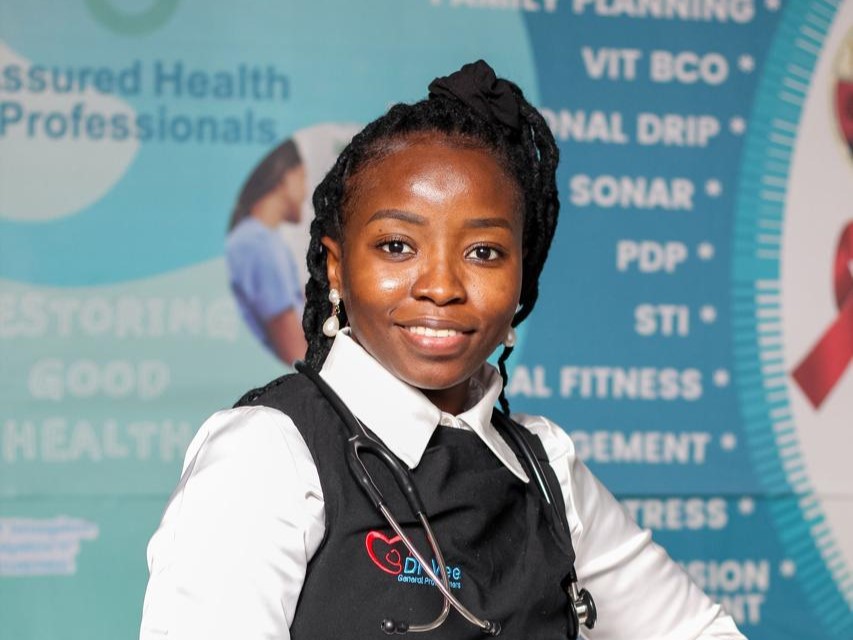
By Dr Veronica Netangaheni, Founder, Dr Vee’s Health and Wellness
South African men are taught to provide, protect, lead and carry the weight of their families, often at the expense of their own wellbeing. From a young age, many are conditioned to believe that strength means enduring pain, suppressing emotions and solving problems without asking for help. Yet one of the most important responsibilities of being a man is rarely discussed: taking responsibility for his own health.
As a general practitioner, I see the consequences of this mindset in my consulting room. Men often seek medical attention only when symptoms become unbearable, when their bodies can no longer accommodate neglect or when a manageable condition has progressed into something far more serious. They will make time for their families, businesses and responsibilities, but postpone the one appointment that could protect their own lives.
We have created a culture where men are expected to look after everyone, yet rarely encouraged to look after themselves.
Men service their cars. Why do they neglect themselves?
A man will take his vehicle for servicing when a warning light appears on the dashboard, understanding that ignoring a mechanical problem could eventually cost him more. Yet when his own body sends warning signs, he often dismisses them, hoping the discomfort will disappear without medical intervention.
The consequences are reflected in South Africa’s mortality figures. Statistics South Africa’s 2024 mortality report recorded 11 334 male deaths attributed to diabetes and 10 322 to hypertensive diseases. These conditions can develop silently, often without obvious symptoms, while gradually damaging vital organs and increasing the risk of life-threatening complications.
A blood pressure check, blood glucose test and cholesterol screening may take only minutes, but they can reveal risks that would otherwise go undetected. Feeling strong, looking healthy and being able to perform daily responsibilities do not necessarily mean that the body is functioning as it should. A man should not have to reach a medical emergency before his health becomes a priority.
Your sexual health may be warning you about your heart
Erectile dysfunction is another health concern that men often struggle to discuss, sometimes turning to unregulated medication rather than seeking professional advice. However, difficulties with sexual performance can be more than an embarrassing bedroom problem; they may signal underlying conditions such as diabetes, hypertension and cardiovascular disease.
The blood vessels responsible for achieving an erection are also connected to the wider cardiovascular system. Damage caused by these conditions can affect sexual function and may provide an early indication of broader vascular problems. Men must therefore understand that discussing changes in their sexual health with a doctor is not an admission of weakness, but an opportunity to identify potentially serious health concerns before they become life-threatening.
Silence is not strength
The crisis extends beyond physical health. The Commission for Gender Equality highlighted in 2026 that approximately 80% of suicide deaths in South Africa are among men. This should force us to question the expectations we place on men and the limited space we give them to acknowledge emotional distress.
We expect men to carry financial pressure, unemployment, family responsibilities and relationship difficulties while maintaining the appearance that everything is under control. We discourage boys from crying, teach men to suppress vulnerability and then wonder why so many struggle to ask for help when life becomes overwhelming.
We cannot continue confusing emotional silence with resilience. A man who admits that he is struggling has not failed his family or his responsibilities. He is recognising that his wellbeing matters and that some challenges require support beyond what he can manage alone.
Medical progress means nothing if men stay away
South Africa has made significant progress in HIV prevention and treatment, with access to PrEP, PEP and newer prevention options such as twice-yearly injectable lenacapavir. Effective treatment also means that people living with HIV who maintain an undetectable viral load cannot sexually transmit the virus.
Yet medical progress means little if fear, stigma and outdated ideas about masculinity continue keeping men away from testing and treatment. Knowing your HIV status is not a sentence; it is an opportunity to make informed decisions, protect your health and take control of your future.
We must also recognise that raising healthy men starts with raising boys differently. Boys need mentors who teach them that accountability, compassion and emotional intelligence are essential parts of manhood, not qualities that diminish it.
It is time to make men’s health a priority
My message to men is simple: book the appointment before your body makes the decision for you. Check your blood pressure, blood sugar and cholesterol, get tested for HIV, discuss appropriate cancer screenings and seek professional support when your mental health begins to suffer.
Families, employers, healthcare professionals and communities also have a responsibility to create environments where men can seek help without ridicule or judgement.
For generations, we have told men to provide, protect and lead. But we cannot keep expecting them to fulfil these responsibilities while overlooking the importance of their own survival.
The strongest thing a man can do is not pretend he is invincible. It is recognise that his health matters, ask for help when necessary and take action before it is too late.
Dr Veronica Netangaheni is a general practitioner.