Tag: covid vaccination

Myocarditis Study Points to ‘Over-revved’ Immune System from COVID Jab

Photo by Mika Baumeister on Unsplash

With the administration of the first COVID vaccines two years ago, public health officials found an increase in cases of myocarditis, particularly among young males who had been vaccinated with mRNA vaccines. The underlying cause of these reactions remained a mystery.

Now Yale scientists have identified the immune signature of these heart inflammation cases. Published in the journal Science Immunology, their findings eliminate some of the theorised causes of the heart inflammation and point to the consequences of a slightly over-stimulated immune system.

Myocarditis is a generally mild inflammation of heart tissue which can cause scarring but is usually resolved within days. The increased incidence of myocarditis during vaccination was seen primarily in males in their teens or early 20s, who had been vaccinated with mRNA vaccines, which are designed to elicit immune responses specifically to the SARS-CoV-2 virus.

According to the Centers for Disease Control and Prevention (CDC), among males aged 12 to 17, about 22 to 36 per 100 000 experienced myocarditis within 21 days after receiving a second vaccine dose. The incidence of myocarditis was 50.1 to 64.9 cases per 100 000 after infection with the COVID virus among males in this age group.

For the new study, the Yale research team conducted a detailed analysis of immune system responses in those rare cases of myocarditis among vaccinated individuals. They found that the heart inflammation was not caused by antibodies created by the vaccine, but rather by a more generalised response involving immune cells and inflammation.

“The immune systems of these individuals get a little too revved up and over-produce cytokine and cellular responses,” said team leader Carrie Lucas, associate professor of immunobiology.

Earlier research had suggested that increasing the time between vaccination shots from four to eight weeks may reduce risk of developing myocarditis.

Lucas noted that, according to CDC findings, the risk of myocarditis is significantly greater in unvaccinated individuals who contract COVID than in the vaccinated. She emphasised that vaccination offers the best protection from COVID-related disease.

“I hope this new knowledge will enable further optimising mRNA vaccines, which, in addition to offering clear health benefits during the pandemic, have a tremendous potential to save lives across numerous future applications,” said Anis Barmada, an MD/PhD student at Yale School of Medicine, who is a co-first author of the paper with Jon Klein, also a Yale MD/PhD student.

Source: Yale University

COVID Vaccination Protection Wanes Faster in People with Obesity

Antibodies by Pikisuperstar on Freepix

According to new research from the Universities of Cambridge and Edinburgh, COVID vaccination protection in people with severe obesity wanes faster than in people of normal weight. The study suggests that people with obesity are likely to need more frequent booster doses to maintain their immunity.

Previous studies on COVID vaccines have suggested that antibody levels may be lower in vaccinated people who have obesity and that they may remain at higher risk of severe disease than vaccinated people with normal weight. The reasons for this have, however, remained unclear.

This study, published in the journal Nature Medicine, shows that the ability of antibodies to neutralise the virus (their ‘neutralisation capacity’) declines faster in vaccinated people who have obesity. The findings have important implications for vaccine prioritisation policies around the world.

During the pandemic, people with obesity were more likely to be hospitalised, require ventilators and to die from COVID. In this study, supported by the NIHR Bioresource and funded by UKRI, the researchers set out to investigate how far two of the most extensively used vaccines protect people with obesity compared to those with a normal weight, over time.

A team from the University of Edinburgh looked at real-time data tracking the health of 3.5 million people in the Scottish population as part of the EAVE II study. They looked at hospitalisation and mortality from COVID in adults who received two doses of COVID vaccine (either Pfizer-BioNTech or AstraZeneca).

They found that people with severe obesity (a BMI > 40kg/m2) had a 76% higher risk of severe COVID outcomes, compared to those with a normal BMI. A modest increase in risk was also seen in people with obesity (30-39.9kg/m2), which affects a quarter of the UK population, and those who were underweight. ‘Break-through infections’ after the second vaccine dose also led to hospitalisation and death sooner (from 10 weeks) among people with severe obesity, and among people with obesity (after 15 weeks), than among individuals with normal weight (after 20 weeks).

University of Edinburg leader Prof Sir Aziz Sheikh said: “Our findings demonstrate that protection gained through COVID vaccination drops off faster for people with severe obesity than those with a normal body mass index. Using large-scale data assets such as the EAVE II Platform in Scotland have enabled us to generate important and timely insights that enable improvements to the delivery of COVID vaccine schedules in a post-pandemic UK.”

The University of Cambridge team studied people with severe obesity attending the Obesity clinic at Addenbrooke’s Hospital in Cambridge, and compared the number and function of immune cells in their blood to those of people of normal weight.

They studied people six months after their second vaccine dose and then looked at the response to a third ‘booster’ vaccine dose over time. The Cambridge researchers found that six months after a second vaccine dose, people with severe obesity had similar levels of antibodies to the COVID virus as those with a normal weight – but those antibodies were less effecctive.

The antibodies’ neutralisation capacity was reduced in 55% of individuals with severe obesity were found to have unquantifiable or undetectable ‘neutralising capacity’ compared to 12% of people with normal BMI.

“This study further emphasises that obesity alters the vaccine response and also impacts on the risk of infection,” said first author Dr Agatha van der Klaauw. “We urgently need to understand how to restore immune function and minimise these health risks.”

The researchers found that antibodies produced by people with severe obesity were less effective at neutralising the SARS-CoV-2 virus, potentially because the antibodies were not able to bind to the virus with the same strength.

When given a third (booster) dose of a COVID vaccine, neutralisation capacity was restored in both the normal weight and severely obese groups. But the researchers found that immunity again declined more rapidly in people with severe obesity, putting them at greater risk of infection with time.

Limited Evidence for Menstrual Changes After COVID Vaccination

Photo by Gustavo Fring on Pexels

Results from a Swedish study of nearly three million women and girls published by The BMJ found that there was no evidence of an increased risk of post-COVID vaccination menstrual changes that were significant enough for healthcare interaction.

The researchers found only weak and inconsistent associations were found between COVID vaccination and contact with healthcare for postmenopausal bleeding. These were even less consistent for menstrual disturbance and premenstrual bleeding.

These findings do not provide any substantial support for a causal association between COVID vaccination and diagnoses related to menstrual or bleeding disorders, say the researchers.

Many women have reported changes to their periods after a COVID vaccination, such as the number of days they bleed and the heaviness of the flow. Self-reporting may capture events that normally would not result in a healthcare contact but may still be sufficiently disturbing to be relevant for the affected women. But calculating the strength of a potential association based on self reports can be unreliable.

To address this, researchers in Sweden drew on high quality health registry data to evaluate the risks of menstrual disturbance and bleeding after COVID vaccination in 2 946 448 women and girls aged 12-74 years from December 2020 to February 2022.

Contact with healthcare included primary care visits, specialist outpatient visits, and days of hospital stay related to menstrual disturbance or bleeding before or after menopause.

Risks were assessed by vaccine (Pfizer-BioNTech, Moderna, or Oxford-AstraZeneca) and dose (unvaccinated and first, second, and third dose) over two time windows (1-7 days, considered the control period, and 8-90 days).

In the main analysis, more than 2.5 million (88%) of women received at least one covid-19 vaccination and over 1.6 million (64%) of vaccinated women received three doses during the study period.

The highest risks for bleeding in postmenopausal women were seen after the third dose in the 1-7 days risk window (28%) and in the 8-90 days risk window (25%).

Adjusting for socioeconomic factors, previous healthcare use, and for several specific medical conditions had only a modest effect on these results.

Analyses of individual vaccines and risk of postmenopausal bleeding suggested a 23-33% increased risk after 8-90 days with Pfizer-BioNTech, and Moderna after the third dose, but a less clear association with Oxford-AstraZeneca.

In premenopausal women, weak associations were found for menstrual disturbance or bleeding after vaccination with any dose (13% or 8% after 1-7 days and 6% or 1% after 8-90 days, respectively). However, adjusting for other factors almost completely removed these weak associations, suggesting that a causal effect is unlikely.

These are observational findings and the authors point to several limitations, including the fact that the time between onset, start of symptoms, and date of healthcare contact might be considerable, making the interpretation of effect of different risk windows challenging. 

But this was a large study with near complete follow-up, using mandatory data from nationwide registers.

As such, they say: “We observed weak and inconsistent associations between SARS-CoV-2 vaccination and healthcare contacts for postmenopausal bleeding, and even less consistent for menstrual disturbance, and premenstrual bleeding.”

They add: “These findings do not provide any substantial support for a causal association between SARS-CoV-2 vaccination and healthcare contacts related to menstrual or bleeding disorders.”

Source: The BMJ

SAHPRA Reports 3rd Fatal Case of Guillain-Barré Syndrome Following Janssen Vaccination

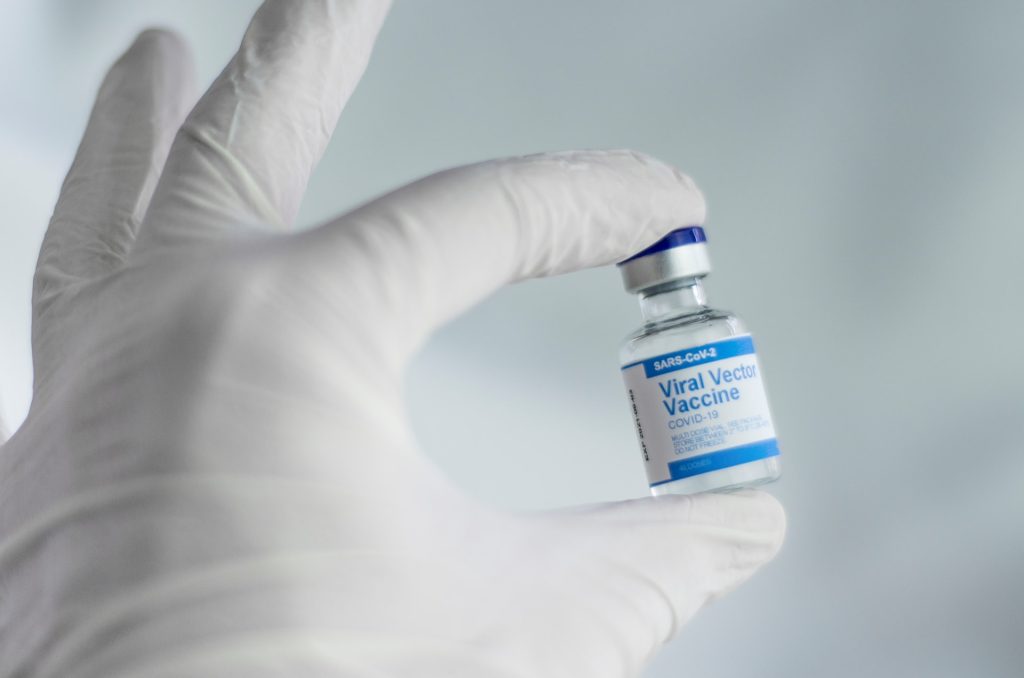
Gloved hand holding vial of Janssen COVID vaccine
Photo by Spencer Davis on Unsplash

The South African Health Products Regulatory Authority (SAHPRA) issued media statements on 4 August 2022 and 12 September 2022, relating to two fatal cases of Guillain-Barré syndrome (GBS) following vaccination with COVID-19 Vaccine Janssen. SAHPRA has been informed of a third fatal case of GBS following vaccination with the same vaccine.

A causality assessment of the reported case was conducted by the National Immunisation Safety Expert Committee (NISEC) using the World Health Organization’s (WHO) methodology. Following investigations, the case was classified as a vaccine product-related event. The events reported in the vaccine recipient were consistent with the case definition of GBS and no other likely cause of GBS was identified at the time of illness.

As previously communicated, GBS is a very rare but potentially severe neurological adverse event that is associated with the administration of various vaccines and other medicines and can also be triggered by some bacterial or viral infections, including SARS-CoV-2. Symptoms of GBS range from mild to severe, and may include muscle weakness, muscle pain, numbness, and tingling. In many cases, GBS resolves with no serious after-effects, but in some cases GBS can cause serious or life-threatening problems.

Regulatory authorities have previously investigated reports of GBS associated with COVID-19 vaccines. They concluded that COVID-19 Vaccine Janssen may increase the risk of GBS. GBS is therefore listed as a rare adverse event in the professional information (PI) for COVID-19 Vaccine Janssen.

Investigations and causality assessment of all reported severe adverse events following immunisation (AEFI) with all COVID-19 vaccines are ongoing. The outcomes of these investigations and causality assessments will be shared with the public as soon as they are completed.

Important points to note

  • COVID-19 vaccines have consistently been shown to prevent severe forms of disease, hospitalisation and death. Based on the currently available evidence, SAHPRA has determined that the benefits of COVID- 19 vaccination far outweigh the very low risk of severe adverse events, including GBS. The public are strongly advised not to delay COVID-19 vaccination if eligible in terms of the national vaccination programme.
  • SAHPRA urges the public to report any suspected adverse events following the use of all medicines and vaccines. Reporting can be done at a health facility or by downloading the Med Safety App (https://medsafety.sahpra.org.za/), which is available for Android and iOS phones, or by calling the COVID-19 hotline at 0800 029 999. More information regarding AEFIs reported for the COVID-19 vaccines and how to report an AEFI is available from the SAHPRA website: https://aefi-reporting.sahpra.org.za/.
  • More information regarding AEFIs reported for the COVID-19 vaccines and how to report an AEFI is available from the SAHPRA website: https://aefi-reporting.sahpra.org.za/.

Source: SAHPRA

Hybrid Immunity Offers Greatest Protection against COVID

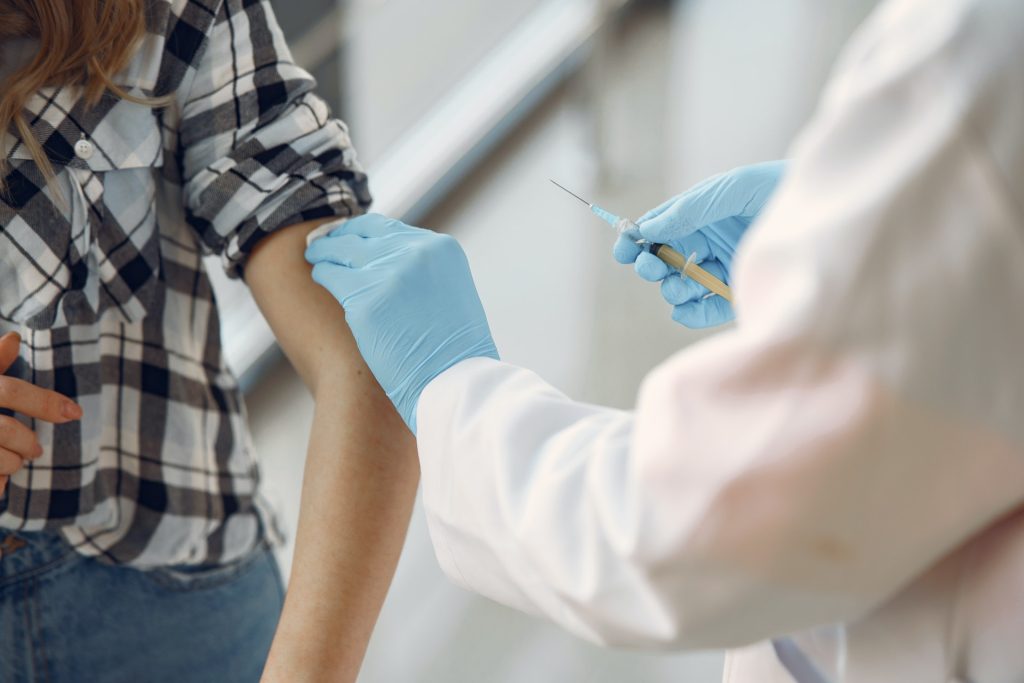
Image of a syring for vaccination
Photo by Mika Baumeister on Unsplash

Analysing data from controlled studies throughout the world, researchers discovered that people with hybrid immunity – from both full vaccination and prior infection – are the most protected against severe illness and reinfection. The study, published in The Lancet Infectious Diseases, will aid public policy-makers in planning the optimal timing of vaccinations.

Researchers from University of Calgary teamed up with World Health Organization (WHO) experts to answer the question of how well protected people are from combinations of vaccinations, boosters and prior infection.

“The results reinforce the global imperative for vaccination,” says Dr Niklas Bobrovitz, first author on the study. “A common question throughout the pandemic was whether previously infected people should also get vaccinated. Our results clearly indicate the need for vaccination, even among people that have had COVID.”

The global emergence and rapid spread of the Omicron variant required scientists and policy-makers to reassess population protection against Omicron infection and severe disease. In the study, investigators were able to look at immune protection against Omicron after a prior SARS-CoV-2 infection, vaccination or hybrid immunity.

“Protection against hospitalisation and severe disease remained above 95 per cent for 12 months for individuals with hybrid immunity,” says Dr Lorenzo Subissi, PhD, a technical officer with WHO and senior author on the study. “We know more variants are going to emerge. The study shows, to reduce infection waves, vaccinations could be timed for rollout just prior to expected periods of higher infection spread, such as the winter season.”

The systematic review and meta-analysis found that protection against Omicron infection declines substantially by 12 months, regardless of prior infection, vaccinations or both, which means vaccination is the best way to periodically boost protection and to keep down levels of infection in the population. In total, 4268 articles were screened and 895 underwent full-text review – a difficult task before the assistance of experts in health informatics.

“This study demonstrates the power of machine translation. We were able to break through language barriers; most of the time, systematic reviews aren’t done in every language, they are limited to one or two,” says Dr Tyler Williamson “These former BHSc classmates, along with the large diverse team they brought together, have emerged as global leaders in SARS-CoV-2 research and delivered decision-grade evidence to the world.”

While the findings demonstrate that vaccination along with a prior infection carries the most protection, the scientists warn against intentional exposure to the virus.

“You should never try to get COVID,” says Bobrovitz. “The virus is unpredictable in how it will affect your system. For some, it can be fatal or send you to hospital. Even if you have a mild infection, you risk developing long COVID.”

The group says the next phase of this research would be to investigate how the bivalent vaccine performs against severe disease.

Findings from the study complement data on the SeroTracker dashboard which monitors studies and news reports to track seroprevalence data – the percentage of people in a population who have antibodies against the novel coronavirus. The website aggregates serology data from studies and news reports in different populations, and built-in filters allow users to compare seroprevalence levels between countries, occupations, and demographic groups.

Source: University of Calgary

Getting a COVID Booster Shot is not as Easy as it Should be

Photo by Spencer Davis on Unsplash

By Daniel Steyn for GroundUp

As COVID cases rise again around the world and the more infectious XBB.1.5 variant spreads rapidly, health minister Joe Paahla has emphasised the importance of getting vaccinated and boosted.

About 19 million people in South Africa (just over 30% of the population) are fully vaccinated and four million booster shots have been administered. The country is administering just over 40 000 jabs a week.

At the moment only people over 50 are eligible for a second booster. But according to Dr Nicholas Crisp, Deputy Director-General for the National Department of Health, all adults will be eligible in February. “As soon as the systems are all in place and staff orientated, the department will announce,” Crisp told GroundUp.

But finding a booster shot has become difficult. Privately-owned facilities have mostly discontinued their rollout of the vaccine, although a handful of Dis-Chem pharmacies still do vaccinations. Public sector health facilities are the only alternative.

Active vaccination sites can be found on the government’s Find My Jab website. Some are “visiting” sites only, open once or twice a week, and others are permanently open, but it is advised to call ahead to confirm availability.

“The department is trying to find a more efficient way of updating which vaccination sites are active and those are being reflected and changed weekly on Find My Jab,” says Crisp.

The Western Cape Health Department makes weekly updates to this list of vaccination sites in the province.

One concerned reader from Pennington in KwaZulu-Natal, who is over the age of 50 and HIV-positive (meaning COVID poses a higher risk for him) told GroundUp that his local clinic no longer offered vaccines. It had been ten months since his previous booster. He went to the nearest hospital but was refused a jab and told to wait for an SMS.

He called the vaccination hotline and was told to send a copy of his ID and vaccination card to be registered on the system and receive an SMS, despite already having received jabs in the past.

Without a device to send the documents, and 60km of flood-damaged road between him and and his nearest PostNet, he has still not received his booster shot.

Republished from GroundUp under a Creative Commons Attribution-NoDerivatives 4.0 International License.

Source: GroundUp

Increase in Global Willingness to Accept COVID Vaccines

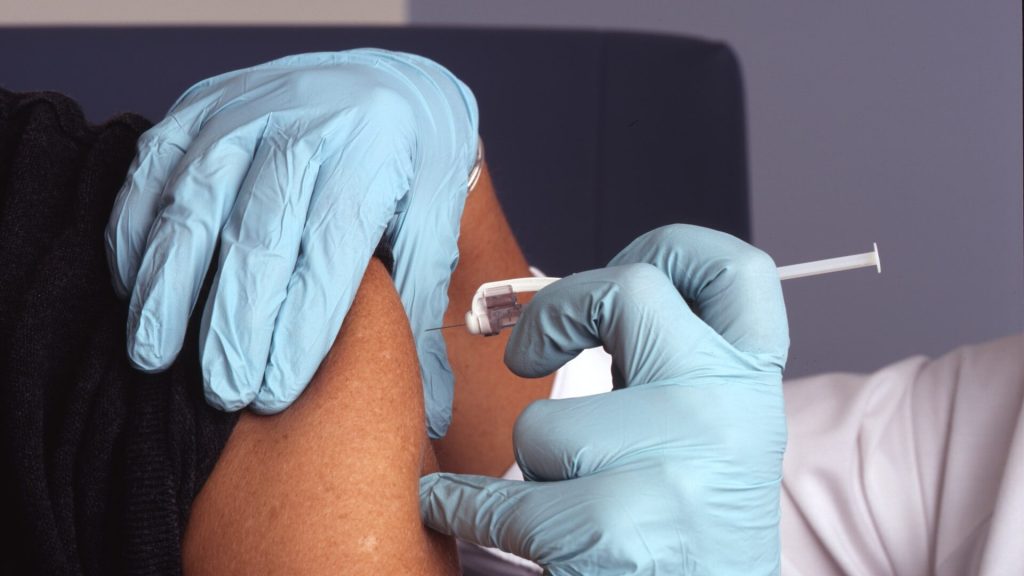
Vaccine injection
Image source: NCI on Unsplash

Global COVID vaccine acceptance increased from 75.2% in 2021 to 79.1% in 2022, according to a new survey of 23 countries accounting for more than 60% of the world’s population, published today in Nature Medicine. It was not all good news, though: vaccine hesitancy increased in eight countries including South Africa, and nearly one in eight vaccinated respondents were hesitant about receiving a booster dose.

This third annual study reveals a wide variability between countries and suggests a need to tailor communication strategies to effectively address vaccine hesitancy.

“The pandemic is not over, and authorities must urgently address vaccine hesitancy and resistance as part of their COVID prevention and mitigation strategy,” says CUNY Graduate School of Public Health and Health Policy (CUNY SPH) Senior Scholar Jeffrey V. Lazarus. “But to do so effectively, policymakers need solid data on vaccine hesitancy trends and drivers.”

To provide these data, an international collaboration led by Lazarus and CUNY SPH Dean Ayman El-Mohandes performed a series of surveys starting in 2020 in 23 countries which were impacted significantly by the pandemic, including the United States as well as South Africa and Brazil.

Of the 23 000 respondents (1000 per country surveyed), 79.1% were willing to accept vaccination, up 5.2% from June 2021. The willingness of parents to vaccinate their children also increased slightly, from 67.6% in 2021 to 69.5% in 2022. However, eight countries saw an increase in hesitancy (from 1.0% in the UK to 21.1% in South Africa). Worryingly, almost one in eight (12.1%) vaccinated respondents were hesitant about booster doses, and booster hesitancy was higher among the 18–29 age groups.

“We must remain vigilant in tracking this data, containing COVID variants and addressing hesitancy, which may challenge future routine COVID immunisation programs,” says Dean El-Mohandes, the study’s senior author.

The survey also provides new information on COVID treatments received. Globally, ivermectin was used as frequently as other approved medications, despite the fact that it is not recommended by the WHO or other agencies to prevent or treat COVID  

Also of note, almost 40% of respondents reported paying less attention to new COVID information than before, and there was less support for vaccine mandates. 

In some countries, vaccine hesitancy was associated with being female (for example in China, Poland, Russia), having no university degree (in France, Poland, South Africa, Sweden, or the US), or lower income (in Canada, Germany, Turkey or the UK). Also, the profile of people paying less attention to the pandemic varied between countries.

“Our results show that public health strategies to enhance booster coverage will need to be more sophisticated and adaptable for each setting and target population,” says Lazarus, also head of the Health Systems Research Group at ISGlobal. “Strategies to enhance vaccine acceptance should include messages that emphasise compassion over fear and use trusted messengers, particularly healthcare workers.”

The data provided by these surveys may offer insight to policymakers and public health officials in addressing COVID vaccine hesitancy. The study follows on the heels of a global consensus statement on ending COVID as a public health threat that Lazarus, El-Mohandes and 364 co-authors from 112 countries published in Nature in November.

Source: CUNY SPH

Review Finds Little, if Any, Difference in Safety among COVID Vaccines

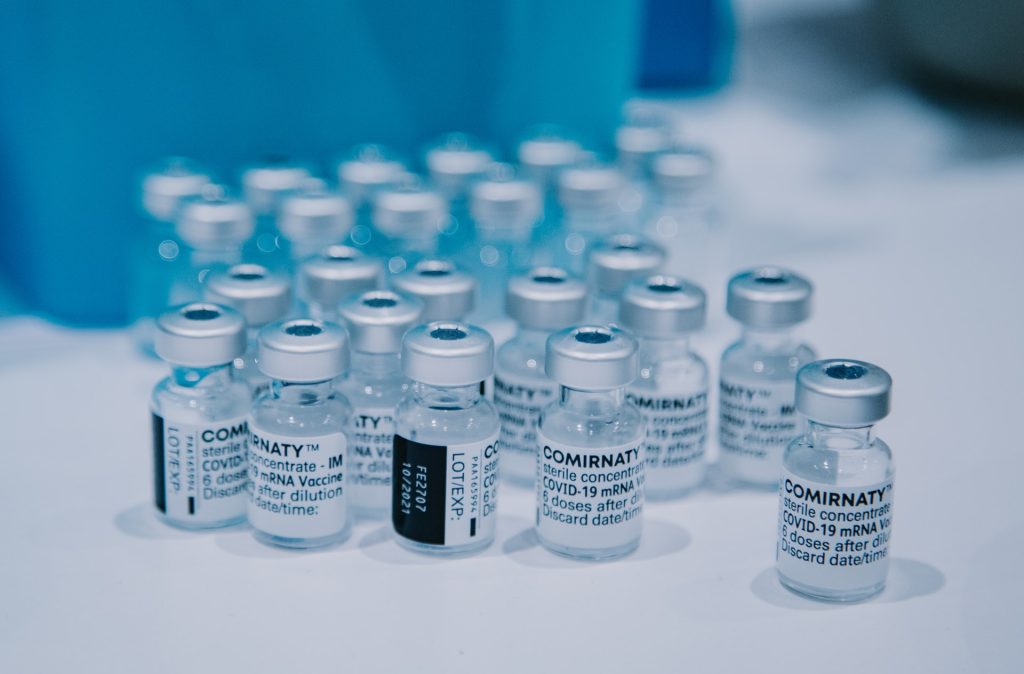
Covid vaccines
Photo by Mat Napo on Unsplash

A Cochrane review of all the evidence available from randomised controlled trials of COVID vaccines up to November 2021 has concluded that most protect against infection and severe or critical illness caused by the virus. In addition, the Johnson and Johnson vaccine and the Cuban Soberana 2 vaccine “probably” reduced all-cause mortality.

The independent, international expert reviewers also found that there was little or no difference between the number of people experiencing serious side effects after vaccination compared to those who were unvaccinated.

The researchers, led by Isabelle Boutron, Professor of Epidemiology at Université Paris Cité and Director of Cochrane France, analysed published data from 41 randomised controlled trials of 12 different COVID vaccines, involving 433 838 people in various countries around the world. They assessed the certainty of the evidence and the risk of bias in the different studies.

The trials compared COVID vaccines with placebo, no vaccine, or each other, and were published before 5 November 2021. Most trials were no longer than two months in length.

The review found that the following vaccines reduced or probably reduced the risk of COVID infection compared to placebo: Pfizer/BioNTech, Moderna, CureVac COVID-19, Oxford-AstraZeneca, J&J, Sputnik V (Gam-COVID-Vac), Sinopharm (WIBP CorV and BBIBP-CorV), Bharat (Covaxin), Novavax and Soberana 2 (Finlay-FR-2). The following reduced or probably reduced the risk of severe or critical disease: Pfizer/BioNTech, Moderna, Janssen, Sputnik V, Bharat and Novavax. In addition, the J&J and Soberana 2 vaccines probably decreased the all-cause mortality risk. There were very few deaths recorded in all the trials and so evidence on mortality for the other vaccines is uncertain.

For most of the vaccines, vaccinated individuals reported more localised or temporary side effects compared no-treatment or placebo groups. These included tiredness, headache, muscle pains, chills, fever and nausea. With respect to the very rare side effects associated with some vaccines such as thrombosis, the team found that the reporting of these events was inconsistent, and the number of events reported in the trials was very low.

Given the evidence of efficacy of these vaccines, the researchers question whether further placebo-controlled trials are ethical. They suggest that further research compares new vaccines with those already in use.

Source: Wiley

GroundUp: Vaccine drive is Running out of Steam

Covid vaccines
Photo by Mat Napo on Unsplash

By Daniel Steyn

Daily COVID vaccinations have more or less plateaued since July. At the peak of the vaccination drive, South Africa was administering up to 240 000 vaccine doses a day. But this number has dropped to just over 5000 a day. Less than half of these are first doses and a third are booster shots.

The government still hasn’t reached its target of 67% adult vaccination, which it wanted to achieve by the end of 2021. Half of the adult population in South Africa is currently vaccinated. Among adults 60 years or older, nearly 73% have been fully vaccinated.

GroundUp visited the District Six Community Day Centre, a government clinic, in Cape Town. We asked for a COVID vaccine and were directed to a small room on the first floor, where one of us waited over 1.5 hours to get a vaccine (though two of us were vaccinated considerably quicker – about 30 minutes). This wasn’t because there was a long queue.

The nurse administering the vaccines was busy treating patients elsewhere in the clinic. The person logging the vaccines on the computer system told GroundUp that on average, 12 people a day come to the clinic for vaccines.

GroundUp visited a Clicks store in Cape Town where, three months ago, vaccines were still being administered. But they no longer do COVID vaccines.

The government’s dedicated Coronavirus website has a list of “active vaccination sites”, many of which are no longer active, and the “Find My Jab” page has completely different information.

Meanwhile, people are still getting ill from the virus. About 2000 new cases are reported each week, but according to the National Institute for Communicable Diseases (NICD) only 16% of cases are being detected. Testing sites are also few and far between.

Professor Glenda Gray says that the vaccine has done a good job at reducing deaths, serious illness and hospitalisations. Official daily deaths and hospitalisation rates are low in relation to previous waves. In the past four weeks, 125 deaths from COVID were reported.

The real number of deaths is likely much more than this. A weekly report published by the Medical Research Council and the University of Cape Town calculates the number of excess deaths – the deaths above the historical average before COVID: there have been close to 50 000 excess deaths so far this year. While in earlier waves the researchers were able to estimate that 85% to 95% of these excess deaths were due to COVID, the changing nature of the epidemic has made it much harder to estimate how many of this year’s excess deaths are due to COVID.

More than 85% of COVID infections in the country are from the Omicron BA.5 variant, which is widespread and infectious but usually causes very mild illness.

To prevent serious illness and death, getting the vaccine and booster shots are still recommended. Gray says that it is especially important for immunocompromised people, such as people living with HIV, to get vaccinated.

“Sadly, the virus has done a far better job of generating immunity than our government, which continues to be maddeningly slow at getting the vaccine out,” says Professor Francois Venter, infectious diseases clinician and head of Ezintsha at Wits University.

Although being infected by and recovering from the virus does provide a level of immunity, getting a vaccine still greatly improves one’s protection against the virus.

“I think we were all hoping once we had immunity from either infection or a vaccine or two, it would be enough. But from what we are seeing internationally, new waves of COVID, while not killing people in the numbers we saw in 2020 and 2021, are still making people very sick,” Venter says.

Dr Nicholas Crisp, Deputy Director-General of the National Department of Health, is the coordinator of the national vaccination drive. He agrees the current status of the vaccination drive is “very disappointing”.

He says the vaccination program is being integrated into primary health care, targeting areas geographically where communities or segments of a community are not vaccinated.

To monitor and manage the pandemic, Crisp says the government is continuing with daily testing, gene sequencing and wastewater sampling. Crisp says that the government is preparing for the future of COVID as well as other potential pandemics.

Future variants of the virus could be more dangerous. “As long as there is transmission, there is going to be mutation,” Gray told GroundUp. How the virus mutates in the future is yet to be seen.

In the US, new bivalent vaccines designed to target the Omicron variant are already available. But, Gray says, there is not yet sufficient evidence that these work better than the current vaccines.

According to Crisp, the government is not considering any new vaccines. “We are not buying vaccines this year and may not buy vaccines next year,” he says.

South Africa still has 8 million doses of the Pfizer vaccine and 10 million doses of the Johnson and Johnson vaccine. He says paediatric Pfizer vaccines will be purchased with some of the credit that South Africa has with the Covax facility. These will be given to children who are immunocompromised.

Republished from GroundUp under a Creative Commons Attribution-NoDerivatives 4.0 International License.

Source: GroundUp

Distressed Individuals were Strong on COVID Vaccination but Lax on Social Distancing

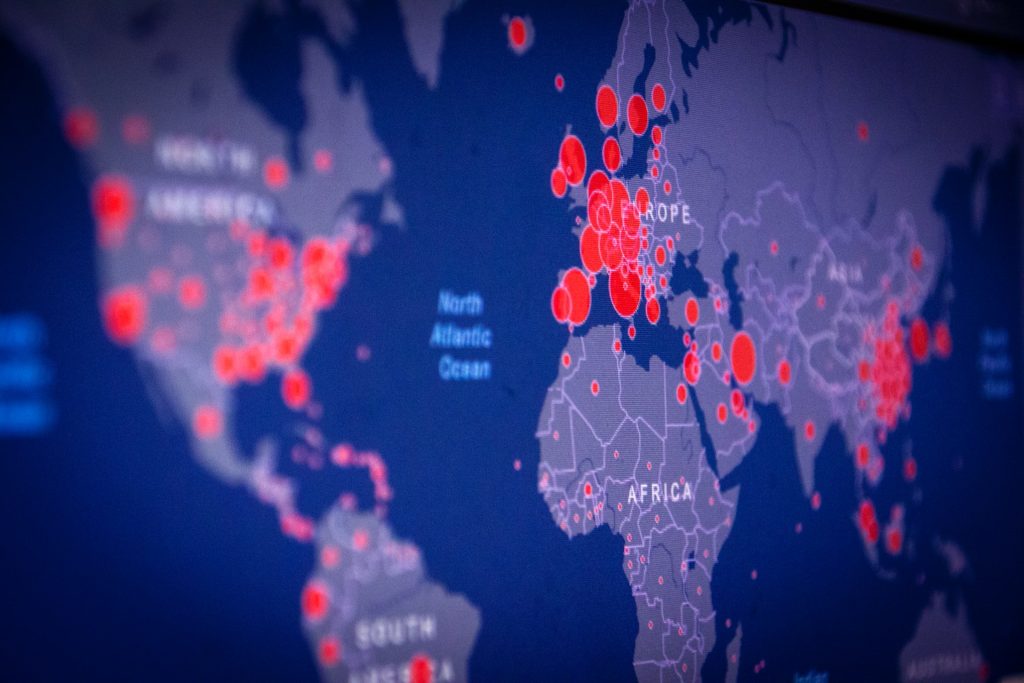
COVID heat map. Photo by Giacomo Carra on Unsplash

During the COVID pandemic, individuals who were distressed, showing signs of anxiety or depression, were less likely to follow recommendations from the Centers for Disease Control and Prevention, yet they were more likely to get vaccinated than non-distressed peers.

The authors refer to this as differential distress: when people act safely in one aspect while disregarding safety in another, both in response to the same psychological distress. This creates a conundrum for those trying to determine how best to communicate risks and best practices to the public.

Their study of 810 people revealed that distress was less likely to affect older people either way, despite their higher risk for severe outcomes if infected with SARS-CoV-2. Reported in Frontiers in Psychology, the findings suggest that fear messaging, which is intended to scare people and can increase their levels of distress, may not be the most effective way to encourage people to change behaviours.

“These findings do not point to a straightforward public health messaging campaign,” said Professor Joel Myerson, study leader. “Instead, officials may have to consider more finely tailored messages for different populations in order to achieve best outcomes: more attention to CDC recommendations as well as more people getting vaccinated.”

In a previous study, the researchers looked at social distancing and hygiene behaviours across a range of demographics. The results suggested that distress was closely tied to the way people responded to recommendations about social distancing. People who were more distressed were less likely to observe social distancing recommendations, perhaps as a way to maintain social connections that can ease anxiety and depression.

In the latest work, researchers again asked people about their adherence to the latest CDC recommendations, including newer recommendations outlining when to wear a mask and suggesting that people avoid spending lots of time inside with others. The results showed similar correlations to the previous study among age, distress and behaviour changes.

In terms of public health and effective messaging, one of the most pressing issues to arise after publication of the first study was the introduction of vaccines and the perceptions around them. Looking at four categories, fully vaccinated; partially vaccinated; unvaccinated but likely to get one; unvaccinated and unlikely to get one, researchers found:

  • People who had been fully vaccinated were more likely than those who were partially vaccinated to have close interactions with others following their shots.
  • Relative to those who said they were unlikely to get vaccinated, those who said they were likely to do so thought their chance of infection was higher.
  • Depending on the person’s age, they responded differently to the same level of stress. Overall, for example, the higher level of distress someone had, the less likely they were to social distance, but the more likely they were to get vaccinated. Both of these correlations became weaker, however, as people aged.

Fear messaging that tries to scare people into following guidelines tends to be useful only for a one-time event, Green said. “Ostensibly, getting vaccinated should count as such an event.” But as breakthrough cases increase and boosters add up, vaccinations are no longer one and done; they are instead a series of events, spread out over more than a year.

Although fear-based messaging may encourage younger people to get vaccinated, it also weakens their resolve to mitigation behaviours like social distancing. Not doing both poses a greater breakthrough infection risk.

Messaging also becomes less effective as people age, just as they become more vulnerable to severe illness.

“Part of the solution to the problem of differential distress may be to avoid the distress altogether,” said Professor Leonard Green, study co-lead. This would entail forgoing the fear campaign. Instead, a gentler approach may be warranted. “Our previous work suggests that what really motivates many people to change behaviours for the better is considering how their actions can benefit, or harm, other people.”

Source: Washington University in St. Louis