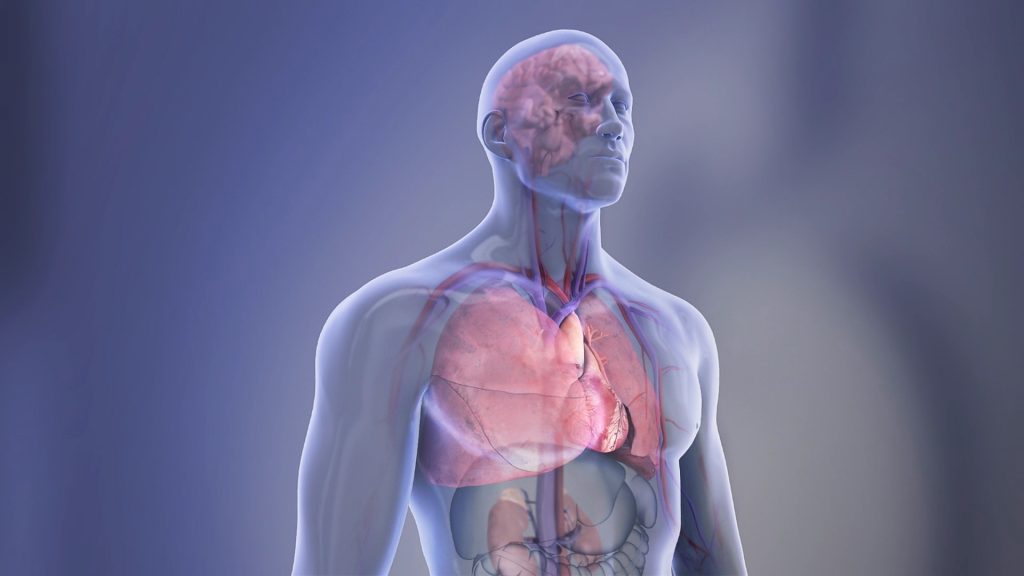
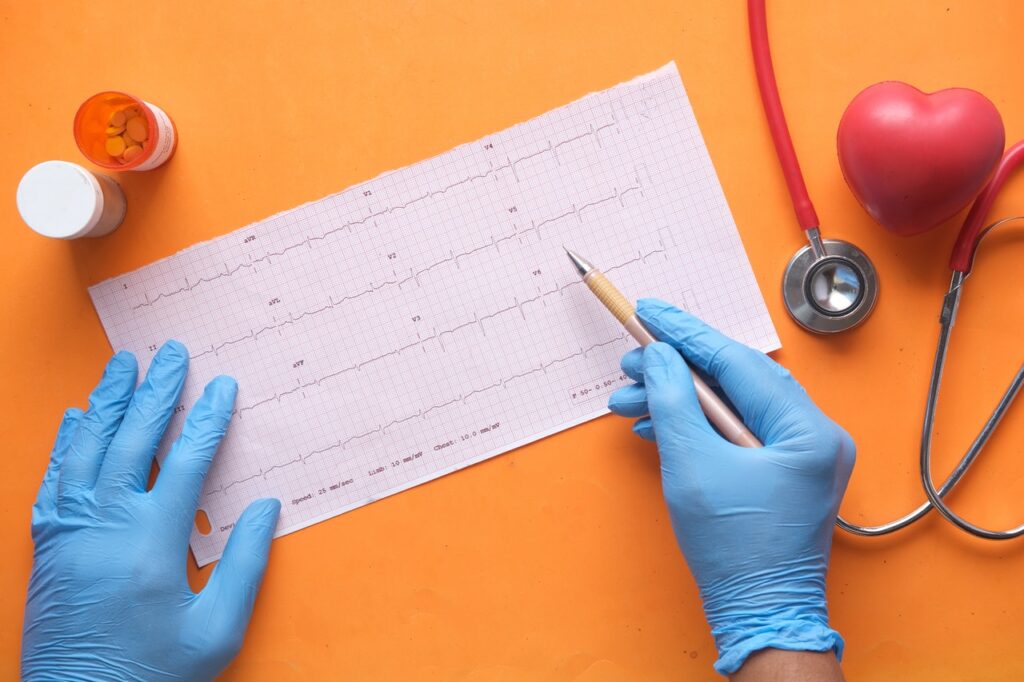
Caffeine may have been unfairly portrayed as the villain in some heart rhythm disorders, according to a new study published in the Journal of the American Medical Association.
Longstanding medical advice has held that patients with atrial fibrillation (AF) should cut back on their caffeine intake – or eliminate it entirely – to improve their condition. Wong et al. conducted an investigation into the relationship between regular caffeinated coffee consumption and the recurrence of atrial fibrillation (AF) or atrial flutter.
The DECAF randomised clinical trial, conducted across five international centres, enrolled 200 patients with persistent AF who were successfully cardioverted and then randomised to either consume caffeinated coffee (averaging one cup daily) or abstain from coffee and caffeine for six months. But contrary to expectations, the caffeine group actually saw an improvement in symptoms.
For older people with irregular heart rhythms who are at high risk of stroke and bleeding, standard care (including the use of blood thinners when indicated) was found to be the better choice compared to a promising, catheter-based procedure, according to a preliminary late-breaking science presentation today at the American Heart Association’s Scientific Sessions 2025.
The trial, Left Atrial Appendage CLOSURE in Patients with Atrial Fibrillation at High Risk of Stroke and Bleeding Compared to Medical Therapy (CLOSURE-AF), compared a catheter-based procedure to medical therapy among patients with atrial fibrillation (AFib), an irregular heart rhythm.
While blood thinners can be highly effective at reducing the risk of stroke among people with AFib, the medication may cause severe bleeding in some people. Due to this risk, researchers are exploring alternative treatments including this catheter-based procedure. The procedure, called a left atrial appendage closure, seals a small pouch in the heart called the left atrial appendage, or LAA, where blood clots can form. If these blood clots enter the bloodstream, it increases the risk of stroke. Closing this pouch reduces the risk of stroke. It also can allow people to stop taking blood thinners for clot prevention.
The CLOSURE AF study compared catheter-based left atrial appendage closure with physician-directed standard medical care (including timely anticoagulant blood thinning when eligible) in patients with atrial fibrillation at high risk for stroke and bleeding. The aim of the study was to demonstrate non-inferiority for catheter-based LAA closure regarding risk of stroke, systemic embolism, cardiovascular/unexplained death or major bleeding. However, this was not reached.
“We expected that catheter-based LAA closure would be comparable to physician-directed standard medical care often using blood thinning anticoagulant medications,” said study lead researcher Ulf Landmesser, MD, chairman of the department of cardiology, angiology and intensive care medicine at Deutsche Herzzentrum Charité and professor of cardiology at Charité University Medicine in Berlin. “However, this was not the case in this trial of older patients at very high risk of bleeding and stroke.
“Our findings indicate that standard physician-directed medical care, including blood thinners for eligible patients, remains a valid management option for those older patients with irregular heartbeat who are at very high risk for stroke and bleeding.”
Landmesser said that the results of the procedure are different for lower-risk patients, and studies investigating this are currently underway. Moreover, ongoing studies are comparing LAA closure in addition to blood thinning in very high-risk patients.
Because medical treatments and LAA closure for AFib remain in development the results of this study may not apply to future research, other techniques or procedures.
Study details, background and design:
More than 900 adults with AFib who were at high risk of stroke and major bleeding participated in this study.
Participants’ average age was 78 years, and 39% were women.
They were enrolled at 42 health care sites in Germany from March 2018 to April 2024, and they were followed for a median of 3 years.
Participants were randomly assigned to one of two treatment groups: standard medical care (including anticoagulant blood thinners, if eligible); or LAA closure.
Researchers compared the frequency of stroke, life-threatening blood clots, cardiovascular/unexplained death and major bleeding between the two treatment groups.
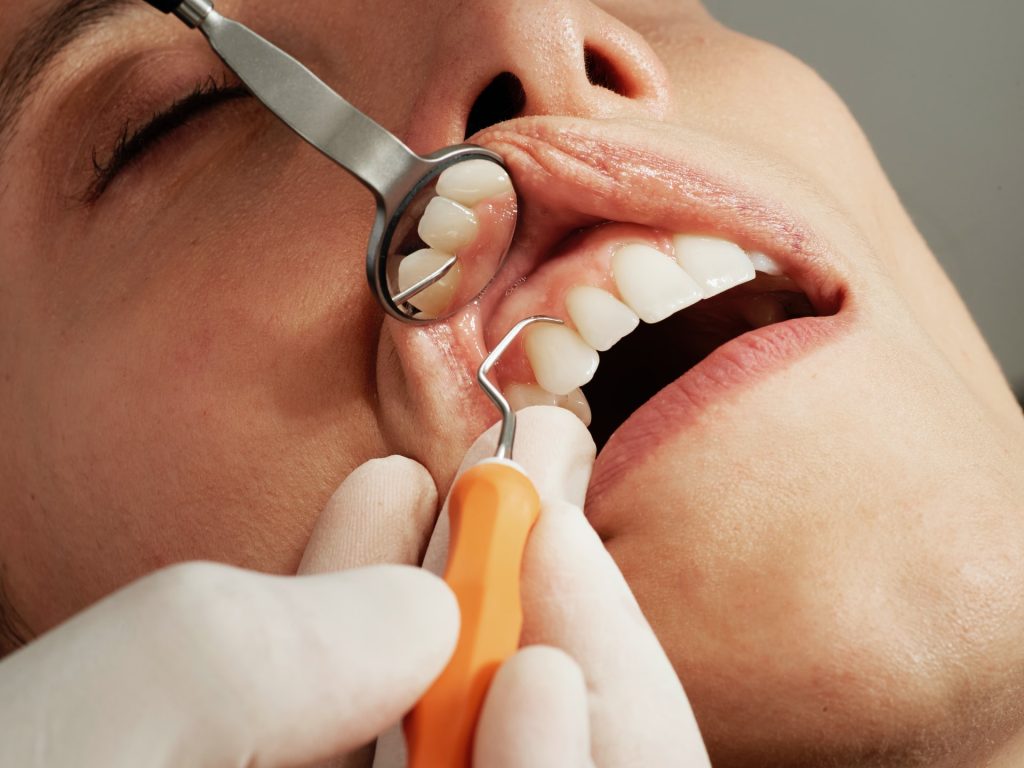
Flossing your teeth at least once a week may be linked to a lower risk of stroke caused by blood clotting and atrial fibrillation, according to a preliminary study to be presented at the American Stroke Association’s International Stroke Conference 2025. The meeting is in Los Angeles, Feb. 5-7, 2025, and is a world premier meeting for researchers and clinicians dedicated to the science of stroke and brain health.
“A recent global health report revealed that oral diseases – such as untreated tooth decay and gum disease – affected 3.5 billion people in 2022, making them the most widespread health conditions,” said study lead author Souvik Sen, MD, MS, MPH, chair of the Department of Neurology, Prisma Health Richland Hospital and the University of South Carolina School of Medicine in Columbia, South Carolina. “We aimed to determine which oral hygiene behaviour – dental flossing, brushing or regular dentist visits – has the greatest impact on stroke prevention.”
The Atherosclerosis Risk in Communities (ARIC) study, one of the first large-scale investigations of this kind in the US, assessed the home use of dental floss through a structured questionnaire of more than 6000 people. Among those who reported flossing, 4092 had not experienced a stroke, and 4050 had not been diagnosed with atrial fibrillation (AFib).
Participants were asked about their status regarding high blood pressure, diabetes, high cholesterol, smoking, body mass index, education, regular brushing and dentist visits. During the 25 years of follow-up, 434 participants were identified as having strokes, of which 147 were larger artery brain clots, 97 were heart-driven clots and 95 were hardening of the smaller arteries. Additionally, 1291 participants were noted to have experienced AFib.
The analysis found:
Flossing was associated with a 22% lower risk of ischaemic stroke, 44% lower risk of cardioembolic stroke (blood clots traveling from the heart) and 12% lower risk of AFib.
The associated lower risk was independent of regular brushing and routine dental visits or other oral hygiene behaviours.
Increasing the frequency of flossing had a greater chance of stroke risk reduction.
Flossing was also associated with a lower chance of cavities and periodontal disease.
Researchers were surprised by the reduction of irregular heartbeats, or AFib. AFib is the most common form of irregular heartbeat. It can lead to stroke, heart failure or other cardiovascular complications.
“Oral health behaviours are linked to inflammation and artery hardening. Flossing may reduce stroke risk by lowering oral infections and inflammation and encouraging other healthy habits,” Sen said. “Many people have expressed that dental care is costly. Flossing is a healthy habit that is easy to adopt, affordable and accessible everywhere.”
Study limitations include that data were based on answers to a questionnaire, and the 25-year follow-up appears to have focused on stroke and heart outcomes only. There was no follow-up concerning flossing or other oral behaviours over the years, Sen said.
Adding an extra hour every week of physical activity may lower the chance of developing the most common type of irregular heartbeat (arryhthmia) by 11%, a new study shows.
Led by researchers at NYU Langone Health, the investigation focused on atrial fibrillation. While past studies have linked exercise to reduced risk of this type of arrhythmia, nearly all of these analyses have relied on participants’ often inaccurate estimates of their own activity levels, the authors say.
To avert this flaw, the current study team used data recorded from the fitness tracker Fitbit to objectively measure physical activity in more than 6000 men and women across the United States. The results showed that those with higher amounts of weekly physical activity were less likely to develop atrial fibrillation. Notably, the researchers say, even modest amounts of moderate to vigorous exercise, which can range from taking a brisk walk or cleaning the house to swimming laps or jogging, were associated with reduced risk.
Specifically, study participants who averaged between 2.5 and 5 hours per week, the minimum amount recommended by the American Heart Association, showed a 60% lower risk of developing atrial fibrillation. Those who averaged greater than 5 hours had a slightly greater (65%) reduction.
“Our findings make clear that you do not need to start running marathons to help prevent atrial fibrillation and other forms of heart disease,” said preventive cardiologist Sean P. Heffron, MD, the study senior author. “Just keeping moderately active can, over time, add up to major benefits for maintaining a healthy heart,” added Dr Heffron, an assistant professor in the Department of Medicine at NYU Grossman School of Medicine.
Dr. Heffron notes that in the sole earlier study that used activity monitors to investigate atrial fibrillation, researchers provided Fitbit-style monitors to the participants and tracked them for only a week, an approach that may not have accurately captured their normal workout habits. The new investigation, which the authors say is the largest of its kind to date, assessed participants for a full year and included only those who already owned the devices.
A report on the findings will be presented at the annual meeting of the American Heart Association on November 16.
From data collected as part of the All of Us Research Program, the authors of the current study assessed physical activity in the subset (6086 people) who used a Fitbit device and permitted their Fitbit and electronic health records to be linked to their All of Us data. The team tracked activity information for a year as a baseline and then followed up for another five years to identify those who were diagnosed with atrial fibrillation. The researchers also took into account factors known to contribute to the condition, such as age, sex, and a history of high blood pressure.
“These results highlight the value of Fitbits and similar monitors in medical research,” said study lead author Souptik Barua, PhD, an assistant professor in the Department of Medicine at NYU Grossman School of Medicine. “By offering an objective way to measure exercise for years at a time, these tools can provide deeper insight into how different patterns of activity can impact health.”
For example, says Dr Barua, the research team next plans to explore whether working out in the morning or at night may have different effects on heart health.
He cautions that since many Fitbit owners in the study were college-educated White women, the investigation assessed a less-diverse group than that of the overall All of Us population. The program is now providing free devices to participants in underrepresented communities for future investigations.
Dr. Barua also cautions that the study was not designed to tell whether exercise alone directly reduced the risk of atrial fibrillation, nor to detect how that might come about or what other factors, such as income or educational status, might be in play in the reduced risk. However, the association between exercise “doses” and the development of the condition in the study participants was strong.
Researchers from Sergio Arboleda University in Colombia and the Georgia Institute of Technology in the US used an electrophysiological computer model of the heart’s electrical circuits to examine the effect of the applied voltage field in multiple fibrillation-defibrillation scenarios. Their research, published in the interdisciplinary journal Chaos, discovered that far less energy is needed than is currently used in state-of-the-art defibrillation techniques.
“The results were not at all what we expected. We learned the mechanism for ultra-low-energy defibrillation is not related to synchronisation of the excitation waves like we thought, but is instead related to whether the waves manage to propagate across regions of the tissue which have not had the time to fully recover from a previous excitation,” author Roman Grigoriev said. “Our focus was on finding the optimal variation in time of the applied electric field over an extended time interval. Since the length of the time interval is not known a priori, it was incremented until a defibrillating protocol was found.”
The authors applied an adjoint optimization method, which aims to achieve a desired result, defibrillation in this case, by solving the electrophysiologic model for a given voltage input and looping backward through time to determine the correction to the voltage profile that will successfully defibrillate irregular heart activity while reducing the energy the most.
Energy reduction in defibrillation devices is an active area of research. While defibrillators are often successful at ending dangerous arrhythmias in patients, they are painful and cause damage to the cardiac tissue.
“Existing low-energy defibrillation protocols yield only a moderate reduction in tissue damage and pain,” Grigoriev said. “Our study shows these can be completely eliminated. Conventional protocols require substantial power for implantable defibrillators-cardioverters (ICDs), and replacement surgeries carry substantial health risks.”
In a normal rhythm, electrochemical waves triggered by pacemaker cells at the top of the atria propagate through the heart, causing synchronised contractions. During arrhythmias, such as fibrillation, the excitation waves start to quickly rotate instead of propagating through and leaving the tissue, as in normal rhythm.
“Under some conditions, an excitation wave may or may not be able to propagate through the tissue. This is called the ‘vulnerable window,’” Grigoriev said. “The outcome depends on very small changes in the timing of the excitation wave or very small external perturbations.
“The mechanism of ultra-low-energy defibrillation we uncovered exploits this sensitivity. Varying the electrical field profile over a relatively long time interval allows blocking the propagation of the rotating excitation waves through the ‘sensitive’ regions of tissue, successfully terminating the irregular electric activity in the heart.”
Atrial fibrillation, a rapid, irregular heartbeat that can lead to stroke or sudden death, is three times more common than previously thought, affecting nearly 5% of the population, according to new estimates from UC San Francisco.
A-Fib, as the condition is commonly known, has been on the rise for at least the past decade, driven by the aging of the population, along with increasing rates of hypertension, diabetes and obesity. Earlier projections had estimated that 3.3 million U.S. adults had atrial fibrillation, but these have not been updated in more than two decades.
“Atrial fibrillation doubles the risk of mortality, is one of the most common causes of stroke, increases risks of heart failure, myocardial infarction, chronic kidney disease and dementia, and results in lower quality of life,” said first author Jean Jacques Noubiap, MD, PhD, a postdoctoral scholar at UCSF with a specialty in global cardiovascular health.
“Fortunately, atrial fibrillation is preventable, and early detection and appropriate treatment can substantially reduce its adverse outcomes,” he said.
Rising numbers reflect need for better prevention and treatment
UCSF investigators reviewed the medical records of nearly 30 million adult patients who received some form of acute or procedural care in California from 2005 to 2019. About 2 million of these people had been diagnosed with A-Fib, and the numbers grew over time, rising from 4.49% of the patients treated between 2005 and 2009 to 6.82% of the patients treated between 2015 and 2019.
The data were standardised to reflect the entire country, and researchers estimated the current national prevalence to be at least 10.55 million. They also found that during the study timeframe, A-Fib patients skewed younger, were less likely to be female and more likely to have hypertension and diabetes.
A-Fib has a broad spectrum of complications from shortness of breath and light-headedness to blood clots, stroke and even heart failure. Studies have shown that people with A-Fib are up to five times more likely to have a stroke. The authors said that by outlining the scope of the problem, these new estimates can help guide health care planning, resource allocation and public health interventions.
“Physicians recognise that atrial fibrillation is often encountered in essentially every field of practice,” said senior and corresponding author Gregory M. Marcus, MD, MAS, a cardiologist and electrophysiologist at UCSF Health. “These data provide objective evidence to demonstrate that prior projections severely underestimated how common it truly is.”
Digital technologies may reveal it is even more common than the current analysis indicates.
“With the growing use of consumer wearables designed to detect atrial fibrillation combined with safer and more effective means to treat it, this current prevalence of atrial fibrillation in health care settings may soon be dwarfed by future health care utilisation that will occur due to the disease,” Marcus said.
An analysis of UK Biokank data showed that adults who reported drinking two litres or more of sugar- or artificially sweetened drinks per week had a higher risk of atrial fibrillation compared with adults who drank fewer such beverages, according to new research published in Circulation: Arrhythmia and Electrophysiology, a peer-reviewed journal of the American Heart Association.
The study also found that drinking one litre or less per week of pure, unsweetened juice, such as orange or vegetable juice, was associated with a lower risk of atrial fibrillation (AFib). However, the study could not confirm whether the sweetened drinks caused AFib, yet the association remained after accounting for a person’s genetic susceptibility to the condition.
Consuming sweetened drinks has been linked to Type 2 diabetes and obesity in previous research. This large study of health data in the UK Biobank is among the first to assess a possible link between sugar- or artificially sweetened beverages and AFib.
“Our study’s findings cannot definitively conclude that one beverage poses more health risk than another due to the complexity of our diets and because some people may drink more than one type of beverage,” said lead study author Ningjian Wang, MD, PhD, a researcher at the Shanghai Ninth People’s Hospital and Shanghai Jiao Tong University School of Medicine in Shanghai, China. “However, based on these findings, we recommend that people reduce or even avoid artificially sweetened and sugar-sweetened beverages whenever possible. Do not take it for granted that drinking low-sugar and low-calorie artificially sweetened beverages is healthy, it may pose potential health risks.”
The researchers reviewed data from dietary questionnaires and genetic data for more than 200 000 adults free of AFib at the time they enrolled in the UK Biobank, between 2006 and 2010. During the nearly 10-year follow-up period, there were 9362 cases of AFib among the study participants.
The analysis found:Compared to people who did not consume any sweetened drinks, there was a 20% increased risk of atrial fibrillation among people who said they drank more than 2 litres per week of artificially sweetened beverages; and a 10% increased risk among participants who reported drinking 2 litres per week or more of sugar-sweetened beverages.
People reporting 1 litre or less of pure fruit juice each week had an 8% lower risk of atrial fibrillation.
Participants who consumed more artificially sweetened beverages were more likely to be female, younger, have a higher body mass index and a higher prevalence of Type 2 diabetes.
Participants who consumed more sugar-sweetened beverages were more likely to be male, younger, have a higher body mass index, a higher prevalence of heart disease and lower socioeconomic status.
Those who drank sugar-sweetened beverages and pure juice were more likely to have a higher intake of total sugar than those who drank artificially sweetened drinks.
Smoking may have also affected risk, with smokers who drank more than two litres per week of sugar-sweetened beverages having a 31% higher risk of AFib, whereas no significant increase risk was noted for former smokers or people who never smoked.
“These novel findings on the relationships among atrial fibrillation risk and sugar- and artificially sweetened beverages and pure juice may prompt the development of new prevention strategies by considering decreasing sweetened drinks to help improve heart health,” Wang said.
Researchers also evaluated whether a genetic susceptibility to AFib was a factor in the association with sweetened beverages. The analysis found the AFib risk was high with the consumption of more than 2 litres of artificially sweetened drinks per week regardless of genetic susceptibility.
People using anabolic steroids could be increasing their underlying risk of atrial fibrillation, according to new research published in the Journal of Physiology.
The team found that male sex hormones, such as testosterone, also called androgenic anabolic steroids (AAS), which are misused for muscle building particularly among in young men can increase the risk of atrial fibrillation in individuals genetically predisposed to heart diseases.
Dr Laura Sommerfeld, Postdoctoral Researcher at the UKE Hamburg, who completed her PhD at the Institute of Cardiovascular Sciences at the University of Birmingham focusing on this work is lead author of the study.
Dr Sommerfeld said: “Our study can significantly contribute to understanding the impact on the heart health of young men who misuse anabolic steroids to increase muscle mass. Recent reports have shown that young men in particular are being targeted on social media such as TikTok being sold testosterone products, but we have shown how the misuse of steroids carries a specific risk that many people will not be aware of.”
Professor Larissa Fabritz, Chair of Inherited Cardiac Conditions at UKE Hamburg and Honorary Chair in the Institute of Cardiovascular Sciences at the University of Birmingham added:
“Heart muscle diseases like ARVC affect young, athletic individuals and can lead to life-threatening heart rhythm disturbances. Atrial fibrillation is a common condition in the general population. Elevated testosterone levels can result in an earlier onset of these diseases.”
The scientists examined potential effects on a condition called arrhythmogenic right ventricular cardiomyopathy (ARVC), which is genetically determined and primarily attributed to disruptions in the formation of cell connections critical for heart muscle stability.
The scientists initially confirmed, based on clinical patient data from UHB and elsewhere, that ARVC occurs more frequently and severely in men than in women.
In laboratory experiments, they discovered that six weeks of AAS intake, combined with impaired cell connections, could lead to reduced sodium channel function in heart tissue and a slowing of signal conduction within the atria.
Dr Andrew Holmes, co-author and Assistant Professor in the Institute of Clinical Sciences at the University of Birmingham said:
“This work implies that young male individuals with key inherited genetic changes have a greater risk of developing electrical problems in the heart in response to anabolic steroid abuse.”
The research was conducted by an interdisciplinary consortium of clinicians and researchers led by University of Birmingham and collaborators in Germany.
UK researchers have developed a new way of identifying patients at risk of atrial fibrillation (AF). While not life threatening, the condition increases people’s risk of having a transient ischaemic attack (TIA) or stroke by up to five times. A new study, published in the European Journal of Preventive Cardiology, reveals four specific factors that can predict which patients will have atrial fibrillation.
The researchers investigated clinical and echocardiographic parameters for AF and found that the combination of advanced age, increased DBP, increasing lateral PA (time interval from the beginning of the P wave on the surface electrocardiogram to the beginning of the A′ wave on pulsed wave tissue Doppler of the lateral mitral annulus), and impaired LA reservoir strain is associated with AF. Other studies have linked most of these factors have been linked with an increased risk of AF in stroke survivors.
The team went on to create an easy tool for doctors to use in practice to identify those at high risk, which they hope will help diagnose and treat more patients, reducing their risk of future strokes.
Lead researcher Prof Vassilios Vassiliou, from UEA’s Norwich Medical School and Honorary Consultant Cardiologist at the Norfolk and Norwich University Hospital, said: “Identifying who is at high risk and more likely to develop atrial fibrillation is very important.
“This is because it requires specific treatment with anticoagulants, commonly known as blood thinners, to reduce the risk of future strokes.
“Patients who have had a stroke usually undergo multiple investigations to determine the cause of the stroke, as this can influence the treatment they receive long-term.
“These investigations include prolonged monitoring of the heart rhythm with a small implantable device called a loop recorder, and an ultrasound of the heart, called an echocardiogram.”
The research team collected data from 323 patients across the East of England, treated at Cambridge University Hospitals NHS Foundation Trust, who had had a stroke with no cause identified- known as Embolic Stroke of Undetermined Source.
They analysed medical records as well as data from prolonged heart rhythm monitoring. They also studied their echocardiograms.
Prof Vassiliou said: “We determined how many of these patients were found to have atrial fibrillation up to three years following their stroke, and went on to perform a thorough assessment to identify if there are specific parameters that are connected with atrial fibrillation identification.
“We identified four parameters that were linked with the development of atrial fibrillation, which were consistently present in patients that had this arrhythmia. We then developed a model that can be used to predict who will show atrial fibrillation in the next three years, and is therefore at increased risk of another stroke in the future.”
“This is a very easy tool that any doctor can use in clinical practice,” he added.
“And it can potentially help doctors provide more targeted and effective treatment to these patients, ultimately aiming to highlight the people at higher risk of this arrhythmia that can benefit from prolonged heart rhythm monitoring and earlier anticoagulation to prevent a future stroke.”
A study in more than 15 000 people has found that even moderate physical fitness is linked with a lower likelihood of developing atrial fibrillation and stroke. Progressively higher levels of fitness also reduced the risk of cardiovascular events. The research is presented at ESC Congress 2023.
Atrial fibrillation is the most common heart rhythm disorder, and patients with the condition have a five-fold higher risk of stroke than their peers. This study examined whether fitness was related to the likelihood of developing atrial fibrillation.
The study included 15 450 individuals without atrial fibrillation who were referred for a treadmill test between 2003 and 2012. The average age was 55 years and 59% were men. Fitness was assessed using the Bruce protocol, where participants are asked to walk faster and at a steeper grade in successive three-minute stages. Fitness was calculated according to the rate of energy expenditure the participants achieved, which was expressed in metabolic equivalents (METs).
Participants were followed for new-onset atrial fibrillation, stroke, myocardial infarction and death. The researchers analysed the associations between fitness and atrial fibrillation, stroke and major adverse cardiovascular events (MACE; a composite of stroke, myocardial infarction and death) after adjusting for factors that could influence the relationships including age, sex, cholesterol level, kidney function, prior stroke, hypertension and medications.
During a median of 137 months, 515 participants (3.3%) developed atrial fibrillation. Each one MET increase on the treadmill test was associated with an 8% lower risk of atrial fibrillation, 12% lower risk of stroke and 14% lower risk of MACE.
Participants were divided into three fitness levels according to METs achieved during the treadmill test: low (less than 8.57 METs), medium (8.57 to 10.72) and high (more than 10.72). The probability of remaining free from atrial fibrillation over a five-year period was 97.1%, 98.4% and 98.4% in the low, medium and high fitness groups, respectively.
Study author Dr Shih-Hsien Sung of the National Yang Ming Chiao Tung University, Taipei, Taiwan said: “This was a large study with an objective measurement of fitness and more than 11 years of follow up. The findings indicate that keeping fit may help prevent atrial fibrillation and stroke.”