Tag: asthma

Disproportionate Number of Children in SA Have Severe Asthma, Experts Say
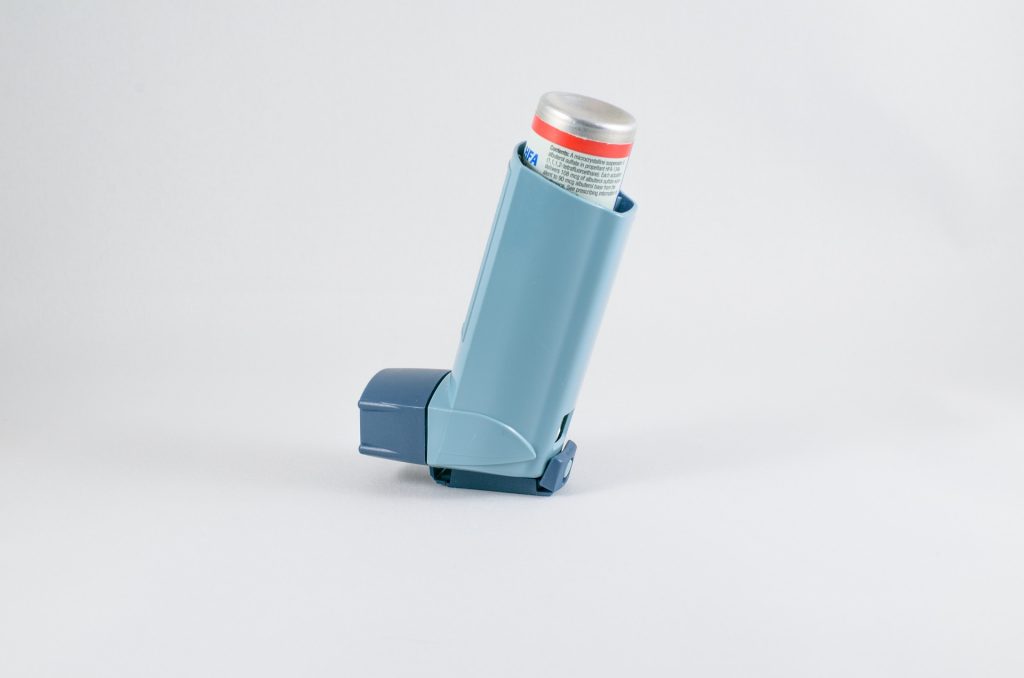
Asthma inhaler
Source: PIxabay/CC0

By Elri Voigt for Spotlight

Despite being one of the most common non-communicable diseases globally and there being highly effective treatments for it, asthma is often not well controlled in many low-resource settings, according to a cross-sectional study recently published in the Lancet medical journal.

Closer to home, the Global Asthma Report from 2022 showed that there has been an increase in severe asthma symptoms among adolescents in Cape Town over the last few years. There is little data available for the rest of the country, which makes comparisons with other South African cities very tricky.

‘Disproportionate number of children have severe asthma’

Dr Ahmed Ismail Manjra, a paediatrician and allergologist at the Allergy and Asthma Centre in Durban,  tells Spotlight that globally more children than adults have asthma. The centre is in the Life Westville Hospital and provides specialist services to adults and children with asthma or allergic disorders.

“Asthma is quite common in children. It is estimated [globally] that one in ten children have asthma, and in adults, the prevalence is less than in children,” he says. “But the problem is that in South Africa we see a disproportionate number of children with severe asthma. And what has been shown is that over the years the prevalence of asthma is rising, and the severity is rising.” (For more on what asthma is and how it is treated in South Africa’s public sector, see this Spotlight article from December 2022.)

Impact of undiagnosed uncontrolled asthma

The impact of undiagnosed or uncontrolled asthma on children is huge. First, according to Professor Refiloe Masekela, Paediatric Pulmonologist and the Head of Department of Paediatrics and Child Health at the University of KwaZulu-Natal, the symptoms are very noticeable, which can affect children socially. Secondly, a child with undiagnosed asthma will miss school because of their symptoms and be unable to participate in school activities like sport. They will also become less active because exercise may trigger symptoms, which have further effects on their health.

Another implication of uncontrolled asthma, according to Manjra, is poor sleep quality, which can impact a child’s academic performance.

“And in severe asthma without proper treatment, it can lead to recurrent admissions to hospital. This places a burden on the healthcare system, which can be easily prevented by proper management of asthma. And of course, in a small percentage of cases where the asthma is not well controlled, it can also lead to fatality,” he says.

Manjra urges parents to take their children to be checked for asthma if they have recurrent respiratory symptoms.

“The asthma treatment is extremely effective, very safe as well, [and] they have very few side effects. Parents should not be afraid to use asthma treatments to control their children’s asthma,” he says. “Although we don’t have a cure for asthma, we do have medicines that can control it and give better quality of life.”

Asthma trends in children: what the data says  

Masekela explains that the data published in the Global Asthma Report is published by the Global Asthma Network (GAN), which consists of a network of centres across the world – including three in South Africa – that contribute data on asthma in their regions every few years.

This data collection effort started with the ISAAC one and ISAAC three studies (International Studies of Asthma and Allergens in Children). The GAN centre in Cape Town contributed data to ISAAC I in 1995 and for ISAAC III data was collected in Cape Town in 2002 and Polokwane in 2004-2005 where adolescents were also included.

According to Masekela, the latest study collecting data on asthma was the Global Asthma Network (GAN) Phase one study, to which the Cape Town centre contributed. Masekela says the data from the ISAAC studies – ISAAC 1 and ISAAC 3 as well as GAN is available in South Africa only for Cape Town.

This means that it is possible to compare trends in childhood asthma in Cape Town over a longer time period, and data from ISAAC 3 can be used to compare Polokwane and Cape Town. But there isn’t current data collected by the GAN to give a clear picture of childhood asthma in the other cities and provinces.

In the 2022 Global Asthma report changes among the prevalence of asthma symptoms – measured as a 12-month prevalence rate of wheezing among adolescents aged 13 to14 – showed that in ISAAC 1, 16% of the around 5 000 adolescents surveyed in Cape Town had symptoms, which increased to 20.3% of just over 5 000 surveys in ISAAC 3 and finally 21.7% of the just under 4 000 adolescents surveyed for the 2022 study.

Masekela says in Cape Town if we look at the period between ISAAC Phase 1 and phase three, there was an increase in the prevalence [of asthma in children], but from the ISAAC 3 to the GAN Phase 1, there has been a stabilisation in the asthma prevalence [among children. “So, it’s very high, it’s over 20%, but it’s stable so it hasn’t been increasing, which it was doing before.”

When comparing data from Polokwane and Cape Town in ISAAC 3, at the time of the study, more children and adolescents in Cape Town had severe asthma than in Polokwane. The prevalence of asthma in children and adolescents was also higher in Cape Town.

Situation is ‘interesting and worrying’

Masekela explains that in many low-and-middle-income countries, those living with asthma don’t have access to the right asthma medications, namely inhalers. What also happens is that when those individuals have access to asthma medications, they are only able to get the reliever inhaler, not the controller inhaler.

People living with asthma need two types of inhalers, a reliever inhaler which brings relief and opens up the chest during an asthma attack and a control medication which is used every day to reduce inflammation in the long run. In order to control asthma adequately, both inhalers need to be used and used correctly.

In South Africa, both types of inhalers are on the Essential Medicines List.

“The story of South Africa is interesting and worrying. We have in our essential medicine list inhalers [both relievers and controllers],” she says. “It should be available. It’s on the essential medicine list for the primary care level. So any person who has asthma in South Africa should have access to that first step of treatments.”

Yet the data from South Africa suggests there is a problem. When looking at the symptoms of asthma among schoolchildren from the GAN phase one study, Masekela says it is worrying because they found that many children in South Africa with asthma symptoms don’t have an asthma diagnosis and of those that do have the diagnosis most only have the reliever inhaler and very few are using both the reliever and the controller inhaler.

“We know that asthma is under-diagnosed and actually the data from Cape Town, as well as Durban, is very similar. You see that 50% of adolescents have severe symptoms, half of them have never got the label – they’ve never been diagnosed as having asthma,” she says.

Under-diagnosed

A possible reason for the under-diagnosis, according to Masekela, is that when a child presents to a clinic with wheezing, the child is treated for something else that might be causing the symptoms and sent home. Then when the child goes back a few weeks or months later with the same symptoms, they are seen by a different doctor or nurse and there isn’t continuity, so the fact that the symptoms are recurrent isn’t picked up on.

Manjra tells Spotlight that asthma can sometimes be difficult to diagnose in small children because its symptoms – wheezing, shortness of breath, tight chest, and coughing – can be caused by a number of other diseases. Wheezing, in particular, can be caused by a number of conditions that can affect children.

“The most common being viral upper respiratory tract infection, particularly with RSV [respiratory syncytial virus] and rhinovirus. And sometimes in young children, it can be extremely difficult to make a correct diagnosis of asthma because there’s overlap between viral-induced wheezing and asthma,” he says.

“However, if the child has an underlying – what we call atopic predisposition – that means if the child has eczema or has allergic rhinitis or food allergy or has [an] inhalant allergy, then the possibility of that child having asthma is very high,” he says.

Other childhood conditions that can cause wheezing in children are TB and inhaling foreign bodies into the lungs.

“So, the diagnosis of asthma in young children is basically made by an exclusion of other causes of wheezing,” he says. “Asthma diagnosis is made over a period of time because, as I’ve mentioned, it’s recurrent wheezing.”

Another problem, according to Masekela, is that those people who do receive a diagnosis of asthma are often not getting the right treatment.

“People who have a label at least should have access to the treatments, but we do see that even in those that have the diagnosis, a lot of them are not using their medicine because they’re getting repeated attacks, they have severe symptoms,” she says. “So, something is not right. Either they are not getting the label, we know that’s happening, or they’re not getting the right treatment.”

This is a bi-directional problem, Masekela says, in that either healthcare workers are not adequately teaching patients how to use both inhalers or patients are relying on the reliever medications despite being taught how to use both.

Manjra says that while inhalers are on the EML, this doesn’t necessarily translate to healthcare facilities having stock. Meaning that there can be stock-out of the medication, but also of the spacers that children need to use with the inhalers.

According to Manjra, children are unable to use inhalers properly with spacers, because the inhaler releases the plume of medication too quickly for the child to be able to breathe it into their lungs. The spacer allows the medication to go into a holding chamber where the child is able to breathe the medication into their lungs in a controlled way, through a special valve.

Better education needed

The solution to the problems of the under-diagnosis of asthma and incorrect inhaler use is better education on all fronts, says Masekela. There needs to be better training among healthcare workers on how to recognise asthma, how to manage it and how to teach patients how to manage it properly.

“We know that there is a system problem about them [children] getting the correct medication, using the correct medication and that all boils down to education of the patient, education of the health workers. And really, overall education in the community about how to handle asthma,” she says.

She adds that patients and the wider community also need to be educated on what asthma is and how to manage it properly and destigmatise it. A good starting place is in schools so that children who are living with asthma and their peers are able to better understand the condition and be more accepting of the use of inhalers.

“It’s important that we then find strategies to get people to understand the need for using these medicines, even when they’re feeling well,” she says.

Republished from Spotlight under a Creative Commons 4.0 Licence.

Source: Spotlight

Not all Memories Lost to Sleep Deprivation are Gone Forever

Sleeping man
Photo by Mert Kahveci on Unsplash

Sleep deprivation is bad for memorisation, something which still doesn’t deter many med students from late night cramming. Researchers however have discovered that memories learned during sleep deprivation is not necessarily lost, it is just difficult to recall. Publishing in the journal Current Biology, the researchers have found a way to make this ‘hidden knowledge’ accessible again days after studying whilst sleep-deprived using optogenetic approaches and the asthma drug roflumilast.

University of Groningen neuroscientist Robbert Havekes and his team have extensively studied how sleep deprivation affects memory processes. “We previously focused on finding ways to support memory processes during a sleep deprivation episode,” says Havekes. However, in his latest study, his team examined whether amnesia as a result of sleep deprivation was a direct result of information loss, or merely caused by difficulties retrieving information. “Sleep deprivation undermines memory processes, but every student knows that an answer that eluded them during the exam might pop up hours afterwards. In that case, the information was, in fact, stored in the brain, but just difficult to retrieve.”

Priming the hippocampus

To find out, the researchers selectively introduced optogenetic proteins into neurons that are activated during a learning experience, enabling recall of a specific experience by shining a light on the cells. “In our sleep deprivation studies, we applied this approach to neurons in the hippocampus, the area in the brain where spatial information and factual knowledge are stored,” says Havekes.

First, the genetically engineered mice were given a spatial learning task in which they had to learn the location of individual objects, a process heavily reliant on neurons in the hippocampus. The mice then had to perform this same task days later, but this time with one object moved to a new location. The mice that were deprived of sleep for a few hours before the first session failed to detect this spatial change, which suggests that they cannot recall the original object locations. “However, when we reintroduced them to the task after reactivating the hippocampal neurons that initially stored this information with light, they did successfully remember the original locations,” says Havekes. “This shows that the information was stored in the hippocampus during sleep deprivation, but couldn’t be retrieved without the stimulation.”

Memory problems

The molecular pathway set off during the reactivation is also targeted by the drug roflumilast, which is used by patients with asthma or COPD. Havekes says: “When we gave mice that were trained while being sleep deprived roflumilast just before the second test, they remembered, exactly as happened with the direct stimulation of the neurons.” Since roflumilast is approved for use in humans and can enter the brain, this may lead to testing to see if it can recover ‘lost’ memories for humans..

It might be possible to stimulate the memory accessibility in people with age-induced memory problems or early-stage Alzheimer’s disease with roflumilast,” says Havekes. “And maybe we could reactivate specific memories to make them permanently retrievable again, as we successfully did in mice.” If a subject’s neurons are stimulated with the drug while they try and ‘relive’ a memory, or revise information for an exam, this information might be reconsolidated more firmly in the brain. “For now, this is all speculation of course, but time will tell.”

Source: University of Groningen.

Controlling Allergic Asthma without Compromising Flu Resistance

Young girl sneezing
Photo by Andrea Piacquadio on Unsplash

Blocking calcium signalling in immune cells suppresses allergic asthma, but without compromising the immune defence against flu viruses, according to the findings of a new study published in Science Advances.

The researchers showed that, in a mouse model, removing the gene for a certain calcium channel reduced asthmatic lung inflammation caused by house dust mite faeces, a common cause of allergic asthma. Blocking signals sent through this channel, the calcium release-activated calcium (CRAC) channel, with an investigational inhibitor drug had a similar effect.

The study revolved human cells’ use of signalling and switch-flipping ions, mainly calcium. When triggered by viral proteins or allergens, T cells open channels in their outer membranes, allowing calcium in to activate signalling pathways that control cell division and secretion of cytokine molecules.

Past work had found that CRAC channels in T cells regulate their ability to multiply into armies of cells designed to fight infections caused by viruses and other pathogens.

The new study showed that the CRAC channel inhibitor reduced allergic asthma and mucus build-up in mice without undermining their immune system’s ability to fight influenza, a main worry of researchers seeking to tailor immune-suppressing drugs for several applications.

“Our study provides evidence that a new class of drugs that target CRAC channels can be used safely to counter allergic asthma without creating vulnerability to infections,” said senior study author Stefan Feske, MD, a professor at NYU Langone Health. “Systemic application of a CRAC channel blocker specifically suppressed airway inflammation in response to allergen exposure.”

Allergic asthma, which is the most common form of the disease, is characterised by increased type 2 (T2) inflammation, which involves T helper (Th) 2 cells, the study authors noted. Th2 cells produce cytokines that play important roles in both normal immune defences, and in disease-causing inflammation that occurs in the wrong place and amount. In allergic asthma, cytokines promote the production of IgE antibodies and the recruitment to the lungs of inflammation-causing immune cells called eosinophils, the hallmarks of the disease.

In the new study, the research team found that deletion of the ORAI1 protein in T cells, which makes up the CRAC channel, or treating mice with the CRAC channel inhibitor CM4620, thoroughly suppressed Th2-driven airway inflammation in response to house dust mite allergens.

Treatment with CM4620 significantly reduced airway inflammation when compared to an inactive control substance, with the treated mice also showing much lower levels of Th2 cytokines and related gene expression. Without calcium entering through CRAC channels, T cells are unable to become Th2 cells and produce the cytokines that cause allergic asthma, the authors say.

Conversely, ORAI1 gene deletion, or interfering with CRAC channel function in T cells via the study drug, did not hinder T cell-driven antiviral immunity, as lung inflammation and immune responses were similar in mice with and without ORAI1.

“Our work demonstrates that Th2 cell-mediated airway inflammation is more dependent on CRAC channels than T cell-mediated antiviral immunity in the lung,” said study co-first author Yin-Hu Wang, PhD. “This suggests CRAC channel inhibition as a promising, potential future treatment approach for allergic airway disease.”

Source: NYU Langone Health via PRNewsWire

Asthma from Smoke Exposure Can Pass Down the Generations

Cigarette smoking
Source: Sabine R on Unsplash

Children are more likely to develop asthma if their father was exposed to secondhand smoke when he was a child, according to a study published today in the European Respiratory Journal. The researchers also found that the children have an even higher asthma risk if their father was exposed to secondhand smoke and then also became a smoker.

The researchers say their findings highlight how smoking can cause intergenerational harm, impacting even grandchildren.

The research drew on on data from the Tasmanian Longitudinal Health Study (TAHS). TAHS began in 1968 and is one of the world’s largest and longest ongoing respiratory studies.

For this study, researchers looked at 1689 children who grew up in Tasmania, and their fathers and their paternal grandparents. They compared data on whether the children had developed asthma by age 7 with data on whether the fathers grew up with parents who smoked when they were under age 15. They also included data on whether the fathers were current or former smokers.

First author Mr Jiacheng Liu said, “We found that the risk of non-allergic asthma in children increases by 59% if their fathers were exposed to secondhand smoke in childhood, compared to children whose fathers were not exposed. The risk was even higher, at 72%, if the fathers were exposed to secondhand smoke and went on to smoke themselves.”

Researcher Dr Dinh Bui said, “Our findings show how the damage caused by smoking can have an impact not only on smokers, but also their children and grandchildren. For men who were exposed to secondhand smoke as children, our study suggests that they can still lower the risk they pass on to their own children, if they avoid smoking.”

Senior author Professor Shyamali Dharmage said, “We can’t be certain of how this damage is passed on through generations, but we think it may be to do with epigenetic changes. This is where factors in our environment, such as tobacco smoke, interact with our genes to modify their expression. These changes can be inherited but may be partially reversible for each generation.

“It’s possible that tobacco smoke is creating epigenetic changes in the cells that will go on to produce sperm when boys grow up. These changes can then be passed on to their children.”

The researchers will now investigate if the increased risk of asthma persists into adult life and whether fathers who were exposed to secondhand smoke as children pass on any increase in allergies or other lung diseases to their children.

Source: University of Melbourne

Antibiotics Exposure in Childhood Linked to Later Allergies and Asthma

Young girl sneezing
Photo by Andrea Piacquadio on Unsplash

Early exposure to antibiotics kills healthy bacteria in the digestive tract, possibly leading to asthma and allergies, according to a series of experiments in mouse models.

The experiments, reported in Mucosal Immunology, have provided the strongest evidence so far that the long-observed connection between antibiotic exposure in early childhood and later development of asthma and allergies is causal.

“The practical implication is simple: avoid antibiotic use in young children whenever you can because it may elevate the risk of significant, long-term problems with allergy and/or asthma,” said senior author Martin Blaser at Rutgers University.

In the study, the researchers noted that antibiotics, which are “among the most used medications in children, affect gut microbiome communities and metabolic functions. These changes in microbiota structure can impact host immunity.”

In the first part of the experiment, five-day-old mice received water, azithromycin or amoxicillin. After the mice matured, researchers exposed them to a common allergen derived from house dust mites. Mice that had received either of the antibiotics, especially azithromycin, exhibited elevated rates of immune responses – ie, allergies.

The second and third parts of the experiment tested whether early exposure to antibiotics (but not later exposure) causes allergies and asthma by killing some healthy gut bacteria that support proper immune system development.

Lead author Timothy Borbet first transferred bacteria-rich faecal samples from the first set of mice to a second set of adult mice with no previous exposure to any bacteria or germs. Some received samples from mice given azithromycin or amoxicillin in infancy. Others received normal samples from mice that had received water.

Mice that received antibiotic-altered samples were no more likely than other mice to develop immune responses to house dust mites, just as people who receive antibiotics in adulthood are no more likely to develop asthma or allergies than those who don’t.

Things were different, however, for the next generation. Offspring of mice that received antibiotic-altered samples reacted more to house dust mites than those whose parents received samples unaltered by antibiotics, just as mice that originally received antibiotics as babies reacted more to the allergen than those that received water.

“This was a carefully controlled experiment,” said Blaser. “The only variable in the first part was antibiotic exposure. The only variable in the second two parts was whether the mixture of gut bacteria had been affected by antibiotics. Everything else about the mice was identical.

Blaser added that “these experiments provide strong evidence that antibiotics cause unwanted immune responses to develop via their effect on gut bacteria, but only if gut bacteria are altered in early childhood.”

Source: Rutgers University

Hospital Readmissions for Children with Asthma on The Increase

Photo by Kelly Sikkema on Unsplash

Hospital readmissions for asthma are increasing among children, likely stemming from COVID lockdowns reducing immunity to common respiratory viruses. These are the findings of a new study published in the Journal of Asthma. The finding highlights the gaps in health care for this most common of chronic paediatric illnesses.

The Australian study, led by the Murdoch Children’s Research Institute, found about one in three children, mostly pre-schoolers, are readmitted to hospital for asthma compared to one in five a decade ago.

Most asthma hospital presentations were preventable, Murdoch Children’s Dr Katherine Chen said, which emphasises the need for a holistic evaluation of each child’s asthma management to prevent future readmissions.

The study involved 767 children, aged three to 18 years, who were admitted to three hospitals in Victoria state between 2017-2018 with a diagnosis of asthma. It found that 34.3% were readmitted to hospital for asthma, with those aged three to five years accounting for 69.2%. Of the 767 participants, 20.6% were readmitted once, and 13.7% had two or more readmissions in 12 months. 

“Our study highlighted gaps in the children’s asthma care,” Dr Chen said. Over a third of children hadn’t had a review of their inhaler technique, and only about a quarter were prescribed a preventer or asked to continue using it.

“Almost three quarters were discharged without a preventer medication, and over 80 per cent did not have a follow-up clinic booked at the hospital, often reserved for children with difficult-to-control asthma. Most families, therefore, need to navigate their child’s asthma follow-up with their GP.”

Recently, said Dr Chen, asthma admissions had spiked due to the rise in respiratory infections and children lacking immunity to common viruses as a result of COVID lockdowns.

Professor Harriet Hiscock at MCRI said that the findings confirmed the important role of GPs in paediatric asthma management and how targeted interventions at each hospital could reduce readmissions.

“Less than 10 per cent were readmitted within 30 days suggesting the importance of ongoing community care and longer-term asthma control,” she said. The need to regularly review overall asthma management, minimise risk factors, arrange follow-up, and support optimum care in the community are key.

“Interactive digital symptom monitoring with specialist nurse support, home-based education and a culturally tailored education program could also help.”

Prof Hiscock said linked datasets were important to objectively measure the burden of asthma cases on health services.

“Our current dataset cannot verify whether the follow-up appointment was attended, whether caregivers had arranged follow-up post-discharge and if the medications were used as prescribed,” she said. “Integrating datasets such as health services and medication use into clinical care will improve the clinician’s understanding of the child’s asthma control and medication adherence and would assist in providing targeted treatments.”

Asthma is the most common chronic paediatric illness in industrialised countries, affecting 8–10% of children.

Source: Murdoch Children’s Research Institute

Urine Metabolites Yield Clues on Severe Asthma

Asthma inhaler
Source: PIxabay/CC0

A study published in the European Respiratory Journal found severe asthmatics have a distinct metabolite profile detectable in their urine, compared to healthy individuals and those with milder asthma.

Researchers analysed urine samples from more than 600 participants as part of the U-BIOPRED study, a Europe-wide initiative to identify and better understand different sub-types of severe asthma.

The research team discovered a specific type of metabolite, called carnitines, decreased in severe asthmatics. Carnitines play an important role in cellular energy generation and immune responses. Further analyses found carnitine metabolism was lower in severe asthmatics.

These new findings will help enable researchers work towards new, more effective therapies for asthmatics.

Study leader Dr Stacey Reinke said it is vital that asthma treatment is improved.

“To identify and develop new treatment options, we first need to better understand the underlying mechanisms of the disease,” she said.

Examining the body’s chemical profile, or ‘metabolome’, provides a snapshot of a person’s current physiological state and gives useful insight into disease processes.

“In this case, we were able to use the urinary metabolome of asthmatics to identify fundamental differences in energy metabolism that may represent a target for new interventions in asthma control,” Dr Reinke said.

Dr Reinke said it can be difficult and invasive to investigate the lungs directly – but fortunately they contain a lot of blood vessels.

“Therefore, any biochemical changes in the lungs can enter the blood stream, and then be excreted through the urine,” she said.

“These are preliminary results, but we will continue to investigate carnitine metabolism to evaluate its potential as a new asthma treatment target.”

‘Urinary metabotype of severe asthma evidences decreased carnitine metabolism independent of oral corticosteroid treatment in the U-BIOPRED study’ was published in the .

Source: Edith Cowan University

Two-drug Combination Inhaler Looks Good for Asthma ‘Rescue’ Therapy

Asthma inhaler
Source: PIxabay/CC0

An analysis published in the NEJM testing a two-drug combination inhaler shows promising results for helping asthma patients get their condition back under control when standard medication isn’t working for them. The phase III trial found that users of the product PT027, (90μg albuterol combined with 80μg budesonide), were 26% less likely to experience severe exacerbations than those using albuterol alone.

A version with a lower steroid dose (40 μg) also appeared to reduce severe exacerbation risk, but the 16% advantage over conventional albuterol-only treatment narrowly missed by statistically significant with a P value of 0.052.

The study authors explain that the approach is based on the notion that short-acting beta agonist (SABA) drugs, eg albuterol, are quite effective in reducing acute symptoms, but do not address the underlying inflammation causing the symptoms. The product’s developers reasoned that addition of a steroid should help prevent symptoms recurrence.

In the MANDALA trial, 3132 patients were randomised to one of three regimens: two actuations each of the 90/80 μg or 90/40 μg versions, or two actuations of 90 μg albuterol. Patients were all instructed to use the device when they experienced acute symptoms, and remained on their normal maintenance treatment, which consisted of long-acting beta agonists and inhaled corticosteroids, either individually or in combination and in a variety of doses.

Severe exacerbation was the primary endpoint, defined as any of the following:

  • Inpatient admission for asthma symptoms
  • Emergency department or urgent care visit
  • A minimum og three days of systemic steroid therapy for worsening symptoms

The researchers also tracked a variety of secondary outcomes, such as time to first exacerbation, and safety parameters.

Annualised severe exacerbation rates were 0.43 for the high-dose product versus 0.58 for albuterol alone, for a rate ratio of 0.75. As the low-dose group included all of the child participants, it was compared to a slightly different set of albuterol-only controls, giving annualised exacerbation rates in that comparison of 0.48 and 0.60, respectively. That rate ratio of 0.81 was significant.

Systemic steroids was another secondary outcome, with the combination inhaler proving superior again, with averages of 83.6 mg (prednisone equivalent) for the high-dose version, 94.7mg with the lower dose, and 130.0/127.6 mg for the respective albuterol-only control groups. Adverse effects were similar in either arm (46–47%).

Source: MedPage Today

Why People with Asthma are Less Vulnerable to COVID

Photo by Sahej Brar on Unsplash

Researchers have revealed biological reasons for how disease progression happens and why a certain population of asthma patients are less susceptible to severe COVID.

This research, published in PNAS, shows the importance of the well-known cytokine interleukin-13 (IL-13) in protecting cells against SARS-CoV-2, something which helps explain why people with allergic asthma fare better than the general population despite having a chronic lung condition. However, the same cannot be said for individuals with other diseases, such as chronic obstructive pulmonary disease (COPD) or emphysema, who are at very high risk of severe COVID.

“We knew there had to be a bio-mechanistic reason why people with allergic asthma seemed more protected from severe disease,” said Assistant Professor Camille Ehre, PhD, senior author of the paper. “Our research team discovered a number of significant cellular changes, particularly due to IL-13, leading us to conclude that IL-13 plays a unique role in defence against SARS-CoV-2 infection in certain patient populations.”

Although cytokines like IL-13 cannot be used as therapies because they trigger inflammation, it is important to understand natural molecular pathways that cells use to protect themselves from pathogen invasion, as these studies have the potential to reveal new therapeutic targets.

Many health factors increase a person’s risk of severe COVID, but during the pandemic, epidemiologists found that people with allergic asthma were less susceptible to severe disease.

“These are patients with asthma caused by allergens, such as mould, pollen, and dander,” said A/Prof Ehre. “To find out why they are less susceptible, we investigated specific cellular mechanisms in primary human airway epithelial cell cultures.”

Genetic analysis human airway cell cultures infected with SARS-CoV-2 revealed that the expression of ACE2 governed which cell types were infected and their viral load.

Electron microscopy (EM) identified an intense exodus of virus from infected ciliated cells, which move mucus along the airway surface. EM also revealed severe cytopathogenesis – changes inside human cells due to viral infection. And these changes culminating in ciliated cells (packed with virions) shedding away from the airway surface.

“This shedding is what provides a large viral reservoir for spread and transmission of SARS-CoV-2,” A/Prof Ehre said. “It also seems to increase the potential for infected cells to relocate to deeper lung tissue.”

Further experiments on infected airway cells revealed that a major mucus protein called MUC5AC was depleted inside cells, likely because the proteins were secreted to try to trap invading viruses. But the virus load kept increasing because the cells tasked with producing MUC5AC were overwhelmed in the face of a rampant viral infection.

The researchers knew from epidemiological studies that allergic asthma patients—known to overproduce MUC5AC—were less susceptible to severe COVID. A/Prof Ehre and colleagues also knew the cytokine IL-13 increased MUC5AC secretion in the lungs when asthma patients faced an allergen.

The scientists decided to mimic asthmatic airways by treating human airway cells with IL-13. They then measured viral titres, viral mRNA, the rate of infected cell shedding, and the overall number of infected cells. Each one was significantly decreased. They found this remained true even when mucus was removed from the cultures, suggesting other factors were involved in the protective effects of IL-13 against SARS-CoV-2.

Bulk RNA-sequencing analyses revealed that IL-13 upregulated genes that control glycoprotein synthesis, ion transport, and antiviral processes – all of which are important in airway immune defence. They also showed that IL-13 reduced the expression of the viral receptor, ACE2, as well as reducing the amount of virus inside cells and cell-to-cell viral transmission.

Taken together, these findings indicate that IL-13 significantly affected viral entry into cells, replication inside cells, and spread of virus, thus limiting the virus’s ability to find its way deeper into the airways to trigger severe disease.

“We think this research further shows how important it is to treat SARS-CoV-2 infection as early as possible,” A/Prof Ehre said. “And it shows just how important specific mechanisms involving ACE2 and IL-13 are, as we try our best to protect patients from developing severe infections.”

Source: University of North Carolina Health Care

Mepolizumab Weans Severe Asthma Patients off Steroids

Asthma inhaler
Source: PIxabay/CC0

In a real world study, patients taking oral corticosteroids for severe asthma, taking mepolizumab reduced the need for those steroids by 75%. These findings were presented at the annual meeting of the American Academy of Allergy, Asthma & Immunology.

By the end study, patients on a median 10 mg maintenance dose of oral corticosteroids at baseline reduced their intake to 2.5 mg, reported Mark Liu, MD, of Johns Hopkins Medicine, who presented the findings.

And those on a median 5 mg maintenance dose at the start of the trial reduced their use to 0.4 mg by study end, Dr Liu said.

In the high steroid dose group, 36% were able to be weaned off the drugs by the end of the study, he reported. In the lower dose group, 49% were able to discontinue steroid use.

Treatment with the interleukin-5 (IL-5) antagonist mepolizumab reduced clinically significant annual exacerbations from a mean of 4.3 in the 12 months prior to the trial to 1.5 with mepolizumab use. This reduction from baseline was seen across all patient groups, said Dr Liu, including those with high and low steroid use and those who were not taking steroids at baseline to control symptoms.

Dr Liu suggested that despite the limitation of being a single-arm study, the “clinically important real-world findings indicate that patients with severe asthma treated with mepolizumab can reduce their oral corticosteroid use, potentially reducing the risk of side effects associated with their use, while improving their asthma control.”

The co-moderator of the presentation session, William Anderson, MD, of Children’s Hospital Colorado, said the study was important – “especially for our adult patients who are on chronic steroids, because the side effects of chronic steroids are so profound and oftentimes can lead to equal if not worse effects than the underlying asthma itself.”

“The ability to use a biologic agent to decrease the dose of an oral steroid for our patients is certainly extraordinarily promising,” Dr Anderson said to MedPage Today. “Our ultimate goal is to get patients off oral steroids.”

For the year-long study, Dr Liu and colleagues enrolled 822 adults with asthma and a new prescription for mepolizumab with at least 12 months of previous medical records. Mepolizumab was given at the standard 100mg subcutaneous dose.

“Patients with severe asthma often rely on oral corticosteroids to control their symptoms despite a well-recognized risk of complications even at low daily doses,” Dr Liu explained. The goal of the study, he said, was to determine what happened in a real-world setting when these patients were treated with mepolizumab, stratified by steroid use. The researchers enrolled patients from December 2016 through October 2019.

About 10% of patients experienced adverse events, but serious adverse events occurred in less than 1%, Dr Liu noted.

Source: MedPage Today