New oxygen-delivering technology can prevent amputations
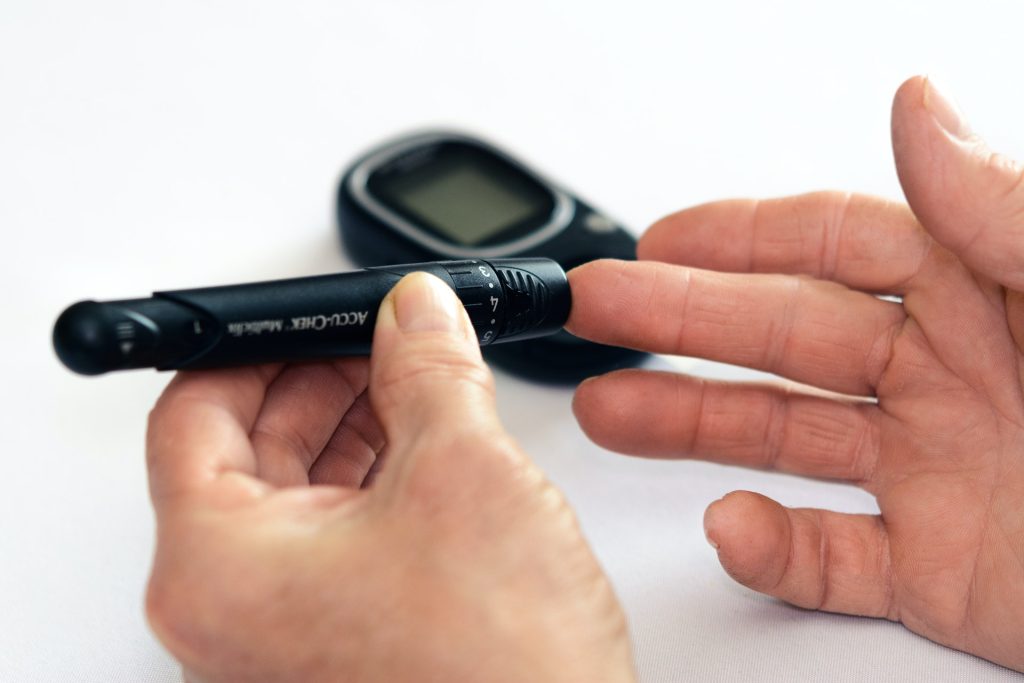
Photo by Photomix Company on Pexels
As ageing populations and rising diabetes rates drive an increase in chronic wounds, more patients face the risk of amputations. UC Riverside researchers have developed an oxygen-delivering gel capable of healing injuries that might otherwise progress to limb loss.
Injuries that fail to heal for more than a month are considered chronic wounds. They affect an estimated 12 million people annually worldwide, and around 4.5 million in the U.S. Of these, about one in five patients will ultimately require a life-altering amputation.
The new gel, tested in animal models, targets what researchers believe is a root cause of many chronic wounds: a lack of oxygen in the deepest layers of the damaged tissue. Without sufficient oxygen, wounds languish in a prolonged state of inflammation, allowing bacteria to flourish and tissue to deteriorate rather than regenerate.
“Chronic wounds don’t heal by themselves,” said Iman Noshadi, UCR associate professor of bioengineering who led the research team. “There are four stages to healing chronic wounds: inflammation, vascularisation where tissue starts making blood vessels, remodelling, and regeneration or healing. In any of these stages, lack of a stable, consistent oxygen supply is a big problem,” he said.
When oxygen from the air or bloodstream cannot penetrate far enough into injured tissue the result is hypoxia, which derails normal healing. The researchers’ approach to preventing hypoxia with a gel is detailed in a paper published in Nature Communications Materials.
The soft, flexible gel contains water as well as a choline-based liquid that is antibacterial, nontoxic, and biocompatible. When paired with a small battery similar to those used in hearing aids, the gel becomes a tiny electrochemical machine splitting water molecules to generate a slow, steady stream of oxygen.
Unlike treatments that deliver oxygen only at the surface, the gel conforms to the unique shape of each wound, filling crevices where oxygen levels are often lowest and infection risk is highest. Before it sets, the material moulds precisely to the contours of the damaged tissue.
Equally important, the oxygen delivery is continuous. Vascularization can take weeks, so brief bursts of oxygen are not enough. The new system can provide sustained oxygen levels for up to a month, helping transform a nonhealing wound into one that behaves like a normal injury.
In tests on diabetic and older mice, chosen because their wounds closely resemble chronic wounds in older humans, untreated injuries failed to heal and were often fatal. With the oxygen-generating patch applied and replaced weekly, wounds closed in about 23 days, and the animals survived.
“We could make this patch as a product where the gel may need to be renewed periodically,” said Prince David Okoro, UCR bioengineering doctoral candidate in Noshadi’s lab and paper co-author.
The gel’s chemistry offers an added benefit. Choline, a key component, has properties that help modulate the immune system and calm excessive inflammation. Chronic wounds are often overwhelmed by reactive oxygen species, which are unstable molecules that damage cells and prolong inflammation. By increasing stable oxygen while helping rein in this immune overreaction, the gel restores balance rather than triggering further stress.
“There are bandages that absorb fluid, and some that release antimicrobial agents,” said Okoro. “But none of them really address hypoxia, which is the fundamental problem. We’re tackling that directly.”
The implications of this project extend beyond wound care. Oxygen and nutrient deprivations are major challenges in attempts to grow replacement tissues or organs, which is one of the primary goals of the Noshadi laboratory.
“When the thickness of a tissue increases, it’s hard to diffuse that tissue with what it needs, so cells start dying,” Noshadi said. “This project can be seen as a bridge to creating and sustaining larger organs for people in need of them.”
There are some factors causing the prevalence of chronic wounds that cannot be solved with a gel. In addition to climbing rates of diabetes and aging populations, UCR bioengineer and paper co-author Baishali Kanjilal notes other factors.
“Our sedentary lifestyles are causing our immune responses to decrease,” she said. “It’s hard to get to societal roots of our problems. But this innovation represents a chance to reduce amputations, improve quality of life, and give the body what it needs to heal itself.”
Study finds a link between mental health diagnoses and early death.
Photo by Alex Green on Pexels
In a study of adults with cancer, those who developed a mental health condition within the first year after their cancer diagnosis had a higher likelihood of dying over the next few years. The findings are published by Wiley online in CANCER, a peer-reviewed journal of the American Cancer Society.
In the analysis of data on all patients at University of California–affiliated hospitals, researchers identified all adult patients who were diagnosed with cancer in 2013–2023 but had no documented mental health disorder before their diagnosis.
Among 371 189 patients, 39 687 (10.6%) developed a mental health disorder within a year. After taking potentially influencing factors into account, a mental health disorder diagnosis was linked to a 51% higher risk of death in the initial 1–3 years after cancer diagnosis. This elevated risk diminished to a 17% higher risk after 3–5 years and then disappeared.
The findings support the importance of prompt screening and treatment of distress and mental health following a cancer diagnosis.
“Over the past several years, we’ve had an increasing appreciation for the important relationship between cancer, its treatment, and mental health,” said lead author Julian Hong, MD, MS, of the University of California, San Francisco. “This study reproduces our prior work by leveraging the shared experience across the University of California system, reinforcing a relationship between mental health conditions and mortality for patients with cancer and highlighting the need to prioritize and manage mental health.”
The low oxygen levels at high altitude have long been known to be associated with lower diabetes rates. Photo by Mike Markov on Unsplash
Scientists have long known that people living at high altitudes, where oxygen levels are low, have lower rates of diabetes than people living closer to sea level. But the mechanism of this protection has remained a mystery.
Now, researchers at Gladstone Institutes have explained the roots of the phenomenon, discovering that red blood cells act as glucose sponges in low-oxygen conditions like those found on the world’s highest mountaintops.
In a new study in the journal Cell Metabolism, the team showed how red blood cells can shift their metabolism to soak up sugar from the bloodstream. At high altitude, this adaptation fuels the cells’ ability to more efficiently deliver oxygen to tissues throughout the body, but it also has the beneficial side effect of lowering blood sugar levels.
The findings solve a longstanding puzzle in physiology, says Gladstone Investigator Isha Jain, PhD, the senior author of the study.
“Red blood cells represent a hidden compartment of glucose metabolism that has not been appreciated until now,” says Jain, who is also a core investigator at Arc Institute and a professor of biochemistry at UC San Francisco. “This discovery could open up entirely new ways to think about controlling blood sugar.”
The Hidden Glucose Sink
Jain has spent years probing how low blood-oxygen levels, called hypoxia, affect health and metabolism. During a previous study, her team noticed that mice breathing low-oxygen air had dramatically lower blood glucose levels than normal. That meant the animals were quickly using up glucose after they ate—a hallmark of lower diabetes risk. But when the researchers used imaging to track where the glucose was going, major organs couldn’t account for it.
“When we gave sugar to the mice in hypoxia, it disappeared from their bloodstream almost instantly,” says Yolanda Martí-Mateos, PhD, a postdoctoral scholar in Jain’s lab and first author of the new study. “We looked at muscle, brain, liver—all the usual suspects—but nothing in these organs could explain what was happening.”
Using another imaging technique, the team revealed that red blood cells were the missing “glucose sink”—a term used to describe anything that pulls in and uses a lot of glucose from the bloodstream. The cells, having long been considered metabolically simple, seemed like unlikely candidates.
But further mouse experiments confirmed that red blood cells were indeed absorbing the glucose. In low-oxygen conditions, mice not only produced significantly more red blood cells, but each cell took up more glucose than red blood cells produced under normal oxygen.
To understand the molecular mechanisms of this observation, Jain’s team collaborated with Angelo D’Alessandro, PhD, of the University of Colorado Anschutz Medical Campus, and Allan Doctor, MD, from University of Maryland, who has long studied the function of red blood cells.
The researchers showed how, in low-oxygen conditions, glucose is used by red blood cells to produce a molecule that helps cells release oxygen to tissues—something that’s needed in excess when oxygen is scarce.
“What surprised me most was the magnitude of the effect,” D’Alessandro says. “Red blood cells are usually thought of as passive oxygen carriers. Yet, we found that they can account for a substantial fraction of whole-body glucose consumption, especially under hypoxia.”
A New Path to Diabetes Treatment
The scientists went on to show that the benefits of chronic hypoxia persisted for weeks to months after mice returned to normal oxygen levels.
They also tested HypoxyStat, a drug recently developed in Jain’s lab to mimic the effects of low-oxygen air. HypoxyStat is a pill that works by making hemoglobin in red blood cells grab onto oxygen more tightly, keeping it from reaching tissues. The drug completely reversed high blood sugar in mouse models of diabetes, working even better than existing medications.
“This is one of the first use of HypoxyStat beyond mitochondrial disease,” Jain says. “It opens the door to thinking about diabetes treatment in a fundamentally different way—by recruiting red blood cells as glucose sinks.”
The findings could extend beyond diabetes to exercise physiology or pathological hypoxia after traumatic injury, D’Alessandro notes, where trauma remains a leading cause of mortality in younger populations and shifts in red blood cell levels and metabolism may influence glucose availability and muscle performance.
“This is just the beginning,” Jain says. “There’s still so much to learn about how the whole body adapts to changes in oxygen, and how we could leverage these mechanisms to treat a range of conditions.”
Cancer treatment follows a familiar pattern: doctors spot symptoms, diagnose the disease and start treatment. But scientists are now exploring a radical shift in how we tackle cancer. Instead of waiting for tumours to appear, they want to catch the disease decades before it develops.
This approach is called “cancer interception”. The idea is simple: target the biological processes that cause cancer long before a tumour ever forms.
Researchers are hunting for subtle early warning signs. These include genetic mutations that quietly build up in our cells, giving them advantages against our immune defences.
They’re also looking at precancerous lesions like moles or polyps, and early visible changes in tissue. All of these appear long before cancer becomes obvious.
Large genetic studies reveal that as people age, their bodies accumulate small groups of mutated cells called clones that grow silently. Scientists have studied this particularly well in blood. These clones can help predict who might develop blood cancers like leukaemia, and the genetics, inflammation and environmental factors strongly influence them.
Crucially, doctors can measure and track these changes over time. This opens up possibilities for early intervention.
A 16-year study followed around 7,000 women and uncovered how these mutations work. Some mutations helped clones multiply faster, while others made them particularly sensitive to inflammation.
When there was inflammation, these sensitive clones expanded. Breaking down these patterns helps researchers identify people with a higher chance of developing cancer later.
Not a sudden event
The research reveals something fundamental about cancer. It’s not a sudden event that instantly produces a tumour.
Instead, cancer develops through a slow, multi-step process with detectable warning signs along the way. These early signs could become powerful targets for stopping cancer before it starts.
Scientists are developing blood tests to spot cancer long before symptoms appear. These tests, called multi-cancer early detection tests (MCEDs for short), search for tiny fragments of DNA in the blood.
MCEDs work by looking for circulating tumour DNA, or ctDNA – DNA fragments that cancerous or precancerous cells release into the bloodstream. Even very early cancers shed this DNA, so the tests might detect disease long before it shows up on a scan.
The results so far look promising. MCEDs can boost survival rates through early detection, especially for colorectal cancer. When doctors diagnose colorectal cancer at stage one, 92% of patients survive five years. But when they catch it at stage four, only 18% survive that long.
If colon cancer is caught at stage one, most patients are still alive after five years. Credit: National Cancer Institute
The tests aren’t perfect, though. They miss some cancers entirely, and positive results still need follow-up tests to confirm.
Even so, research suggests MCEDs could become crucial for catching cancers that usually go unnoticed until much later. The potential to save lives is significant.
Heart doctors already use a similar approach. They calculate a person’s risk using age, blood pressure, cholesterol and family history, then prescribe drugs like statins years before a heart attack happens.
Cancer researchers want to copy this model. They envision combining genetic mutations, environmental factors and MCED results to guide early cancer prevention.
But cancer differs from heart disease in important ways. Cancer doesn’t follow a predictable path, and some early lesions shrink or never progress.
There’s also the risk of over-diagnosis. Being told you’re at higher risk when you feel perfectly healthy creates anxiety.
Cancer prevention tools also vary widely in their effectiveness, unlike statins that work broadly across different cardiovascular risk groups. The risk-based model shows promise, but needs careful handling.
Treating cancer risk instead of cancer itself raises difficult ethical questions. When someone feels completely healthy, judging whether intervention will truly help them becomes harder.
There’s a danger of causing unnecessary worry or harm. Scientists warn that doctors sometimes overestimate benefits and underestimate risks, particularly for older adults.
MCED tests bring their own ethical concerns. Accuracy isn’t the only issue that matters.
The tests sometimes flag cancer when none exists, leading to follow-up scans and biopsies that patients don’t actually need. The anxiety from all of this carries a high cost, both for patients and the healthcare system.
If these tests are expensive or only available privately, they could make health inequalities worse. This concern hits hardest in low-income countries.
In the US, the medicines regulator is investigating how MCED blood tests should work. They’re examining how reliable the tests need to be and what follow-ups doctors should require to keep patients safe.
The UK is following suit. The National Cancer Plan for England, published on February 4, 2026, commits to providing 9.5 million extra diagnostic tests through the NHS each year by March 2029.
The plan also states that ctDNA biomarker testing will continue in lung and breast cancer. It will extend to other cancers if proven to be cost effective.
What all this shows is clear. Cancer doesn’t suddenly appear; it’s a steady process that begins decades earlier. Catching it before it grows could save countless lives. The question now is how to do that safely, fairly and effectively.
The District Health Programme Grant is a mechanism for funding the country’s public health efforts, particularly relating to HIV, TB, and other communicable diseases.
By Russell Rensburg
District managers in South Africa’s public healthcare system currently have to juggle funding from multiple government budget lines, each with different strings attached. To improve district health services, we urgently need to simplify and integrate these funding flows, argues Russell Rensburg.
In his State of the Nation Address this year, for the first time in a long time, President Cyril Ramaphosa focused on the broader determinants of health, delivering the strongest message yet around the importance of prevention.
This included signalling reforms around the taxation and regulation of alcohol as well as announcing broad initiatives to improve child health through good nutrition.
And his announcement that government will be rolling out the HIV prevention injection, lenacapavir, means that South Africa stands at the cusp of a massive healthcare transition. The six-monthly injection will be a game-changer in the country’s ongoing fight against HIV.
His efforts must be applauded.
But to deliver on this, Ramaphosa will need a functioning district healthcare system. The challenge, however, is that the district healthcare system often functions in name, but not in practice. This disconnect is mostly due to how district-level services – and healthcare in general – is funded.
In short, we ask for integrated healthcare services in a system built on siloed funding streams. We task district managers with coordinating care, but the budgets they depend on are split across the provincial equitable share, multiple conditional grants, and hospital-level allocations.
Health is funded from national revenue through two streams: the national department of health and the provincial equitable share. The equitable share, which funds healthcare and education, is calculated using several factors including population size, use of services and potential unmet and future needs. The allocations are unconditional allowing provinces to determine all the allocations relative to provincial realities, cost pressures and needs. With national funding, 85% is transferred to provinces through defined use conditional grants to fund strategic priorities. The challenge is that in recent years these grants have become transfers to provinces with poorly managed conditionalities resulted in fragmented healthcare.
One way to fix these challenges is to consolidate all district health funding — including district hospitals — into a single, nationally coordinated expanded District Health Programme Grant. This reform would align the system with the National Health Act, strengthen accountability, and prepare us for the healthcare transitions ahead.
This shift is not about centralising services. It is about aligning authority with responsibility, and aligning money with the legal design of the health system. Provinces would remain responsible for service delivery. But national government — as required by the Act — would finally have a coherent instrument to guide, monitor, and support the district health system.
A fragmented system
Twenty-three years ago, the National Health Act set out a detailed framework for how healthcare should be structured in the country. Health policy norms and standards are set nationally. Provinces are responsible for coordinating and providing technical and operational support to districts. Crucially, the act locates the delivery of health services within the district health system, which is mandated to plan, coordinate and deliver comprehensive primary healthcare services closest to where people live.
Where the National Health Act falls short, is in providing guidance on how these powers and responsibilities would be financed.
Currently, district health services are funded through three streams:
The provincial equitable share, allocated nationally to each province based on population size and demand for health services. This covers most primary healthcare services and all district hospitals.
The District Health Programme Grant, which focuses on HIV, TB, community outreach, and some primary healthcare enablers.
And thirdly, a patchwork of other conditional grants for training, infrastructure, oncology, and digital systems.
The challenge with this approach is that each of these funding streams has its own rules, reporting requirements, and political histories. None of them were designed to work together.
Making the case for consolidation
Twenty odd years ago, the case for split funding streams made more sense. In the early 2000s, South Africa faced an overwhelming HIV epidemic. We needed targeted programmes, ringfenced funds, and rapid scale-up. Conditional grants was an instrument, that in a specific context, helped save millions of lives. But this instrument has now hardened into permanent architecture. And unfortunately, it is not fit for today’s health challenges.
South Africa is at a critical moment. The population is ageing, rates of non-communicable diseases like diabetes and hypertension are rising, HIV and TB require lifelong, coordinated management, and the pace of technology is rapidly reshaping healthcare.
The system that was built 20 years ago simply cannot carry us through the next 20 years.
At the same time, South Africa’s health budget is tightening. Despite a small increase in last year’s budget, the trend over the last decade or so is clearly toward having to do more with less.
We cannot expect the system to meet these growing demands while the foundational governance and funding architecture is no longer fit for purpose.
How it could work
Under an expanded District Health Programme Grant, national government – as the law mandates – would set the healthcare package, standards, indicators, and information requirements. Provinces would continue to run services, hire staff, manage facilities, and account for performance in line with the provisions of the National Health Act. And districts would finally have a budget that reflects their actual responsibilities.
In simple terms, this means that the expanded district health programme will be structured as a conditional grant. It will be informed by a nationally defined package of district health services, developed in consultation with provinces. Provincial allocations will be informed by strategic priorities and service needs such as essential health services, reproductive, maternal and child health services, as well as infectious diseases and non-communicable diseases. The National Department of Health will be responsible for managing the grant conditions with stronger accountability mechanisms to ensure alignment with strategic aims and constitutional responsibilities. Provinces will continue to control human resources, service delivery networks and district variations. This is what the National Health Act intended.
This is the model used by many countries that have successfully strengthened district health systems: national sets the rules and maintains oversight, while provinces or local governments handle delivery.
As already noted, South Africa does have the legal architecture for this. We just don’t have the financial mechanisms in place to match it.
In practical terms, such reforms will mean that for the first time, a district could budget for clinics, ward‑based outreach teams, HIV and TB services, chronic disease management, district hospitals, laboratory and pharmacy systems, emergency medical services linkages, and digital and information systems.
The artificial lines between primary healthcare and district hospitals would disappear. The system would fund itself as the Act intended, as one. District hospitals would no longer be expected to manage pressures created by primary healthcare gaps they have no control over.
There are several other benefits, such as improved accountability, an easier adaptation to demographic and epidemiological transitions, and more efficient use of limited budgets. These ultimately all develop a realistic pathway to universal health coverage.
A governance correction, not a revolution
There may be concerns that consolidating funding into a single grant means taking power away from provinces. The reality, however, is that this reform would restore coherence, not remove authority.
South Africa has spent decades speaking about equity. This is a practical way to make equity real.
When we underfund the district health system in structure, we undercut the very people who rely on it most. These are rural communities, working class households, and people managing chronic and infectious diseases who require continuity of care, not bureaucratic fragmentation.
A unified District Health Programme Grant will not solve every problem in our health system. But without it, we will continue asking a fragmented system to produce cohesive outcomes, and blaming managers and health workers when it inevitably cannot.
It is time to give the district health system the financial foundation it has always needed. Only then can we build the health system people in South Africa deserve.
*Rensburg is director of the Rural Health Advocacy Project and project director for the TB Accountability Consortium.
Note: Spotlight aims to deepen public understanding of important health issues by publishing a variety of views on its opinion pages. The views expressed in this article are not necessarily shared by the Spotlight editors.