
Tag: 22/9/26

Beyond Dispensing: Why South Africa Needs to Make Better Use of Pharmacists to Improve Healthcare Access

Pharmacists are the most accessible healthcare professionals for many South Africans. Image created with AI.

Healthcare access in South Africa is increasingly shifting towards prevention, early intervention and more accessible primary healthcare. Yet for many communities, accessing healthcare can still mean long waiting times, travel and delays in receiving care.

As pressure on the healthcare system continues, there is an opportunity to make better use of healthcare professionals who are already accessible within communities.

For many people, the pharmacist’s role has traditionally been associated primarily with dispensing medication. But the profession has evolved significantly. Pharmacists are increasingly contributing to medicine optimisation and adherence, chronic disease support, health screening and other primary healthcare services within their scope of practice.

According to Tanya Ponter, Pharmacy Director at Dis-Chem, pharmacists are equipped with skills that extend well beyond the dispensing of medicines.

“Pharmacists are trained to interrogate symptoms, review evidence and metrics that identify risk and make life saving decisions under pressure. Their expertise places them in a unique position to support patients beyond the traditional dispensing function and contribute to earlier intervention and better health outcomes.”

This evolving role is particularly important as South Africa looks for ways to improve access to primary healthcare. Pharmacists are often accessible within communities and can provide guidance, identify potential health risks and, where appropriate, refer patients to other healthcare professionals. What’s more, they are the most accessible clinical touchpoint for consumers and are always available to provide expert advice at no cost to patients.

“Expanded pharmacist-led services have the potential to reduce existing pressure on the healthcare system, with these professionals often being a first point of contact for patients in communities. Their presence can help address appropriate healthcare needs earlier and potentially reduce unnecessary demand on higher levels of care,” says Ponter.

With rising rates of chronic conditions like diabetes, hypertension, and HIV, pharmacists play an ongoing role in long-term wellness. To support complex patients who often take multiple pills, they offer guidance and medication reviews to simplify regimens and eliminate unnecessary or duplicate treatments.

As South Africa marks World Pharmacists Day, Ponter states that the profession should increasingly be viewed as an integral part of the country’s primary healthcare ecosystem.

“Pharmacists should not simply be seen as the final step between patients and prescriptions. They can help bridge the gap between communities and healthcare by supporting prevention, identifying risks earlier and helping patients navigate the healthcare system, particularly when barriers make accessing other healthcare services more difficult,” Ponter concludes.

GLP-1s Linked to Nutritional Deficiencies in Children

Risk highest for vitamin D deficiency

Photo by Pavel Danilyuk

Children prescribed GLP-1 medications for weight loss, prediabetes or type 2 diabetes are at risk for nutritional deficiencies – diagnosed in nearly one in six patients (16.8%) within the first year – according to new research from scientists at Northwestern University and Ann & Robert H. Lurie Children’s Hospital of Chicago.

Vitamin D deficiency was the most common, identified in 12.4% of children within one year of GLP-1 treatment, the study found.

“As appropriate paediatric use of GLP-1s becomes more widespread, we need to understand the risks during periods of rapid growth and pubertal development,” said senior author Justin Ryder, associate professor of surgery and paediatrics at Northwestern University Feinberg School of Medicine and vice chair of research for the department of surgery at Lurie Children’s. “Nutrients such as vitamin D, iron and calcium are of particular concern during adolescence, when deficiencies may have lasting implications for skeletal health and overall development.”

The study was published last week in the journal Childhood Obesity.

“Nutritional support needs to play a critical role once treatment with a GLP-1 medication is initiated,” he said. “In our study, however, we found that only 5% of patients received nutritional counselling within 30 days of GLP-1 treatment and less than 25% received nutritional counselling within 6 months.”

The scientists used national administrative claims data from 2017 to 2022 covering over 100 million patients to identify 2,031 GLP-1 users aged 10–17 years who met continuous enrollment criteria and had no prior diagnosis of nutritional deficiency. In this sample, the most prescribed GLP-1s were liraglutide (78.6%), dulaglutide (10.4%) and semaglutide (9.1%).

“We hope that our study findings bring much-needed recognition to the importance of proactive nutritional management when GLP-1s are prescribed to children, as opposed to waiting until a nutritional deficiency is diagnosed,” Ruder said. “Knowing the risks, we are in a much better position to prevent harm to children treated with GLP-1s during a pivotal period in their lives.”

Source: Northwestern University

Study Identifies Oestrogen Receptor as Key Protector of the Right Heart in Pulmonary Hypertension

Human heart. Credit: Scientific Animations CC4.0

Researchers at National Jewish Health have identified a key way oestrogen receptor alpha (ERα) helps protect the right side of the heart in pulmonary hypertension. The preclinical findings reveal that ERα preserves the survival and movement of endothelial cells, which line blood vessels, allowing the stressed heart to maintain the small vessels it needs to function.

The study, published online Sept. 10 in Arteriosclerosis, Thrombosis, and Vascular Biology, may help explain an important difference between women and men with pulmonary hypertension and points to a potential path for developing therapies tailored to the right ventricle, the chamber that pumps blood through the lungs.

Pulmonary hypertension causes abnormally high pressure in the blood vessels of the lungs. That pressure forces the right ventricle to work harder, and a patient’s outlook depends heavily on how well the chamber adapts. Although women are more likely to develop certain forms of pulmonary hypertension, their right ventricles often function better than those of men. Researchers have been working to understand the biology behind that apparent paradox.

“We know that the right ventricle is a major driver of survival in pulmonary hypertension, but we still have very few treatments designed specifically to protect it,” said pulmonologist Tim Lahm, MD, senior author of the study and a researcher at National Jewish Health. “These findings show that oestrogen receptor alpha is doing important work inside the blood vessels of the right heart, particularly in females, by helping endothelial cells survive, move and build the vascular network the heart needs under stress.”

Using preclinical models of pulmonary hypertension and right ventricular pressure overload, researchers examined how ERα affects the endothelial cells that line blood vessels in the right side of the heart. When normal ERα function was disrupted, these cells were less able to migrate, form vessel-like networks and maintain the capillaries needed to support the heart under increased pressure. The effects were more pronounced in females and included increased endothelial cell death, greater enlargement of the right ventricle and reduced capillary density.

Single-nucleus RNA sequencing provided additional insight into the underlying mechanisms. In females with impaired ERα function, endothelial cells showed reduced activity in pathways involved in cell movement and increased activity in pathways associated with cell death. These changes were not observed to the same degree in males, further supporting a sex-specific role for the receptor.

“A healthy network of capillaries is essential when the right ventricle is working against increased pressure,” Dr Lahm said. “By showing how ERα supports that network, this work gives us a more precise biological target to investigate.”

The findings do not establish oestrogen or ERα-targeted therapy as a treatment for patients yet, but are an important first step. Additional research is needed to confirm the mechanism in people and determine whether it can be translated into a safe and effective therapy.

Source: National Jewish Health

Case Study: Silicosis in Man Working with Engineered Stone Countertops

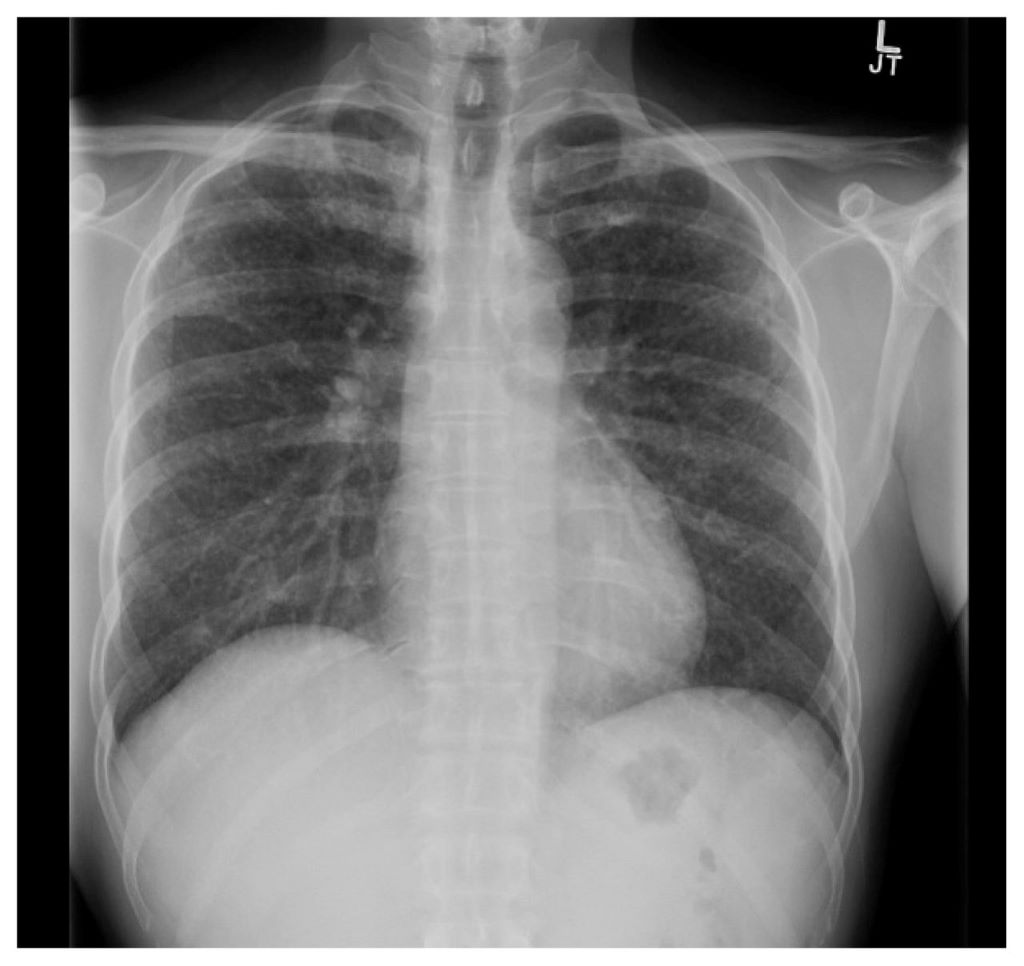
Initial chest radiograph in a 47-year-old man with silicosis showing subtle opacities in the right lower zone. CMAJ, 2026.

A case study in the Canadian Medical Association Journal describes a 47-year-old man who visited an emergency department for a minor injury to his lung and was found to have lung nodules after a computed tomography (CT) scan. He was diagnosed with silicosis. He had worked with engineered stone for the past 10 years for a company that made countertops and, after diagnosis, he was advised to stop exposure.

During the next 18 months, after referral to an occupational lung disease clinic, the patient’s lung condition worsened. He is currently awaiting assessment for a lung transplant.

“This case example supports calls for regulatory reform, mandatory surveillance, and proactive worker education in industries using engineered stone,” writes Dr Susan Tarlo, respiratory physician at University Health Network (UHN) and professor of medicine, Department of Medicine and Dalla Lana School of Public Health at the University of Toronto, Toronto, Ontario, with coauthors. “It underscores the health risks from the absence of adequate occupational health monitoring.”

Linking cases of silicosis to working with engineered stone has been fairly recent, with the earliest cases reported in the early 2010s in Spain and Italy then other parts of the world.

People who work in small businesses that may use dry cutting and processing techniques may be more vulnerable than those working at larger companies who mandate wet cutting and safety protocols. A large proportion of people affected are immigrants or members of racialised or marginalised communities who may face language barriers, lack insurance, or lack access to occupational health supports.

Australia has banned the use of engineered stone because of the health hazards associated with manufacturing.

The authors urge awareness for workers and health care practitioners.

“Health care providers should consider this diagnosis in patients working with engineered stone, and in countertop manufacturing and fitting, since early identification and removal from further exposure can greatly improve the prognosis.”

“In the absence of a ban on the use of engineered stone, increased knowledge among workers and health care practitioners is essential for implementing preventive measures, raising clinical awareness, informing policy decisions, and guiding future public health interventions,” the authors conclude.

“Silicosis from dry-cutting engineered stone in the fabrication of countertops” is published September 21, 2026.

Source: Canadian Medical Association Journal, Eurekalert

Mifepristone More Effective than Other Common Emergency Contraception Methods

Photo by Danilo Alvesd on Unsplash

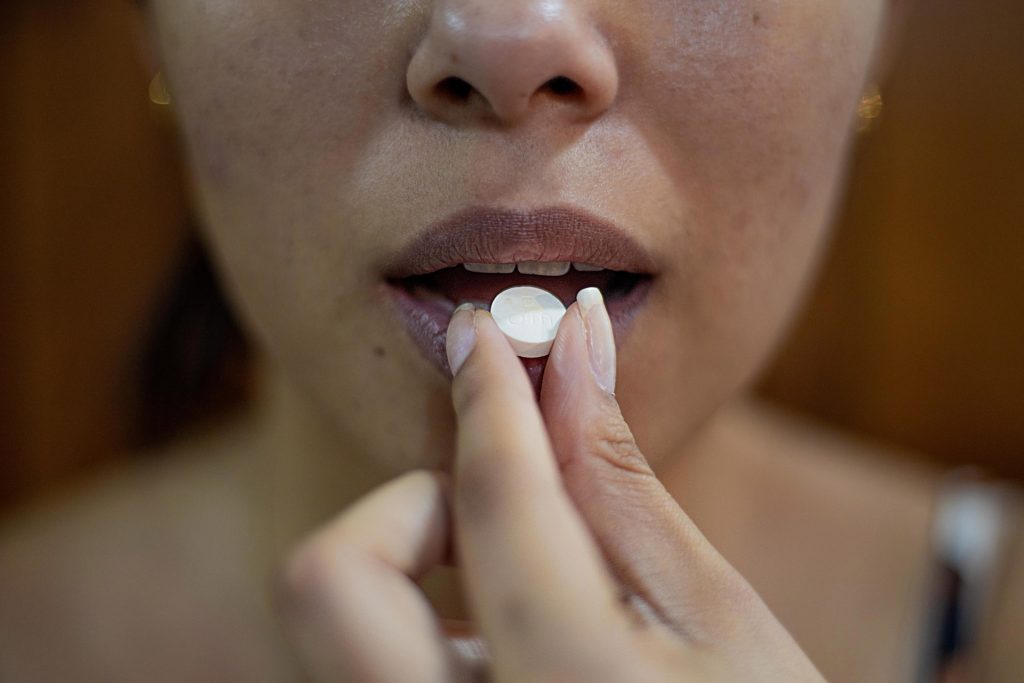
Emergency contraception containing mifepristone prevents more pregnancies with fewer side effects than some other common emergency contraceptive pills such as levonorgestrel, according to a new Cochrane review involving 87 trials. 

Emergency contraception is used to prevent pregnancy after unprotected sex. It can be used when no contraception was used or if a contraceptive method fails, as with a broken condom, or in the event of sexual assault. 

Common methods of emergency contraception include copper intrauterine devices and pills. The most widely used pill is levonorgestrel, a progestin-only medication sold in many countries as “Plan B,” “Next Choice,” or similar brand names. An alternative is the Yuzpe regimen, an older method that combines oestrogen and progestin.

More effective, fewer side effects

The review, led by researchers from Oregon Health & Science University, USA, pooled data from 87 randomised controlled trials involving approximately 36 000 women of reproductive age. The majority of studies (79 trials) were conducted in China, with additional trials from the UK, Cuba, and multi-country settings. The authors compared mifepristone against levonorgestrel, the Yuzpe regimen, and copper intrauterine devices.

Compared with levonorgestrel, both low-dose (under 25mg) and mid-dose mifepristone (25-50mg) prevented more pregnancies and were associated with fewer overall side effects. Low-dose mifepristone showed a 27% relative reduction in pregnancies compared with levonorgestrel. This was rated as high-certainty evidence, meaning that further research is very unlikely to change the result. 

When compared with the Yuzpe regimen, mifepristone showed an even larger advantage, cutting pregnancy risk substantially while also sharply reducing rates of nausea and vomiting. Evidence comparing mifepristone with copper intrauterine devices remained too limited to draw firm conclusions, based on only two included trials.

“Mifepristone in low-to-mid doses is a highly effective emergency contraceptive option that clinicians should know about,” explains Dr Shaalini Ramanadhan, lead author of the review. “As an anti-progestin, it works differently than the other steroid hormone-based methods like levonorgestrel and combined oestrogen and progestin pills to delay or block ovulation. This different mechanism is part of why it has a different side-effect profile compared to the other two methods.”

The main trade-off identified across nearly all comparisons was a lower risk of nausea and vomiting with mifepristone, but a higher likelihood of delayed menstruation compared with other types of emergency contraception. Given that a delay in menstruation could be interpreted as a sign of treatment failure or pregnancy, the authors explain that this side effect could be a potential source of stress and anxiety for individuals seeking emergency contraception. 

Where reported, however, treatment satisfaction was equal to or higher among those who received mifepristone versus alternative methods. 

Political and legal barriers limit access

Despite the strong evidence behind the drug’s effectiveness as emergency contraception, the authors note there are still many barriers to access. 

In some countries, drug authorities have approved mifepristone at higher doses (typically 200 mg) in combination with misoprostol specifically for medical termination of early pregnancy, not as emergency contraception. Scientific evidence is growing around the potential use of mifepristone and other anti-progestins as a routine method of contraception, for treating fibroids, for preventing and treating breast cancer, and for treating abnormal bleeding. However, because mifepristone is widely associated with abortion, it also faces intense political scrutiny, legal restrictions, and targeted bans and barriers in various countries.
 

Expanding options for emergency contraception is important. The evidence shows that mifepristone has benefits beyond abortion care, including as an effective form of emergency contraception. In some countries, recognition of this additional use may help expand access, increase familiarity with the medication, and create new opportunities for people to benefit from it.

– Dr Shaalini Ramanadhan, Oregon Health & Science University

Read the full review

Source: Cochrane