Tag: 21/1/26

Electrotherapy may be a Promising New Glioblastoma Treatment
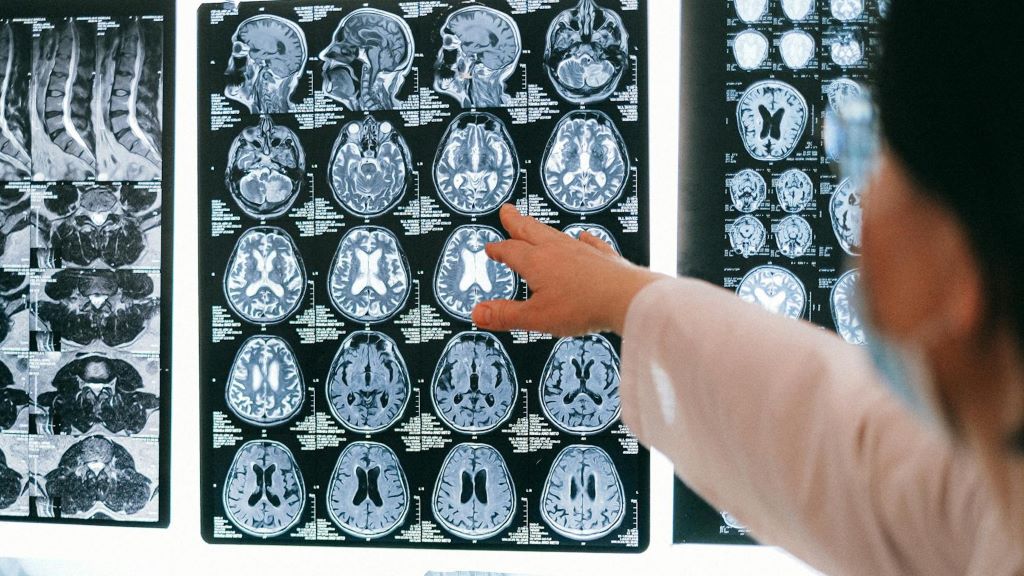
Photo by Anna Shvets

Electrotherapy using injectable nanoparticles delivered directly into the tumour could pave the way for new treatment options for glioblastoma, according to a new study from Lund University in Sweden.

Glioblastoma is the most common and most aggressive form of brain tumour among adults. Even with intensive treatment, the average survival period is 15 months. The tumour has a high genetic variation with multiple mutations, which often makes it resistant to radiation therapy, chemotherapy and many targeted drugs. The prognosis for glioblastoma has not improved over the past few decades despite extensive research.

Electrotherapy – a new treatment method

Electrotherapy offers another strategy to combat solid tumours. Using short, strong electric pulses (irreversible electroporation), non-reversible pores are created in the cancer cells leading to their death. The body’s immune system is simultaneously stimulated. The problem is that surgery is required to place the stiff metal electrodes that are necessary for the treatment. In sensitive tissue, in the brain for example, this often entails a very difficult procedure, which has led to strict criteria regarding which patients can be treated. Johan Bengzon is a researcher in glioblastoma and adjunct professor at Lund University, and consultant in neurosurgery at the Skåne University Hospital. He regularly treats patients with glioblastoma and is frustrated by the limited treatment options.

“The short distance between the hospital and the University in Lund facilitates cooperation and that’s why I contacted research colleagues to find out if injectable electrodes could be an alternative solution in electrotherapy,” says Johan Bengzon.

Said and done. The research team, with Amit Singh Yadav, Martin Hjort, and Roger Olsson at the helm, had previously used nanoparticles to form injectable and electrically conductive hydrogels to control brain signalling and heart contractions. It is aminimally invasive method in which the particles are injected using a thin syringe directly into the body. The particles break down after the treatment and thus do not need to be surgically removed. Perhaps the same technology could be used to destroy tumour cells in glioblastoma. 

“After surgical treatment, unfortunately the glioblastoma tumour often returns on the outer edge of the area operated on. By drop casting the nanoparticles into the tumour cavity after an operation, we could electrify the edges while the immune system is also activated. In animal models the procedure, due to this irreversible electroporation, led to tumours being wiped out within three days,” says Roger Olsson, professor of chemical biology and drug development at Lund University, who led the study. 

Promising results – but a long way to the patient

The prospects are good and the researchers are very hopeful for the future, even though there is a long way to go before it becomes a clinical reality. The challenge is now to test the method on larger tumours. 

“We have seen that the electrode is well received in the brain. We have not noted any problems relating to side effects and after 12 weeks the electrode disappeared by itself as it’s biodegradable. The technology combines direct tumour destruction with activation of the immune system and can be an important step towards more effective treatment of glioblastoma,” concludes Amit Singh Yadav, researcher at Lund University and first author of the study. 

Source: Lund University

Shingles Vaccine Linked to Slower Biological Aging in Older Adults

Photo by SHVETS production

Shingles vaccination not only protects against the disease but may also contribute to slower biological aging in older adults, according to a new USC Leonard Davis School of Gerontology study.

Using data from the nationally representative US Health and Retirement Study, researchers examined how shingles vaccination affected several aspects of biological aging in more than 3800 study participants who were age 70 and older in 2016. Even when controlling for other sociodemographic and health variables, those who received the shingles vaccine showed slower overall biological aging on average in comparison to unvaccinated individuals.

Shingles, also called herpes zoster, is a painful, blistering skin rash caused by the reactivation of the chickenpox virus, or varicella zoster. Anyone who has had chickenpox is at risk for shingles; while shingles can occur at younger ages, risk is higher for those 50 and older and immunocompromised individuals. Vaccination, which has generally only been provided to older people, offers protection from shingles as well as a lower chance of postherpetic neuralgia, or long-term pain after a shingles infection.

While vaccines are designed to protect against acute infection, recent research has  highlighted a possible connection between adult vaccines, including those for shingles and influenza, and lower risks of dementia and other neurodegenerative disorders, said Research Associate Professor of Gerontology Jung Ki Kim, the study’s first author.

“This study adds to emerging evidence that vaccines could play a role in promoting healthy aging by modulating biological systems beyond infection prevention,” she said.

Measuring the body, not the calendar

Unlike chronological aging, biological aging refers to how the body is changing over time, including how well organs and systems are working. Two people who are both 65 years old may look very different inside: one may have the biological profile of someone younger, while another may show signs of aging earlier.

In the new study, Kim and coauthor Eileen Crimmins, USC University Professor and AARP Professor of Gerontology, measured seven aspects of biological aging:

  • inflammation
  • innate immunity
  • adaptive immunity
  • cardiovascular haemodynamics
  • neurodegeneration
  • epigenetic aging (changes in how genes are turned “off” or “on”)
  • transcriptomic aging (changes in how genes are transcribed into RNA used to create proteins)

The team also used the measures collectively to record a composite biological aging score.

Surprising results beyond shingles prevention

On average, vaccinated individuals had significantly lower inflammation measurements, slower epigenetic and transcriptomic aging, and lower composite biological aging scores. The results provide more insight into the possible mechanisms underlying how immune system health interacts with the aging process.

Chronic, low-level inflammation is a well-known contributor to many age-related conditions, including heart disease, frailty, and cognitive decline. This phenomenon is known as “inflammaging,” Kim said.

“By helping to reduce this background inflammation — possibly by preventing reactivation of the virus that causes shingles, the vaccine may play a role in supporting healthier aging,” she said. “While the exact biological mechanisms remain to be understood, the potential for vaccination to reduce inflammation makes it a promising addition to broader strategies aimed at promoting resilience and slowing age-related decline.”

These potential benefits could also be persistent. When analysing how the time since vaccination affected results, Kim and Crimmins found that participants who received their vaccine four or more years prior to providing their blood sample still exhibited slower epigenetic, transcriptomic and overall biological aging on average versus unvaccinated participants.

“These findings indicate that shingles vaccination influences key domains linked to the aging process,” Crimmins said. “While further research is needed to replicate and extend these findings, especially using longitudinal and experimental designs, our study adds to a growing body of work suggesting that vaccines may play a role in healthy aging strategies beyond solely preventing acute illness.”

By Beth Newcomb

Source: USC Leonard Davis School of Gerontology

Sitting for Long Stretches Raises Heart and Diabetes Risks – Even in Active Older Adults

Photo by JD Mason on Unsplash

Spending too long sitting raises the risk of heart disease and diabetes in people over 60, warns a major global review. Published in the Journal of Physical Activity and Health, the review analysed data from 28 international studies involving 82 000 people aged 60 and older.

It flags strong links between sitting time and worsening markers for chronic disease including high blood sugar, cholesterol, waist size, and blood pressure. And that’s even for people who exercise regularly.

That means — whether watching TV, using a tablet or reading a book — the longer older people sit, the higher their risk of major health problems like heart disease, stroke, and type 2 diabetes.

“This is a link we can’t ignore,” said Dr Daniel Bailey, Reader in Sedentary Behaviour and Health at the Department of Life Sciences, Brunel University of London. “You can meet the weekly exercise target, but if you spend the rest of the day sitting, your health is still at risk.”

In the UK, where more than 12 million people are aged 65 or older, older adults can spend up to 80% of their waking hours sitting down and longer during winter or for people with mobility issues. That means millions may be unknowingly accumulating risks day after day — a concern for families, carers, and health professionals.

One of the most revealing findings was that the harmful effect of sitting for long periods showed up even in otherwise healthy older adults, not just those already diagnosed with illness. Waist measurement, a major predictor of health risk, had the strongest, most consistent link with sitting time.

“We’re seeing these impacts in people who don’t yet feel unwell,” said Dr Bailey. “That means we have a chance to intervene early and protect health before problems start.”

Importantly, the study found limited protective effect from exercise alone. After accounting for how active people were, the damage from long hours of sitting remains.

“The evidence is clear. We urgently need strategies that don’t just encourage exercise, but also help people sit less throughout the day,” said Dr Bailey. “Simple changes make a difference —standing during phone calls, replacing some TV time with gardening or a stroll, or light chores around the house.”

The study by Brunel University of London, the University of Lincoln, Federation University in Australia, and the University of Bedfordshire is the most comprehensive analysis to date linking sedentary behaviour to cardiometabolic risk in later life. As the NHS contends with rising rates of diabetes and heart disease, it spells out to policymakers that keeping moving throughout the day is as vital as structured exercise.

Dr Bailey stressed the shared role of public services, community groups and healthcare professionals to help older people avoid sitting for long stretches: “From GP advice to local councils and charities, there’s a role for everyone in changing the message.”

Source: Brunel University of London

New Neural Maps Challenge Traditional Descriptions of the Brain

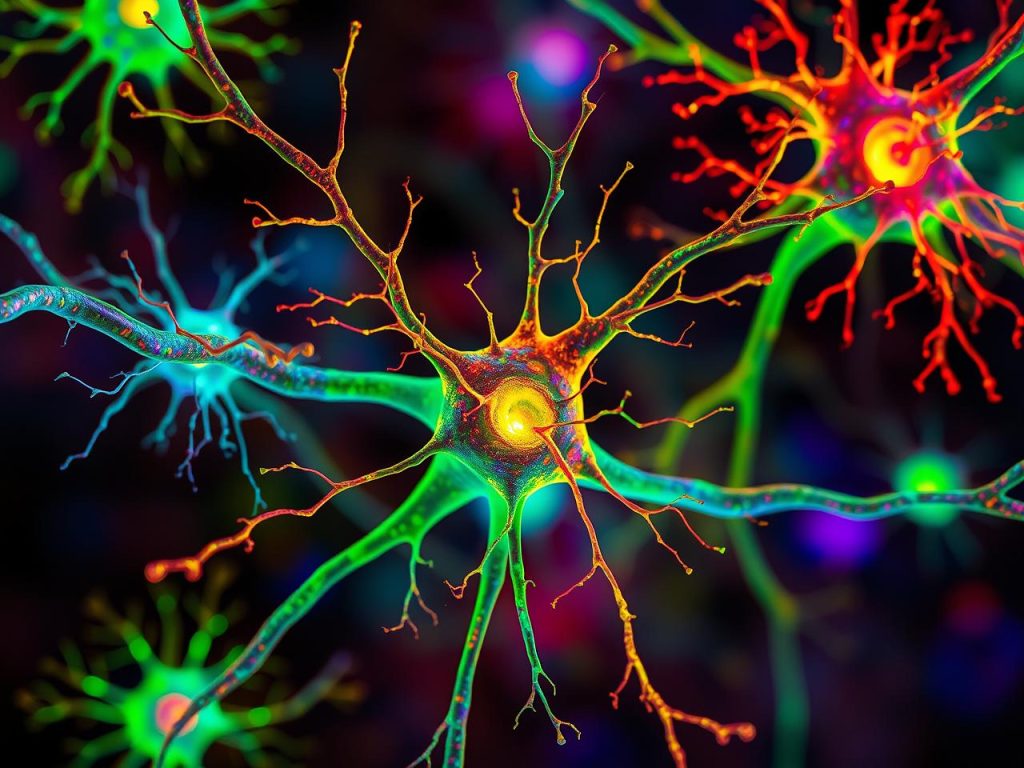
AI image of neurons created by Gencraft

For more than a century, maps of the brain have been based on how brain tissue looks under the microscope. These anatomical maps divide the brain into regions according to structural variations in the tissue. But do these divisions really reflect how the brain works? A new study on mice from Karolinska Institutet, published in Nature Neuroscience, suggests that this is often not the case.

By describing the brain in terms of electrical activity of its neurons, the researchers have found a new way to understand the functional organisation of the prefrontal cortex, the brain region responsible for planning, decision-making, and other advanced cognitive functions. 

“Considering that deviations in prefrontal cortex function have been linked to virtually all psychiatric disorders, it is surprising how little is known about how this region actually works,” says Marie Carlén, Professor at the Department of Neuroscience at Karolinska Institutet.

Did not align with previous maps

Her research group recorded and analysed the activity of more than 24 000 neurons in awake mice and created the first activity-based maps of the prefrontal cortex. The maps of spontaneous and cognition-related neuron activity did not match the traditional, tissue-based maps.

“Our findings challenge the traditional way of defining brain regions and have major implications for understanding brain organisation overall,” says Marie Carlén.

The researchers found that the activity patterns of neurons reflected the hierarchy of information flow in the brain rather than the structure of the tissue. Neurons with slow, regular activity turned out to be characteristic of the prefrontal cortex, which sits at the top of this hierarchy. The same activity pattern also marked regions at the top of the prefrontal cortex’s own internal hierarchy. Slow, regular activity is thought to characterise the integration of information flows, a process that is central to cognitive functions such as planning and reasoning. 

Different neuronal activity patterns work together

Carlén and her colleagues discovered that neurons involved in decision-making were concentrated in regions high up in the prefrontal hierarchy. Surprisingly, these neurons were characterised by very fast activity patterns. 

“This suggests that cognitive processes rely on local collaboration between neurons whose activity patterns complement one another. Some neurons appear to specialise in integrating information streams, while others have high spontaneous activity that supports quick and flexible encoding of information, for instance, information needed to make a specific decision,” says Marie Carlén.”

Source: Karolinska Institutet

Heavy Menstruation and Iron Deficiency Common Among Teen Girls

Photo by Marta Branco

More than half of teenage girls experienced heavy bleeding and 40% had an iron deficiency, in a study carried out among girls in upper-secondary schools. The research, led from Lund University in Sweden, also shows that young teenage girls who experience heavy menstrual bleeding – and are therefore at greater risk of iron deficiency – can be identified using a simple questionnaire.

The 2023 study, published in PLOS One, was carried out in two Swedish upper-secondary schools; a total of 394 girls aged 15 and over took part. They responded to questions about menstruation and eating habits and provided blood samples for analysis of blood count (Hb) and iron stores (ferritin). 
Lund University has previously reported how the research team saw a particularly high risk of iron deficiency and anaemia among those eating a vegetarian or pescetarian diet. Now, researchers have gone further and investigated how the extent of menstruation affects iron deficiency and anaemia.

“We see a lot of young girls who are tired and distracted. Linking that to menstruation or diet is not obvious,” says Moa Wolff, researcher and associate professor at Lund University, specialist physician in general medicine at Region Skåne and the researcher in charge.

Girls with heavy menstruation were three times more likely to have an iron deficiency, with an even higher risk for those who restricted the quantity of meat in their diet.  

“Many of them only compare with their own previous experiences without knowing what counts as heavy menstrual bleeding. We also note that many are not aware of the over-the-counter medicines available that reduce the volume of blood,” says Lisa Söderman, gynaecologist and postdoc researcher at Karolinska Institutet who collated the results for the article in question. 

SAMANTA questionnaire could be a new tool for school health services

Part of the study evaluated a Spanish questionnaire which asks six questions. This is the first time it has been used in Sweden and the first time it has been tested on teenage girls anywhere, even though it is a validated screening instrument for adult women.
 
“Based on the answers to the questionnaire, it was possible to clearly identify which secondary school students were at risk of having low iron levels. It is easy to use and could be a valuable tool for school health services and youth clinics or other care healthcare settings where we meet these girls,” says Moa Wolff.
 
Previous research shows that iron deficiency in young people may affect their energy levels, schoolwork and general wellbeing. Iron stores – Ferritin – form an important component in the formation of red blood cells and is needed for oxygen transport. Therefore, iron deficiency with low ferritin levels can eventually lead to a drop in haemoglobin, which can result in anaemia.
 
“In the next few years, some of these girls will get pregnant. When that happens, we would like them to have good stores of iron to enable as complication-free a pregnancy as possible, with a successful labour,” says Lisa Söderman.

Source: Lund University