How Antibody Treatment for MIS-C Works

Source: NCI on Unsplash

The depletion of neutrophils could be how intravenous immune globulin (IVIG) is able to treat multisystem inflammatory syndrome in children (MIS-C).

MIS-C is a rare condition that usually affects school-age children who initially had only mild COVID symptoms or no symptoms at all. The researchers also found that IVIG works in a similar manner for treating Kawasaki disease, another rare inflammatory condition that affects children and shares symptoms with MIS-C. 

MIS-C is marked by severe inflammation of two or more parts of the body, including the heart, lungs, kidneys, brain, skin, eyes and gastrointestinal organs. Its symptoms overlap with Kawasaki disease, and treatments for MIS-C are partly guided by what is known about the treatment of Kawasaki disease. IVIG, which is made up of antibodies purified from blood products, is a common and effective treatment for heart complications caused by Kawasaki disease. For MIS-C patients, however, IVIG alone does not always resolve symptoms, and healthcare providers may need to prescribe additional anti-inflammatory drugs.

In order to better understand how IVIG works and to improve treatments for children with MIS-C, researchers profiled immune cells from patients with MIS-C or Kawasaki disease. The team sampled cells before treatment began as well as 2 to 6 weeks after patients received IVIG, and found that neutrophils from these patients were highly activated and a major source of interleukin 1 beta (IL-1β), a driver of inflammation. After IVIG treatment, these activated neutrophils were significantly depleted in patients with MIS-C or Kawasaki disease.

The study authors believe their findings are the first to explain why IVIG is effective for both conditions. More work is needed however to understand how IVIG causes cell death in these activated neutrophils and why certain patients with MIS-C require additional anti-inflammatory treatments.

The findings appear in the Journal of Clinical Investigation.

Source: National Institutes of Health

Depression Genes Result in More Physical Symptoms

Source: Andrew Neel on Unsplash

People who have a higher genetic risk of clinical depression are more likely to experience physical symptoms such as chronic pain, fatigue and migraine, researchers have found.

Depression is a serious disorder with lifetime risks of poor health, according to Dr Enda Byrne from UQ’s Institute for Molecular Bioscience.

“A large proportion of people with clinically-diagnosed depression present initially to doctors with physical symptoms that cause distress and can severely impact on people’s quality of life,” Dr Byrne said.

“Our research aimed to better understand the biological basis of depression and found that assessing a broad range of symptoms was important.

“Ultimately, our research aimed to better understand the genetic risks and generate more accurate risk scores for use in research and healthcare.”

Despite recent breakthroughs, Dr Byrne said it was difficult to find more genetic risk factors because of the range of patient ages, their symptoms, responses to treatment and additional mental and physical disorders.

“Previous genetic studies have included participants who report having seen a doctor for worries or tension – but who may not meet the ‘official’ criteria for a diagnosis of depression,” Dr Byrne said

Published in JAMA Psychiatry, the study analysed data from more than 15 000 volunteers who provided details of their mental health history, depression symptoms and a DNA sample using a saliva kit.

“We wanted to see how genetic risk factors based on clinical definitions of depression differed – from those based on a single question to those based on a doctor’s consultation about mental health problems,” Dr Byrne said.

The study found that participants with higher genetic risk for clinical depression are more likely to experience physical symptoms such as chronic pain, fatigue and migraine.

 “It is also linked to higher rates of somatic symptoms – that is, physical symptoms that cause distress and can severely impact on people’s quality of life,” Dr Byrne said.

“Our results highlight the need for larger studies investigating the broad range of symptoms experienced by people with depression.”

Source: University of Queensland

Nearly 4 in 10 Swedish COVID Patients in ICUs had Obesity

Photo by Siora Photography on Unsplash

People with obesity were overrepresented among adults in Sweden in intensive care for COVID during the first wave of the pandemic, with over twice the proportion as compared to the general population. 

The study, appearing in PLOS One, used  the Swedish Intensive Care Registry (SIR) tp the researchers identified all patients with COVID who were admitted to ICUs in Sweden during the initial wave of the pandemic, in spring and summer 2020. Where height and weight data were missing from SIR, this was supplemented directly from the ICUs and also through the Nationwide Passport Register.

Though people with obesity were identified early on as a risk group that was affected especially severely by COVID, this study contributes to a new, more detailed picture.

A total of 1649 individuals with COVID from ICUs around Sweden were included. All the participants were aged 18 and over; three-quarters were men; and pregnant women were excluded.

The results show that patients with obesity (BMI of 30 kg/m2 or more) were overrepresented among those with COVID receiving intensive care in Sweden, which was 39.4 %, compared to 16% in the general population .

A high BMI increased the risk of both serious illness with long stays in intensive care and of death. A link was found between BMI over 30 and a 50% increase in mortality risk, compared with the normal-weight group. Among those who survived, a BMI over 35 was associated with a more than doubled risk of intensive care for over 14 days. These analyses have been adjusted for age, gender, comorbidity, and state of health at ICU arrival.

“For individuals with COVID who are in intensive care, obesity means an increased risk of death, and among those who survive, obesity boosts the risk of intensive care lasting more than 14 days,” explained first author Lovisa Sjögren, researcher at Sahlgrenska Academy, University of Gothenburg. “Based on our results, obesity should be included as an important risk factor in COVID. Patients with obesity who suffer from COVID should be monitored closely.”

The study is based on the Swedish Intensive Care Register, and Dr Sjögren points out that high-quality registers are a basic precondition for studies of this type to be feasible.

Senior author Jenny M Kindblom, Associate Professor at University of Gothenburg added: “Some international studies have shown a connection between high BMI and the risk of becoming severely ill with COVID. We can now show this in a Swedish context, and with the advantage of having a fully up-to-date BMI value for every patient,” said.

At an early stage during the pandemic, the researchers who conducted the study were in touch with HOBS, a Swedish patient organisation for people living with overweight and obesity. Many members were concerned that a high BMI would elevate the risk of serious illness in COVID.

“At the time, there were no publications in the field, and the study was initiated to enable us to answer patients’ questions. We now hope as many people as possible will take the opportunity to get vaccinated, and that health services include BMI – as a risk factor and perhaps choose to exercise special vigilance in monitoring patients with obesity who are suffering from COVID,” said Prof Kindblom.

Source: University of Gothenburg

Surveys Reveals Mistrust over Facial Recognition Tech in Healthcare

Photo by cottonbro from Pexels

Most people have deep reservations about the use of facial recognition technologies in healthcare settings, a survey has found.

Facial recognition technologies – often used to unlock a phone or in airport security – is becoming increasingly common in everyday life, but how do people feel about this?

To answer this, researchers surveyed more than 4000 US adults and found that a significant proportion of respondents considered the use of facial image data in healthcare across eight varying scenarios as unacceptable (15–25%). Taken with those that responded as unsure of whether the uses were acceptable, roughly 30–50% of respondents indicated some degree of concern for uses of facial recognition technologies in healthcare scenarios. In some cases, using facial image data  – such as to avoid medical errors, for diagnosis and screening, or for security – was acceptable to the majority. However over half of respondents did not accept or were uncertain about healthcare providers using this data to monitor patients’ emotions or symptoms, or for health research. 

In the biomedical research setting, most respondents were equally concerned over use of medical records, DNA data and facial image data in a study.

While there was a wide range of demographics among respondents, their perspectives on these issues did not differ. 

“Our results show that a large segment of the public perceives a potential privacy threat when it comes to using facial image data in healthcare,” said lead author Sara Katsanis, Research Assistant Professor of Pediatrics at Northwestern University Feinberg School of Medicine. “To ensure public trust, we need to consider greater protections for personal information in healthcare settings, whether it relates to medical records, DNA data, or facial images. As facial recognition technologies become more common, we need to be prepared to explain how patient and participant data will be kept confidential and secure.”

Senior author Jennifer K Wagner, Assistant Professor in Penn State’s School of Engineering Design, Technology, and Professional Programs adds: “Our study offers an important opportunity for those pursuing possible use of facial analytics in healthcare settings and biomedical research to think about human-centeredness in a more meaningful way. The research that we are doing hopefully will help decision-makers find ways to facilitate biomedical innovation in a thoughtful, responsible way that does not undermine public trust.”  

The research team hopes to conduct further research to understand the nuances where public trust is lacking. The findings were published in PLOS One.

Source: Ann & Robert H. Lurie Children’s Hospital of Chicago

Topical Medication Trumps Opioids for Knee Osteoarthritis Pain

Photo by Matthias Zomer from Pexels

In treating knee osteoarthritis pain, topical medication for pain relief is safer and more effective than opioids, according to a new meta-analysis.

The paper, which appears in BMJ, compared the benefits and harms of different doses of commonly prescribed treatments for hip and knee osteoarthritis, including oral non-steroidal anti-inflammatory drugs (NSAIDs), topical NSAIDs, opioids, and acetaminophen (Tylenol). The meta-analysis looked at 192 large, randomised clinical trials with a total of over 102 000 participants.

Researchers found, regardless of preparation or dose, opioids did not significantly relieve pain for osteoarthritis patients. They also found that topical Diclofenac – known to consumers as Voltaren – is effective in treating knee osteoarthritis.

The topical treatment, which can be purchased over-the-counter, is generally safer than oral NSAIDs and should be considered as first-line pharmacological treatment for knee osteoarthritis, the study authors say. Osteoarthritis affects millions of Canadians.

Study lead author, Dr. Bruno R. da Costa, Acting Director of the Applied Health Research Centre (AHRC) at the Li Ka Shing Knowledge Institute of St. Michael’s Hospital, stated that recent clinical practice guidelines recommend the lowest possible dose to minimise the risk of adverse events.

However, he said, “it is currently unclear what the lowest but still effective doses of these drugs are. Osteoarthritis affects more than 4.6 million people in Canada. Our findings allow physicians, patients, or their caregivers to have a better understanding of which of these treatments at their lowest doses would be safest while still being effective.”

“Although there is robust evidence about the harmful effects of opioids, and international concerns around the opioid epidemic, opioids remain among the most prescribed drugs for osteoarthritis pain in Canada, the United States, the United Kingdom and Australia.”

Dr da Costa said that none of the opioid interventions, regardless of dose, seemed to have a clinically relevant effect on pain or physical function. Opioids should therefore only play a secondary role in osteoarthritis treatment, when conventional treatment is exhausted.

What was most surprising was that maximum recommended daily doses of opioids do not have an effect in osteoarthritis pain that patients would consider relevant. They did not see an association between higher opioid doses and greater pain relief.

Lower doses of topical diclofenac (Voltaren) also have a similar beneficial effect to the most effective oral NSAIDs in knee osteoarthritis – an important finding as some patients with gastrointestinal complaints and other comorbidities. Adverse events of topical NSAIDs are minimal. The topical diclofenac trials had only knee osteoarthritis, and in hip osteoarthritis the depth is likely too great for any benefit.

The next step is to better understand the safety of oral NSAIDs in patients with comorbidities, and long-term use on an as-needed-basis with varying versus fixed daily doses. It would also be useful to identify if there are patients who have exhausted treatment options but could benefit from opioids or acetaminophen.

Source: Unity Health

Dental Acid Damage Imaged in Real Time

Source: Unsplash CC0

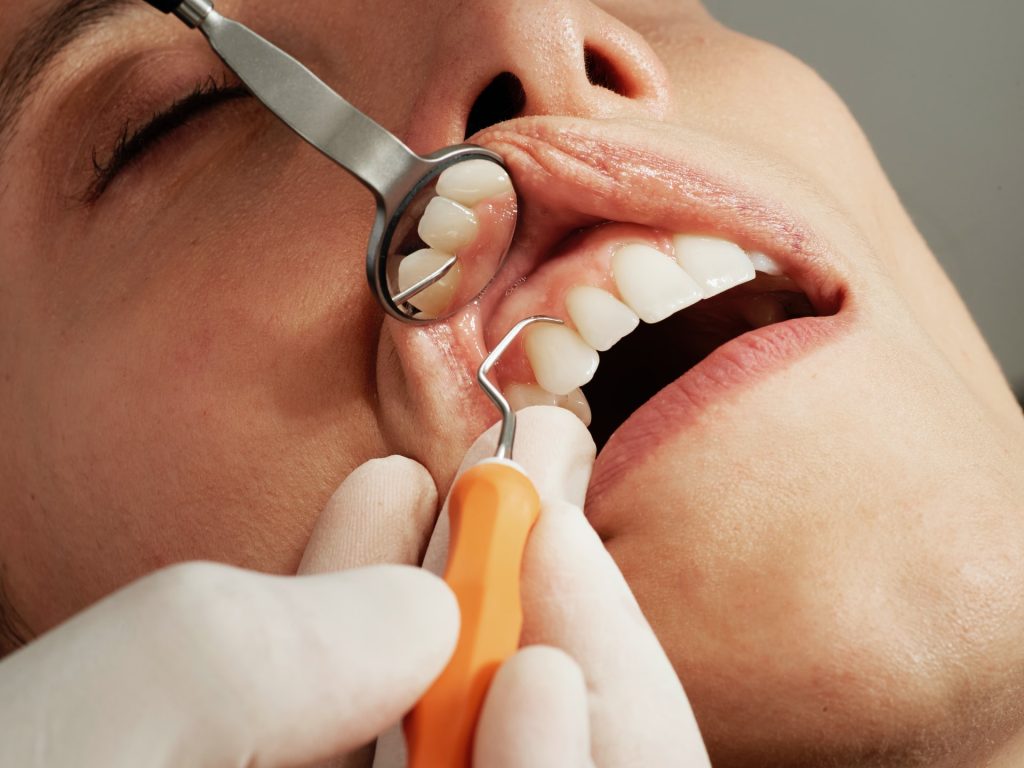
Researchers have developed a new technique to improve understanding of how acid damages teeth over time at the microstructural level, creating a clear picture of how the damage happens. 

Dentine forms the main bulk of human teeth and supports the enamel, which covers the crown surface, helping to make teeth strong and resilient, but acids from dental plaque can cause tooth decay affecting the dental structure’s integrity. This research aims to develop knowledge that leads to new treatments that can restore the structure and function of dentine.

Using in situ synchrotron X-ray microtomography to scan dentine samples while they were being treated with acid, researchers built clear 3D images of dentine’s internal structure with sub-micrometre resolution (a micrometre being one-thousandth of a millimetre). By analysing these images over the six hours of the experiment, the researchers conducted the first-ever time-resolved 3D study (otherwise known as 4D studies) of the dentine microstructural changes caused by acid.

The study, published in Dental Materials, shows that acid dissolves minerals in different structures of dentine at different rates. 

Research leader Dr Tan Sui, Senior Lecturer in Materials Engineering at the University of Surrey, known for her work creating improved bio-inspired materials, said:

“Relatively little is known about how exactly acid damages the dentine inside our teeth at a microstructural level. This new research technique changes that and opens the possibility of helping identify new ways to protect dental tissues and develop new treatments.”

Source: University of Surrey

Investigation of Cannabidiol Oil for Lung Cancer Suggested

Photo by Harrison Haines on Pexels

In BMJ Case Reports, doctors suggest investigating the use of cannabidiol (‘CBD’) oil as a potential lung cancer treatment, after dealing with a daily user whose lung tumour shrank in the absence of conventional treatment.

The body’s own endocannabinoids are involved in various processes, including nerve function, emotion, energy metabolism, pain and inflammation, sleep and immune function.

Cannabinoids are chemically similar to these, and can interact with signalling pathways in cells, including cancer cells. While they have been studied for use as a primary cancer treatment, there have been inconsistent results.

Despite treatment advances, survival rates for non-small cell lung cancer remain low at around 15% five years after diagnosis, with average survival without treatment is about seven months.

The authors describe the case of a woman in her 80s, a pack-a-week smoker diagnosed with non-small cell lung cancer. The woman also had mild chronic obstructive pulmonary disease (COPD), osteoarthritis, and hypertension, for which she was taking various drugs.

Her tumor was 41 mm in size at diagnosis, with no evidence of local or further spread, so was suitable for conventional treatment of surgery, chemotherapy, and radiotherapy. But the woman refused treatment, so was placed under ‘watch and wait’ monitoring, which included regular CT scans every 3-6 months.

These showed that the tumor was progressively shrinking, reducing in size from 41 mm in June 2018 to 10 mm by February 2021, equal to an overall 76% reduction in maximum diameter, averaging 2.4% a month, say the report authors.

When contacted in 2019 to discuss her progress, the woman revealed that she had been taking CBD oil as an alternative self-treatment for her lung cancer since August 2018, shortly after her original diagnosis.

She had done so on the advice of a relative, after witnessing her husband struggle with the side effects of radiotherapy. She reported consistently taking 0.5 ml of the oil, two to three times a day.

According to the supplier, the main active ingredients were Δ9-­tetrahydrocannabinol (THC) at 19.5%, cannabidiol at around 20%, and tetrahydrocannabinolic acid (THCA) at around 24%.

The supplier also said that she should avoid hot food or drinks when taking the oil as she might otherwise feel stoned. The woman reported reduced appetite since taking the oil but had no other obvious ‘side effects’. There were no other changes to her prescribed medications, diet, or lifestyle, and she continued smoking throughout.

The authors cautioned that this is just one case report, with only one other similar case reported, and it is unclear which of the CBD oil ingredients might have been helpful.

“We are unable to confirm the full ingredients of the CBD oil that the patient was taking or to provide information on which of the ingredient(s) may be contributing to the observed tumour regression,” they pointed out.

They further emphasised that, “although there appears to be a relationship between the intake of CBD oil and the observed tumuor regression, we are unable to conclusively confirm that the tumor regression is due to the patient taking CBD oil.”

The authors concluded that, “more research is needed to identify the actual mechanism of action, administration pathways, safe dosages, its effects on different types of cancer and any potential adverse side effects when using cannabinoids.”

Source: News-Medical.Net

Post-COVID Vaccination Menstrual Changes Investigated

Photo by Mat Napo on Unsplash

A paper awaiting peer review on the MedRxiv preprint server shows that menstrual changes in women receiving after the COVID vaccine are quite common.

Many people began sharing that they experienced unexpected menstrual bleeding after being vaccinated for COVID, an emerging phenomenon which was undeniable yet understudied.

Unfortunately, dismissal by medical experts fueled greater concerns, as both vaccine hesitant and anti-vaccine individuals and organisations began to conflate the possibility of short-term menstrual changes with long-term harms to fertility. Many influencers used this well-used framing of protecting women as a means of further anti-vaccine messages.

There are many plausible biological mechanisms that could explain a relationship between an acute immune challenge such as a vaccine, its corresponding and well-known systemic effects on haemostasis and inflammation, and menstrual repair mechanisms of the uterus. The uterine reproductive system is flexible and adaptable in the face of stressors. Examples include marathon running having short term influence on hormone concentrations in the short term; short-term calorie restriction that results in a loss of menstrual cycling can be overcome by resuming normal feeding; that inflammation influences ovarian hormones; and that psychosocial stressors can correspond to cycle irregularity and yet resilience can buffer one from these harms. Typhoid, Hepatitis B, HPV vaccines have all had menstrual irregularity associated with them.  

While sustained early stressors can influence adult hormone concentrations, short-term stressors resolve and do not produce long-term effects. This is quite different from the sustained immune assault of COVID itself: studies and anecdotal reports are already demonstrating that menstrual function may be disrupted long-term, particularly in those with long COVID.

In this sample, 42% of people with regular menstrual cycles bled more heavily than usual, while 44% reported no change, after being vaccinated. Among people who typically do not menstruate, 71% of people on long-acting reversible contraceptives, 39% of people on gender-affirming hormones, and 66% of post-menopausal people reported breakthrough bleeding. We found increased/breakthrough bleeding was significantly associated with age, other vaccine side effects such as fever or fatigue, history of pregnancy or birth, and ethnicity.

Many respondents who had post-vaccine changes did not have them until fourteen days or longer post-inoculation, which extends beyond the typical seven days of adverse symptom reporting in vaccine trials.

Source: MedRxiv

Link Between High Cholesterol and Breast Cancer Explained

Source: National Cancer Institute

While chronically high cholesterol levels are linked to increased risks of breast cancer and worse outcomes in most cancers, the link had not been fully understood until now.

In a study published in Nature Communications, researchers identify the mechanisms at work, describing how breast cancer cells utilise cholesterol to develop stress tolerance, preventing them from dying as they migrate from the original tumour site.

“Most cancer cells die as they try to metastasise – it’s a very stressful process,” said senior author Donald P. McDonnell, Ph.D., professor in the departments of Pharmacology and Cancer Biology and Medicine at Duke University School of Medicine. “The few that don’t die have this ability to overcome the cell’s stress-induced death mechanism. We found that cholesterol was integral in fueling this ability.”

McDonnell and colleagues built on earlier research in their lab focusing on the link between high cholesterol and oestrogen-positive breast and gynaecological cancers. Those studies found that cancers fueled by the oestrogen hormone benefitted from derivatives of cholesterol that act like oestrogen, stoking cancer growth.

But a paradox emerged for estrogen-negative breast cancers. These cancers are not oestrogen dependent, but high cholesterol is still associated with worse disease, which indicates the possible effect of a different mechanism.

In the current study using cancer cell lines and mouse models, the Duke researchers found that migrating cancer cells gobble cholesterol in response to stress. Most die.

However, those that live emerge with a super-power that makes them able to withstand ferroptosis, a natural process in which cells succumb to stress. These stress-impervious cancer cells then proliferate and readily metastasise.

Other tumours beside ER-negative breast cancer cells use this process. including melanoma. And the mechanisms identified could be targeted by therapies.

“Unraveling this pathway has highlighted new approaches that may be useful for the treatment of advanced disease,” McDonnell said. “There are contemporary therapies under development that inhibit the pathway we’ve described. Importantly, these findings yet again highlight why lowering cholesterol — either using drugs or by dietary modification — is a good idea for better health.”

Source: Duke University

New Guidance Pivot on Daily Aspirin Advice

Source: Pixabay CC0

In a distinct on previous advice, new draft recommendations posted by the U.S. Preventive Services Task Force (USPSTF) advise against adults 60 and older to begin taking aspirin to lower their risk of a first heart attack or stroke. 

They further advise that people aged 40 to 59 at higher risk for cardiovascular disease, but without a history of it, should talk to a health care provider before starting an aspirin regimen.

The proposed guidance is based on new evidence that suggests the potential harms of taking aspirin can outweigh the benefits. While daily aspirin use reduces the odds of a first heart attack or stroke, it increases the risks of gastrointestinal and intracerebral bleeding, which progressively increase with age.

“The latest evidence is clear: starting a daily aspirin regimen in people who are 60 or older to prevent a first heart attack or stroke is not recommended,” UPTSTF member Chien-Wen Tseng, MD, a professor at the University of Hawaii John A. Burns School of Medicine, said in a statement. “However, this Task Force recommendation is not for people already taking aspirin for a previous heart attack or stroke; they should continue to do so unless told otherwise by their clinician.”

The new guidance will be finalised after public comments close in November. It pivots from previous recommendations issued in 2016, which suggest that people ages 50 to 59 with a risk of cardiovascular disease ≥ 10% in the next decade and a low risk for bleeding take a daily low-dose aspirin (≤ 100mg/day) to reduce the likelihood of suffering a heart attack or stroke. According to the 2016 recommendations, the decision to start taking aspirin for preventive reasons should be “an individual one” for adults ages 60 to 69 who are at risk for cardiovascular disease

At present, neither the American Heart Association nor the American College of Cardiology recommend aspirin use for the prevention of heart attack and stroke in the general population; this only applies for some people between the ages of 40 and 70 who have never had a heart attack or stroke but have an increased risk for cardiovascular disease and a low risk for bleeding. The groups recommend that adults 70 and up should not take aspirin for first stroke or heart attack prevention.

Still, aspirin use for cardiovascular risk prevention is widespread in the US, “and is often self-initiated rather than recommended by a physician,” the latest USPSTF report states. A 2017 National Health Interview Survey (NHIS) found that 23.4 percent of adults age 40 or older and without cardiovascular disease took aspirin for primary prevention; among adults 60-69 years, 34.7 percent reported aspirin use.
Tomas Ayala, MD, a cardiologist at Mercy Personal Physicians, said that this pivot had been anticipated by doctors.

“It is not that aspirin is less effective at reducing heart attacks or strokes than it once was,” he told Health. “Rather, it is that we have other therapies at our disposal that have reduced the overall population risk of these conditions, so the relative benefit of aspirin is less, and in many cases, is outweighed by the risks.” 

Source: AARP