The Search for New Cancer Therapies Strikes Gold

Photo by Jingming Pan on Unsplash

The gold complex auranofin has traditionally been used for treating rheumatism but is also being evaluated as a one number of new cancer therapies. According to a study published in Redox Biology, molecules with the same inhibition effect have been discovered that have a more specific effect than auranofin and therefore may have greater potential as cancer therapies.

Auranofin (AF) is classed by the WHO (World Health Organization) as an anti-rheumatic agent and is an active component in the drug Ridaura. AF is also currently being assayed in a string of clinical trials as a possible cancer therapy. One reason for the researchers’ interest in AF is its ability to inhibit thioredoxin reductase (TrxR), a protein central to the thioredoxin system, which protects cells from oxidative stress in all mammals. 

However, TrxR also protects cancer cells, making cancer therapies less effective. Moreover, TrxR, which affects cellular growth and survival, is upregulated in certain forms of cancer.

“There’s a great deal of interest in the ability to inhibit the thioredoxin system in the treatment of cancer, but there’s a risk that healthy cells will also be damaged and killed,” says the study’s co-last author Elias Arnér, professor at the Department of Medical Biochemistry and Biophysics at Karolinska Institutet. “Our aim is for TrxR inhibitors to be as specific as possible.”

The researchers studied the effects of AF in mouse cancer cells (lung adenocarcinoma and melanoma) and compared them with other recently-developed TrxR-inhibiting molecules called TRi-1 and TRi-2 (thioredoxin reductase inhibitors 1 and 2). 

The study, which was based on new proteomic methods of analysing the entire set of proteins in cells, suggests that the TRi compounds are more specific in their effect than AF. The results show that AF causes very high levels of oxidative stress and has other effects that seem unrelated to the inhibition of TrxR. They also demonstrate that TRi-1 seems to be the most specific TrxR inhibitor so far.

“Our results can serve as an important blueprint for further studies of AF’s mechanism of action and side effects,” said the study’s other co-last author Roman Zubarev, professor at the Department of Medical Biochemistry and Biophysics, Karolinska Institutet. “Having now compared AF with the more specific molecules TRi-1 and TRi-2, we hope that our findings will contribute to the further development of TrxR inhibitors as anticancer drugs.”

Source: Karolinska Insitutet
Immunity to Other Coronaviruses Confers COVID Protection

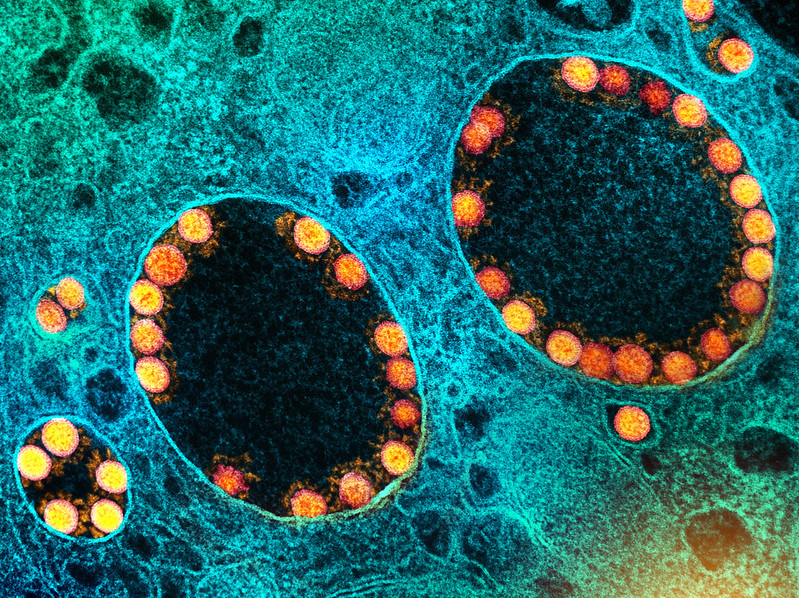
Transmission electron micrograph of SARS-CoV-2 virus particles (gold) within endosomes of a heavily infected nasal Olfactory Epithelial Cell. Image captured at the NIAID Integrated Research Facility (IRF) in Fort Detrick, Maryland. Credit: NIAID

Researchers have discovered another component beside previous infection or vaccination that contributes to SARS-CoV-2 immunity – previous antibody responses to other, harmless coronaviruses. “People who have had strong immune responses to other human coronaviruses also have some protection against SARS-CoV-2 infection,” said Alexandra Trkola, head of the Institute of Medical Virology at University of Zurich.

The study, published in Nature Communication, used a specially developed assay to analyse antibody levels against four other human coronaviruses in 825 serum samples taken before  the emergence of SARS-CoV-2, as well as 389 samples from donors infected with the virus. Combining these analyses with computer-based models enabled the team to precisely predict how well the antibodies would bind to and neutralise invading viruses.

The researchers were able to demonstrate that people who caught SARS-CoV-2 had lower levels of antibodies against coronaviruses that cause common colds compared to uninfected people. In addition, people with high levels of antibodies against harmless coronaviruses were less likely to have been hospitalized after catching SARS-CoV-2. “Our study shows that a strong antibody response to human coronaviruses increases the level of antibodies against SARS-CoV-2. So someone who has gained immunity to harmless coronaviruses is therefore also better protected against severe SARS-CoV-2 infections,” says Trkola. This type of immune response is referred to as cross-reactivity, and it also occurs with T cell responses,  the additional line of the immune system in the defense against infections.

People are only fully protected against SARS-CoV-2 shortly after they have recovered from an infection or have received an effective vaccination. This is when antibody levels against the virus are still very high. As these levels drop over time, infection is no longer prevented, but the immunological memory quickly reactivates the body’s defenses, the production of antibodies as well as the T cell defense. “Of course, immune responses targeting SARS-CoV-2 that are mounted by the memory cells are far more effective than cross-reactive responses. But even though the protection isn’t absolute, cross-reactive immune responses shorten the infection and reduce its severity. And this is exactly what is also achieved through vaccination, just much, much more efficiently,” said Trkola.

Whether cross-reactivity also works in the opposite direction is not yet known. “If SARS-CoV-2 immunity also offers some degree of protection from infection with other coronaviruses, we would be a significant step closer to achieving comprehensive protection against other coronaviruses, including any new variants,” the virologist explains. This idea is also supported by the fact that cross-reactive protection is not only based on antibodies, but very likely also on T cells.

Source: University of Zurich

Heart Failure Risk Further Increased by Aspirin Use

Aspirin may increase heart failure risk in at-risk people
Photo by Stephen Foster on Unsplash

Aspirin use is associated with a 26% higher risk of heart failure in people with at least one risk factor for it, according to a study published today in ESC Heart FailureRisk factors included smoking, obesity, hypertension, high cholesterol, diabetes, and cardiovascular disease.

“This is the first study to report that among individuals with a least one risk factor for heart failure, those taking aspirin were more likely to subsequently develop the condition than those not using the medication,” said study author Dr. Blerim Mujaj of the University of Freiburg, Germany. “While the findings require confirmation, they do indicate that the potential link between aspirin and heart failure needs to be clarified.”

The influence of aspirin on heart failure is controversial, and so the study sought to investigate its association with heart failure incidence in people with and without heart disease and assess whether it is related to a new heart failure diagnosis in at-risk individuals.

The analysis included 30 827 individuals at risk for developing heart failure who were enrolled from Western Europe and the US into the HOMAGE study. The definition of “at risk” included one or more of the following: smoking, obesity, hypertension, high cholesterol, diabetes and cardiovascular disease. Participants were aged 40 years and older and were free of heart failure at baseline. Aspirin use was recorded at enrolment and participants were classified as users or non-users. Participants were followed-up for the first incidence of fatal or non-fatal heart failure requiring hospitalisation.

Average participant age was 67, 34% were women, and at baseline, a total of 7,698 participants (25%) were taking aspirin. During the 5.3-year follow-up, 1330 participants developed heart failure.

The investigators assessed the association between aspirin use and incident heart failure after adjusting for factors including demographic variables, medical history and medication. Taking aspirin was independently associated with a 26% raised risk of a new heart failure diagnosis.

For consistency, the researchers repeated the analysis after matching aspirin users and non-users for heart failure risk factors. In this matched analysis, aspirin was associated with a 26% raised risk of a new heart failure diagnosis. After excluding patients with a history of cardiovascular disease, in 22 690 participants (74%) without cardiovascular disease, aspirin use was still associated with a 27% increased risk of incident heart failure.

Dr Mujaj noted that “this was the first large study to investigate the relationship between aspirin use and incident heart failure in individuals with and without heart disease and at least one risk factor. Aspirin is commonly used – in our study one in four participants were taking the medication. In this population, aspirin use was associated with incident heart failure, independent of other risk factors.”

He concluded that “large multinational randomised trials in adults at risk for heart failure are needed to verify these results. Until then, our observations suggest that aspirin should be prescribed with caution in those with heart failure or with risk factors for the condition.”

Source: European Society of Cardiology

NICD Issues COVID Increase Warning

Image by Quicknews

Over the past week, an increase in the 7-day moving average for new COVID cases and the percentage testing positive in Gauteng has been observed by the National Institute for Communicable Diseases (NICD), particularly in Tshwane amongst 10–29 year olds.

Additionally, the NICD has recently identified a cluster amongst the 20–44 age group at an institute of higher education in Tshwane. “We are monitoring these trends to see if these increases persist,” comments NICD Acting Executive Director, Prof Adrian Puren. He continued, “Localised increases in case numbers (clusters) are not unexpected, however, it is hard to say whether the increases indicate the start of a widespread resurgence.”

The emergence of new SARS-CoV-2 variants to a large extent drove previous waves: Beta in the second wave and Delta in the third wave. “Genomic sequencing in South Africa has, to date, not yet detected the emergence of any new variants which are making up an increasing proportion of the sequences,” Dr Puren added. Molecular sequencing has some inherent delays in processing, due to transport of samples and the time taken to process them. In spite of any possible new variants emerging in the future, the importance of non-pharmaceutical interventions remains unchanged and individuals are encouraged to wear masks, practice hand hygiene, maintain social distancing and to gather in well ventilated spaces.

At present the National Department of Health reports that 41% of adults in South Africa have received at least one dose of a COVID vaccine, with 35% fully vaccinated. “It is difficult to predict the magnitude and timing of a potential COVID resurgence, however, we implore the unvaccinated to get the COVID vaccine, especially the elderly and those with comorbidities,” urged Dr Michelle Groome, Head of the Division of Public Health Surveillance and Response. She added that vaccination and prior infection confer good protection against developing severe disease, and while there might be an increase in future case numbers, the number of hospitalisations and deaths are expected to be less severe compared to prior waves.

“As the endemic endures, I would like to reassure the public that the NICD continues to acutely monitor trends in case numbers, positivity rates and hospitalisations,” Dr Puren concluded.

Source: NICD

Gaps and Gender Differences in Diabetes Management

Photo by Tim Mossholder on Unsplash

A new study from the University of Eastern Finland revealed there are gaps and gender differences in diabetes management. Type 2 diabetes is often accompanied by elevated cholesterol levels, but many patients do not receive appropriate cholesterol-lowering treatment, according to the study, which appears in Scientific Reports.

Type 2 diabetes is a major risk factor of cardiovascular diseases, such as coronary artery disease and heart failure, as well as premature death. To prevent or at least delay complications, regular health care visits and good control of blood glucose, low-density lipoprotein cholesterol (LDL-C) and other risk factors are needed.

The present study shows that LDL-C control and statin prescriptions remain suboptimal in clinical practice – despite guidelines that consistently recommend treating elevated LDL-C with statins at moderate- to high-intensity. The study drew on electronic health records of 8592 type 2 diabetes patients between 2012 and 2017.

Analysing LDL-C values over time, researchers identified four groups with different trajectories. Most patients (86%) had relatively stable LDL-C values at moderate levels and only a few patients showed a significant increase (3%) or decrease (4%) during the follow-up. However, the second-largest group (8%) consisted of patients with alarmingly “high-stable” LDL-C levels at around 3.9 mmol/L.  

The “high-stable” LDL-C group had the lowest proportions of patients on moderate- and high-intensity treatment as well as any statin treatment. The proportion of patients receiving any statin treatment even decreased from 42% to 27% among men, and from 34% to 23% among women between 2012 and 2017.

“We observed significant gender differences in care processes and outcomes,” said Laura Inglin, Early Stage Researcher, University of Eastern Finland. “In all the trajectory groups, women had significantly higher average LDL-C levels and received any statin treatment and high-intensity treatment less frequently than men.”

Significant differences were seen in terms of longitudinal care processes, outcomes, and treatments, pointing out gaps in current diabetes management. Efforts to control LDL-C should be increased – especially in patients with continuously elevated levels – by initiating and intensifying statin treatment earlier and re-initiating the treatment after discontinuation if possible.

Source: University of Eastern Finland

Placental Cells Could Help Growth-restricted Babies

Photo by Jonathan Borba on Unsplash

Healthy placenta from mothers of healthy newborns could potentially reduce brain injury in growth-restricted babies, University of Queensland researchers suggest. UQ’s Dr Julie Wixey said the study found stem cells sourced from a healthy placenta may reduce damaging inflammation in these babies after only three days.

“There is currently no treatment to protect the brains of a growth-restricted baby,” Dr Wixey said. “Up to 50% of them have long term issues ranging from mild learning and behavioural disorders all the way through to cerebral palsy. We know there’s inflammation in the brain and it doesn’t cease once these babies are born.  

“Our study has shown we could reduce inflammation and ongoing brain injury by treating these newborns on the day they’re born using a combination of two types of stem cells – endothelial colony forming cells and mesenchymal stromal cells – isolated from a healthy human placenta.”

About 32 million growth-restricted babies are born around the world each year. Many of them did not receive enough nutrients and oxygen from the placenta.

“Our research has found after just three days, the combination stem cell therapy not only reduced inflammation but also, importantly, appeared to repair damaged blood vessels in the brain in animal models,” Dr Wixey said. “We’re really excited by the outcomes of this study and we hope it’ll improve these babies’ lives long term.”

Dr Jatin Patel, who co-invented the stem cell harvesting technology, said: “This has been a fantastic collaborative study and demonstrates the exciting potential of stem cell therapy in the near future in treating unwell babies.

“We are now working towards scaling up our patented stem cell technology, that will result in greater quantities of cells to drive and expand the preclinical animal studies with the aim of progressing towards a human trial.”

The study was published in npj Regenerative Medicine. The researchers will now investigate the longer-term outcomes of the combination stem cell treatment.

Source: University of Queensland

Is Malaria Behind Low COVID Burden in Sub-Saharan Africa?

Mosquito
Photo by Егор Камелев on Unsplash

In both rural and urban areas of Mali, there was a high seroprevalence of COVID, but a low burden of symptomatic disease, a researcher said in a presentation at the American Society of Tropical Medicine & Hygiene (ASTMH) virtual meeting. This could be tentatively attributable to the prevalence of malaria.

From spring to autumn (northern hemisphere) 2020, the seropositivity rate among those with self-reported symptoms jumped from 20.8% to 48.6%, while those reporting symptoms but were seronegative also increased from 9.8% to 49.3% in the cohort, reported John Woodford, MD, of the National Institute of Allergy and Infectious Diseases (NIAID).

However, he said that during March to July, the COVID-attributable fraction was 11%, and from August to December, the COVID-attributable fraction was 0%.

In addition, the percentage of seropositive people with symptomatic illness over the background illness reporting rate was 0%-11%, well below the age-adjusted 33% of cases expected, based on the US case rate.

Only three hospitalisations occurred throughout spring and autumn 2020, also far below the expected 11-30 hospitalisations, and no deaths.

Dr Woodford pointed to “a lot of anecdotal reports that there was a limited disease burden in Mali.”

“It was repeated over and over again for a variety of sub-Saharan African settings, but there’s very limited data to back this up,” he clarified.

His group performed a serosurvey of urban and rural areas of Mali, using two-antigen ELISA qualified for use in that country. Participants were also given a questionnaire asking about self-reported symptoms, medical, and social history.

Overall, they obtained serosurvey data from 3671 participants at four sites, who were a median age of 15. They noted the dates of the symptom questionnaires were March to July 2020 and August to December 2020.

No symptoms were independently associated with seropositivity, Dr Woodford said. There was no greater change of seropositive people being absent from work, seeking medical care, or being hospitalised compared to seronegative people in the cohort during spring. However they were more likely to seek medical care in the autumn than seronegative people (63.4% vs 45.9%, respectively).
The second follow-up visit was during the malaria season, when there was a high percentage of seropositivity, but the proportion of those with self-reported symptoms was comparable with background illness. MedPage Today asked Dr Woodford as to whether malaria infection might have a protective effect, to which he responded: “That is a question much larger than me, and much larger than COVID.” He added that the rural areas in their study had higher rates of malaria than the urban sites, while the reverse was true for COVID.

“What that means, I’m not sure, but there’s certainly a blunt association there,” Dr Woodford noted.

He referenced a recent study of hospitalised patients in Uganda, which found that patients with low previous malaria exposure had higher risk of severe or critical COVID clinical presentation compared to those with high previous exposure, even among patients with no comorbidities.

However, Dr Woodford explained that without a much larger sample size and more accurate tests such as PCR, there was no way to tease out asymptomatic versus symptomatic infections.
“You’d need a very large population to look at symptomatic versus asymptomatic in seropositive patients,” he said. “Logistically, it’s a very challenging study to put together.”

Source: MedPage Today

Psychedelic Treatments for Mental Illness a Step Closer

Image by Falkurian Design on Unsplash

To find better solutions to mental illness, a Virginia Tech researcher has found that long-banned psychedelic drugs can treat several forms of mental illness and, in mice, have achieved long-lasting results from just one dose.

Using a process his lab developed in 2015, Professor Chang Lu is helping his collaborators study the epigenomic effects of serotonergic hallucinogens, commonly known as psychedelics.

Their findings, published in Cell Reports, give insight into how psychedelic substances like psilocybin, mescaline, LSD, and similar drugs may relieve symptoms of addiction, anxiety, depression, and post-traumatic stress disorder. The drugs seem to work faster and last longer than current medications, all with fewer side effects.

Prof Lu’s genomic analysis allows researchers to use very small samples of tissue, down to hundreds to thousands of cells, and draw meaningful conclusions from them. Older processes require much larger sample sizes, so Prof Lu’s approach enables the studies using just a small quantity of material from a specific region of a mouse brain.

And looking at the effects of psychedelics on brain tissues is especially important.

While researchers can do human clinical trials with them, taking blood and urine samples and observing behaviours, Prof Lu said. “But the thing is, the behavioural data will tell you the result, but it doesn’t tell you why it works in a certain way,” he said.

But looking at molecular changes in animal models, such as the brains of mice, allows scientists to peer into what Prof Lu calls the black box of neuroscience to understand the biological processes at work. While the brains of mice are very different from human brains, Prof Lu said there are enough similarities to make valid comparisons between the two.

VCU pharmacologist Javier González-Maeso has made a career of studying psychedelics, which had previously been banned since the 1960s.
Other research, primarily on psilocybin, a substance found in more than 200 species of fungi, González-Maeso said psychedelics have shown promise in alleviating major depression and anxiety disorders. “They induce profound effects in perception,” he said. “But I was interested in how these drugs actually induce behavioral effects in mice.”

To explore the genomic basis of those effects, he teamed up with Prof Lu.

In the joint study, González-Maeso’s team used 2,5-dimethoxy-4-iodoamphetamine, or DOI, a drug similar to LSD, administering it to mice that had been trained to fear certain triggers. Prof Lu’s lab then analysed brain samples. They discovered that the epigenomic variations were generally more long-lasting than the changes in gene expression, thus more likely to link with the long-term effects of a psychedelic.

After one dose of DOI, the mice that had reacted to fear triggers no longer responded to them with anxious behaviours. Their brains also showed effects, even after the substance was no longer detectable in the tissues, Prof Lu said.

As well as the science, it’s personal for him too, saying: “My older brother has had schizophrenia for the last 30 years, basically. So I’ve always been intrigued by mental health,” Lu said. “And then once I found that our approach can be applied to look at processes like that – that’s why I decided to do research in the field of brain neuroscience.”

González-Maeso said research on psychedelics is still in its early stages, and there’s much work to be done before treatments derived from them could be widely available.

Source: Virginia Tech

Effective Psoriasis Treatment Could be a ‘TWEAK’ Away

Source: CC0

A key protein called TWEAK damages skin cells in psoriasis patients, according to a new study in mice and with human skin cells, and targeting TWEAK may help control the disease.

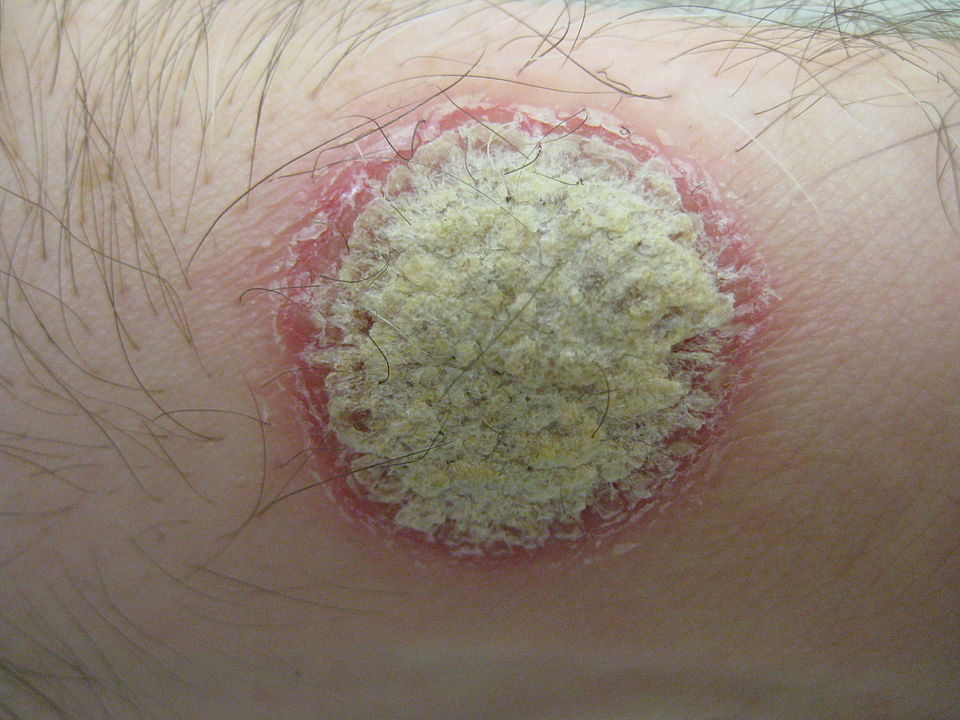
Although there are effective treatments for psoriasis, an autoimmune disease that shows up as patches of red, inflamed skin and painful, scaly rashes, not everyone responds to these therapies – and for many, the relief is temporary.

“These therapies don’t reduce disease by 100 percent, and they don’t cure the disease” says La Jolla Institute for Immunology (LJI) Professor Michael Croft, PhD. “And if you take patients off those drugs, the disease almost always comes back.”

“We think TWEAK might be considered a potential target for the treatment of psoriasis,” said first author Rinkesh Gupta, PhD, a postdoctoral fellow at LJI. “It’s good to have this chance to develop a new therapeutic option.”

The findings build on the lab’s earlier research showing that TWEAK can interact with keratinocytes, the most common type of skin cell. By investigating TWEAK-deficient mice, the researchers found that TWEAK is a driver of inflammation in a model of psoriasis.
The new study, published in Science Immunology, shows that TWEAK does not work alone; it teams up with two other proteins, tumour necrosis factor (TNF) and interleukin-17 (IL-17), to trigger inflammation. These three seem to control inflammatory molecule production and the expression of additional inflammation-associated proteins in patients with psoriasis.

“The fact that they work together suggests the disease is essentially driven by all three of those particular proteins at the same time,” explained Prof Croft. “The primary implication is that TWEAK will also be a good drug target. as has already been proven for TNF and IL-17.”

The researchers tested this idea with a mouse model of psoriasis to compare how well a TWEAK-inhibitor measured up to therapies inhibiting IL-17 or TNF.

“If you inhibit TWEAK from working on its receptor on keratinocytes, you get the same therapeutic effect as when you inhibit TNF or IL-17,” said Dr Gupta. A particularly encouraging aspect of this finding since TNF and IL-17 are both FDA-approved drug targets for psoriasis.

Prof Croft thinks TWEAK inhibitors have potential as therapies for many types of skin diseases. “We think TWEAK is involved in skin inflammation in general,” he said.

His lab is now investigating the role of TWEAK in atopic dermatitis, and while a distinct disease from psoriasis, they do have a few things in common – and there are not as many good treatments for atopic dermatitis.

“There’s certainly a lot of room for improvement in treatment of atopic dermatitis patients,” he said.

Source: La Jolla Institute for Immunology

A New Alternative to Skin Biopsies

Source: Pixabay

A new ‘virtual histology’ technology being developed by researchers could replace many skin tissue biopsies. The technology is detailed in Light: Science & Applications

Histology is the microscopic study of tissues and organs through sectioning, staining, and examining those sections under a microscope. Often called microscopic anatomy and histochemistry, histology allows for the visualisation of tissue structure and characteristic changes the tissue may have undergone.

“This process bypasses several standard steps typically used for diagnosis – including skin biopsy, tissue fixation, processing, sectioning and histochemical staining. Images appear like biopsied, histochemically stained skin sections imaged on microscope slides,” said the study’s senior author, Aydogan Ozcan, Chancellor’s Professor and Volgenau Chair for Engineering Innovation of the Electrical and Computer Engineering Department at UCLA Samueli.

The technology may enable rapid diagnosis of malignant skin tumours, reducing unnecessary invasive skin biopsies and allowing skin cancer diagnosis at an earlier stage. This technology had only previously been applied to microscopy slides of unstained tissue, acquired through a biopsy. This is the first time virtual histology has been applied to intact, unbiopsied tissue.

“The current standard for diagnosing skin diseases, including skin cancer, relies on invasive biopsy and histopathological evaluation. For patients, this often leads to unnecessary biopsies and scars as well as multiple visits to doctors. It also can be costly for patients and the health care system,” said Dr Philip Scumpia, assistant professor of dermatology and dermatopathology at the David Geffen School of Medicine at UCLA and the West Los Angeles Veterans Affairs Hospital and a member of the UCLA Jonsson Comprehensive Cancer Center. “Our approach potentially offers a biopsy-free solution, providing images of skin structure with cellular-level resolution.”

The research team, led by Ozcan, Scumpia and Dr. Gennady Rubinstein, a dermatologist at the Dermatology & Laser Centre in Los Angeles, created a deep-learning framework to transform images of intact skin acquired by an emerging noninvasive optical technology, reflectance confocal microscopy (RCM), into a format that is user-friendly for dermatologists and pathologists. Analysing RCM images requires special training because they are in black and white, and unlike standard histology, they lack nuclear features of cells.

“I was surprised to see how easy it is for this virtual staining technology to transform the images into ones that I typically see of skin biopsies that are processed using traditional chemical fixation and tissue staining under a microscope,” Dr Scumpia said.

The researchers trained a neural network to rapidly transform RCM images of unstained skin into virtually stained 3D images like the H&E (haematoxylin and eosin) images familiar to dermatologists and dermatopathologists.

“This framework can perform virtual histology on a variety of skin conditions, including basal cell carcinoma. It also provides detailed 3D images of several skin layers,” said Ozcan. “In our studies, the virtually stained images showed similar color contrast and spatial features found in traditionally stained microscopic images of biopsied tissue. This approach may allow diagnosticians to see the overall histological features of intact skin without invasive skin biopsies or the time-consuming work of chemical processing and labeling of tissue.”

“The only tool currently used in clinics to help a dermatologist are dermatoscopes, which magnify skin and polarise light. At best, they can help a dermatologist pick up patterns,” said Rubinstein, who also uses reflectance confocal microscopes in clinic.

The authors said there is a way to go before clinical use, but they aim to introduce the technology at various scales alongside other optical-imaging systems. Once the neural network is “trained,” with many tissue samples and the use of powerful graphics processing units (GPUs), it will be able to run on a computer or network, enabling rapid transformation from a standard image to a virtual histology image.

This technology could usher in a new age of “digital dermatology” and change how dermatology is practised. Additionally, the research team will see if this artificial intelligence platform can work with other AI technologies to look for patterns and further aid in clinical diagnosis.

Source: UCLA