Sanofi’s Rare Disease Database Aids Healthcare Practitioners

Image source: CDC/Unsplash

Sanofi’s rare disease database that helps healthcare practitioners tackle their unique challenges – and knowing that treatments are available directly improves patients’ wellbeing. This comprehensive database has also aided rare disease research.

Johannesburg, 28 February 2022: Patients with rare diseases present unique challenges to healthcare practitioners (HCPs). Obstacles to caring for them include diagnostic delays and a lack of information, expertise, and treatment options for many rare diseases. HCPs play a vital role in enhancing the quality of life for patients and families living with a rare disease by making appropriate referrals to specialists, helping to coordinate care, and assisting patients in obtaining the proper support.1,2

A disease is defined as ‘rare’ when it affects fewer than 1 in 2000 people.3

Over 7000 rare diseases have been described to date, affecting over 350 million people worldwide.3,4 While most (70-80%) of rare diseases are genetic and inherited, some may be acquired, and 70% are exclusively paediatric in onset.5

Recent surveys showed that those living with rare diseases had a significantly higher prevalence of anxiety and depression compared to the general population.5,6 Levels of high stress can become even worse for carers when the person they are supporting has a diagnosis with no available treatment option.5,6

Monique Nel, Medical Advisor – Rare Diseases at Sanofi says: “Sanofi has been dedicated to researching and developing innovative treatments for rare diseases for 40 years. Currently, Sanofi has one of the largest rare diseases pipelines in the industry, across multiple diseases and modalities.7

“Our rare disease patient registries have grown to represent one of the largest collections of real-world data for rare diseases collected over the past 30 years. We have a presence in 68 countries worldwide, with more than 920 participating sites and more than 17 800 patients enrolled.”

These registries have helped researchers to publish studies describing the underlying biology of disease, identify risk factors impacting treatment outcomes, and share guidelines for monitoring and treatment.

A further useful resource for HCPs and patients is the list of rare diseases maintained by the Genetic and Rare Diseases Information Center (GARD) of the US National Institutes of Health.8          

Says Nel: “We understand the difficulty that healthcare professionals face when it comes to patient diagnosis of a rare disease, and that a coordinated approach to diagnosis and care for people living with rare diseases is needed. Rare diseases deserve the same amount of time, resources and dedication to finding effective treatments and therapies as any other conditions, which is a mission that Sanofi strives to promote every day, to help HCPs to improve diagnosis.”

References:

  1. Elliott E, Zurynski Y. Rare diseases are a ‘common’ problem for clinicians. Aust Fam Physician. 2015 Sep;44(9):630. http://www.ncbi.nlm.nih.gov/pubmed/26488039
  2. Dudding-Byth T. A powerful team: the family physician advocating for patients with a rare disease. Aust Fam Physician. 2015 Sep;44(9):634. http://www.ncbi.nlm.nih.gov/pubmed/264880401. NIH.
  3. Genetic and Rare Disease Information Center. FAQs About Rare Diseases. Available at: https://rarediseases.info.nih.gov/diseases/pages/31/faqs-about-rare-diseases
  4. Bogart KR, Irvin VL. Health-related quality of life among adults with diverse rare disorders. Orphanet J Rare Dis. 2017 Dec 7;12(1):177. doi: 10.1186/s13023-017-0730-1. PMID: 29212508; PMCID: PMC5719717.
  5. Nguengang Wakap S, Lambert DM, Olry A, et al. Estimating cumulative point prevalence of rare diseases: analysis of the Orphanet database. Eur J Hum Genet 2020;28:165–173. https://doi.org/10.1038/s41431-019-0508-0
  6. National Alliance for Caregiving. Rare Disease Caregiving in America. Available at: https://www.caregiving.org/wp-content/uploads/2020/05/NAC-RareDiseaseReport_February-2018_WEB.pdf
  7. Sanofi Your Health webpage. Rare Disease. https://www.sanofi.com/en/your-health/specialty-care/rare-diseases
  8. National Institutes of Health, Genetic and Rare Diseases Information Center. Caring for your patient with a rare disease.  Available at: https://rarediseases.info.nih.gov/guides/pages/122/caring-for-your-patient-with-a-rare-disease
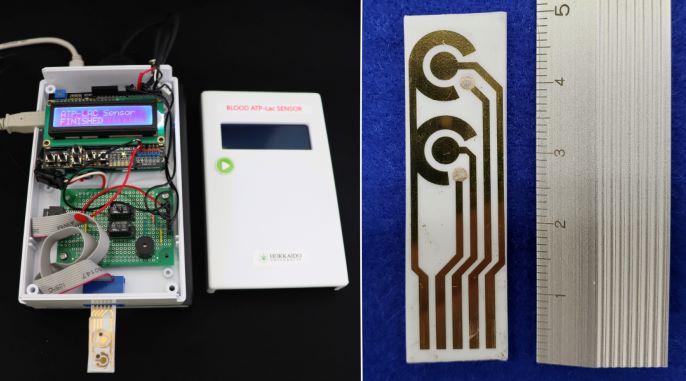
New Biosensor Rapidly Measures ATP and Lactate in Blood Samples

The prototype of the ATP and lactate sensor developed in the study (left); and the integrated sensor chip that detects ATP and lactate levels (right). Credit: Akihiko Ishida, Hokkaido University

Scientists at Hokkaido University have developed a prototype sensor that could help doctors rapidly measures levels of adenosine triphosphate (ATP) and lactate in blood samples from patients, aiding in the rapid assessment of the severity of conditions such as sepsis.

The scientists detailed their prototype biosensor in the journal Biosensors and Bioelectronics.

ATP is a molecule found in every living cell that stores and carries energy. In red blood cells, ATP is produced by a biochemical pathway called the Embden–Meyerhof pathway. Severe illnesses such as multiple organ failure, sepsis and influenza reduce the amounts of ATP produced by red blood cells.

As such, the severity of these illnesses could be gauged by monitoring the amounts of ATP and lactates in a patient’s blood. “In 2013, our co-authors at Tokushima University proposed the ATP-lactate energy risk score (A-LES) for measuring ATP and lactate blood levels to assess acute influenza severity in patients,” explained Akihiko Ishida, an applied chemist at Hokkaido University. “However, current methods to measure these levels and other approaches for measuring disease severity can be cumbersome, lengthy or not sensitive enough. We wanted to develop a rapid, sensitive test to help doctors better triage their patients.”

The researchers developed a biosensor that can detect levels of ATP and lactate in blood with great high sensitivity in as little as five minutes. The process is straightforward. Chemicals are added to a blood sample to extract ATP from red blood cells. Enzymes and substrates are then added to convert ATP and lactate to the same product that can be detected by specially modified electrodes on a sensor chip; the amount of by-product present in the sample increases the electrical current measured.

Schematic representation of the proposed sensor for sequentially detecting ATP and lactate levels in the blood. Through a series of chemical reactions, ATP and lactate are converted to hydrogen peroxide, the breakdown of which to water H2O causes the sensor chip to generate a signal that is detected by the sensor.

The team conducted parallel tests and found that other components present in blood, such as ascorbic acid, pyruvic acid, adenosine diphosphate (ADP), urate and potassium ions, don’t interfere with the ability of the electrodes to accurately detect ATP and lactate. They also compared their sensor with those currently available and found it allowed for the relatively simple and rapid measurement of the two molecules.

“We hope our sensor will enable disease severity monitoring and serve as a tool for diagnosing and treating patients admitted to intensive care units,” said Ishida.

The researchers plan to further simplify the measurement process by integrating an ATP extraction method into the chip itself, as well as reducing the size of the sensor system.

Source: Hokkaido University

Hospitals in Ukraine Face Oxygen Shortage, MSF Suspends Operations

Supplies of medical oxygen in Ukraine are dangerously low due to disruption caused by the Russian invasion, the World Health Organization has warned.

Due to the crisis, the WHO estimates that the country needs an additional 20–25% increase in oxygen supplies over and above its normal needs. As it currently stands, the transport of oxygen cylinders across the country is being disrupted, especially into the capital Kyiv. As of 27 February, many hospitals across the country, including in Kyiv, had less than 24 hours’ supply remaining.

Furthermore, oxygen production facilities are experiencing shortages of zeolite, which is needed for the safe production of oxygen in the pressure swing absorption process

Prior to the conflict, the WHO had worked with Ukraine to improve its oxygen supply infrastructure, especially during the COVID pandemic. “Of the over 600 health facilities nationwide assessed by WHO during the pandemic, close to half were directly supported with supplies, technical know-how and infrastructure investments, enabling health authorities to save tens of thousands of lives,” the WHO said. This progress is threatening to be undone.

“Compounding the risk to patients, critical hospital services are also being jeopardised by electricity and power shortages, and ambulances transporting patients are in danger of getting caught in the crossfire,” the WHO said in its press release.

To offset this, the WHO is working through regional networks to bring in oxygen, as well as providing trauma treatment supplies. These would be brought in through a safe logistics corridor in Poland.

Médecins Sans Frontières (MSF) has announced that it is suspending activities in Ukraine. “These included care for people living with HIV in Severodonetsk; care for patients with tuberculosis in Zhytomyr; and improving access to healthcare access in Donetsk, in eastern Ukraine, where we have been providing much-needed healthcare, including for mental health, to conflict-affected communities,” the organisation said in an announcement.

However, it is working to ensure some continuity of its operations, and are working to provide trauma training to certain hospitals and have provided some trauma supplies.

The Ukrainian capital of Kyiv has also put out a call for donations of medicines, such as the antiviral amixin, the antibiotic nifuroxazide and the haemostatic agent aminocaproic acid.

Source: World Health Organization

To Properly Use AI to Analyse Breast Cancers, Look to Past Mistakes

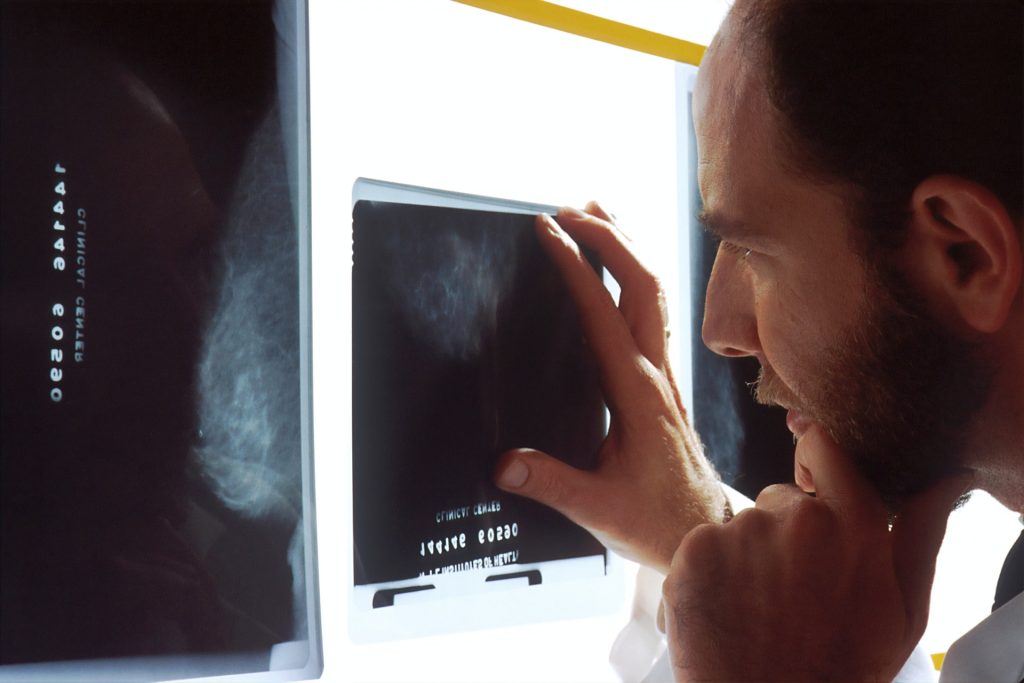
Source: National Cancer Institute

Doctors writing in an editorial in JAMA Health Forum caution that while using AI to analyse breast cancer tumours has the potential to improve healthcare efficiency and outcomes, similar technological leaps have previously led to higher rates of false-positive tests and over-treatment.

The editorial wasco-written by Joann G. Elmore, MD, MPH, professor of medicine at the David Geffen School of Medicine at UCLA, and Christoph I. Lee, MD, MS, MBA, a professor of radiology at the University of Washington School of Medicine.

“Without a more robust approach to the evaluation and implementation of AI, given the unabated adoption of emergent technology in clinical practice, we are failing to learn from our past mistakes in mammography,” the authors wrote.

One of those “past mistakes in mammography,” the authors said, was adjunct computer-aided detection (CAD) tools, which grew rapidly in popularity in the field of breast cancer screening starting more than two decades ago. CAD was approved by the FDA in 1998, and by 2016 more than 92% of U.S. imaging facilities were using the technology to interpret mammograms and hunt for tumours. However, CAD did not improve mammography accuracy., according to the evidence. “CAD tools are associated with increased false positive rates, leading to overdiagnosis of ductal carcinoma in situ and unnecessary diagnostic testing,” the authors wrote. The US Medicare system stopped paying for CAD in 2018, but by then the tools had run up more than $400 million a year in wasted health costs.

“The premature adoption of CAD is a premonitory symptom of the wholehearted embrace of emergent technologies prior to fully understanding their impact on patient outcomes,” Drs Elmore and Lee wrote. “As AI algorithms are increasingly receiving FDA clearance and becoming commercially available with ROC curves similar to what we observed prior to CAD clearance and adoption, how can we prevent history from repeating itself?”

The doctors suggest a number of safeguards to avoid “repeating past mistakes” such as tying reimbursement to proven efficacy.

Source: UCLA Health

Nintedanib Slows Autoimmune-related Lung Disease

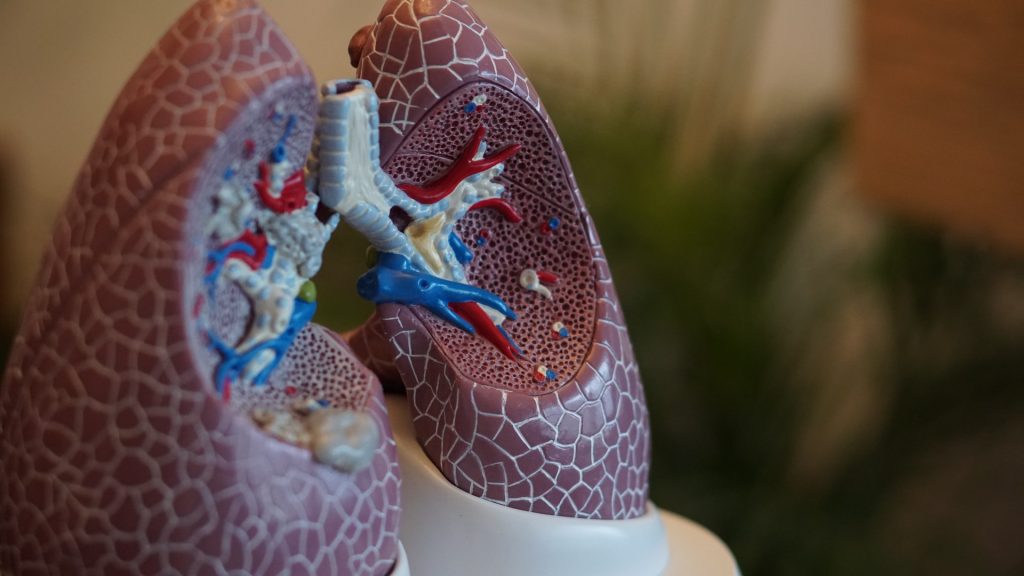
Anatomical model of lungs
Photo by Robina Weermeijer on Unsplash

Findings from a new clinical trial published in Arthritis & Rheumatology reveal that nintedanib,  an intracellular inhibitor of tyrosine kinases, may help patients with fibrosing from autoimmune disease-related interstitial lung diseases (ILDs).

ILDs are a common manifestation of systemic autoimmune diseases such as rheumatoid arthritis. Connective tissue diseases and vasculitides affect all areas of the lungs (bronchioles, parenchyma, alveoles) which is why ILD is a common feature of rheumatology diseases.

The trial enrolled 170 subjects with a fibrosing ILD other than idiopathic pulmonary fibrosis, with diffuse fibrosing lung disease of > 10% extent on high-resolution CT imagery, forced vital capacity (FVC) ≥ 45% predicted and diffusing capacity of the lungs for carbon monoxide ≥ 30% –< 80% predicted. FVC is a predictor of mortality in patients with autoimmune disease-associated ILDs.

Patients were randomised to receive nintedanib or placebo. Investigators assessed patients’ forced vital capacity (FVC). The trial found that the rate of decline in FVC over one year was -75.9 mL/year with nintedanib versus -178.6 mL/year with placebo.

“Until now, therapies that can significantly reduce the rate of decline in lung function in connective tissue disease–related ILDs characterised by progressive fibrosis have been lacking. We now have a therapeutic approach that offers a strategy for reducing the morbidity associated with these diseases,” said lead author Eric L. Matteson, MD, MPH, of the Mayo Clinic College of Medicine and Science.

Source: Wiley

A Synthetic Alternative to Pig-derived Heparin

Photo by Corinna Widmer from Pexels

Scientists have developed a process to synthesise the vital blood thinner heparin, which is normally harvested from pig intestines. This synthetic heparin would help the quality control issues and shortages associated with pig-derived heparin.

The most expensive part of a pig is not a cut of bacon or a chop, but the part of the intestine used to make heparin. About 2000 pigs required to produce a kilogram of heparin, which provides medication to up to 6000 patients. In total, it is estimated that about one billion primarily Chinese food pigs each year also supply intestines for the extraction and processing of heparin.

However, this can cause problems for patients. When making medicines derived from animals, the chemical structure is rarely uniform. There are relatively common but harmless side effects, and in very rare cases severe and life-threatening immune reactions. Additionally, there are ethical and religious concerns for many patients. Bovine- and sheep-derived heparin are also produced but have the same concerns of being of animal origin. In fact, prior to 2000, heparin was derived from cows until the outbreak of mad cow disease.

Therefore, it has long been an ambition among researchers to make heparin in a laboratory to get cleaner heparin without side effects. Now researchers from the Copenhagen Center for Glycomics at the University of Copenhagen are ready with a study that shows that it is possible to make heparin without the use of animals.  which was published in Science Advances.

“By making heparin without the animal, you get a much cleaner and more uniform chemical structure. We show that we can do it in the laboratory, i.e. in a so-called ‘cell factory’, in the same way as many other types of medicine are made. It is a step in the direction of the development that has also happened with insulin, which was previously extracted from the pancreas in pigs before we learned to produce it in the laboratory,” explained Associate Professor Rebecca Miller, who led the study. 

There is already a synthetic alternative to heparin, but it is difficult to dose and can lead to overdose. Because of this, GPs often prescribe pig-derived heparin to their patients.

Heparin is today extracted from pig intestines’ mucosa. Due to the sheer number of patients who need the medicine, the scale of the production is vast, making quality control a recurring problem for manufacturers.

In 2008, a number of stocks of heparin from Chinese pigs were recalled when it was found that the medicine was contaminated. The case ended up costing the lives of more than 100 Americans.

“Of course you want to avoid that, in addition to moving the source from animals to laboratory cells. With our new technology, we have made a design for how to make heparin in a cell that is clean and uniform and it suggests that it has the same medicinal effect as market heparin. In this way, you potentially get a product that leads to neither common nor life-threatening side effects,” said Richard Karlsson, PhD, who has also contributed to the main author of the study.

Right now, the world is facing a shortage of heparin because swine flu has thinned the pig population in China, the largest heparin producer.
Next steps would be to scale up production to provide much larger quantities of the new synthetic heparin. 

Source: University of Copenhagen

Study Reveals the Intricacy of C. Diff’s Armour

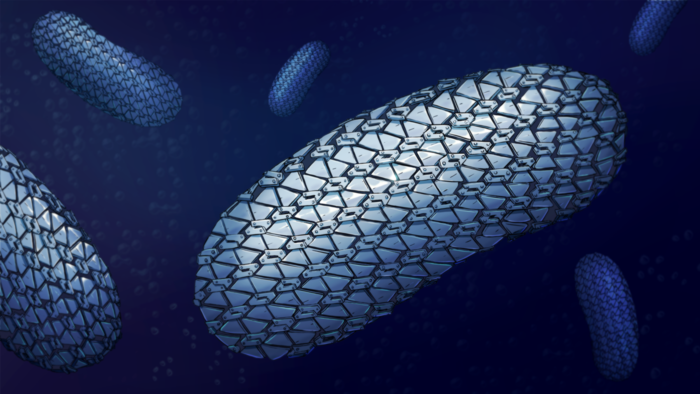
The spectacular structure of the protective armour of superbug C. difficile has been revealed for the first time showing the close-knit yet flexible outer layer – like chain mail. This assembly prevents molecules getting in and provides a new target for future treatments, according to the scientists at Newcastle, Sheffield and Glasgow Universities who have uncovered it. Credit: Newcastle University, UK

The spectacular structure of the protective armour of C. difficile has been revealed for the first time showing the close-knit yet flexible outer layer – like a mediaeval knight’s chain mail.

This tight arrangement keeps molecules from getting in and provides a new target for future treatments, according to the scientists who have uncovered it.

Published in Nature Communications, the team of scientists outlined the structure of the main protein, SlpA, that forms the links of the chain mail and how they link up to form a pattern and create this flexible armour.
One of the many ways that Clostridioides difficile has to protect itself from antibiotics is a special layer that covers the cell of the whole bacteria – the surface layer or S-layer. This flexible armour protects against the entry of drugs or molecules released by our immune system to fight bacteria.

Using a combination of X-ray and electron crystallography, the team determined the structure of the proteins and their arrangement.

Corresponding author and lead researcher Dr Paula Salgado said: “I started working on this structure more than 10 years ago, it’s been a long, hard journey but we got some really exciting results! Surprisingly, we found that the protein forming the outer layer, SlpA, packs very tightly, with very narrow openings that allow very few molecules to enter the cells. S-layer from other bacteria studied so far tend to have wider gaps, allowing bigger molecules to penetrate. This may explain the success of C.diff at defending itself against the antibiotics and immune system molecules sent to attack it.

“Excitingly, it also opens the possibility of developing drugs that target the interactions that make up the chain mail. If we break these, we can create holes that allow drugs and immune system molecules to enter the cell and kill it.”

Antimicrobial resistance (AMR), a growing problem, was declared by WHO as one of the top 10 global public health threats facing humanity.
One of the many bacteria that have evolved resistance to antibiotics, C. diff infects the human gut and is resistant to all but three current drugs. Antibiotics only compound the problem, as the good bacteria in the gut are killed alongside those causing an infection and, as C. diff is resistant, it can grow and cause diseases ranging from diarrhoea to death due to massive lesions in the gut. Since the only way to treat C.diff is to take antibiotics, it creates a vicious cycle of recurrent infections.

This knowledge could lead to the development of C. diff specific drugs that break the protective layer, creating holes to allow drug molecules to penetrate and kill the cell.

Dr Rob Fagan, who helped carry out the electron crystallography work, said: “We’re now looking at how our findings could be used to find new ways to treat C. diff infections such as using bacteriophages to attach to and kill C. diff cells – a promising potential alternative to traditional antibiotic drugs.”

Source: EurekAlert!

Antiepileptics in Comatose Cardiac Arrest Survivors are Ineffective, Study Shows

Image by Falkurian Design on Unsplash

A large scale study of comatose intensive care (ICU) patients admitted after cardiac arrest and resuscitation has shown that antiepileptics to treat epilepsy-like brain activity has no effect, and may even prolong ICU stay.

Following a cardiac arrest and resuscitation, patients may need an ICU stay, and are in a coma. By that stage, the cardiac arrest may have damaged the brain to such an extent that half of the patients will not recover from coma. The other half will also have permanent damage, for example of memory functions. It is extremely difficult to predict if a patient will awaken and what their prognosis is, so clinicians make use of EEG (electroencephalography).

In 10–20% of the patients admitted to the ICU after cardiac arrest and resuscitation, there are signs of brain activity that appear similar to epilepsy: unlike an attack this activity is continuous. For a long time, it was unclear if anti-epileptic medication could help better recovery. As a result, some patients received this medication and some did not.

Now, a large-scale study done between 2014 and 2021 on 172 patients has proven that this medication is ineffective: it does not help recovery, even necessitating a longer ICU stay. The researchers, led by Professor Jeannette Hofmeijer of the University of Twente and Rijnstate Hospital in Arnhem, published their findings in the New England Journal of Medicine.

The conclusion from this study is that anti-epileptic medication does not lead to an improved recovery. The findings show that patients may need to stay longer at the ICU: for the patient an undesired situation, and it puts extra pressure on the health care system. 

Aside from patients who show continuous epileptic signals, a small group of patients show signs of a typical epileptic seizure: a short and heavy attack. In these situations, anti-epileptics could help, but this still needs further research.

“Although the outcome of the trial may be disappointing in terms of chances of recovery, it also takes away uncertainties from the family. The signals point at serious brain damage that would lead to a much longer stay at the ICU,” said Prof Hofmeijer.

Source: University of Twente

High CAC and Lipoprotein(a) Scores Greatly Worsen CVD Risk

Healthy red blood cells. Source: NIH

Having both a high lipoprotein(a) and high coronary artery calcium score (CAC) results in a 22% risk of heart attack or stroke over the following 10 years, nearly double the risk of having either condition alone. These are the findings are from a study published in the Journal of the American College of Cardiology (JACC).

Two decades ago, it was recognised that lipoprotein(a) (Lp(a)) concentrations were elevated in patients with cardiovascular disease (CVD). However Lp(a) was not yet proven to be important due to a lack of both Lp(a)-lowering therapy and evidence that reducing Lp(a) levels improves CVD risk. Recent research has added to the evidence 

“We are hopeful that by making the connection between Lp(a) and CAC as dual risk drivers, we can raise awareness in the medical community and improve earlier heart attack prevention for these patients,” said cardiologist Parag Joshi, MD, Associate Professor of Internal Medicine at UT Southwestern. “Our data may also expedite the development of treatments designed specifically for this high-risk population.”

About one sixth of people in the U.S. have high Lp(a), driven largely by genetics. Coronary artery calcium (CAC) is a marker of plaque deposits around the heart. 

Cardiology researchers confirmed the Lp(a) and CAC connection by comparing data from two landmark cardiovascular trials, the Dallas Heart Study, an ongoing comprehensive study of 6000 diverse and heart-healthy patients conducted from 2000 to present, and the Multi-Ethnic Study of Atherosclerosis (MESA) 6000-participant study investigating early-stage atherosclerosis.

The researchers found that participants with combined high Lp(a) and high CAC had a 22% 10-year risk of heart attack or stroke, compared with a 10-15% 10-year risk in patients who had either risk factor alone.

The team identified three distinct risk-related trends:

  • High Lp(a), high CAC: These individuals face the highest 10-year risk of heart attack or stroke.
  • High Lp(a), zero CAC: 10-year heart attack and stroke risk is low when there is no CAC, even if Lp(a) is high.
  • Low Lp(a), high CAC: 10-year heart attack or stroke risk is higher than average but lower than with high LP(a) and high CAC combined.

“Establishing the connection between Lp(a) and CAC means we can move to the important next phase of research, which will be defining and personalizing early screening protocols to identify patients at high risk of heart attack,” said Dr Joshi. “With further research, this could mean selectively scanning patients with high Lp(a) for their CAC score, and studying therapies specifically designed to reduce Lp(a) among patients with high CAC.”

Source: UT Southwestern Medical Center

SA COVID Study: ‘No Longer at Code Red’, Prof Madhi Says

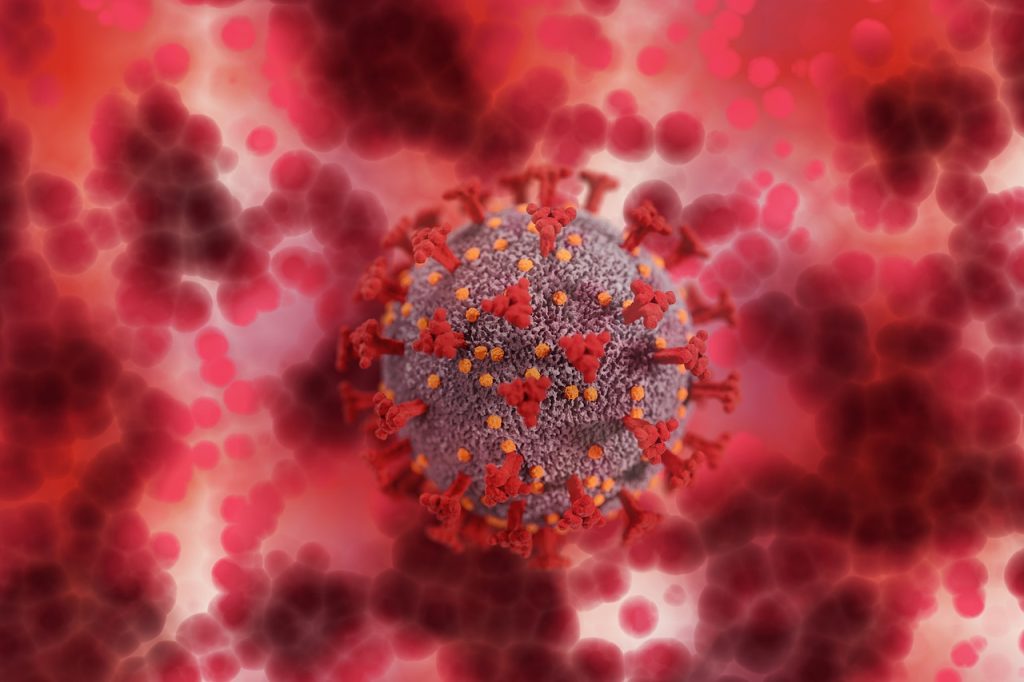
Image from Pixabay

Commenting on a recently published South African study showing a high COVID antibody sero-prevalence and decoupling of hospitalisation and death rates, first author Professor Shabir Madhi said that “we [are] no longer at “code red’.”

The study, published in the New England Journal of Medicine, was conducted in Gauteng from October 22 to December 9, 2021, showed a high sero-positivity rate even as the Omicron wave started. Under-12s (56%) had the lowest rate of sero-positivity, while it was 80% in over-50s and 85% in inner city residents. Unsurprising, vaccinated individuals had much higher rates (93%) than unvaccinated ones (68%). Epidemiologic data showed that the incidence of COVID infection increased and subsequently declined more rapidly during the fourth wave than it had during the three previous waves.

The researchers imputed 10.4 million infections, compared to the <1 million COVID cases recorded before Omicron. The researchers also evaluated COVID epidemiologic trends in the province, including cases, hospitalisations, recorded deaths, and excess deaths from the start of the pandemic through January 12, 2022.

At time of Omicron wave onset, 59159 Covid attributable deaths using excess mortality data (rate 396/100,000) in Gauteng. Infection fatality risk for Gauteng 0.57% pre-omicron (substantially higher than 0.019% imputed for seasonal flu pre-Covid calculated using similar methods).

In Gauteng at the start of the Omicron wave. vaccine coverage 36% for at least 1 dose in Gauteng, but 61% in over-50s (responsible for >80% deaths pre-Omicron). The sero-survey showed that, 70% of vaccinated were also infected pre-omicron, indiciating a substantial prevalence of hybrid immunity

Prof Madhi further noted analysis of the incidence trends shows a “massive decoupling” of COVID cases to hospitalisation and death rates over the course of Omicron dominance, which was seen in all age groups.
Omicron was responsible for only 3% of COVID deaths compared to 50% for those in Delta-dominant waves. In the 50-59 age group, Omicron was responsible for only 2% of deaths compared to 53% of Delta-dominant deaths.

They also found that children under 12 were not seriously affected during the Omicron wave, with the Omicron wave making up 26% of hospitalisations and 17% of deaths versus 39% and 47%, respectively with the Delta wave.

The researchers concluded that the SA experience indicates that we are now moving into the convalescent phase of the COVID pandemic. Prof Madhi noted in his tweets that this is likely to be similar in other countries that have had a low or modest vaccine uptake, but which have also seen high rates of natural infection – which, in low- and middle-income countries, has likely been accompanied by significant under-reporting of COVID fatalities. 

Given low rates of vaccine rollout and donations, Africa should focus on vaccinating its vulnerable elderly population, Prof Madhi recommended.

He tweeted that SA had expressed optimism that the pandemic had reached a turning point “which many in high income countries dismissed as ’empirical’ and not applicable to their settings despite high vaccine coverage,” subsequently materialised around the world wherever COVID was “not [a] zero-sum game.”