Study Links Vitamin D Deficiency to Premature Death

Photo by Julian Jagtenberg on Pexels

New research in the  Annals of Internal Medicine provides strong evidence that vitamin D deficiency is associated with premature death, prompting calls for people to follow healthy vitamin D level guidelines.

The study by the University of South Australia found that premature mortality increased in line with the severity of Vitamin D deficiency.

First author and UniSA PhD candidate, Josh Sutherland, says that while vitamin D has been connected with mortality, it has been challenging to establish causal effects.

“While severe vitamin D deficiency is rarer in Australia than elsewhere in the world, it can still affect those who have health vulnerabilities, the elderly, and those who do not acquire enough vitamin D from healthy sun exposure and dietary sources,” Sutherland says.

“Our study provides strong evidence for the connection between low levels of vitamin D and mortality, and this is the first study of its kind to also include respiratory disease related mortality as an outcome.

“We used a new genetic method to explore and affirm the non-linear relationships that we’ve seen in observational settings, and through this we’ve been able give strong evidence for the connection between low vitamin D status and premature death.

“Vitamin D deficiency has been connected with mortality, but as clinical trials have often failed to recruit people with low vitamin D levels – or have been prohibited from including vitamin deficient participants – it’s been challenging to establish causal relationships.”

The Mendelian randomisation study (an alternative to the gold standard of a randomised controlled trial) evaluated 307 601 records from the UK Biobank. Low levels of vitamin D were noted as less than <25 nmol/L with the average concentration found to be 45.2 nmol/L. Over a 14-year follow up period, researchers found that the risk for death significantly decreased with increased vitamin D concentrations, with the strongest effects seen among those with severe deficiencies.

Senior investigator Professor Elina Hyppönen says more research is now needed to establish effective public health strategies that can help achieve national guidelines and reduce the risk of premature death associated with low vitamin D levels.

“The take-home message here is simple – the key is in the prevention. It is not good enough to think about vitamin D deficiency when already facing life-challenging situations, when early action could make all the difference,” Prof Hyppönen says.

“It is very important to continue public health efforts to ensure the vulnerable and elderly maintain sufficient vitamin D levels throughout the year.”

Source: University of South Australia

New Drug Combination More Effective in Treating Urinary Tract Infections

E. Coli bacteria. Image by CDC

An international study published in JAMA comparing new and older treatments against complicated urinary tract infections has found that a new drug combination of cefepime and enmetazobactam to be more effective, especially against drug-resistant strains.

Researchers in the ALLIUM Phase 3 clinical trial showed that a combination of the drugs cefepime and enmetazobactam was more effective in treating both complicated urinary tract infections (UTIs) and acute pyelonephritis (AP), a bacterial infection causing kidney inflammation, than the standard combination of piperacillin and tazobactam. UTIs are considered complicated when they are associated with risk factors such as fevers, sepsis, urinary obstruction or catheters, that increase the danger of failing antibiotic therapy.

“This new antibiotic was superior to the standard-of-care therapy,” said Professor Keith Kaye at Rutgers Robert Wood Johnson Medical School, the study’s lead author. “It represents an exciting option for treatment.”

Prof Kaye added this drug combination also fights an often-dangerous category of bacterial illnesses caused by pathogens known as extended spectrum beta-lactamase (ESBL) infections, named for an enzyme the bacteria produce. ESBL-producing bacteria can’t be killed effectively by many of the antibiotics conventionally used to treat infections, such as penicillins and cephalosporins.

“We are looking for antibiotics that are active against resistant bacteria, such as ESBLs, and we found this new combination to be highly effective,” Prof Kaye said.

The trial was conducted at 90 sites in Europe, North and Central America, South America and South Africa from September 2018 to November 2019. More than 1000 patients participated in the study. Some 79% of the patients receiving the new combination of cefepime and enmetazobactam were successfully treated for their illness, as opposed to 58.9% of those receiving the conventional treatment of piperacillin and tazobactam.

Of the 20% of patients from the overall group belonging to the subset of those with ESBL infections, 73% receiving cefepime and enmetazobactam achieved a clinical cure, as opposed to 51% on the standard therapy.

The antibiotic cefepime is a fourth-generation cephalosporin that was approved for use in the 1990s and is available generically. Enmetazobactam, an experimental drug made by the French biopharmaceutical company Allecra Therapeutics, is a beta-lactamase inhibitor, meaning it attacks the beta-lactamases, including the types of enzymes produced by ESBL-producing bacteria. The drug combination has been fast-tracked for approval by the U.S. Food and Drug Administration (FDA).

Source: Rutger University

Life Oncology Launches First AI-driven Ethos™ Radiotherapy Cancer Treatment in Sub-Saharan Africa

The Life Oncology unit at Life Vincent Pallotti Hospital today launched the Ethos™  radiotherapy system, a revolutionary new technology, the first in Sub-Saharan Africa, which uses artificial intelligence (AI) and adaptive treatment to adjust cancer treatments in response to patients’ unique, changing needs.

The Ethos™ radiotherapy system allows radiotherapy specialists to treat cancer patients with the most accurate, precision techniques. “Adaptive therapy provides the ability to adapt the treatment plan based on tumour and anatomical changes. The goal is to better target the tumour, reduce radiation dose of healthy tissue, and potentially improve overall outcomes”, says Dr Louis Kathan, Life Healthcare’s Chief Medical Officer in South Africa.

Dr Kathan, who is also a radiation oncologist with close to 15 years of patient treatment experience, explains that the streamlined workflow of Ethos™ radiotherapy is enabled by its AI-driven planning and contouring capabilities. “The system allows us to use AI to adapt to a patient’s anatomy. This allows us to make decisions more efficiently on a daily basis based on each patient’s individual needs. The ability of the machine to deliver on-couch adaptive treatment puts the patient at the centre of care”, he added.

“Clinicians globally have waited for the day when they have the ability to adapt radiotherapy treatments to changes in patient anatomy. Typically changes to a patient’s treatment plan due to changes in anatomy require time-consuming re-scanning and re-planning between treatment sessions, which could take up to two days. The Ethos™ radiotherapy adaptive technology allows the treatment plan to be adjusted daily, in real-time and the treatment to be planned and administered, all within 20 to 30 minutes”, says Kulthum Ismail, unit manager: radiation therapy at the Life Oncology unit based at Life Vincent Pallotti Hospital.

The planning and treatment all happen in one session, making it a faster process compared to existing radiotherapy technology, although Kulthum added that there is still a big role to play for current systems being used.

Kulthum Ismail, unit manager: radiation therapy at the Life Oncology unit based at Life Vincent Pallotti Hospital

The Life Oncology unit at Life Vincent Pallotti Hospital is committed to delivering the very best oncology care with substantial investments made in recent years to technologies to place the hospital at the forefront of advanced treatments in surgical-, medical-, gynaecological- and radiation oncology. These include:

  • The Novalis Tx delivery system
  • Image guided radiosurgery for tumour motion monitoring
  • Respiratory gating (respiration triggered dose delivery)
  • Minimally invasive frameless radiosurgery for patient comfort
  • Radiofrequency ablation
  • Elements Multiple Brain Mets Stereotactic Radiosurgery System which delivers powerful treatment that targets multiple brain metastases (more than one cancer lesion in the brain) simultaneously, faster and more precisely

The Ethos™ radiotherapy system at Life Vincent Pallotti Hospital is already being used to treat patients with cervical, rectum, lung and prostate cancer. In time, other cancers are hoped to be included in the treatment programme. 

“The Ethos™ radiotherapy system offers a faster and more personalised, targeted approach to radiotherapy treatment which means we really are placing the patient at the centre of care,” said Adam Pyle, Life Healthcare’s CEO for South Africa. “It’s our way of navigating our patients into the future of oncology care as we continue to live our purpose of making life better.”

Pete Wharton-Hood, Group Chief Executive for Life Healthcare added that the Group’s aspiration to be a leading cancer care provider has taken a substantial step forward with the expansion at the Life Oncology unit at Life Vincent Pallotti Hospital in Cape Town. “As a people and patient-centric organisation, we continuously seek ways to build on our existing technological offerings and services to consistently improve patient outcomes, enhance our patient experience and drive accessible and affordable healthcare. This means we get to better support our specialists who we partner with, so that together we continue delivering improved patient quality, patient experience, efficiency, and clinical excellence.”

Blood Transfusion Increases Risks in Paediatric Cancer

https://www.pexels.com/photo/a-close-up-shot-of-bags-of-blood-4531306/
Photo by Charlie-Helen Robinson on Pexels

A study published in the Journal of Pediatric Hematology/Oncology found that blood transfusion is associated with adverse outcomes, including infection and higher rates of tumour recurrence — in paediatric solid tumour oncology patients following surgical removal of the tumour.

“Blood transfusion is obviously hugely important when used in the appropriate clinical scenario, but there are some downsides,” said study author Shannon Acker, MD, an assistant professor of paediatric surgery in the University of Colorado School of Medicine. “It’s pro-inflammatory and suppresses the immune system because your body reacts to foreign tissue. It can be a vital intervention, but I think we’re starting to be a little more thoughtful about giving patients blood products.”

Understanding paediatric blood transfusion

Dr Acker and colleagues pursued this research, in part, because while the effects of packed red blood cell (PRBC) transfusion in adult populations have been widely studied, data are sparser for paediatric patients.

“It’s fairly well-documented that in adult patients, perioperative blood transfusion for solid tumour resection is associated with certain adverse outcomes,” Dr Acker explained. “But paediatric cancers are more rare, so they’re more challenging to study. We need more data to understand whether what we know to be true in adult cancers is also true in paediatric cancers.”

Using retrospective data on more than 260 paediatric patients over 11 years, the researchers included malignant solid tumours removed by surgeons across all surgical disciplines. Dr Acker acknowledges that grouping different types of cancer into one study lessens the validity of the research because different cancers have different outcomes, “but we needed a place to start so we can begin working toward more collaborative, multi-centre paediatric oncology research,” she said.

Higher rates of complications

Of the 360 paediatric patients who underwent tumour resection, 194 received a blood transfusion within 30 days of surgery.

Analysing the data, they saw that children who received a blood transfusion had higher rates of post-surgery infectious complications, a shorter disease-free interval, and higher rates of tumour recurrence. They also adjusted for receiving pre-operative chemotherapy and still found that blood transfusion was associated with higher rates of post-operative infectious complications and a shorter disease-free interval.

No relationship was seen between tumour type and rate of infectious complications or disease-free interval.

Providing the best patient care

An aim of the research and its findings is to continue supporting and facilitating conversations and practices about patient care. “Packed red blood cells carry oxygen to the body and help tissues get the oxygen that they need,” Acker says. “They’re essential. It used to be common practice that if a surgeon was taking out a tumour and the patient was losing blood, they would immediately get two units.”

She added that blood transfusion now is recognised as “not a totally benign intervention, so instead of immediately giving a patient two units, we start with one and see if that leads to an appropriate response. Our research shows that each additional unit increases risk of adverse outcomes, so we want to continue being thoughtful in using this intervention.”

Acker adds that a further goal of the research is to work with members of paediatric oncology surgical consortiums to draw data from national and international centres. “The data we have are good, but I don’t think they’re enough to convince people to change institutional protocols. If we can get more validated, multi-centre data, we can begin to look at a more granular level at timing of transfusions and types of cancers so we can continue providing the best patient care.”

Source: University of Colorado Anschutz Medical Campus

Selection for Metabolism and Immunity Explains Fatty Liver Sex Differences

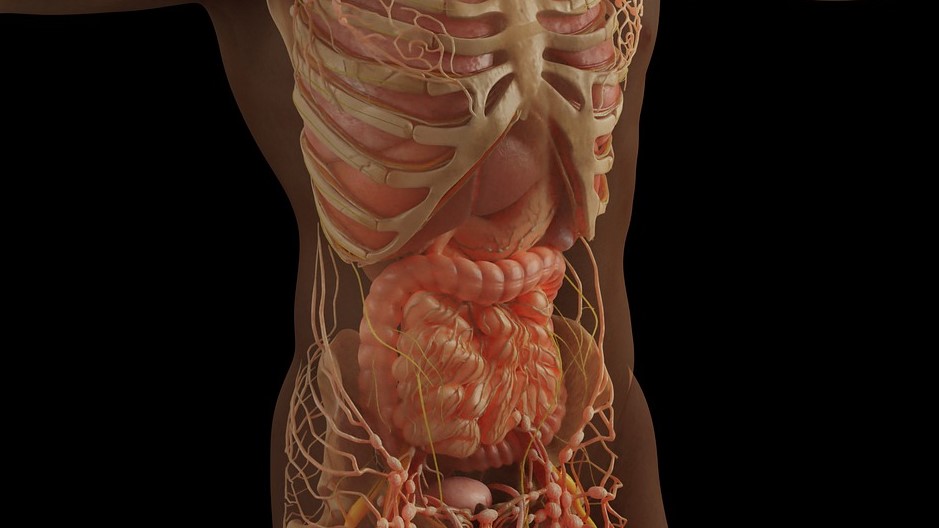
Anatomy of the gut
Source: Pixabay CC0

A new way of understanding sex-biased diseases has been developed by scientists at UC San Francisco (UCSF). Their evolutionary biology-based theory, published in in Science, is that males and females took opposing paths in a trade-off between immunity and metabolism that happens in the liver. This helped males fight bacterial infections from wounds received in dominance fights, while helping females store subcutaneous fat to survive when food is scarce.

Working with mice, the scientists described the activity of a signalling pathway that regulates lipids, storing fat in the liver in males and releasing it into the bloodstream in females. This pathway also responds to growth hormone.

This phenomenon may have shaped male biology in ways that increase risk from modern, high-calorie diets. The findings are particularly important for fatty liver, which affects a quarter of the US population. It is seen predominantly in men until women reach menopause.

“Scientists have only recently started to understand there are these profound differences between males and females,” said Holly Ingraham, PhD, UCSF professor and co-senior author of the study. “Understanding these differences is going to be the key to unlocking therapeutics for sex-biased diseases. Fatty liver is one example.”

The experiments found that male mice were three times more likely than females to survive infection with E. coli. The females developed hyperlipidaemia, a condition that is also seen in humans with severe sepsis. Lowering their lipid levels helped them to survive.

The investigators then examined how males and females respond to the contemporary environmental challenge of overeating by feeding the mice high-fat chow. males developed fatty liver and glucose intolerance, but females did not. This was true even when males and females gained a similar amount of weight.

Searching the literature for something that could explain this, the team identified a transcription factor called BCL6, which prevents the breakdown of fat in the liver and is much more present in male mice.

Deleting the gene for this protein eliminated liver fat in the males, and also their ability to survive the infection.

“The host defence programs in the liver are the predisposing factors that drive fatty liver in males,” said Joni Nikkanen, PhD, a postdoctoral fellow and one of the study researchers.

“We have an evolutionary perspective on why such programs have developed — because they protect males against bacterial infections,” he said. “But in another context, these same programs are not good for you anymore, and you will develop more severe fatty liver.”

The team also examined how the presence of BCL6 affected gene expression in the liver. This process begins at puberty when males produce more testosterone, and their pituitary glands start to secrete growth hormone in sharp peaks and valleys.

These intermittent bursts, likely testosterone-regulated, are important. When researchers infused male mice continuously with growth hormone the way it is secreted in females, BCL6 disappeared from their livers, and they lost the ability to fight E. coli infection.

The results point to growth hormone as a potential therapy for adults with fatty liver disease, an idea that is currently being tested. Its effects are already well established in children whose pituitaries don’t produce enough growth hormone. Male children especially tend to develop fatty liver, but it goes away when they are given growth hormone to treat their short stature.

The work also expands the scientific view of how the body fights infection to include organs like the liver.

“The fight is still between the infection and the immune system,” said Omer Gokcumen, PhD, an evolutionary anthropologist at the University at Buffalo and a co-author of the study. “But the liver is determining the battlefield.”

Source: University of California – San Francisco

e-Cigarette Chemicals can Cause Heart Arrhythmias

Photo by Chiara summer on Unsplash

Researchers have found that exposure to e-cigarette aerosols can cause heart arrhythmias in animal models – both in the form of premature and skipped heart beats. The study findings, published in Nature Communications, suggest that exposure to certain chemicals in e-cigarette liquids (e-liquids) promote arrhythmias and cardiac electrical dysfunction.

“Our findings demonstrate that short-term exposure to e-cigarettes can destabilise heart rhythm through specific chemicals within e-liquids,” said Alex Carll, assistant professor in the UofL Department of Physiology who led the study. “These findings suggest that e-cigarette use involving certain flavors or solvent vehicles may disrupt the heart’s electrical conduction and provoke arrhythmias. These effects could increase the risk for atrial or ventricular fibrillation and sudden cardiac arrest.”

The researchers tested the cardiac impacts of inhaled e-cigarette aerosols solely from the main two ingredients in e-liquids (nicotine-free propylene glycol and vegetable glycerin) or from flavoured retail e-liquids containing nicotine. They found that for all e-cigarette aerosols, the animals’ heart rate slowed during puff exposures and sped up afterwards as heart rate variability declined, indicating fight-or-flight stress responses. In addition, e-cigarette puffs from a menthol-flavoured e-liquid or from propylene glycol alone caused ventricular arrhythmias and other conduction irregularities in the heart.

This work adds to a growing body of research on the potential toxicity and health impacts of e-cigarettes reported by the American Heart Association Tobacco Regulation and Addiction Center, for which UofL serves as the flagship institute.

“The findings of this study are important because they provide fresh evidence that the use of e-cigarettes could interfere with normal heart rhythms – something we did not know before,” said collaborating researcher Professor Aruni Bhatnagar. “This is highly concerning given the rapid growth of e-cigarette use, particularly among young people.”

As e-cigarette use has grown nationwide, the potential advantages and harms of vaping have been debated. Since vaping does not involve combustion, it exposes users and bystanders to little if any carbon monoxide, tar or cancer-causing nitrosamines compared with conventional cigarettes. However, e-cigarettes can deliver aldehydes, particles and nicotine at levels comparable to combustible cigarettes. Vaping might help smokers quit combustible cigarettes, but the appeal and addictiveness of e-cigarettes may encourage youth to vape amidst unknown long-term risks or take up smoking. More than 25% of high schoolers and 10% of middle schoolers in the U.S. reported using e-cigarettes before the pandemic.

“Our team’s findings that specific ingredients in e-cigarette liquids promote arrhythmias indicates there is an urgent need for more research into the cardiac effects of these components in both animals and humans,” A.Prof Carll said.

Source: University of Louisville

Diet and Exercise for Obese Mothers Lowers Cardiovascular Risk in Infants

Holding a baby's hand
Photo by William-Fortunato on Pexels

A new study, published in the International Journal of Obesity, found that 3-year-old children were more likely to exhibit risk factors for future heart disease if their mother was clinically obese during pregnancy. A behavioural lifestyle intervention reduced this risk.

There is increasing evidence to suggest that obesity in pregnancy is associated with cardiometabolic dysfunction in children, and that serious cardiovascular disease may begin in the womb.

The UPBEAT trial, conducted at Guy’s and St Thomas’ NHS Foundation Trust, randomised women with obesity (a BMI of over 30 kg/m2) in early pregnancy to a diet and exercise intervention or to standard pregnancy care. The intervention included one-to-one counselling, restricting dietary intake of saturated fat, eating foods with a low glycaemic index such as vegetables and legumes, moderate and monitored physical activity and tools to record exercise. The intervention arm saw improvements in weight gain in pregnancy, physical activity, a healthier diet, and a healthier metabolic profile across pregnancy.

Follow-up of the children at age three showed that children of women with clinical obesity had evidence of cardiac remodelling, a risk factor for future cardiovascular disease. Changes included increased heart muscle thickness, elevated resting heart rate, evidence of early impairment to the heart’s relaxation function and increased sympathetic nerve activity compared to women of normal weight. The children of women who were allocated to the intervention arm were protected from these early changes in heart structure and function.

Study lead Dr Paul Taylor, from King’s College London, said: “Maternal obesity appears to adversely impact the developing foetal nervous system and foetal heart development which is apparent up to 3 years-of-age. A complex lifestyle intervention in pregnancy was associated with protection against cardiac remodelling in infants. We can hypothesise that these changes to the heart and its function will get worse over time, putting the child at increased risk of cardiovascular disease in the future.”

The study suggests that maternal obesity may have a lasting impact on the child’s cardiovascular health. Promoting dietary changes and physical activity during pregnancy may reduce this risk.

Source: King’s College London

Earlier Mammograms for Family History of Breast Cancer may be Unnecessary

Woman receiving mammogram
Source: National Cancer Institute

A new study reported in the journal Cancer reconsiders guidelines for when to start screening with mammograms if a woman has a first degree relative who was diagnosed with breast cancer.

Women with a first-degree family relative diagnosed with breast cancer, who are otherwise at average risk, are often advised to get screened 10 years earlier than the relative’s diagnosis age. However, there is little evidence to support the long-standing recommendation.

UC Davis Comprehensive Cancer Center researcher Diana Miglioretti joined Danielle Durham, with the Department of Radiology at University of North Carolina at Chapel Hill, and five other researchers on the study. They analysed data from the Breast Cancer Surveillance Consortium on screening mammograms conducted from 1996–2016 to evaluate when screenings should begin for women with a family history of breast cancer.

More than 300 000 women were included in the national study. Researchers compared cumulative 5-year breast cancer incidence among women with and without a first-degree family history of breast cancer by relative’s age at diagnosis and screening age.

“The study concluded that a woman with a relative diagnosed at or before age 45 may wish to consider, in consultation with her doctor, initiating screening 5–8 years earlier than their relative’s diagnosis age, rather than a decade earlier. That puts them at a risk that is equal to that of an average-risk woman who is age 50, which is the most recommended age for starting mammograms,” said Durham.

BRCA gene mutation carriers may benefit from starting screenings earlier. Women ages 30–39 with more than one first-degree relative diagnosed with breast cancer may wish to consider genetic counselling.

Increasing the age for initiating screening could reduce the potential harms of starting breast cancer screenings too early. These include increased radiation exposure and false positive results that require women to return to the clinic for diagnostic imaging and possibly invasive procedures, but do not result in a breast cancer diagnosis. The earlier a woman starts receiving mammograms, the more screenings they will undergo over their lifetime – and that increases the chances of experiencing these harms.

“Mammography also may not perform as well in younger women because they are more likely to have dense breasts which increase the difficulty of finding cancer on the images and results in more false-positives,” Miglioretti said.

Source: University of California – Davis Health

Earlier HIV Diagnosis and Treatment Improves Outcomes

HIV themed candle
Image by Sergey Mikheev on Unsplash

Compared to delaying antiretroviral treatment (ART) early in the course of HIV infection, an earlier start to ART when the immune system is stronger results in better long-term health outcomes, according to findings presented at the IDWeek Conference.

The findings are based on an extended follow-up of participants in the National Institutes of Health-funded Strategic Timing of Antiretroviral Treatment (START) study. In 2015, START demonstrated a 57% reduced risk of AIDS and serious non-AIDS health outcomes among participants who began ART when their CD4+ T-cell counts were greater than 500 cells/mm³ compared with those who did not begin ART until either their CD4+ counts fell below 350 cells/mm³ or they developed AIDS. Following the 2015 report of these findings, the participants in the deferred treatment arm were advised to begin ART.

The international START study proved the benefit of early ART initiation, but longer-term follow-up of 4446 participants was undertaken to determine whether the health benefits of early ART compared with deferred ART increased, remained constant, or declined after the participants in the deferred arm were advised to begin ART. The primary study endpoints included the number of participants who developed AIDS; those who developed serious non-AIDS health conditions, such as major cardiovascular disease, kidney failure, liver disease and cancer; and those who died.

For participants who began ART before the end of 2015, the median CD4+ cell count at the time of ART initiation was 648 cells/mm³ for the immediate arm and 460 cells/mm³ for the deferred arm. The analysis presented today compared the primary study endpoints before the end of 2015, with those in the extended follow-up period, from 2016–2021. In the latter period, most deferred-arm participants were taking ART. During the second period, people initiating ART in the deferred group had rapid and sustained declines in HIV viral load (less than or equal to 200 copies/mL); however, CD4+ cell counts remained, on average, 155 cells lower compared with that of individuals in the immediate ART group.

While the risk of serious health outcomes was substantially diminished soon after ART was initiated in the deferred treatment group, some excess risk remained compared with the immediate treatment group. The deferred ART group continued to have a somewhat greater risk (21%) of serious health consequences or death in comparison to the immediate treatment group. Over the five-year follow-up, there were 27 cases of AIDS in the deferred group compared with 15 cases in the early group. Similarly, 88 cases of serious non-AIDS health issues occurred in the deferred treatment arm compared with 76 cases in the immediate treatment arm. Lastly, there were 57 deaths in the deferred treatment group compared to 47 in the immediate treatment arm.

These findings confirm that ART significantly improves the health of an individual with HIV and reduce the person’s risk of developing AIDS and serious health issues, and that early diagnosis and treatment are key to maximising these benefits and reducing risk, according to the presenters.

Source: NIH/National Institute of Allergy and Infectious Diseases

Signalling Control Explains Why Adult Hearts Cells Don’t Regenerate

Source: Pixabay CC0

New research published in Developmental Cell has uncovered a possible explanation for why explain why adult heart cells lack regeneration capacity. As heart cells mature in mice, the number of communication pathways called nuclear pores dramatically decreases. While this might protect the organ from damaging signals, it could also prevent adult heart cells from regenerating, the researchers found.

The study, from University of Pittsburgh and UPMC scientists, suggests that quieting communication between heart cells and their environment protects this organ from harmful signals related to stresses such as high blood pressure, but at the cost of preventing heart cells from receiving signals that promote regeneration.

“This paper provides an explanation for why adult hearts do not regenerate themselves, but newborn mice and human hearts do,” said senior author Bernhard Kühn, MD, professor of paediatrics. “These findings are an important advance in fundamental understanding of how the heart develops with age and how it has evolved to cope with stress.”

While skin and many other tissues of the human body retain the ability to repair themselves after injury, the same isn’t true of the heart. During human embryonic and foetal development, heart cells undergo cell division to form the heart muscle. But as heart cells mature in adulthood, they enter a terminal state in which they can no longer divide.

To understand more about how and why heart cells change with age, Prof Kühn teamed up with fellow Pitt researchers to look at nuclear pores. These perforations in the lipid membrane that surround a cell’s DNA regulate the passage of molecules to and from the nucleus.

“The nuclear envelope is an impermeable layer that protects the nucleus like asphalt on a highway,” said Prof Kühn. “Like manholes in this asphalt, nuclear pores are pathways that allow information to get through the barrier and into the nucleus.”

Using super-resolution microscopy, the researchers visualised and counted the number of nuclear pores in mouse heart cells, or cardiomyocytes. The number of pores decreased by 63% across development, from an average of 1,856 in foetal cells to 1040 in infant cells to just 678 in adult cells. These findings were validated with electron microscopy to show that nuclear pore density decreased across heart cell development.

In previous research, Prof Kühn and his team showed that a gene called Lamin b2, which is highly expressed in newborn mice but declines with age, is important for cardiomyocyte regeneration.

In the new study, they show that blocking expression of Lamin b2 in mice led to a decrease in nuclear pore numbers. Mice with fewer nuclear pores had diminished transport of signalling proteins to the nucleus and decreased gene expression, suggesting that reduced communication with age may drive a decrease in cardiomyocyte regenerative capacity.

“These findings demonstrate that the number of nuclear pores controls information flux into the nucleus,” explained Prof Kühn. “As heart cells mature and the nuclear pores decrease, less information is getting to the nucleus.”

In response to stress such as high blood pressure, a cardiomyocyte’s nucleus receives signals that modify gene pathways, leading to structural remodelling of the heart. This remodelling is a major cause of heart failure.

The researchers used a mouse model of high blood pressure to understand how nuclear pores contribute to this remodelling process. Mice that were engineered to express fewer nuclear pores showed less modulation of gene pathways involved in harmful cardiac remodelling. These mice also had better heart function and survival than their peers with more nuclear pores.

“We were surprised at the magnitude of the protective effect of having fewer nuclear pores in mice with high blood pressure,” said Prof Kühn. “However, having fewer communication pathways also limits beneficial signals such as those that promote regeneration.”

Source: University of Pittsburgh