Longevity Treatments Fail to Turn Back the Clock

In a new study published in the journal Nature Communications, researchers have taken a close look at three treatment approaches that have been widely believed to slow the ageing process. However, when tested in mice, these treatments proved largely ineffective in their supposed impact on ageing.

“There is no internal clock of ageing that you can regulate with a simple switch – at least not in the form of the treatments studied here,” concludes Dr Dan Ehninger of the German Centre for Neurodegenerative Diseases (DZNE), the initiator of the study. The team has developed a new analytical approach to make influences on ageing processes measurable.

“We chose three regulators for our interventions that many experts believe slow down aging,” explains Prof Martin Hrab de Angelis, who also drove the project with his team. One of them is intermittent fasting, in which the calories consumed are reduced. Number two targets a central node of cell metabolism (mTOR), which is also the target of the supposed “anti-ageing drug” rapamycin. Number three, in turn, interferes with the release of growth hormone. Similar treatments are also used by humans, although their efficacy with regard to ageing has not been sufficiently proven.

For the assessment in mice, the scientists developed a new answer to the question of how to measure ageing. “Many researchers in recent decades have used lifespan as an indirect measure of ageing,” explains Dan Ehninger, who is a senior scientist at DZNE. So, for example, how old do mice get – and how can that lifespan be extended? “It is often assumed that if they just live longer, they will also age more slowly. But the problem is that mice, like many other organisms, do not die from general old age, but from very specific diseases,” says Ehninger. For example, up to 90 percent of mice die from tumors that form in their bodies at an advanced age. “So, if you were to look at the whole genome for factors that make mice become long-lived, you would like find many genes that suppress tumor development – and not necessarily genes that play a general role in aging.”

For their study, the scientists therefore chose an approach that does not emphasize lifespan, but rather focused on a comprehensive investigation of age-related changes in a wide range of bodily functions. “You can think of it as a complete health status survey,” says Martin Hrab de Angelis: “The health check results in a compendium of hundreds of factors covering many areas of physiology” – an exact description of the state of the animal at the moment of examination. That’s exactly the approach the researchers applied to the animals subjected to one of the three treatment approaches that supposedly slow ageing. Across different life stages, they were analysed and compared: How much does each parameter typically change at a given stage of life? And, do parameters change more slowly when the mice are given one of the three treatments? This study design makes it possible to determine precisely whether the natural aging process can be slowed, and with it the deterioration of important physiological functions.

The results were unambiguous: Although the researchers were able to identify individual cases in which old mice looked younger than they actually were, it was clear that “this effect was not due to slowing down aging, but rather due to age-independent factors,” says Dan Ehninger. “The fact that a treatment already has its effect in young mice – prior to the appearance of age-dependent change in health measures – proves that these are compensatory, general health-promoting effects, not a targeting of aging mechanisms.”

The DZNE and Helmholtz Diabetes Center teams have now set their sights on the next goal: They want to investigate other treatment approaches that experts believe can slow aging. The researchers hope that the new research method will provide a more comprehensive picture of possible treatment approaches and their effectiveness.


Source: DZNE – German Center for Neurodegenerative Diseases

Looking Back at 2022: Pandemic Fades but Other Challenges Remain

Photo by Joshua Hoehne on Unsplash

The year 2022 finally saw the COVID pandemic petering out, largely through the less-lethal but still highly contagious Omicron variant. Significant strides were made in cancer and Alzheimer’s research, although not without controversy. Amid growing public healthcare challenges in South Africa, the NHI Bill advanced closer to reality.

As Omicron displayed greatly reduced severity compared to prior strains, South African medical experts were some of the first to justify no longer being at ‘code red’. This brought an end to the cycles of lockdowns and travel restrictions characterised by the two previous years.

It even saw the lifting of some aspects of China’s ultra-strict ‘zero-COVID’ policy, with citizens paying online tribute to the memory of the heroic doctor who defied government censorship to warn the world. However, the pandemic’s true cost became apparent as the World Health Organization put global excess deaths for the pandemic at almost 15 million.

A number of key medical advances were made during the year for a variety of conditions. Studies showed that administering steroids after COVID hospitalisation with severe inflammation reduced mortality up to one year post-infection.

COVID was found to be linked to a spate of new-onset Type 1 diabetes, but this may just have been due to medical checkups as a result of developing COVID. The rheumatoid arthritis drug auranofin was found to relieve diabetes symptoms. And research suggested a possible way to deliver insulin and cancer drugs orally, by adding a ‘tag’ that lets them enter the bloodstream through the intestines.

The fields of cancer and Alzheimer’s research was rocked by findings of numerous red flags. This controversy did not stop real progress: the first new drug that had any real effectiveness against Alzheimer’s disease was confirmed in a historic trial. Fortunately, the flu jab also seems to protect against developing the disease. Indeed, serious infections appear to increase the risk of both Alzheimer’s and Parkinson’s.

In advanced ER-positive, HER-2 negative breast cancers, the new drug capivasertib halved the rate of progression.

It was also revealed that humans are paying through the nose for common medications compared to those that animals receive. Antimicrobial resistance also remains a growing problem, causing an estimated 1.2 million deaths in 2019.

A major South African Medical Research Council (SMARC) study told a familiar story: unsafe sex, interpersonal violence, obesity, hypertension, and alcohol consumption are the top risk factors for disease and death in South Africa.

Despite lessons learned in the COVID pandemic, South Africa saw the progression of systemic problems in healthcare such as a critical shortage of nurses. Dr Tim de Maayer’s open letter on appalling conditions at Rahima Moosa exposed deep-seated problems in Gauteng’s public healthcare system. This was followed by the shock resignation of top cancer surgeon Professor Carol-Ann Benn. The appointment of Nomantu Nkomo-Ralehoko as Gauteng Health MEC should hopefully change the province’s situation.

As for the National Health Insurance (NHI) Bill, medical aids have aimed to reposition themselves in the new uncertain paradigm while the threat of a mass exodus of healthcare professionals from the country still hangs in the air. A slew of legal challenges now await the Bill, which still has no details on how it will be financed.

Cluster Headaches are Linked to other Medical Conditions

Photo by Alex Green on Pexels

People with cluster headaches may be more than three times more likely to have other medical conditions such as heart disease, mental disorders and other neurologic diseases, according to a study published in Neurology.

Cluster headaches are short but extremely painful headaches that can occur many days, or even weeks, in a row. The headaches can last anywhere from 15 minutes to three hours.

“Around the world, headaches have an incredibly negative impact on people’s quality of life, both economically and socially,” said study author Caroline Ran, PhD, of the Karolinska Institutet in Stockholm, Sweden. “Our results show that people with cluster headaches not only have an increased risk of other illnesses, those with at least one additional illness missed four times as many days of work due to sickness and disability than those with just cluster headaches. They also have a higher chance of a long-term absence from work.”

The study involved 3240 people with cluster headaches ages 16–64 in Sweden who were compared to 16 200 matched controls. The majority were men, typical of cluster headache.

Researchers looked at work records and disability benefits to determine how many days during a year people were absent from work due to sickness and disability.

Among those with cluster headaches, 92%, or 2977 people, had at least one additional illness. Of those without cluster headaches, 78%, or 12 575 people, had two or more illnesses.

Of those with cluster headaches, more women had additional illnesses than men, 96% and 90% respectively.

The average number of days a person was absent due to sickness and disability was nearly twice as high among people with cluster headaches with 63 days compared to those without cluster headaches with 34 days.

People with cluster headaches and at least one additional illness had four times as many absence days compared to people with cluster headaches who did not have an additional illness.

“Increasing our understanding of the other conditions that affect people with cluster headache and how they impact their ability to work is very important,” added Ran. “This information can help us as we make decisions on treatments, prevention and prognoses.”

A limitation of the study was that information on personal data, such as smoking, alcohol consumption and BMI, which could affect the occurrence of diseases, was not available.

Source: American Academy of Neurology

Mediterranean Diet Might Boost Fertility

Photo by Drew Hays on Unsplash

With an emphasis on fruits, vegetables and legumes, the Mediterranean diet has long been applauded for its multiple health benefits. Now, new research shows that it may also help overcome infertility, making it a non-intrusive and affordable strategy for couples trying to conceive.

Published in Anti-Inflammatory Diets in Fertility: An Evidence Review, the review found that the Mediterranean diet can improve fertility, assisted reproductive technology (ART) success, and sperm quality in men.

Specifically, researchers identified that the anti-inflammatory properties of a Mediterranean diet can improve couples’ chances of conception.

Infertility is a global health concern affecting 48 million couples and 186 million individuals worldwide.

UniSA researcher, Dr Evangeline Mantzioris, says modifying preconception nutrition is a non-invasive and potentially effective means for improving fertility outcomes.

“Deciding to have a baby is one of life’s biggest decisions, but if things don’t go as planned, it can be very stressful for both partners,” Dr Mantzioris says.

“Research shows inflammation can affect fertility for both men and women, affecting sperm quality, menstrual cycles, and implantation. So, in this study we wanted to see how a diet that reduces inflammation – such as the Mediterranean diet – might improve fertility outcomes.

“Encouragingly, we found consistent evidence that by adhering to an anti-inflammatory diet – one that includes lots of polyunsaturated or ‘healthy’ fats, flavonoids (such as leafy green vegetables), and a limited amount of red and processed meat – we can improve fertility.”

The Mediterranean diet is primarily plant-based, and includes whole grains, extra virgin olive oil, fruits, vegetables, beans and legumes, nuts, herbs, and spices. Yoghurt, cheese, and lean protein sources such as fish, chicken, or eggs; red and processed meats are only eaten in small amounts.

In comparison, a western diet comprises excessive saturated fats, refined carbohydrates, and animal proteins, making it energy-dense and lacking dietary fibre, vitamins, and minerals. Typically, a western diet is associated with higher levels of inflammation.

Source: University of South Australia

New Version of Fexaramine Reverses Gut Inflammation in Mouse Models

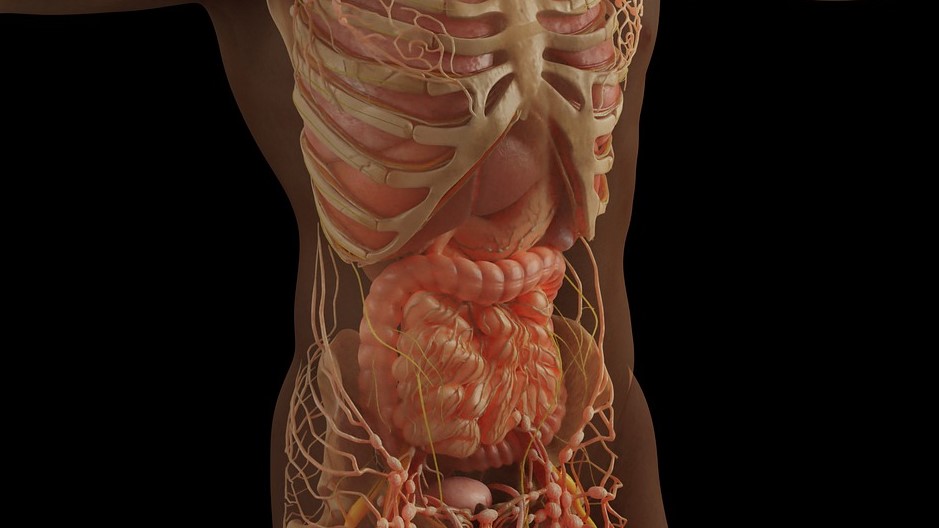
Anatomy of the gut
Source: Pixabay CC0

FexD, a new version of fexaramine developed by Salk Institute researchers, acts like a master reset switch in the intestines and has previously been found to lower cholesterol, burn fat, and ward off colorectal cancer in mice. Now, the team reports in Proceedings of the National Academy of Sciences that FexD can also prevent and reverse intestinal inflammation in mouse models of inflammatory bowel disease.

“The Salk-developed drug FexD provides a new way to restore balance to the digestive system and treat inflammatory diseases that are currently very difficult to manage,” says senior author and Salk Professor Ronald Evans, director of Salk’s Gene Expression Laboratory and March of Dimes Chair in Molecular and Developmental Biology.

Inflammatory bowel disease (IBD), which includes both Crohn’s disease and ulcerative colitis, is characterised by an excess of immune cells and inflammatory signalling molecules known as cytokines in the gut. Existing treatments, which mostly work by either suppressing the entire immune system or by targeting individual cytokines, are only effective for some patients and carry a host of side effects.

For more than two decades, Evans’s lab has studied Farnesoid X receptor (FXR), a master regulator protein that senses the bile acids delivered to the digestive system to help digest food and absorb nutrients. When FXR detects a shift in bile acids at the beginning of a meal, it prepares the body for an influx of food by flipping on and off dozens of cellular programs related to digestion, blood sugar, and fat metabolism.

In 2015, Evans and his colleagues developed a pill called fexaramine that activates FXR in the gut. The pill, they initially showed, can stop weight gain and control blood sugar in mice. In 2019, they showed that FexD – an updated version of fexaramine – also prevented cancer-associated changes to stem cells in the gut. Their work suggested that FXR also played a role in regulating inflammation.

“Every time you eat, you’re causing small amounts of inflammation in your gut as your intestinal cells encounter new molecules. FXR makes sure inflammation stays under control during normal feeding,” says Senior Staff Scientist Michael Downes, co-corresponding author of the new paper.

In the new work, Evans’ group discovered that activating FXR can be used to ease symptoms in inflammation-driven diseases. When the researchers gave mice with IBD a daily dose of oral FexD, either before or after the onset of intestinal inflammation, the drug prevented or treated the inflammation. By activating FXR, FexD reduced the infiltration of a class of highly inflammatory immune cells called innate lymphoid cells. In turn, levels of cytokines already implicated in IBD decreased to levels normally seen in healthy mice.

“When we activate FXR, we restore appropriate signalling pathways in the gut, bringing things back to a homeostatic level,” says Senior Research Scientist Annette Atkins, co-author of the study.

Since FXR acts more like a reset button than an off switch for the immune system, cytokines are not completely blocked by FexD. This means that the immune system continues functioning in a normal way after a dose of FexD. The compound still must be optimised for use in humans and tested in clinical trials, but the researchers say their findings provide important information about the complex links between gut health and inflammation and could eventually lead to an IBD therapeutic.

“In people with IBD, our strategy could potentially be very effective at preventing flare-ups and as a long-term maintenance drug,” says first author Ting Fu, previously a postdoctoral fellow at Salk and now an assistant professor at the University of Wisconsin-Madison.

Source: Salk Institute

Light Therapy Relieves MS Fatigue Symptoms

Photo by Stormseeker on Unsplash

Multiple Sclerosis (MS) is almost always accompanied by fatigue, a massive tiredness that is described by the vast majority of patients as the most distressing symptom. Researchers have now identified light therapy as a promising nonpharmaceutical treatment option: patients included in the study showed a measurable improvement after just 14 days of use. Their study’s results were published in the Multiple Sclerosis Journal – Experimental, Translational and Clinical.

The research team led by Stefan Seidel from the Department of Neurology at MedUni Vienna and AKH Vienna, relied not only on surveys but also on objective measurements when selecting the test persons – the first study of its kind to do so. For example, sleep-wake disorders were ruled out in the 26 participating MS patients, particularly with the assistance of various sleep medicine examinations. “In this manner, for example, we ensured that MS patients with fatigue do not suffer from sleep apnoea or periodic leg movements during sleep. Both are sleep disorders that can lead to fatigue in everyday life,” elaborated study leader Stefan Seidel.

Performance improvement

The test persons – all patients of the Neurology Department at MedUni Vienna and AKH Vienna – were equipped with commercially available light sources for self-testing at home: Half of the participants received a daylight lamp with a brightness of 10 000 lux (equivalent not to a cloudy day but not direct sunlight), while the other half received an identical lamp that emitted a red light with an intensity of <300 lux due to a filter (about the intensity of an office working environment). While the red light used by the control group showed no effect, the researchers were able to observe measurable successes in the other group after only 14 days: The participants who used their 10 000 lux daylight lamp for half an hour every day showed improved physical and mental performance after only a short period of time. In addition, the group of participants who had consumed bright light displayed less daytime sleepiness in comparison with the other group.

A nonpharmaceutical approach

Fatigue is a severe form of tiredness and fatigability that occurs in 75 to 99 percent of people with MS and is described as particularly distressing. Nerve damage triggered by MS is one possible cause. In addition to behavioural measures, such as regular rest breaks, various medications are currently available to alleviate fatigue, but some of these are associated with severe side effects. “The findings from our study represent a promising non-drug therapeutic approach,” Stefan Seidel said. However, the results still need to be confirmed in a subsequent larger-scale study. The reinvigorating mechanism of light therapy on MS patients will also be the subject of further scientific research.

Source: Medical University of Vienna

Occupational Dust and Fumes Exposure may Raise Rheumatoid Arthritis Risk

Source: Paul Wong on Unsplash

Breathing in common workplace dust and fumes may increase the risk of developing severe rheumatoid arthritis, especially in combination with smoking and genetic susceptibility to the disease, suggests a new study published in The Annals of the Rheumatic Diseases.

Rheumatoid arthritis (RA) is a chronic autoimmune joint disorder affecting up to 1% of the population. The presence of so-called anti-citrullinated protein antibodies (ACPA) denotes a worse prognosis with higher rates of erosive joint damage.

Cigarette smoking is already known as a risk factor for developing RA, but the impact of breathing in workplace dust and fumes, such as vapours, gases, and solvents, remains unclear.

Increased risk of ACPA-positive rheumatoid arthritis

Researchers at Karolinska Institutet drew on data from the Swedish case-control study EIRA (Epidemiological Investigation of RA), comprising 4033 people diagnosed with RA between 1996 and 2017 and 6485 randomly selected healthy controls matched for age and sex. Personal job histories were used to estimate the exposure to 32 inhalable workplace agents. Each participant was assigned a genetic risk score based on their genetic susceptibility to developing RA.

Individuals who had been exposed to any of the occupational agents had a 25 per cent higher risk of developing ACPA-positive RA, and the risk increased with a longer duration of exposure or with more types of exposed agents. 17 out of 32 agents, including quartz, asbestos, diesel fumes, gasoline fumes, carbon monoxide, and fungicides, were strongly associated with an increased risk of developing ACPA-positive RA, but only a few agents were associated with ACPA-negative RA.

Interaction with smoking and risk genes

Individuals who were exposed to smoking as well as inhalable workplace agents, in combination with having a high genetic risk score, had an 18 times higher risk of developing ACPA-positive RA compared with those who were not exposed to any of these three factors.

“Occupational inhalable agents could act as important environmental triggers in RA development and interact with smoking and RA risk genes,” says Karolinska Institutet professor and corresponding author Lars Klareskog. “Preventive strategies aimed at reducing occupational hazards and smoking are warranted for reduction of the burden of RA, especially for those who are genetically vulnerable.”

Because it is an observational study, it cannot establish any causal relationships.

Source: Karolinska Institutet

Graphene Nanomaterial can Affect the Immune System

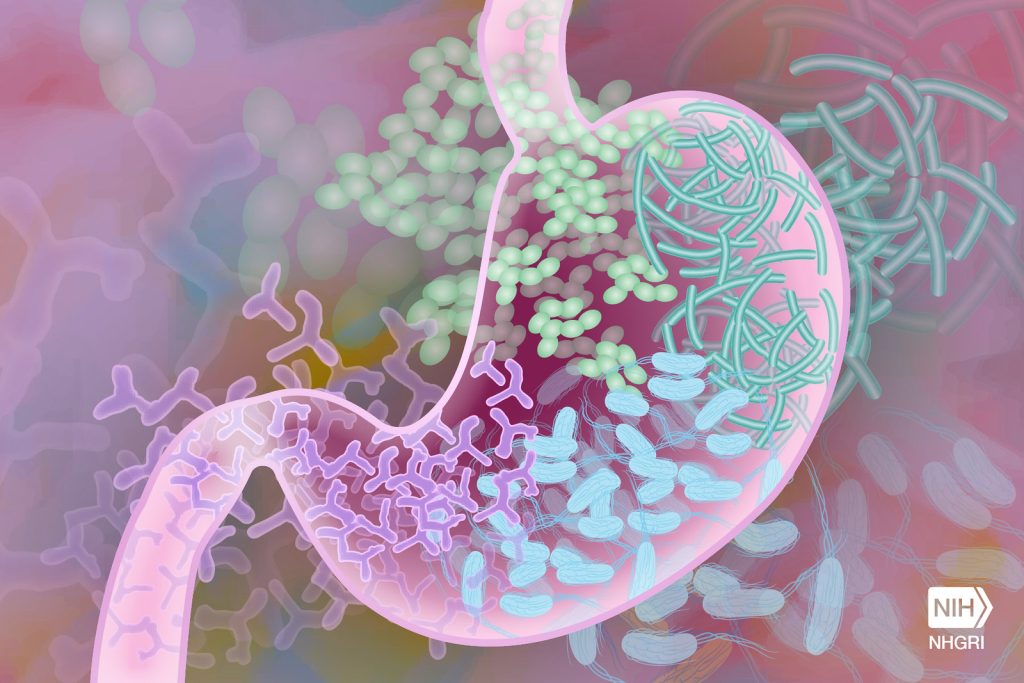
Gut microbiome. Credit: Darryl Leja, NIH

The nanomaterial graphene oxide – used in everything from electronics to sensors for biomolecules – can indirectly affect the immune system via the gut microbiome, as shown by a study in the journal Nature Nanotechnology.

“This shows that we must factor the gut microbiome into our understanding of how nanomaterials affect the immune system,” says the paper’s corresponding author Bengt Fadeel, professor at Karolinska Institutet. “Our results are important for identifying the potential adverse effects of nanomaterial and mitigating or preventing such effects in new materials.”

Graphene is an extremely thin material, a million times thinner than a human hair. It comprises a single layer of carbon atoms and is stronger than steel yet flexible, transparent, and electrically conductive. This makes it extremely useful in a multitude of applications, including in ‘smart’ fabrics equipped with wearable electronics and as a component of composite materials, to enhance the strength and conductivity of existing materials.

With increasing use of graphene-based nanomaterials comes a need to examine how these new materials affect the body. Nanomaterials are already known to impact on the immune system, and a few studies in recent years have shown that they can also affect the gut microbiome.

The relationship between nanomaterial, gut microbiome and immunity has been the subject of this zebrafish study. The nanomaterial investigated was graphene oxide, which can be described as a relative of graphene that consists of carbon atoms along with atoms of oxygen. Unlike graphene, graphene oxide is soluble in water and of interest to medical research as, for example, a means of delivering drugs in the body.

In the study, the researchers exposed adult zebrafish to graphene oxide via the water and analysed how it affects the composition of the microbiome. They used both normal fish and fish lacking a receptor molecule in their intestinal cells called the aryl hydrocarbon receptor, commonly abbreviated as AhR, a receptor for various endogenous and bacterial metabolites.

AhR affected the gut microbiome

“We were able to show that the composition of the gut microbiome changed when we exposed the fish to graphene oxide, even at a low dose, and that the AhR also affected the gut microbiome,” says the study’s first author Guotao Peng, postdoc researcher at the Institute of Environmental Medicine at Karolinska Institutet.

The researchers have also generated zebrafish larvae that completely lack a natural gut microbiome, which makes it possible to study the effects of individual microbiome components, in this case butyric acid (a fatty acid), which is secreted by certain types of gut bacteria. Butyric acid is known to be able to bind to AhR.

Doing this, the researchers found that the combination of graphene oxide and butyric acid gave rise to so-called type 2 immunity in the fish. The effect turned out to be dependent on the expression of AhR in the intestinal cells.

“This type of immunity is normally seen as a response to parasitic infection. Our interpretation is that the gut immune response can handle graphene oxide in a similar way to how it would handle a parasite,” says Guotao Peng.

Using an advanced method for mapping the immune cells, the researchers were also able to show that a component of the immune system called innate lymphoid cells are found in zebrafish larvae.

“This shows that the zebrafish is a good model for studying the immune system, including the primitive or innate immune system,” says Bengt Fadeel.

Source: Karolinksa Institutet

Artificial Sweetener Found to Cause Anxiety-like Behaviour in Mice

Photo by Amit Lahav on Unsplash

Florida State University College of Medicine researchers have linked aspartame, an artificial sweetener found in nearly 5000 diet foods and drinks, to anxiety-like behaviour in mice.

Along with producing anxiety in the mice who consumed aspartame, the effects extended up to two generations from the males exposed to the sweetener. The study is published in the Proceedings of the National Academy of Sciences.

“What this study is showing is we need to look back at the environmental factors, because what we see today is not only what’s happening today, but what happened two generations ago and maybe even longer,” said co-author Pradeep Bhide, the Jim and Betty Ann Rodgers Eminent Scholar Chair of Developmental Neuroscience in the Department of Biomedical Sciences.

The study came about, in part, because of previous research from the Bhide Lab on the transgenerational effects of nicotine on mice. The research showed temporary, or epigenetic, changes in mice sperm cells. Unlike genetic changes (mutations), epigenetic changes are reversible and don’t change the DNA sequence; however, they can change how the body reads a DNA sequence.

“We were working on the effects of nicotine on the same type of model,” Bhide said. “The father smokes. What happened to the children?”

Aspartame received FDA approval as a sweetener in 1981. Today, nearly 5000 tonnes are produced each year. When consumed, aspartame becomes aspartic acid, phenylalanine and methanol, all of which can have potent effects on the central nervous system.

Led by doctoral candidate Sara Jones, the study involved providing mice with drinking water containing aspartame at approximately 15% of the FDA-approved maximum daily human intake. The dosage, equivalent to six to eight cans of diet fizzy drink a day for humans, continued for 12 weeks in a study spanning four years.

Pronounced anxiety-like behaviour was observed in the mice through a variety of maze tests across multiple generations descending from the aspartame-exposed males.

“It was such a robust anxiety-like trait that I don’t think any of us were anticipating we would see,” Jones said. “It was completely unexpected. Usually you see subtle changes.”

When given diazepam, a drug used to treat anxiety disorder in humans, mice in all generations ceased to show anxiety-like behaviour.

Researchers are planning an additional publication from this study focused on how aspartame affected memory. Future research will identify the molecular mechanisms that influence the transmission of aspartame’s effect across generations.

Source: Florida State University

Cardiovascular Risk from Extreme Hot and Cold Days

Source: Pixabay CC0

Extremely hot and cold temperatures both increased the risk of death among people with cardiovascular diseases, such as ischaemic heart disease, stroke, heart failure and arrhythmia, according to new research published today in journal Circulation.

Among the cardiovascular diseases examined in this study, heart failure was linked to the highest excess deaths from extreme hot and cold temperatures.

“The decline in cardiovascular death rates since the 1960s is a huge public health success story as cardiologists identified and addressed individual risk factors such as tobacco, physical inactivity, Type 2 diabetes, high blood pressure and others. The current challenge now is the environment and what climate change might hold for us,” said Barrak Alahmad, MD, MPH, PhD, research fellow at Harvard University and Kuwait University.

Researchers analysed health data for more than 32 million cardiovascular deaths that occurred in 567 cities in 27 countries on 5 continents between 1979 and 2019.

Climate change is associated with substantial swings in extreme hot and cold temperatures, so the researchers examined both in the current study. For this analysis, researchers compared cardiovascular deaths on the hottest and the coldest 2.5% of days for each city with cardiovascular deaths on the days that had optimal temperature (the temperature associated with the least rates of deaths) in the same city.

For every 1000 cardiovascular deaths, the researchers found that:

  • Extreme hot days accounted for 2.2 additional deaths.
  • Extreme cold days accounted for 9.1 additional deaths.
  • Of the types of heart diseases, the greatest number of additional deaths was found for people with heart failure (2.6 additional deaths on extreme hot days and 12.8 on extreme cold days).

“One in every 100 cardiovascular deaths may be attributed to extreme temperature days, and temperature effects were more pronounced when looking at heart failure deaths,” said Haitham Khraishah, MD, co-author of the study. “While we do not know the reason, this may be explained by the progressive nature of heart failure as a disease, rendering patients susceptible to temperature effects. This is an important finding since one out of four people with heart failure are readmitted to the hospital within 30 days of discharge, and only 20% of patients with heart failure survive 10 years after diagnosis.”

Researchers suggest targeted warning systems and advice for vulnerable people may be needed to prevent cardiovascular deaths during temperature extremes.

“We need to be on top of emerging environmental exposures. I call upon the professional cardiology organisations to commission guidelines and scientific statements on the intersection of extreme temperatures and cardiovascular health. In such statements, we may provide more direction to health care professionals, as well as identify clinical data gaps and future priorities for research,” Alahmad said.

The underrepresentation of data from South Asia, the Middle East and Africa limits the ability to apply these findings to make global estimates about the impact of extreme temperatures on cardiovascular deaths.

Source: American Heart Association