Labour Induction in 39th Week Does not Decrease Risk of Needing Caesarean

In recent years, experts have debated the benefits of labour induction once at a certain stage of pregnancy. But a new US study suggests that inducing labour at the 39th week of pregnancy for those having their first births with a single baby in a head down position, or low risk, doesn’t necessarily reduce the risk of caesarean births. In fact, for some, it may even have the opposite effect if hospitals don’t take a thoughtful approach to induction policies.

“Some people in the field have suggested that after 39 weeks of gestation, medical induction should be standard practice,” said lead author Elizabeth Langen, MD, a high-risk maternal fatal medicine physician and researcher at University of Michigan Health Von Voigtlander Women’s Hospital, of Michigan Medicine.

“We collaborated with peer hospitals to better understand how labour induction may influence caesarean birth outcomes in real world maternity units outside of a clinical trial. In our study sample, we found inducing labour in this population of women and birthing people did not reduce their risk of caesarean birth.”

The new research, published in the American Journal of Perinatology, was based on more than 14 135 deliveries in 2020 analysed through a statewide maternity care quality collaborative registry.

Results conflict with national trial findings

The study was conducted in response to published research in 2018 from a multicentre trial known as “ARRIVE” (A Randomized Trial of Induction Versus Expectant Management.)

Findings from ARRIVE indicated that medical induction at 39 weeks gestation in first time low risk pregnancies resulted in a lower rate of caesarean deliveries compared to expectant management – or waiting for labour to occur on its own or for a medical need for labour induction.

Michigan researchers mimicked the same framework used in the national trial and analysed data from the collaborative’s data registry, comparing 1558 patients who underwent a proactively induced labour versus 12 577 who experienced expectant management. However, their results failed to support a link between elective induced labour in late pregnancy and a reduction in caesarean births.

In fact, results from the general Michigan sample were contradictory to the ARRIVE trial: Women who underwent elective induction were more likely to have a caesarean birth compared with those who underwent expectant management (30% versus 24%.)

In a subset of the sample, matching patient characteristics for a more refined analysis, there were no differences in c-section rates. Authors noted that time between admission and delivery was also longer for those induced.

Expectantly managed women were also less likely to have a postpartum haemorrhage (8 % versus 10 %) or operative vaginal delivery (9 % versus 11 %), whereas women who underwent induction were less likely to have a hypertensive disorder of pregnancy (6 % versus 9%.) There were no other differences in neonatal outcomes.

Authors point to several possible explanations for why the two studies had conflicting results. One key difference was that the Michigan study collected data after births for the purpose of quality improvement in a general population of low-risk births. The ARRIVE trial, however, used data collected in real time as part of a research study.

A significant difference between clinical trial participants and the general birthing population, Low says, may revolve around shared decision-making. Before trial enrolment, participants undergo a thorough informed consent process from trained study team members.

For the ARRIVE trial, this meant 72% of women approached to be in the study declined participation. Meanwhile, previous research has indicated that women in the general U.S. population often may feel pressured into agreeing to have their labour induced.

“Better outcomes may have occurred in the trial because the participants were fully accepting of this process,” Low said.

“Further research is needed to identify best practices to support people undergoing labour induction,” she added. “Prior to initiating an elective induction of labour policy, clinicians should also ensure resources and a process to fully support shared decision-making.”
Source: Michigan Medicine – University of Michigan

WHO Downgrades COVID from Public Health Emergency

The World Health Organization has announced that it was downgrading COVID from its previous status as a public health emergency of international concern, but noted that the pandemic is still not over. Recent spikes have occurred in Southeast Asia and the Middle East, and the agency warns that thousands of people a day are still dying from the virus. It also made a number of recommendations for national healthcare systems to maintain the gains made against the virus and for pandemic preparedness.

The WHO’s International Health Regulations (2005) (IHR) Emergency Committee had been following the decline in hospital and ICU missions along with the growth of immunity, and decided in its meeting on Thursday 4 May that it was time to recommend a transition to long-term management.

“It’s with great hope that I declare COVID-19 over as a global health emergency,” WHO Director-General Tedros Adhanom Ghebreyesus said, concurring the Committee’s advice.

“That does not mean COVID-19 is over as a global health threat,” he said, adding he wouldn’t hesitate to reconvene experts to reassess the situation should COVID-19 “put our world in peril.”

He also expressed concern that even though infections were down, COVID-19 surveillance was falling.

While various governments had been transitioning down for a while, this marks a major step for the WHO. The virus killed millions and sent the global economy into a nosedive, plunging millions more into poverty and reversing many decades of socioeconomic development.

While COVID was no longer considered to be an ongoing global threat, the WHO made number of recommendations for countries:

Sustain the national capacity gains and prepare for future events.

Integrate COVID-19 vaccination into life course vaccination programmes.

Bring together information from diverse respiratory pathogen surveillance data sources to allow for a comprehensive situational awareness.

Prepare for medical countermeasures to be authourised within national regulatory frameworks to ensure long-term availability and supply.

Continue to work with communities and their leaders to achieve strong, resilient, and inclusive risk communications and community engagement (RCCE) and infodemic management programmes.

Continue to lift COVID-19 international travel related health measures

Continue to support COVID-19 research.

Source: NPR

Cholera Mutations Reveals Secrets of Antimicrobial Resistance

Scanning electron microscope image of Vibrio cholerae bacteria, which infect the digestive system.
Zeiss DSM 962 SEM
T.J. Kirn, M.J. Lafferty, C.M.P Sandoe and R.K. Taylor, 2000, “Delineation of pilin domains required for bacterial association into microcolonies and intestinal colonization”, Molecular Microbiology, Vol. 35(4):896-910
Copyright: Darthmouth College Electron Microscope Facility / These images are in the public domain

The natural ability of bacteria to adapt to various environmental stimuli can also make them resistant to drugs that would kill or slow their growth. In an article published in PLoS Genetics, microbiologist Dr Salvador Almagro-Moreno uncovers the evolutionary origins of antimicrobial resistance (AMR) in bacteria. His studies on the cholera-causing bacterium Vibrio cholerae show that mutations in a bacterial membrane protein, OmpU, are linked to developing antimicrobial resistance.

These findings provide insight into deciphering what conditions must occur for infectious agents to become resistant.

Dr Almagro-Moreno studied genetic variants of a protein found in bacterial membranes called OmpU. Using computational and molecular approaches, his team found that several OmpU mutations in the cholera bacteria led to resistance to numerous antimicrobial agents. This resistance included antimicrobial peptides that act as defences in the human gut. The researchers found that other OmpU variants did not provide these properties, making the protein an ideal system for deciphering the specific processes that occur to make some bacteria resistant to antimicrobials.

By comparing resistant and antibiotic sensitive variants, the researchers were able to identify specific parts of OmpU associated with the emergence of antibiotic resistance. They also discovered that the genetic material encoding these variants, along with associated traits, can be passed between bacterial cells, increasing therisk of spreading AMR in populations under antibiotic pressure.

By understanding how mutations occur, researchers can better understand and develop therapeutics to combat resistant infections. Dr Almagro-Moreno is also looking at environmental factors such as pollution and warming of the oceans, as possible causes of resistant bacteria. “We are studying the genetic diversity of environmental populations, including coastal Florida isolates, to develop a new approach to understanding how antimicrobial resistance evolves,” he explained.

Understanding the bacteria that causes cholera, an acute diarrhoeal illness linked to infected water and foods, has global implications. The disease sickens up to 4 million people worldwide and severe cases can cause death within hours.

Source: University of Central Florida

Cytokine Storms Were Not the Real COVID Killer After All?

Secondary bacterial pneumonia was extremely common in patients with COVID-19, affecting almost half the patients who required support from mechanical ventilation. In a study published in the Journal of Clinical Investigation, researchers applied machine learning to medical record data and found that secondary bacterial pneumonia that does not resolve was a key driver of death in COVID patients.

Bacterial infections may even exceed death rates from the viral infection itself, according to the findings. The study’s researchers at Northwestern University Feinberg School of Medicine also found evidence that COVID does not cause a “cytokine storm,” so often believed to cause death.

“Our study highlights the importance of preventing, looking for and aggressively treating secondary bacterial pneumonia in critically ill patients with severe pneumonia, including those with COVID-19,” said senior author Benjamin Singer, MD, professor at Northwestern.

The investigators found nearly half of COVID patients develop a secondary ventilator-associated bacterial pneumonia.

“Those who were cured of their secondary pneumonia were likely to live, while those whose pneumonia did not resolve were more likely to die,” Singer said. “Our data suggested that the mortality related to the virus itself is relatively low, but other things that happen during the ICU stay, like secondary bacterial pneumonia, offset that.”

The study findings also negate the cytokine storm theory, said Singer, also a professor of Biochemistry and Molecular Genetics.

“The term ‘cytokine storm’ means an overwhelming inflammation that drives organ failure in your lungs, your kidneys, your brain and other organs,” Singer said. “If that were true, if cytokine storm were underlying the long length of stay we see in patients with COVID-19, we would expect to see frequent transitions to states that are characterised by multi-organ failure. That’s not what we saw.”

The study analysed 585 patients in the intensive care unit (ICU) at Northwestern Memorial Hospital with severe pneumonia and respiratory failure, 190 of whom had COVID. The scientists developed a new machine learning approach called CarpeDiem, which groups similar ICU patient-days into clinical states based on electronic health record data. This novel approach, which is based on the concept of daily rounds by the ICU team, allowed them to ask how complications like bacterial pneumonia impacted the course of the illness.

These patients or their surrogates consented to enrol in the Successful Clinical Response to Pneumonia Therapy (SCRIPT) study, an observational trial to identify new biomarkers and therapies for patients with severe pneumonia. As part of SCRIPT, an expert panel of ICU physicians used state-of-the-art analysis of lung samples collected as part of clinical care to diagnose and adjudicate the outcomes of secondary pneumonia events.

“The application of machine learning and artificial intelligence to clinical data can be used to develop better ways to treat diseases like COVID and to assist ICU physicians managing these patients,” said study co-first author Catherine Gao, MD.

“The importance of bacterial superinfection of the lung as a contributor to death in patients with COVID-19 has been underappreciated, because most centres have not looked for it or only look at outcomes in terms of presence or absence of bacterial superinfection, not whether treatment is successful or not,” said study co-author Richard Wunderink, MD.

The next step in the research will be to use molecular data from the study samples and integrate it with machine learning approaches to understand why some patients go on to be cured of pneumonia and some don’t. Investigators also want to expand the technique to larger datasets and use the model to make predictions that can be brought back to the bedside to improve the care of critically ill patients.

Source: Northwestern University

Rare T Cell Could Guide Precision Treatment of Allergies

In a new Nature Immunology study, researchers sheds light on how a rare type of helper T cell, called Th9, can drive allergic disease, suggesting new precision medicine approaches to treating allergies in patients with high levels of Th9.

“Th9 cells are kind of like the black sheep of helper T cells,” said senior author Daniella Schwartz, MD, assistant professor of rheumatology at Pitt’s School of Medicine. “They need a perfect storm of occurrences to pop up, and they aren’t long-lived, which makes them hard to study. The other weird thing about Th9 cells is that they remain functional without seeing their antigen.”

T cells switch on when they encounter viruses, bacteria or other pathogens, causing them to ramp up production of inflammatory proteins called cytokines, which control a suite of immune responses via the JAK-STAT signalling pathway. The main “on” switch for T cells is when the T cell receptor recognises an antigen, a specific identifying feature of a threat. Beyond this specific form of activation, there’s also another type of switch known as bystander activation, which doesn’t involve the T cell receptor.

“Bystander activation usually requires other types of dangerous signals that indicate a threat,” said Schwartz. “What’s really unusual about Th9 cells is that they can be turned on even without these dangerous signals.”

To learn more about how Th9 cells are activated in allergic responses, the team measured the cytokine IL9, produced by Th9 cells, in T cells from patients with atopic dermatitis, and healthy volunteers. They found that Th9 cells from the allergy patients responded to bystander activation, but not those from healthy volunteers.

“This told us that there’s some sort of checkpoint that prevents non-specific activation of Th9 cells in healthy people,” explained Schwartz. “In allergy patients, we hypothesised that the checkpoint breaks down, so you’re getting production of the cytokine even without restimulating the cells with antigen.”

In most helper T cells, when antigen binds to T cell receptor, this highly specific recognition process causes DNA in the T cell’s nucleus to unwind like thread on a spool, opening up regions of DNA that encode the production of cytokines that unleash a suite of immune responses. When the threat is eliminated, there’s no more antigen to stimulate T cell receptors and the cells turn off. But the DNA structure remains open so that the cell is poised for a possible future encounter.

Schwartz and her team found that Th9 cells have a different type of regulation. These cells are activated by transcription factors called STAT5 and STAT6, which bind to the open region DNA around IL9 to activate the gene. Unusually, the DNA closes over time, shutting down production of IL9.

In healthy people, this opening and closing mechanism acts like a checkpoint to manage immune responses being on all the time. But when this checkpoint breaks down in allergy, the DNA remains open, keeping the IL9 gene switched on and driving allergic inflammation.

In a mouse model of allergic asthma driven by Th9, blocking JAK-STAT signaling with a drug called tofacitinib, which is approved for treating rheumatoid arthritis, atopic dermatitis and other inflammatory disorders, improved disease symptoms

Analysing data from allergic asthma patients, the researchers found that those with higher levels of Th9 cells had greater activation of STAT5 and STAT6-related genes. This finding supports the idea that Th9 could act as a biomarker to predict patients who are likely to respond to JAK inhibitors, pointing to new approaches for allergy precision medicine.

Source: University of Pittsburgh

Osteoporosis Drug Zolendronate Could also Help Fight Breast Cancer

Killer T cells about to destroy a cancer cell.

Triple-negative breast cancer (TNBC) is the most aggressive and deadly form of breast cancer with limited treatment options and a high probability of recurrence. Researchers from the University of Frieburg discovered that coordinated differentiation and changes in the metabolism of breast cancer stem cells make them invisible for the immune system. Counteracting the metabolic change with the drug zolendronate could make immunotherapy using gamma delta T cells more efficient against TNBC. The research team was led by Prof Dr Susana Minguet and published in Cancer Immunology Research.

TNBC cells hide from gamma delta T cells

Gamma delta T cells recognise and kill cells that produce stress-induced molecules and phosphoantigens, a common characteristic of cancer cells. Because gamma delta T cells work differently to other types of T cells, they are being investigated as an alternative to existing immunotherapies. In the current study, the researchers tested the effect of gamma delta T cells on TNBC using isolated cancer cells and a recently developed mouse model that closely replicates the tumour properties found in human patients.

While the gamma delta T cells worked well against isolated breast cancer stem cells from patients, they had a much weaker effect in the mouse model. This was due to adaptations of the cancer cells that let them stay unnoticed by the immune system, the researchers found. These adaptations included the downregulation of the so-called mevalonate pathway: a metabolic pathway that leads to the production of phosphoantigens – one of the classes of molecules that gamma T cells recognise. This escape mechanism likely also happens in patients with TNBC: analysis of public patient databases showed that reduced expression of key molecules of the mevalonate pathway correlate with a worse prognosis.

The immune evasion of TNBC cells is reversible

This newly discovered escape mechanism can be counteracted by the drug zolendronate, which is FDA-approved for the treatment of osteoporosis and bone metastasis. When the researchers treated the escapist cells with zolendronate, the gamma T cells became a lot more efficient in clearing the cancer. “Our findings explain why current clinical trials using gamma delta T cells are not resulting in the expected success,” Minguet summarises. “We found a possible pharmacological-based approach to revert immune escape, which paves the way for novel combinatorial immunotherapies for triple negative breast cancer.”

Source: University of Freiburg

Can Low-carbohydrate or Low-fat Diets Extend Lifespan?

Better diets are needed to address the macronutritional needs of an ageing population. Short-term clinical trials have demonstrated the health benefits of low-carbohydrate diets (LCDs) and low-fat diets (LFDs) for weight loss and heart protection. Now a study published in the Journal of Internal Medicine looks at the effects of these diets on mortality in middle-aged and older adults.

In the study of 371 159 individuals aged 50 to 71 years, 165 698 deaths occurred over a median follow-up of 23.5 years.

A healthy LFD – characterised by low intake of saturated fat and high intakes of plant protein and high-quality carbohydrates – was related to fewer deaths from all causes, from cardiovascular diseases, and from cancers. In contrast, an overall LCD and an unhealthy LCD were associated with significantly higher total, cardiovascular, and cancer mortality rates. A healthy LCD was associated with slightly lower death rates.

“Our results support the importance of maintaining a healthy LFD with less saturated fat in preventing all-cause and cause-specific mortality among middle-aged and older people,” the authors wrote.

Source: Wiley

Low Power Mode for MRIs Could Cut Energy Use by Half

Credit: Pixabay CC0

Medical centres could save energy and reduce expenses by turning off MRIs and putting them in the lowest power mode instead of idling them when not in use, according to a new Radiology study.

Health care is responsible for up to 4.4% of global carbon emissions, and imaging contributes an outsized share due to its energy-intensive devices, especially MRI. A 2020 study found that three CTs and four MRIs used the same amount of energy per year as a town of 852 people, for example.

Though turning a machine off is better than idling, a substantial amount of MRI energy consumption occurs in “off” mode, which still draws a constant level of power for cooling. To address this, a new “power save” mode was developed that saves even more energy than the “off” mode by cycling cooling components on and off.

UC San Francisco researchers sought to compare energy consumption in the “idle,” “off” and “power save” modes. The researchers found that turning off MRIs overnight for 12 hours reduced their energy use by 25–33%, and that enabling the additional “power save” mode while the machine was off lowered power use by an additional 22–28%. Switching from idle directly to “power save” decreases energy use by 46–51%.

While just one company currently offers the “power save” mode while machines are off, it’s a design strategy worth replicating, the study noted.

“The results of this study demonstrate the potential energy and cost savings any radiology practice can obtain by using these simple power-down methods,” said assistant professor Sean Woolen, MD, first author on the study. “Our goal was to find ways for radiology departments worldwide to reduce their collective environmental footprint.”

Imaging has become increasingly central to medical decision-making, so it’s imperative to evaluate the design and operations of these machines in order to decarbonise health care, added Woolen.

Health Care Industry Would Save Millions

The study was made possible thanks to an academic-industry partnership comprising UCSF, Siemens Healthineers, Siemens USA, and Siemens Smart Infrastructure. Siemens provided technology and funding to equip MRI machines with power meters and install power monitoring software, and UCSF performed data collection and analysis.

The researchers equipped four outpatient MRI scanners from three different vendors with power meters and examined data over 39 days. They calculated energy output, costs (assuming a mean cost of $0.14 per kilowatt hour), and carbon use.

On an annual basis, switching a scanner from “idle” mode to “off” mode for 12 hours saved 12.3 to 21 megawatt hours (MWh) of electricity, where a megawatt is equal to 1000 kilowatts of electricity used continuously for an hour. This translated to annual savings of $1717 to $2943, and 8.7 to 14.9tonnes of C02-equivalent (MTCO2eq), a metric used to compare emissions of greenhouse gases based on their potential to contribute to global warming.

Switching from off to “power save” mode reduced energy use by an additional 8.8 to 11.4MWh and saved $1226 to $1594 and 6.2 to 8.1 MTC02eq per year.

“Often when we talk about how to decarbonise, solutions seem out of reach, but this initiative is proof that innovators everywhere can have impact,” added Barbara Humpton, CEO of Siemens USA. “The technology to decarbonise is here and ours is hard at work, helping industries like health care uncover ways to be more efficient and take concrete action to meet their carbon-reduction targets.”

The potential impact of adopting this technique as an industry standard would not impact patient care and would be an effective strategy to reduce cost and carbon emissions in health care, added Woolen.

Face Masks for Kids Slow Aerosol Spread, Especially from Sneezing

Photo by Kelly Sikkema on Unsplash

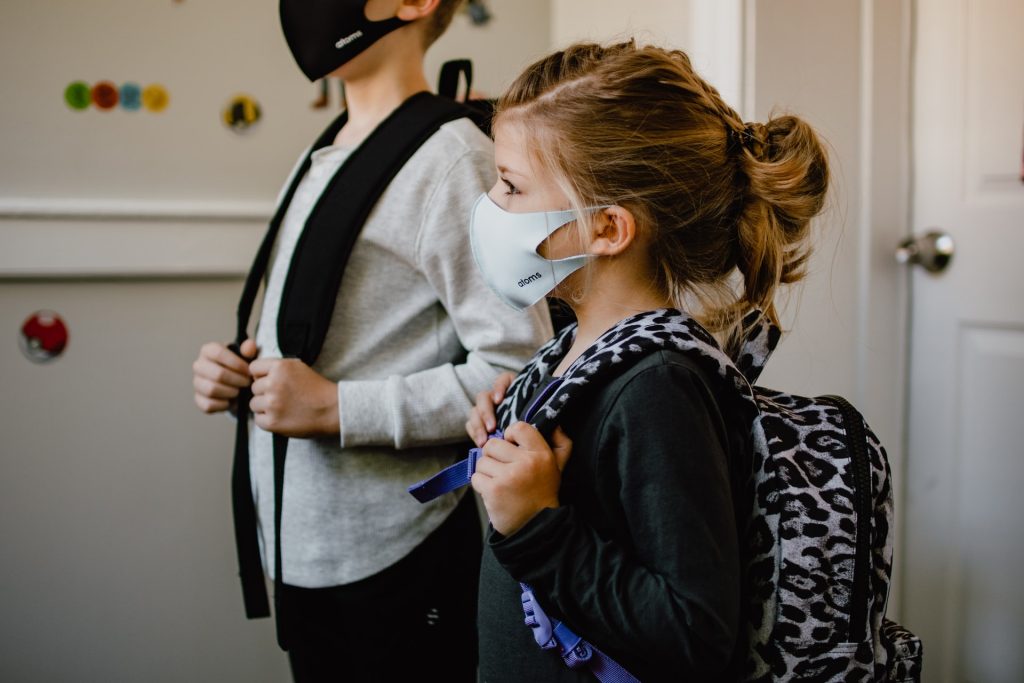
In a new study published in Pediatric Investigation, researchers demonstrate that face masks reduce the release of exhaled particles when used by school-aged children, helping to slow the spread of various respiratory viruses. While there was little difference between no protection and masking in exhaled particles from breathing, sneezing saw a significant reduction in the number of particles produced.

Respiratory viruses, including SARS-CoV-2, are transmitted via respiratory droplets and aerosols generated by all activities that involve exhalation, including tidal breathing, speaking, singing, coughing, and sneezing. Droplets, large particles subject to gravitational forces, are rapidly deposited from air and form fomites on surfaces. Aerosols, fine solid or liquid particles which remain suspended in the air, can travel long distances (> 6m) and reach high concentrations in poorly-ventilated areas. The relative contribution of the various modes of infection (direct contact, indirect contact via fomite, large droplet, or aerosol) for various respiratory viruses is difficult to determine, but survival of infectious viruses has been demonstrated in aerosols.

For the study, 23 healthy children were asked to perform activities that ranged in intensity (breathe quietly, speak, sing, cough, and sneeze) while wearing no mask, a cloth mask, or a surgical mask.

The production of exhaled particles that were 5μm or smaller, which is the dominant mode of transmission of many respiratory viruses, increased with coughing and sneezing. Face masks, especially surgical face masks, effectively reduced the release of these and other sized particles.

“Understanding the factors that affect respiratory particle emission can guide public health measures to prevent the spread of respiratory infections, which are a leading cause of death and hospitalisation among young children worldwide,” said corresponding author Peter P. Moschovis, MD, MPH, of Massachusetts General Hospital and Harvard Medical School.

Source: Wiley

Beta Blockers Plus Chemotherapy Cut Metastasis in Triple Negative Breast Cancer

Breast cancer cells. Image by National Cancer Institute

A new international study has for the first time, identified that beta-blockers could significantly enhance the therapeutic effect of anthracycline chemotherapy in triple negative breast cancer (TNBC) by reducing metastasis. The results are published in Science Translational Medicine.

Anthracyclines are a class of drugs used in chemotherapy to treat many cancers, including TNBC.

Monash University researchers have previously shown in a clinical trial that beta blockers are linked with reduced metastasis. However, until now, it was unclear how beta-blockers would interact with common cancer treatments.

In this new study, the team used mouse models of cancer and analysed large-scale patient clinical data, in collaboration with the Cancer Registry of Norway, to discover that anthracycline chemotherapy on its own, in the absence of a beta-blocker, induces nerve growth in tumours.

However, adding a beta blocker to chemotherapy inhibited nerve fibre activity in tumours and stopped the cancer from coming back after treatment.

Lead author Dr Aeson Chang said the findings reveal an unanticipated insight into why chemotherapy treatment does not always work as it should.

“We set out to build on previous studies that have shown beta-blockers can halt the stress response experienced by cancer patients at the time of diagnosis and stop the cancer from spreading.

In this new study, not only did we discover the biological effect of beta-blockers when used alongside anthracycline chemotherapy, we also discovered why they are effective,” said Dr Chang.

“In mouse models of TNBC, we found that anthracycline chemotherapy was able to increase sympathetic nerve fibre activity in tumours. Activation of these stress neurons can help tumour cells spread and, fortunately, we found that beta blockers could stop this effect. Our hope is that this exciting discovery will pave the way for further research and, ultimately, lead to improved outcomes for patients.”

Senior author, Professor Erica Sloan, who has been exploring the use of beta-blockers as a novel strategy to slow cancer progression for a number of years, said the study provides important clues about why beta-blockers may help improve the clinical management of TNBC.

“While many patients will be cured by treatment, unfortunately, in some patients the cancer may return – this study has helped us understand why. Our findings show that anthracycline chemotherapy supports the growth of nerves, which can support cancer relapse. This is important, as it tells us that targeting nerves using a beta blocker can improve response to treatment,” said Professor Sloan.

“Beta blocker use has been consistently linked to reduced metastatic relapse and cancer-specific survival in TNBC patients. However, the lack of understanding of how beta blockers improve chemotherapy – which is a core component of the standard treatment for TNBC – has limited the translation of these findings into the cancer clinic,” said Professor Sloan.

“We believe this study presents an exciting opportunity to further explore the use of beta-blockers as a novel strategy in the treatment of TNBC.”

Source: Monash University