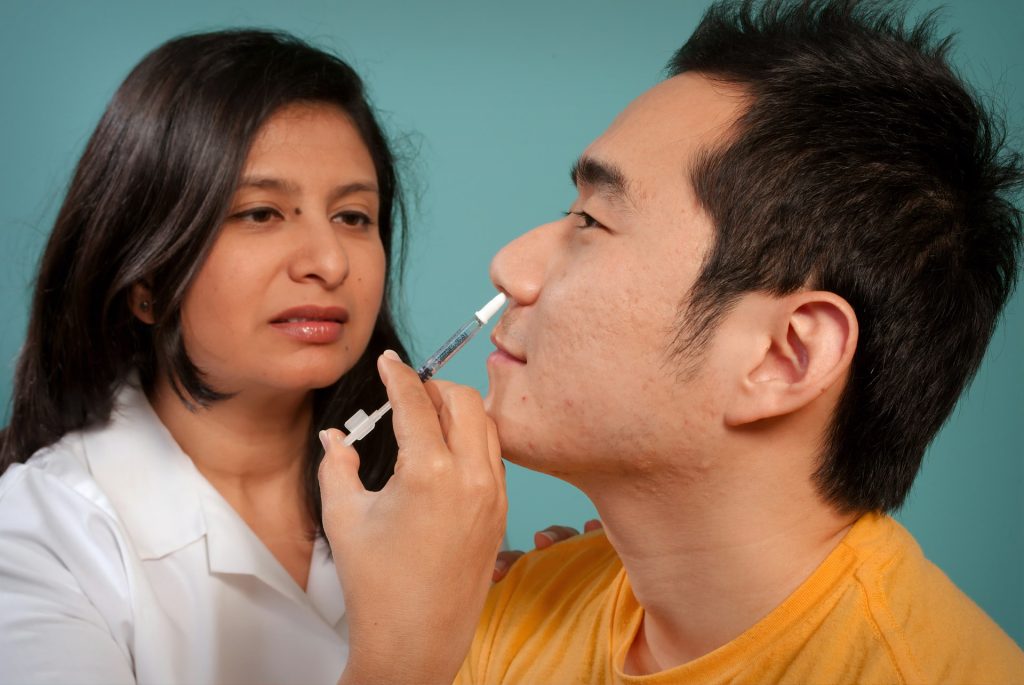
As Streptococcus A cases continue to be prevalent around the world, a new nasal vaccine could provide long-term protection from the deadly bacteria. Griffith University researchers are spearheading the development of a Strep A vaccine which is currently in Phase 1 clinical trials in Canada and quickly advancing to Phase 2 efficacy trials.
The team’s new preclinical research, recently published in Nature Communications, shows an experimental liposome-based vaccine approach incorporating a conserved M-protein epitope from Strep A and an immunostimulatory glycolipid (3D(6-acyl) PHAD) administered via the nasal passage, can provide long-term mucosal protection against Strep A.
Lead author Dr Victoria Ozberk said studies have shown most pathogens enter or colonise via the soft tissue in the upper respiratory tract, which is essentially the highway to the rest of the body.
“This has the potential to be a world-first as there are currently no subunit vaccines that target the upper respiratory tract due to a lack of licenced immunostimulants suitable for human use,” Dr Ozberk said.
“We demonstrated that a liposomal mucosal vaccination strategy can induce robust local protective immunity.”
Associate Professor Manisha Pandey, Professor Michael Good, and their team from Griffith University’s Institute for Glycomics are leading the development.
Associate Professor Pandey said the team found PHAD plays an augmenting role in inducing enduring humoral and cellular immunity, which was evident for at least one-year post-vaccination.
“The longevity of immune response is a critical hallmark of successful vaccination and therefore the findings from this study are highly significant,” she said.
Professor Good said: “In the future, this vaccine platform could pave the way for other mucosal pathogens.”
Group A Streptococcus is a global human pathogen that leads to a wide range of infections from illnesses such as mild pharyngitis and impetigo to invasive diseases such as toxic shock syndrome, necrotising fasciitis, and cellulitis.
Using CRISPR gene editing, stem cells and human neurons, researchers have isolated the impact of a gene that is commonly mutated in autism. This new study, published today in The American Journal of Human Genetics, ties mutations in the gene CHD8 with a broad spectrum of molecular and cellular defects in human cortical neurons.
Autism is a highly heritable disorder with a recent increase in incidence – approximately 1 in 40 children in the US are diagnosed with autism. Over the past decade, sequencing studies have found many genes associated with autism but it has been challenging to understand how mutations in certain genes drive complex changes in brain activity and function.
The team, led by researchers at the New York Genome Center and New York University (NYU) and the Broad Institute, team developed an integrated approach to understand how mutations in the CHD8 gene alter genome regulation, gene expression, neuron function, and are tied to other key genes that play a role in autism.
For more than a decade, it has been known that individuals with mutations in the CHD8 gene tend to have many similar ailments, such as autism, an abnormally large head size, digestive issues and difficulty sleeping. The CHD8 gene is a regulator of proteins called chromatin that surround the DNA but it is unclear how this particular gene might relate to major alterations in neural development and, in turn, result in autism.
The research team identified numerous changes in physical state of DNA, which makes the genome more accessible to regulators of gene expression, and, in turn, drives aberrant expression of hundreds of genes. These molecular defects resulted in clear functional changes in neurons that carry the CHD8 mutation. These neurons are much less talkative: They are activated less often and send fewer messages across their synapses.
The study authors initially observed these changes using human cortical neurons differentiated from stem cells where CRISPR was used to insert a CHD8 mutation. These findings were further bolstered by similar reductions in neuron and synapse activity when examining neurons from mice with a CHD8 mutation. These substantial defects in neuron function were circumvented when extra CHD8 was added to the cell using a gene therapy approach. In this case, extra copies of a healthy CHD8 gene without any mutation were added using a viral vector. Upon differentiation, the team found that the neurons rescued by the treatment returned to a normal rate of activity and synaptic communication, indicating that this gene therapy approach may be sufficient to restore function.
Lastly, when examining disrupted genes, the authors found that the CHD8 mutation seemed to specifically alter other genes that have been implicated in autism or intellectual disability, but not genes associated with unrelated disorders like cardiovascular disease. This suggest that CHD8 might influence selectively those genes that tend to be involved in neurodevelopmental disorders, providing an explanation for some of the particular characteristics of individuals carrying a CHD8 mutation.
A significant step forward has been taken in the management of gestational diabetes mellitus after a clinical trial involving pregnant women provided new hope for expectant mothers suffering the condition. The findings from the trial are published in the Journal of American Medical Association.
Gestational diabetes affects almost 3 million pregnant women worldwide every year. It is a condition characterised by elevated blood sugar levels during pregnancy, posing increased health risks for both mothers and their babies.
The EMERGE, randomised, placebo-controlled trial, was conducted by the University of Galway and involved more than 500 pregnant women.
The trial results showed that:
Women assigned to metformin were 25% less likely to need insulin, and when insulin was necessary, it was started later in the pregnancy.
Fasting and post-meal glycaemic values in the mother were significantly lower in the metformin exposed group at weeks 32 and 38.
Women receiving metformin gained less weight throughout the trial and maintained this weight difference at the 12-week post-delivery visit.
Importantly, delivery occurred at the same mean gestational age (39.1 weeks) in both groups. There was no evidence of any increase in preterm birth (defined as birth before 37 weeks) among those who received metformin.
Infants born to mothers who received metformin weighed, on average, 113g less at birth, with significantly fewer infants classified as large at birth, or weighing over 4kg.
While there was a slight reduction in infant length (0.7cm), there were no other significant differences in baby measurements.
There were slightly more babies who were small at birth but this did not reach statistical significance.
The study also revealed no differences in adverse neonatal outcomes, including the need for intensive care treatment for new-borns, respiratory support, jaundice, congenital anomalies, birth injuries or low sugar levels.
Additionally there were no variations in rates of labour induction, caesarean delivery, maternal haemorrhage, infection or blood pressure issues during or after birth.
Professor Fidelma Dunne managed the trial, and presented the results at the 59th Annual Meeting of the European Association for the Study of Diabetes in Hamburg, Germany.
Professor Dunne said, “While there is convincing evidence that improved sugar control is associated with improved pregnancy outcomes, there was uncertainty about the optimal management approach following a diagnosis of gestational diabetes.
“In our pursuit of a safe and effective treatment option we explored an alternative approach – administering the drug metformin. A previous trial compared metformin to insulin and found it to be effective, yet concerns remained, especially regarding preterm birth and infant size.”
To address concerns comprehensively, the team at University of Galway conducted a ground-breaking placebo-controlled-trial, filling a critical gap in the gestational diabetes treatment landscape.
535 pregnant women took part, with 268 receiving metformin and 267 a placebo.
98% of women remained in the trial until delivery, with 88% completing the 12-week post-delivery follow up assessment.
Only 4.9% of women discontinued medication due to side effects, highlighting the safety of the interventions.
Professor Dunne said, “Traditionally, gestational diabetes has been managed initially through dietary advice and exercise, with insulin introduced if sugar levels remain sub optimal. While effective in reducing poor pregnancy outcomes, insulin use is associated with challenges, including low sugars in both the mother and infant which may require neonatal intensive care, excess weight gain for mothers, and higher caesarean birth rates.” Professor Dunne added: “The results from the EMERGE study are a significant step forward for women with gestational diabetes. Metformin has emerged as an effective alternative for managing gestational diabetes, offering new hope for expectant mothers and healthcare providers worldwide.”
In a study on the prevalence of attention-deficit/hyperactivity disorder (ADHD) and its association with crash risk among older adult drivers, researchers found that those with ADHD are at a significantly elevated crash risk compared with those without ADHD. Outcomes included hard-braking events, and self-reported traffic ticket events, and vehicular crashes. Until now research on ADHD and driving safety was largely limited to children and young adults, and few studies assessed the association of ADHD with crash risk among older adults. The results are published online in JAMA Network Open.
The research, from Columbia University Mailman School of Public Health, found that older adult drivers were more than twice as likely as their counterparts without ADHD to report being involved in traffic ticket events (22 versus 10 per million miles driven), and vehicular crashes (27 versus 13.5 per million miles driven).
“Our findings suggest that effective interventions to improve the diagnosis and clinical management of ADHD among older adults are warranted to promote safe mobility and healthy aging,” observed first author Yuxin Liu, MPH, at the Columbia Mailman School of Public Health.
ADHD is a chronic neurodevelopmental condition with symptoms such as inattentiveness, impulsivity, and hyperactivity. Although ADHD is commonly considered a childhood disorder, it can persist into adulthood and affect daily life performances of older adults. In the US, the reported prevalence of ADHD is 9% to 13% in children younger than 17 years and 8% in adults 18 to 44 years of age. The reported prevalence of ADHD in adults has increased in recent years due to improved diagnosis. In general, the prevalence of ADHD decreases with advancing age.
Study participants were active drivers aged 65 to 79 years of age enrolled during 2015 and 2017 in the Longitudinal Research on Aging Drivers (LongROAD) project who were followed for up to 44 months through in-vehicle data recording devices and annual assessments. The data analysis was performed between July 2022 and August 2023.
Of the 2832 drivers studied, 75 (2.6 %) had ADHD. The prevalence of ADHD was 7.2% among older adults with anxiety or depression. With adjustment for demographic characteristics and comorbidities, ADHD was associated with a 7% increased risk of hard-braking events, a 102% increased risk of self-reported traffic ticket events, and a 74% increased risk of self-reported vehicular crashes.
The researchers collected data from primary care clinics and residential communities in five U.S. sites in Ann Arbor, Michigan; Baltimore, Maryland; Cooperstown, New York; Denver, Colorado; and San Diego, California between July 2015 and March 2019. Participants were active drivers aged 65 to 79 years enrolled in the LongROAD project who were followed through in-vehicle data recording devices and annual assessments.
“Our study makes two notable contributions to research on healthy and safe aging,” said Guohua Li, MD, DrPH, professor of epidemiology at Columbia Mailman School of Public Health, and senior author. “The research fills a gap in epidemiologic data on ADHD among older adults and provides compelling evidence that older adult drivers with ADHD have a much higher crash risk than their counterparts without ADHD.”
Dr. Li and colleagues launched the LongROAD Project in 2014 to understand and meet the safe mobility needs of older adult drivers. A 2016 study by Li and colleagues in the Journal of the American Geriatrics Society showed that health worsens when older adults stop driving. Early this year, the research team reported in a study published in Artificial Intelligence in Medicine that driving data captured by in-vehicle recording devices are valid and reliable digital markers for predicting mild cognitive impairment and dementia.
“There are 48 million older adult drivers in the United States. As population aging continues, this number is expected to reach 63 million in 2030. Data from the landmark LongROAD project will enable us to examine the role of medical, behavioural, environmental, and technological factors in driving safety during the process of aging.” said Li, who is also professor of anaesthesiology at Columbia Vagelos College of Physicians and Surgeons, and founding director of the Columbia Center for Injury Science and Prevention.
Getting enough sleep is becoming more of a challenge in today’s busy society. New research from investigators in the Channing Division of Network Medicine of Brigham and Women’s Hospital, highlights why getting a good night’s sleep is critical to staying healthy. Their research unveils that women who struggled with getting enough sleep were at greater risk of developing hypertension, or high blood pressure. Results are published in the journal Hypertension.
“These findings suggest that individuals who struggle with symptoms of insomnia may be at risk of hypertension and could benefit from preemptive screening,” explained Shahab Haghayegh, PhD, a research fellow at the Brigham and Harvard Medical School. “Hypertension is associated with many other physical and mental health complications. The sooner we can identify individuals with high blood pressure and treat them for it, the better we can mitigate future health issues.”
Haghayegh and colleagues followed 66 122 participants between 25 and 42 years of age in the Nurses’ Health Study II (NHS2) cohort, all without hypertension at the study’s onset, over sixteen years (from 2001 until 2017). Investigators collected information on participants’ age, race, body mass index (BMI), diet, lifestyle, physical activity, history of sleep apnoea, and family history of hypertension and assessed the incidence of hypertension among the group every two years. They first began measuring sleep duration in 2001, then did so again in 2009, recording the average number of hours slept over a 24-hour period. They also tracked sleeping difficulties, such as having trouble falling or staying asleep or waking up early in the morning, collecting responses at several time points throughout the study.
Data analyses revealed that women with sleeping difficulties had higher BMIs, lower physical activity, and poorer diets, on average. Researcher also found that those who struggled with sleep were more likely to smoke and drink alcohol and have previously gone through menopause.
Among the 25 987 cases of hypertension documented over the follow-up, women who slept less than seven to eight hours a night had a significantly higher risk of developing hypertension, according to the data collected. Similarly, women who had trouble falling asleep and staying asleep were also more likely to develop hypertension. Waking up early in the morning was not associated with this increased risk. Notably, these associations, remained significant after controlling for participant shift work schedules (night versus day shifts) and chronotype (morningness versus eveningness).
While the exact nature of the relationship between sleep and risk of hypertension is unknown, Haghayegh said that sleep difficulties can lead to a chain of events that can increase sodium retention, arterial stiffness, and cardiac output, potentially leading to hypertension. Disruptions to the sleep/wake cycle can also influence blood vessel constriction/relaxation activity and the function of cells that regulate the vascular tone.
One limitation is that the study only looked at the association between sleep and hypertension in women, so researchers hope to expand their work to include men and non-binary participants. A second is that researchers could only collect data on sleep quality at select time points throughout the study. Some of the study’s strengths include the larger number of participants and length of follow-up duration.
Haghayegh emphasises that these findings do not indicate causality. He wants to understand why this association exists and how treating one condition may also treat the other. In future clinical studies, he aims to investigate if sleep medications could have a beneficial effect on blood pressure.
“I hope these findings further underscore the crucial role of quality sleep in our overall well-being. The American Academy of Sleep Medicine recommends sleeping seven or more hours a night, and if you cannot fall or stay asleep, it might be worth exploring why that is,” said Haghayegh. “This study highlights yet another reason why getting a good night’s sleep is so important.”
South Africa’s population is ageing, yet government funding for community-based elder care services is not increasing to meet the demand.
This is a key finding by Family Caregiving, a programme at the University of Cape Town focused on the needs of older people, which has released two reports on funding for old age care and how care is experienced by older people in South Africa.
“We want to work with the government and make useful suggestions about what is needed,” says Dr Elena Moore, who led the research together with Dr Gabrielle Kelly.
There are nearly 6 million people over the age of 60 in South Africa, about 10% of the population. The older population is expected to grow to over 15% of the total population by 2050. Also, 40% of older people have a significant need for care, says Moore.
The government currently provides subsidies to non-profit organisations that provide health and social services for older people. But according to Family Caregiving’s research, the overall amount spent on these subsidies by provincial governments, when adjusted for inflation and the growing ageing population, has decreased by 13% since 2007.
A lack of sufficient care for older people means that family members, often women, carry the burden of caring for older family members. The government does provide a Grant-in-Aid social grant of R510 a month, but few people who qualify for it know about it and the amount is too little to cover the cost of a full-time carer, according to the Family Caregiving report.
Family Caregiving is calling on the departments of social development and health to expand the implementation of the Older Persons Act of 2006. The Act provides for community-based care services, ensuring that older people can stay within their households and access the care they need in their communities.
According to the report, approximately 80 000 older people in South Africa receive care at a community centre and about 18 000 people receive state subsidies in care homes. But the report found that the subsidies do not come close to covering the running costs of these programmes and that existing programmes do not meet the growing demand.
Underfunding
Neighbourhood Old Age Home (NOAH), a non-profit organisation in the Western Cape, provides a variety of services. Its housing programme provides 94 beds. For this, it receives R440 000 from the provincial department for social development. But the actual cost of running the programme is nearly R850 000, so the organisation has to absorb almost half the running costs.
In Khayelitsha, NOAH runs a service centre that provides community-based care and support services to nearly 90 older people. The centre operates five days a week and offers meals, educational and skills development programmes, health and social services, and recreational opportunities.
The centre qualifies for an R2230 subsidy per person per year. It receives R190 000 from the government, but it costs R540 000 to run.
In Woodstock, the NOAH service centre has 29 beneficiaries. It operates three days a week and qualifies for a subsidy of R1419 per person per year. It received R59 300 in government funding, but it costs over R600 000 to run.
In KwaZulu-Natal, non-profit organisation The Association For The Aged (TAFTA) runs a variety of services for older persons. Its frail care services rely on a subsidy as well as the beneficiaries’ monthly old age grants, but this makes up only 40% of its running costs, creating a monthly shortfall of R6600 per person.
TAFTA’s assisted living programme is not subsidised. Beneficiaries contribute their old age grant (R2080) towards food and accommodation and TAFTA contributes another R2500 per person. TAFTA service centres receive R18 per person per day, leaving a shortfall of R35 per person per day.
According to Family Caregiving, smaller organisations that do not have the institutional networks of NOAH and TAFTA are often not able to absorb these shortfalls.
Esther Lewis, spokesperson for the Western Cape Department of Social Development, says the province subsidises 186 service centres, catering for 12 000 people. The province also supports financially struggling organisations with mentoring and training. This year, the Western Cape department provided additional grants to organisations for operational costs.
Although funding has increased in the Western Cape and KwaZulu-Natal since 2007, in most provinces subsidies are not paid or are not reported, Family Caregiving found.
Looking forward
Family Caregiving is calling for more funding for old-age care, from subsidies for care organisations to increased funding for health facilities for old age care.
Moore says a multi-disciplinary team is needed to address the challenges facing older people. The team should include representatives from the government departments and organisations as well as a range of experts, from economists to healthcare practitioners.
The Family Caregiving report recommends that the government take steps to ensure that all provinces provide subsidies for old age care and that subsidies increase to meet the growing demand. It recommends that while subsidies focus on service centres and residential care, government support for home-based care services be expanded. Also, existing healthcare facilities, such as clinics and hospitals, can be better optimised to care for older people. Health workers should receive training and information on caring for older people, the report says.
A person’s genetic makeup plays a role in determining whether they can stick to a strict vegetarian diet, a new study has found. The findings, published in PLOS ONE, open the door to further studies that could have important implications regarding dietary recommendations and the production of meat substitutes. It is the first fully peer-reviewed and indexed study to look at the association between genetics and strict vegetarianism.
“Are all humans capable of subsisting long term on a strict vegetarian diet? This is a question that has not been seriously studied,”said corresponding study author Dr. Nabeel Yaseen, professor emeritus of pathology at Northwestern University Feinberg School of Medicine.
A large proportion (about 48 to 64%) of self-identified “vegetarians” report eating fish, poultry and/or red meat, which Yaseen said suggests environmental or biological constraints override the desire to adhere to a vegetarian diet.
“It seems there are more people who would like to be vegetarian than actually are, and we think it’s because there is something hard-wired here that people may be missing.”
Several genes involved in lipid metabolism, brain function
To determine whether genetics contribute to one’s ability to adhere to a vegetarian diet, the scientists compared UK Biobank genetic data from 5 324 strict vegetarians (consuming no fish, poultry or red meat) to 329 455 controls. All study participants were white Caucasian to attain a homogeneous sample and avoid confounding by ethnicity.
The study identified three genes that are significantly associated with vegetarianism and another 31 genes that are potentially associated. Several of these genes, including two of the top three (NPC1 and RMC1), are involved in lipid (fat) metabolism and/or brain function, the study found.
“One area in which plant products differ from meat is complex lipids,” Yaseen said. “My speculation is there may be lipid component(s) present in meat that some people need. And maybe people whose genetics favor vegetarianism are able to synthesize these components endogenously. However, at this time, this is mere speculation and much more work needs to be done to understand the physiology of vegetarianism.”
Why do most people eat meat?
Religious and moral considerations have been major motivations behind adopting a vegetarian diet, and recent research has provided evidence for its health benefits. And although vegetarianism is increasing in popularity, vegetarians remain a small minority of people worldwide. For example, in the US, vegetarians comprise approximately 3 to 4% of the population. In the UK, 2.3% of adults and 1.9% of children are vegetarian.
This raises the question of why most people still prefer to eat meat products. The driving factor for food and drink preference is not just taste, but also how an individual’s body metabolises it, Yaseen said. For example, when trying alcohol or coffee for the first time, most people would not find them pleasurable, but over time, one develops a taste because of how alcohol or caffeine makes them feel.
“I think with meat, there’s something similar,” Yaseen said. “Perhaps you have a certain component – I’m speculating a lipid component – that makes you need it and crave it.”
If genetics influence whether someone chooses to be a vegetarian, what does that mean for those who don’t eat meat for religious or moral reasons?
“While religious and moral considerations certainly play a major role in the motivation to adopt a vegetarian diet, our data suggest that the ability to adhere to such a diet is constrained by genetics,” Yaseen said. “We hope that future studies will lead to a better understanding of the physiologic differences between vegetarians and non-vegetarians, thus enabling us to provide personalized dietary recommendations and to produce better meat substitutes.”
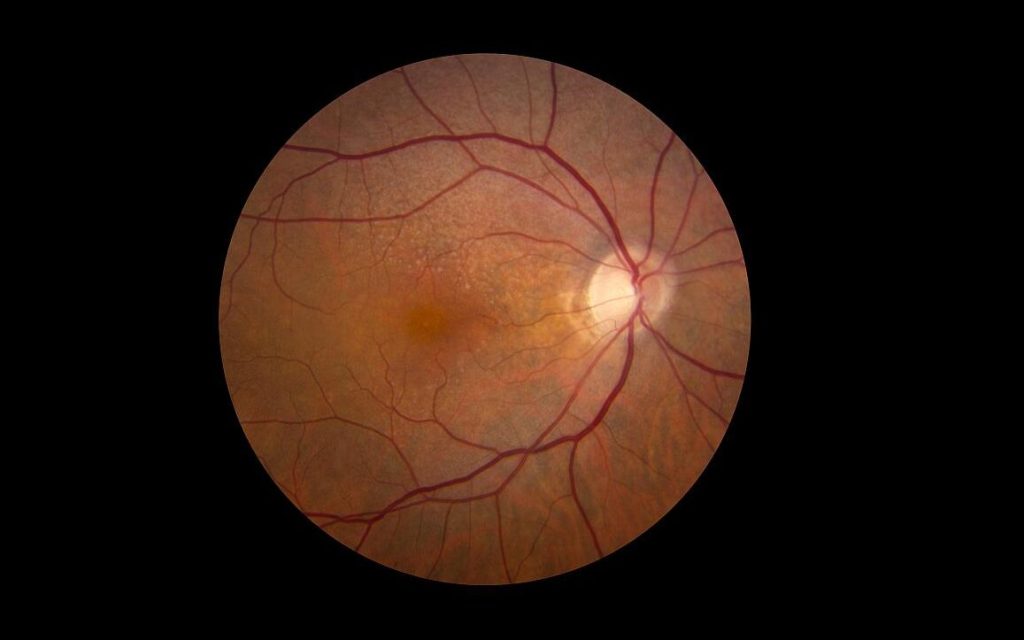
Retina showing reticular pseudodrusen. Although they can infrequently appear in individuals with no other apparent pathology, their highest rates of occurrence are in association with age-related macular degeneration (AMD), for which they hold clinical significance by being highly correlated with end-stage disease sub-types, choroidal neovascularisation and geographic atrophy. Credit: National Eye Institute
A new compound potentially could offer an alternative to injections for the millions of people who suffer from wet age-related macular degeneration (AMD). The condition causes vision loss due to the uncontrolled growth and leakage of blood vessels in the back of the eye. A new paper in Cell Reports Medicine finds that a small-molecule inhibitor can reverse damage from AMD and promote regenerative and healing processes.
The drug can also be delivered via eyedrops – an improvement over current treatments for AMD, which require repeated injections into the eye.
“The idea was to develop something that can be more patient-friendly and doesn’t require a visit to the doctor’s office,” said lead researcher Yulia Komarova, associate professor of pharmacology at University of Illinois Chicago.
Komarova’s compound targets the protein End Binding-3 in endothelial cells, which line the inside of blood vessels. In the new study, the researchers looked at whether inhibiting EB3 function could stop the damaging leakage associated with wet AMD.
Using computational drug design methods, the team developed a small molecule drug, End Binding-3 inhibitor (EBIN), that could be delivered externally via eyedrops instead of by injection. They then tested its effectiveness in animal models of wet AMD, finding that twice-daily treatment reduced eye damage within 2–3 weeks.
Further investigation found that the inhibitor worked by rolling back aging-related genetic modifications. Aging causes inflammation and hypoxia in the eye that leads to changes in gene expression associated with the cellular effects and symptoms of wet AMD. Komarova and colleagues found that the EB3 inhibitor they developed reversed these epigenetic changes, restoring gene expression to a normal, healthy state.
“We reduce the effects of the stressor on endothelial cells and we improve regenerative processes, accelerating healing,” Komarova said. “That can be tremendous for the function of the cells.”
Because blood vessel leakage and hypoxic stress also drive many other medical conditions, Komarova’s group is interested in testing the inhibitor in models of acute lung injury, diabetic retinopathy, stroke, heart disease and even the general effects of aging on the brain. They are also exploring whether an implantable lens, similar to a contact lens, could deliver the drug to the eye more effectively than eyedrops.
Researchers studying the new SARS-CoV-2 variant BA.2.86 have found that the new variant was not significantly more resistant to antibodies than several other circulating variants. Their study, published in The Lancet Infectious Diseases, also showed that antibody levels to BA.2.86 were significantly higher after a wave of XBB infections compared to before, suggesting that the vaccines based on XBB should provide some cross-protection to BA.2.86.
The recently emerged BA.2.86 is very different from any other currently circulating variants. It includes many mutations in the spike gene, reminiscent of the emergence of Omicron. The virus uses the viral spike to infect cells and is the main target for our antibodies. When the spike mutates, it comes with the risk that our antibodies are less effective against this new ‘variant’, and therefore that our protection from infection is reduced and that vaccines may need to be updated.
“We engineered a spike gene that matches that of the BA.2.86 variant and tested the blood of Stockholm blood donors (specifically those donations made very recently) to see how effective their antibodies are against this new variant. We found that although BA.2.86 was quite resistant to neutralising antibodies, it wasn’t significantly more resistant than a number of other variants that are also circulating”, says Daniel Sheward, lead author of the study and Postdoctoral researcher in Benjamin Murrell’s team at Karolinska Institutet.
An important question is whether upcoming updated vaccines that are based on the XBB variant will boost protection against BA.2.86. To determine whether antibodies triggered by infection with XBB may be effective against this new variant, Ben Murrell’s team also compared samples taken before and after XBB spread in Sweden.
“We also found that antibody levels to BA.2.86 were significantly higher after a wave of XBB infections compared to before, suggesting that the vaccines based on XBB should provide some cross-protection to BA.2.86. However, BA.2.86 was resistant to all available monoclonal antibody therapeutics that we tested,” says Daniel Sheward.
Public health agencies need to know what the current level of immunity to this new variant is, and whether the vaccines are sufficient must be updated. Monoclonal antibodies also represent an important option for some patient groups, such as the immunocompromised – for the clinicians, it’s important to know which if any, monoclonal antibody therapeutics will be effective against the variants that are circulating.
“I think the main message is that there is currently no reason to be alarmed over this new variant and that it’s probably a good idea to get a booster vaccine when they are offered. However, another ‘omicron-like’ event is also a reminder that we shouldn’t get complacent”, says Benjamin Murrell, Principal researcher at the Department of Microbiology, Tumor and Cell Biology at Karolinska Institutet.
Leukaemia has been identified as the most prevalent cancer among the country’s youth, according to the latest report from the National Cancer Registry (NCR) of South Africa (2021). However, approximately half of children with cancer remain undiagnosed, with the majority of cases only being detected during the advanced stages of the illness. This is partly attributed to a lack of awareness of the early warning signs of childhood cancer.
As the world observes Bone Marrow & Leukaemia Awareness Month until the 15th of October, Dr Candice Hendricks, Paediatric Haematologist and Medical Spokesperson for DKMS Africa shares that leukaemia can be categorised as acute leukaemias or chronic leukaemias, each with varying symptoms. “Acute leukaemias are far more common in children and can further be divided into acute lymphoblastic- (ALL) and acute myeloid leukaemia (AML). Among children, especially those aged between two and 10, Acute Lymphoblastic Leukaemia (ALL) is the most common blood cancer in this age group.
“This disease arises from genetic mutations in immature lymphocytes called lymphoblasts which are located in the bone marrow. The mutations lead to uncontrolled growth of these lymphoblasts,” she explains. “Lymphoblasts are abnormal blood stem cells that lose the ability to make mature blood cells. The uncontrolled growth of these cells in the bone marrow displaces normal blood cell development and leads to a decrease in properly functioning red blood cells, white blood cells, and platelets. Patients may potentially present with an elevated white blood cell count on blood results, however, their impaired function leaves the body vulnerable to infections.”
Aligned with the NCR, Dr Hendricks emphasises that early symptoms often go unnoticed, as they mimic common, mild conditions, causing many patients and those who care for them to overlook them. “However, the severity of these symptoms escalates rapidly with acute leukaemias and persist even after standard treatment for infections. A high index of suspicion is required in diagnosing patients, and if any symptom persists, an immediate full blood count test is necessary, followed by additional tests if irregularities are detected.”
Prominent symptoms indicating the disease include:
Blood clotting disorders or blood diathesis characterised by easy bruising from minor impacts and the appearance of small reddish spots on the skin. Other signs encompass blood in urine, as well as uncontrollable gum and nose bleeding.
Muscle and joint pain, particularly in the limbs, along with frequent limb numbness.
Fever and night sweats.
Anaemia caused by a deficiency of red blood cells, leading to constant fatigue, reduced exercise capacity, lethargy, sleepiness, and pale skin.
Recurrent infections that persist despite antibiotic treatment due to cancer cells impairing the immune system. Pathological cancer cells displace healthy leukocytes, rendering the body susceptible to various viral, bacterial, and fungal infections.
Loss of appetite and weight loss.
Enlarged lymph nodes.
Stomach pain resulting from spleen and/or liver enlargement.
In support of Bone Marrow & Leukaemia Awareness Month, DKMS Africa continues to raise awareness and funds to cover the registration costs for as many potential stem cell donors as possible. Stem cell donations offer the best chance of survival for children afflicted by high-risk leukaemia which does not respond to or recurs after standard treatment. Answer the call! If you’re aged between 17 and 55 and in good general health, please register at https://www.dkms-africa.org/register-now. Registration is entirely free and takes less than five minutes.
For further information, get in touch with DKMS Africa at 0800 12 10 82.
About DKMS DKMS is an international non-profit organisation dedicated to saving the lives of patients with blood cancer and blood disorders. Founded in Germany in 1991 by Dr. Peter Harf, DKMS and organisations of over 1,000 employees have since relentlessly pursued the aim of giving as many patients as possible a second chance at life. With over 11 million registered donors, DKMS has succeeded in doing this 100,000 times to date by providing blood stem cell donations to those in need. This accomplishment has led to DKMS becoming the global leader in the facilitation of unrelated blood stem cell transplants. The organisation has offices in Germany, the US, Poland, the UK, Chile and South Africa. In India, DKMS has founded the joint venture DKMS-BMST together with the Bangalore Medical Services Trust. International expansion and collaboration are key to helping patients worldwide because, like the organisation itself, blood cancer knows no borders.
DKMS is also heavily involved in the fields of medicine and science, with its own research unit focused on continually improving the survival and recovery rate of patients. In its high-performance laboratory, the DKMS Life Science Lab, the organisation sets worldwide standards in the typing of potential blood stem cell donors.