Interview: Rural Doctor of the Year Reflects on the Rutted Road to Quality Healthcare 

Dr Bukiwe Spondo recently received the Rural Doctor of the Year award at the Rural Health Conference held in Chintsa in the Eastern Cape. PHOTO: Supplied

By Biénne Huisman for Spotlight

Describing the rutted gravel road between Butterworth and Tafalofefe District Hospital in the Eastern Cape, Dr Bukiwe Spondo uses the word “terrible” at least eighteen times. Dipping through the Amatole District, the 55-kilometre journey can take several hours. With heavy rain, tractors may be required to dislodge ambulances and often even staff have difficulty getting to work because of the mud.

Since 2007, Spondo and her colleagues have offered a multitude of services at Tafalofefe in the lush but impoverished Centane village. First off, she moved the hospital’s ARV clinic from an out-building to inside the premises – reducing stigma – “because if patients went into that building on the outside, automatically everyone knew,” she says.

In 2012, having observed how patients stopped taking treatment due to travel costs, she started driving up to 40 kilometres a day twice weekly to nine clinics in the area, where up to fifty patients would be queuing to see her. To make life easier for patients, she started pre-packing medication to take to them at the clinics. Later she opened a CHAMP (Clinical HIV /AIDS Management Programme) site at Tafalofefe to see complicated cases referred from the clinics, and a multi-drug-resistant TB (MDR-TB) review clinic in conjunction with Butterworth Provincial Hospital.

“As a rural doctor, you become a social worker, a pharmacist, a priest – you do everything,” she says, laughing.

Rural doctor of the year

Spondo’s efforts have not gone unnoticed. Last month at the Rural Doctor’s Association of South Africa (RuDASA’s) annual Rural Health Conference, she received the Rural Doctor of the Year award. RuDASA chairperson Dr Lungile Hobe conferred the award at the event hosted near Chintsa. Spondo is quick to point out that she also won an Amatole District leadership award last year.

Speaking to Spotlight over Zoom, she says, “So the roads here at Centane are terrible. It becomes a challenge to get ambulances through and the chopper cannot fly either when it’s raining. I mean, the other day a truck was stuck, crossing the road so the ambulance couldn’t pass. We had to take a private car from the hospital to go meet the ambulance halfway.”

She adds that the community hoped that roads would be improved after a devastating accident five kilometres from Tafalofefe in 2020 when an overloaded 65-seater bus plunged into a gorge, causing 25 deaths and 62 injuries. But, she says, the improvements never come.

At Tafalofefe, the two nearest referral hospitals are Cecilia Makiwane and Frere Provincial in East London, situated an additional 110 kilometres or 90-minute drive from Butterworth along the N2 highway. Housed in a pale building, Tafalofefe has 160 beds served by 41 professional nurses and seven doctors – including three community service doctors who joined last year. The additions have increased capacity, for example, emergency caesareans are now available around the clock.

Taking healthcare to the people

The hospital has three 4×4 bakkies [pick-ups] for visiting or transporting patients. It is in one of these that Spondo travels to see patients in remote corners between the Kobonqaba and Kei Rivers on Tuesdays and Thursdays.

“Clinics are part of decentralised primary healthcare goals,” she says. “But the problem was that if there were complicated cases – like if a patient is taking ARVs and then develop side effects, the sisters are not equipped to handle that. For example, if there is a kidney problem, they [cannot] do anything about that.

“And in time, I realised that for these people traveling to the hospital costs too much money. Let’s say, for example, the clinic at Qolora – for a person to travel from Qolora to Tafalofefe is R100. A return ticket is R200. And you know, most people here are unemployed. They can’t afford this. By the time they have saved up enough money to travel to the hospital, it’s too late. Like it would be the end stage of their kidney problem. You could not send this patient for dialysis, nothing could be done to help them. This is why I started my outreach trips.”

In motivating for Spondo to receive the RuDASA award, Tafalofefe’s CEO Masizakhe Madlebe pointed out how her work days start at 7am, only finishing once all patients had been seen, whether at the hospital or at one of the local clinics. In addition, he notes how, over the years, Spondo has mentored youth in the area, including children whose parents had succumbed to AIDS, and school girls on topics like life goals and contraceptives. He adds that Spondo even reached into her own pocket to pay school fees for children without parents.

Spondo relays how she noticed girls as young as twelve years old in their maternity ward, giving birth. “Myself and some nurses we went to two schools in the area to educate them, to discuss goals and contraceptives,” she says. “We started with grade 12 pupils. No teachers were present. It was just us and them. And I was surprised at how free they were talking. I said to them education is more important. I said to them – You see me? I am a doctor. One day you can be a doctor too, but you need to be educated. I told them they could come to Tafalofefe any time if they needed to talk, that I could help them apply for tertiary degrees, to college or to university.”

Spondo has kept a close eye on children orphaned by AIDS in the area. “I tell them to bring me their June, September, and December school reports, so I can see how they’re doing, so I can motivate them,” she says.

“These kids, I’ve seen them grow up. Some of them I saw angry – with everyone, with their own deceased parents. And I explained to them, don’t be angry. It’s not your mother’s fault. It’s not your father’s fault. It was the government’s fault for not giving your parents access to ARVs. But now, take your own ARVs and you will be fine. Some of them have passed high school with distinction, some even now have access to universities.”

Bringing her skills back home

Alongside two brothers whom she describes as “wonderful”, Spondo grew up in the village of Nqamakwe, on the opposite side of Butterworth. Her parents have passed away, but she still considers Nqamakwe her home. Here her family’s farming interests include cattle, goats, and sheep.

She attended Blythswood Secondary School in Nqamakwe – excelling at biology and physics, even though maths was hard work. “Becoming a doctor was just something I always wanted,” she says, relaying how in her formative years she had been a sickly child who often required medical care. This changed, she says, as she cannot remember ever being sick as an adult.

Spondo graduated from medical school at the University of KwaZulu-Natal in 2002, completing her internship at Cecilia Makiwane and her community service at Tafalofefe and Frere in 2004.

Speaking with rapid enthusiasm, she says how happy she is to bring her healthcare skills back home to serve the community that shaped her own humanity.

“I mean, I know these people inside out. I was born in front of them, raised in front of them,” she says. “These are our relatives, our aunts, our grannies. It’s giving back to them, to the community that raised you, that has done everything for you. Who supported you through all these years.”

She adds that Tafalofefe’s clinical manager, Sambona Ntamo, grew up near Butterworth too.

“Who would look after these people if we didn’t?” she asks.

Where does she find the resilience that drives her passion to care for sick people, often queuing at the end of long rutted roads?

“Lots of exercise,” she says, smiling.

At Tafalofefe there is a staff gym with a treadmill, a bicycle, weight lifts, and pilates balls.

“I tell the guys after work it’s gym time, it’s gym time, it’s gym time!” she says. “We’ve got a key and everyone knows that even if they want to go to the gym after midnight, they may get the key and go.”

Photographs capture an air of camaraderie at Tafalofefe. Staff sharing a meal of tripe and creamed spinach on heritage day, a farewell gathering for a retiring nurse with balloons and huge gifts in silver wrapping, [and] women knitting countless bright beanies for babies delivered in the maternity ward. A picture inside the hospital’s paediatric room shows youngsters on plastic motorbikes and mothers holding toddlers wrapped in blankets.

Spondo and her own eight-year-old son, Lutho desperately – which means the greatest one – live in a doctor’s house on the hospital’s premises. They travel to their family home in Nqamakwe over weekends.

For Spondo, being a doctor does not feel like a job. “When you do something you love, it doesn’t feel like a job,” she says. “Being a doctor is something I look forward to every morning. When patients return to me, saying they feel better with a smile on their faces, saying thank you for the treatment – that just makes my day.”

Republished from Spotlight under a Creative Commons 4.0 Licence.

Source: Spotlight
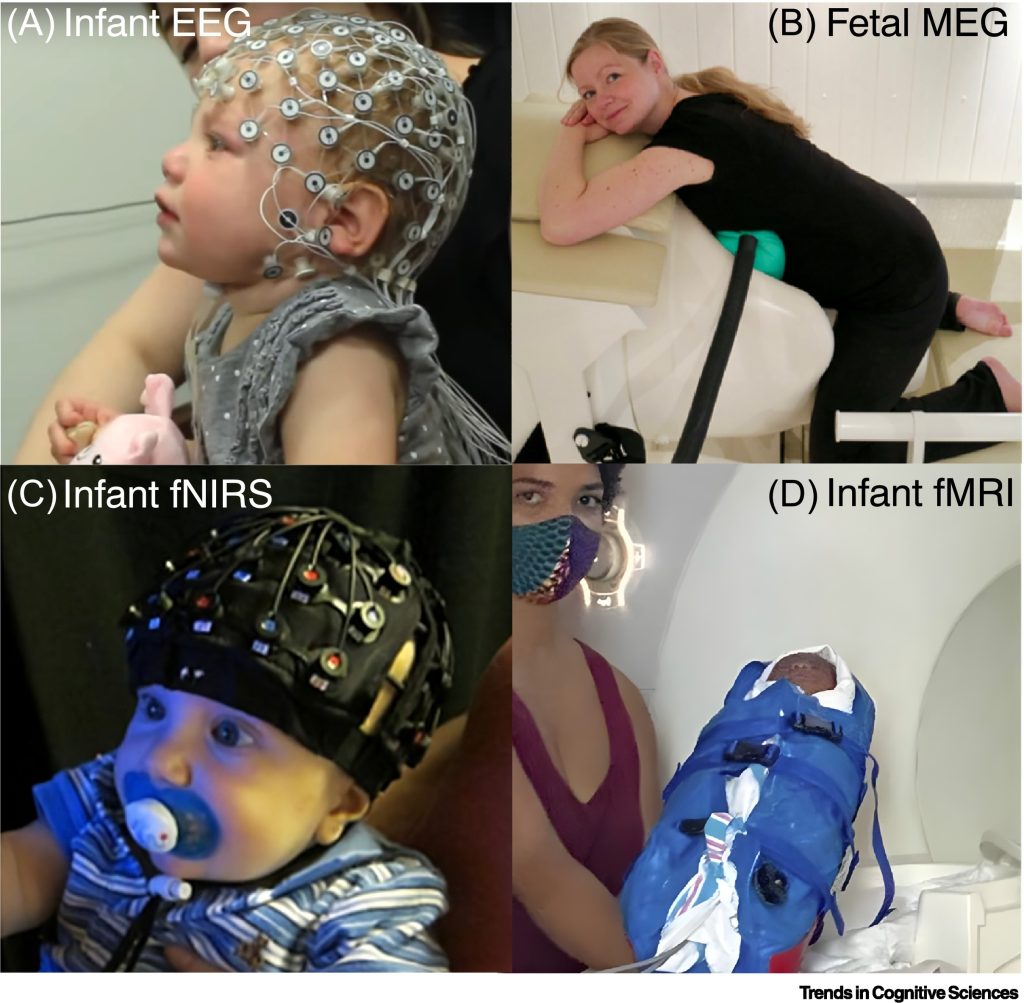
Evidence Points to Consciousness Emerging Shortly after Birth or in Late Pregnancy

Figure I Neural measurement tools for studying the emergence of consciousness. Examples of techniques for recording brain activity and/or neuroimaging in infants and foetuses. (A) Infant electroencephalography (EEG) with a geodesic electrode net. (B) Foetal magnetoencephalography (MEG) recorded from a pregnant woman. (C) Infant functional near infrared spectroscopy (fNIRS) recording with multichannel optode cap. (D) An infant is prepared for functional magnetic resonance imaging (fMRI). Source: Bayne et al., 2023

There is evidence that some form of conscious experience is present by birth, and perhaps even in late pregnancy, an international team of researchers has found. The findings, published today in Trends in Cognitive Science, have important clinical, ethical and potentially legal implications, according to the authors. 

Converging evidence from studies of functional network connectivity, attention, multimodal integration, and cortical responses to global oddballs suggests that consciousness is likely to be in place in early infancy and may even occur before birth. Over the decades, theorists have argued that consciousness emerges from anywhere from 30 to 35 weeks of pregnancy (based on EEG of the foetus’s brain) to 12 to 15 months of age (based on higher-order representational theory).

In the study, the researchers argue that by birth the infant’s developing brain is capable of conscious experiences that can leave a lasting imprint on their developing sense of self and understanding of their environment.

The team comprised neuroscientists and philosophers from Monash University, in Australia, University of Tübingen, in Germany, University of Minnesota, in the USA, and Trinity College Dublin.

Although each of us was once a baby, infant consciousness remains mysterious, because infants cannot tell us what they think or feel, explains one of the two lead authors of the paper Dr Tim Bayne, Professor of Philosophy at Monash University. 

“Nearly everyone who has held a newborn infant has wondered what, if anything, it is like to be a baby. But of course we cannot remember our infancy, and consciousness researchers have disagreed on whether consciousness arises ‘early’ (at birth or shortly after) or ‘late’ ­– by one year of age, or even much later.”

To provide a new perspective on when consciousness first emerges, the team built upon recent advances in consciousness science. In adults, some markers from brain imaging have been found to reliably differentiate consciousness from its absence, and are increasingly applied in science and medicine. This is the first time that a review of these markers in infants has been used to assess their consciousness.

Co-author of the study, Lorina Naci, Associate Professor in the School of Psychology, who leads Trinity’s ‘Consciousness and Cognition Group, explained: “Our findings suggest that newborns can integrate sensory and developing cognitive responses into coherent conscious experiences to understand the actions of others and plan their own responses.”

The paper also sheds light into ‘what it is like’ to be a baby. We know that seeing is much more immature in babies than hearing, for example. Furthermore, this work suggests that, at any point in time, infants are aware of fewer items than adults, and can take longer to grasp what’s in front of them, but it is easier for them to process more diverse information, such as sounds from other languages.

Source: Trinity College Dublin

Mapping the ‘Light’ Seen by Closed Eyes could Help Prosthetic Eyes See Better

Photo by Arteum.ro on Unsplash

Researchers at Monash University have identified a new way of mapping ‘phosphenes’ – the visual perception of the bright flashes we see when no light is entering the eye – to improve the outcome of surgery for patients receiving a cortical visual prosthesis.

Cortical visual prostheses are devices implanted onto the brain with the aim of restoring sight by directly stimulating the area responsible for vision, the visual cortex, bypassing damage to the retina of the eye or the optic nerve. Phosphenes, apparent flashes and patterns of lights, were described by the ancient Greeks and can be elicited by pressure, injury, disease, certain medications or direct electrical stimulation.

A typical prosthesis consists of an array of fine electrodes, each of which is designed to trigger a phosphene. Given the limited number of electrodes, understanding how electrodes can best be placed to generate useful perceived images becomes critical.

Published in the Journal of Neural Engineering, the study presents a more realistic simulation for cortical prosthetic vision.

As part of this researchers from the Department of Electrical and Computer Systems Engineering at Monash University, led by Associate Professor Yan Tat Wong, are honing in on the ideal distribution of phosphenes.

“Phosphenes are likely to be distributed unevenly in an individual’s visual field, and differences in the surface of the brain also affect how surgeons place implants, which together result in a phosphene map unique to each patient,” Associate Professor Wong said.

The study used a retinotopy dataset based on magnetic resonance imaging (MRI) scans, consulting with a neurosurgeon about realistic electrode implantation sites in different individuals, and applying a clustering algorithm to determine the most suitable regions to present stimuli.

Sighted participants recruited for the study were asked to test and verify the phosphene maps based on visual acuity and object recognition.

“We’re proposing a new process that incorporates our simulation paradigm into surgical planning to help optimise the implantation of a cortical prosthesis,” Associate Professor Wong said.

The process would begin with an MRI scan to plot the recipient’s brain surface in the area of the visual cortex. Potential implant locations would then be identified, and the simulation developed in the Monash research would be used to plot phosphene maps.

“We can use the metrics we computed to find practical implant locations that are more likely to give us a usable phosphene map, and we can verify those options through psychophysics tests on sighted participants using a virtual reality headset,” Associate Professor Wong said.

“We believe this is the first approach that realistically simulates the visual experience of cortical prosthetic vision.”

Source: Monash University

Difficulty with Turning when Walking could be a Sign of Early Alzheimer’s

In a study published in Current Biology, people with early Alzheimer’s disease were found to have difficulty turning when walking. The new study used virtual reality and a computational model to further explore the intricacies of navigational errors previously observed in Alzheimer’s disease.

Researchers, led by Professor Neil Burgess and colleagues in the Space and Memory group at the UCL Institute of Cognitive Neuroscience, grouped participants into three categories: healthy younger participants (31 total), healthy elderly participants (36 total) and patients with mild cognitive impairment (43 total). They then asked them to complete a task while wearing virtual reality goggles, which allowed them to make real movements.

In the trial, participants walked an outbound route guided by numbered cones, consisting of two straight legs connected by a turn. They then had to return to their starting position unguided.

The task was performed under three different environmental conditions aimed at stressing the participant’s navigational skills: an unchanged virtual environment, the ground details being replaced by a plain texture, and the temporary removal of all landmarks from the virtual reality world.

The researchers found that people with early Alzheimer’s consistently overestimated the turns on the route and showed increased variability in their sense of direction. However, these specific impairments were not observed in the healthy older participants or people with mild cognitive impairment, who did not show underlying signs of Alzheimer’s.

This suggests that these navigational errors are specific to Alzheimer’s disease – rather than an extension of healthy ageing or general cognitive decline – and could help with diagnosis.

Joint first author, Dr Andrea Castegnaro (UCL Institute of Cognitive Neuroscience), said: “Our findings offer a new avenue for the early diagnosis of Alzheimer’s disease by focusing on specific navigational errors. However, we know that more work is needed to confirm these early findings.

Dr Castegnaro added, “Cognitive assessments are still needed to understand when the first cognitive impairments develop, and when it comes to existing spatial memory tests used in clinics, those often rely on verbal competence. Our tests aim to offer a more practical tool that doesn’t rely on language or cultural background.”

Source: University College of London

Neanderthal Gene Variants Associated with Greater Sensitivity to Some Types of Pain

Source: Pixabay CC0

People who carry three gene variants that have bene inherited from Neanderthals are more sensitive to some types of pain, according to a new study co-led by UCL researchers. The findings, published in Communications Biology, are the latest findings to show how past interbreeding with Neanderthals has influenced the genetics of modern humans.

The researchers found that people carrying three so-called Neanderthal variants in the gene SCN9A, which is implicated in sensory neurons, are more sensitive to pain from skin pricking after prior exposure to mustard oil.

Previous research has identified three variations in the SCN9A gene – known as M932L, V991L, and D1908G – in sequenced Neanderthal genomes and reports of greater pain sensitivity among humans carrying all three variants. However, prior to this study the specific sensory responses affected by these variants was unclear.

An international team measured the pain thresholds of 1963 people from Colombia in response to a range of stimuli.

The SCN9A gene encodes a sodium channel that is expressed at high levels in sensory neurons that detect signals from damaged tissue. The researchers found that the D1908G variant of the gene was present in around 20% of chromosomes within this population and around 30% of chromosomes carrying this variant also carried the M932L and V991L variants.

The authors found that the three variants were associated with a lower pain threshold in response to skin pricking after prior exposure to mustard oil, but not in response to heat or pressure. Additionally, carrying all three variants was associated with greater pain sensitivity than carrying only one.

When they analysed the genomic region including SCN9A using genetic data from 5971 people from Brazil, Chile, Colombia, Mexico and Peru, the authors found that the three Neanderthal variants were more common in populations with higher proportions of Native American ancestry, such as the Peruvian population, in which the average proportion of Native American ancestry was 66%.

The authors propose that the Neanderthal variants may sensitise sensory neurons by altering the threshold at which a nerve impulse is generated. They speculate that the variants may be more common in populations with higher proportions of Native American ancestry as a result of random chance and population bottlenecks that occurred during the initial occupation of the Americas. Although acute pain can moderate behaviour and prevent further injury, the scientists that say additional research is needed to determine whether carrying these variants and having greater pain sensitivity may have been advantageous during human evolution.

Diagram comparing the nose shape of a Neanderthal with that of a modern human by Dr Macarena Fuentes-Guajardo.

Previous research by co-corresponding author Dr Kaustubh Adhikari (UCL Genetics, Evolution & Environment and The Open University) has shown that humans also inherited some genetic material from Neanderthals affecting the shape of our noses.

Dr Adhikari commented: “In the last 15 years, since the Neanderthal genome was first sequenced, we have been learning more and more about what we have inherited from them as a result of interbreeding tens of thousands of years ago.

“Pain sensitivity is an important survival trait that enables us to avoid painful things that could cause us serious harm. Our findings suggest that Neanderthals may have been more sensitive to certain types of pain, but further research is needed for us to understand why that is the case, and whether these specific genetic variants were evolutionarily advantageous.”

First author Dr Pierre Faux (Aix-Marseille University and University of Toulouse) said: “We have shown how variation in our genetic code can alter how we perceive pain, including genes that modern humans acquired from the Neanderthals. But genes are just one of many factors, including environment, past experience, and psychological factors, which influence pain.”

Source: University College London

New Clinical Guidelines for the Determination of Brain Death

Photo by Rodnae Productions on Pexels

New guidance has been issued for clinicians on the determination of brain death, also known as death by neurologic criteria. A new consensus practice guideline, developed through a collaboration between the American Academy of Neurology (AAN), the American Academy of Pediatrics (AAP), the Child Neurology Society (CNS), and the Society of Critical Care Medicine (SCCM) is published in Neurology, the medical journal of the American Academy of Neurology.

This guideline updates the 2010 AAN adult practice guidelines and the 2011 AAP/CNS/SCCM paediatric practice guidelines on the determination of brain death. Because of a lack of high-quality evidence on the subject, the experts used an evidence-informed consensus process to develop the guideline.

“Until now, there have been two separate guidelines for determining brain death, one for adults and one for children,” said author Matthew P. Kirschen, MD, PhD, FAAN, of the Children’s Hospital of Philadelphia, and a member of the Child Neurology Society and the Society of Critical Care Medicine. “This update integrates guidance for adults and children into a single guideline, providing clinicians with a comprehensive and practical way to evaluate someone who has sustained a catastrophic brain injury to determine if they meet the criteria for brain death.”

Brain death is a state in which there is complete and permanent cessation of function of the brain in a person who has suffered catastrophic brain injury.

“Brain death means that clinicians cannot observe or elicit any clinical signs of brain function,” said author David M. Greer, MD, FAAN, FCCM, of Boston University in Massachusetts. “Brain death is different from comatose and vegetative states. People do not recover from brain death. Brain death is legal death.”

The consensus practice guideline outlines the standardised procedure for trained clinicians to evaluate people for brain death. As part of this procedure, clinicians perform an evaluation to determine whether there is any clinical functioning of the brain and brainstem, including whether the person breathes on their own. Brain death is declared if a person has a catastrophic brain injury, has no possibility of recovering any brain function, is completely unresponsive, does not demonstrate any brain or brainstem function, and does not breathe on their own.

This guideline includes updates on the prerequisites for brain death determination, the examination and the examiners, apnoea testing and ancillary testing.

Source: American Academy of Neurology

Scientists may Have Found a Sixth Taste

Photo by Olga Vilkha 🇺🇦 on Unsplash

In the early 1900s, Japanese scientist Kikunae Ikeda first proposed umami as a basic taste in addition to sweet, sour, salty and bitter. About eight decades later, the scientific community officially agreed with him. Now, scientists led by researchers at the USC Dornsife College of Letters, Arts and Sciences have evidence of a sixth basic taste, which fans of salt licorice will recognise.

In research published in Nature Communications, USC Dornsife neuroscientist Emily Liman and her team found that the tongue responds to ammonium chloride through the same protein receptor that signals sour taste.

Salt licorice has been a popular sweet in northern European countries since at least since the early 20th century, and also appears on South African shelves. The treat counts among its ingredients salmiak salt, or ammonium chloride.

Scientists have for decades recognised that the tongue responds strongly to ammonium chloride. However, despite extensive research, the specific tongue receptors that react to it remained elusive.

Liman and the research team thought they might have an answer. In recent years, they uncovered the protein responsible for detecting sour taste. That protein, called OTOP1, sits within cell membranes and forms a channel for hydrogen ions moving into the cell.

Hydrogen ions are the key component of acids, and as foodies everywhere know, the tongue senses acid as sour, such as the citric acid in lemon juice. Hydrogen ions from these acidic substances move into taste receptor cells through the OTOP1 channel.

Because ammonium chloride can affect the concentration of acid – that is, hydrogen ions – within a cell, the team wondered if it could somehow trigger OTOP1.

To answer this question, they introduced the Otop1 gene into lab-grown human cells so the cells produce the OTOP1 receptor protein. They then exposed the cells to acid or to ammonium chloride and measured the responses.

“We saw that ammonium chloride is a really strong activator of the OTOP1 channel,” Liman said. “It activates as well or better than acids.”

Ammonium chloride gives off small amounts of ammonia, which moves inside the cell and raises the pH, meaning fewer hydrogen ions.

“This pH difference drives a proton influx through the OTOP1 channel,” explained Ziyu Liang, a PhD student in Liman’s lab and first author on the study.

To confirm that their result was more than a laboratory artifact, they turned to a technique that measures electrical conductivity, simulating how nerves conduct a signal. Using taste bud cells from normal mice and from mice the lab previously genetically engineered to not produce OTOP1, they measured how well the taste cells generated electrical responses called action potentials when ammonium chloride is introduced.

Taste bud cells from wildtype mice showed a sharp increase in action potentials after ammonium chloride was added while taste bud cells from the mice lacking OTOP1 failed to respond to the salt. This confirmed their hypothesis that OTOP1 responds to the salt, generating an electrical signal in taste bud cells.

The same was true when another member of the research team, Courtney Wilson, recorded signals from the nerves that innervate the taste cells. She saw the nerves respond to addition of ammonium chloride in normal mice but not in mice lacking OTOP1.

Then the team went one step further and examined how mice react when given a choice to drink either plain water or water laced with ammonium chloride. For these experiments, they disabled the bitter cells that also contribute to the taste of ammonium chloride. Mice with a functional OTOP1 protein found the taste of ammonium chloride unappealing and did not drink the solution, while mice lacking the OTOP1 protein did not mind the alkaline salt, even at very high concentrations.

“This was really the clincher,” Liman said. “It shows that the OTOP1 channel is essential for the behavioral response to ammonium.”

But the scientists weren’t done. They wondered if other animals would also be sensitive to and use their OTOP1 channels to detect ammonium. They found that the OTOP1 channel in some species seems to be more sensitive to ammonium chloride than in other species. And human OTOP1 channels were also sensitive to ammonium chloride.

So, what is the advantage in tasting ammonium chloride and why is it evolutionarily so conserved?

Liman speculates that the ability to taste ammonium chloride might have evolved to help organisms avoid eating harmful biological substances that have high concentrations of ammonium.

“Ammonium is found in waste products – think of fertiliser – and is somewhat toxic,” she explained, “so it makes sense we evolved taste mechanisms to detect it. Chicken OTOP1 is much more sensitive to ammonium than zebra fish.” Liman speculates that these variations may reflect differences in the ecological niches of different animals. “Fish may simply not encounter much ammonium in the water, while chicken coops are filled with ammonium that needs to be avoided and not eaten.”

But she cautions that this is very early research and further study is needed to understand species differences in sensitivity to ammonium and what makes OTOP1 channels from some species sensitive and some less sensitive to ammonium.

Towards this end, they have made a start. “We identified a particular part of the OTOP1 channel – a specific amino acid – that’s necessary for it to respond to ammonium,” Liman said. “If we mutate this one residue, the channel is not nearly as sensitive to ammonium, but it still responds to acid.”

Moreover, because this one amino acid is conserved across different species, there must have been selective pressure to maintain it, she says. In other words, the OTOP1 channel’s ability to respond to ammonium must have been important to the animals’ survival.

In the future, the researchers plan to extend these studies to understand whether sensitivity to ammonium is conserved among other members of the OTOP proton family, which are expressed in other parts of the body, including in the digestive tract.

And who knows? Perhaps ammonium chloride will join the other five basic tastes to bring the official count to six.

Source: University of Southern California

Brain Changes from Shift Work Increase Appetite

Photo by Ernest Brillo on Unsplash

Scientists have uncovered why night shift work is associated with changes in appetite in a new University of Bristol-led study. The study shows that circadian disruption can disrupt the brain’s regulation of appetite hormones. The findings, published in Communications Biology, could help the millions of people that work through the night and struggle with weight gain.

Scientists from Bristol and the University of Occupational and Environmental Health in Japan, sought to understand how ‘circadian misalignment’ – a phenomenon commonly associated with ‘jet-lag’ whereby the body’s biological clock is disrupted – affects the hormones responsible for regulating appetite.

Prevalent in night shift workers, in this new study, the international team reveal how circadian misalignment can profoundly alter the brain’s regulation of hormones controlling hunger to the detriment of metabolic health.

The team focused on glucocorticoid hormones in the adrenal gland which regulate many physiological functions including metabolism and appetite. Glucocorticoids are known to directly regulate a group of brain peptides controlling appetitive behaviour, with some increasing appetite (orexigenic) and some decreasing appetite (anorexigenic).

In an experiment using animal models, comprising a control group and a out-of-phase ‘jet-lagged’ group, the team found misalignment between light and dark cues led the out-of-phase group’s orexigenic hypothalamic neuropeptides (NPY) to become dysregulated, driving an increased desire to eat significantly more during the inactive phase of the day.

Strikingly, the team discovered that rats in the control group ate 88.4% of their daily intake during their active phase, and only 11.6% during their inactive phase. In contrast, the ‘jet-lagged’ group consumed 53.8% of their daily calories during their inactive phase (without an increase in activity during this time). This equated to nearly five-times more (460% more) than what the control group consumed during the inactive phase. These results show that it is timing of consumption that has been affected.

This new discovery revealed how completely, and significantly, disordered the neuropeptides become when daily glucocorticoid levels are out of synch with light and dark cues. However, the authors suggest the neuropeptides identified in this study may be promising targets for pharmacological treatments for eating disorders and obesity.

Research Fellow Dr Becky Conway-Campbell, the study’s senior author, said: “For people working throughout the night, a reversed body clock can play havoc with their health.

“For those who are working night shifts long-term, we recommend they try to maintain daylight exposure, cardiovascular exercise and mealtimes at regulated hours. However, internal brain messages to drive increased appetite are difficult to override with ‘discipline’ or ‘routine’ so we are currently designing studies to assess rescue strategies and pharmacological intervention drugs. We hope our findings also provide new insight into how chronic stress and sleep disruption leads to caloric overconsumption.”

Professor Stafford Lightman, co-senior author on the study, added: “The adrenal hormone corticosterone, which is normally secreted in a circadian manner, is a major factor in the daily control of brain peptides that regulate appetite. Furthermore when we disturb the normal relationship of corticosterone with the day to night light cycle it results in abnormal gene regulation and appetite during the period of time that the animals normally sleep.

“Our study shows that when we disturb our normal bodily rhythms this in turn disrupts normal appetite regulation in a way that is at least in part a result of desynchrony between adrenal steroid hormone production and the timing of the light and dark cycle.”

Dr Benjamin Flynn, one of the study’s co-authors who conducted the study while at Bristol but is now based at the University of Bath, added: “This is further evidence of how phase shift ‘jet-lag’ affects feeding behaviours and neuronal gene expression – data important for shift work co-morbidity research.”

Source: University of Bristol

Study Dispels Safety Fears over the Antihypertensive Drug Amlodipine

Pexels Photo by Thirdman

A new paper in the journal Function finds that a widely prescribed drug for treating hypertension, amlodipine, is not dangerous for patients, despite recent concerns from researchers and clinicians that there may be risks associated with taking amlodipine. 

Approximately one in five adults worldwide have the disease, which is responsible for 7.6 million deaths per year. If untreated, hypertension significantly increases the risk of premature death through heart attack, stroke, or kidney disease. 

One widely prescribed drug for treating hypertension is amlodipine, now taken regularly in pill form by over 70 million Americans. Amlodipine inhibits an L-type calcium channel that is found on blood vessels. When the calcium channel opens, calcium enters the muscle and causes it to constrict, increasing blood pressure. Amlodipine prevents calcium from coming in, leading to vessel relaxation and a decrease in blood pressure. 

Recently some researchers have questioned the benefit of amlodipine for treating hypertension. Studies suggested that amlodipine may activate a different type of calcium channel, resulting in changes to blood vessels and an increase in heart failure in patients. Removing amlodipine as a prescribed anti-hypertensive medication carries significant health implications, since hypertension is such a common health condition.

A new study by research teams from National Institutes of Health and Glasgow University finds that taking amlodipine is unlikely to result in an increase in heart failure in patients. The researchers found that amlodipine appears to have unique chemical properties that caused the drug to mimic the calcium channel activation, without in fact opening the channels as clinicians worried. When the study’s authors controlled for these chemical properties, they found that amlodipine did not activate calcium channels. A meta-analysis combining clinical trials and a prospective real-world analysis both showed that amlodipine was not associated with increased heart failure or other cardiovascular problems.

“Removal of amlodipine as a front-line therapy would most likely increase deaths from hypertension dramatically,” said Anant Parekh, one of the study’s authors. “The study recommends that amlodipine remain a first-line treatment for high blood pressure.”

Source: EurekAlert!

Turning Everyday Vaccines into Cancer Killers

Photo by National Cancer Institute

A study in Frontiers in Immunology has demonstrated that, in animal models, a protein antigen from a childhood vaccine can be delivered into the cells of a malignant tumour to refocus the body’s immune system against the cancer, effectively halting it and preventing its recurrence.

Instead of using vaccines tailored with tumour-specific antigens to prime the immune system to attack a particular cancer, this method makes use of the immune system’s encounter with common vaccines. The bacteria-based intracellular delivering (ID) system uses a non-toxic form of Salmonella that releases a drug, in this case a vaccine antigen, after it’s inside a solid-tumour cancer cell.

“As an off-the-shelf immunotherapy, this bacterial system has the potential to be effective in a broad range of cancer patients,” writes senior author Neil Forbes, professor of chemical engineering, in the recently published article.

The research, carried out in Forbes’s lab, offers promise toward tackling difficult-to-treat cancers, including liver, metastatic breast and pancreatic tumours.

“The idea is that everybody is vaccinated with a whole bunch of things, and if you could take that immunisation and target it towards a cancer, you could use it to eliminate the cancer,” Forbes explains. “But cancers obviously aren’t going to display viral molecules on their surface. So the question was, could we take a molecule inside the cancer cell using Salmonella and then have the immune system attack that cancer cell as if it was an invading virus?”

To test their theory that this immune treatment could work, Forbes and team genetically engineered ID Salmonella to deliver ovalbumin (chicken egg protein) into the pancreatic tumour cells of mice that had been immunised with the ovalbumin ‘vaccine’. The researchers showed that the ovalbumin disperses throughout the cytoplasm of cells in both culture and tumours.

The ovalbumin then triggered an antigen-specific T-cell response in the cytoplasm that attacked the cancer cells. The therapy cleared 43% of established pancreatic tumours, increased survival and prevented tumour re-implantation, the paper states.

“We had complete cure in three out of seven of the pancreatic mice models,” Forbes says. “We’re really excited about that; it dramatically extended survival.”

The team then attempted to re-introduce pancreatic tumours in the immunised mice. The results were exceedingly positive. “None of the tumours grew, meaning that the mice had developed an immunity, not just to the ovalbumin but to the cancer itself,” Forbes says. “The immune system has learned that the tumour is an immunogenic. I’m doing further work to figure out how that’s actually happening.”

In preliminary research, the team previously showed that injecting the modified Salmonella into the bloodstream effectively treated liver tumours in mice. They advanced their findings with the current research on pancreatic tumours.

Before clinical trials can begin, the researchers will repeat the experiments on other animals and refine the ID Salmonella strain to ensure its safety for use in humans. Liver cancer would be the first target, followed by pancreatic cancer.

Source: University of Massachusetts Amherst