A Neuroscience Breakthrough: Mapping the Brain of an Adult Fruit Fly
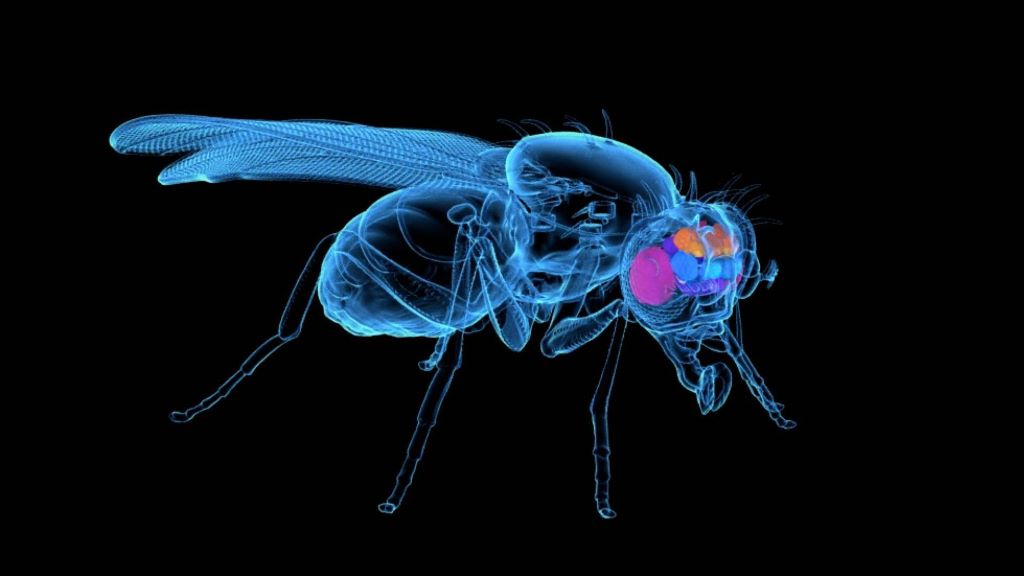
Princeton-led team of researchers and gamers has mapped every neuron and synapse in the brain of an adult fruit fly. Video still from Amy Sterling / FlyWire / Princeton

For many heartbreaking diseases of the brain, such as dementia, Parkinson’s, Alzheimer’s, doctors can only treat the symptoms. Medical science does not have a cure. Why? Because it’s difficult to cure what we don’t understand, and the human brain, with its billions of neurons connected by a hundred trillion synapses, is almost hopelessly complex.

“FlyWire,” a Princeton-led team of scientists and citizen scientists, has now made a massive step toward understanding the human brain by building a neuron-by-neuron and synapse-by-synapse roadmap – scientifically speaking, a “connectome” – through the brain of an adult fruit fly (Drosophila melanogaster). The FlyWire Consortium comprises members from more than 146 labs at 122 institutions, with major contributions from teams at the University of Cambridge and the University of Vermont.

“Any brain that we truly understand tells us something about all brains,” said Sebastian Seung, Princeton’s Evnin Professor in Neuroscience and a professor of computer science. “With the fly wiring diagram, we have the potential for an unprecedented, detailed and deep understanding.”

Previous researchers have mapped the brain of a C. elegans worm, with its 302 neurons, and the brain of a larval fruit fly, which had 3000 neurons, but the adult fruit fly is several orders of magnitude more complex, with almost 140 000 neurons and tens of millions of synapses connecting them.

“This is a major achievement,” said Mala Murthy, director of the Princeton Neuroscience Institute and, with Seung, a leader of the research team. “There is no other full brain connectome for an adult animal of this complexity.”

A pathway toward tailored treatments

“How the brain functions depends critically on which neurons connect to which other neurons and the strength of their connections,” said Murthy, Princeton’s Karol and Marnie Marcin ’96 Professor of Neuroscience. “To have a full wiring diagram of the fly brain – as a Drosophila neurobiologist, this is something I’ve dreamed of since I started my lab in 2010.”

Mala has pursued that vision, a full connectome of the fruit fly brain, since beginning her collaboration with Seung in 2018. “As neuroscientists, we have a habit of simplifying, of saying, ‘Hey, can I find that one neuron or cell type and figure out its function, how it contributes to animal decisions and behaviours? If I can simplify the problem down to that one neuron, then I can figure out what it does,’” said Murthy. “But when you take a step back, you realise ‘that one neuron’ is in a complex network of almost 140 000 neurons collectively coordinating this behaviour.”

Neuroscientists like to point out that the human brain is the body’s most complex organ, and possibly the most complex neural network anywhere. “In many respects, it is more powerful than any human-made computer, yet for the most part we still do not understand its underlying logic,” said John Ngai, director of the U.S. National Institutes of Health’s BRAIN Initiative, which provided partial funding for the connectome project. “Without a detailed understanding of how neurons connect with one another, we won’t have a basic understanding of what goes right in a healthy brain or what goes wrong in disease.

“The collaborations across diverse areas of expertise in this type of team science consortium have brought the Drosophila brain map to light at an unprecedented pace, paving the way for detailed maps of the human brain and the tailored treatments that could follow,” Ngai said.

How gamers and AI helped make it happen

Sven Dorkenwald, the lead author on the flagship Nature paper, spearheaded the FlyWire consortium that mapped the fly brain.

“What we built is, in many ways, an atlas,” said Dorkenwald, a 2023 Ph.D. graduate of Princeton, now at the University of Washington and the Allen Institute. “Just like you wouldn’t want to drive to a new place without Google Maps, you don’t want to explore the brain without a map. What we have done is build an atlas of the brain, and added annotations for all the businesses, the buildings, the street names. With this, researchers are now equipped to thoughtfully navigate the brain, as we try to understand it.”

The map was built from 21 million images taken of the fruit fly brain by a team of scientists in Davi Bock’s lab, then at the Howard Hughes Medical Institute’s Janelia Research Campus. Using an AI model built by the Seung lab, the lumps and blobs in those images were turned into a labeled, three-dimensional map by the FlyWire Consortium — an unlikely collaboration among gamers, professional tracers, and neuroscientists who are collectively listed as last author on the flagship paper.

FlyWire took inspiration from the earlier EyeWire project, a crowdsourced gamer project that mapped neurons in a mouse retina. When EyeWire was launched, about 10 years ago, artificial intelligence hadn’t advanced to a point where it could accurately trace out each neuron, so gamers painstakingly assembled millions of tiny puzzles to solve the 3D structure of each mouse neuron, revealing each point of connection between them.

In the intervening decade, AI models trained on their work improved their ability to trace out neurons and synapses. Now humans serve as proofreaders, checking the AI-generated products and assembling the countless pieces into one massive whole, as well as annotators, adding cell type labels to each neuron. A team led by Gregory Jefferis at the MRC Laboratory of Molecular Biology and the University of Cambridge, and Bock, now at the University of Vermont, led the effort to add hierarchical annotations to all neurons in the connectome; their work appears in a companion paper in the special issue of Nature and completes the description of the FlyWire resource.

“FlyWire expanded on EyeWire not only in the AI improvements but also in the type of contributions that members could make,” said Amy Sterling, executive director of EyeWire and the crowdsourcing manager of FlyWire. “Members of EyeWire only mapped cells. Members of the FlyWire Consortium were able to both map neurons and contribute labels, both of which they did by the tens of thousands. Labs that originally competed ended up collaborating. Community members built apps and plug-ins to enhance the usage of FlyWire. Great beauty is revealed both in a map of a brain and in the idea that hundreds of human brains worked together make it all possible.”

This collaborative work was made possible through advances in computational infrastructure running in the cloud that the Seung and Murthy labs developed in collaboration with the Allen Institute for Brain Science. Since 2019, the researchers and gamers of FlyWire have collectively contributed 33 person-years to proofreading and annotating the results of the AI model. Without AI, Seung said, the project would have taken almost 50 thousand person-years.

“This dataset is a remarkable story of the power of open team science,” said Forrest Collman, associate director at the Allen Institute for Brain Science. “A dataset was produced and released by the Bock lab, picked up by researchers at Princeton, combined with open-source software to distribute the data to people spread across the world for proofreading, and then collaboratively analysed by the Drosophila neuroscience community.”

Mapping the forest and the trees

The collaboration of online gamers, tracers, neuroscientists and cutting-edge artificial intelligence resulted in a map of every one of the fruit fly’s 139 255 neurons and 50 million of their synaptic connections. The word connectome highlights that it is those connections, ie synapses, between neurons where the brain’s most vital work takes place.

Most neurons look a bit like a tree, with a trunk, branches, roots and twigs. Just as a tree affects its neighbours, its roots connecting to surrounding organisms and its branches battling for sunlight, neurons connect with each other via synapses. But a whole brain is even more connected than a forest, because neurons can reach each other across comparatively massive distances.

“It would be like a tree in New York interacting with a tree in Los Angeles,” said Dorkenwald. “Some of these neurons span the entire brain, from one eye to the other eye. There’s a diversity of sizes, from tiny neurons to others 100 times as big.”

And just like a map that traces out every tiny alley as well as every superhighway, the fly connectome shows connections within the fruit fly brain at every scale.

Once the connections were fully mapped, the team wanted to make it useful to the thousands of scientists conducting research in the field. To address this need, PNI research scientist Arie Matsliah, second author on the flagship paper, together with Sterling and a team of PNI developers, developed the FlyWire Codex. Matsliah calls it “Google for the connectome.” With the Codex, anyone with internet access can navigate every neuron and synaptic pathway in the brain map, without having to download massive amounts of data or knowing any advanced data analysis techniques. It has been already used by 10 000 people worldwide, with thousands of new searches processed daily.

The humble fruit fly

“It might surprise people that flies have brains, but they do,” said Seung. “And their brains have neurons, and while their neurons don’t look exactly the same as ours, they do look more or less like trees, like human neurons. It’s amazing. Our last common ancestor might have been half a billion years ago, and yet fruit flies have recognisable neurons and the same neurotransmitters we have: glutamate, acetylcholine, dopamine.”

Most of us don’t think about fruit flies unless they’re circling over our bananas. With a whole body that’s basically a speck, their brains are almost incomprehensibly tiny – about 750 microns across, 350 microns tall, and 250 microns deep. That’s significantly smaller than a poppy seed.

But this tiny insect has many behaviors that our larger, more complex bodies share, from complicated actions like communicating with romantic partners to simpler ones like moving rapidly, navigating, foraging for food, avoiding predators, responding to light and dark – indeed, fruit flies were responsible for the discovery of circadian rhythms, which spawned a whole field of brain and behavioural science.

Six different Nobel Prizes have honoured 10 researchers studying D. melanogaster, including the 1995 Nobel Prize in Physiology or Medicine for Princeton’s Eric Wieschaus, who discovered the genes controlling embryonic development in fruit flies, and which were later found to be important in cancer research as well.

“Fruit flies are a wonderful model organism, because it’s quite small, but at the same time it has very complex behaviors,” Dorkenwald said. “As humans, we can relate to how male fruit flies sing to females, how they court them and follow them, and the competition between them.” Fruit fly behaviour and physiology have been studied extensively for more than a century, so researchers have a wealth of pre-existing knowledge to tie to this new connectome of neurons and synapses.

‘A massive, interdisciplinary effort’

“This extraordinary accomplishment is the result of a massive, interdisciplinary team effort,” said Murthy. “We brought together Drosophila neuroscientists, with crowdsourced gamers and BRAIN Initiative funds and the ingenuity of our people here at Princeton.” The University’s endowment supported the effort via the Bezos Center for Neural Circuit Dynamics and the McDonnell Center for Systems Neuroscience.

At the University and across the nation and the world, the network of collaborators was vast. “At Princeton alone, we’ve had many postdocs and students working together with software engineers and full-time proofreaders,” Murthy said.

“Worldwide, there are more than 280 members in the FlyWire community building the connectome, most from the neuroscience and Drosophila science communities,” she continued. “And why are they motivated to do this for us? Because they can use the data for their own science.”

Instead of keeping their data confidential, the Princeton researchers opened their in-progress neural map to the scientific community from the beginning. “It took us about two years to correct all the errors,” said Murthy. “We released the data openly from Day One to the entire fly community and said, ‘Do whatever science you want, but help us proofread and annotate it as you go.’”

“Now that we have this brain map, we can close the loop on which neurons relate to which behaviours ,” Dorkenwald said. “It’s wonderful, because new experiments will prompt new hypotheses, and we can relate things to the whole connectome, and we can iterate. I think the hard work is ahead. This is a beginning, not the end of the work.”

Source: Princeton University
Commonly Used Arm Positions can Greatly Overestimate BP Readings

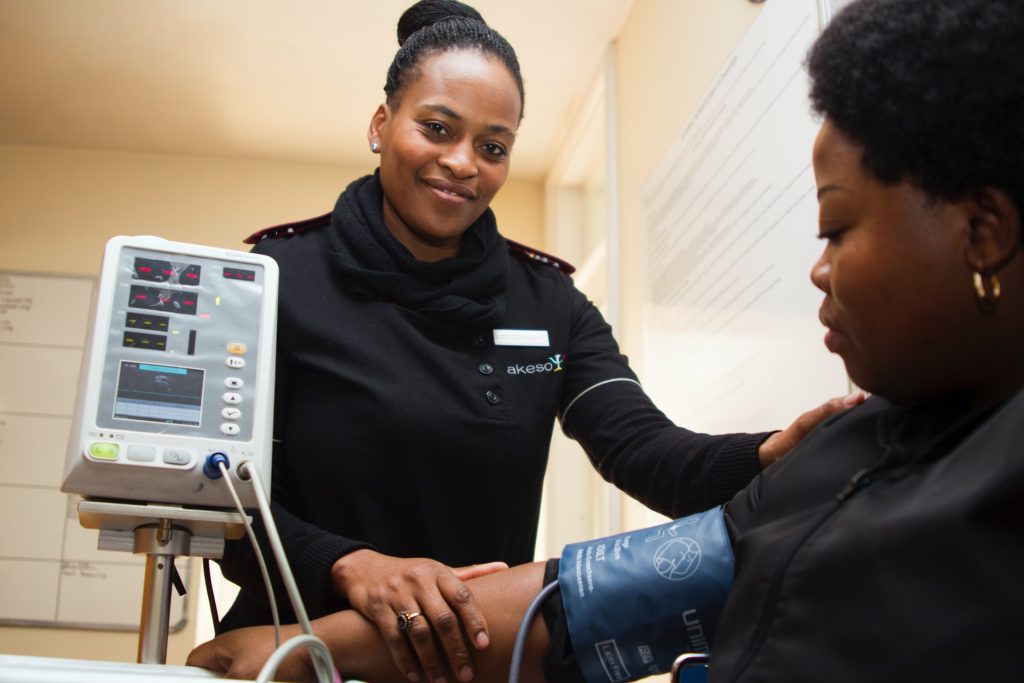
Photo by Hush Naidoo on Unsplash

A study led by Johns Hopkins Medicine researchers concludes that commonly used ways of positioning the patient’s arm during blood pressure (BP) screenings can substantially overestimate test results and may lead to a misdiagnosis of hypertension.

In a report on the study, published in JAMA Internal Medicine, investigators examined the effects of three different arm positions: an arm supported on a desk, arm supported on a lap, and an unsupported arm hanging at the patient’s side. Researchers found that lap support overestimated systolic pressure by nearly 4mmHg, and an unsupported arm hanging at the side overestimated systolic pressure by nearly 7mmHg.

The findings confirm that arm position makes a “huge difference” when it comes to an accurate blood pressure measurement, says Tammy Brady, MD, PhD, senior author of the study. And they underscore the importance of adhering to clinical guidelines calling for firm support on a desk or other surface when measuring blood pressure, the investigators add.

The latest clinical practice guidelines from the American Heart Association emphasise several key steps for an accurate measurement – including appropriate cuff size, back support, feet flat on the floor with legs uncrossed, and an appropriate arm position, in which the middle of an adjustable BP cuff is positioned at mid-heart level on an arm supported on a desk or table.

Despite these recommendations, the researchers say BP is too often measured with patients seated on an exam table without any, or inadequate, arm support. In some cases, a clinician holds the arm, or the patient holds an arm in their lap. In the new Johns Hopkins study, the researchers recruited 133 adult participants (78% Black, 52% female) between Aug. 9, 2022, and June 1, 2023. Study participants, who ranged from age 18 to 80, were sorted at random into one of six possible groups that differed by order of the three seated arm positions. Measurements were taken during a single visit between 9 a.m. and 6 p.m. Before BP measures were taken, all participants first emptied their bladders and then walked for two minutes to mimic a typical clinical scenario in which people walk into a clinic or office before screening takes place. They then underwent a five-minute, seated rest period with their backs and feet supported. Each person, wearing an upper arm BP cuff selected and sized based on their upper arm size, had three sets of triplicate measurements taken with a digital blood pressure device 30 seconds apart.

Upon completion of each set of three measurements, the cuff was removed, participants walked for two minutes and rested for five minutes. In the same visit, they then underwent a fourth set of triplicate measurements with their arm supported on a desk, a set used to account for well-known variations in BP readings. All of the measurements were conducted in a quiet and private space, and participants were asked not to talk to researchers or use their phones during the screening.

Researchers found that BP measurements obtained with arm positions frequently used in clinical practice – an arm on the lap or unsupported at the side – were markedly higher than those obtained when the arm was supported on a desk, the standard, recommended arm position. Supporting the arm on the lap overestimated systolic and diastolic BP by 3.9mmHg and 4.0mmHg, respectively. An unsupported arm at the side overestimated systolic by 6.5mmHg and diastolic by 4.4mmHg.

“If you are consistently measuring blood pressure with an unsupported arm, and that gives you an overestimated BP of 6.5mmHg, that’s a potential difference between a systolic BP of 123 and 130, or 133 and 140 – which is considered stage 2 hypertension,” says study author Sherry Liu, MHS, an epidemiology research coordinator at Johns Hopkins Bloomberg School of Public Health.

Investigators caution that their study results may only apply during screenings with automated BP devices, and may not apply to readings done with other BP devices.

However, Brady says, the findings suggest that clinicians need to pay better attention to best practice guidelines, and that patients “must advocate for themselves in the clinical setting and when measuring their BP at home.”

Source: Johns Hopkins Medicine

Humans are Approaching a Hard Limit in Life Expectancy Gains

Photo by Matteo Vistocco on Unsplash

Life expectancy increased dramatically over the 19th and 20th centuries, thanks to improvements such as healthier diets and medical advances. But after nearly doubling over the course of the 20th century, the rate of increase has slowed considerably in the last three decades, according to a new study led by the University of Illinois Chicago.

Despite frequent breakthroughs in medicine and public health, life expectancy at birth in the world’s longest-living populations has increased only an average of six and a half years since 1990, the analysis found. That rate of improvement falls far short of some scientists’ expectations that life expectancy would increase at an accelerated pace in this century and that most people born today will live past 100 years.

The Nature Aging paper offers new evidence that humans are approaching a biologically based limit to life. The biggest boosts to longevity have already occurred through successful efforts to combat disease, said lead author S. Jay Olshansky of the UIC School of Public Health. That leaves the damaging effects of aging as the main obstacle to further extension.

“Most people alive today at older ages are living on time that was manufactured by medicine,” said Olshansky, a professor of epidemiology and biostatistics. “But these medical Band-Aids are producing fewer years of life even though they’re occurring at an accelerated pace, implying that the period of rapid increases in life expectancy is now documented to be over.”

That also means extending life expectancy even more by reducing disease could be harmful, if those additional years aren’t healthy years, Olshansky added. “We should now shift our focus to efforts that slow aging and extend healthspan,” he said. Healthspan is a relatively new metric that measures the number of years a person is healthy, not just alive.

Life expectancy increased rapidly through the 19th century and first half of the 20th century. In 1990, some scientists predicted those rapid gains would continue, leading to “radical life extension.” But a new analysis proposes that we may be nearing the limit of human longevity. (Strategic Marketing and Communications / UIC)

The analysis, conducted with researchers from the University of Hawaii, Harvard and UCLA, is the latest chapter in a three-decade debate over the potential limits of human longevity.

In 1990, Olshansky published a paper in Science that argued humans were approaching a ceiling for life expectancy of around 85 years of age and that the most significant gains had already been made. Others predicted that advances in medicine and public health would accelerate 20th-century trends upward into the 21st century.

Thirty-four years later, the evidence reported in the 2024 Nature Aging study supports the idea that life expectancy gains will continue to slow as more people become exposed to the detrimental and immutable effects of aging. The study looked at data from the eight longest-living countries and Hong Kong, as well as the United States – one of only a handful of countries that has seen a decrease in life expectancy in the period studied.

“Our result overturns the conventional wisdom that the natural longevity endowment for our species is somewhere on the horizon ahead of us – a life expectancy beyond where we are today,” Olshansky said. “Instead, it’s behind us – somewhere in the 30- to 60-year range. We’ve now proven that modern medicine is yielding incrementally smaller improvements in longevity even though medical advances are occurring at breakneck speed.”

While more people may reach 100 years and beyond in this century, those cases will remain outliers that won’t move average life expectancy significantly higher, Olshansky said.

That conclusion pushes back against products and industries, such as insurance and wealth-management businesses, which increasingly make calculations based on assumptions that most people will live to be 100.

“This is profoundly bad advice because only a small percentage of the population will live that long in this century,” Olshansky said. 

But the finding doesn’t rule out that medicine and science can produce further benefits, he said. There may be more immediate potential in improving quality of life at older ages instead of extending life, the authors argue. More investment should be made in geroscience – the biology of aging, which may hold the seeds of the next wave of health and life extension.

“This is a glass ceiling, not a brick wall,” Olshansky said. “There’s plenty of room for improvement: for reducing risk factors, working to eliminate disparities and encouraging people to adopt healthier lifestyles – all of which can enable people to live longer and healthier. We can push through this glass health and longevity ceiling with geroscience and efforts to slow the effects of aging.”

Source: University of Illinois Chicago

Scientists Discover a Secret to Regulating our Circadian Rhythm

Photo by Mert Kahveci on Unsplash

A team of scientists in Singapore and the US uncovered how a protein that controls our biological clock modifies its own function, offering new ways for treating jet lag and seasonal adjustments

Scientists from Duke-NUS Medical School and the University of California, Santa Cruz, have discovered the secret to regulating our internal clock. They identified that this regulator sits right at the tail end of Casein Kinase 1 delta (CK1δ), a protein which acts as a pace setter for our internal biological clock or the natural 24-hour cycles that control sleep-wake patterns and other daily functions, known as circadian rhythm.

Published in the journal PNAS, their findings could lead to new treatments for circadian rhythm disorders.

CK1δ regulates circadian rhythms by tagging other proteins involved in circadian rhythm to fine-tune the timing of these rhythms. In addition to modifying other proteins, CK1δ itself can be tagged, thereby altering its own ability to regulate the proteins involved in running the body’s internal clock.

Previous research identified two distinct versions of CK1δ, known as isoforms δ1 and δ2, which vary by just 16 building blocks or amino acids right at the end of the protein in a part called the C-terminal tail. Yet these small differences significantly impact CK1δ’s function. While it was known that when these proteins are tagged, their ability to regulate the body clock decreases, no one knew exactly how this happened.

Using advanced spectroscopy and spectrometry techniques to zoom in on the tails, the researchers found that how the proteins are tagged is determined by their distinct tail sequences.

Professor Carrie Partch at the University of California, Santa Cruz and corresponding author of the study explained:

“Our findings pinpoint to three specific sites on CK1δ’s tail where phosphate groups can attach, and these sites are crucial for controlling the protein’s activity. When these spots get tagged with a phosphate group, CK1δ becomes less active, which means it doesn’t influence our circadian rhythms as effectively. Using high-resolution analysis, we were able to pinpoint the exact sites involved—and that’s really exciting.”

Having first studied this protein more than 30 years ago while investigating its role in cell division, Professor David Virshup, the director of the Cancer and Stem Cell Biology Programme at Duke-NUS and co-corresponding author of the study, elaborated:

“With the technology we have available now, we were finally able to get to the bottom of a question that has gone unanswered for more than 25 years. We found that the δ1 tail interacts more extensively with the main part of the protein, leading to greater self-inhibition compared to δ2. This means that δ1 is more tightly regulated by its tail than δ2. When these sites are mutated or removed, δ1 becomes more active, which leads to changes in circadian rhythms. In contrast, δ2 does not have the same regulatory effect from its tail region.”

This discovery highlights how a small part of CK1δ can greatly influence its overall activity. This self-regulation is vital for keeping CK1δ activity balanced, which, in turn, helps regulate our circadian rhythms.

The study also addressed the wider implications of these findings. CK1δ plays a role in several important processes beyond circadian rhythms, including cell division, cancer development, and certain neurodegenerative diseases. By better understanding how CK1δ’s activity is regulated, scientists could open new avenues for treating not just circadian rhythm disorders but also a range of conditions.

The researchers plan to further investigate how real-world factors, such as diet and environmental changes, affect the tagging sites on CK1δ. This could provide insights into how these factors affect circadian rhythms and might lead to practical solutions for managing disruptions.

Source: Duke-NUS Medical School

Real-time Data Helps Research on when Older People Fall

Photo by Kampus Production on Pexels

When older people lose their balance, they often struggle to recall the circumstances, making studying this phenomenon challenging. Now, a Virginia Tech study using wrist-worn voice recorders concludes that voice recorders are effective at capturing the circumstances and context in which they lost their balance and potentially fell, without relying on recall later. The findings were recently published in the Journal of American Geriatrics Society.

The study, led by Michael Madigan in the College of Engineering, builds on years of his own foundational work and prior research conducted by the University of Michigan Medical School.  “In the past, researchers would ask participants to recall what they were doing when they lost their balance, but memory can be unreliable,” said Madigan. “With this new method, participants record their experiences immediately after an incident, providing much more accurate and detailed information.” 

Real-world insight

In this study, 30 participants, who averaged around 72 years of age, wore voice recorders on their wrists over the course of three weeks, and in the event of balance loss, turned them on to record answers to these key questions: 

  • When and where did the balance loss occur? 
  • What were they doing at the time? 
  • How did they attempt to regain their balance – did they grab a railing, take steps, or sit down? 
  • Why do they think they lost their balance? 
  • Did they fall? 

This immediate, self-reported data was analysed by Madigan and his team. Instead of waiting to meet with researchers after losing their balance, participants could reflect on what happened in the moment. 

“We’re trying to better understand the circumstances in which people lose their balance,” Madigan said. “This process doesn’t require people to think back weeks or months to an incident, especially when memory can be unreliable.” 

Participant experience

Maria Moll, a retired epidemiologist and study participant, found the research particularly meaningful, especially as someone in her 70s who remains physically active. After a friend experienced a fall, Moll became more interested in contributing to balance-loss prevention research. 

“I’ve always been interested in physical fitness and balance, especially as I age,” said Moll. “This study made me more mindful of my movements, particularly during more challenging activities like hiking.” 

The future of real-world data collection

Looking ahead, the team plans to expand the study to larger groups and combine the data with other lab-based measurements. By doing so, they hope to identify individuals who are most at risk of balance loss and develop strategies to proactively address those risks. 

“We want to give clinicians the tools to intervene before a fall occurs,” said Madigan. “This method can provide more reliable, detailed information that helps us understand not just how people lose their balance, but why.” 

Source: Virginia Tech

From Stress to Strength: The Impact of Mental Health Support in the Workplace

Photo by Usman Yousaf on Unsplash

As the world continues to face unprecedented challenges, including geopolitical tensions, extreme weather events, disease outbreaks, and economic uncertainty, the mental health of employees has become a pressing concern. This year’s World Mental Health Day theme, “Mental Health at Work”, is a crucial reminder for organisations to take action to safeguard their workforce’s mental health and wellbeing. In alignment with this theme, International SOS, the world’s leading health and security risk services company, encourages organisations worldwide to recognise the critical importance of mental wellbeing and resilience within their workforce.

Heightened anxiety

The increasing frequency and intensity of global crises, coupled with elevated job demands, are contributing to heightened levels of stress and anxiety, further exacerbating mental health concerns among the global workforce. According to the World Health Organization (WHO), an estimated 15% of working-age adults are experiencing a mental disorder at any single point in time.

Additionally, International SOS assistance data(2022 – 2024) reveals that over the past two years, the top five mental health-related assistance requests the organisation received are:

  1. Anxiety
  2. Depression
  3. Panic disorder
  4. Attention Deficit Hyperactivity Disorder (ADHD)
  5. Acute stress 

Burnout has also become a prominent issue among employees, with one in four employees worldwide reporting symptoms of burnout. The International SOS Risk Outlook 2024 report highlights employee burnout as a major threat impacting organisations.

Economic impact

Moreover, the economic impact of mental health issues cannot be ignored. The WHO estimates that globally, approximately 12 billion working days are lost annually to depression and anxiety, resulting in US$ 1 trillion in lost productivity per year. These figures highlight the importance for employers to create a workplace that promotes mental wellbeing and underscores the immense cost of neglecting employee mental health and wellbeing at work. Organisations play a pivotal role in shaping the mental health landscape by implementing policies and practices that promote wellbeing.

Dr Chris van Straten, Global Health Advisor Clinical Governance at International SOS said, “World Mental Health Day is a timely reminder for organisations to acknowledge and address the profound importance of mental wellbeing within their workforce. The workplace environment can have a significant impact on employee mental health, both positive and negative, by either fostering wellbeing or contributing to stress and anxiety. Just as we invest in employee physical safety, it is important to also understand that mental health is integral to overall health. It is therefore imperative to prioritise mental resilience.”

“Organisations can empower their employees to navigate challenges, thrive and contribute to a more positive and productive workplace by creating a supportive work environment that fosters open communication, empathy and understanding. Providing access to mental health professionals, counselling services, and employee assistance programmes is essential to ensure employees are equipped to navigate the complexities of today’s global landscape.”

To support the mental health and wellbeing of their workforce, International SOS provides advice for organisations:

  1. Cultivate a supportive work culture with strong leadership commitment: Create a workplace culture and environment that prioritises and promotes open communication on mental health. Ensure mental wellbeing initiatives are seamlessly integrated into relevant policies and practices to provide robust support.
  2. Provide accessible resources: Ensure employees have a toolkit of mental health resources at their fingertips, from counselling to self-guidance materials.
  3. Promote work-life balance: Offer flexible work arrangements and remote work options to help employees manage their personal and professional lives effectively. Encourage regular breaks and empower employees to prioritise their wellbeing.
  4. Training and education: Implement comprehensive mental health awareness campaigns to reduce stigma. Roll out mental health training, enabling everyone to spot, understand and assist with mental health challenges.
  5. Monitor and assess: Seek feedback and continuously monitor the mental health of employees through surveys and assessments, and adapt programmes as needed.
  6. Invest in emotional wellbeing: provide access to mindfulness sessions and stress management training—partner with certified mental health professionals to offer confidential counselling and support services.
  7. Employee Assistance Programmes (EAPs): Provide EAPs that offer confidential counselling and support services to employees. Promoting the availability and benefits of EAPs can encourage employees to seek help without fear of stigma, fostering a culture of openness and support.

South African and Australian Health Product Regulators to Share Regulatory Information and Expertise

Photo by Kindel Media

The South African Health Products Regulatory Authority (SAHPRA) and the Australian Therapeutic Goods Administration (TGA) have signed a Memorandum of Understanding (MoU), which will strengthen collaboration between the two health product regulators.

The MoU builds on the existing relationship between the health products regulators to improve capabilities in the assessment of medical products and therapeutic goods and their monitoring for continued efficacy, safety and quality once they are registered.

Areas of cooperation

SAHPRA and TGA will engage in data sharing aimed at improving the regulatory functions executed by both regulators. This will particularly focus on the assessment and approval of medical products and therapeutic goods, their monitoring for continued efficacy, and the surveillance for safety and adverse reaction (event) concerns.

According to SAHPRA’s Chief Executive Officer, Dr Boitumelo Semete-Makokotlela, the agreement with the TGA expands the geographical reach for both regulators’ pharmacovigilance programmes and augments their internal expertise.

“This partnership enables us to rely on each other’s strengths and regulatory outputs in the evaluation of health products both before they are registered and once they are approved for public use. This would improve therapeutic outcomes for the populations we exist for and increase the robustness of our post-registration surveillance for efficacy, safety and quality,” says Dr Semete-Makokotlela.

Deputy Secretary at the Australian Government Department of Health and Aged Care and head of the TGA, Professor Anthony Lawler, said: “TGA is very pleased to have strengthened our collaborative relationship with SAHPRA with the signing of this international agreement. We look forward to working alongside our regulatory counterparts in South Africa to share important regulatory information to ensure the continued safety, quality and efficacy of therapeutic products approved for market.”

Source: SAHPRA

What Happens in the Brain When a Person with Schizophrenia ‘Hears Voices’?

Source: Pixabay

Auditory hallucinations are likely the result of abnormalities in two brain processes: a “broken” corollary discharge that fails to suppress self-generated sounds, and a “noisy” efference copy that makes the brain hear these sounds more intensely than it should. That is the conclusion of a new study published October 3rd in the open-access journal PLOS Biology by Xing Tian, of New York University Shanghai, China, and colleagues.

Patients with certain mental disorders, including schizophrenia, often hear voices in the absence of sound.

Patients may fail to distinguish between their own thoughts and external voices, resulting in a reduced ability to recognise thoughts as self-generated.

In the new study, researchers carried out electroencephalogram (EEG) experiments measuring the brain waves of twenty patients diagnosed with schizophrenia with auditory hallucinations and twenty patients diagnosed with schizophrenia who had never experienced such hallucinations.

In general, when people are preparing to speak, their brains send a signal known as “corollary discharge” that suppresses the sound of their own voice.

However, the new study showed that when patients with auditory hallucinations were preparing to speak a syllable, their brains not only failed to suppress these internal sounds, but had an enhanced “efference copy” response to internal sounds other than the planned syllable.

The authors conclude that impairments in these two processes likely contribute to auditory hallucinations and that targeting them in the future could lead to new treatments for such hallucinations.

The authors add, “People who suffer from auditory hallucinations can ‘hear’ sounds without external stimuli. A new study suggests that impaired functional connections between motor and auditory systems in the brain mediate the loss of ability to distinguish fancy from reality.”

Provided by PLOS

New Approach to MS ‘Teaches’ Immune Cells not to Attack

Myelin sheath damage. Credit: Scientific Animations CC4.0

Researchers from have found a potential new way to improve the treatment of multiple sclerosis (MS) using a novel combined therapy. The results, published in the Journal of Clinical Investigation, builds on two harmonised Phase I clinical trials, focusing on the use of Vitamin D3 tolerogenic dendritic cells (VitD3-tolDCs) to regulate the immune response in MS patient.

Multiple Sclerosis (MS) is a long-term disease where the immune system mistakenly attacks the protective myelin sheath around nerve cells. This leads to nerve damage and worsening disability. Current treatments, like immunosuppressants, help reduce these harmful attacks but also weaken the overall immune system, leaving patients vulnerable to infections and cancer. Scientists are now exploring a more targeted therapy using special immune cells, called tolerogenic dendritic cells (tolDCs), from the same patients.

TolDCs can restore immune balance without affecting the body’s natural defences. However, since a hallmark of MS is precisely the dysfunction of the immune system, the effectiveness of these cells for auto transplantation might be compromised. Therefore, it is essential to better understand how the disease affects the starting material for this cellular therapy before it can be applied.

In this study, researchers from Barcelona’s Germans Trias i Pujol Institute and Josep Carreras Leukaemia Research Institute, examined CD14+ monocytes, mature dendritic cells (mDCs), and Vitamin D3-treated tolerogenic dendritic cells (VitD3-tolDCs) from MS patients who had not yet received treatment, as well as from healthy individuals. The clinical trials (NCT02618902 and NCT02903537) are designed to assess the effectiveness of VitD3-tolDCs, which are loaded with myelin antigens to help “teach” the immune system to stop attacking the nervous system. This approach is groundbreaking as it uses a patient’s own immune cells, modified to induce immune tolerance, in an effort to treat the autoimmune nature of MS.

The study, led by Dr Eva Martinez-Cáceres and Dr Esteban Ballestar, with Federico Fondelli as first author, found that the immune cells from MS patients (monocytes, precursors of tolDCs) have a persistent “pro-inflammatory” signature, even after being transformed into VitD3-tolDCs, the actual therapeutic cell type. This signature makes these cells less effective compared to those derived from healthy individuals, missing part of its potential benefits.

Using state-of-the-art research methodologies, the researchers identified a pathway, known as the Aryl Hydrocarbon Receptor (AhR), that is linked to this altered immune response. By using an AhR-modulating drug, the team was able to restore the normal function of VitD3-tolDCs from MS patients, in vitro. Interestingly, Dimethyl Fumarate, an already approved MS drug, was found to mimic the effect of AhR modulation and restore the cells’ full efficacy, with a safer toxic profile.

Finally, studies in MS animal models showed that a combination of VitD3-tolDCs and Dimethyl Fumarate led to better results than using either treatment on its own. This combination therapy significantly reduced symptoms in mice, suggesting enhanced potential for treating human patients.

These results could lead to a new, more potent treatment option for multiple sclerosis, offering hope to the millions of patients worldwide who suffer from this debilitating disease. This study represents a significant step forward in the use of personalised cell therapies for autoimmune diseases, potentially revolutionising how multiple sclerosis is treated.

The team is now preparing to move into Phase II trials to further explore these findings.

Source: Josep Carreras Leukaemia Research Institute

Mandatory Health Insurance for SA is an ‘Upgrade’ on NHI, Proponents Say

Photo by Hush Naidoo Jade Photography on Unsplash

By Chris Bateman

The idea of mandatory medical scheme coverage for employed people has made a comeback after the case for it was made at a recent conference. The policy move was previously on the cards in South Africa but faded after the ANC opted for National Health Insurance (NHI) at its 2007 national congress where Jacob Zuma was elected as the party’s new leader. Chris Bateman unpacks how a system with mandatory medical scheme membership for the employed might work and asked local experts whether it represents a viable alternative to government’s NHI plans.

A vigorous public debate has ensued since outgoing Netcare CEO, Dr Richard Friedland, on behalf of the Hospital Association of South Africa (HASA) delivered a strongly argued case for a return to what he described as the original ANC healthcare plan. He was speaking on “Viable and Near-term Opportunities to Providing Enhanced Healthcare in South Africa,” at HASA’s annual conference in Sandton held early in September.

Since then, the leadership of Business Unity SA (BUSA) met with President Cyril Ramaphosa and Health Minister Dr Aaron Motsoaledi, and his deputy and other senior officials, in mid-September to discuss “matters of concern” related to the NHI. The President requested BUSA to put forward specific proposals on “the remaining matters of concern” as a basis for re-engagement.

Some observers have suggested to Spotlight that these consultations are a first sign of government openness to changing or tweaking its NHI plans. But whether this means the door is actually open for a system of mandatory health insurance, or for mandatory health insurance as a stepping-stone toward NHI, is still unclear.

The NHI Act, that was signed into law by Ramaphosa in May, envisages a single-payer system where medical schemes are only allowed to cover health services that are not covered by the NHI fund.

How mandatory health insurance would work

Under mandatory health insurance, everyone who is in formal employment, or who earns above a certain threshold, would be forced by law to be a member of a medical scheme. This will result in medical scheme membership swelling substantially and some pressure being taken off the public healthcare system. It is also expected to result in medical scheme premiums being reduced because more healthy, younger people will join the schemes. People who are unemployed or who cannot afford health insurance will still be dependent on the public healthcare system.

Friedland said such mandatory healthcare insurance will triple the medical scheme market from 9.2 million to potentially 27.5 million beneficiaries over time and reduce those dependent on the state from 53.8 million to 35.5 million. In so doing, it would boost public healthcare per capita spending by 52%, (from R5 054 to R7 659), without any additional funding of the public sector budget, alleviate the strain on public hospitals and clinics, shorten waiting lists, and free up money to hire more staff and improve infrastructure. He said it is a “far faster and more efficient tool” for achieving health equity.

Responding to the counter argument that a mandatory health insurance system would entrench existing health inequalities, Professor Alex van den Heever, Chair of Social Security Systems Administration and Management Studies at the University of the Witwatersrand, said the opposite is true. “It accelerates convergence between the two systems faster than the NHI proposals,” he told Spotlight.

The relief for people who can afford medical scheme cover could also be significant. Friedland said mandatory medical scheme membership would bring more young and healthy people into the system, thus reducing the cost of monthly premiums by 25% to 30%.

Mandatory contribution schemes for civil servants have been implemented in more than half of the countries in Africa, while Thailand and many other Asian countries have started with mandatory cover for the formal sector before expanding to the non-formal sector. Such systems with what amounts to many medical schemes, rather than a single large fund, are also in place in several European countries, including the Netherlands and Germany.

Not a new idea

Mandatory health insurance, or an expanded role for medical schemes, are by no means new ideas in South Africa. Friedland told Spotlight that the ANC government’s own broad ranging 2002 inquiry into the various social security aspects of the South African health system concluded that national health insurance or the complete nationalisation of the private sector, could not be seriously considered as a reasonable option. (The inquiry itself was based on the Health Subcommittee Findings of the Committee of Inquiry into a Comprehensive System of Social Security.)

That 2002 report concluded: “National health insurance is not an option that emerges overnight as an alternative to social health insurance. Instead, it becomes feasible within market economies where formal employment levels are high. Prior to this, mixed systems are inevitable.”

One indication of how committed government was to such a mixed system with an expanded role for medical schemes in the early and mid-2000s, is the fact that the legislative framework to enable the expansion of medical scheme coverage was incorporated into the 2008 Medical Schemes Amendment Bill. That bill did not go as far as making scheme membership mandatory, but a mandatory system was clearly a next step on the reform agenda, as outlined in the very wide-ranging 2002 Taylor report on social security in South Africa. But presumably because of the NHI proposals, the 2008 amendments were allowed to lapse – and the scaffolding for a progressive expansion of medical scheme coverage collapsed.

There have since been several committees of inquiry and technical processes that validated an ongoing role for medical schemes, of which the Competition Commission’s Health Market Inquiry (HMI), that ran for five years (2014 to 2019), was the most technically detailed, consultative and authoritative. The HMI report did not recommend that medical scheme membership be made mandatory for people who are employed, but it did recommend a continued role for medical schemes and suggested that the most viable path to NHI may well involve first fixing the regulation of medical schemes.

Van den Heever said South Africa needs to quickly return to the pre-2008 reform trajectory to help stabilise the health system, “before more harm is done”. Government needs to summon up the political will to address the systemic governance failures of the public health system, removing the “bad actors and provincial cabals” that were destroying the integrity of South Africa’s free public health services, he added.

Better regulation also needed

For a system of mandatory health insurance to work, medical schemes will have to be more effectively regulated. Here the HMI report found that government had dropped the ball. It attributed the private health market failure and rampant medical inflation directly to government neglecting to regulate the private healthcare industry.

Health actuarial consultant, Barry Childs, joint CEO of Insight Actuaries and Consultants, told Spotlight private healthcare sector reforms urged by the HMI were ignored, resulting in ongoing confusion, high costs, complicated products and waste, among other problems. “Our incomplete medical scheme regulation keeps costs up, (for example anti selection, Prescribed Minimum Benefits), with benefits out of reach of most. We still don’t have a proper framework for lower cost-lower benefit products for those who cannot afford medical schemes,” he said.

The HMI report recommended a framework that went “way beyond naïve approaches to price control”, said Van den Heever, and addressed the powerful incentive structures driving unproductive forms of competition. In addition, he said, the industry-wide pooling approaches (risk equalisation and social reinsurance) followed international best practice and fully addressed issues of pooling fragmentation.

In the five years since the publication of the Commission’s HMI report, none of its major recommendations have been implemented.

Jobs and taxes

One common thread running back to the 2002 report, is the idea that South Africa is not economically ready for NHI and that a mixed system, possibly with mandatory health insurance, is more compatible with the current realities of high unemployment and a relatively small tax base.

“The root cause of inequity and inequality is not just a new form of apartheid. The real reason is the catastrophic level of unemployment. Until we address that, we will not solve an entire range of inequities, including food security, housing, education, and healthcare,” said Friedland.

On joblessness, Childs said South Africa was on track with the rest of the world’s growth up to 2008 but thereafter flat lined for over a decade. “We have dramatically underperformed the rest of the world and our peer group of middle-income countries in long term economic growth.”

In South Africa, unemployment is at an extremely high 33.5%, while in 2002 it was at 26%.

“If an NHI was unaffordable in 2002, how much more so is it today?” Friedland asked. He said that in this context, strong partnership, collaboration, and co-operation between the public and private sector is needed to bridge the polarisation that has arisen.

Analysis commissioned by BUSA found that raising the extra R200bn the health department says it needs to fund NHI would entail unrealistic and unaffordable tax hikes. It would either increase personal income tax by 31%, push VAT from 15% to 21.5%, or require the collection of a payroll tax of R1 565 per month from everyone in formal employment.

Van den Heever said that while government has a discretion to increase tax rates to any level it chooses, it cannot control the resulting amount of funds raised. He said that once tax capacity is reached, a hard ceiling on government revenue results at any given level of economic growth. The only way to grow revenues thereafter is through economic growth, failing which, revenues stagnate beyond government control.

The “big idea”, he said, was that new taxes would fund the move of medical scheme members to the public sector, in the form of a single NHI Fund, such that both public sector and medical scheme populations were covered in the same system – with net gains in coverage for both.

However, contrary to what was “correctly understood” from 1994 to the 2002 Taylor Commission, “the maths for such an approach, just does not add up”, said Van den Heever.

“The fastest way to de-segment the system is to allocate all new government revenues arising from economic growth to the people who need it most. This is not what the NHI proposals envisage. They want to dilute the public spend by trying to cover higher income groups. It is dangerous magical thinking that allows government to avoid dealing with the complex problems of the health system. Government needs to get back to its day job and do the heavy lifting needed to get our health system working again.”

Government response

Spotlight shared an earlier draft of this article with the National Department of Health for comment. While the department did not comment directly on mandatory health insurance, Foster Mohale, the department’s Director of Communications, emphatically reiterated their support for NHI and the NHI Act that was signed into law in May.

“There is no better time than now to reform South Africa’s health system. It is time to do away with the apartheid type of health system, and to reconfigure it into one that ensures that every South African gets the health care that they need, when they need, where they need and without incurring financial hardship. With the enactment of the NHI Act, the time for piecemeal approaches that retain benefits for the few and leave the majority to the whims of the market is no more,” Mohale told Spotlight.

He said that many countries, including Japan and the United Kingdom, have implemented health system reforms directed at achieving universal health coverage during times of crisis and low economic growth. “Therefore, to say that South Africa must sit and wait for some oracle numbers to emerge before instituting NHI is merely to argue that we must consciously let those that are carving profits and dividends from the anomalies that characterise our health system to continue. This is an irresponsible position that the Department cannot adopt as health is a constitutionally enshrined right for every South African, not just a privileged few,” he said.

On the questions of taxes, Mohale said: “We will not delve into the projected tax implications because we believe this is a matter that squarely falls under the purview of the National Treasury and the Minister of Finance. Suffice to say at the right time, and after necessary deliberations through formal government structures and processes, any information relating to this will be communicated to the public for comments prior to finalisation.”

Note: The 2002 Tailor report titled ‘Transforming the present – Protecting the future’ is not readily available online. There is this PDF version (unfortunately not searchable and with poor accessibility). For ease of use, we have created a Word version of the document that you can access here. Health is discussed in chapter 8.

Republished from Spotlight under a Creative Commons licence.

Read the original article