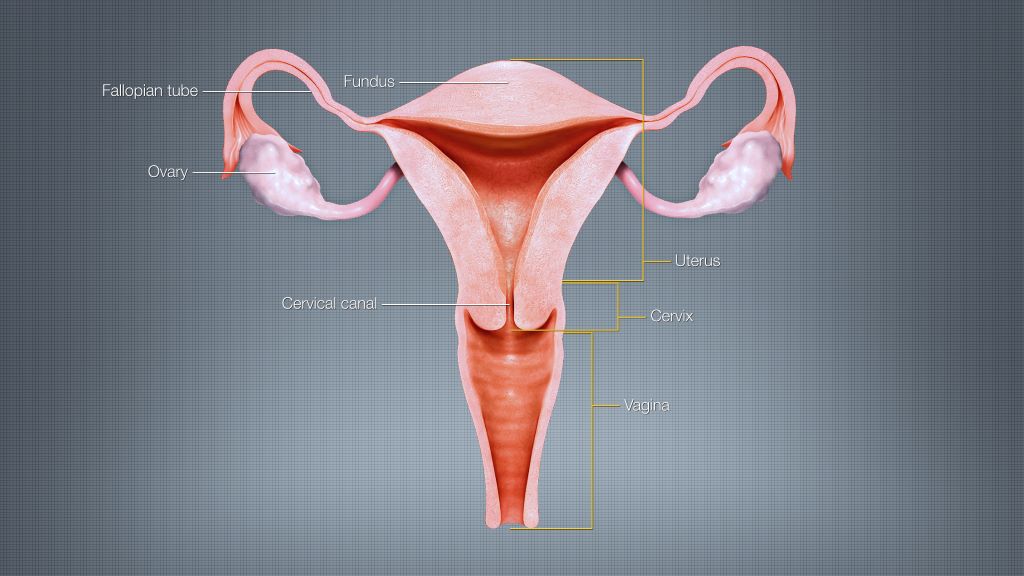
Category: Obstetrics & Gynaecology

Placenta Acts to Shield Foetus from Serotonin
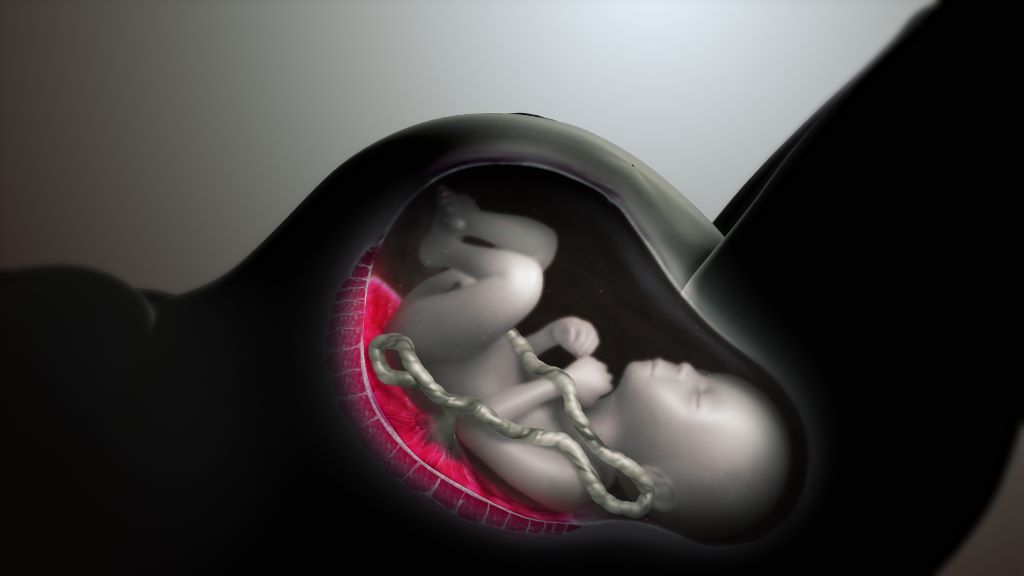
Image by Scientific Animations CC4.0

The placenta has long been thought to produce serotonin during pregnancy. But in a new study, Yale researchers shatter the deep-rooted hypothesis – and show that the placenta doesn’t produce serotonin but instead regulates its delivery to the embryo and foetus. They found that serotonin comes from the pregnant parent, with the placenta acting as a “serotonin shield” that controls how much reaches the embryo and foetus. 

The findings, published in the journal Endocrinology, could offer critical insights into how a parent’s serotonin levels might affect the development of their baby’s body and brain, the researchers say. 

“The placenta is in essence the ‘serotonin shield’ that regulates how much serotonin is ultimately delivered to the embryo and foetus, not the source of serotonin,” said Harvey Kliman, a research scientist in the Department of Obstetrics, Gynecology, and Reproductive Sciences at Yale School of Medicine and corresponding author of the study. “Why does this matter? Because now we correctly know where this delivery is regulated.”

Often called a “happiness hormone,” serotonin regulates mood, so it’s often associated with the brain. In reality, less than 5% of serotonin is made in the brain, with 95% of it made in the gut. But serotonin does more than just regulate mood. It’s also a growth hormone. In the gut, it gets taken up by platelets and is delivered to parts of the body that need to grow, including in wound healing. 

During pregnancy, serotonin also helps with growth: It travels into the placenta through a special protein known as the serotonin transporter (SERT) where it plays a critical role in the development of the embryo and foetus. 

Serotonin from the mother is taken up by the foetal placenta, which then produces a myriad of hormones, growth factors, and regulators that are delivered to the foetus.

For the new study, researchers sought to better understand these relationships by using a pure source of placenta cells, unlike in previous studies that looked at either whole animals or isolated mouse placentas. To do so, they first purified human cytotrophoblasts, which are the stem cells that make all the cells of the placenta. They then added serotonin to those cells to see where it would go and discovered it concentrated in the nucleus. Next, they used a selective serotonin reuptake inhibitor (SSRI) that blocked SERT, escitalopram, to show that the normal growth, function, and differentiation of these cells was completely blocked. 

They also used another inhibitor called cystamine to block serotonylation, or the process by which serotonin is added to proteins like histone 3, which turns genes “on” and “off.” Again, that completely blocked the normal growth of the cells. 

Blocking either SERT or serotonylation led to significant changes in gene expression of RNAs in the cytotrophoblasts, they found. Some genes, including ones involved in making, moving, and growing cells, became downregulated, or less active, when serotonin couldn’t enter the cell. Other gene, including ones that help cells stay alive and protect them, became upregulated, or more active. According to the researchers, these findings show that serotonin is critical for the growth of the cytotrophoblasts, the placenta, and by extension, the foetus. 

Additionally, researchers discovered that the cytotrophoblasts don’t contain tryptophan hydroxylase (TPH-1), or the enzyme that makes serotonin, indicating the cells within the placenta can’t produce serotonin on their own. 

“This suggests that factors that either inhibit serotonin transport through the placenta, or increase it, may have a significant impact on the placenta, embryo, foetus, and ultimately, the newborn and its brain,” Kliman said.

For example, Kliman says this explains why taking SSRIs, which decrease the levels of serotonin into the placenta, leads to smaller babies, and why, conversely, increased levels of serotonin may lead to bigger babies, with bigger brains, who may be at increased risk for developmental disabilities like autism.

Kliman and his lab have long investigated the link between placentas and children with autism, specifically the number of trophoblast inclusions (TIs) in the placenta. TIs are like wrinkles or folds in the placenta, caused by cells multiplying more than they should, typically only seen in pregnancies where there are genetic problems with the foetus. 

This new study is the culmination of research first published in 2006 that found significantly more TIs in the placentas from children with autism, and later in 2021, that the genetics of the foetus, and not the parent’s uterine environment, determine how many TIs are in the placenta. 

“This puts a big nail into the theory that vaccines cause autism,” suggested Kliman. “Autism, in essence, starts in the womb, not after delivery, and is most likely due to the genetics of the placenta and to a lesser extent, the maternal environment the placenta finds itself in.”

Source: Yale News
Mother’s Microbes Play Role in Neonatal Brain Development

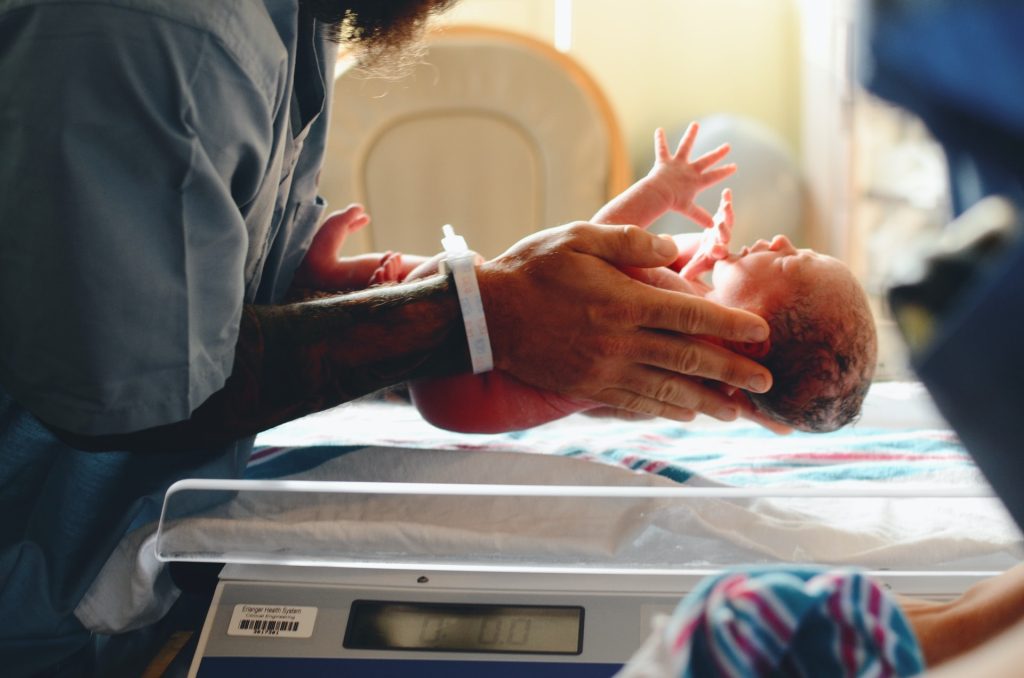
Photo by Christian Bowen on Unsplash

New research from Michigan State University finds that microbes play an important role in shaping early brain development, specifically in a key brain region that controls stress, social behaviour, and vital body functions.

The study, published in Hormones and Behavior, used a mouse model to highlight how natural microbial exposure not only impacts brain structure immediately after birth but may even begin influencing development while still in the womb. A mouse model was chosen because mice share significant biological and behavioural similarities with humans and there are no other alternatives to study the role of microbes on brain development.

This work is of significance because modern obstetric practices, like peripartum antibiotic use and Cesarean delivery, disrupt maternal microbes. In the United States alone, 40% of women receive antibiotics around childbirth and one-third of all births occur via Cesarean section.

“At birth, a newborn body is colonised by microbes as it travels through the birth canal. Birth also coincides with important developmental events that shape the brain. We wanted to further explore how the arrival of these microbes may affect brain development,” said Alexandra Castillo Ruiz, lead author of the study and assistant professor in the MSU Department of Psychology.

The research team focused on a brain region called the paraventricular nucleus of the hypothalamus (PVN), which plays a central role in regulating stress, blood pressure, water balance, and even social behaviour. Their previous work had shown that mice raised without microbes, or germ-free mice, had more dying neurons in the PVN during early development. The new study set out to determine whether this increased cell death translated to changes in neuron number in the long run, and if any effects could be caused by the arrival of microbes at birth or if they began in the womb via signals from maternal microbes.

To find out, the researchers used a cross-fostering approach. Germ-free newborn mice were placed with mothers that had microbes and compared them to control groups. When the brains of these mice were examined just three days after birth, results were striking: All mice gestated by germ-free mothers had fewer neurons in the PVN, regardless of whether they received microbes after birth. They also found that germ-free adult mice had fewer neurons in the PVN.

“Our study shows that microbes play an important role in sculpting a brain region that is paramount for body functions and social behaviour. In addition, our study indicates that microbial effects start in the womb via signaling from maternal microbes,” said Castillo-Ruiz.

Rather than shunning our microbes, we should recognise them as partners in early life development,” said Castillo-Ruiz. “They’re helping build our brains from the very beginning.”

Source: Michigan State University

Groundbreaking Ovarian Cancer Research Targets Cells that Fuel Tumour Growth

Female reproductive system. Credit: Scientific Animations CC4.0 BY-SA

In a recent paper published in Nature, researchers at the University of Chicago discovered how to block nicotinamide N-methyl transferase (NNMT), an enzyme that is involved in the progression of high-grade serous ovarian cancer. The team showed that NNMT promotes cancer growth by helping the tumour evade the immune system, and they also developed a potent NNMT inhibitor that could help overcome therapy resistance, providing a new and effective strategy for treating ovarian cancer.

A common yet deadly form of ovarian cancer

High-grade serous ovarian cancer is the most common and deadly form of ovarian cancer. It is often diagnosed at advanced stages and is notoriously challenging to treat. Although surgery and chemotherapy initially provide substantial benefits, the cancer frequently recurs, leading to low survival rates. Immunotherapy, a breakthrough treatment for many cancers, has failed in ovarian cancer, largely because activity of surrounding cells has been programmed by the tumour to suppress the immune response. These cells, known as cancer-associated fibroblasts (CAFs), differ from normal fibroblasts, which play a vital role in supporting tissue integrity and facilitating wound healing. Instead, CAFs surround the tumor, offer protection, and release signals that weaken immune responses and promote metastasis.

“Most therapies focus on the cancer cells, but we are interested in the fibroblasts in the surrounding stroma. These cells don’t mutate like cancer cells, which makes them more stable and, we think, more targetable,” said Ernst Lengyel, MD, PhD, Professor and Chair of Obstetrics and Gynecology at UChicago and lead author of the paper. “We have pinpointed the mechanism behind CAF activation and found a drug that can halt it in its tracks.”

NNMT: A master regulator

In a landmark 2019 Nature study, Lengyel’s team showed that NNMT, a metabolic enzyme, is highly expressed in CAFs and converts normal fibroblasts into tumour-promoting fibroblasts by changing epigenetic and metabolic programming. The new Nature study demonstrates how NNMT promotes immune evasion and how to stop it. The UChicago team discovered that NNMT-expressing CAFs secrete complementary proteins, which convert monocytes (a type of white blood cells) into myeloid-derived suppressor cells (MDSCs).

“The enzyme NNMT induces widespread epigenetic changes in fibroblasts that promote tumour growth. Inhibiting NNMT has the potential to reverse these changes and reduce the tumour-supportive role of fibroblasts,” says Janna Heide, MD, a postdoctoral researcher in the Lengyel Lab and first author of the study.

Better results with combined NNMT inhibitor and immunotherapy

To translate these findings into treatment, the team collaborated with scientists at the National Center for Advancing Translational Sciences (NCATS) and the National Cancer Institute (NCI) Experimental Therapeutics (NExT) program, which supports early-stage drug development with high translational potential. After screening over 150 000 compounds, they identified a highly targeted NNMT inhibitor. In preclinical animal models of ovarian cancer, the NNMT inhibitor decreased tumour burden and restored immune activity. Most importantly, when the inhibitor was combined with immune checkpoint inhibitors, it halted tumour growth.

Historically, drug development has focused almost entirely on cancer cells. This study demonstrates that non-cancerous cells in the tumour microenvironment can also play a crucial role in disease progression and treatment resistance. Targeting CAFs through NNMT inhibition offers a new therapeutic approach to overcome these barriers.

“Immunotherapy hasn’t worked in ovarian cancer, but the combination therapy of an NNMT inhibitor with immunotherapy worked remarkably well in our preclinical models,” Lengyel said. “It was exciting to show that tumor growth can be controlled without even touching the cancer cells, just by reprogramming the supporting cells around them.”

Lengyel said this research was only possible through the partnership with the National Center for Advancing Translational Sciences and the collaborative spirit at the UChicago, particularly with Ralph Weichselbaum, MD, Chair of the Department of Radiation Oncology, an expert in immune regulation, and his team, including postdoctoral researcher András Piffkó, MD. This work is part of Lengyel’s broader efforts to transform ovarian cancer treatment, supported by an NCI Outstanding Investigator Award (R35), which funds long-term, high-impact research with the potential to change clinical practices.

“Without NIH funding, we simply couldn’t have accomplished this,” Lengyel said. “It allowed us to take risks, innovate, and ultimately develop something that might help patients.”

Source: University of Chicago Medicine

Prenatal Paracetamol Use May Be Linked to Increased Risk of Autism and ADHD

Photo by SHVETS production

Researchers at the Icahn School of Medicine at Mount Sinai have found that prenatal exposure to paracetamol may increase the risk of neurodevelopmental disorders, including autism spectrum disorder and attention-deficit/hyperactivity disorder (ADHD), in children. The study, published in BMC Environmental Health, is the first to apply the rigorous Navigation Guide methodology to systematically evaluate the rigour and quality of the scientific literature.

Paracetamol (known as acetaminophen in the US and Canada) is the most commonly used over-the-counter pain and fever medication during pregnancy and is used by more than half of pregnant women worldwide. Until now, acetaminophen has been considered the safest option for managing headache, fever, and other pain. Analysis by the Mount Sinai-led team of 46 studies incorporating data from more than 100 000 participants across multiple countries challenges this perception and underscores the need for both caution and further study.

The Navigation Guide Systematic Review methodology is a gold-standard framework for synthesising and evaluating environmental health data. This approach allows researchers to assess and rate each study’s risk of bias, such as selective reporting of the outcomes or incomplete data, as well as the strength of the evidence and the quality of the studies individually and collectively.

“Our findings show that higher-quality studies are more likely to show a link between prenatal acetaminophen exposure and increased risks of autism and ADHD,” said Diddier Prada, MD, PhD, Assistant Professor of Population Health Science and Policy, and Environmental Medicine and Climate Science, at the Icahn School of Medicine at Mount Sinai. “Given the widespread use of this medication, even a small increase in risk could have major public health implications.”

The paper also explores biological mechanisms that could explain the association between acetaminophen use and these disorders. Paracetamol is known to cross the placental barrier and may trigger oxidative stress, disrupt hormones, and cause epigenetic changes that interfere with foetal brain development.

While the study does not show that paracetamol directly causes neurodevelopmental disorders, the research team’s findings strengthen the evidence for a connection and raise concerns about current clinical practices.

The researchers call for cautious, time-limited use of paracetamol during pregnancy under medical supervision; updated clinical guidelines to better balance the benefits and risks; and further research to confirm these findings and identify safer alternatives for managing pain and fever in expectant mothers.

“Pregnant women should not stop taking medication without consulting their doctors,” Dr Prada emphasised. “Untreated pain or fever can also harm the baby. Our study highlights the importance of discussing the safest approach with health care providers and considering non-drug options whenever possible.”

With diagnoses of autism and ADHD increasing worldwide, these findings have significant implications for public health policy, clinical guidelines, and patient education. The study also highlights the urgent need for pharmaceutical innovation to provide safer alternatives for pregnant women.

Source: Mount Sinai

Big Data Begins to Crack the Puzzle of Endometriosis

Photo by Sora Shimazaki on Pexels

Scientists at UC San Francisco have found that endometriosis, a painful chronic disease that often goes undiagnosed yet is estimated to affect as many as 200 million women worldwide, frequently occurs alongside conditions like cancer, Crohn’s disease, and migraine.

The research could improve diagnosis and, ultimately, treatments for endometriosis, preventing women from having to go on long diagnostic journeys in which they are told that nothing is wrong with them.

The study, which appeared in Cell Reports Medicine on July 31, used computational methods developed at UCSF to analyse anonymised patient records collected at the University of California’s six health centres.

“We now have both the tools and the data to make a difference for the huge population that suffers from endometriosis,” said Marina Sirota, PhD, the interim director of the UCSF Bakar Computational Health Sciences Institute (BCHSI), professor of pediatrics, and senior author of the paper. “We hope this can spur a sea change in how we approach this disorder.”

“The impact on patients’ lives is huge”

Endometriosis, often called ‘endo,’ occurs when the endometrium, the blood-rich tissue that grows in the uterus before being expelled each month during menstruation, spreads to other nearby organs. It causes chronic pain and infertility. It is estimated that nearly 10% of women worldwide suffer from it.

“Endo is extremely debilitating,” said Linda Giudice, MD, PhD, MSc, a physician-scientist in the Department of Obstetrics, Gynecology and Reproductive Sciences at UCSF and co-author of the paper. “The impact on patients’ lives is huge, from their interpersonal relationships to being able to hold a job, have a family, and maintain psychological wellbeing.”

The gold standard to diagnose endometriosis is surgery to find endometrial tissue outside of the uterus, and it is mainly treated with hormones to suppress the menstrual cycle, or surgery to remove the excess tissue.

But not everyone responds to hormonal therapy, which can have debilitating side effects. Even after surgery, the condition can flare up. Removal of the uterus is a last-ditch measure that is usually reserved for older women; but some women continue to experience pain even after a hysterectomy.

Giudice partnered with Sirota to leverage the UC health system’s anonymised patient data against endo, which can vary dramatically across patients. Both Giudice and Sirota are principal investigators at the UCSF-Stanford Endometriosis Center for Discovery, Innovation, Training and Community Engagement (ENACT).

“This data is messy; it was not collected for research purposes but for the real, human purpose of helping women who need care,” Sirota said. “We had the rare chance to rigorously assess how endometriosis presents across UCSF’s patient population and then ask whether these observations held true with patients seen at the other UC health centers.”

Data connects the dots for understanding endometriosis

Using algorithms developed for the task, Umair Khan, a bioinformatics graduate student in Sirota’s lab and first author of the paper, hunted for connections linking endometriosis with the rest of each patient’s health history.

He compared endo patients with patients who did not have it, and categorised the patients with endo into groups based on shared health histories. He mapped his findings from the UCSF data against the rest of the UC’s health data to see if they held up across California.

“We found over 600 correlations between endometriosis and other conditions,” Khan said. “These ranged from what we already knew or suspected, like infertility, autoimmune disease, and acid-reflux, to the unexpected, like certain cancers, asthma, and eye-related diseases.”

Some patients had migraines, bolstering previous studies suggesting that migraine drugs might help treat endometriosis.

“In the past, studies like this would have been nearly impossible,” said Tomiko Oskotsky, MD, an investigator at ENACT, associate professor in UCSF BCHSI, and co-author of the paper. “It was only 12 years ago that de-identified electronic health records became available at this scale.”

The study supports the growing understanding of endometriosis as a “multi-system” disorder – a disease arising from dysfunction throughout the body.

“This is the kind of data we need to move the needle, which hasn’t moved in decades,” Giudice said. “We’re finally getting closer to faster diagnosis and, eventually, we hope, tailored treatment for the millions of women who suffer from endometriosis.”

Source: University of California – San Francisco

Surrogates Have an Increased Risk of a Mental Illness Diagnosis

Source: Pixabay CC0

People who are gestational carriers (or “surrogates”) appear more likely to be diagnosed with a new mental illness during and after pregnancy, according to new research from ICES, McGill University, and the Research Institute of the McGill University Health Centre. 

As the number of births by surrogacy increases, this is the first large study using Ontario-based health data to explore the mental health challenges faced by some surrogates. 

Despite guidelines requiring mental health screening, the researchers found that nearly 1 in 5 gestational carriers had a prior mental illness diagnosis before pregnancy—including some with serious conditions that may have made them ineligible to carry a pregnancy for someone else. 

“Our findings underscore the importance of adequate screening and counselling of potential gestational carriers before pregnancy about the possibility of a new-onset mental illness, or exacerbation of a prior mental-illness during or after pregnancy,” says lead author Dr. Maria Velez, an adjunct scientist at ICES, associate professor at McGill University, and scientist at the Research Institute of the McGill University Health Centre. 

The study, published in JAMA Network Open, included 767 406 births at more than 20 week’s gestation in Ontario, Canada between 2012 and 2021 among women without known mental illness before pregnancy. Comparison groups included 97.6% (748,732) who were conceived without assistance, 2.3% (17,916) by IVF and 0.1% (758) using gestational carriers. 

Gestational carriers were more likely to have previously given birth, resided in a lower-income area, and had higher rates of obesity and chronic hypertension. 

Adequate mental health support needed 

The incidence rate per 100 person-years of new-onset mental illness was 5.2 among non-gestational carriers with unassisted conception, 5.0 among non-gestational carriers who conceived by IVF, and 6.9 among gestational carriers. 

The findings were even more pronounced for mental illness that was newly diagnosed through an emergency department encounter or a hospitalisation, compared to an outpatient mental illness diagnosis. 

“Unfortunately, fewer than half of those who visit the emergency room for mental health concerns after childbirth receive timely follow-up care which leaves many, especially gestational carriers, at risk during a vulnerable period,” says Velez. 

The authors say that they hope this study will inform future guidelines that ensure adequate mental health support for gestational carriers during and after pregnancy. 

Source: ICES

How Obesity also Affects the Next Generation

Study reveals why children of obese mothers are more likely to develop metabolic disorders

Metabolites – from the mother permanently reprogram Kupffer cells. This changes their function, causes liver cells (hepatocytes) to accumulate fat and ultimately leads to a fatty liver. The graphic was created with BioRender.com (http://BioRender.com). © Image: AG Mass/University of Bonn

Children born to obese mothers are at higher risk of developing metabolic disorders, even if they follow a healthy diet themselves. A new study from the University of Bonn published in the journal Nature offers an explanation for this phenomenon. In obese mice, certain cells in the embryo’s liver are reprogrammed during pregnancy. This leads to long-term changes in the offspring’s metabolism. The researchers believe that these findings could also be relevant for humans.

The team focused on the so-called Kupffer cells. These are macrophages that help protect the body as part of the innate immune system. During embryonic development, they migrate into the liver, where they take up permanent residence. There, they fight off pathogens and break down ageing or damaged cells.

“But these Kupffer cells also act as conductors,” explains Prof Dr Elvira Mass from the LIMES Institute at the University of Bonn. “They instruct the surrounding liver cells on what to do. In this way, they help ensure that the liver, as a central metabolic organ, performs its many tasks correctly.”

Changing the tune: From Beethoven to Vivaldi

It appears, however, that it is this conducting function that is changed by obesity. This is what mouse experiments carried out by Mass in cooperation with other research groups at the University of Bonn suggest. “We were able to show that the offspring of obese mothers frequently developed a fatty liver shortly after birth,” says Dr Hao Huang from Mass’s lab. “And this happened even when the young animals were fed a completely normal diet.”

The cause of this disorder seems to be a kind of “reprogramming” of the Kupffer cells in the offspring. As a result, they send out molecular signals that instruct the liver cells to take up more fat. Figuratively speaking, they no longer conduct one of Beethoven’s symphonies but rather a piece by Vivaldi.

This shift already seems to occur during embryonic development and is triggered by metabolic products from the mother. These activate a kind of metabolic switch in the Kupffer cells and change the way these cells direct liver cells in the long term. “This switch is a so-called transcription factor,” says Mass. “It controls which genes are active in Kupffer cells.”

No fatty liver without the molecular switch

When the researchers genetically removed this switch in the Kupffer cells during pregnancy, the offspring did not develop a fatty liver. Whether this mechanism could also be targeted with medication is still unclear. The teams now plan to investigate this in follow-up studies.

If new treatment approaches emerge from this, it would be good news. The altered behaviour of the Kupffer cells likely has many negative consequences. Fat accumulation in the liver, for example, is accompanied by strong inflammatory responses. These can cause increasing numbers of hepatocytes to die and be replaced with scar tissue, resulting in fibrosis. At the same time, the risk that hepatocytes degenerate and become cancerous increases.

“It is becoming ever more evident that many diseases in humans already begin at a very early developmental stage,” says Mass, who is also spokesperson for the transdisciplinary research area “Life & Health” and a board member of the “ImmunoSensation2” Cluster of Excellence at the University of Bonn. “Our study is one of the few to explain in detail how this early programming can happen.”

Source: University of Bonn

Stopping HRT Leads to a Period of Higher Fracture Risk for Most Women

Photo by Mehmet Turgut Kirkgoz on Unsplash

A new study has found that the bone fracture protection women get from menopausal hormone therapy (MHT, also known as HRT) disappears within a year of stopping treatment.

In the new study, published in Lancet Healthy Longevity, experts from the School of Medicine at the University of Nottingham, also found that in most cases, stopping treatment is then followed by some years of elevated fracture risk compared to women who have never used MHT. Fracture risks then falls to be similar to, and then lower than women who have never used MHT.

The study was funded by the National Institute for Health and Care Research (NIHR) SPCR.

During menopause, all women experience a drop in hormone levels, particularly of oestrogen. This can cause a range of distressing mental and physical side effects, requiring use of MHT. However, oestrogen deficiency in women also leads to increased age-related bone weakening. Previous studies have confirmed a protective role of the oestrogen component in MHT treatments, and MHT is known to decrease fracture risk when it is being used.

However, MHT is also associated with increased risk of breast cancer and blood clots, so long-term MHT use is not recommended. For women using MHT to counteract increasing bone fragility, it is, therefore, important to know the strength and persistence of any protective effect after stopping treatment. Detailed information on this aspect from past studies has been unclear – covering only the first couple of years, and also being somewhat conflicting.

In this new study, experts used data for 6 000 000 women from around 2000 GP surgeries in the UK, which allowed them to follow-up of fracture risk levels for up to 25 years. The researchers identified all women with records of first fracture (cases) and matched each to a number of women of the same age and from the same practice, but without record of fracture (controls). They then compared the MHT use in cases before their fracture with the MHT use among their matched controls.

The findings of our study confirmed that women on MHT show a progressively reducing fracture risk compared with women not using MHT. More importantly, we also observed a clear pattern of risk change after therapy was discontinued. For most women, the bone protective effect of MHT use disappears completely within about one year of treatment being stopped, then their fracture risk rises compared to never users, peaking after about three years, before declining to become again equivalent to never users – about 10 years after discontinuation – and then again continuing to decline relative to never users. So, even after stopping MHT, women should benefit from notably reduced fracture risk in their later decades.”

Dr Yana Vinogradova, from the Centre for Academic Primary Care in the School of Medicine, and lead author of the study

This observed risk pattern was the same for all menopausal hormonal treatments, but the level of excess risk depended on the treatment type and the length of past MHT use.

“Our comparative illustration of observed patterns of fracture risk for short and long use can help doctors and patients when discussing MHT treatment options, and to consider how fracture risk may change after stopping MHT use. Anticipating periods of increased risk might prompt doctors to check patients’ bone health at discontinuation, particularly for patients most at risk with other fracture risk factors such as smoking or inactivity.

“These novel findings may also usefully stimulate further clinical and biological research into these treatments,” adds Dr Vinogradova.

Source: University of Nottingham

RSV Vaccination of Pregnant Mothers Reduces Infant Hospitalisations by 72%

Source: Pixabay CC0

Researchers found the respiratory syncytial virus (RSV) vaccine, introduced across the UK in late summer 2024, led to a 72% reduction in babies hospitalised with the virus if the pregnant parent was vaccinated.

The findings, published in The Lancet Child and Adolescent Health, are the first to show the real-world effectiveness of the vaccine during pregnancy in the UK.

Uptake of the jab among those who are pregnant could help to limit the number of sick babies each winter, reducing hospital pressures, experts say. 

Virus protection

RSV is a common virus that causes coughs and colds but can lead to a severe lung infection called bronchiolitis, which can be dangerous in babies, with some requiring admission to intensive care. The virus is the main infectious cause of hospitalisation for babies in the UK and globally.

Receiving the vaccine during pregnancy helps to protect both parent and baby. Antibodies produced by the parent in response to the vaccine are passed to the foetus, providing protection from severe RSV for the first six months after birth.

Hospital admissions

The research team, led by the Universities of Edinburgh and Leicester, recruited 537 babies across England and Scotland who had been admitted to hospital with severe respiratory disease in the winter of 2024-2025, the first season of vaccine implementation. 391 of the babies tested positive for RSV. 

Parents of babies who did not have RSV were two times more likely to have received the vaccine before delivery than the parents of RSV-positive babies – 41% compared with 19%.

Vaccinate early

Receiving the vaccine more than 14 days before delivery offered a higher protective effect, with a 72% reduction in hospital admissions compared with 58% for infants whose pregnant parent was vaccinated at any time before delivery. 

Experts recommend getting vaccinated as soon as possible from 28 weeks of pregnancy to provide the best protection, as this allows more time for the parent to generate and pass on protective antibodies to the baby, but the jab can be given up to birth.

With the availability of an effective RSV vaccine shown to significantly reduce the risk of hospitalisation in young infants in the UK, there is an excellent opportunity for pregnant women to get vaccinated and protect themselves and their infants from RSV bronchiolitis this coming winter.

Dr Thomas Williams, Institute for Regeneration and Repair, Paediatric Consultant at the Royal Hospital for Children and Young People

Improve uptake

Previous research has found that only half of expectant parents in England and Scotland are currently receiving the RSV vaccine, despite its high success at preventing serious illness.

The findings highlight the importance of raising awareness of the availability and effectiveness of the new vaccine to help protect babies, experts say.

Source: The University of Edinburgh

Breastfeeding’s Protective Effect Against Breast Cancer Explained by Metabolism

Study shows a mother’s mitochondria determine if lactation is protective or not against breast cancer—and points to a possible intervention to increase the benefit to more women

Photo by Wendy Wei

Breastfeeding is often linked with better health for both mothers and babies, but it does not protect all women against breast cancer. The reason remains unknown. Since breast cancer in young women is on the rise, understanding why breastfeeding is protective in some women but not others is critical. 

A new study, led by a team of researchers from The Tisch Cancer Institute at the Icahn School of Medicine at Mount Sinai and published in the journal Nature Communications, addressed this question. 

The study was performed in mice, which exhibit a similar phenomenon: lactation strongly protects some mice against breast cancer, but others are more susceptible. The researchers studied female mice that had the same basic DNA but different types of mitochondria. The team found that the way the body responds to breastfeeding could change depending on the mother’s mitochondria.  

In mice with specific types of mitochondria, the researchers found, lactation allowed a certain group of cells similar to those found in postpartum breast cancer in humans to expand and grow, explains Edmund Jenkins, PhD, Assistant Professor of Medicine (Hematology and Medical Oncology) at the Icahn School of Medicine at Mount Sinai. Dr Jenkins served as the bioinformatics expert on the study. 

“We’ve always thought that breastfeeding is good for all women when it comes to lowering breast cancer risk,” said senior author Doris Germain, PhD, Professor of Medicine (Hematology and Medical Oncology) at the Icahn School of Medicine at Mount Sinai. “But our study shows that it really depends on a woman’s metabolism and how her body responds to lactation at the cellular level.” 

The researchers also discovered that they could change the way the body reacts during breastfeeding by using a natural dietary supplement. In the mice that were at higher risk of developing postpartum breast cancer, this treatment switched their response from harmful to protective. This finding opens the door to a possible way to help more women benefit from breastfeeding by supporting their bodies in the right way.  

“Our research raises the possibility that one day, doctors might be able to identify women whose breastfeeding response puts them at risk and then offer them a simple, natural dietary intervention to change that,” said first author Mrittika Chattopadhyay, PhD, Assistant Professor of Medicine (Hematology and Medical Oncology) at the Icahn School of Medicine at Mount Sinai. 

The team is now studying human breast milk with the goal of identifying milk metabolites that can show whether a woman’s body is reacting to breastfeeding in a way that is helpful or harmful. They also plan to develop a study in humans. One question then will be whether, because this dietary supplement may impact the development of the child, it should be tested only in mothers after they have stopped giving milk to their newborns.  

Source: Mount Sinai