Category: Obstetrics & Gynaecology

Blood Type Linked to Risk of Premature Birth, New Study Suggests
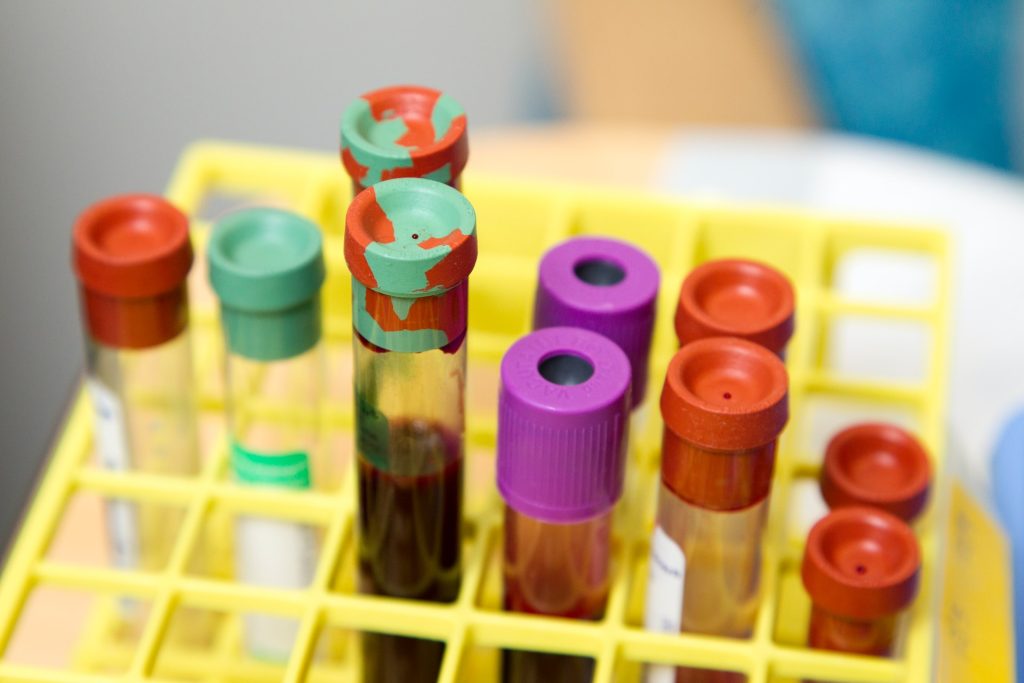
Photo by National Cancer Institute on Unsplash

A new study, led by clinical researchers from Imperial’s Department of Metabolism, Digestion and Reproduction and Imperial College Healthcare NHS Trust, has uncovered a link between a pregnant woman’s blood group and her risk of spontaneous premature birth, which the team hopes could in future lead to more personalised approaches to preventing early labour.

“The treatments we currently offer to prevent preterm birth have barely changed in decades. This research opens the door to more targeted, biologically-informed interventions.”

Dr Lynne Sykes Clinical Associate Professor, Department of Metabolism, Digestion and Reproduction

The findings, published in npj Biofilms and Microbiomes, draw on more than 74 000 anonymised maternity records from Imperial College Healthcare NHS Trust and data from high-risk pregnancies. The team found that women with blood groups B and O were associated with a higher risk of spontaneous preterm birth, while those from blood group A were associated with a lower risk. 

The clinical researchers believe this is because women with blood group A are more likely to carry higher proportions of a protective bacterium and show less inflammation, both associated with healthy pregnancies.

The research also found that the blood group associations vary depending on underlying risk factors, including previous cervical surgery or a history of late miscarriage or premature birth. In women whose only risk factor was previous cervical surgery, blood group B was associated with a higher likelihood of preterm delivery. In contrast, in women with a history of late miscarriage or prior premature birth, blood group O was associated with the highest risk.

The team used advanced microbiome analysis on a subset of 596 high-risk women to investigate possible biological mechanisms at work. They found that women with blood group A were more likely to carry higher proportions of Lactobacillus crispatus, a ‘good’ bacterium associated with healthy pregnancies. In contrast, women of blood group B and O were more likely to harbour a more diverse bacterial signature. In women with blood group O, a direct link was observed between this bacterial signature, inflammation, and spontaneous preterm birth.

Speaking about the findings, Dr Lynne Sykes, lead researcher and Clinical Associate Professor at Imperial College London, and Consultant Obstetrician at Imperial College Healthcare NHS Trust, said: “Although we did not establish causation, we have identified a genetic link that can influence the risk of spontaneous premature birth in women. This could potentially impact women in the future by identifying risk earlier in pregnancy and by offering more tailored interventions. While we need further research, the prospect of moving towards personalised care in this area is hugely exciting.” 

Next steps

The team demonstrated that blood group sugars are secreted into the vaginal fluid and that binding of these sugars can occur to key good and bad bacteria found in the vagina. However, one important limitation of the study was that researchers did not have “secretor status” data for participants, a genetic factor that affects whether blood group sugars are secreted in vaginal fluid. 80% of the population are “secretors”, whereas 20% do not secrete blood group sugars, so future studies that incorporate this information may strengthen the findings.

The research suggests that the ABO blood group, routinely tested early in pregnancy, could be used to help stratify preterm birth risk, especially when considered alongside other clinical factors. Importantly, the team accounted for ethnicity, known to affect both blood group prevalence and preterm birth risk, ensuring these results were not driven by population differences.

Dr Sykes added: “What excites me most is the opportunity this presents for truly personalised medicine in pregnancy, something that has been sorely lacking in our field. The treatments we currently offer to prevent preterm birth have barely changed in decades. This research opens the door to more targeted, biologically-informed interventions.”

The study also lays the groundwork for new therapeutic approaches. A clinical trial beginning this autumn, funded by March of Dimes in the US, will explore whether probiotic treatment with Lactobacillus crispatus (Lactin-V) can help reduce premature birth in high-risk women – and whether response to the treatment may vary by blood group.

Source: Imperial College London

Study Explores How Prenatal Cannabis Exposure May Affect Foetal Brain Development

Source: Pixabay CC0

Researchers at UTHealth Houston are examining the biological effects of prenatal cannabis exposure and its potential impact on foetal brain development. Supported by a $3.7 million grant from the National Institutes of Health and the National Institute on Drug Abuse, the study aims to improve screening tools, public health guidance, and prenatal care strategies for pregnant people who use cannabis.

Led by Laura Goetzl, MD, MPH, a professor in the Department of Obstetrics, Gynecology, and Reproductive Sciences at McGovern Medical School at UTHealth Houston, the five-year grant will fund the study, “Foetal neuronal extracellular vesicle biomarkers of in-utero effects of maternal cannabinoid use and human foetal brain development and neurobehavioral outcomes.

“In recent years, cannabis use among pregnant women has increased, either recreationally or to help relieve nausea and vomiting during pregnancy,” Goetzl said. “Despite this rise, the effects on a baby’s brain are not well understood. Our hope through this research is that we can better identify risk factors and help health care providers give expecting mothers the best possible guidance.

The study will explore early biological signs, or biomarkers, to show how cannabis exposure influences a baby’s developing brain.

“During pregnancy, small bubbles called neuronal extracellular vesicles travel from the foetus into the mother’s bloodstream,” Goetzl said. “Through studying these small particles, we hope to gain valuable insight into foetal brain development without invasive testing.”

In collaboration with the University of Colorado, the research study will focus on how prenatal cannabis exposure may influence brain growth and neurobehavioral outcomes in children, including their potential for developing attention-deficit/hyperactivity disorder (ADHD) or autism later in life.

The project is supported by the National Institute on Drug Abuse of the National Institutes of Health under award number R01DA060319.

Source: UTHealth Houston

Virtual Antenatal Care Linked to Poorer Pregnancy Outcomes

Source: Pixabay CC0

Women who receive more virtual antenatal care during their second or third trimesters could experience poorer pregnancy outcomes, including higher risks of preterm birth, Caesarean sections and neonatal intensive care unit admissions, a new study suggests.

Increased virtual antenatal care in later pregnancy was also found to be associated with lower rates of early skin-to-skin contact with the newborn and fewer instances of breastfeeding as the first feed.

Led by King’s College London and published in the American Journal of Obstetrics & Gynecology, the study looked at associations between virtual antenatal care and pregnancy outcomes in more than 34 000 pregnancies from a diverse, South London population, from periods before and during the COVID-19 pandemic.

Women were split into four groups, according to the proportion of virtual antenatal care appointments received during their pregnancy – low and stable virtual antenatal care throughout pregnancy, high first trimester virtual antenatal care, high second trimester virtual antenatal care, and high third trimester virtual antenatal care.

Pregnancy and birth outcome data were obtained from hospital records via the Early Life Cross-Linkage in Research, Born in South London (eLIXIR-BiSL) platform, funded by the UKRI Medical Research Council (MRC).

Analyses of the data revealed that, compared with those who received a low and stable proportion of virtual antenatal care throughout their pregnancy:

  • Women who received a high proportion of virtual antenatal care in their second trimester experienced more premature births (before 37 weeks), labour inductions, breech presentation, and bleeding after birth; and
  • Women who received a high proportion of virtual antenatal care in their third trimester had more premature births (before 37 weeks), elective or emergency Caesarean sections, and neonatal intensive care unit admissions; as well as lower rates of third- or fourth-degree vaginal tears, early skin-to-skin contact with the newborn and fewer instances of breastfeeding as the first feed.

During the COVID-19 pandemic, the use of virtual antenatal care increased, to limit face-to-face contact and prevent spread of the SARS-CoV-2 virus. While research has looked at the experiences of women and healthcare providers receiving and delivering virtual care, fewer studies have focused on the impact of virtual antenatal care on pregnancy outcomes.

Our work adds an important perspective to the growing evidence base on virtual antenatal care, suggesting that the timing of its use during pregnancy may influence pregnancy outcomes.

Dr Katie Dalrymple, Lecturer at King’s and first author of the study

The findings build on an earlier study by the team, which found that virtual maternity care during the COVID-19 pandemic was linked to higher NHS costs – with each 1% increase in virtual antenatal care associated with a £7 increase in maternity costs to the NHS.

In addition to the cost implications of virtual care, the findings from the new study suggest that virtual antenatal care could come with increased risks to mother and baby. The authors conclude that careful consideration may be needed to minimise these risks before using virtual antenatal care in future health system shocks or to replace face-to-face care.

Our study findings suggest the need for careful integration of virtual care in maternity services, to minimise potential risks.

Professor Laura Magee, Professor of Women’s Health at King’s and co-senior author of the paper

Source: King’s College London

Caesarean Delivery Linked to Higher Risk of Pain and Sleep Problems After Childbirth

New mothers are more likely to experience severe pain that disrupts sleep and activities of daily living, as well as develop sleep disorders, if they give birth by caesarean delivery (C-section), suggests research presented at the ANESTHESIOLOGY® 2025 annual meeting.

“Sleep is often overlooked in postpartum recovery, but it is central to a mother’s physical and mental health,” said Moe Takenoshita, MBBCh, lead author of the study and a postdoctoral scholar in the department of anaesthesia at Stanford University Center for Academic Medicine. “Caesarean delivery in particular appears to increase the risk for severe pain and sleep disorders, which can lead to postpartum depression, thinking and memory problems, and fatigue, as well as disrupt bonding with their babies and relationships with family and friends.”

The study included both qualitative and quantitative analyses. For the qualitative analysis, the authors interviewed 41 mothers about their pain and sleep experiences after childbirth, 24 of whom had vaginal births, 11 who had scheduled C-sections and six whose C-sections were unplanned. More than two-thirds of the mothers who had C-sections (73% of the scheduled cesareans and 67% of the unplanned) reported severe pain that disrupted sleep and activities of daily living, compared to 8% of those who had vaginal births.

For the quantitative study, the authors analysed a nationwide insurance database of more than 1.5 million mothers who delivered babies between 2008 and 2021. They determined that individuals who have C-sections are 16% more likely to be diagnosed with a new sleep disorder (eg, insomnia, sleep deprivation or obstructive sleep apnoea) between a month and a year after giving birth, compared to those who delivered vaginally.

New mothers, especially those recovering from C-sections, should be sure to manage pain adequately, since untreated pain can worsen sleep, said Dr Takenoshita. Other measures that can help to improve sleep include regular exercise as appropriate, sleeping when the baby sleeps, avoiding caffeine or alcohol late in the day, and relaxing before bed by taking a bath or practising deep breathing.

“About one-third of U.S. births are C-sections,” said Dr Takenoshita. “Those who are planning a C-section should understand that the procedure is linked to more severe pain after delivery and a higher risk of sleep disorders. Anyone having sleep problems during pregnancy or after childbirth should discuss their concerns with their physician, who can evaluate the issue, make recommendations and refer them to a specialist if necessary.”

Source: American Society of Anesthesiologists

Nausea and Vomiting of Pregnancy Caused by a Complex Inflammatory Response

Source: Pixabay CC0

UCLA researchers have uncovered a link between “morning sickness” symptoms and the body’s natural, but complex, inflammatory response to biological and bodily changes during pregnancy.

According to the National Institutes of Health, up to 80% of early-stage pregnant mothers experience some nausea, vomiting and aversions to certain foods and smells. While uncomfortable, these symptoms are not typically a sign that anything is wrong with the health of the mother or the developing fetus, but rather an indication of a delicate balance unique to pregnant women. 

“During pregnancy, a mother’s immune system faces a tricky challenge: it has to protect both her and the foetus from infection, but without accidentally attacking the foetus, whose genetic identity is half-foreign because it is half derived from the father. Normally, the immune system attacks anything that seems foreign, so in pregnancy, it has to carefully adjust to keep the foetus safe while still defending against infection,” said UCLA anthropology professor Molly Fox, corresponding author of the study published in Evolution, Medicine and Public Health.

The researchers believe that this delicate balance, which protects mother and foetus, is achieved by a unique mix of inflammatory responses. They function to prevent the mother’s body from rejecting the foetus, alongside adaptive behavioural mechanisms, like nausea, that encourage the mother to avoid foods that are potentially harmful, especially in the first and second trimesters when the foetus is most vulnerable.

“Nausea, vomiting or aversions to foods or smells are not indications that something is going wrong for the mother or the foetus. It’s likely an indication that everything is moving along normally, and a reflection of the body’s healthy and helpful immune response,” said UCLA anthropology professor and paper co-author Daniel Fessler.

Methodology and findings

For the study, the UCLA-led team of anthropologists and epidemiologists collected and analysed blood samples to measure immune system molecules called cytokines. Cytokines are proteins that send signals to help the body launch a quick defence against sickness and regulate inflammation. Participants also filled out questionnaires that asked about morning sickness-related symptoms and food and smell aversions during the early stages of pregnancy. The participants were 58 Latina women in Southern California who were followed beginning in early pregnancy through the postpartum.

Sixty-four percent of study participants experienced odour or food aversions, primarily to tobacco smoke and meat. Sixty-seven percent reported nausea and 66% experienced vomiting.

The study team measured pro-inflammatory cytokines as well as anti-inflammatory cytokines. They found that women who experienced an aversion to tobacco smoke showed a noticeable shift toward a more inflammatory response. Food aversions, nausea and vomiting were also associated with a more pro-inflammatory immune balance.

An evolutionary process?

The correlation is consistent with researchers’ theory that these symptoms may be part of an evolutionary adaptation that helps pregnant mothers’ bodies minimize exposure to harmful substances, though the study’s authors caution that the evidence is not definitive and more research is needed. 

They emphasised that the study allowed the team to look at both human biological and behavioural responses during pregnancy.

“In many mammals, the foetal compartment has barriers separating it from the mother’s blood supply, where her immune cells are. But in humans, we have a unique setup – foetal cells are bathed in maternal blood. Humans have the most invasive of all placentas, burrowing deep into maternal tissue. So humans need unique strategies to prevent the mother’s immune system from attacking the foetus,” said Fox.

These immunological changes may induce nausea, which in turn encourages food avoidance that might act as an additional layer of protection, according to the researchers

“Nowadays, you will see labels on packages of ground beef or soft cheese that warn pregnant women to be cautious about these products because of the risks of foodborne illness during pregnancy. Aversions to certain odours and foods, and nausea and even vomiting, appear to be evolution’s way of achieving that same objective,” said Fessler.

Practical implications

The researchers, including first author Dayoon Kwon, who just completed her PhD in epidemiology at UCLA (and is now a postdoctoral fellow at Stanford), said that the study could help bolster recognition that nausea and vomiting are normal symptoms with biological underpinnings associated with healthy pregnancies. The study’s results could help in paving the way for common-sense workplace accommodations, such as more efficient deployment of health care benefits and other helpful resources to reduce stigma, excessive absences and lost productivity.

They also encourage other researchers to continue to look into the questions raised by the study, to not only explore the evolutionary questions, but to work toward providing clinicians with non- or low-invasive measures of prognoses.

Source: University of California – Los Angeles

Webber Wentzel Secures Landmark Constitutional Court Ruling Reforming South Africa’s Parental Leave Laws

Photograph by Drew Hays on Unsplash

Webber Wentzel’s Pro Bono team represented Mr and Mrs van Wyk in a landmark case that has resulted in the Constitutional Court confirming that South Africa’s statutory four months of parental leave may be shared between both parents. The ruling marks a significant step toward gender equality in the workplace and family law.

The case challenged the unequal parental leave provisions under section 25 of the Basic Conditions of Employment Act (BCEA), which granted birthing mothers up to four months of maternity leave while limiting fathers to only 10 days.

Webber Wentzel argued that section 25 of the BCEA unfairly discriminated against fathers and placed an undue burden on birthing mothers by not allowing families to decide who should be the primary caregiver. The court agreed and criticised the 10-day leave for fathers by rejecting the cultural norms that reinforce gendered parenting roles as inconsistent with constitutional values.

The application was supported by the Commission for Gender Equality (CGE) and Sonke Gender Justice (Sonke). CGE advocated for equal parental leave for adoptive and surrogacy-commissioning parents, which the court partially granted. Sonke’s request for an equal 16-week leave for both parents was not granted.

The Constitutional Court, in a unanimous judgment delivered by the Honourable Justice Tshiqi, confirmed that sections 25, 25A, 25B and 25C of the BCEA, along with corresponding provisions of the Unemployment Insurance Fund Act (UIF Act), are unconstitutional. The Court held that these provisions violate the rights to equality and human dignity under sections 9 and 10 of the Constitution.

The Minister of Employment and Labour accepted that differentiation exists between birthing mothers and other categories of parents is automatically unfair as it is based on grounds specified in section 9(3) of the Constitution. Further, the Minister acknowledges that there is a need for reform in the current legislation pertaining to the parental leave regime contained in the BCEA.

As a result of the ruling in the Constitutional Court, the 4 months of maternal and the 10 days of parental leave will be combined into a total of 4 months and 10 days, which parents may now share as they choose. If no agreement is reached, the leave will be split equally. Where only one parent is employed, that parent will be entitled to the 4 consecutive months of parental leave.

The Constitutional Court also confirmed that the same parental leave provisions apply to adoptive parents and commissioning parents in a surrogacy arrangement.

The Constitutional Court has suspended the declaration of invalidity of the relevant BCEA and UIF Act provisions for a period of 36 months, to allow the legislature to remedy the necessary constitutional defects.  In the interim, the following principles will apply:

  • A single parent or a parent who is the only employed parent is entitled to four months’ consecutive parental leave.
  • Parents who are both employed may share the allocated parental leave of four months and 10 days between them, concurrently or consecutively.
  • An adoptive parent of a child younger than two years is entitled to four months’ consecutive parental leave.
  • If an adoption order is granted in respect of two parents, they may share the allocated parental leave of four months and 10 days between them, concurrently or consecutively.
  • A commissioning parent is entitled to four months’ consecutive parental leave.
  • Where there are two commissioning parents, they may share the allocated parental leave of four months and 10 days between them, concurrently or consecutively.

Employers are encouraged to review and, where necessary, update their leave policies and employment contracts to reflect the new parental leave framework.

“This judgment is a powerful affirmation of the constitutional rights to equality and dignity,” said Nkosinathi Thema, senior associate, Webber Wentzel. “It recognises that caregiving is not the exclusive responsibility of mothers and that both parents should have the freedom to decide how best to care for their child.”

The Webber Wentzel team comprised Ayanda Khumalo, Nkosinathi Thema and Lize-Mari Doubell. Counsel Nasreen Rajab-Budlender SC, Liam Minné and Sanan Mirzoyev appeared on a pro bono basis.

The judgment can be read here.

Ends…

Founded in 1868, Webber Wentzel is a leading full-service law firm providing clients with innovative solutions to their most complex legal and tax issues across Sub-Saharan Africa. With over 450 lawyers, their multi-disciplinary expertise is consistently ranked top tier in leading directories and awards, both in South Africa and on the African continent. Their collaborative alliance with Linklaters and their deep relationships with outstanding law firms across Africa provide clients with market-leading support wherever they do business.

SAHPRA Clarifies that Paracetamol is Safe to Use in Pregnancy, at Recommended Doses

Photo by Danilo Alvesd on Unsplash

Pretoria, 28 September 2025 – The South African Health Products Regulatory Authority (SAHPRA) wishes to reassure the public that paracetamol remains a safe and recommended option for the relief of pain and fever during pregnancy, when used short-term at recommended doses.

Paracetamol is one of the most widely used medicines globally and has been extensively studied for decades. There is currently no scientific evidence that using paracetamol in pregnancy causes attention-deficit hyperactivity disorder (ADHD) and autism.

SAHPRA will continue to monitor emerging evidence on the safety of paracetamol.

Advice for healthcare professionals

Paracetamol remains a recommended safe treatment for pain or fever in pregnant women. Pregnant women should be reassured that there is no evidence that taking paracetamol during pregnancy causes autism or ADHD in children. Healthcare professionals are encouraged to provide counselling to patients about the side effects of paracetamol, as detailed in the product’s professional information and patient information leaflet (https://pi-pil-repository.sahpra.org.za/).

Advice for healthcare professionals to provide to patients

Pregnant women and those planning a pregnancy should be advised to use paracetamol only when needed and at the lowest effective dose for the shortest possible time. Untreated fever and pain may pose risks to the unborn baby, and it is therefore important to seek treatment if recommended by a healthcare professional. Pregnant women should consult a healthcare professional if pain or fever persists or if they have any concerns about medicine use during pregnancy. Pregnant women should also be advised to avoid combining paracetamol with other medicines without first seeking medical advice.

Report any suspected adverse drug reactions

Healthcare professionals and members of the public are urged to report any suspected adverse drug reactions (ADRs) related to the use of paracetamol and other health products to SAHPRA via the eReporting link available on the SAHPRA website (www.sahpra.org.za) or complete an ADR reporting form accessible via the SAHPRA website and email it to adr@sahpa.org.za. Alternatively, reporting can be done via the Med Safety App, downloadable through Google Play or the Apple App Store.

SAHPRA remains committed to ensuring the safety of medicines available in South Africa and will update the public if new scientific evidence changes current recommendations.

Depression and Psychosis Risk Increases After Childbirth – but Suicide Risk Decreases

Photo by Alina Matveycheva

Depression and psychosis are more common in women after childbirth than before, but the risk of suicide attempts decreases. This is shown by two new studies from Karolinska Institutet. The results suggest that national guidelines for screening can help women get help earlier.

Mental ill health in connection with pregnancy and childbirth can have long-term consequences for women’s health. During this period, major biological and psychosocial changes occur that can increase vulnerability to depression, anxiety, and other psychiatric conditions. Despite previous research, knowledge has been limited, especially regarding how different psychiatric diagnoses develop before, during, and after pregnancy.

In a new study, researchers have used data from Swedish registers covering all women who gave birth in Sweden between 2003 and 2019 – a total of nearly 1.8 million pregnancies.

The study, published in the journal Molecular Psychiatry, shows that mental ill health has increased over time during this period, especially before pregnancy. During pregnancy itself, the number of new diagnoses decreases, but after childbirth, the risk increases again, especially for depression and psychosis.

“We can see that the risk of depression is about 20 percent higher during weeks 5 to 15 after childbirth, compared to the year before pregnancy. For psychosis, the risk is up to seven times higher during the first 20 weeks after childbirth,” says the study’s first author Emma Bränn, researcher, Institute of Environmental Medicine, Karolinska Institutet.

When Swedish national guidelines for screening pregnant women for depression were introduced in 2010, it opened up the possibility of detecting mental illness earlier. By comparing women who gave birth before and after 2010, the researchers saw that the peak of depression diagnoses occurred earlier after childbirth in women who gave birth after the guidelines were introduced.

“We don’t see that more people are being diagnosed, but screening could mean that women are identified earlier and don’t have to suffer as long before they can get the support and help they need,” says Emma Bränn. 

Lower risk for other psychiatric diagnoses

The study also shows that the risk of other psychiatric diagnoses, such as anxiety, stress-related conditions, and substance abuse, is lower during pregnancy and after childbirth compared to before. The researchers believe that this may be due to biological changes, lifestyle changes, and increased contact with healthcare during pregnancy.

Another study from the same research group has investigated the risk of suicide in connection with pregnancy and childbirth. In the study, published in Nature Human Behaviour, researchers found that mothers were less likely to attempt suicide during and after pregnancy compared to fathers. This is the opposite of what researchers usually observe in the general population, where women tend to have higher rates of suicide attempts than men. For fathers, the risk decreased in the first ten weeks after childbirth, only to increase again.

“Our results suggest that both mothers and fathers are less likely to attempt suicide immediately after having a child, especially mothers,” says first author Yihui Yang, PhD student at the same department. She continues:

“Although suicide attempts during and after pregnancy are rare, they can have devastating consequences and are often preventable. It is therefore important that healthcare providers conduct regular check-ups during and after pregnancy to identify parents who are struggling and offer support to prevent suicide.”

Source: Karolinska Institutet

Artificial Light Changes Menstrual Synchronisation with the Moon

There is no question that the moon has a significant influence on Earth. Its gravitational pull affects the planet and moves water masses in the daily rhythm of ebb and flow (tides) – this point is undisputed. More difficult to answer is the question of whether the same gravitational force also affects life on Earth, especially the human organism. And the discussion becomes even more complicated when it comes to how the fluctuating brightness of the Earth’s satellite between full and new moon affects humans.

A research team led by Julius-Maximilians-Universität Würzburg (JMU) has now presented new findings on this topic. Its conclusion: “We show that synchronisation with the moon has decreased significantly since the introduction of LEDs and the increasing use of smartphones and screens of all kinds,” explains Charlotte Förster. The Würzburg chronobiologist recently headed the Department of Neurobiology and Genetics; she now conducts research there as a senior professor.

Comparing Records from two Centuries

For their study, now published in the journal Science Advances, Förster and her team analysed long-term menstrual records of women from the past 50 years. “The results showed that the menstrual cycles of women whose records were made before the introduction of light-emitting diodes in 2010 and the widespread use of smartphones were significantly synchronised with the cycle of the full and new moon,” says Förster, describing the key finding. After 2010, the cycles were mostly only synchronized in January, when the gravitational forces between the moon, sun, and Earth are at their highest.

The scientists therefore hypothesize that humans have an internal moon clock that can be synchronised to the lunar cycle by natural night light and gravitational forces. However, the coupling of the moon clock to the lunar cycle in humans is impaired by increasing nighttime illumination from artificial light.

Other Studies Support the Moon Clock Hypothesis

“Moon clocks are widespread in marine organisms, but have not yet been proven in humans,” explains Charlotte Förster. In fact, many species synchronize their reproductive behaviour with a specific phase of the lunar cycle in order to increase reproductive success. The human menstrual cycle also has a similar duration to the lunar cycle, at approximately 29.5 days, and recent studies also suggest at least temporary synchronicity between the menstrual and lunar cycles.

The influence of the moon on the female cycle remains controversial. “It is completely unclear how such a lunar clock can be synchronised by the small cyclical changes in gravity between the Earth and the moon,” says Förster. The findings now published are consistent with results from sleep research and psychiatry.

For example, studies by two chronobiologists, Basel researcher Christian Cajochen and Washington biologist Horacio de la Iglesia, show that people sleep significantly less around the full and new moon than at other times. “Interestingly, this also applies to city dwellers, where nighttime city lighting is much brighter than the light of the full moon,” says the chronobiologist. And US psychiatrist Thomas Wehr has concluded that people with bipolar disorder are more likely to switch between mania and depression around the full and new moon.

Artificial Light Disrupts Synchronisation

Taken together, these findings suggest that humans can respond not only to moonlight, but also to the gravitational cycles caused by the moon, according to the Würzburg research team. “However, our study shows that increased exposure to artificial light severely impairs the synchrony between the menstrual cycle and the lunar cycle,” explains Charlotte Förster.

According to this, artificial light at night not only “outshines” the natural moonlight cycles, but also shortens the length of the menstrual cycle. However, since continuous synchronization is only possible if the length of the cycle is close to the lunar cycle, this shortening in turn reduces the likelihood of synchronization.

A High Proportion of Blue Light Increases the Effect

Anyone wondering why the introduction of LEDs and the increasing use of smartphones have this effect – after all, artificial lighting has been around for a long time, from gas lanterns to incandescent light bulbs – will find an explanation in Charlotte Förster’s words: “LEDs have much higher energy than gas lanterns and light bulbs. In addition, they have a high proportion of blue light, to which our photoreceptors in the eye are particularly sensitive.” That is why LED light has a much stronger effect on humans than previous light sources.

And even though Charlotte Förster and her team were able to clearly demonstrate that the synchronization of the female menstrual cycle with the moon is weakened by LEDs, smartphones, and screens of all kinds, there is one small caveat when interpreting these results: “Our findings show a correlation between these two phenomena. We were unable to establish a causal link,” says the scientist.

In principle, the study now published is basic research. Nevertheless, a potential benefit emerges from the evaluation of the data: “Since period length appears to be a possible age-dependent marker for female fertility, our findings could be relevant not only for human physiology and behaviour, but also for fertility and contraception,” says Charlotte Förster.

Source: University of Würzburg

New Study Reveals a Hidden Risk After Cervical Cancer

Cervical cancer. Credit: Scientific Animations CC4.0

For women who’ve overcome cervical cancer, new research from MUSC Hollings Cancer Center points to another health risk that may not be on their radar: anal cancer.

Led by Hollings researchers Haluk Damgacioglu, Ph.D., and Ashish Deshmukh, PhD, co-leader of the Cancer Prevention and Control Research Program, the study sheds light on an under-recognised risk facing women with a history of cervical cancer – and highlights the need for updated screening guidelines. The paper was published in JAMA Network Open.

While cervical cancer is one of the most preventable cancers, with a survival rate of over 90% when found early, clinical guidelines have not addressed what comes next for these patients, who may be at high risk for a related type of cancer.

“We’ve known for a long time that both cervical and anal cancers are caused by HPV, the human papillomavirus,” Deshmukh said. “But what hasn’t been well-understood is how that shared risk might connect the two diseases over a woman’s lifetime.”

Currently, anal cancer screening is recommended for certain high-risk groups, such as people living with HIV, organ transplant recipients and women with a history of vulvar cancer. But there are no clear screening guidelines for women with cervical cancer.

One problem has been a lack of long-term data on their risk and how that risk changes with age and over time. This study helps to fill that gap using high-quality, population-based data.

The researchers turned to the National Cancer Institute’s SEER (Surveillance, Epidemiology and End Results) program – a comprehensive set of registries that tracks cancer diagnoses across the US. They analysed data from more than 85 000 women diagnosed with cervical cancer, tracking them over two decades to see how many went on to develop anal cancer and when those diagnoses occurred.

What they found was striking. Compared with the general population, women with a history of cervical cancer had nearly twice the risk of developing anal cancer.

Anal cancer rates increased with age and over time, with the most diagnoses found in women ages 65 to 74 who were more than 15 years out from their original diagnosis. For women in this age group, the rate of anal cancer diagnoses surpassed a widely accepted threshold for recommending routine screening.

“Our study shows that the risk doesn’t go away – it actually increases with age and over time,” Damgacioglu said.

Why the delay? HPV-related cancers often take years, sometimes decades, to develop. In some cases, the virus may linger undetected or have spread from another part of the body.

“It’s a slow process,” Deshmukh said, “and that’s part of why it’s been so hard to detect. By the time symptoms show up, the cancer is often advanced.”

While anal cancer screening is not as routine as screening for other cancers, reliable methods do exist, including anal cytology (a kind of Pap screen) and anoscopy. Unfortunately, access to specialised screening remains limited. In South Carolina, for example, there is currently only one provider trained to perform high-resolution anoscopy.

That is why it is so important to identify and prioritise the highest-risk groups.

“These results tell us that women who had cervical cancer years ago should be considered for routine anal cancer screening,” Damgacioglu said. “Right now, that’s not happening.”

Deshmukh and his team are now working on a project to determine when and how often screening should happen.

Source: Medical University of South Carolina