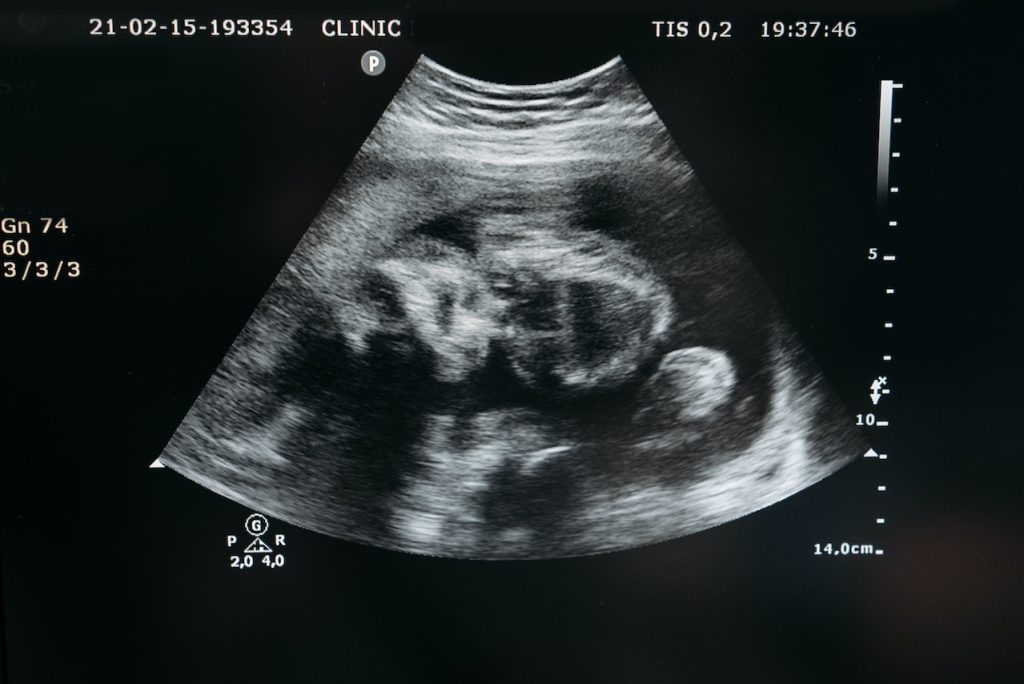
In an analysis of 2010–2019 information on more than 1.8 million employed and non-employed pregnant women in South Korea, certain occupations were linked with higher risks of miscarriage and stillbirth.
Published in the Journal of Occupational Health, risks were calculated for three adverse outcomes: early abortive outcomes (miscarriage, ectopic pregnancy, and molar pregnancy), stillbirth, and no live birth (pregnancy with no record of live birth thereafter, which include early abortive outcomes and stillbirth).
Overall, 18.0%, 0.7%, and 39.8% of pregnancies ended in early abortive outcomes, still-births, and no live births, respectively. The risk of early abortive outcomes and stillbirths was higher in non-employed women than in employed women, while no live births were more frequent in employed women.
Women in the health and social work industry had the highest risk of no live births. Higher risks of no live births were also observed in the manufacturing, wholesale/retail trade, education, and public/social/personal service occupations. Manufacturing jobs and health/social work were associated with higher risks of early abortive outcomes compared with financial and insurance jobs.
“The good news is that the Ministry of Employment and Labor of South Korea is now revising the Industrial Accident Compensation Insurance Act to cover all the abortive outcomes in pregnant women workers. Our study contributed to the amendment of this Act, as we presented the impact of the occupational environment on adverse pregnancy outcomes,” said corresponding author Jung-won Yoon, MD, of the National Medical Center in Seoul.
In a recent study published in The Journal of Advanced Nursing that included pregnant Black women from multiple US states, feeling upset by experiences of racism in the 12 months prior to delivery was associated with significantly higher odds of depression during pregnancy.
Perinatal depression is defined as major or minor depressive episodes that occur during pregnancy or in the first 12 months after birth. Mothers with perinatal depression often report symptoms including depressed mood; loss of interest or pleasure in daily activities; changes in weight, appetite and sleep; poor concentration; feelings of hopelessness; and suicidal ideations. Non-Hispanic Black women are twice as likely to experience symptoms of depression and suicidal ideations during the perinatal period than White women.
For this study, 7328 women answered survey questions. The findings showed that 11.4% of respondents reported feeling upset due to experiences of racism, and 11.4% reported experiencing depression during pregnancy. After adjusting for confounding factors, respondents who reported feeling upset due to the experience of racism had over two-fold higher odds of experiencing depression during pregnancy compared with respondents who did not report feeling upset due to the experience of racism.
“Our findings reinforce the importance of respectful maternity care, given the mental health impacts of experiences of racism during the perinatal period,” the authors wrote. “Racism is a powerful structural determinant of health with roots in a historical system of oppression that persists today in health care practices and policies. Perinatal health care providers, in collaboration with public health and other health disciplines, are ideally positioned to address inequities in maternal and child health that are rooted in racism.”
A large new study led by researchers from Lund University in Sweden shows that narrowing and calcification of the blood vessels of the heart are more common in women previously affected by pregnancy complications, and in some cases can result in coronary artery changes similar to those in women 10 years older who had no pregnancy complications.
Despite complications in pregnancy having increasingly been acknowledged as a new type of risk factor for heart disease, it is yet to be determined how this information can best be used within healthcare.
“Our results suggest that the correlation exists even among women with a low expected risk of cardiovascular disease. The study is an important piece of the puzzle in understanding how women with pregnancy complications should be followed-up by their healthcare provider after pregnancy,” says lead researcher Simon Timpka, associate professor of clinical epidemiology at Lund University.
Researchers included 10 528 women from the National Medical Birth Register* who have subsequently gone on to participate in the large population study SCAPIS at age 50-65 years. All the women underwent coronary CT angiography in order to detect calcification of blood vessels, narrowing and other signs of heart disease. The researchers investigated signs of heart disease by history of five common complications in pregnancy: pre-eclampsia, gestational hypertension, preterm delivery, gestational diabetes and infants born small for gestational age.
Four per cent more of the women with pregnancy complications had visible atherosclerosis of the coronary arteries, compared to the group who had not had complications in pregnancy (32% as opposed to 28%).
Pre-eclampsia and gestational hypertension were the most strongly linked: among women who had not experienced any pregnancy complications, 2% had narrowing in coronary arteries while the corresponding number among women who previously suffered from pre-eclampsia or pregnancy-induced hypertension was 5%.
“To reduce the risk of these women developing coronary heart disease in the future, it is important that they check risk factors such as blood pressure, blood sugar and cholesterol regularly,” says co-author Sofia Sederholm Lawesson, consultant cardiologist at the University Hospital in Linköping.
“In this study, we have investigated many different associations between complications in pregnancy and heart disease all at once, so it is possible that chance might explain individual results,” says Timpka. “Yet the pattern is relatively consistent, which makes it easier to draw conclusions including that women with prior pre-eclampsia have changes in the coronary arteries that are equivalent to the changes seen in women who have not experienced complications in pregnancy but are five to ten years older.”
According to Timpka, CT scans of the coronary arteries are increasingly used in patients presenting with symptoms, but there is still a lack of large studies into the significance over time of some of the studied changes among women without current symptoms.
“Even if our study provides new knowledge on the development of coronary heart disease among middle-aged women who have previously suffered complications in pregnancy, there is a need for long-term studies in order to understand the true meaning that our discoveries have for symptomatic disease,” concludes Timpka.
Women with preeclampsia have a higher likelihood of heart attack and stroke than their peers within just seven years of delivery, with risks remaining elevated more than 20 years later. The study in more than one million pregnant women is published today in the European Journal of Preventive Cardiology, a journal of the ESC.
“The high risk of cardiovascular disease after preeclampsia manifests at young ages and early after delivery,” said study author Dr Sara Hallum of the University of Copenhagen. “This indicates that interventions to prevent heart attacks and strokes in affected women cannot wait until middle age when they become eligible for conventional cardiovascular screening programmes.”
Preeclampsia affects up to 8% of pregnancies worldwide, and signs include hypertension and albuminuria, which develop after 20 weeks of pregnancy or soon after delivery. Symptoms include severe headache, stomach pain and nausea. “Women may mistake these for ‘normal’ pregnancy symptoms and thus not seek medical help until the condition becomes severe,” said Dr Hallum. “Most cases are mild, but preeclampsia may lead to serious complications for the mother and baby if not treated in time.”
It is well established that preeclampsia predisposes women to an elevated likelihood of cardiovascular disease later in life. This was the first study to examine how soon after pregnancy these heart attacks and strokes manifest, and the magnitude of risk in different age groups.
National registers were used to identify all pregnant women in Denmark between 1978 and 2017. Women were grouped into those with one or more pregnancies complicated by preeclampsia and those with no preeclampsia. Participants were free of cardiovascular disease before pregnancy and with follow-up for heart attack and stroke up to 39 years later. Dr Hallum said: “This allowed us to evaluate exactly when cardiovascular disease occurs in women with and without pre-eclampsia, and to estimate risk in different age groups and at various durations of follow-up.”
Up to 2% of those with pre-eclampsia in their first pregnancy had a heart attack or stroke within 20 years of delivery, compared with up to 1.2% of unaffected women. Differences in risk became apparent seven years after delivery. “A 2% incidence of acute myocardial infarction and ischaemic stroke should not be accepted as the cost of a pregnancy complicated by preeclampsia, particularly considering the young age of these women when they fall ill (below 50 years of age),” states the paper.
Overall, women with pre-eclampsia were four times more likely to have a heart attack and three times more likely to have a stroke within 10 years of delivery than those without pre-eclampsia. The risk of heart attack or stroke was still twice as high in the preeclampsia group more than 20 years after giving birth compared to unaffected women.
When the researchers examined the risk of cardiovascular disease according to age, they found that women aged 30 to 39 years with a history of preeclampsia had five- and three-fold higher rates of heart attack and stroke, respectively, than those of similar age with no history of pre-eclampsia. The raised likelihood of cardiovascular disease in those with a history of pre-eclampsia persisted throughout adulthood, with women over 50 years of age still at doubled risk compared to their peers with no history of the pregnancy complication.
Dr Hallum said: “Women are often in contact with the healthcare system during and immediately after pregnancy, providing a window of opportunity to identify those at increased risk of cardiovascular disease. The number of women with previous pre-eclampsia is large, and routine follow-up could last years or even decades. Our study suggests that the women most likely to benefit from screening are those who had pre-eclampsia after age 35 and those who had it more than once. Prevention should start within a decade of delivery, for example by treating high blood pressure and informing women about risk factors for heart disease such as smoking and inactivity.”
Chemicals that accumulate in the vagina, potentially originating from personal care products, may contribute to spontaneous preterm birth, according to a new study appearing in Nature Microbiology.
Columbia University Vagelos College of Physicians and Surgeons researchers performed a study of 232 pregnant women and found that a few non-biological chemicals previously found in cosmetics and hygiene products are strongly associated with preterm birth.
“Our findings suggest that we need to look more closely at whether common environmental exposures are in fact causing preterm births and, if so, where these exposures are coming from,” says study co-leader Tal Korem, PhD, assistant professor at Columbia University. “The good news is that if these chemicals are to blame, it may be possible to limit these potentially harmful exposures.”
Preterm birth, childbirth before 37 weeks of pregnancy, is the number one cause of neonatal death and can lead to a variety of lifelong health issues. Two-thirds of preterm births occur spontaneously, but despite extensive research, there are no methods for predicting or preventing spontaneous preterm birth.
Several studies have suggested that imbalances in the vaginal microbiome play a role in preterm birth and other problems during pregnancy. However, researchers have not been able to reproducibly link specific populations of microorganisms with adverse pregnancy outcomes.
The research team opted to take a more expansive view of the vaginal microenvironment by looking at its metabolome – the complete set of small molecules found in a particular biological niche, including metabolites produced by local cells and microorganisms and molecules from external sources. “The metabolome can be seen as a functional readout of the ecosystem as a whole,” Korem says. “Microbiome profiling can tell us who the microbes are; metabolomics gets us close to understanding what the microbes are doing.”
In the current study, the researchers measured over 700 different metabolites in the second-trimester metabolome of 232 pregnant women, including 80 pregnancies that ended prematurely.
The study found multiple metabolites that were significantly higher in women who had delivered early than in those who delivered at full term.
“Several of these metabolites are chemicals that are not produced by humans or microbes – what we call xenobiotics,” says Korem. “These include diethanolamine, ethyl-beta glucoside, tartrate, and ethylenediaminetetraacetic acid. While we did not identify the source of these xenobiotics in our participants, all could be found in cosmetics and hygiene products.”
Algorithm predicts preterm birth
Using machine learning models, the team also developed an algorithm based on metabolite levels that can predict preterm birth with good accuracy, potentially paving the way for early diagnostics.
Though the predictions were more accurate than models based on microbiome data and maternal characteristics (such as age, BMI, race, preterm birth history, and prior births), the new model still needs improvement and further validation before it could be used in the clinic.
Despite the current limitations, Korem says, “our results demonstrate that vaginal metabolites have the potential to predict, months in advance, which women are likely to deliver early.”
Premature birth is the main cause of brain injury and cerebral palsy in babies. Evidence shows that babies can be protected from brain injury by giving magnesium sulfate to women who are at risk of premature birth, reducing the risk of cerebral palsy by a third. From a societal and lifetime perspective, the health gains and cost savings associated with the preventative treatment generated a net monetary benefit of £866 per preterm baby, according to an evaluation published in Archives of Disease in Childhood.
The prevention of cerebral palsy in pre-term labour (PReCePT) programme was developed in 2014 and aimed to support all maternity units in England to increase the use of magnesium sulfate in premature births. It was then piloted in five NHS trusts in the West of England, and this pilot was evaluated by the NIHR Applied Research Collaboration West (NIHR ARC West). It has since been rolled out across England via the AHSN Network as a national programme.
The evaluation of the national programme, also led by NIHR ARC West, found that PReCePT was both effective and cost-effective. The researchers looked at data from the UK National Neonatal Research Database for the year before and year after PReCePT was implemented in maternity units in England.
While use of magnesium sulfate had been increasing before, the study showed that PReCePT was able to accelerate uptake. It increased by 6.3 percentage points on average across all maternity units in England during the first year, over and above the increase that would be expected over time as the practice spread organically. After also adjusting for variations in when maternity units started the programme, the increase in use of magnesium sulfate was 9.5 percentage points. By May 2020, on average 86.4% of eligible mothers were receiving magnesium sulfate.
The researchers also estimated that the programme’s first year could be associated with a lifetime saving to society of £3 million. This accounts for the costs of the programme, administering the treatment and of cerebral palsy to society over a lifetime, and the associated health gains of avoiding cases. This is across all the extra babies the programme helped get access to the treatment during the first year.
In the five pilot sites, the improved use of magnesium sulfate has been sustained over the years since PReCePT was implemented. As the programme costs were mostly in the first year of implementation, longer-term national analysis may show that PReCePT is even more cost-effective over a longer period.
John Macleod, NIHR ARC West Director, Professor in Clinical Epidemiology and Primary Care at the University of Bristol and principal investigator of the evaluation, said: “Our in-depth analysis has been able to demonstrate that the PReCePT programme is both effective and cost-effective. The programme has increased uptake of magnesium sulfate, which we know is a cost-effective medicine to prevent cerebral palsy, much more quickly than we could have otherwise expected.
Professor Lucy Chappell, Chief Executive Officer of the National Institute for Health and Care Research, said: “This important study shows the impact of taking a promising intervention that had been shown to work in a research setting and scaling it up across the country. Giving magnesium sulfate to prevent cerebral palsy in premature babies is a simple, inexpensive intervention that can make such a difference to families and the health service. We look forward to seeing ongoing use of magnesium sulfate across our maternity units so that these benefits continue.”
US scientists conducting a nationwide study found that pregnant women living in states where cannabis is legally available are far more likely to use the substance, prompting a call for pregnant women to be screened for the drug.
Published in The American Journal of Drug and Alcohol Abuse, the findings show that pregnant women were around 4.6 times more likely to report using cannabis in states where it is legal for medical and recreational purposes, compared to where only CBD oil is allowed.
A large proportion of women reported using the drug for medical purposes, which is in keeping with “a growing body of evidence” that suggests in order to alleviate pregnancy symptoms cannabis is being used as a substitute for medical drugs in legalised areas.
“Therefore it is increasingly important to evaluate the risk-benefit profile of cannabis as compared to other medical treatments to understand any potential therapeutic indications for cannabis use in pregnancy,” says lead author Kathak Vachhani.
The team is calling for prenatal and primary care providers to screen and counsel patients regarding cannabis use in pregnancy, particularly in states where it is legal, for the potential effects on foetal development.
They also state public messaging “around the risks” of cannabis in pregnancy is “particularly relevant now,” as many states have recently implemented cannabis laws and established cannabis markets.
The legalisation of cannabis products has increased exponentially in the last decade in the United States. The legalisation has been piecemeal, as some states allow CBD oil, or marijuana for medical or recreational purposes. Use of these products has risen among all demographics.
Among the least studied are pregnant women. Because cannabis has been known to be used to treat some symptoms associated with pregnancy—notably nausea and vomiting.
Here, the team used data from the Behavioral Risk Factor Surveillance System compiled by the Centers for Disease Control and Prevention (CDC) between 2017 to 2020 to analyse the consumption of cannabis by 1,992 pregnant women.
While previous studies have examined the use of cannabis by pregnant women in restricted geographic areas and under particular legislative parameters, this study used a broader dataset to compare use across legalisation frameworks in 27 states.
Self-reported use was found to be “significantly higher” in pregnant women residing in states that allow medical and adult use, compared to those residing in states with restricted use.
“The unweighted dataset consisted of 426 CBD-only, 1114 medical, and 394 reactional group respondents,” the authors wrote claim. Weights were applied to each datapoint to obtain the population they represented. Of this weighted data, 2.4% from CBD-only regions reported cannabis use, while 7.1% from medical regions and 6.9% from adult-use regions reported the same. Respondents from the medical and recreational areas were 4.5 and 4.7 times more likely to use cannabis than those in CBD-only areas.
Most respondents who reported cannabis use smoked it partially or mostly for recreational purposes. “Mode of intake and reason for consumption did not differ between state groups,” the authors observe.
But what impact is this having on the mother or the foetus?
Previous studies have shown that medical cannabis usage during pregnancy can be effective for nausea and vomiting. Medical cannabis may be suitable to treat pregnancy-specific conditions which, if untreated, could be more harmful to the foetus than cannabis.
However, safe usage depends on having a comprehensive understanding of the benefits and risks of cannabis when weighed against the risks of untreated or refractory conditions such as hyperemesis gravidarum.
Therefore, more research is needed, states Vachhani, who is also from the University of Toronto Temerty Faculty of Medicine.
“Cannabis is a complex substance and its use is further complicated by factors such as the form of intake and frequency of use.
“From the mother’s health standpoint, our current understanding is rudimentary regarding the complex interplay between use (whether CBD or THC-based) and long-term health outcomes for the mother.
“There is currently no accepted therapeutic indication or safe amount of cannabis that may be consumed during pregnancy.
“Although further studies may lead to an accepted therapeutic indication, based on the current consensus the positive association between cannabis use and legalisation found in our study warrants further inquiry.”
The analysis carried out here was limited by a relatively small sample size, a lack of information regarding timing of use in pregnancy, lack of information about the chemical composition of cannabis consumed, and the potential for self-reporting biases.
A new non-hormonal contraceptive may be possible with a prophylactic gel made from naturally occurring ingredients, according to researchers writing in Science Translation Medicine. The gel reinforces the cervical mucus barrier, offering the first viable alternative to spermicides and contraception pills.
In tests on ovulating female sheep, the gel resulted in a 98% average decrease in uterine sperm numbers, compared to control animals. Birth control pills are recognised to be between 91 and 99% effective.
Only one of the eight sheep tested was found to have two sperm detected in its uterus after being treated with the topical gel. Thomas Crouzier, a biopolymers researcher at KTH, says the results demonstrate the potential of an unprecedented approach to preventing unwanted pregnancies by blocking sperm by engineering mucus rather than killing sperm cells as spermicides do.
Crouzier says that mechanism taps into cervical mucus’ natural capacity as a barrier that isolates the vagina, where bacteria proliferate, from the uterus and upper reproductive tract. Cervical mucus also regulates the movement of sperm. Leading up to ovulation the mucus barrier becomes a more selective gatekeeper, making exceptions for the passage of select sperm into the uterus.
The researchers change this dynamic by crosslinking molecules of mucin (the proteins that give mucus its lubricating property) with chitosan, a fibrous natural substance commonly used in medical materials such as hydrogels, meshes and sutures. This combination temporarily thickens cervical mucus so that sperm have more difficulty getting through.
The chitosan was shown to have a similar effect in lab tests using human cervical mucus and sperm. It reinforced the mucus barrier quickly, with a reduction in sperm penetration after one minute of exposure and full sperm blockage after five minutes.
Citing studies, Crouzier says that about 50% of women consider it important that their contraceptives do not contain hormones. “This new mechanism of action has the potential to be very effective, since it is reinforcing a barrier that already exists in the women’s reproductive tract,” he says.
“Vaginal gels like this can be applied in seconds,” Crouzier says. “We imagine that a product like this should be usable from seconds to a few hours before sexual intercourse. The effect could last for hours, but diminish over time as the mucus barrier is replaced naturally.”
Delirium is common among women with urinary tract infections (UTIs) – especially those who have experienced menopause. In mouse models, researchers have been able to prevent symptoms of the condition by administering oestrogen. Their study was published in the peer-reviewed journal Scientific Reports.
“There has been a resurgence of interest in hormone replacement therapy, and this study, which builds on our previous work, shows that it may be a tool to mitigate delirium,” said Shouri Lahiri, MD, director of the Neurosciences Critical Care Unit and Neurocritical Care Research at Cedars-Sinai and senior author of the study. “I think it is a major step toward a clinical trial of oestrogen in human patients with UTIs.”
Lahiri said that delirium is a common problem in older women with UTIs.
“Even as a medical student, you know that if an older woman comes to the hospital and she’s confused, one of the first things you check is whether the patient has a UTI,” Lahiri said.
In previous studies, Lahiri’s team found a connection between delirium and an immune-regulating protein called interleukin 6 (IL-6). Events such as lung injury or UTI cause IL-6 to travel through the blood to the brain, causing symptoms such as disorientation and confusion. Oestrogen is a known suppressor of IL-6, so the investigators designed experiments to test its effects on UTI-induced delirium.
The researchers compared pre- and postmenopausal mice with UTIs and observed their behaviour in several types of specialised environments. They found that the mice in which menopause had been induced exhibited symptoms of delirium, such as anxiousness and confusion, while the others did not.
When they treated the mice with oestrogen, levels of IL-6 in the blood and delirium-like behaviour were greatly reduced. The behavioural differences were not related to UTI severity, as bacterial levels in the urine weren’t markedly different between the two groups, Lahiri said.
The investigators also looked at the direct effects of oestrogen on neurons, using what Lahiri called a “UTI in a dish.”
“We exposed individual neurons to an IL-6 inflammation cocktail to create UTI-like injury,” Lahiri said. “But when we added oestrogen to the cocktail, it mitigated the injury. So, we showed that there are at least two ways that oestrogen helps reduce symptoms of delirium. It reduces IL-6 levels in the blood and protects the neurons directly.”
Just how oestrogen acts to protect neurons is still unexplained. And before conducting a clinical trial, researchers need to identify which patients with UTIs are most likely to experience delirium and at what point oestrogen treatment might be most effective.
“Currently, it is common practice to treat UTI-induced delirium using antibiotics, even though there are no clinical trials that indicate this practice is effective and it is not supported by clinical practice guidelines,” said Nancy Sicotte, MD, chair of the Department of Neurology and the Women’s Guild Distinguished Chair in Neurology at Cedars-Sinai. “This work is an important step in determining whether modulating immune response via oestrogen replacement or other means is a more effective treatment.”
The team is also working to understand the different effects of delirium on females versus males, which was not a topic of this study. Effective treatment of delirium could be of long-term importance, Lahiri said, because it is a known risk factor for long-term cognitive impairments, such as Alzheimer’s disease and related dementia.
Antiretroviral drugs almost completely reduce the risk of mothers passing on HIV infection to their children, even in a low-income country with a high HIV incidence such as Tanzania, according to a new study in The Lancet HIV.
UNAIDS estimates that 11% of children born to HIV-positive mothers in Tanzania are infected with HIV, during childbirth or via breast milk. But the new study suggests this figure is actually much lower.
The researchers, from Karolinska Institutet in Sweden, examined more than 13 000 HIV-positive, pregnant women, at several health centres in one of Africa’s largest cities, Dar es Salaam, in Tanzania. The women were offered antiviral treatment through maternity care between 2015 and 2017.
Only 159 infants were infected
The women were followed for 18 months after giving birth when most of them had stopped breastfeeding. When the researchers examined the mothers’ children, they discovered that only 159 of the more than 13 000 infants had been infected with HIV by the age of 1.5 years, translating to a risk of 1.4%, taking into account a margin of error.
The risk of infection was more than twice as high among women who sought care late in pregnancy or had advanced HIV. Conversely, the risk of infection was only 0.9% in those who had already received HIV treatment when they became pregnant.
“HIV transmission from mother to child can in principle be stopped completely with modern antiviral drugs. But so far it has not been demonstrated in low-income countries in Africa with a high incidence of HIV infection,” says Goodluck Willey Lyatuu, physician and postdoctoral researcher, also at the Department of Global Public Health at Karolinska Institutet and first author of the study.
Early diagnostics are important
The study is limited by challenges that may be typical in low-resource health systems, such as incomplete follow-up and missing data, and that risk factors such as stigma linked to HIV are rarely or never routinely investigated.
“But it is one of the largest cohort studies published from Africa on the risk of HIV transmission from mother to child where the baby is followed until the end of the breastfeeding period,” says says Anna Mia Ekström, clinical professor of global infectious disease epidemiology with a focus on HIV at the Department of Global Public Health at Karolinska Institutet and corresponding author of the study.