Category: Obstetrics & Gynaecology

Labour Induction in 39th Week Does not Decrease Risk of Needing Caesarean

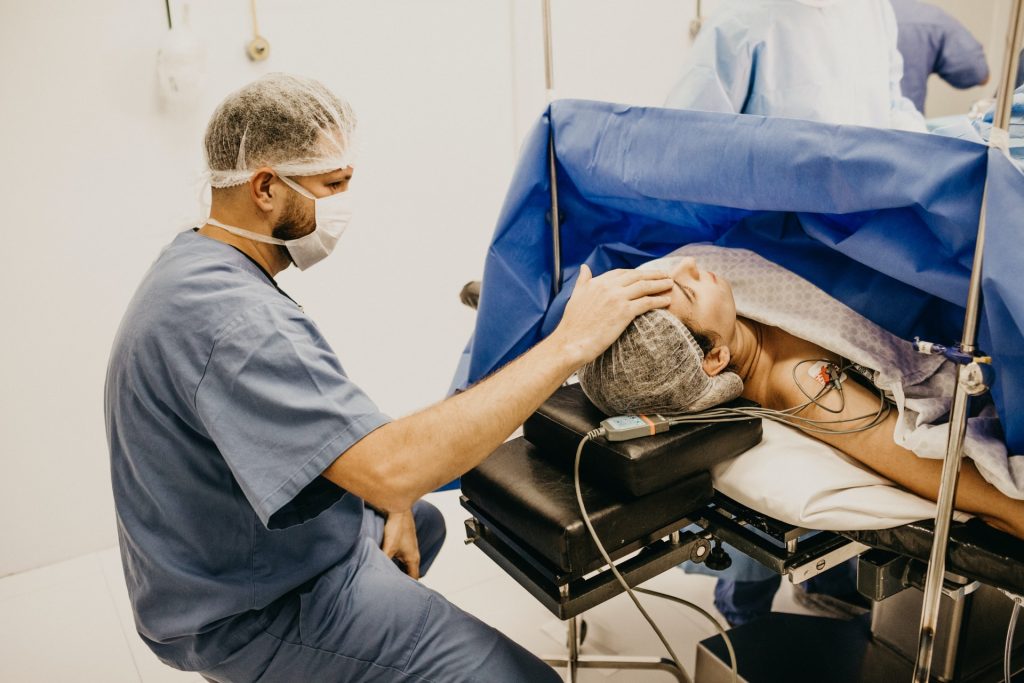
In recent years, experts have debated the benefits of labour induction once at a certain stage of pregnancy. But a new US study suggests that inducing labour at the 39th week of pregnancy for those having their first births with a single baby in a head down position, or low risk, doesn’t necessarily reduce the risk of caesarean births. In fact, for some, it may even have the opposite effect if hospitals don’t take a thoughtful approach to induction policies.

“Some people in the field have suggested that after 39 weeks of gestation, medical induction should be standard practice,” said lead author Elizabeth Langen, MD, a high-risk maternal fatal medicine physician and researcher at University of Michigan Health Von Voigtlander Women’s Hospital, of Michigan Medicine.

“We collaborated with peer hospitals to better understand how labour induction may influence caesarean birth outcomes in real world maternity units outside of a clinical trial. In our study sample, we found inducing labour in this population of women and birthing people did not reduce their risk of caesarean birth.”

The new research, published in the American Journal of Perinatology, was based on more than 14 135 deliveries in 2020 analysed through a statewide maternity care quality collaborative registry.

Results conflict with national trial findings

The study was conducted in response to published research in 2018 from a multicentre trial known as “ARRIVE” (A Randomized Trial of Induction Versus Expectant Management.)

Findings from ARRIVE indicated that medical induction at 39 weeks gestation in first time low risk pregnancies resulted in a lower rate of caesarean deliveries compared to expectant management – or waiting for labour to occur on its own or for a medical need for labour induction.

Michigan researchers mimicked the same framework used in the national trial and analysed data from the collaborative’s data registry, comparing 1558 patients who underwent a proactively induced labour versus 12 577 who experienced expectant management. However, their results failed to support a link between elective induced labour in late pregnancy and a reduction in caesarean births.

In fact, results from the general Michigan sample were contradictory to the ARRIVE trial: Women who underwent elective induction were more likely to have a caesarean birth compared with those who underwent expectant management (30% versus 24%.)

In a subset of the sample, matching patient characteristics for a more refined analysis, there were no differences in c-section rates. Authors noted that time between admission and delivery was also longer for those induced.

Expectantly managed women were also less likely to have a postpartum haemorrhage (8 % versus 10 %) or operative vaginal delivery (9 % versus 11 %), whereas women who underwent induction were less likely to have a hypertensive disorder of pregnancy (6 % versus 9%.) There were no other differences in neonatal outcomes.

Authors point to several possible explanations for why the two studies had conflicting results. One key difference was that the Michigan study collected data after births for the purpose of quality improvement in a general population of low-risk births. The ARRIVE trial, however, used data collected in real time as part of a research study.

A significant difference between clinical trial participants and the general birthing population, Low says, may revolve around shared decision-making. Before trial enrolment, participants undergo a thorough informed consent process from trained study team members.

For the ARRIVE trial, this meant 72% of women approached to be in the study declined participation. Meanwhile, previous research has indicated that women in the general U.S. population often may feel pressured into agreeing to have their labour induced.

“Better outcomes may have occurred in the trial because the participants were fully accepting of this process,” Low said.

“Further research is needed to identify best practices to support people undergoing labour induction,” she added. “Prior to initiating an elective induction of labour policy, clinicians should also ensure resources and a process to fully support shared decision-making.”

Source: Michigan Medicine – University of Michigan

Preterm Birth and Size Linked to Adult Fibrillation Risk

Photo by Hush Naidoo on Unsplash

A new study published in JAMA Pediatrics showed an association between being born preterm or large for gestational age and increased risks of atrial fibrillation later in life. Being small for gestational age at birth was only associated with an increased risk of atrial fibrillation up to the age of 18.

The incidence of atrial fibrillation in the young has increased over the past few decades, from low levels.

To date there have been little or mixed findings regarding the risk of atrial fibrillation in those with adverse birth outcomes. Atrial fibrillation increases the risk of stroke and other cardiovascular conditions, and is the most common form of cardiac arrhythmia. It mainly affects the middle-aged and the elderly. The estimated incidence in the young is low, 0.12 to 0.16%.

Low incidence in the young

A collaborative study involving researchers from Karolinska Institutet has now investigated the risk of atrial fibrillation according to preterm birth and foetal growth.

“Atrial fibrillation at a young age may involve a heavy socioeconomic burden for the affected individuals and we need to learn more about the underlying causes of the disease,” says first author Fen Yang, doctoral student at Karolinska Institutet. “Our findings may highlight the need to monitor and prevent the disease in individuals with an elevated risk of atrial fibrillation.”

“We found that individuals born preterm and those who were large for gestational age at birth had a slightly higher risk of developing atrial fibrillation up to middle-age than those with corresponding normal birth outcomes,” says principal investigator Krisztina László, associate professor at the Department of Global Public Health, Karolinska Institutet, and senior lecturer at the Department of Public Health and Caring Sciences at Uppsala University. “Individuals who were small for gestational age at birth had an increased risk of atrial fibrillation up to the age of 18, but not later in adulthood.”

The risk increase was 30% for individuals born preterm, 55% for individuals who were large at birth and 71% for individuals who were both preterm and large for gestational age at birth.

Eight million participants

The results of the study are based on statistical analyses of over eight million births from Danish (1978–2016), Finnish (1987–2014) and Swedish (1973–2014) medical birth registries who were followed for incident atrial fibrillation in the national patient and cause of death registries up to 2021. The results were compared with siblings in the same families. Since the study was observational, no causal relationships could be ascertained.

The researchers say that future studies may investigate the association between preterm birth, foetal growth, and the risk of atrial fibrillation up to old age.

Source: Karolinska Institutet

Chinese Traditional Medicine in Pregnancy Linked to Increased Congenital Malformations

A new study published in the journal Acta Obstetricia et Gynecologica Scandinavica has uncovered an association between the use of traditional Chinese medicine during pregnancy and congenital malformations, including heart defects, in children.

In the prospective study, 16 751 women who received obstetrics care from hospitals in China completed a survey on their use of traditional Chinese medicine before and during pregnancy. Among foetuses, there were 273 congenital malformations.

Foetuses exposed to traditional Chinese medicine had 2.1-times higher odds of developing congenital malformations compared with those without exposure. There were significant associations with congenital malformations in women with early pregnant use of traditional Chinese medicine and for those who used two or more types of these products.

“To improve traditional Chinese medicine, we should pay more attention to its hazards – especially the identification of teratogenic ingredients – while also evaluating its therapeutic effects,” said corresponding author Jiang-Nan Wu, of Obstetrics and Gynecology Hospital of Fudan University, in China.

Source: Wiley

Processed Foods Increase Miscarriage Risk; Fruits Reduce it

A preconception and early-pregnancy diet that contains lots of fruit, vegetables, seafood, dairy, eggs and grain may be associated with reducing risk of miscarriage, suggests a new review of research in the journal Fertility and Sterility.

University of Birmingham researchers analysed 20 studies on eating habits in the months before and shortly after conceiving a baby to see whether these studies showed evidence of association with a lower or higher chance of miscarriage. The team conclude that there is evidence to suggest a diet rich in fruit, vegetables, seafood, dairy products, eggs and grain reduces miscarriage risk.

Not surprisingly, these are foods which typically make up ‘healthy’ well-balanced diets, with previous evidence showing that eating a well-rounded diet which is rich in vitamins and minerals during pregnancy is important.

The research review found that, when compared to low consumption, high intake of fruit may be associated with a 61% reduction in miscarriage risk. High vegetable intake may be associated with a 41% reduction in miscarriage risk. For dairy products it is a 37% reduction, 33% for grains, 19% for seafood and eggs.

Led by Dr Yealin Chung, researchers also looked at whether pre-defined dietary types, such as the Mediterranean Diet or Fertility Diet could also be linked to miscarriage risk. They could not find evidence that following any of these diets lowered or raised risk.

However, a whole diet containing healthy foods overall, or foods rich in antioxidant sources, and low in pro-inflammatory foods or unhealthy food groups may be associated with a reduction in miscarriage risk for women.

A diet high in processed food was shown to be associated with doubling of miscarriage risk.

The studies included in the analysis focused on the peri-conception period, which is before and during the first 3 months of pregnancy. Data collected from a total of 63 838 healthy women of reproductive age was included, with information on their diets typically collected through food frequency questionnaires for each study.

Dr Chung explains:

“Miscarriage is common, with estimates suggesting 1 in 6 pregnancies end in miscarriage, and there are many known causes, from problems with the baby’s chromosomes to infections in the womb.

“Yet nearly 50% of early pregnancy losses remain unexplained and in the absence of a cause, parents often turn to their healthcare providers for guidance on the best ways to be as healthy as possible and reduce the risk of future miscarriages.

“There’s a growing body of evidence to show that lifestyle changes – including changes to diet, stopping smoking and not drinking alcohol – before conceiving and in your pregnancy’s early stages – may have an impact.”

Source: University of Birmingham

Lower-dose Hormonal Contraceptives may be Possible, Study Suggests

Photo: Reproductive Health Supplies Coalition on Unsplash

The dosage of hormones in common contraceptives could be reduced by as much as 92% and still effectively suppress ovulation, according to a computational model from University of the Philippines Diliman which is described in PLOS Computational Biology.

Constant dosage and nonconstant dosage comparison. The shaded regions in Panels (A), (C), and (E) indicate the minimum total constant dosage of exogenous estrogen and/or progesterone over 28 days that lowers maximum P4 concentration to 4.99 ng/mL. The shaded region below u1 (area under the curve or AUC) in Panel (B) is the total nonconstant dosage of exogenous E2 which suppresses the P4 level to 4.43 ng/mL, a reduction by about 92% of the total dosage in (A). Panel (D) illustrates the total nonconstant dosage of exogenous P4 that reduces maximum P4 to 4.66 ng/mL, a reduction by about 43% of the total dosage in (C). Panel (F) shows the combined nonconstant doses of exogenous E2 and P4 that gives a maximum P4 level of 4.31 ng/mL. Credit: Gavina et al., 2023, PLOS Computational Biology, CC-BY 4.0 (creativecommons.org/licenses/by/4.0/)

A normal menstrual cycle involves multiple phases which are regulated by the endocrine system and influenced by levels of various hormones. The most contraceptive approaches, including pills, injectables and implants, involve the administration of exogenous oestrogen and/or progesterone to block ovulation.

In the new study by Brenda Lyn A. Gavina, PhD student, and her collaborators, researchers used data on hormone levels in 23 women aged 20 to 34 with normal menstrual cycles.  The team developed computational models depicting the interactions between various hormone levels as well as the impacts of exogenous hormones.

The model provided evidence that it is possible to reduce the total dose by 92% in oestrogen-only contraceptives, or the total dose by 43% in progesterone-only contraceptives, and still prevent ovulation. By combining oestrogen and progesterone, the doses of each hormone could be reduced even further. In addition, the model showed the importance of timing the hormones during the cycle, pointing toward ways that exogenous oestrogen and progesterone could be given during only certain phases of the menstrual cycle rather than at steady constant doses.

“These results may give clinicians insights into optimal dosing formulations and schedule of therapy that can suppress ovulation,” the authors say.

Source: EurekAlert!

Medical Students Retain Knowledge Better from Virtual Reality Lessons

A trial published in the International Journal of Gynecology & Obstetrics lends support to the idea that 3D virtual reality lessons can improve medical students’ retention of knowledge and understanding of complex topics in obstetrics and gynaecology.

For the study, 21 students took part in a 15-minute virtual reality learning environment (VRLE) experience on the stages of foetal development, while 20 students received a PowerPoint tutorial on the same topic, serving as a control.

While the students’ level of knowledge increased after both learning experiences, it was only retained in the VRLE group at one-week follow up. Questionnaires completed by participants reflected a high degree of satisfaction with the VRLE tool compared with the traditional tutorial.

“Virtual reality learning tools hold potential to enhance student learning and are very well received by students,” said corresponding author Fionnuala McAuliffe, MD, of University College Dublin National Maternity Hospital, in Ireland.

Source: Wiley

Dimming the Lights Could Help Reduce Gestational Diabetes Risk

Photo by Shvets Productions on Pexels

Researchers at Northwestern Medicine suggest that pregnant persons should dim the lights in their home and turn off or at least dim their screens (computer monitors and smartphones) a few hours before bedtime to reduce the risk of gestational diabetes mellitus.

In their study published in the American Journal of Obstetrics and Gynecology Maternal Fetal Medicine, women who developed gestational diabetes mellitus in the multi-site study had greater light exposure in the three hours before sleep onset. They did not differ in their light exposure during daytime or sleep or in their activity levels compared to those who did not develop it.

“Our study suggests that light exposure before bedtime may be an under-recognised yet easily modifiable risk factor of gestational diabetes,” said lead study author Dr Minjee, Northwestern Medicine neurologist.

While exposure to light at night before bedtime may be linked to impaired glucose regulation in non-pregnant adults, little is known about the effect of evening light exposure during pregnancy on the risk of developing gestational diabetes.

This is believed to be one of the first multi-site studies to examine light exposure before sleep on the risk of developing gestational diabetes, a serious health complication for mother and child.

‘Alarming’ global rise in gestational diabetes

Gestational diabetes is on the rise in the U.S. and globally. About 4.5% of first-time pregnant women with a baby born between 2011 and 2013 developed gestational diabetes, which has been increasing on average 3.4% per three-year period until 2019. In 2020, the rate of gestational diabetes was 7.8% of all births in the US.

“It’s alarming,” Kim said. “Gestational diabetes is known to increase obstetric complications, and the mother’s risk of diabetes, heart disease and dementia. The offspring also are more likely to have obesity and hypertension as they grow up.”

Data show that women who have gestational diabetes are nearly 10 times more likely to develop type 2 diabetes mellitus compared to those do not have glucose issues during pregnancy, Kim said.

Bright light exposure prior to sleep can come from bright indoor lighting and from device screens.

“We don’t think about the potential harm of keeping the environment bright from the moment we wake up until we go to bed,” Kim said. “But it should be pretty dim for several hours before we go to bed. We probably don’t need that much light for whatever we do routinely in the evening.”

Scientists don’t know which source of bright light causes the problem, but it might all add up, Kim said.

“Try to reduce whatever light is in your environment in those three hours before you go to bed,” Kim said. “It’s best not to use your computer or phone during this period. But if you have to use them, keep the screens as dim as possible,” Kim said, suggesting people use the night light option and turn off the blue light.

If pregnant persons develop gestational diabetes with the first pregnancy, they are more likely to have it with the next pregnancy.

Pre-sleep light exposure increases heart rate, with knock-on effects

Pre-sleep light exposure may affect glucose metabolism through sympathetic overactivity, meaning the heart rate goes up before bed when it should go down. “It seems there is inappropriate activation of the fight or flight response when it is time to rest,” Kim said.

Data shows the sympathetic overactivity may lead to cardiometabolic disease, which is a cluster of conditions including abdominal obesity, insulin resistance, increased blood pressure and an imbalance of lipids, all leading to cardiovascular disease.

The study of 741 women in their second trimester was conducted at eight clinical U.S. sites between 2011 and 2013. The participants’ light exposure was measured by an actigraph worn on their wrists. The women were measured during the second trimester of pregnancy, the time when they receive routine screening for gestational diabetes.

After adjusting separately for age, BMI, race/ethnicity, education, commercial insurance, employment schedule, season, sleep duration, sleep midpoint, sleep regularity index, and daytime light exposure, pre-sleep light exposure remained significantly associated with gestational diabetes.

The growing rate of gestational diabetes has been partially attributed to increasing body mass index and the older age of pregnant persons.

“But even after adjusting for BMI and age, gestational diabetes is still rising,” Kim said. “We have a lot to prove, but my personal worry is that light may be silently contributing to this problem without most people realising the potential harm.”

Losing body weight and exercising also reduce the risk of developing gestational diabetes, which are important but take some effort.

Turning down lights is an easy fix

“Turning down the lights is an easy modification you can make,” Kim said.

“Now I’m the light police at home,” Kim said. “I see all this light I never thought about before. I try to dim the light as much as possible. Just for evening activities such as dinner and bathing the kids, you don’t need bright light.”

“This study highlights the importance of reducing light exposure in the hours before bedtime” said senior author Kathryn Reid, research professor of neurology at Feinberg.

Source: Northwestern University

Elective Induced Labour Associated with Lower Grades at Age 12

Photo by Mary Taylor on Pexels

According to a new study published in Acta Obstetricia et Gynecologica Scandinavica, in women with uncomplicated pregnancies, elective induction of labour at any point between 37 and 41 weeks was consistently associated with those children having lower scholasti performance at age 12.

Investigators analysed data for 266 684 children born between 37 and 42 weeks from uncomplicated pregnancies in white women in the Netherlands. Scholastic performance scores at age 12 years were lower in those from pregnancies with induced labour at 37–41 weeks compared with those with uninduced labour. At 42 weeks, there was no significant difference in scholastic performance between these groups.

The proportion of children who reached higher secondary school level was significantly lower after induction of labour at each gestational week from 38–41 weeks. For example, at 38 weeks, rates were 48% versus 54% in induced versus uninduced. (In the Dutch education system, when children reach the end of primary school, around 12 years of age, they are divided over four different levels of secondary education according to their intellectual ability. All children in the last year of regular primary education take a test to guide the choice of level of secondary education.)

“Of course, if there is an indication to induce delivery before 41 weeks, there is little doubt we should do this. But if the reason is purely elective, it is reasonable to be cautious of these subtle adverse effects,” said Wessel Ganzevoort, MD, PhD, senior investigator and maternal foetal medicine specialist at Amsterdam UMC.

Source: Wiley

The Surprising Reason Behind Preterm Babies’ Weak Immune Systems

Preterm baby
Photo by Hush Naidoo on Unsplash

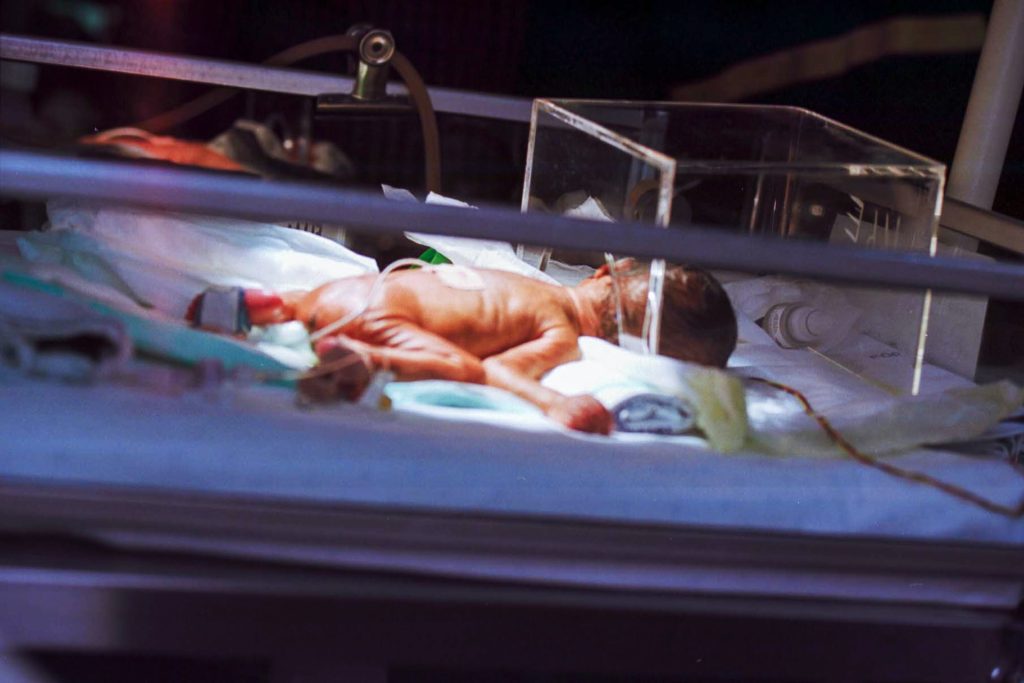
The immune systems of preterm babies are especially weak, making them more vulnerable to infection. A new study published in JCI Insight suggests that this vulnerability instead stems from an immune signalling pathway being suppressed, perhaps due to a requirement for it for successful foetal development in utero.

The earlier babies are born, the higher the risk of life-threatening complications. Infections can lead to sepsis and are among the most frequent causes of death.

“In the case of very prematurely born infants, a bacterial infection can lead to death within hours,” says LMU physician Prof Markus Sperandio. The physiologist and former paediatrician and neonatologist researches the causes of this high susceptibility to infection together with his team at LMU’s Biomedical Center Munich. Now the researchers have demonstrated that an immunostimulatory signalling pathway is suppressed in the developing immune system.

In preterm infants, neutrophils turned off

Sperandio had already shown in earlier studies that, in the foetus and in newborns, neutrophils do not work as in adults. Unlike in adults, foetal and neonatal neutrophils do not manage to sufficiently attach to the walls of blood vessels and extravasate into inflamed tissue. This is necessary, however, to trigger an inflammatory response and thus initiate immune defence.

Now the LMU researchers, working in collaboration with the Children and Women’s Clinic at University of Munich Hospital, have investigated which mechanisms are behind this immaturity. By means of a so-called transcriptomic analysis, they compared the gene activity of neutrophils in umbilical cord blood of premature and full-term babies with adult neutrophils. Compared to adults, there is a lot of gene activity in premature and full-term infants that counteracts immune defence. “In this case, these neutrophils act as if they were switched off,” says Sperandio.

Balance shift of immunoregulatory signalling pathways

This particularly affects signals transmitted via the NF-κB signalling pathway, which plays a decisive role in immune and inflammatory responses. It consists of two possible pathways for signals: one that promotes inflammation and one that can suppress it. Therefore, the activity of these two pathways must be finely balanced for proper regulation of the immune response.

“Our experiments have shown that this balance is shifted towards the anti-inflammatory pathway in foetal and neonatal neutrophils,” says Sperandio. “Whereas this regulation of neutrophil function is clearly a requirement for normal foetal growth in utero, it leads to immune defence problems in prematurely born infants who have to adapt ‘too soon’ to the world outside the uterus.” To what extent these findings will be a springboard for new therapeutic approaches in the future remains to be seen. “Due to the complex processes in the growing foetal and neonatal organism, maturation-adapted therapies are conceivable but remain a long way off at this stage,” says Sperandio.

Source: Ludwig-Maximilians-Universität München

AI Finds Face Shape Changes in Children with in Utero Alcohol Exposure

Photo by Helena Lopes on Pexels

Using artificial intelligence, researchers have found a link between alterations in the shape of young children’s faces and the amount of alcohol their mothers drank, before and during pregnancy. Even alcohol in small amounts – 12g a week, or less than one glass of wine – made a difference.

The study, published in Human Reproductionis the first to detect this association in the children of mothers who drank alcohol up to three months before becoming pregnant but stopped during pregnancy.

The finding is important because the shape of children’s faces can be an indication of health and developmental problems.

Study leader Gennady Roshchupkin, assistant professor at Erasmus Medical Centre, Rotterdam, said: “I would call the face a ‘health mirror’ as it reflects the overall health of a child. A child’s exposure to alcohol before birth can have significant adverse effects on its health development and, if a mother regularly drinks a large amount, this can result in foetal alcohol spectrum disorder, FASD, which is reflected in children’s faces.”

FASD is defined as a combination of growth retardation, neurological impairment and recognisably abnormal facial development. Symptoms include cognitive impairment, attention deficit hyperactivity disorder (ADHD), learning difficulties, memory problems, behavioural problems, and speech and language delays. FASD is already known to be caused by a mother’s drinking during pregnancy, particularly heavy drinking. However, until now, little was known about the effect of low alcohol consumption on children’s facial development and, therefore, their health. This is also the first study to examine the question in children from multiple ethnic backgrounds.

The researchers used AI and deep learning to analyse three-dimensional images of children taken at the ages of nine (3149 children) and 13 (2477 children). The children were part of an ongoing population-based study of pregnant women and their children from foetal life onwards. The children in this analysis were born between April 2009 and January 2006.

“The face is a complex shape and analysing it is a challenging task. 3D imaging helps a lot, but requires more advanced algorithms to do this,” said Prof Roshchupkin. “For this task, we developed an AI-based algorithm, which takes high-resolution 3D images of the face and produce 200 unique measurements or ‘traits’. We analysed these to search for associations with prenatal alcohol exposure and we developed heat maps to display the particular facial features associated with the mothers’ alcohol consumption.”

Information on the mothers’ alcohol consumption was gained from questionnaires completed by the women in early, mid-, and late pregnancy. The researchers divided them into three groups: mothers who did not drink before or during pregnancy, mothers who drank during the three months before becoming pregnant but stopped when they became pregnant, and mothers who drank during pregnancy, including those who only drank during the first trimester of pregnancy, and those who continued to drink throughout pregnancy.

“We found a statistically significant association between prenatal alcohol exposure and face shape in the nine-year-old children. The more alcohol the mothers drank, the more statistically significant changes there were. The most common traits were turned-up nose tip, shortened nose, turned-out chin and turned-in lower eyelid,” said Mr Xianjing Liu, first author of the study and a PhD student in Prof Roshchupkin’s group, who developed the AI algorithm.

“Among the group of mothers who drank throughout pregnancy, we found that even if mothers drank very little during pregnancy, less than 12g a week, the association between alcohol exposure and children’s facial shape could be observed. This is the first time an association has been shown at such low levels of alcohol consumption.”

At older ages, the alcohol consumption and face shape association weakened. No significant association was found when the researchers looked at data for the children at the age of 13 years.

“It is possible that as a child ages and experiences other environmental factors, these changes may diminish or be obscured by normal growth patterns. But that does not mean that alcohol’s effect on the health will also disappear. Therefore, it is crucial to emphasise that there is no established safe level of alcohol consumption during pregnancy and that it is advisable to cease drinking alcohol even before conception to ensure optimal health outcomes for both the mother and the developing foetus,” said Prof. Roshchupkin. “Further investigations on the mechanism of association are needed to fully understand how the association develops and then weakens with age.”

In the nine-year-olds, researchers found statistically significant facial traits were associated with mothers’ alcohol consumption when they compared those who drank before pregnancy but stopped on becoming pregnant with mothers who continued drinking throughout pregnancy.

They also looked at data for women who drank during the first trimester but then stopped, and those who continued to drink. The results were similar, which suggests that the associations were explained mainly by the foetus’s exposure to alcohol in the first three months of pregnancy.

According to the researchers, previous studies of childhood development after prenatal exposure to alcohol have suggested that possible mechanisms of action may be metabolic disorders in the mothers, such as problems with blood sugar levels and fatty liver disease, and that this could also explain the link with face shape. However, further investigations are needed.

The large number of children from multiple ethnic backgrounds is a strength of the study. Limitations include that there were no data on alcohol consumption more than three months before pregnancy, and that mothers may not have completed the questionnaire about their drinking habits correctly, possibly underestimating their consumption. Causation also cannot be established in this observational study.