Category: Diet and Nutrition

Healthy Diets Reduce COVID Risk

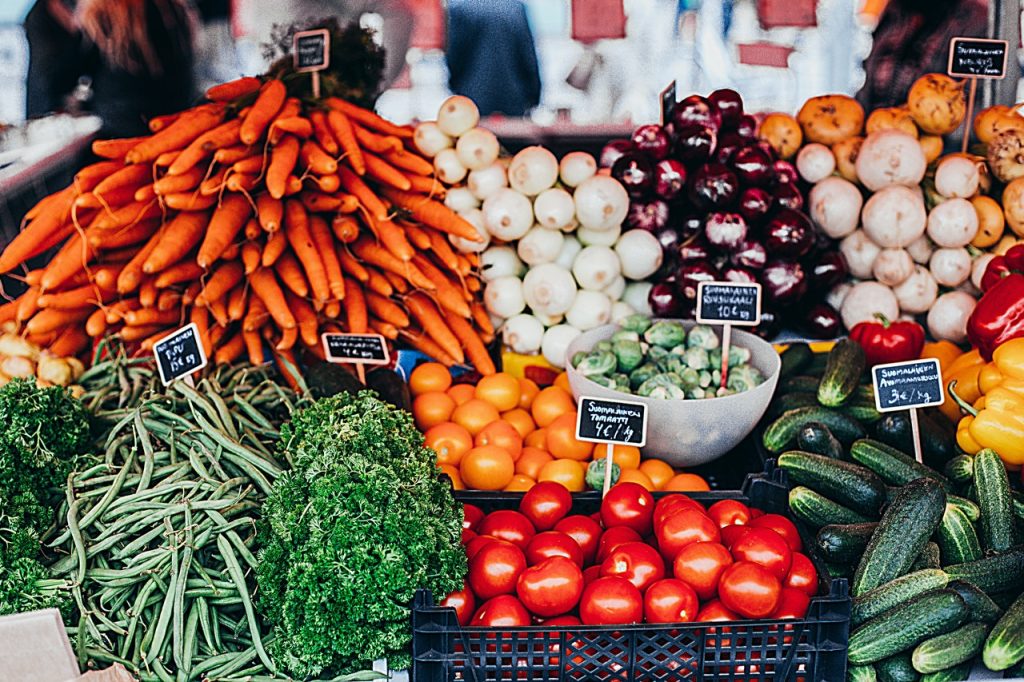
Photo by Ella Olsson on Pexels

A study based on self-reported app data showed that people who eat a high quality, gut friendly diet are less likely to develop COVID-19 or become severely ill. Those eating poorer quality diets are more at risk, especially if they live in a more socioeconomically deprived area.

The study, presented in GUT, analysed data from almost 600 000 ZOE COVID Study app contributors. Participants completed a survey about the food they ate before the pandemic, in February 2020, making it the largest study in this space. 19% of these contributors contracted COVID-19.

People with the highest quality diet were around 10% less likely to develop COVID than those with the lowest quality diet, and 40% less likely to fall severely ill.

This is the first longitudinal study of diet and COVID and the first to show that a healthy diet cuts the chances of developing the disease in the first place.

Instead of looking at specific foods, the survey aimed to broadly capture people’s diets. A ‘diet quality score’ reflected the overall merit of each person’s diet. Diets with high quality scores were found to contain plant-based foods such as fruits, vegetables and whole grains, as well as oily fish, less processed foods and refined carbohydrates. A low diet quality score is associated with diets high in ultra processed foods and low amounts of plant based foods.

The researchers found that people who ate the highest quality diet were around 10% less likely to develop COVID-19 than those with the least nutritious diet and 40% less likely to become severely ill if they developed COVID.

The link between diet quality and COVID risk persisted after accounting for all potential confounding factors such as age and BMI. Mask-wearing habits and population density were also considered.

The effect of diet was amplified by individual life situations, with people living in low-income neighbourhoods with the lowest quality diet being around 25% more at risk from COVID than people in more affluent communities eating the same kind of diet.

Based on these results, the researchers estimate that nearly a quarter of COVID cases could have been prevented if these differences in diet quality and socioeconomic status had not existed. The study also showed that improved access to better food is an important public health consideration.

Dr Sarah Berry, study co-lead and Reader in nutritional sciences at the School of Life Course Sciences said: “For the first time we’ve been able to show that a healthier diet can cut the chances of developing COVID, especially for people living in the more deprived areas. Access to healthier food is important to everyone in society, but our findings tell us that helping those living in more deprived areas to eat more healthily could have the biggest public health benefits.”

Professor Tim Spector, professor of genetic epidemiology at the School of Life Course Sciences, said: “These findings chime with recent results from our landmark PREDICT study, showing that people who eat higher quality diets (with low levels of ultra-processed foods) have a healthier collection of microbes in their guts, which is linked to better health. You don’t have to go vegan, but getting more diverse plants on your plate is a great way to boost the health of your gut microbiome, improve your immunity and overall health, and potentially reduce your risk from COVID.”

Source: Kings College London

Supermarket Layout Change Encourages Healthy Food Purchases

Photo by gemma on Unsplash

A study into food purchasing behaviours shows that placing fruit and vegetables near store entrances and removing confectionery and other unhealthy products from checkouts and the end of nearby aisles prompts customers to make healthier food purchases.

The study, led by Dr Christina Vogel, Principal Research Fellow in Public Health Nutrition and Janis Baird, Professor of Public Health and Epidemiology at the University’s MRC Lifecourse Epidemiology Centre, was conducted in partnership with the national supermarket chain Iceland Foods Ltd. The trial took place in a number of Iceland stores in England, monitoring store sales as well as dietary patterns of sample customers.

The results showed confectionery sales decreased throughout the store while fruit and vegetable sales increased when non-food items and water were placed at checkouts and at the end of the opposite aisles, and an expanded fruit and vegetable section was repositioned near the store entrance. Beneficial effects were also observed for household fruit and vegetable purchasing and individual dietary quality. The findings are presented in the open-access journal PLOS Medicine.

Discussing the results of the study Dr Vogel said “Altering the layouts of supermarkets could help people make healthier food choices and shift population diet towards the government’s dietary recommendations. The findings of our study suggest that a healthier store layout could lead to nearly 10 000 extra portions of fruit and vegetables and approximately 1500 fewer portions of confectionery being sold on a weekly basis in each store.”

This research is more comprehensive than previous studies testing whether placement strategies can promote healthier food purchasing which have been limited in scope, for example including only a single location (ie at checkouts) or placing healthy and unhealthy products together. This study further aimed to reduce exposure of customers to calorie opportunities by placing non-food items at checkout and aisle-ends opposite and measuring effects on store sales, purchasing patterns on customer loyalty cards and the diets of more than one household member.

Matt Downes, Head of Format Development at Iceland, said:   “We have been pleased to support this long-term study and the evaluation of how product placement in supermarkets can affect the diets of our customers. We know that childhood obesity is a growing issue and the retail industry has its part to play in tackling this. We hope that the outcomes of the study provide insights for the wider retail industry and policy makers about the impact of store merchandising on purchasing decisions.”

Prof Baird added “These results provide novel evidence to suggest that the intended UK government ban on prominent placement of unhealthy foods across retail outlets could be beneficial for population diet, and that effects may be further enhanced if requirements for a produce section near supermarket entrances were incorporated into the regulation.”

Source: University of Southampton

Body Clock Disruption on High-fat Diet Leads to Obesity

Photo by Ilya Mashkov on Unsplash

According to a new study, when rats are fed a high fat diet, this disturbs the body clock in their brain that normally controls satiety, leading to over-eating and obesity. 

This new research, published in the Journal of Physiology, may be a cornerstone for future clinical studies that could restore the proper functioning of the body clock in the brain, to avoid overeating.

It was believed that the body clock resided only in the hypothalamus, but research over the years has clarified that some control of our body’s daily rhythms (hormone levels, appetite etc) lies in several other parts of the brain and body, including a group of neurons in the evolutionary ancient brainstem, called the dorsal vagal complex (DVC).

Specifically, the DVC has been shown to moderate food intake by inducing satiety. In obesity, research has shown that daily rhythms in food intake and the release of hormones related to eating, are blunted or eliminated. It is unclear if the malfunctioning of brain centres controlling appetite is a cause or the result of obesity.

This new study found that rats on a high-fat diet, before they started to gain weight, showed changes in the DVC’s daily neuronal rhythms and its response to appetite hormones. Thus, the researchers proposed that DVC disruption causes obesity.

Two groups of rats were used: those fed a well-balanced control diet (10% kcal from fat) and a high-fat diet (70% kcal from fat). To mimic the impact of unhealthy diet on humans, the researchers introduced the new diet to adolescent rats and monitored their food intake over 24h for four weeks.

Using multi-electrode arrays, the researchers measured DVC changes over 24h, simultaneously monitoring around a hundred DVC neurons from each brainstem slice. With this, circadian changes of neuronal activity could be assessed as well as neuronal responses to metabolically-relevant hormones in each of the diet groups.

Rats being nocturnal animals is a limitation of the study. The DVC activity peaked at the end of day, the rest phase for rodents, but an active phase for humans. Thus, it remains to be established if the phase of the brainstem clock is set to day and night, or whether it depends on patterns of rest and activity. These findings however could lead to understanding how to reset the body clock and tackle obesity.

First author Dr Lukasz Chrobok said:

“I’m really excited about this research because of the possibilities it opens up to tackle the growing health issue of obesity. We still do not know what are the time cues which are able to reset or synchronise the brainstem clock. Hopefully, the restoration of daily rhythms in this satiety centre before or after the onset of obesity may provide new therapeutic opportunities.”

Source: The Physiological Society

Small Study Hints at Omega-3 Protection of Memory in Alzheimer’s

Photo by Kindel Media on Pexels

A first-of-its-kind study on Alzheimer’s disease found an indication that omega-3 fatty acids taken early on protect against Alzheimer’s disease, despite not finding biomarkers in patients’ cerebrospinal fluid.

The researchers published their findings in Journal of Alzheimer’s Disease.

“We are careful not to draw any wider conclusions, but we can see a difference in the results of the memory tests. Patients who were taking omega-3 supplements at an early stage of the disease scored better,” cautioned Yvonne Freund-Levi, researcher in neuroscience at Örebro University.

The small study enrolled 33 patients, 18 of which were given omega-3 supplements morning and evening, and15 were in the control group. Spinal fluid samples were collected, and patients performed a memory test at the start of the study and after six months.

“We can see that the memory function of the patients in the group that had taken omega-3 is stable, whereas the patients in the control group have deteriorated. That’s what the memory tests show,” said Yvonne Freund-Levi.

“But we can’t see any differences between the groups when we look at the various biomarkers in the spinal fluid samples.”

However there are differences within the group given omega-3: an increase of two of the markers that are linked to damaged nerve cells. There is no clinical link to the memory tests, however.

“Even if this data isn’t enough for us to change our recommendations to patients at this time, it is an interesting material for researchers to build on.”

This study is based on a larger study with over 200 patients with mild to moderate Alzheimer’s disease, initiated by Yvonne Freund-Levi and her research team 15 years ago. In that previous study, the researchers found that omega-3 transfers from the supplements to the brain.

“We are cautious about giving recommendations, but we know that starting early is by far the best thing – it is difficult to influence the disease at a later stage. The best piece of advice we have to offer at the moment is to be physically active and to include omega-3 in your diet – in the form of oily fish or as supplements.”

In future, researchers will be able to measure biomarkers in blood samples rather than having to perform spinal tap procedures.

“We have already tested this approach at Sahlgrenska University Hospital. Without a doubt, it is so much better for the patients.”

Source: Örebro University

In Women, Avocado Consumption Reduces Abdominal Visceral Fat

Photo by Dirk Ribbler on Unsplash

An avocado a day could help reduce abdominal visceral fat in women and result in health benefits, researchers wrote in the Journal of Nutrition.

In a randomised study, women who consumed avocado as part of their daily meal experienced a reduction in deeper visceral abdominal fat, though glucose tolerance markers were unchanged.

Study leader Naiman Khan, professor of kinesiology and community health, at University of Illinois Urbana-Champaign said:

“The goal wasn’t weight loss; we were interested in understanding what eating an avocado does to the way individuals store their body fat. The location of fat in the body plays an important role in health,” Prof Khan said.

“In the abdomen, there are two kinds of fat: fat that accumulates right underneath the skin, called subcutaneous fat, and fat that accumulates deeper in the abdomen, known as visceral fat, that surrounds the internal organs. Individuals with a higher proportion of that deeper visceral fat tend to be at a higher risk of developing diabetes. So we were interested in determining whether the ratio of subcutaneous to visceral fat changed with avocado consumption,” he said.

The participants were divided into two groups; one received meals incorporating a fresh avocado, and the other received a meal that had nearly identical ingredients and similar calories but without avocado. At the beginning and end of the trial, the researchers measured participants’ abdominal fat and their glucose tolerance, a measure of metabolism and a marker of diabetes.

Female participants who consumed an avocado a day as part of their meal had a reduction in visceral abdominal fat and experienced a reduction in the ratio of visceral fat to subcutaneous fat, indicating a redistribution of fat away from the organs. However, in males there was no change in fat distribution, and neither males nor females had improvements in glucose tolerance.

“While daily consumption of avocados did not change glucose tolerance, what we learned is that a dietary pattern that includes an avocado every day impacted the way individuals store body fat in a beneficial manner for their health, but the benefits were primarily in females,” Prof Khan said. “It’s important to demonstrate that dietary interventions can modulate fat distribution. Learning that the benefits were only evident in females tells us a little bit about the potential for sex playing a role in dietary intervention responses.”

The next step would be to provide all of the participants’ daily meals and look at additional markers of gut health and physical health for a more complete understanding of metabolic impacts and whether this sex difference persists.

Source: University of Illinois Alabama

Added Potassium Salt Substitute Greatly Cuts CVD Risk

Source: Pixabay CC0

Replacing table salt with a low-sodium, added potassium ‘salt substitute’ significantly reduces rates of stroke, heart attack and death, one of the largest dietary intervention studies ever conducted.

Presented at the European Society of Cardiology Congress in Paris, and simultaneously published in the New England Journal of Medicine, the results also showed that there were no harmful effects from the salt substitute, such as hyperkalaemia.

High sodium intake and low potassium intake are widespread. Both are linked to hypertension and increased risks of stroke, heart disease and premature death. Using a salt substitute – where part of the sodium chloride is replaced with potassium chloride – addresses both problems at once. Salt substitutes are known to lower blood pressure but their effects on heart disease, stroke, and death were unclear, until now.

Lead researcher, Professor Bruce Neal of The George Institute for Global Health, said that the benefit could prevent millions of early deaths with the widespread adoption of salt substitutes.

“Almost everyone in the world eats more salt than they should.  Switching to a salt substitute is something that everyone could do if salt substitutes were on the supermarket shelves,’’ he said.

“Better still, while salt substitutes are a bit more expensive than regular salt, they’re still very low-cost – just a few dollars a year to make the switch.”

“As well as showing clear benefits for important health outcomes, our study also allays concerns about possible risks.  We saw no indication of any harm from the added potassium in the salt substitute.  Certainly, patients with serious kidney disease should not use salt substitutes, but they need to keep away from regular salt as well,” added Professor Neal.

The Salt Substitute and Stroke Study enrolled 21 000 adults with either a history of stroke or poorly controlled blood pressure from 600 villages in rural areas of China from 2014 to 2015.

Participants in intervention villages were provided enough salt substitute to cover all household cooking and food preservation requirements – a daily amount of 20g per person. Those in the other villages continued using regular salt.

Over five years’ average follow up, more than 3000 participants had a stroke. Use of salt substitute reduced stroke risk by 14 percent, total cardiovascular events (strokes and heart attacks combined) by 13 percent and premature death by 12 percent.

Professor Neal said that as salt substitutes are relatively cheap (US$1.62 per kg vs US$1.08 per kg for regular salt in China), they are likely very cost effective.

“Last year, a modelling study done for China suggested that about 400 000 premature deaths might be prevented each year by national uptake of salt substitute. Our results now confirm this. If salt was switched for salt substitute worldwide, there would be several million premature deaths prevented every year,” he said.    

“This is quite simply the single most worthwhile piece of research I’ve ever been involved with. Switching table salt to salt substitute is a highly feasible and low-cost opportunity to have a massive global health benefit.”

As a result of the study, George Institute researchers are calling for salt manufacturers to embrace salt substitution, the promotion of salt substitutes by governments, and the use of substitute salt by consumers.

Source: George Institute for Global Health

Weight Loss in 80% Following Series of Different Diets

Photo by i yunmai on Unsplash

In a study testing three successive and varying diets, nearly 80 percent of participants in a lost a “clinically significant” amount of body weight in less than two years.

The participants adhered to a sequence of a calorie-restrictive diet, a low-carb/high-fat diet and an intermittent fasting diet, losing 11.1 kilograms on average.

The results were published in the journal Nutrition.

“Almost 80 percent of participants lost a clinically significant amount of weight,” said study leader Rebecca Christensen, a PhD candidate at the Dalla Lana School of Public Health. “This is important because losing just five percent of your body weight is associated with improvements in cardiometabolic function and other health concerns.

“That lets us know that we have a lot of different tools in the toolbox to pick from when initiating a dietary intervention.”

Christensen says that staying on the same diet can be tough, which is why she is pleased that the study’s findings suggest there may be an alternative.

“It can be quite hard for patients to maintain dietary interventions,” she said. “This might be where successive diets have an advantage as changing things up makes it easier to stick to a diet.”

As more people attempt to shed their pandemic weight, Christensen said she also found that there is no right month to start your diet. Rather, it is just about getting started, adding that reaching a very low body mass index (BMI) need not be the goal.

“We know that that’s not necessarily feasible,” she said. “But the very least they are reaching the weight that we know is beneficial for their health which is why we want to do the intervention.”

Source: University of Toronto

Gut Microbiome Moderates BP Benefits of Flavonoids

Photo by Melissa Walker Horn on Unsplash

Flavonoid-rich foods, such as berries, apples, pears and wine, seem to reduce hypertension due in part to characteristics of the gut microbiome, according to a new study published in Hypertension.

“Our gut microbiome plays a key role in metabolising flavonoids to enhance their cardioprotective effects, and this study provides evidence to suggest these blood pressure-lowering effects are achievable with simple changes to the daily diet,” said lead researcher Aedín Cassidy, PhD, chair and professor in nutrition and preventive medicine at the Institute for Global Food Security at Queen’s University.

Flavonoids are compounds found naturally in fruits, vegetables and plant-based foods such as tea, chocolate and wine. They have miscellaneous favourable biochemical and antioxidant effects associated with various diseases such as cancer, Alzheimer’s disease, atherosclerosis, etc. Flavonoids are broken down by the body’s gut microbiome. Recent studies found a link between gut microbiota, the microorganisms in the human digestive tract, and cardiovascular disease (CVD). Gut microbiota are highly individual, and seem to be associated with CVD.

With studies suggesting flavonoids may reduce heart disease risk, the researchers investigaged the role of the gut microbiome in this. 
Researchers drew on a group of 904 adults between the ages of 25 and 82, 57% men from Germany’s PopGen biobank. Researchers evaluated the participants’ food intake, gut microbiome and blood pressure levels together with other clinical and molecular phenotyping at regular follow-up examinations.

Participants’ intake of flavonoid-rich foods during the previous year was calculated from a self-reported food questionnaire detailing the frequency and quantity eaten of 112 foods.

Participants’ gut microbiomes were assessed by faecal bacterial DNA in stool samples. After an overnight fast, participants’ blood pressure levels were measured. Researchers also collected participants’ lifestyle information, and measured BMI and other physical characteristics,

The analysis found that:

  • Study participants with the highest intake of flavonoid-rich foods, including berries, red wine, apples and pears, had lower systolic blood pressure levels, as well as greater gut microbiome diversity than the participants with the lowest levels of flavonoid-rich food intake.
  • Up to 15.2% of the association between flavonoid-rich foods and systolic blood pressure could be explained by the diversity found in participants’ gut microbiome.
  • Eating 1.6 servings of berries per day (one serving = 80 grams, or 1 cup) was associated with an average reduction in systolic blood pressure levels of 4.1 mm Hg. 12% of the association was explained by gut microbiome factors.
  • Drinking 2.8 glasses (125 ml of wine per glass) of red wine a week was associated with an average of 3.7 mm Hg lower systolic blood pressure level, of which 15% could be explained by the gut microbiome.

“Our findings indicate future trials should look at participants according to metabolic profile in order to more accurately study the roles of metabolism and the gut microbiome in regulating the effects of flavonoids on blood pressure,” said Cassidy. “A better understanding of the highly individual variability of flavonoid metabolism could very well explain why some people have greater cardiovascular protection benefits from flavonoid-rich foods than others.”

While this study suggests potential benefits to consuming red wine, the American Heart Association suggests that if you don’t drink alcohol already, you shouldn’t start.

Study limitations include not being able to account for all factors, such as genetics and lifestyle. The authors noted the focus of this study was on specific foods rich in flavonoids, not all food and beverages with flavonoids.

Source: Medical Xpress

Extra Vitamin D Does not Boost Muscles

Photo by Michele Blackwell on Unsplash

Vitamin D supplementation does not have beneficial effects on muscle function, strength, or mass, according to a new meta-analysis, and may even have detrimental effects on muscle strength in people with normal levels of the vitamin.

Vitamin D deficiency, causes a generalised decrease in bone mineral density, resulting in osteopenia and osteoporosis. In young children who have little mineral in their skeleton, this defect results in a variety of skeletal deformities classically known as rickets. It is also believed to cause muscle weakness; affected children have difficulty in standing and walking, whereas the elderly have increasing sway and more frequent falls,thereby increasing their risk of fracture.

The analysis, which is published in the Journal of Bone and Mineral Research, included 54 trials involving 8747 individuals. Overall, no benefits of vitamin D over placebo were observed for improving muscle health. On the contrary, vitamin D appeared to have detrimental effects in terms of increased time spent performing what’s called the Timed Up and Go test, a decrease in maximum strength at knee flexion, and a tendency towards a reduced score of the Short Physical Performance Battery.

“Care should be taken recommending vitamin D supplementation to improve muscle strength and function in people with normal or only slightly impaired vitamin D status,” said lead author Lise Sofie Bislev, MD, PhD, of Aarhus University Hospital, in Denmark. “We need to study further whether it may benefit muscles in those with severe vitamin D deficiency, however.”

Source: Wiley

WHO Vitamin C Guidelines from World War II Study Challenged

Source: Diana Polekhina on Unsplash

Researchers have re-analysed a landmark study on Vitamin C conducted during World War II, which informed the WHO’s recommended daily amount, finding the amount to be half that actually required.

When food was scarce during World War II, gruelling experiments were conducted in Britain to determine the bare minimums of food and water that were required for health and survival, and how to prioritise the allocation of food.

One of the more robust experiments run on human subjects during this time in Britain, which has had long-lasting public health consequences, was a vitamin C depletion study started in 1944. This medical experiment involved 20 subjects, most of whom were conscientious objectors living in a building in Sorby where many similar experiments were conducted. They were overseen by a future Nobel Prize winner, and detailed data was kept on each participant in the study.

“The vitamin C experiment is a shocking study,” said Philippe Hujoel, lead author of a new analysis of the Sorby vitamin C experiment, a practicing dentist and professor of oral health sciences in the UW School of Dentistry. “They depleted people’s vitamin C levels long-term and created life-threatening emergencies. It would never fly now.”

Despite two participants developing life-threatening heart problems from the vitamin C depletion, Hujoel added, none of the subjects were permanently harmed, and later many indicated they would participate again.

Due to vitamin C shortages, they wanted to be conservative with the supplies, explained Hujoel, who is also an adjunct professor of epidemiology. The goal of the Sorby investigators was not to determine the required vitamin C intake for optimal health; it was to find out the minimum vitamin C requirements for preventing scurvy.

Vitamin C is important for wound healing because scar tissue formation depends on collagen, which needs vitamin C. In addition to knitting skin back together, collagen also maintains the integrity of blood vessel walls, thus protecting against stroke and heart disease.

In the Sorby trial, researchers assigned participants to zero, 10 or 70 milligrams a day for an average of nine months. The depleted subjects were then repleted and saturated with vitamin C. Experimental wounds were made during this depletion and repletion. The scar strength of these experimental wounds was a measure of adequate vitamin C levels since poor wound healing, in addition to such conditions as bleeding gums, is indicative of scurvy.

The Sorby researchers concluded that 10 milligrams a day was enough to ward off signs of scurvy. Partly based on this, the WHO recommends 45 milligrams a day. Hujoel said that the re-analyses of the Sorby data suggest that the WHOrecommendation is too low to prevent weak scar strength.

In a bit of scientific detective work, Hujoel said he tracked down and reviewed the study’s data, and with the aid of Margaux Hujoel, a scientist with Brigham and Women’s Hospital/Harvard Medical School, put the data through modern statistical techniques designed to handle small sample sizes, techniques not available to the original scientists. They published their findings in the American Journal of Clinical Nutrition.

The Hujoels found that the data from this unique study, which formed a cornerstone for dietary recommendations worldwide, needed more than just being assessed with the ‘eyeball method’.

“It is concluded that the failure to reevaluate the data of a landmark trial with novel statistical methods as they became available may have led to a misleading narrative on the vitamin C needs for the prevention and treatment of collagen-related pathologies,” the researchers wrote.

“Robust parametric analyses of the (Sorby) trial data reveal that an average daily vitamin C intake of 95 mg is required to prevent weak scar strength for 97.5% of the population. Such a vitamin C intake is more than double the daily 45 mg vitamin C intake recommended by the WHO but is consistent with the writing panels for the National Academy of Medicine and (other) countries,” they added.

The Hujoels’ study also found that recovery from a vitamin C deficiency is lengthy, requiring higher levels of vitamin C. Even an average daily dose of 90 milligrams a day of vitamin C for six months failed to restore normal scar strength for the depleted study participants.

Source: University of Washington