Category: Neurology

Review Re-evaluates Biomarker for Imaging Neuroinflammation

Photo by Mart Production on Pexels

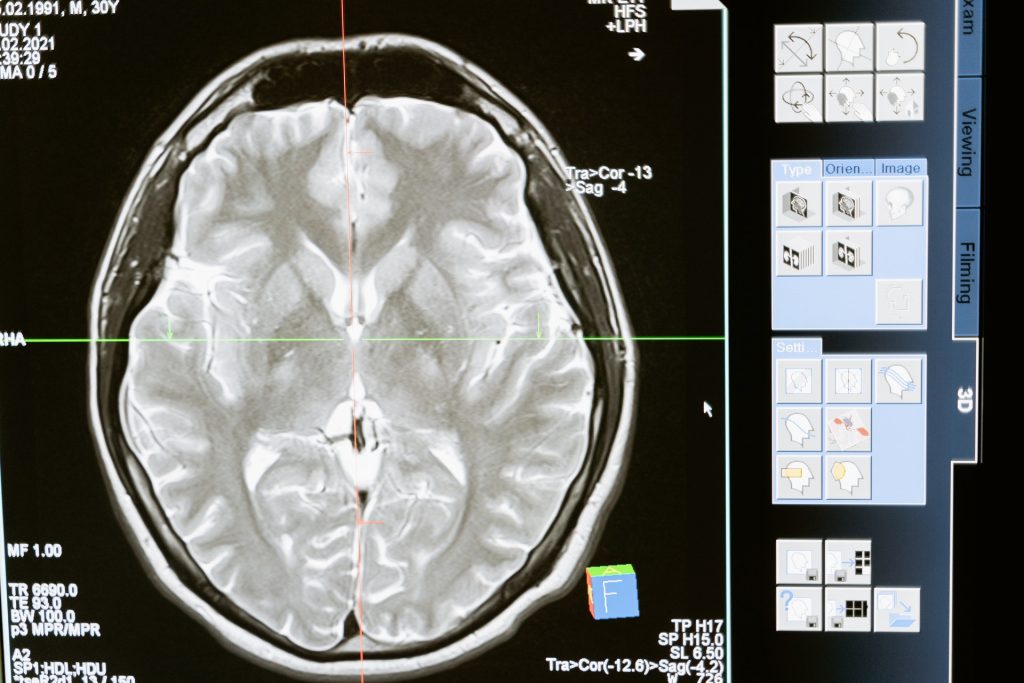
Neuroinflammation can lead to serious neurological or psychiatric diseases, for which there is presently one biomarker available for medical imaging to visualise cerebral inflammation. Trouble is, it has been unclear how to interpret this biomarker. Researchers have now found that a large quantity of this protein indicates a large quantity of inflammatory cells, but its presence is not a sign of their overactivation. These results, published in Nature Communications, pave the way for optimal observation of neuroinflammatory processes with other potential biomarkers, and a re-evaluation of prior research.

In the brain, microglial cells play an important role in inflammation and its potential overactivation. They can be ”activated” when dysfunction occurs, phagocytise pathological cells or proteins and even produce protective substances. Currently, in medical imaging, only one marker can be used to locate and measure microglia non-invasively and in vivo: the TSPO protein, which is present in these cells. This protein can be observed by Positron Emission Tomography (PET), a common imaging technique.

A TSPO of insight

”Hundreds of studies have used PET scans of this protein to explore and quantify microglia. However, no study has succeeded in precisely interpreting the significance of its quantity in the context of an inflammatory reaction,” explains Stergios Tsartsalis, senior clinical associate in the Department of Psychiatry at the UNIGE Faculty of Medicine. Together with other researchers, Stergios Tsartsalis sought to determine if a large quantity of TSPO correspond to a large quantity of inflammatory cells, and whether it is a sign of their overactivation.

The international research team worked on the brains of mouse models of Alzheimer’s disease, amyotrophic lateral sclerosis and multiple sclerosis, and on post-mortem brain samples from patients affected by the same diseases. ”We discovered that a high density of TSPO protein is indeed an indicator of a high density of microglia. On the other hand, the observation of TSPO does not allow us to say whether or not the inflammatory cells are overactivated,” explains the UNIGE researcher, co-first author of the study.

Re-reading the past, optimising the future

This discovery highlights the value of medical imaging of TSPO: it makes it possible to identify cases where the neuroinflammatory disease is linked to a deregulation in the number of glial cells. In addition, the scientists have identified two markers of the state of microglia activation in humans – the LCP2 and TFEC proteins – setting the stage for new medical imaging approaches.

”These results represent a further step towards understanding the role of microglia in neuroinflammation. They will help to optimise the focus of future studies and also to review the conclusions of previous research,” enthuses Stergios Tsartsalis.

Source: Université de Genève

We may now Know the Reason why SSRIs Take so Long to Kick in

Source: CC0

Selective serotonin reuptake inhibitors (SSRIs) normally take a few weeks before any improvements manifest, but the reasons why it takes so long have remained unclear since their first introduction 50 years ago. Now, new research provides the first human evidence that this is due to physical changes in the brain, which leads to greater brain plasticity developing over the first few weeks of SSRI intake. This may also begin to explain one of the mechanisms of how antidepressants work.

This work is presented at the ECNP conference in Barcelona, and also has been accepted in a peer-reviewed journal.

Clinician have long been puzzled as to why SSRIs take a relatively long time before having an effect. Researchers in Copenhagen, Innsbruck, and University of Cambridge have undertaken a randomised, double-blind placebo-controlled study in a group of healthy volunteers which shows a gradual difference in how many nerve cell connections (synapses) the brain cells have between those taking the antidepressants and a control group, depending on how long the treatment lasts.

In the study, 17 volunteers were given a 20mg daily dose of the SSRI escitalopram, with 15 volunteers given a placebo. Between three and five weeks after starting the trial, their brains were scanned with a PET (Positron Emission Tomography) scanner, which showed the amount of synaptic vesicle glycoprotein 2A in the brain: this is an indicator of the presence of synapses, so the more of the protein is found in an area, the more synapses are present in that area (ie, greater synaptic density). These scans showed significant between-group differences in how the synapse density evolved over time.

Researcher Professor Gitte Knudsen (of Copenhagen University Hospital) said:

“We found that with those taking the SSRI, over time there was a gradual increase in synapses in the neocortex and the hippocampus of the brain, compared to those taking placebo. We did not see any effect in those taking placebo.”

The neocortex, which takes up around half of the brain’s volume, deals with higher functions, such as sensory perception, emotion, and cognition. The hippocampus, which is found deep in the brain, handles functions of memory and learning.

Professor Knudsen continued, “This points towards two main conclusions. Firstly, it indicates that SSRIs increase synaptic density in the brain areas critically involved in depression. This would go some way to indicating that the synaptic density in the brain may be involved in how these antidepressants function, which would give us a target for developing novel drugs against depression. The second point is that our data suggest that synapses build up over a period of weeks, which would explain why the effects of these drugs take time to kick in.

Commenting, Professor David Nutt (Imperial College, London) said “The delay in therapeutic action of antidepressants has been a puzzle to psychiatrists ever since they were first discerned over 50 years ago. So these new data in humans that uses cutting edge brain imaging to demonstrate an increase in brain connections developing over the period that the depression lifts are very exciting.  Also they provide more evidence enhancing serotonin function in the brain can have enduring health benefits.”

This is an independent comment, Professor Nutt was not involved in this work..

Source: EurekAlert!

In Hearing Loss, How Hair Cells Lose Their ‘Hair’

In some cases of hearing loss, a cochlear implant is required. Photo by Brett Sayles

With age, many people will eventually need hearing aids. In some cases, the reason for this may be a signalling pathway that controls auditory sensory cell function and is downregulated with age. In the journal iScience, researchers at the University of Basel report the clues they have uncovered about this process, which may yield potential therapies to slow its progression.

Nearly everyone eventually experiences hearing loss: loud noises or simple aging gradually cause the auditory sensory cells and their synapses in the inner ear to degenerate and die off. The only treatment option is a hearing aid or, in extreme cases, a cochlear implant.

“In order to develop new therapies, we need to better understand what the auditory sensory cells need for proper function,” explains Dr Maurizio Cortada from the Department of Biomedicine at the University of Basel and University Hospital Basel. In collaboration researchers at the Biozentrum, Cortada investigated which signalling pathways influence the sensory hair cells in the inner ear. In the process, the researchers discovered a central regulator.

This signaling pathway, known by researchers as the mTORC2-signaling pathway, plays an important role, among other things, for cell growth and the cytoskeleton. The role it plays for the hair cells in the inner ear has not previously been studied.

When the researchers removed a central gene of this signalling pathway in the hair cells of the inner ear of mice, the animals gradually lost their hearing. By the age of twelve weeks, they were completely deaf, the authors report in the study.

Shortening ‘hair’ and fewer synapses

Closer examination indicated that the sensory hair cells in the inner ear lost their sensors without the mTORC2 signalling pathway: the distinctive fibre bundles known as stereocilia. Through electron microscopes, the researchers observed the shortening of stereocilia. The number of synapses that transmit the signals to the auditory nerve was also reduced.

“From other studies, we know that the production of key proteins in this signaling pathway decreases with age,” Cortada explains. There may be a connection to the loss of synapses and the reduced function of the auditory sensory cells in the inner ear that leads to hearing loss with increasing age.

“If this is confirmed, it would be a possible starting point for future therapies,” says the researcher. The middle and inner ear, for example, would be readily accessible for locally-administered medications or gene therapies. The results could pave the way for the development of such treatment options.

Source: University of Basel

CRISPR Untangles the Connections between Genome Organisation and Autism

Photo by Peter Burdon on Unsplash

Using CRISPR gene editing, stem cells and human neurons, researchers have isolated the impact of a gene that is commonly mutated in autism. This new study, published today in The American Journal of Human Genetics, ties mutations in the gene CHD8 with a broad spectrum of molecular and cellular defects in human cortical neurons.

Autism is a highly heritable disorder with a recent increase in incidence – approximately 1 in 40 children in the US are diagnosed with autism. Over the past decade, sequencing studies have found many genes associated with autism but it has been challenging to understand how mutations in certain genes drive complex changes in brain activity and function.

The team, led by researchers at the New York Genome Center and New York University (NYU) and the Broad Institute, team developed an integrated approach to understand how mutations in the CHD8 gene alter genome regulation, gene expression, neuron function, and are tied to other key genes that play a role in autism. 

For more than a decade, it has been known that individuals with mutations in the CHD8 gene tend to have many similar ailments, such as autism, an abnormally large head size, digestive issues and difficulty sleeping. The CHD8 gene is a regulator of proteins called chromatin that surround the DNA but it is unclear how this particular gene might relate to major alterations in neural development and, in turn, result in autism. 

The research team identified numerous changes in physical state of DNA, which makes the genome more accessible to regulators of gene expression, and, in turn, drives aberrant expression of hundreds of genes. These molecular defects resulted in clear functional changes in neurons that carry the CHD8 mutation. These neurons are much less talkative: They are activated less often and send fewer messages across their synapses. 

The study authors initially observed these changes using human cortical neurons differentiated from stem cells where CRISPR was used to insert a CHD8 mutation. These findings were further bolstered by similar reductions in neuron and synapse activity when examining neurons from mice with a CHD8 mutation. These substantial defects in neuron function were circumvented when extra CHD8 was added to the cell using a gene therapy approach. In this case, extra copies of a healthy CHD8 gene without any mutation were added using a viral vector. Upon differentiation, the team found that the neurons rescued by the treatment returned to a normal rate of activity and synaptic communication, indicating that this gene therapy approach may be sufficient to restore function.

Lastly, when examining disrupted genes, the authors found that the CHD8 mutation seemed to specifically alter other genes that have been implicated in autism or intellectual disability, but not genes associated with unrelated disorders like cardiovascular disease. This suggest that CHD8 might influence selectively those genes that tend to be involved in neurodevelopmental disorders, providing an explanation for some of the particular characteristics of individuals carrying a CHD8 mutation.

Source: EurekAlert!

Strong Link for Older Drivers with ADHD and Car Crashes

Photo by Pixabay

In a study on the prevalence of attention-deficit/hyperactivity disorder (ADHD) and its association with crash risk among older adult drivers, researchers found that those with ADHD are at a significantly elevated crash risk compared with those without ADHD. Outcomes included hard-braking events, and self-reported traffic ticket events, and vehicular crashes. Until now research on ADHD and driving safety was largely limited to children and young adults, and few studies assessed the association of ADHD with crash risk among older adults. The results are published online in JAMA Network Open.

The research, from Columbia University Mailman School of Public Health, found that older adult drivers were more than twice as likely as their counterparts without ADHD to report being involved in traffic ticket events (22 versus 10 per million miles driven), and vehicular crashes (27 versus 13.5 per million miles driven).

“Our findings suggest that effective interventions to improve the diagnosis and clinical management of ADHD among older adults are warranted to promote safe mobility and healthy aging,” observed first author Yuxin Liu, MPH, at the Columbia Mailman School of Public Health.

ADHD is a chronic neurodevelopmental condition with symptoms such as inattentiveness, impulsivity, and hyperactivity. Although ADHD is commonly considered a childhood disorder, it can persist into adulthood and affect daily life performances of older adults. In the US, the reported prevalence of ADHD is 9% to 13% in children younger than 17 years and 8% in adults 18 to 44 years of age. The reported prevalence of ADHD in adults has increased in recent years due to improved diagnosis. In general, the prevalence of ADHD decreases with advancing age.

Study participants were active drivers aged 65 to 79 years of age enrolled during 2015 and 2017 in the Longitudinal Research on Aging Drivers (LongROAD) project who were followed for up to 44 months through in-vehicle data recording devices and annual assessments. The data analysis was performed between July 2022 and August 2023.

Of the 2832 drivers studied, 75 (2.6 %) had ADHD. The prevalence of ADHD was 7.2% among older adults with anxiety or depression. With adjustment for demographic characteristics and comorbidities, ADHD was associated with a 7% increased risk of hard-braking events, a 102% increased risk of self-reported traffic ticket events, and a 74% increased risk of self-reported vehicular crashes.

The researchers collected data from primary care clinics and residential communities in five U.S. sites in Ann Arbor, Michigan; Baltimore, Maryland; Cooperstown, New York; Denver, Colorado; and San Diego, California between July 2015 and March 2019. Participants were active drivers aged 65 to 79 years enrolled in the LongROAD project who were followed through in-vehicle data recording devices and annual assessments.

“Our study makes two notable contributions to research on healthy and safe aging,” said Guohua Li, MD, DrPH, professor of epidemiology at Columbia Mailman School of Public Health, and senior author. “The research fills a gap in epidemiologic data on ADHD among older adults and provides compelling evidence that older adult drivers with ADHD have a much higher crash risk than their counterparts without ADHD.”

Dr. Li and colleagues launched the LongROAD Project in 2014 to understand and meet the safe mobility needs of older adult drivers. A 2016 study by Li and colleagues in the Journal of the American Geriatrics Society showed that health worsens when older adults stop driving. Early this year, the research team reported in a study published in Artificial Intelligence in Medicine that driving data captured by in-vehicle recording devices are valid and reliable digital markers for predicting mild cognitive impairment and dementia.

“There are 48 million older adult drivers in the United States. As population aging continues, this number is expected to reach 63 million in 2030. Data from the landmark LongROAD project will enable us to examine the role of medical, behavioural, environmental, and technological factors in driving safety during the process of aging.” said Li, who is also professor of anaesthesiology at Columbia Vagelos College of Physicians and Surgeons, and founding director of the Columbia Center for Injury Science and Prevention.

Source: Columbia University’s Mailman School of Public Health

Neuroscientists Regenerate Neurons in Mice with Spinal Cord Injury

Source: CC0

In a new study using mice, neuroscientists have uncovered a crucial component for restoring functional activity after spinal cord injury. In the study, published in Science, the researchers showed that re-growing specific neurons back to their natural target regions led to recovery, while random regrowth was not effective.

In a 2018 study in Naturethe team identified a treatment approach that triggers axons to regrow after spinal cord injury in rodents. But even as that approach successfully led to the regeneration of axons across severe spinal cord lesions, achieving functional recovery remained a significant challenge.

For the new study, the team of researchers from UCLA, the Swiss Federal Institute of Technology, and Harvard University aimed to determine whether directing the regeneration of axons from specific neuronal subpopulations to their natural target regions could lead to meaningful functional restoration after spinal cord injury in mice. They first used advanced genetic analysis to identify nerve cell groups that enable walking improvement after a partial spinal cord injury.

The researchers then found that merely regenerating axons from these nerve cells across the spinal cord lesion without specific guidance had no impact on functional recovery. However, when the strategy was refined to include using chemical signals to attract and guide the regeneration of these axons to their natural target region in the lumbar spinal cord, significant improvements in walking ability were observed in a mouse model of complete spinal cord injury.

“Our study provides crucial insights into the intricacies of axon regeneration and requirements for functional recovery after spinal cord injuries,” said Michael Sofroniew, MD, PhD, professor of neurobiology at the David Geffen School of Medicine at UCLA and a senior author of the new study. “It highlights the necessity of not only regenerating axons across lesions but also of actively guiding them to reach their natural target regions to achieve meaningful neurological restoration.”

The authors say understanding that re-establishing the projections of specific neuronal subpopulations to their natural target regions holds significant promise for the development of therapies aimed at restoring neurological functions in larger animals and humans. However, the researchers also acknowledge the complexity of promoting regeneration over longer distances in non-rodents, necessitating strategies with intricate spatial and temporal features. Still, they conclude that applying the principles laid out in their work “will unlock the framework to achieve meaningful repair of the injured spinal cord and may expedite repair after other forms of central nervous system injury and disease.”

Source: University of California – Los Angeles Health Sciences

New Evidence of Patients Recalling Death Experiences after Cardiac Arrest

Up to an hour after cardiac arrest, some patients revived by cardiopulmonary resuscitation (CPR) had clear memories afterward of experiencing death and had brain patterns while unconscious linked to thought and memory, report investigators in the journal Resuscitation.

In a study led by researchers at NYU Grossman School of Medicine, some survivors of cardiac arrest described lucid death experiences that occurred while they were seemingly unconscious. Despite immediate treatment, fewer than 10% of the 567 patients studied, who received CPR in the hospital, recovered sufficiently to be discharged. Of the survivors, four in 10 recalled some degree of consciousness during CPR not captured by standard measures.

The study also found that in a subset of these patients, who received brain monitoring, nearly 40% had brain activity that returned to normal, or nearly normal, from a “flatline” state, at points even an hour into CPR. As captured by EEG, the patients saw spikes in the gamma, delta, theta, alpha, and beta waves associated with higher mental function.

Survivors have long reported having heightened awareness and powerful, lucid experiences, say the study authors. These have included a perception of separation from the body, observing events without pain or distress, and a meaningful evaluation of their actions and relationships. This new work found these experiences of death to be different from hallucinations, delusions, illusions, dreams, or CPR-induced consciousness.

The study authors hypothesise that the “flatlined”, dying brain removes natural inhibitory (braking) systems. These processes, known collectively as disinhibition, may open access to “new dimensions of reality,” they say, including lucid recall of all stored memories from early childhood to death, evaluated from the perspective of morality. While no one knows the evolutionary purpose of this phenomenon, it “opens the door to a systematic exploration of what happens when a person dies.”

Senior study author Sam Parnia, MD, PhD, associate professor in the Department of Medicine at NYU Langone Health and director of critical care and resuscitation research at NYU Langone, says, “Although doctors have long thought that the brain suffers permanent damage about 10 minutes after the heart stops supplying it with oxygen, our work found that the brain can show signs of electrical recovery long into ongoing CPR. This is the first large study to show that these recollections and brain wave changes may be signs of universal, shared elements of so-called near-death experiences.”

Dr Parnia adds, “These experiences provide a glimpse into a real, yet little understood dimension of human consciousness that becomes uncovered with death. The findings may also guide the design of new ways to restart the heart or prevent brain injuries and hold implications for transplantation.”

The AWAreness during REsuscitation (AWARE)-II study followed 567 adults who suffered in-hospital cardiac arrest between May 2017 and March 2020 in the US and UK. Only hospitalised patients were enrolled to standardise the CPR and resuscitation methods used, as well as recording methods for brain activity. A subset of 85 patients received brain monitoring during CPR. Additional testimony from 126 community survivors of cardiac arrest with self-reported memories was also examined to provide greater understanding of the themes related to the recalled experience of death.

The study authors conclude that research to date has neither proved nor disproved the reality or meaning of patients’ experiences and claims of awareness in relation to death. They say the recalled experience surrounding death merits further empirical investigation and plan to conduct studies that more precisely define biomarkers of clinical consciousness and that monitor the long-term psychological effects of resuscitation after cardiac arrest.

Source: Elsevier

A New Way to Map the Human Auditory Pathway

Photo by Brett Sayles

Researchers have developed a non-invasive method for mapping the human auditory pathway, which could potentially be used as a tool to help clinicians decide the best surgical strategy for patients with profound hearing loss. The findings, published online in the journal eLife, highlight the importance of early interventions to give patients the ability to hear and understand speech, so that their auditory-language network can develop properly and their long-term outcomes are improved.

Sensorineural hearing loss (SNHL) occurs when the sensitive hair cells inside the cochlea are damaged, or when there is damage to the auditory nerve which transmits sound to the brain. A person with profound hearing loss is typically unable to hear any sounds, or at best, only very loud sounds. Congenital SNHL has increased in prevalence over the past two decades, from 1.09 to 1.7 cases per 1000 live births.

The sound of speech is carried through the brain by nerve fibres in regions known as the auditory pathway, and are processed in a region called the language network. In cases of congenital SNHL, the lack of speech inputs reaching the language network may hinder its proper development, leading to poorer spoken language skills.

Currently, the primary treatments for profound SNHL are cochlear and auditory brainstem implantation, where a device is used to stimulate the peripheral cochlea or the central cochlear nucleus, respectively. Both techniques can partially restore hearing in patients, but their language development outcomes can vary. This is especially true for patients with inner ear malformations (IEM) or cochlear nerve deficiencies (CND), which contribute to 15-39% of congenital SNHL cases.

“Where SNHL is caused by CNDs and/or IEMs, there is a great deal of uncertainty around the best method of treatment. This is due to the difficulty of assessing the condition of the cochlear nerve and distinguishing between certain types of IEM, both of which impact surgical decision making,” says senior authors Hao Wu, a professor and Chief Physician specialising in Otolaryngology at Shanghai Ninth People’s Hospital, Shanghai Jiao Tong University School of Medicine, China. Wu also serves as the Hospital Administrator and the Clinical and Academic Lead for the department. “We therefore need a more effective method for mapping the auditory pathway and diving deeper into how IEMs and CNDs affect the development of the auditory-language network.”

In their study, professor Wu’s team investigated the auditory and language pathways in 23 children under the age of six. They included 10 children with normal hearing, and 13 with profound SNHL. In the latter group, seven children had received cochlear implantations, two had received auditory brainstem implantations, and four were candidates for auditory brainstem implantations.

The human auditory pathway is difficult to investigate non-invasively due to its delicate and intricate subcortical structures located deep within the brain. To navigate this, the team developed a new methodology to reconstruct the pathway. First, they segmented the subcortical auditory structures using track density imaging, which are reconstructed from a specific type of MRI scan and provide much greater detail and information on the structural connectivity of the brain. This allowed them to delineate the cochlear nucleus and the superior olivary complex of the auditory pathway. They then tracked the auditory and language pathways using a neuroimaging technique called probabilistic tractography, which uses the information from an MRI scan to provide the most likely view of structural brain connectivity. Next, the team assessed the density and cross-section of the nerve fibres in the auditory and language pathways.

This combined methodology allowed them to investigate three key areas to inform surgical decision making: the condition of the nerve fibres in the auditory-language network of children with profound SNHL; the potential impact of IEMs and CNDs on the development of the network before surgical intervention; and the relationship between the pre-implant structural development of the network and the auditory-language outcomes following implantation.

The team’s observations revealed a lower nerve fibre density in children with profound SNHL, in comparison to those with normal hearing. This reduction was most pronounced in two regions of the inferior central auditory pathway, as well as the left language pathway.

In addition, the findings revealed that the language pathway is more sensitive than the central auditory system to IEMs and/or CNDs, implying that the structural development of the language pathway is more negatively impacted by the condition of the peripheral auditory structure. However, the authors caution that further study is required to validate this finding. As it is more difficult to image the central auditory pathway than the language pathway, this difference could have arisen due to the limitations of current neuroimaging technologies.

The authors say the study is also limited by a relatively small cohort of patients and an incomplete genetic dataset, so more studies with a more diverse patient population will also be needed. But with further validation, they add that the methodology could be used more widely for informing decisions in treating profound SNHL.

Source: eLife

Aripiprazole Improves Sleep in Psychiatric Disorders by Entrainment to Light/Dark Cycles

Photo by Cottonbro on Pexels

Researchers in Japan have shown that the commonly prescribed antipsychotic drug aripiprazole helps reduce sleep disruptions in patients with certain psychiatric disorders by improving their natural entrainment to light and dark cycles. Their findings are published in Frontiers in Neuroscience.

Many patients with psychiatric conditions, such as bipolar disorder and major depressive disorder, frequently experience disruptions in their sleep–wake cycles. Research has shown that the administration of aripiprazole, a commonly prescribed antipsychotic drug, alleviates the symptoms of circadian sleep disorders in these patients. This improvement may be attributed to the effects of aripiprazole on the circadian central clock, specifically the hypothalamic suprachiasmatic nucleus (SCN), which regulates various circadian physiological rhythms, including the sleep–wake cycle, in mammals. However, the precise mechanism through which aripiprazole addresses these sleep disorder symptoms remains elusive.

Researchers from the University of Tsukuba have discovered that aripiprazole can directly affect the mammalian central circadian clock; specifically, it can modulate the photic entrainment in mice. Located in the hypothalamic suprachiasmatic nucleus (SCN), the central circadian clock comprises clock neurons that synchronize with each other, maintaining a roughly 24-hour rhythm. Simultaneously, SCN is receptive to external inputs like light, aligning itself with the environmental light-dark cycle. The researchers have found that aripiprazole disrupts the synchronization among the clock neurons in the SCN, heightening the responsiveness of these neurons to light stimuli in mice. Additionally, aripiprazole influences intracellular signalling within the SCN by targeting the serotonin 1A receptor, a prominent receptor in the SCN.

These findings suggest that the efficacy of aripiprazole in alleviating circadian rhythm sleep disorder symptoms in psychiatric patients might be attributed to the modulation of the circadian clock by the drug. This study expands the potential clinical usage of aripiprazole as a treatment for circadian rhythm sleep disorders.

Source: University of Tsukuba

Twin Study Reveals Concussions from Youth Linked to Later Cognitive Decline

A study of twins who fought in World War II showed that concussion early in life is tied to having lower scores on tests of thinking and memory skills decades later as well as having more rapid decline in those scores than twins who did not have a concussion, or traumatic brain injury (TBI). The study is published in Neurology®, the medical journal of the American Academy of Neurology.

“These findings indicate that even people with traumatic brain injuries in earlier life who appear to have fully recovered from them may still be at increased risk of cognitive problems and dementia later in life,” said study author Marianne Chanti-Ketterl, PhD, MSPH, of Duke University in Durham, North Carolina. “Among identical twins, who share the same genes and many of the same exposures early in life, we found that the twin who had a concussion had lower test scores and faster decline than their twin who had never had a concussion.”

The study involved 8662 men who were World War II veterans. The participants took a test of thinking skills at the start of the study when they were an average age of 67 and then again up to three more times over 12 years. Scores for the test can range from zero to 50. The average score for all participants at the beginning of the study was 32.5 points.

A total of 25% of the participants had experienced a concussion in their life.

Twins who had experienced a concussion were more likely to have lower test scores at age 70, especially if they had a concussion where they lost consciousness or were older than 24 when they had their concussion. Those twins with traumatic brain injury with loss of consciousness, more than one traumatic brain injury and who had their injuries after age 24 were more likely to have faster cognitive decline than those with no history of traumatic brain injury.

For example, a twin who experienced a traumatic brain injury after age 24 scored 0.59 points lower at age 70 than his twin with no traumatic brain injury, and his thinking skills declined faster, by 0.05 points per year.

These results took into account other factors that could affect thinking skills, such as high blood pressure, alcohol use, smoking status and education.

“Although these effect sizes are modest, the contribution of TBI on late life cognition, in addition to numerous other factors with a detrimental effect on cognition, may be enough to trigger an evaluation for cognitive impairment,” Chanti-Ketterl said. “With the trend we are seeing with increased emergency room visits due to sports or recreation activity injuries, combined with the estimated half million members of the military who suffered a TBI between 2000 and 2020, the potential long-term impact of TBI cannot be overlooked. These results may help us identify people who may benefit from early interventions that may slow cognitive decline or potentially delay or prevent dementia.”

A limitation of the study was that traumatic brain injuries were reported by the participants, so not all injuries may have been remembered or reported accurately.

Source: American Academy of Neurology