Category: Metabolic Disorders

Diet Extremes of Carbohydrate and Fat Tied to Sex-specific Mortality Risks

Photo by I Yunmai on Unsplash

New research suggests that extreme dietary habits involving carbohydrates and fats affect life expectancy. Results published in The Journal of Nutrition show that a low carbohydrate intake in men and a high carbohydrate intake in women are associated with a higher risk of all-cause and cancer-related mortality and that women with higher fat intake may have a lower risk of all-cause mortality. Their findings suggest that people should pursue a balanced diet rather than heavily restricting their carbohydrate or fat intake.

While low-carbohydrate and low-fat diets are becoming popular as a way to promote weight loss and improve blood glucose levels, their long-term effects on life expectancy are less clear. Interestingly, recent studies conducted in Western countries suggest that extreme dietary habits for carbohydrates and fats are associated with a higher risk of mortality. However, few studies have explored these associations in East Asian populations, including Japanese individuals who typically have relatively low fat and high-carbohydrate dietary intakes.

Researchers from Nagoya University Graduate School of Medicine in Japan led by Dr Takashi Tamura conducted a follow-up survey over a period of 9 years with 81 333 Japanese people (34,893 men and 46 440 women) to evaluate the association between carbohydrate and fat intakes and the risk of mortality. Daily dietary intakes of carbohydrates, fats, and total energy were estimated using a food frequency questionnaire and calculated as a percentage of total energy intake for carbohydrates and fats. Carbohydrate intake quality (ie, refined compared with minimally processed carbohydrate intake) and fat intake quality (ie, saturated compared with unsaturated fat intake) were also assessed to examine the impact of food quality on the association with mortality.

They found that men who consumed less than 40% of their total energy from carbohydrates experienced significantly higher risks of all-cause and cancer-related mortality. The trend was observed regardless of whether refined or minimally processed carbohydrate were considered. On the other hand, among women with 5 years or longer of follow-up, those with a high carbohydrate intake of more than 65% had a higher risk of all-cause mortality. No clear association was observed between refined or minimally processed carbohydrate intake and the risk of mortality in women.

For fats, men with a high fat intake of more than 35% of their total energy from fats had a higher risk of cancer-related mortality. They also found that a low intake of unsaturated fat in men was associated with a higher risk of all-cause and cancer-related mortality. In contrast, total fat intake and saturated fat intake in women showed an inverse association with the risk of all-cause and cancer-related mortality. They concluded that this finding does not support the idea that high fat intake is detrimental to longevity in women.

“The finding that saturated fat intake was inversely associated with the risk of mortality only in women might partially explain the differences in the associations between the sexes,” Dr Tamura stated. “Alternatively, components other than fat in the food sources of fat may be responsible for the observed inverse association between fat intake and mortality in women.”

This study is extremely important because restricting carbohydrates and fats, such as extremely low-carbohydrate and low-fat diets, are now popular dieting strategies aimed at improving health, including the management of metabolic syndrome. However, this study shows that low-carbohydrate and low-fat diets may not be the healthiest strategy for promoting longevity, as their short-term benefits could potentially be outweighed by long-term risk.

Overall, an unfavourable association with mortality was observed for low-carbohydrate intake in men and for high carbohydrate intake in women, whereas high fat intake could be associated with a lower mortality risk in women. The findings suggest that individuals should carefully consider how to balance their diet and ensure that they are taking in energy from a variety of food sources, while avoiding extremes.

Source: Nagoya University

Implanted Bioreactors Functioning as Artificial Kidneys Could One Day Replace Dialysis

Photo by Robina Weermeijer on Unsplash

Scientists at UC San Francisco are working on a new approach to treating kidney failure that could one day free people from needing dialysis or a transplant and the associated immunosuppressive drugs.

The technology, described in Nature Communications, shows for the first time that kidney cells, housed in an implantable device called a bioreactor, can survive inside the body of a pig and mimic several important kidney functions. The device can work quietly in the background, like a pacemaker, and does not trigger the recipient’s immune system to go on the attack.

Eventually, scientists plan to fill the bioreactor with different kidney cells that perform vital functions like balancing the body’s fluids and releasing hormones to regulate blood pressure, then pair it with a device that filters waste from the blood.

The aim is to produce a human-scale device to improve on dialysis, which keeps people alive after their kidneys fail but is a poor substitute for having a real working organ. In the US, more than 500 000 require dialysis several times a week. Many seek kidney transplants, but there are not enough donors, and only about 20 000 people receive them each year. An implantable kidney would be a boon.

This is a key step forward is for The Kidney Project, which is jointly headed by UCSF’s Shuvo Roy, PhD (technical director) and Vanderbilt University Medical Center’s William H. Fissell, MD (medical director).

“We are focused on safely replicating the key functions of a kidney,” said Roy, a bioengineering professor in the UCSF School of Pharmacy. “The bioartificial kidney will make treatment for kidney disease more effective and also much more tolerable and comfortable.”

Inspired by nature, honed by science

Roy and his colleagues engineered the bioreactor to connect directly to blood vessels and veins, allowing the passage of nutrients and oxygen, much like a transplanted kidney would. Silicon membranes keep the kidney cells inside the bioreactor safe from attack by the recipient’s immune cells.

The team used a proximal tubule cell, which regulates water, as a test case. Co-author H. David Humes, MD, from the University of Michigan, had previously used these cells to help dialysis patients in the intensive care unit with life-saving results.

No immunosuppression needed

The team tracked the renal cells and the recipient animals for seven days after transplantation and both did well. The next step will be month-long trials, as required for by the U.S. Food and Drug Administration (FDA), first in animals and eventually in humans.

“We needed to prove that a functional bioreactor will not require immunosuppressant drugs, and we did,” Roy said. “We had no complications and can now iterate up, reaching for the whole panel of kidney functions at the human scale.”

Source: University of California – San Francisco

Urine Adenine Predicts Kidney Failure in Diabetes up to a Decade in Advance

Photo by Robina Weermeijer on Unsplash

Urine levels of adenine, a metabolite produced in the kidney, are predictive and a causative biomarker of looming progressive kidney failure in patients with diabetes, a finding that could lead to earlier diagnosis and intervention, researchers reported in the Journal of Clinical Investigation. Elevated adenine was also associated with all-cause mortality.

The study results are significant because until now, the most important marker for kidney disease has been protein (or albumin) in the urine. Up to half of diabetes patients who develop kidney failure never have much protein in their urine. As 90% of patients with diabetes remain at increased risk despite low levels of albumin in their urine, this study has widespread consequences. It is the first study to identify these patients at an early stage by measuring this new causative marker in the urine.

The finding paves the way for clinic testing to determine that a patient is at risk, five to 10 years before kidney failure, said the senior study author, Kumar Sharma, MD. The study was conducted by The University of Texas Health Science Center at San Antonio.

Importantly, the research team identified a small molecule that blocks the major pathway of endogenous adenine production in the body. This therapeutic drug reduced kidney adenine levels in mice with type 2 diabetes. “The drug protected against all the major aspects of diabetic kidney disease without affecting blood sugar,” Sharma said. “The study is remarkable as it could pave the way to precision medicine for diabetic kidney disease at an early stage of the disease.”

Findings consistent across diverse study populations

The researchers studied more than 1200 patients with diabetes across three international research cohorts. The Chronic Renal Insufficiency Cohort (CRIC) study included African American, Hispanic and Caucasian participants in the US. A separate study was in the American Indian population. The team also evaluated an Asian cohort of mostly Chinese, Asian Indians and Malay populations in a study based in Singapore.

Mapping the metabolites

UT Health San Antonio is one of few centres perfecting a technique called spatial metabolomics on kidney biopsies from human patients. This technique enables researchers to determine the locations of adenine and other small molecules in kidney tissues.

“It’s a very difficult technique, and it took us several years to develop a method where we combine high resolution of the geography of the kidney with mass spectrometry analysis to look at the metabolites,” Sharma said.

Metabolites are small molecules that the body produces based on metabolism. They make cells go in a healthy way or in a disease pattern, Sharma said.

Adenine situated around kidney blood vessels

The team found endogenous adenine around scarred blood vessels in the kidney and around tubular-shaped kidney cells that were being destroyed. Endogenous substances are those that naturally occur in the body.

The finding that high levels of adenine were also associated with all-cause mortality in the study participants suggests that the metabolite is affecting other parts of the body, as well, Sharma said.

False sense of security

Many patients with diabetes know they’re at risk of kidney disease, but if they don’t have protein in their urine, they think they are protected, he said.

“They could be feeling a false sense of security that there is no kidney disease occurring in their body,” Sharma said. “But in fact, in many cases it is progressing, and they often don’t find out until the kidney disease is pretty far advanced. And at that time, it is much harder to protect the kidneys and prevent dialysis.”

“The death rate is very high, especially in patients with diabetes,” Sharma said. “There is about 40% mortality within five years in patients with diabetes and kidney failure.”

New type of therapy is needed

Although treatments to protect against diabetes and blood pressure are improving, they only push the envelope a little bit, Sharma said, in that patients still have progressive kidney disease and kidney failure, but they are afforded more time before they reach that endpoint. The measurement of urine adenine is difficult; however, the team at the Center for Precision Medicine at UT Health San Antonio has developed a robust and sensitive method to measure urine adenine in patients.

“What we’re hoping is that by identifying patients early in their course and with new therapies targeting adenine and kidney scarring, we can block kidney disease or extend the life of the kidney much longer,” Sharma said.

Source: University of Texas Health Science Center at San Antonio

Don’t Overlook Latent Autoimmune Diabetes in Adults, Researchers Caution

Photo by Photomix Company on Pexels

To reduce the risk of complications, it is important to measure antibodies those with adult onset diabetes, while also considering the levels of these antibodies.

In a study published in the journal Diabetes Care, researchers demonstrate that individuals with Latent Autoimmune Diabetes in Adults (LADA) have an equally high risk of developing cardiovascular disease as people with type 2 diabetes, but a higher risk of developing retinopathy and poorer glucose control. Many also lack adequate treatment.

LADA is a common but relatively unknown form of diabetes. Similar to type 1 diabetes, it is an autoimmune disease characterised by antibodies against insulin-producing cells. It develops in adulthood, and the autoimmune process progresses more slowly than in type 1 diabetes. LADA also shares features with type 2 diabetes, which means those affected risk getting the wrong diagnosis if antibodies are not measured. Incorrect diagnosis can result in inadequate treatment. Previous studies suggest that between five and ten percent of all individuals initially diagnosed with type 2 diabetes actually have LADA. Researchers at Karolinska Institutet, and the Universities of Lund and Helsinki set out to examine the risk of complications in LADA.

Our results emphasise the importance of diagnosing LADA correctly and careful monitoring of glucose control in these individuals, so that treatment can be intensified if needed, thereby reducing the risk of complications.

Yuxia Wei, PhD-student and Sofia Carlsson, senior lecturer, Institute of Environmental Medicine, Karolinska Institutet

According to the study LADA was characterised by fewer metabolic risk factors than type 2 diabetes, such as high blood pressure and high blood lipids. However, a lower proportion of individuals with LADA achieved good glucose control. The lack of glucose control was most evident in LADA patients with high levels of the antibody GADA (glutamic acid decarboxylase antibody). A significant portion of individuals with LADA lacked any glucose-lowering treatment.

The results of the new study are based on the ESTRID study, where researchers followed over 4000 individuals with diabetes, of whom 550 had LADA, for up to 12 years after diagnosis. According to the researchers, it is the most comprehensive study to date regarding the risk of complications in LADA.

Source: Karolinska Institutet

‘We Will Rock You’: The Special Cells that Secrete Insulin to Music

Freddie Mercury performing with Queen in 1977. Source: Wikimedia Commons

Music has often been touted as a soothing treatment to aid healing. Now, researchers at ETH Zurich in Basel have come up with another medical approach. They have developed a novel method to get music to make specially designed cells secrete insulin. They found that this works especially well with the bass rhythm “We Will Rock You,” a global hit by British rock band, Queen.

Diabetics depend on an external supply of insulin via injection or pump. Researchers led by Martin Fussenegger from the Department of Biosystems Science and Engineering at ETH Zurich in Basel want to make the lives of these people easier and are looking for solutions to produce and administer insulin directly in the body. Any alternatives must be able to release insulin in controlled quantities on command.

One such solution the scientists are pursuing is enclosing insulin-producing designer cells in capsules that can be implanted in the body. To be able to control from the outside when and how much insulin the cells release into the blood, researchers have studied and applied different triggers in recent years: light, temperature and electric fields.

Equipping cells to receive sound waves

To make the insulin-producing cells receptive to sound waves, the researchers used a protein from the bacterium E. coli. Such proteins respond to mechanical stimuli and are common in animals and bacteria. The protein is located in the membrane of the bacterium and regulates the influx of calcium ions into the cell interior. The researchers incorporated the blueprint of this bacterial ion channel into human insulin-producing cells, letting these cells create the ion channel themselves and embed it in their membrane.

As the scientists have been able to show, the channel in these cells opens in response to sound, allowing positively charged calcium ions to flow into the cell. This leads to a charge reversal in the cell membrane, which in turn causes the tiny insulin-filled vesicles inside the cell to fuse with the cell membrane and release the insulin to the outside.

Turn up the bass

In cell cultures, the researchers first determined which frequencies and volume levels activated the ion channels most strongly. They found that volume levels around 60 decibels (dB) and bass frequencies of 50 hertz were the most effective in triggering the ion channels. To trigger maximum insulin release, the sound or the music had to continue for a minimum of three seconds and pause for a maximum of five seconds. If the intervals were too far apart, substantially less insulin was released.

Finally, the researchers looked into which music genres caused the strongest insulin response at a volume of 85dB. Rock music with booming bass like the song “We Will Rock You,” from Queen, came out on top, followed by the soundtrack to the action movie The Avengers. The insulin response to classical music and guitar music was rather weak by comparison.

“We Will Rock You” triggered roughly 70% of the insulin response within five minutes, and all of it within 15 minutes. This is comparable to the natural glucose-induced insulin response of healthy individuals, Fussenegger says.

Sound source must be directly above the implant

To test the system as a whole, the researchers implanted the insulin-producing cells into mice and placed the animals so that their bellies were directly on the loudspeaker. This was the only way the researchers could observe an insulin response. If, however, the animals were able to move freely in a “mouse disco,” the music failed to trigger insulin release.

“Our designer cells release insulin only when the sound source with the right sound is played directly on the skin above the implant,” Fussenegger explains. The release of the hormone was not triggered by ambient noise such as aircraft noise, lawnmowers, fire brigade sirens or conversations.

Ambient noise won’t do

As far as he can tell from tests on cell cultures and mice, Fussenegger sees little risk that the implanted cells in humans would release insulin constantly and at the slightest noise.

Another safety buffer is that insulin depots need four hours to fully replenish after they have been depleted. So even if the cells were exposed to sound at hourly intervals, they would not be able to release a full load of insulin each time and thereby cause life-threatening hypoglycaemia. “It could, however, cover the typical needs of a diabetes patient who eats three meals a day,” Fussenegger says. He explains that insulin remains in the vesicles for a long time, even if a person doesn’t eat for more than four hours. “There’s no depletion or unintentional discharge taking place.”

As a proof of concept only, clinical application is a long way off, but it shows that genetic networks can be controlled by mechanical stimuli such as sound waves. Whether this principle will ever be put to practical use depends on whether a pharmaceutical company is interested in doing so. It could, after all, be applied broadly: the system works not only with insulin, but with any protein that lends itself to therapeutic use.

Source: ETH Zurich

In Animal Studies, Metformin Extends Lifespan

Photo by Towfiqu Barbhuiya on Unsplash

Researchers have discovered that the common antidiabetic drug metformin not only lowers blood sugar levels but has revealed to extend lifespan in C. Elegans, an animal model that shares similar metabolic systems with humans and are often used to model human diseases.

This study, led by investigators at Massachusetts General Hospital (MGH), reveals that metformin promotes longevity by stimulating the body’s production of ether lipids, a major structural component of cell membranes.

The findings, which are published in eLife, suggest that boosting production of ether lipids in humans may support healthy aging and reduce the impact of aging-related diseases.

To identify the genes required to enable lifespan extension in response to metformin and its sister drug phenformin (drugs called biguanides), the scientists silenced individual genes in the roundworm Caenorhabditis elegans (which shares over 80% of its proteins with humans and has an average lifespan of about two weeks) and examined what happens to the altered worms after exposure to the medications.

The experiments reveal that genes that increase production of ether lipids are required to extend lifespan in response to the biguanides. Inactivation of the genes that encode for these enzymes completely prevented the longevity-promoting effects of biguanides. Importantly, inactivation of these genes prevented lifespan extension in a variety of situations that are also known to promote longevity, including dietary restriction.

The team also found that increasing ether lipid synthesis alone (by overexpressing a single, key ether lipid biosynthetic enzyme called fard-1) was sufficient to extend C. elegans’ lifespan, orchestrating a metabolic stress defense response through a factor called SKN-1, which is the worm counterpart to the mammalian protein Nrf. This response altered metabolism to promote a longer lifespan.

“Our study implicates promotion of ether lipid biosynthesis as a novel therapeutic target to promote healthy aging. This suggests that dietary or pharmacologic intervention to promote ether lipid synthesis might one day represent a strategy to treat aging and aging-related diseases,” says senior author Alexander A. Soukas, MD, PhD, an Associate Professor at Harvard Medical School.

“Because our studies focused solely on interventions in C. elegans, further studies in mammalian models (such as human cells and mice), epidemiological observation, and rigorous clinical trials are required to determine the viability of promoting ether lipid synthesis to promote human health-span and lifespan.”

Source: Massachusetts General Hospital

Semaglutide Also Cuts Cardiovascular Risk, Could Change Cardiology Practice

By HualinXMN – Own work, CC BY-SA 4.0, https://commons.wikimedia.org/w/index.php?curid=133759262

According to results from the SELECT trial run by Novo Nordisk, semaglutide dramatically reduces the risk of major adverse cardiovascular events (MACEs) in addition to its obesity benefits. This is bolstered by the results of another trial, STEP-1, which also suggested significant reduction in future cardiovascular events. These results have captured the attention of researchers, who commented in Nature that they could change the practice of cardiology.

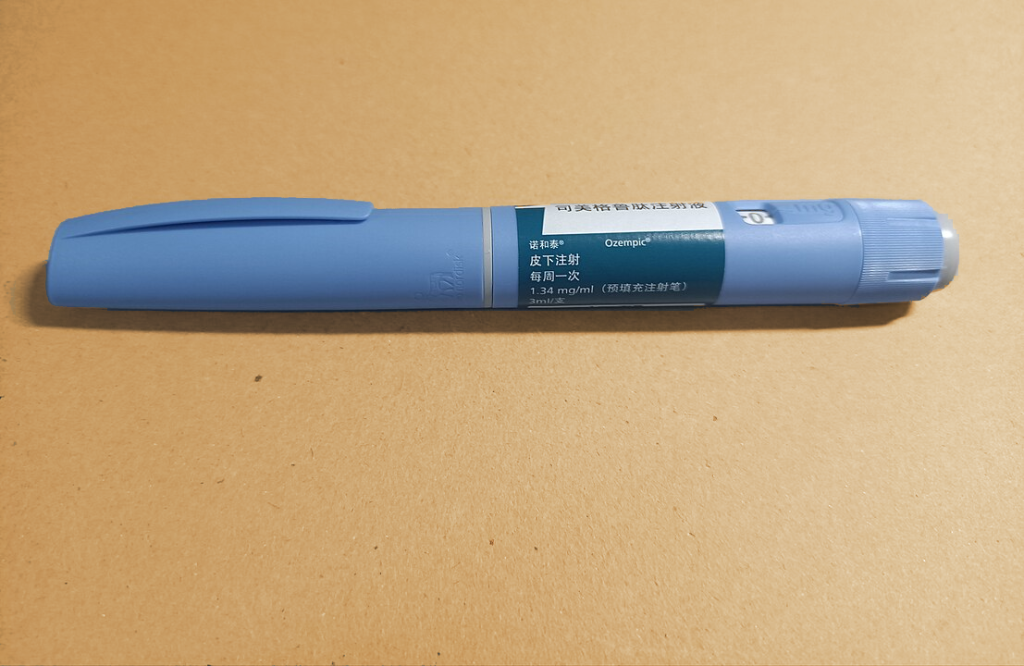
Semaglutide, sold in the US for the treatment of both obesity (Wegovy) and diabetes (Ozempic), is an agonist for glucagon-like peptide 1 (GLP-1), a hormone associated with appetite.

”It’s hard to think of other [drugs], apart from statins, that have shown such a profound effect,” says Martha Gulati, director of preventive cardiology at Cedars-Sinai Medical Center in Los Angeles, USA.

It was expected that semaglutide would have cardiovascular benefits through promoting weight loss, but evidence shows that drugs mimicking GLP-1 can improve fatty-acid metabolism and reduce inflammation, for example, says Gulati. “This is what’s so fascinating about these drugs. They work on the brain, the pancreas, the cardiovascular system, the gastrointestinal tract … There’s more to them than simply weight loss.”

Recent studies have been encouraging in terms of semaglutide’s benefits for reducing cardiovascular disease risk. Earlier this month, Novo Nordisk announced the headline results from the SELECT cardiovascular outcomes trial. The double-blinded trial compared subcutaneous once-weekly semaglutide 2.4mg with placebo as an adjunct to standard of care for prevention of MACEs over a period of up to five years. The trial enrolled 17 604 adults aged 45 years or older with overweight or obesity and established cardiovascular disease (CVD) with no prior history of diabetes.

The trial showed 20% reduction in MACEs for people treated with semaglutide 2.4mg compared to placebo. The primary endpoint was a composite outcome of the first occurrence of MACE cardiovascular death, non-fatal myocardial infarction or non-fatal stroke. All three of these components contributed to the MACE reduction. 1270 first MACEs were accrued.

Expanding GLP-1 analogues to cardiovascular disease prevention may not be without challenges, as the European Medicines Agency opened investigations into semaglutide and liraglutide over reports of suicidal thoughts and self-harm.

A separate study based on the STEP 1 trial data found that 93 million adults in the US could benefit from semaglutide, from a combination of weight loss and reduced cardiovascular benefits. They estimate a reduction in relative risk of 18% with the drug.

Liraglutide Boosts Associative Learning in People with Obesity

Photo by Patrick Fore on Unsplash

Obesity leads to altered energy metabolism and reduced insulin sensitivity of cells. The so-called “anti-obesity drugs” such as liraglutide are increasingly used to treat obesity and have caused tremendous interest, especially in the USA. Researchers in Germany have now shown in people with obesity that reduced insulin sensitivity affects learning of sensory associations. The results, published in Nature Metabolism, showed that a single dose of liraglutide was able to normalise these changes and restore the underlying brain circuit function.

The brain must be able to form associations in order to control behaviour. This involves, for example, associating a neutral external stimulus with a consequence following the stimulus. In this way, the brain learns what the implication of handling of the first stimulus are. Associative learning is the basis for forming neural connections and gives stimuli their motivational force. It is essentially controlled by a brain region called the dopaminergic midbrain. This region has many receptors for the body’s signalling molecules, such as insulin, and can thus adapt behaviour to the body’s physiological needs.

But what happens when the body’s insulin sensitivity is reduced due to obesity? Does this change brain activity, ability to learn associations and thus behaviour? Researchers at the Max Planck Institute for Metabolism Research have now measured how well the learning of associations works in participants with normal body weight (high insulin sensitivity, 30 volunteers) and in participants with obesity (reduced insulin sensitivity, 24 volunteers), and if this learning process is influenced by the anti-obesity drug liraglutide.

Low insulin sensitivity reduces the brain’s ability to associate sensory stimuli.

In the evening, they injected the participants with either the drug liraglutide or a placebo in the evening. Liraglutide is a so-called GLP-1 agonist, which activates the GLP-1 receptor in the body, stimulating insulin production and producing a feeling of satiety. It is often used to treat obesity and type 2 diabetes and is given once a day. The next morning, the subjects were given a learning task that allowed the researchers to measure how well associative learning works. They found that the ability to associate sensory stimuli was less pronounced in participants with obesity than in those of normal weight, and that brain activity was reduced in the areas encoding this learning behaviour.

After just one dose of liraglutide, participants with obesity no longer showed these impairments, and no difference in brain activity was seen between participants with normal weight and obesity. In other words, the drug returned the brain activity to the state of normal-weight subjects.

“These findings are of fundamental importance. We show here that basic behaviours such as associative learning depend not only on external environmental conditions but also on the body’s metabolic state. So, whether someone has overweight or not also determines how the brain learns to associate sensory signals and what motivation is generated. The normalisation we achieved with the drug in subjects with obesity, therefore, fits with studies showing that these drugs restore a normal feeling of satiety, causing people to eat less and therefore lose weight,” says study leader Marc Tittgemeyer from the Max Planck Institute for Metabolism Research.

“While it is encouraging that available drugs have a positive effect on brain activity in obesity, it is alarming that changes in brain performance occur even in young people with obesity without other medical conditions. Obesity prevention should play a much greater role in our healthcare system in the future. Lifelong medication is the less preferred option in comparison primary prevention of obesity and associated complications,” says Ruth Hanßen, first author of the study and a physician at the University Hospital of Cologne.

Source: Max Planck Institute for Biology of Ageing

Most Artificial Sweeteners Linked to Abdominal and Intramuscular Fat Increases

Source: Pixabay CC0

Artificial sweeteners have once again returned to the headlines with the WHO listing them as a possible carcinogen, Now, a long-term study on artificial sweeteners in diets published in the International Journal of Obesity has shown that, ironically, nearly all of them are linked to increased adiposity.

In the two decade long study, University of Minnesota researchers examined people’s regular dietary intake, with a focus on non-nutritive sweeteners commonly found in artificial sweeteners. They found that long-term consumption of aspartame, saccharin and diet beverages were linked to increased abdominal and intramuscular adiposity. However, the study found no significant association between the artificial sweetener sucralose and these measures of fat volume.

“This study showed that habitual, long-term intake of total and individual artificial sweetener intakes are related to greater volumes of adipose tissue, commonly known as body fat,” said Brian Steffen, PhD, MSCR, a professor in the Department of Surgery at the U of M Medical School and co-investigator on the funded grant. “This was found even after accounting for other factors, including how much a person eats or the quality of one’s diet.”

The study’s findings raise concerns about the recommendations from the American Diabetes Association and the American Heart Association that promote the replacement of added sugars with artificial sweeteners. Based on their results, the researchers recommend considering alternative approaches, as long-term artificial sweetener consumption may have potential health consequences.

“This is an especially timely study, given the World Health Organization’s recent warning of the potential health risks of aspartame,” said Lyn Steffen, PhD, MPH, a professor in the School of Public Health and principal investigator on the study. “These findings underscore the importance of finding alternatives to artificial sweeteners in foods and beverages, especially since these added sweeteners may have negative health consequences.”

The researchers say that more studies are needed to better understand the connection between artificial sweetener intake and increased body fat. Further research is warranted to explore the underlying mechanisms and gain clearer insights into how dietary habits affect metabolic health.

Source: University of Minnesota Medical School

Kombucha may Lower Fasting Blood Glucose in Type 2 Diabetes, Study Suggests

Photo by Photomix Company on Pexels

People with type 2 diabetes who drank the fermented tea drink kombucha for four weeks had lower fasting blood glucose levels compared to when they consumed a similar-tasting placebo beverage, according to results reported in Frontiers in Nutrition. Though only a pilot 12-person feasibility trial, the finding suggests a dietary intervention that could help lower blood sugar levels in people with diabetes and also establishes the basis for a larger trial to confirm and expand upon these results.

Kombucha is a tea fermented with bacteria and yeasts and was consumed as early as 200BCE in China, but it has only recently become popular elsewhere. Its popularity has been bolstered by anecdotal claims of improved immunity and energy and reductions in food cravings and inflammation, but proof of these benefits has been limited. Researchers at Georgetown University’s School of Health, the University of Nebraska-Lincoln and MedStar Health conducted a clinical trial investigating its effects in diabetes.

“Some laboratory and rodent studies of kombucha have shown promise and one small study in people without diabetes showed kombucha lowered blood sugar, but to our knowledge this is the first clinical trial examining effects of kombucha in people with diabetes,” says study author Dan Merenstein, M.D., professor of Human Sciences in Georgetown’s School of Health and professor of family medicine at Georgetown University School of Medicine. “A lot more research needs to be done but this is very promising.”

Merenstein continued, “A strength of our trial was that we didn’t tell people what to eat because we used a crossover design that limited the effects of any variability in a person’s diet.”

The crossover design had one group of people drinking about eight ounces of kombucha or placebo beverage daily for four weeks and then after a two-month period to ‘wash out’ the biological effects of the beverages, the kombucha and placebo were swapped between groups with another four weeks of drinking the beverages.

Kombucha appeared to lower average fasting blood glucose levels after four weeks from 164 to 116mg/dL while the difference after four weeks with the placebo was not statistically significant. Guidelines from the American Diabetes Association recommended blood sugar levels before meals should be between 70–130mg/dL.

The researchers also looked at the makeup of fermenting micro-organisms in kombucha to determine which ingredients might be the most active. They found that the beverage was mainly comprised of lactic acid bacteria, acetic acid bacteria, and a form of yeast called Dekkera, with each microbe present in about equal measure; the finding was confirmed with RNA gene sequencing.

“Different studies of different brands of kombucha by different manufacturers reveal slightly different microbial mixtures and abundances,” says Robert Hutkins, PhD, University of Nebraska-Lincoln and the study’s senior author. “However, the major bacteria and yeasts are highly reproducible and likely to be functionally similar between brands and batches, which was reassuring for our trial.”

The researchers hope that larger studies will prove kombucha’s protective effects.

Source: Georgetown University Medical Center