Category: Medical Research & Technology

Researchers Attempted to Emulate a Clinical Trial Using Data from Real Patients

Photo by National Cancer Institute on Unsplash

The method can be used to explore treatment effects in people underrepresented in clinical trials

Researchers used real-world clinical data to attempt to emulate a randomised controlled trial testing the effectiveness of two blood thinners, apixaban and warfarin, to prevent stroke in patients with non-valvular atrial fibrillation. The study, led by Emma Maud Powell at the London School of Hygiene and Tropical Medicine, UK, and publishing August 29th in the open-access journal PLOS Medicine, provides a method to explore the effects of treatments in patients who are underrepresented or excluded from clinical trials.

Patients experiencing atrial fibrillation – a potentially dangerous medical condition in which the upper chambers of the heart beat irregularly – will often be prescribed blood thinners such as apixaban or warfarin to prevent a stroke. However, these treatment recommendations are based on results from randomized controlled trials, and it is unknown if they are applicable to populations of patients who were not included in the trial or present only in very low numbers.

In the new study, researchers used routinely collected health data from patients in the United Kingdom to attempt to emulate a previous randomized controlled trial that compared the effectiveness of apixaban and warfarin. They attempted to emulate the patient eligibility, selection and analysis approaches as the previous trial. They found that patients prescribed apixaban had similar outcomes to patients prescribed warfarin, but unlike the previous trial, they did not find that apixaban was superior. The researchers observed the differences in results may have been linked to higher quality of warfarin control, sub-optimal dosing of apixaban, and differences in the ethnicity of patients and use of concomitant medications compared with the clinical trial population.

Overall, the study established that using an existing randomised controlled trial (the reference trial) as a guide for the design of observational analysis of real patient data is an effective and valid way to estimate the treatment effects and risks of blood thinners given to patients with atrial fibrillation. The methods developed in this study can be used to investigate the effects of these medications in patient groups that are excluded from or underrepresented in these clinical trials, such as the elderly, those with multiple conditions and people with a higher risk of bleeding. This method can also help medical researchers to understand whether results from randomized controlled trials are transferable to “real-world” practices, and provides a framework that can be adapted to investigate treatment effects for other conditions.

The authors add, “Our study aimed to emulate a reference trial in oral anticoagulants in patients with atrial fibrillation using routinely collected UK healthcare data. Reference-trial informed design provides a framework for the study of treatment effects in patient groups excluded from or under-represented in trials.”

Provided by PLOS
Scientists Develop a Way to Turbocharge Genetic Therapy

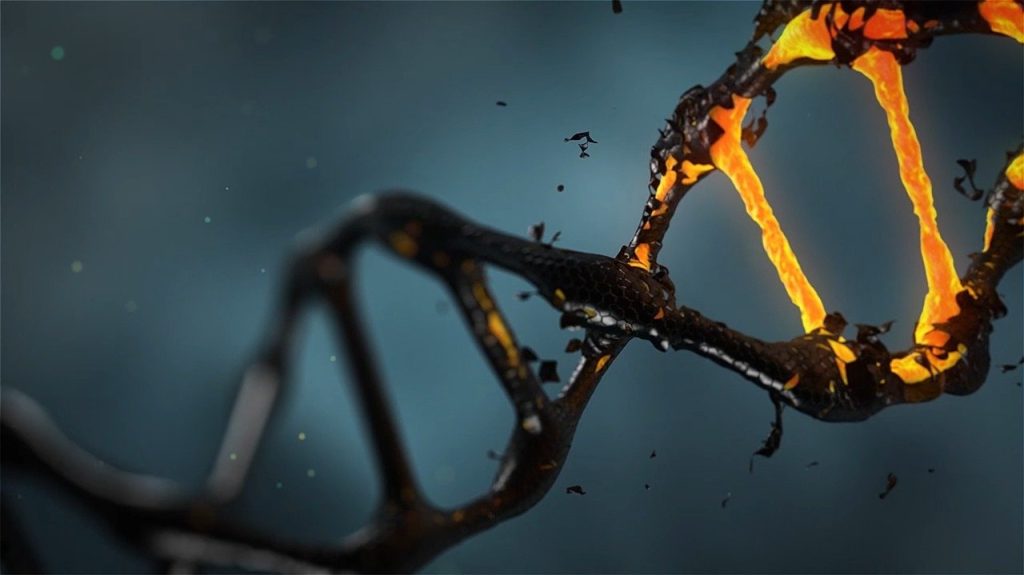
Source: Pixabay CC0

Gene therapy, the idea of fixing faulty genes with healthy ones, has held immense promise. But a major hurdle has been finding a safe and efficient way to deliver those genes.

Now, researchers at the University of Hawaiʻi’s John A. Burns School of Medicine (JABSOM) have made a significant breakthrough in gene editing technology that could revolutionise how we treat genetic diseases. Their new method offers a faster, safer, and more efficient way to deliver healthy genes into the body, potentially leading to treatments for hundreds of conditions.

Current methods can fix errors in genes, but they can also cause unintended damage by creating breaks in the DNA. Additionally, they struggle to insert large chunks of genetic material such as whole genes.

The new technique, developed by Dr Jesse Owens along with his team Dr Brian Hew, Dr Ryuei Sato and Sabranth Gupta, from JABSOM’s Institute for Biogenesis Research and Cell and Molecular Biology Department, addresses these limitations. They used laboratory evolution to generate a new super-active integrase capable of inserting therapeutic genes into the genome at record-breaking efficiencies.

“It’s like having a “paste” function for the human genome,” said Dr Owens. “It uses specially engineered ‘integrases’ to carefully insert healthy genes into the exact location needed, without causing breaks in the DNA. This method is much more efficient, with success rates of up to 96% in some cases.”

“This could lead to faster and more affordable treatments for a wide range of diseases, potentially impacting hundreds of conditions with a single faulty gene,” said Dr. Owens.

Faster treatment development and a broader application

The implications of this research extend beyond gene therapy. The ability to efficiently insert large pieces of DNA has applications in other areas of medicine.

When making cell lines to produce therapeutic proteins, the gene encoding the protein is usually randomly inserted into the genome, and it rarely lands in a location in the genome that is good for production. This is like searching for a needle in a haystack. Additionally, finding a cell with the gene inserted correctly and producing the desired protein can take many months.

Instead of searching for a needle in a haystack, Dr Owens’ technique makes a stack of needles. It delivers the gene directly to the desired location, significantly speeding up the development process.

“JABSOM takes pride in nurturing talented researchers like Jesse Owens, whose work has the power to create a global impact,” said Sam Shomaker, dean of the University of Hawaiʻi John A. Burns School of Medicine. “This research, conducted in our lab in the middle of the Pacific, has the potential to significantly improve the way we treat genetic diseases.”  

Dr Owens’ team is exploring how this technique could accelerate the development and manufacture of biologics and advanced therapies such as antibodies. Currently, finding the right cell line for efficient production can be a time-consuming process. However, Dr Owens’ new genome engineering tool can reduce the cell line development timeline and accelerate the manufacture of life-saving therapeutics. 

Source: University of Hawaii at Manoa

New, Inexpensive Medical Computers that Run on Air

Closeup of the pneumatic logic sensing device. (William Grover/UCR)

Medical engineers have developed a new, air-powered computer sets off alarms when certain medical devices fail. The invention is a more reliable and lower-cost way to help prevent blood clots and strokes – all without electronic sensors. 

Described in a paper in the journal Device, the computer not only runs on air, but also uses air to issue warnings. It immediately blows a whistle when it detects a problem with the lifesaving compression machine it is designed to monitor.

Intermittent pneumatic compression (IPC) devices are pneumatic leg sleeves that periodically squeeze a patient’s legs to increase blood flow. This prevents clots that lead to blocked blood vessels, strokes, or death. Typically, these machines are powered and monitored by electronics.

“IPC devices can save lives, but all the electronics in them make them expensive. So, we wanted to develop a pneumatic device that gets rid of some of the electronics, to make these devices cheaper and safer,” said William Grover, associate professor of bioengineering at UC Riverside and corresponding paper author.

Pneumatics move compressed air from place to place. Emergency brakes on freight trains operate this way, as do bicycle pumps, tire pressure gauges, respirators, and IPC devices. It made sense to Grover and his colleagues to use one pneumatic logic device to control another and make it safer.

This type of device operates in a similar way to electronic circuits, by making parity bit calculations. “Let’s say I want to send a message in ones and zeroes, like 1-0-1, three bits,” Grover said. “Decades ago, people realized they could send these three bits with one additional piece of information to make sure the recipient got the right message.” 

That extra piece of information is called a parity bit. The bit is a number – 1 if the message contains an odd number of ones, and 0 if the message contains an even number of ones. Should the number one appear at the end of a message with an even number of bits, then it is clear the message was flawed. Many electronic computers send messages this way. 

An air-powered computer uses differences in air pressure flowing through 21 tiny valves to count the number of ones and zeroes. If no error in counting has occurred, then the whistle doesn’t blow. 

If it does blow, that’s a sign the machine requires repairs. Grover and his students, in a video demonstrating the air computer, are shown damaging an IPC device with a knife, rendering it unusable. Seconds later, the whistle blows.

“This device is about the size of a box of matches. It replaces a handful of sensors as well as a computer,” Grover said. “So, we can reduce costs while still detecting problems in a device. And it could also be used in high humidity or high temperature environments that aren’t ideal for electronics.”

The IPC device monitoring is only one application for air computing. For his next project, Grover would like to design a device that could eliminate the need for a job that kills people every year: moving around grain at the top of tall silos. 

Tall buildings full of corn or wheat, grain silos are a common sight in the Midwest. Often times, a human has to go inside with a shovel to break up the grains and even out the piles inside. 

“A remarkable number of deaths occur because the grain shifts and the person gets trapped. A robot could do this job instead of a person. However, these silos are explosive, and a single electric spark could blow a silo apart, so an electronic robot may not be the best choice,” Grover said. “I want to make an air-powered robot that could work in this explosive environment, not generate any sparks, and take humans out of danger.” 

Air-powered computing is an idea that has been around for at least a century. People used to make air-powered pianos that could play music from punched rolls of paper. After the rise of modern computing, engineers lost interest in pneumatic circuits.

“Once a new technology becomes dominant, we lose awareness of other solutions to problems,” Grover said. “One thing I like about this research is that it can show the world that there are situations today when 100-plus-year-old ideas can still be useful.”

Source: University of California Riverside

Systematic Biases on Race and Gender at Play in Clinical Trials

Photo by National Cancer Institute on Unsplash

Randomized controlled trials, or RCTs, are believed to be the best way to study the safety and efficacy of new treatments in clinical research. However, a recent study from Michigan State University found that people of colour and white women are significantly underrepresented in RCTs due to systematic biases. 

The study, published in the Journal of Ethnicity in Substance Abuse, reviewed 18 RCTs conducted over the last 15 years that tested treatments for post-traumatic stress and alcohol use disorder. The researchers found that despite women having double the rates of post-traumatic stress and alcohol use disorder than men, and people of colour having worse chronicity than white people, most participants were white (59.5%) and male (about 78%). 

“Because RCTs are the gold standard for treatment studies and drug trials, we rarely ask the important questions about their limitations and failings,” said Nicole Buchanan, co-author of the study and professor in MSU’s Department of Psychology. “For RCTs to meet their full potential, investigators need to fix barriers to inclusion. Increasing representation in RCTs is not simply an issue for equity, but it is also essential to enhancing the quality of our science and meeting the needs of the public that funds these studies through their hard-earned tax dollars.”

The researchers found that the design and implementation of the randomised controlled trials contributed to the lack of representation of people of colour and women. This happened because trials were conducted in areas where white men were the majority demographic group and study samples almost always reflected the demographic makeup where studies occurred. Additionally, those designing the studies seldom acknowledged race or gender differences, meaning they did not intentionally recruit diverse samples.

Furthermore, the journals publishing these studies did not have regulations requiring sample diversity, equity or inclusion as appropriate to the conditions under investigation.

“Marginalized groups have unique experiences from privileged groups, and when marginalised groups are poorly included in research, we remain in the dark about their experiences, insights, needs and strengths,” said Mallet Reid, co-author of the study and doctoral candidate in MSU’s Department of Psychology. “This means that clinicians and researchers may unknowingly remain ignorant to how to attend to the trauma and addiction challenges facing marginalised groups and may unwittingly perpetuate microaggressions against marginalised groups in clinical settings or fail to meet their needs.”

Source: Michigan State University

New Approach Accurately Identifies Medications’ Toxicity to the Liver

Source: CC0

The current method for assessing medication-related liver injury does not accurately reflect some medications’ toxicity to the liver, according to a new study led by University of Pennsylvania researchers. Hepatotoxicity classification has historically been determined by counting individual reported cases of acute liver injury (ALI). Instead, the researchers used real-world health care data to measure rates of ALI within a population and uncovered that some medications’ levels of danger to the liver are being misclassified. Their paper was published in JAMA Internal Medicine.

“From a clinical standpoint, knowing the rate of severe ALI after starting a medication in real-world data will help determine which patients should be monitored more closely with liver-related laboratory tests during treatment,” said senior author Vincent Lo Re, MD, MSCE, an associate professor of Medicine and Epidemiology. “Incidence rates of severe ALI can be a valuable tool for determining a medication’s toxicity to the liver and when patients should be monitored, since incidence rates provide a truer, real-world look at this toxicity. Case reports did not accurately reflect observed rates of ALI because they do not consider the number of persons exposed to a medication, and cases of drug-induced liver injury are often underreported.”

Within the study, 17 different medications had rates that exceeded five severe ALI events per 10 000 person-years. The team determined that 11 of these medications were in lower categories of hepatoxicity by case counts that were likely not reflective of their true risk, since their incidence rates revealed higher levels of toxicity. One of the medications that fell into this group was metronidazole, an antimicrobial that can be used to treat infections in the reproductive or gastrointestinal systems, as well as some dermatological conditions.

Incidence rates, the number of new cases of a disease within a time period divided by the number of people at risk for the disease, are a key measure for examining health in a population because they give a more complete picture than simple counting. For instance, a medication with 60 reports of liver injury would be considered the most hepatotoxic through the traditional method, using the raw number of reported liver injury cases. However, if that medication had 60 observed severe ALI events and was used by five million people, the incidence rate would be very low and likely point to the medication not being dangerous to the liver. However, if 60 severe ALI events were observed within a population of 1,000 patients, it would reflect a higher, potentially more important, rate of injury.

To determine incidence rates, Lo Re and his team, including lead author Jessie Torgersen, MD, MHS, MSCE, an assistant professor of Medicine, examined electronic medical record data on almost 8 million people provided by the United States Veterans Health Administration that had been compiled from 2000 through 2021. Each person did not have pre-existing liver or biliary disease when they began taking any of the 194 medications that were studied. Each of those medications were analysed due to suspicion that they could cause harm to the liver, since each had more than four published reports of liver toxicity associated with their use.

On the other side of the hepatotoxicity coin, the researchers found eight medications that were classified as the most hepatotoxic based on the number of published case reports, but should actually be in the least liver-toxic group, with incidence rates of less than one severe ALI event per 10 000 person-years. For example, rates of severe ALI for statin medications, often used for high cholesterol, were in the group that had fewer than one event per 10 000 person-years.

“The systematic approach that we developed enables successful measurement of the rates of liver toxicity after starting a medication,” Lo Re said. “It wasn’t surprising that the case report counts did not accurately reflect observed rates of severe acute liver injury given the inherent limitations with case reports.”

With these findings, the researchers hope that there might soon be mechanisms established within electronic medical records to alert clinicians to closely monitor the liver-related laboratory tests of patients who start a medication with a high observed rate of severe ALI.

“Importantly, our approach offers a method to allow regulatory agencies and the pharmaceutical industry to systematically investigate reports of drug-induced ALI in large populations,” Lo Re said.

Source: University of Pennsylvania

Sonic ‘Tweezers’ can Manipulate Objects inside the Body

Photo by Pawel Czerwinski on Unsplash

In 2018, Arthur Ashkin won the Nobel Prize in Physics for inventing optical tweezers: laser beams that can be used to manipulate microscopic particles. While useful for many biological applications, optical tweezers require extremely controlled, static conditions to work properly.

“Optical tweezers work by creating a light ‘hotspot’ to trap particles, like a ball falling into a hole. But if there are other objects in the vicinity, this hole is difficult to create and move around,” says Romain Fleury, head of the Laboratory of Wave Engineering in EPFL’s School of Engineering.

Fleury and postdoctoral researchers Bakhtiyar Orazbayev and Matthieu Malléjac have spent the last four years trying to move objects in uncontrolled, dynamic environments using soundwaves. In fact, the team’s method – wave momentum shaping – is entirely indifferent to an object’s environment or even its physical properties. All the information that’s required is the object’s position, and the soundwaves do the rest.

“In our experiments, instead of trapping objects, we gently pushed them around, as you might guide a puck with a hockey stick,” Fleury explains.

The unconventional method, funded by the Swiss National Science Foundation (SNSF) Spark program, has been published in Nature Physics in collaboration with researchers from the University of Bordeaux in France, Nazarbayev University in Kazakhstan, and the Vienna University of Technology in Austria.

Very simple, very promising

If soundwaves are the hockey stick in Fleury’s analogy, then a floating object like a ping-pong ball is the puck. In the lab’s experiments, the ball was floating on the surface of a large tank of water, and its position was captured by an overhead camera. Audible soundwaves emitted from a speaker array at either end of the tank directed the ball along a pre-determined path, while a second array of microphones ‘listened’ to the feedback, called a scattering matrix, as it bounced off of the moving ball. This scattering matrix, combined with the camera’s positional data, allowed the researchers to calculate in real time the optimal momentum of the soundwaves as they nudged the ball along its path.

“The method is rooted in momentum conservation, which makes it extremely simple and general, and that’s why it’s so promising,” Fleury says.

He adds that wave momentum shaping is inspired by the optical technique of wavefront shaping, which is used to focus scattered light, but this is the first application of the concept to moving an object. What’s more, the team’s method is not limited to moving spherical objects along a path: they also used it to control rotations, and to move more complex floaters like an origami lotus.

Mimicking conditions inside the body

Once the scientists succeeded in guiding a ping-pong ball, they performed additional experiments with both stationary and moving obstacles designed to add inhomogeneity to the system. Successfully navigating the ball around these scattering objects demonstrated that wave momentum shaping could perform well even in dynamic, uncontrolled environments like a human body. Fleury adds that sound is a particularly promising tool for biomedical applications, as it is harmless and noninvasive.

“Some drug delivery methods already use soundwaves to release encapsulated drugs, so this technique is especially attractive for pushing a drug directly toward tumour cells, for example.”

Source: Ecole Polytechnique Fédérale de Lausanne

Ancient Medicinal Minerals Inspire New Tissue Repair Technology

Photo by MJ RAHNAMA

For centuries, civilizations have used naturally occurring, inorganic materials for their perceived healing properties. Egyptians thought green copper ore helped eye inflammation, the Chinese used cinnabar for heartburn, and Native Americans used clay to reduce soreness and inflammation.

Today, researchers at Texas A&M University are still discovering ways that inorganic materials can be used for healing.

In two recently published articles, Dr Akhilesh Gaharwar, a Tim and Amy Leach Endowed Professor in the Department of Biomedical Engineering, and Dr Irtisha Singh, assistant professor in the Department of Cell Biology and Genetics, uncovered new ways that inorganic materials can aid tissue repair and regeneration.

The first article, published in Acta Biomaterialia, explains that cellular pathways for bone and cartilage formation can be activated in stem cells using inorganic ions. The second article, published in Advanced Science, explores the usage of mineral-based nanomaterials, specifically 2D nanosilicates, to aid musculoskeletal regeneration.

“These investigations apply cutting-edge, high-throughput molecular methods to clarify how inorganic biomaterials affect stem cell behavior and tissue regenerative processes,” Singh said.

The ability to induce natural bone formation holds promise for improvements in treatment outcomes, patient recovery times and the reduced need for invasive procedures and long-term medication.

“Enhancing bone density and formation in patients with osteoporosis, for example, can help mitigate the risks of fractures, lead to stronger bones, improve quality of life and reduce healthcare costs,” Gaharwar said. “These insights open up exciting prospects for developing next-generation biomaterials that could provide a more natural and sustainable approach to healing.”

Gaharwar said the newfound approach differs from current regeneration methods that rely on organic or biologically derived molecules and provides tailored solutions for complex medical issues.

“One of the most significant findings from our research is the ability of these nanosilicates to stabilise stem cells in a state conducive to skeletal tissue regeneration,” he said. “This is crucial for promoting bone growth in a controlled and sustained manner, which is a major challenge in current regenerative therapies.”

Gaharwar recently received a grant for his work in using inorganic biomaterials in conjunction with 3D bioprinting techniques to design custom bone implants for reconstructive injuries.

“In reconstructive surgery, particularly for craniofacial defects, induced bone growth is crucial for restoring both function and appearance, vital for essential functions like chewing, breathing and speaking,” he said. “Inducing bone formation has several critical applications in orthopaedics and dentistry.”

“This approach not only bridges ancient practices with modern scientific methods but also minimises the use of protein therapeutics, which carry risks of inducing abnormal tissue growth and cancerous formations,” Gaharwar said. “Collectively, these findings elucidate the potential of inorganic biomaterials to act as powerful mediators in tissue engineering and regenerative strategies, marking a significant step forward in the field.”

Source: Texas A&M University

Can We Make Medicine Taste Less Bitter?

Adhering to medications may no longer be a “bitter pill to swallow”

Photo by Danilo Alvesd on Unsplash

The bitter taste of certain drugs is a barrier to taking some medications as prescribed, especially for people who are particularly sensitive to bitter taste. Published in Clinical Therapeutics, a team from the Monell Chemical Senses Center found that the diabetes drug rosiglitazone could partially block the bitter taste of some especially bad-tasting medications.

“To our knowledge, there are no previous reports on the bitter-blocking effect of this diabetes drug,” said first author Ha Nguyen, PhD, Monell Postdoctoral Fellow. Rosiglitizone was identified as a potential bitter blocker using tests of human cells from taste tissue.

The team conducted taste-testing experiments on research participants in the United States and Poland, and they found that adding rosiglitazone to the medicines reduced bitterness for many, but not all, research participants.

“People differ, and we need to test many types of people from different parts of the world to make sure that efforts to reduce bitterness and make medicines easier to take work well for all people,” said senior author Danielle Reed, PhD, Monell Chief Science Officer.

These results suggest having more blockers to choose from will help entirely suppress the bitterness of many types of medicines for a wide range of populations and ancestries. Mixtures of several blockers may help attain a low-to-zero-bitterness standard for even the most bitter-tasting medicines.

“Although rosiglitazone was only partially effective as a bitter blocker in this study, modifying these drugs to improve potency, palatability, and efficacy may allow us to find a better version of this drug,” said Nguyen.

“Rosiglitazone is valuable as a bitter blocker because it is potentially effective in most people and is part of a class of drugs already approved worldwide for treating diabetes.”

Next steps in this line of research include a similar study that measures bitter blocking in several hundred African and Asian immigrants to add to the diversity of participants’ ancestries with regard to bitter taste.

Source: Monell Chemical Senses Center

Tracing the Earliest Embryonic Formation of Faces

ES cells can now be used to induce structures with regionalised maxillary and mandibular primordia through the neural crest cell state, allowing for the recapitulation of jaw development in vitro. (POU3F3+ for maxillary and HAND2+ for mandibular)

CREDIT: KyotoU/Mototsugu Eiraku and Yusuke Seto

The highly complex shapes of animal faces originate from their respective transient neural crest cells. These embryonic pluripotent cells within the facial primordium – the early development form – may be necessary for forming proper facial structures. They migrate from their dorsal origin to the ventral craniofacial primordium and contribute to the cartilage, bones, and connective tissues. Analysing the molecular mechanisms in such early stages of development however poses many technical challenges.

Now, a group of Kyoto University researchers have produced neural crest cell-rich aggregates from human pluripotent stem cells and also developed a method to differentiate them in cell populations with a branchial arch-like gene expression pattern. Their research is published in Nature Communications.

“After the cell populations differentiate into precursors of maxillary and mandibular cells in response to external signalling factors, these populations spontaneously form patterns of the facial primordium,” explains Yusuke Seto of KyotoU’s Institute for Life and Medical Sciences.

This cartilage-like structure, reminiscent of Meckel’s cartilage, is formed locally within the aggregates.

“We aim to establish a model for studying early facial development by using the properties of human pluripotent stem cells to generate in vitro tissue resembling the bronchial arch of the primordial face,” adds Ryoma Ogihara, also of the Institute.

Researchers are examining the various developmental processes that cause interspecific and individual differences in facial structure to explain conditions such as craniofacial disorders.

“Using our in vitro model could help us better understand and control signal integration during the fate determination of the branchial arch and cartilage formation in the face and elsewhere. We hope our technology can contribute to the development of cellular materials for new regenerative medicine,” adds Mototsugu Eiraku, also of the Institute.

Source: University of Kyoto

Introducing Tardigrade Proteins into Human Cells can Slow Metabolism

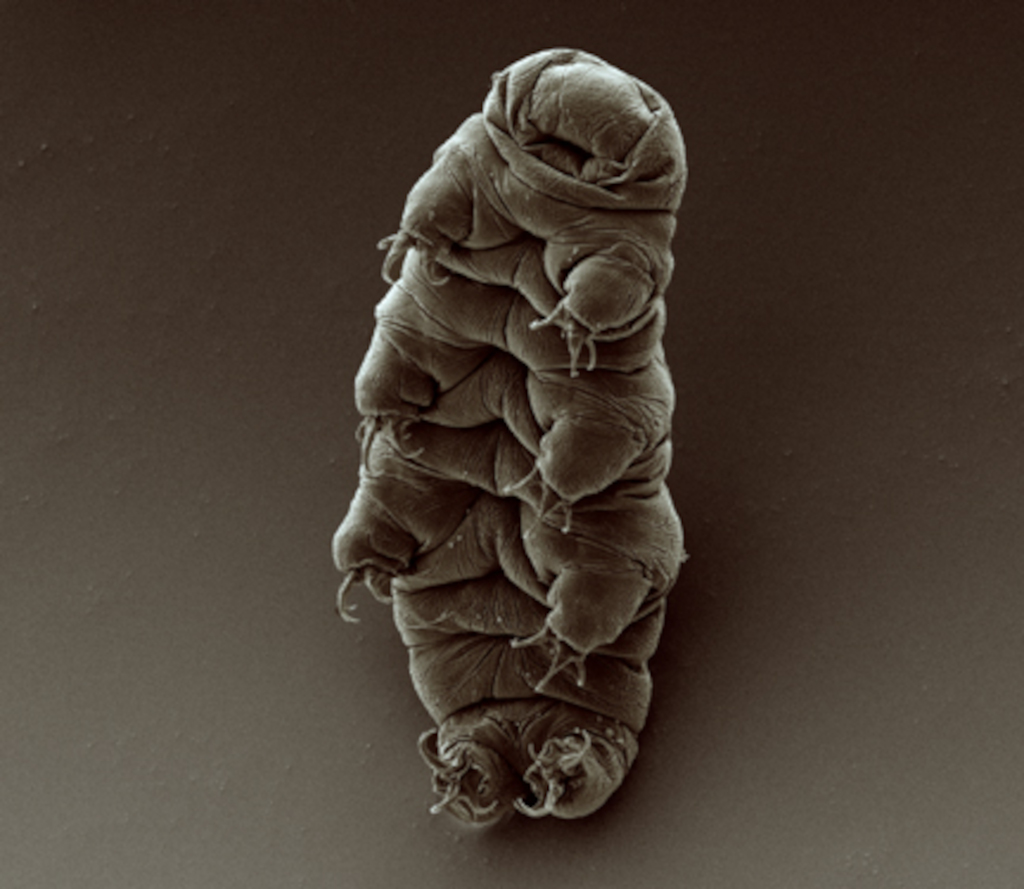
Scanning electron micrograph of an adult tardigrade. Source: Wikimedia Commons

University of Wyoming researchers have gained further insight into how tardigrades survive extreme conditions and shown that proteins from the microscopic creatures expressed in human cells can slow down molecular processes.

This makes the tardigrade proteins potential candidates in technologies centred on slowing the aging process and in long-term storage of human cells.

The new study, published in the journal Protein Science, examines the mechanisms used by tardigrades to enter and exit from suspended animation when faced by environmental stress.

Led by Senior Research Scientist Silvia Sanchez-Martinez in the lab of UW Department of Molecular Biology Assistant Professor Thomas Boothby, the research provides additional evidence that tardigrade proteins eventually could be used to make life-saving treatments available to people where refrigeration is not possible — and enhance storage of cell-based therapies, such as stem cells.

Measuring less than half a millimetre long, tardigrades can survive being completely dried out; being frozen to just above absolute zero; heated to more than 150°C; survive radiation of several thousand times a human’s lethal dose; and even survive the vacuum of outer space.

They survive by entering a state of suspended animation called biostasis, using proteins that form gels inside of cells and slow down life processes, according to the new UW-led research.

Co-authors of the study are from institutions including the University of Bristol in the United Kingdom, Washington University in St. Louis, the University of California-Merced, the University of Bologna in Italy and the University of Amsterdam in the Netherlands.

Sanchez-Martinez, who came from the Howard Hughes Medical Institute to join Boothby’s UW lab, was the lead author of the paper.

“Amazingly, when we introduce these proteins into human cells, they gel and slow down metabolism, just like in tardigrades,” Sanchez-Martinez says.

“Furthermore, just like tardigrades, when you put human cells that have these proteins into biostasis, they become more resistant to stresses, conferring some of the tardigrades’ abilities to the human cells.”

Importantly, the research shows that the whole process is reversible: “When the stress is relieved, the tardigrade gels dissolve, and the human cells return to their normal metabolism,” Boothby says.

“Our findings provide an avenue for pursuing technologies centred on the induction of biostasis in cells and even whole organisms to slow aging and enhance storage and stability,” the researchers concluded.

Previous research by Boothby’s team showed that natural and engineered versions of tardigrade proteins can be used to stabilize an important pharmaceutical used to treat people with hemophilia and other conditions without the need for refrigeration.

Tardigrades’ ability to survive being dried out has puzzled scientists, as the creatures do so in a manner that appears to differ from a number of other organisms with the ability to enter suspended animation.

Source: University of Wyoming