The South African Health Products Regulatory Authority (SAHPRA) is aware of the product Lubri-A (Sterile Lubricating Jelly) manufactured by Electro-Spyres, classified as Class B medical device and currently being distributed across the country.
SAHPRA has been informed of multiple complaints received from health institutions, both public and private across the country. The complaints are as a result of a number of patients who became ill due to developing a fungal infection, caused by exposure to the fungal species, Wickerhamomyces anomalus (previously Candida pelliculosa) associated with use of Lubri-A (Sterile Lubricating Jelly).
Lubri-A is available in two presentations, the 2.5 g sachets and 50 g tubes.
Considering the wide usage of the product for lubricating purposes in medical and surgical procedures, the Regulator has taken a decision to urgently recall this product from the market as there are multiple contaminated batches, with the potential to cause serious and widespread nosocomial infections. SAHPRA is alerting healthcare professionals and the public to discontinue the use of the product, remove it from their inventory and return it through their normal distribution channel(s) with immediate effect.
As the source of the contamination of the product is still under investigation and not confirmed, all batches of Lubri-A are being recalled. Future manufacture and distribution of the product will be subject to review and authorisation by SAHPRA.
Classification of the recalls
The recall is being classified as a Class 1, Type A recall, which is associated with a serious product quality concern that may have severe consequences. This is a countrywide recall. The product is being recalled from hospitals, retail outlets, health care professionals, authorised prescribers and individual customers or patients.
What the public should know
Healthcare professionals that have used this product should contact their patients to determine any symptoms of infection after use of product.
The recall is limited to the product called LUBRI-A (2.5g and 50g sachets) and does not affect other lubricating gel products authorised for sale in South Africa.
The contact telephone numbers for Electro-Spyres are:
Landline: 011-608-3998 or 011-402-7208
WhatApp: +27-82-355-8862
“As a national regulatory authority, the recalling of medical products is a crucial measure to address safety concerns or quality issues so that we protect the health of the public. SAHPRA is recalling this product from the market as there are multiple suspected contaminated batches with the potential to cause serious and widespread nosocomial infections, ” indicates SAHPRA CEO, Dr Boitumelo Semete-Makokotlela.
Critical work done by South African scientists on mRNA vaccines for several diseases is at risk from patent claims from the pharmaceutical giant Moderna. Yet the government could easily protect this and other programmes by speeding up the passage of amendments to patent laws.
Every year, industry’s biggest players spend a combined US$4-billion on legal action. Even then, there was an audible gasp from the world’s media when Moderna, which developed a Covid vaccine with the US government, announced it was suing rivals Pfizer and BioNTech for “patent infringement”.
All three companies have made a fortune from selling Covid vaccines, and are now at war over the rights to the publicly-funded mRNA technology behind it.
After a year of suing and counter-suing in multiple jurisdictions, the European Patent Office stepped in two weeks ago and revoked one of Moderna’s patents covering “respiratory virus vaccines”. In doing so, the European Patent Office was seemingly defending BioNTech, a German company, from a ‘’threat’’.
This is not unusual. In most countries, governments can intervene to protect companies viewed as important to their national interest and can review, revoke, or withdraw patents. Most countries, but not South Africa.
Under Nelson Mandela, South Africa fought Big Pharma to secure affordable generic HIV medicines, and in the pandemic, the government made a valiant attempt to do the same for Covid vaccines by seeking a global waiver of intellectual property rules. But arcane apartheid-era laws still accept patent requests from companies – without substantive examination of the merits of the patent application and without the due process right to challenge it before it is granted. And, once a patent is granted, patient advocacy groups cannot easily revoke it.
There is legislation drafted which could give us the ability to challenge patents before they are granted, among other much needed mechanisms such as compulsory and government-use licensing.
In 2018, Cabinet approved a new Intellectual Property Framework which would give us this most basic right. It is compliant with international trade rules and should not be controversial. But, despite the fact the government has said it wants this legislation, has drafted it, and has even trained examiners on it, the law has sat languishing on the desk of the Minister of Trade, Industry and Competition Ebrahim Patel for several years. This has enabled Moderna to be granted far-reaching mRNA related patents in South Africa.
These patents put our widely-acclaimed mRNA vaccine manufacturing project, backed by the World Health Organisation (WHO) and others, at risk.
While the world quickly developed effective vaccines to combat Covid, intellectual property rules prevented us from making shots for ourselves. Western governments blocked our government’sefforts to suspend these global rules, leaving South Africa to wait at the back of the global queue, eventually paying unreasonably high prices for vaccines. Then at the height of our third wave of Covid infections, Johnson & Johnson exported vaccines which had been completed at a factory in the Eastern Cape to Europe, prioritising European customers over South Africa and the continent.
It was a dark time for South Africa. But amid the devastation, some hope came in the form of a small biotech company in Cape Town, Afrigen, when the WHO announced it would be at the centre of a new Global South programme to deliver vaccines.
Sharing technology
Moderna, Pfizer, and BioNTech have all refused to share their technology with the programme. But scientists from Afrigen and universities in South Africa as well as the South African Medical Research Council developed an mRNA vaccine of their own, using the publicly available information from the vaccine which Moderna developed with the US government. They have now begun sharing the technology with partners across the Global South – and are exploring vaccines for diseases such as TB too.
In a future pandemic, the programme could be used to rapidly share vaccine technology between low and middle-income countries, so that we don’t repeat the global inequality of the Covid vaccine rollout.
Except that Moderna filed far-reaching patents in South Africa which could be interpreted as covering any mRNA technology. And, under our faulty, unchanged intellectual property regulation system, the patents were granted.
Dozens of health and legal organisations have warned that the mRNA programme is vulnerable to patent claims from Moderna. While the company has givenassurances that it will not enforce patents on its Covid vaccine in some lower-income countries, including South Africa, the work of the programme on other diseases remains under threat.
The Medicines Patent Pool, which is implementing the project for the WHO, wants each programme partner (in the Global South) to resolve the issue of patents itself. But, by suing Pfizer and BioNTech, Moderna has signalled that it wants a total monopoly on mRNA technology. What, then, is Plan B if Moderna turns on the WHO-backed programme next?
When earlier this year, the Health Justice Initiative took legal action to force the Department of Health to disclose secret contracts with Covid-19 vaccine manufacturers, we won – and the documents revealed that vaccine procurement negotiations were one-sided, with pharmaceutical companies pressuring our government into unfair prices, terms and conditions.
Back to court
Now we are once again preparing to take the government to court to pass key provisions of the Patent Amendment Act. At the very least, we need proper patent examination, ways to oppose patents before and after they have been granted, and easy-to-use compulsory and government-use procedures in place. And we need this quickly.
We have seen how big pharmaceutical companies including Johnson & Johnson use our patent provisions to evergreen patents and then charge the state and sick patients more than they should by holding on to their patent monopolies.
We want to ensure that:
monopolies are not granted without examining their merits;
the public can exercise its right to oppose a patent before it is granted; and
the government can override patents and allow generic production where needed, as do the governments of many other countries.
After the stupendous effort for COVID vaccines and treatments, it may seem like other diseases were being neglected. Nevertheless, the US Food and Drug Administration suddenly had a fire lit underneath it, and got cracking with accelerated drug approvals. Now, 2023 seems to have brought plenty of new drugs to bolster the physician’s armamentarium – some are the first-ever treatment for their indications. Hopefully, with FDA and European Medicines Agency (EMA) approvals, South African approvals should not be too far behind.
Since the pandemic, hotly anticipated drugs have made a big splash or sunk without a trace. In 2021, semaglutide was approved for weight management, unleashing a wave of people using (and some abusing) the GLP-1 agonist for weight loss. Adagrasib, which targets KRAS, previously thought undruggable, was a major advance for the treatment of non-small-cell lung cancer and was one of a few notable new non-COVID pharmaceuticals.
Aducanumab/Aduhelm was the top tip for new drugs in 2021, but turned out to be an absolute debacle: it wound up being an astronomically expensive, mostly ineffective drug with significant side effects. There were even questions raised over how it got approved in the first place.
Alzheimer’s disease
Last year, Aduhelm seemed like yet another false start in the long battle against Alzheimer’s disease. This year though, it looks like help finally arrived for fight against the dreaded neurodegenerative disease with not one but two breakthrough drugs, both antiamyloid antibodies.
Up first is lecanemab/Leqembi from Eisai/Biogen. It targets the buildup of amyloid proteins in the brain, which otherwise lead to the formation of amyloid plaques and neurofibrillary tangles of tau protein, the hallmarks of the disease.
The other candidate is donanemab, which did not secure FDA approval last year, after pharma company Eli Lilly witnessed the disaster that was Aduhelm. It did show a reduction in decline in one measure of Alzheimer’s disease but not another, so its effects are a mixed bag.
Like Aduhelm, donanemab and lecanemab both have a serious downside: brain swelling, which claimed the lives of at three donanemab trial participants.
RSV
Previously minimised by the pandemic’s social distancing and routine masking, respiratory syncytial virus (RSV) experienced a resurgence in the wake of lifting these restrictions. RSV afflicts primarily those over 60 and young children. Among those 65 and older with RSV in the US, the Centers for Disease Control estimated 120 000 annual hospitalisations, with up to 10 000 of whom dying. Among children under 5, the figures are 58 000 annual hospitalisations and 100 to 300 deaths. Historically, RSV vaccine developments wound up being ineffective. Fortunately, this year saw the first approval for an RSV vaccine. A 120µg dose of their Arexvy vaccine produced statistically significant and clinically meaningful reductions in cases of lower respiratory tract disease caused by RSV in adults aged 60 years and older. Pfizer and Moderna are hot on HSK’s heels with their own vaccine applications.
Age-related macular degeneration
Apellis got an approval for pegcetacoplan this year, for geographic atrophy (GA) secondary to age-related macular degeneration, in its intravitreal injection. This is the first and so far only treatment for this indication. “The approval of SYFOVRE is the most important event in retinal ophthalmology in more than a decade,” said Eleonora Lad, MD, PhD, lead investigator for the phase 3 study. “Until now, there have been no approved therapies to offer people living with GA as their vision relentlessly declined. With SYFOVRE, we finally have a safe and effective GA treatment for this devastating disease, with increasing effects over time.”
Interestingly, Apellis also got an approval for paroxysmal nocturnal haemoglobinuria (PNH) with a patient-injectable version of pegcetacoplan. The disease results from the destruction of red blood cells by the immune system.
Lymphoma
Abbvie and Genmab’s epcoritamab, for certain cases of large B-cell lymphoma (LBCL), got accelerated FDA and EMA approval earlier this year. The FDA has also granted accelerated approval to Roche’s glofitamab. The drugs bind to binding to CD20 on malignant B cells and CD3 on T cells to kill cancer cells, creating an effect like CAR-T cell therapy but without the complexity (and presumably, cheaper too).
Major depressive disorder, postpartum depression
Mental health is full of gaps needing to be filled by effective treatments. Not much has made been added for depression since selective serotonin reuptake inhibitors (SSRIs) came onto the market in the 1990s. Zuranolone, from Biogen and Sage Therapeutics, is the first oral treatment for postpartum depression, which previously was treated only by IV injection in a healthcare facility. Unlike slow-acting SSRIs, this treatment, which targets the GABA-A receptor, is a short course.
Inflammatory bowel disease
There has been a steady drip of new biologic drugs for inflammatory diseases, such as bimekizumab (psoriasis and deucravacitinib which recently received FDA approval. Eli Lilly entered this crowded marketplace with ixekizumab. Now, after trouncing Novartis’ Cosentyx for psoriasis with its own mirikizumab, it pulled its application for that indication and switched it to ulcerative colitis – beating about a dozen competitors to be the first IL-23 inhibitor. It aims to get an approval for Crohn’s disease in 2025. Pfizer’s etrasimod for ulcerative colitis got approval in October 2023, and should receive EMA approval in 2024. Its phase 3 trial achieved 27% remission versus 7.4% for placebo.
Pulmonary arterial hypertension
Last is sotatercept, a new drug for pulmonary arterial hypertension (PAH), which previously had no real treatment. Unlike the current therapy aimed at simply dilating blood vessels, sotaracept targets BMPR-II signalling, addressing the cause of PAH. It earned a priority preview by the FDA based on its phase 3 trial data, with possible approval by March 2024.
Blending 4IR technology and holistic approaches to health, the future of personalised and predictive ‘Wellcare’ comes to Cape Town and Johannesburg
InUversal Group, a health and biotech market disruptor in Africa and the Middle East that is transforming the way we think about healthcare, medicine and hospitals, is set to open next-gen medical and wellness hubs in Cape Town this December 2023 and a monumental R1 Billion Development in Sandton, Johannesburg, to follow in 2024. These visionary, state-of-the-art health and wellness facilities are designed to embrace the holistic nature of individuals’ wellbeing, emphasising the intricate interplay of biological, social and psychological facets.
Comprising a team of esteemed medical experts working collaboratively to transform disease treatment through innovative and holistic strategies, the InUversal Group is committed to alleviating South Africa and Africa’s healthcare challenges through the application of 4IR technology that is set to improve healthcare accessibility and standards for individuals across the continent. As an increasing number of international visitors travel the globe in search of medical treatments, the InUversal Group is committed to making South Africa’s major metropolises, including Johannesburg, Cape Town, and Durban, the go-to destinations for personalised Wellcare – a term coined by the group that is anticipatory in nature and requires a holistic approach to health.
Wellcare harnesses proven strategies to attain an optimal and healthy balance between individuals’ health, time, and finances, ensuring that they can lead healthier, happier and more fulfilling lives. This ambitious endeavour aligns with South Africa’s reputation as a hub for medical tourism, offering world-class medical services, competitive pricing, and a rich cultural and immersive experience.
The Institute of Universal Wellcare (InUWell) will be based in the heart of Cape Town at the prestigious V&A Waterfront Mall and is the first of its kind – a digitally-immersed, multidisciplinary institute of holistic health and wellbeing in a warm and welcoming retail environment. InUWell’s versatile multifunctional design, and forward-thinking commitment to radical sustainability, offers an unparalleled experience that is a seamless blend of physical and digital realms. The Institute is set over 2000 square metres and is considered to be the heart of “Wellcare.”
This festive season, InUWell is opening its doors to immersive health and wellness experiences where individuals are invited to learn more about health and well-being, while exploring and having fun in an engaging, euphoric, multi-sensory environment as they connect and share memorable moments with friends and family.
InUWell provides a diverse range of services including DNA genetic testing, comprehensive health screenings and diagnostics, specialised treatments and therapies, Wellcare lifestyle products and services, active health studios, multisensory immersive experiences and a digital health bank with evidence-based healthcare insights.
“The InUversal Group is an ecosystem shifting and stretching boundaries, creating connections, taking complex intricate life decisions and making them SIMPLE,” says Dr Kamlen Pillay, Founder and CEO of the InUversal Group and Plastic Surgeon. “InUWell, under the InUversal Group, is a single destination for all your health and wellness needs. It is the perfect place to learn about your body and how to take care of it, to access the latest technology and treatments and therapies, and to connect with other people who are on the same journey,” says Dr Pillay.
“The InUversal Group’s WellCare Programmes empower individuals of all generations to take precise, proactive, and preventative measures, not only to extend the quantity of years in our lives but also to infuse more vitality and quality into those years,” says Dr Pillay.
The Group is launching several innovative health technology products which will enter the market early next year, including the Johannesburg facility called SIM Sandton, that is unique in Africa and will host a 5* hotel, InUWell Precinct, Step-Down Facility as well as a multi-disciplinary Surgical Theatre Complex with more than 20 of Johannesburg’s top specialists.
Working with esteemed medical specialists, leading MedTech equipment and companies, and lifestyle and wellness retail brand partners, the InUversal Group invites potential collaborators to join the vanguard of companies and brands helping to shape the future of health and Wellcare practices in Africa and globally, with the shared mission of enhancing the well-being of countless individuals.
“Imagine a world where every man, woman and child has the agency over three valuable assets – their health, time and money. A world where every person has the dignity of choice where they live, work and play. A world where hospitals are not places we go to when we are sick but rather to stay healthy. Imagine a world where hospitals are for profits but not for profiteering. A world where each day, each and every one of us, uses our energy collectively to leave the world in a slightly better place than we found it, the day before,” concludes Dr Pillay.
To get involved or find out more information, visit: inuwell.global or contact experience@inuwell.global to book an appointment. InUWell Cape Town will officially be opening its doors on 19 December 2023.
Part of the reason cancer is such a devastatingly costly disease to treat is because cancer drugs are often require very expensive, specialised ingredients to produce. But thanks to pathbreaking research by UCLA chemists, led by organic chemistry professor Ohyun Kwon, the price of drug treatments for cancer and other serious illnesses may soon plummet.
For example, one chemical used in making some anti-cancer drugs costs US$3200 per gram – 50 times more than a gram of gold. The UCLA researchers devised an inexpensive way to produce this drug molecule from a chemical costing just US$3 per gram. They were also able to apply the process to produce many other chemicals used in medicine and agriculture for a fraction of the usual cost.
Their breakthrough, published in the journal Science, involves a process known as “aminodealkenylation.” Using oxygen as a reagent and copper as a catalyst to break the carbon-carbon bonds of many different organic molecules, the researchers replaced these bonds with carbon-nitrogen bonds, converting the molecules into derivatives of ammonia called amines.
Amines interact strongly with molecules in living plants and animals, so they are widely used in pharmaceuticals, as well as in agricultural chemicals. Familiar amines include nicotine, cocaine, morphine and amphetamine, and neurotransmitters like dopamine. Fertilisers, herbicides and pesticides also contain amines.
Industrial production of amines is therefore of great interest, but the raw materials and reagents are often expensive, and the processes can require many complicated steps to complete. Using fewer steps and no expensive ingredients, the process developed at UCLA can produce valuable chemicals at a much lower cost than current methods.
“This has never been done before,” Kwon said. “Traditional metal catalysis uses expensive metals such as platinum, silver, gold and palladium, and other precious metals such as rhodium, ruthenium and iridium. But we are using oxygen and copper, one of the world’s most abundant base metals.”
The new method uses ozone to break the carbon-carbon bond in alkenes (a form of hydrocarbon with double carbon-carbon bonds) and a copper catalyst to couple the broken bond with nitrogen, turning the molecule into an amine. In one example, the researchers produced a c-Jun N-terminal kinase inhibitor – an anti-cancer drug – in just three chemical steps, instead of the 12 or 13 steps previously needed. The cost per gram can thus be reduced from thousands of dollars to just a few dollars.
In another example, the protocol took just one step to convert adenosine – a neurotransmitter and DNA building block that costs less than 10 US cents per gram – into the amine N6-methyladenosine. The amine plays crucial roles in controlling gene expression in cellular, developmental and disease processes, and its production cost has previously been US$103 per gram.
Kwon’s research group was able to modify hormones, pharmaceutical reagents, peptides and nucleosides into other useful amines, showing the new method’s potential to become a standard production technique in drug manufacturing and many other industries.
For the year ended 30 September 2023, the Netcare Group’s profit after tax and exceptional items increased by 27.2% to R1 336 million (FY 2022: R1 050 million) and adjusted HEPS increased by 27.0% to 105.7 cents (FY 2022: 83.2 cents). A sustained improvement in activity, off a largely organic base, supported revenue growth of 9.5%. Coupled with tight cost control notwithstanding the high inflationary environment, this has resulted in excellent operating leverage, reflected in the 23.9% growth in operating profit.
Group chief executive officer, Dr Richard Friedland commented, “We are encouraged by the ongoing normalisation and resilient demand for private healthcare services, allowing the Group to continue on the solid trajectory reported during the first half of this past financial year.”
Total paid patient days (PPDs), inclusive of acute and mental health, increased by 6.7% with improved occupancies of 64.4% for FY 2023 (FY 2022: 60.1%).
Dr Friedland continued, “It is also very pleasing that we have made excellent progress in implementing our key strategic projects. The CareOn digitisation project is nearing completion and has been successfully rolled out at 38 acute hospitals to date, covering 90% of beds. The project is delivering tangible benefits for patients across the Netcare ecosystem, and the gross financial benefits of R104 million in FY 2023 have exceeded expectations.”
Similarly, Netcare’s environmental sustainability strategy continued to deliver financial savings and plays a pivotal role in reducing exposure to the impacts of the instability of the national electricity grid. In line with the 2030 sustainability strategy, the Group concluded an agreement for a renewable energy (RE) supply arrangement with NOA Group Trading, a renewable energy trader. This agreement will increase the proportion of Netcare’s total energy consumption derived from RE sources to c26% and represents an important step towards Netcare’s goal of achieving 100% reliance on RE sources by 2030. Netcare is currently exploring further grid-wheeling opportunities that will potentially increase RE-derived energy to c.40%.
In order to address the growing demand for mental healthcare services in South Africa, Netcare successfully commissioned Netcare Akeso Gqeberha (72 beds) in May 2023. Sales of NetcarePlus products to the retail and corporate segments continue to gain traction, contributing to the Netcare ecosystem through increased access to private healthcare beyond traditional medical schemes and the increased use of its services. Netcare Diagnostics progressed with the rollout of validated and quality assured point of care devices across Netcare’s intensive and high care units, theatres and emergency departments as well as Medicross medical and dental centres.
Dr Friedland said, “We remain committed to our Consistency of Care strategy, broadening the measurement of clinical outcomes and patient experience to ensure we deliver on our core purpose of providing the best and safest care to our patients.”
Cash generated from operations was strong, increasing to R4 135 million (FY 2022: R3 950 million), and the cash conversion ratio amounted to 100.5% (FY 2022: 113.0%). In line with the capital allocation strategy of returning excess cash to shareholders, the Group executed a share buyback programme that, collectively, entailed the repurchase of 33.7 million shares at a cost of R444 million.
Similarly, in line with the dividend policy, which aims to provide shareholders with a sustainable dividend of 50% – 70% of earnings, the Board declared a final dividend of 35.0 cents per share. This, together with an interim dividend of 30.0 cents per share represents 61.5 % of adjusted HEPS and an increase of 30.0% over FY 2022.
Netcare is encouraged by the ongoing improvement in the Group’s financial performance as demand continues to normalise from the impact of the COVID-19 pandemic. The higher activity levels, coupled with ongoing efficiencies, resulted in strong operating leverage and an improvement in Group EBITDA margins of 120 basis points to 17.4%, from 16.2% in FY 2022.
Total capex, including strategic projects, amounted to R1.5 billion for the year, of which R136 million related to expansionary projects, including the completion of construction of the new Netcare Akeso Gqeberha facility and R82 million invested in the hospital digitisation project.
The Group incurred operational costs relating to strategic projects of R258 million (FY 2022: R249 million).
Netcare experienced an average of Stage 3.6 loadshedding across its facilities during the year, resulting in a sharp increase in generator diesel costs to R124 million from R37 million in FY 2022.
At 30 September 2023, the Group‘s cash resources and available undrawn committed facilities amounted to R3.7 billion.
DIVISIONAL REVIEW
Hospital and emergency services
The segment delivered a steady performance for FY 2023, driven by continued recovery in demand and further normalisation of the post COVID-19 operating environment.
Revenue for the segment increased by 9.6% to R23 050 million (FY 2022: R21 024 million) and total patient days increased by 6.7% to 2 447 494 days in FY 2023 (FY 2022: 2 293 344 days). The steady increase in activity contributed to higher occupancy levels with total occupancy of 64.4% (FY 2022: 60.1%).
Notwithstanding the changes in various networks that were effective from January 2023, a milder flu season and extended vacations by specialists, acute hospital patient days increased by a solid 6.1% against FY 2022, equating to 95.1% of FY 2019 with ICU and high care PPDs being 10.1% higher than pre-pandemic levels.
In line with the trend reported in H1 2023, year-to-date growth in medical PPDs of 8.5% continued to outpace surgical PPD growth of 3.9%. Medical PPDs have recovered to 99.0% of 2019 levels, while surgical PPDs continue to be impacted by sector trends, inter alia, declining maternity cases, as well as an outmigration of lower margin day cases, and have recovered to 91.7% of pre-pandemic levels. Total surgical cases comprised 51.5% of patient days (FY 2022: 52.6%; pre-pandemic levels: 53.4%) and medical cases 48.5% (FY 2022: 47.4%; pre-pandemic levels: 46.6%). Surgical cases continue to contribute more than 70% of revenue.
Demand for mental healthcare remains strong with mental health patient days increasing by 12.7% compared to FY 2022. The newly opened Netcare Akeso Gqeberha facility contributed 2.3% of this growth. Activity has surpassed pre-pandemic levels by 5.4% (same store) and 11.6% inclusive of the 36-bed Netcare Akeso Richards Bay facility (commissioned in May 2022) and the 72-bed Netcare Akeso Gqeberha facility (commissioned in May 2023).
The strong increase in mental healthcare activity has resulted in occupancies improving to 72.7% (73.5% excluding Netcare Akeso Gqeberha) in FY 2023 from 68.1% in FY 2022 (FY 2019: 71.6%).
In 2023, Netcare Christiaan Barnard Memorial Hospital received Level 1 trauma accreditation from the Trauma Society of South Africa, which is aligned to the American Trauma Society accreditation principles. There are only four hospitals in South Africa that have achieved this status, all of which are in the Netcare Group.
Netcare’s geographic footprint, electronic medical records (EMR) offering, and highly accredited facilities, allow the Group to continue attracting specialists and a net 124 doctors were granted admission rights at acute and mental healthcare facilities during FY 2023.
Primary care
Total GP and dental visits decreased by 3.1% in FY 2023 compared to FY 2022. The decline in visits is predominantly attributable to the higher base in FY 2022, which was boosted by increased COVID-19 GP visits during the Omicron-driven fourth wave. Revenue increased by 4.6% to R663 million. EBITDA margins were adversely impacted by diesel fuel costs.
Strategic update
Netcare has made excellent progress in the implementation of its key strategic projects and is now well placed to benefit from the rapidly changing dynamics driving demand in the healthcare sector.
Digitisation: Significant progress has been made in the implementation of the CareOn hospital EMR offering, which is a major focus of the digitisation strategy. This new way of care has been successfully implemented at 38 of the 45 Netcare hospitals to date, comprising 8 645 beds (90% of registered beds). In addition, over 28 000 healthcare professionals, comprising nurses, doctors, allied health professionals and pharmacists are actively using the system. Rollout to the final seven hospitals (943 beds) will be completed by April 2024. Dr Friedland said, “We remain confident that this investment will create a sustainable competitive advantage for the Group and will prove pivotal in laying the foundations in achieving our strategy of person centred health and care that is digitally enabled and data driven.” Digitisation has now been completed across all ancillary businesses in the Netcare ecosystem spanning across Netcare Akeso, Netcare Medicross, Netcare 911, National Renal Care and Netcare Cancer Care radiotherapy.
Netcare App: Netcare successfully launched its App in July 2023, which represents the next phase of the strategy to enable digital engagement with patients and clients. There has been a robust take-up of this App, which allows online pre-admissions, doctor appointments, the ability for Netcare 911 to geolocate someone in an emergency, access to a Summary of Care, and the ability to purchase NetcarePlus policies, with further services to be added in future.
Promoting access to healthcare: NetcarePlus has a portfolio of innovative healthcare products and funding solutions that promote access to affordable, quality healthcare in South Africa. In FY 2023, Netcare launched additional pre-paid procedures, completed enhancements to NetcarePlus GapCare and NetcarePlus Accident Cover, and also launched a new primary care offering.
Netcare Diagnostics: Netcare Diagnostics, which supports a Black female owned pathology service provider, Dr Esihle Nomlomo Inc., is gaining traction and made a positive contribution to EBITDA. The first stage rollout of 122 blood gas analysers at Netcare’s intensive care and high care units has been completed, with a further 70 point of care devices commissioned at ten emergency departments. Additionally, the service has been rolled out at ten Medicross facilities to date and will be extended to further sites in FY 2024.
Environmental sustainability: The first phase of the Group’s environmental sustainability strategy commenced in 2013. Since then, energy intensity per bed has reduced by 39%, exceeding the initial 10-year target. Similarly, the Group has exceeded its 2023 financial targets, achieving cumulative operational savings and benefits of more than R1.5 billion to date, yielding an IRR of 40%. In FY 2021, Netcare embarked on the second phase of its strategy, with a primary target of reducing Scope 2 emissions to zero by 2030 and Scope 1 and 3 emissions by a combined 84%. The Group’s 2030 strategy aims to achieve 100% utilisation from renewable sources, with zero waste to landfill and an additional 20% reduction of impact on water sources.
Outlook and guidance
Although the macro environment remains impacted by national power grid load shedding, global supply chain limitations, constrained consumers, and high levels of unemployment, Netcare has a number of measures in place to mitigate these challenges and remains focused on optimising the progress made in FY 2023. Furthermore, the environmental sustainability projects will continue to mitigate the significant escalation in costs associated with increased reliance on diesel powered generators resulting from the instability of the national electricity grid.
Although there has been limited growth in medical scheme membership, the pool of covered lives remains resilient and underscores the sustainable demand for quality private healthcare, which is exacerbated by the growing disease burden and ageing insured population.
For FY 2024, the Group expects revenue growth of between 7.5% and 9.5%. Total patient days are expected to grow by between 2.5% and 3.5% off a largely normalised base. The increased activity will drive further EBITDA margin expansion, improved earnings and a higher ROIC.
Netcare will continue to maintain an optimal capital structure, and the strength of the statement of financial position and the ongoing improvement in operational performance in the underlying businesses will continue to support dividend payments in line with the Group’s dividend policy. Netcare will also continue to return excess cash to shareholders by way of share buybacks or special dividends.
Dr Friedland concluded, “We are confident that our strategy remains relevant, and we are firmly committed to realising growth opportunities, improving returns and the successful execution and completion of our key strategic projects. Notwithstanding the fluid economic environment, we expect ongoing improvements in the operational and financial performance of the business in FY 2024 and beyond.”
Redispensing cancer drugs reduces both medical costs and environmental impact, according to research from Radboudumc pharmacy published in JAMA Oncology. The annual savings could amount to tens of millions.
Cancer drugs as pills are not always used up by patients. The drugs are mostly expensive and environmentally damaging, both in production and (waste) disposal. In her PhD research, Lisa-Marie Smale of Radboudumc investigated whether these unused drugs can be collected and reissued. Does such an approach ultimately lead to lower environmental impact and costs?
Redispense medication
When redispensing medications, the quality must be guaranteed. Therefore, in this study the medications were packaged separately and fitted with a sensor, which registers whether returned medications were kept within the required temperature. Smale: “If packaging, temperature and expiration date are in order, the returned medications can be redispensed. For two years we investigated this procedure in cooperation with the pharmacies of four Dutch hospitals; Radboudumc, UMC Utrecht, Jeroen Bosch hospital and St Antonius hospital. Over a thousand patients who were taking oral cancer medications at home participated in the study during that period.”
Saving tens of millions
The results look promising. The investment in the method, such as packaging with a temperature sensor, amounts up to 37 euros per patient per year. This is offset by savings of 613 euros. Annually, this results in a net saving per patient of 576 euros. Smale: “In the Netherlands, we can save between 20 and 50 million euros annually with this redispensing of medication. Meanwhile, we have further optimised the process, making a net saving of 655 euros per patient possible. In the Netherlands, we have relatively low drug prices. If you look at the US, where the price of new drugs is over 300 percent higher, in principle much more money can be saved there.”
Large-scale consequence
Of all wasted medicine packaging, two-thirds could be reissued. Project leader Charlotte Bekker of Radboudumc says, “Based on the results, the study will be expanded to 14 hospitals. Again, we are looking at cancer pills. Reissue is only allowed in the context of a scientific study because of European rules. We hope that the approach can eventually be used nationwide, as well as for other drugs.”
Sustainability and social impact also benefit
“This approach is cost-effective for expensive drugs,” Smale says, “but ultimately there are other factors you want to consider, such as sustainability or social impact. Think of the environmental impact you can reduce by not destroying drugs but redispensing them; this can also be beneficial for drugs that are in short supply.”
Broad interest
To the researcher’s knowledge, this study the first to examine drug redispensing with guaranteed quality. The topic is attracting strong interest, not only in the medical community but also beyond. Several parties are committed to make further expansion possible. In addition to the participating hospitals, the Dutch Association of Hospital Pharmacists (NVZA) is also closely involved. And it is part of the Green Deal objectives to make healthcare more sustainable. Smale: “We are happy to work with all parties to address and reduce the cost and environmental impact of wasted medicines.”
Medshield Medical Scheme, a prominent medical aid scheme, and Clicks, a leading retail pharmacy chain and Designated Service Provider on the Medshield Pharmacy and SmartCare Networks, are pleased to announce the expansion and enhancement of their partnership. This partnership aims to empower members with even greater access to quality care through Medshield’s SmartCare benefit, allowing access to a network of Clicks clinics for professional nurse and nurse-led virtual Family Practitioner (GP) consultations. This further cements their commitment to delivering healthcare excellence through technology.
Expanding the SmartCare Network
Medshield and Clicks have partnered to add 123 Clicks clinics to the existing 255 clinics in the SmartCare Network. This expansion guarantees that Medshield members can conveniently and efficiently access their SmartCare benefits at these selected Clicks clinics.
SmartCare: The Gateway to Modern Healthcare
Medshield’s flagship member benefit, SmartCare, is leading the charge in digital innovation in healthcare. By utilising the power of technology, SmartCare provides access to pharmacy clinics that offer a one-stop-shop for members to access professional nurse consultations, health risk assessments, sick notes, specialist referrals, medication and nurse-led virtual access to Family Practitioners (GP) when required. This benefit is redefining the way healthcare services are accessed and delivered, making it more convenient and efficient for both healthcare providers and members.
Medshield members have access to an unprecedented level of convenience through Clicks clinics, which are powered by the Udok telemedicine solution. These consultations cover prevention, diagnosis, and treatment, focusing on connecting patients, nurses, doctors, and medication for fast and convenient care.
Kevin Aron, Principal Officer at Medshield, explains, “When we introduced SmartCare, we aimed to offer a cutting-edge solution that would add more value for our members. Medshield was the pioneer medical scheme in South Africa to integrate this service as a new benefit for all members, without additional costs.”
The Medshield SmartCare Benefit
SmartCare offers a multitude of benefits to Medshield members, providing them with a holistic approach to healthcare:
Enhanced Access to Care: SmartCare provides Medshield members with easy access to quality care led by professional, licensed nurses at pharmacy clinics. The nurse will facilitate a virtual Family Practitioner (GP) consultation depending on the patient’s ailment. Once the patient has been diagnosed and treatment prescribed, the relevant medication is easily obtained from the pharmacy.
Stretch day-to-day medical aid benefits: Healthcare services offered by SmartCare pharmacy clinics such as Clicks are cost-effective, and enable members to receive quality care and their medication as a complete solution. Utilising the SmartCare benefits allows the member to receive quality care whilst minimising the use of their day-to-day benefit.
Improved Health Outcomes: SmartCare services implemented by pharmacy providers allow members to manage and receive preventative care through wellness checks and health risk assessments, providing access to early intervention services and ultimately leading to better health outcomes.
The Vision of Collaboration
“We are excited to announce our enhanced partnership with Clicks, a valued partner on the Medshield DSP Network. With the addition of 123 Clicks clinics to the SmartCare Network, we are reinforcing our commitment to provide Medshield members with access to high-quality healthcare services,” said Kevin Aron, Principal Officer at Medshield. “SmartCare is revolutionising healthcare delivery, and we are proud to offer this innovative solution to our members.”
The Medshield SmartCare way of adding value:
A Medshield member can visit any Clicks clinic on the SmartCare network for primary healthcare needs such as acute conditions, wellness checks, health risk assessments, vaccinations, or chronic medication prescriptions as prescribed by a Family practitioner (GP).
A registered nurse performs a thorough medical history and examination of the patient.
The nurse can advise the patient on over-the-counter medication available at the pharmacy.
A virtual consultation with a family practitioner is requested by the nurse through Clicks clinic’s Udok technology when further treatment is necessary. The doctor then completes the consultation with the assistance of the nurse.
The nurse can print the doctor’s written documentation, and the patient can fill their prescription at the pharmacy immediately.
Accessible Medications and Comprehensive Care
In addition to SmartCare consultations, Clicks pharmacies are available on all Medshield plans, making access to prescription medication convenient for members.
Rachel Wrigglesworth, Clicks’ Chief Healthcare Officer stated, “This partnership between Clicks and Medshield focuses on the wellbeing of our customers, which is our top priority. The collaboration has expanded to include Clicks clinics powered by Udok, a solution that offers real-time access to registered family practitioners through our Nurse-led consultations on the SmartCare benefit, funded by Medshield Medical Scheme. As a leader in the healthcare market, this partnership perfectly aligns with our commitment to increasing access to affordable primary healthcare for all South Africans. We are committed to the continued success of this collaboration.”
Embracing the Future of Healthcare
As the healthcare industry continues to evolve in the digital age, SmartCare stands as a shining example of how technology and innovation come together to provide added convenience and efficiency in healthcare. It empowers nurses to provide additional care for Medshield members through accessible technology. Unless it is a trauma situation, members can visit a Clicks clinic on the SmartCare network for acute and chronic conditions. By embracing the future of healthcare through the SmartCare benefit, Medshield members can expect to experience efficient and reliable medical consultations to enhance their wellbeing.
“Medshield is continuing to reinvent healthcare the smart way. The SmartCare benefit offers our members a new level of convenience, connecting members with nurses, doctors and medicine like never before,” concluded Aron.
A Strengthened Partnership
Expanding the Medshield and Clicks partnership demonstrates a solid commitment to providing excellent healthcare services and a shared vision of creating a more accessible and convenient healthcare experience for Medshield members. It is a testament to the excellent collaboration between Medshield and Clicks, ensuring that quality care is always easily accessible.
The Government Employees Medical Scheme (GEMS) will, on November 2nd, 2023, host its 14th annual GEMS Symposium under the theme: “Advancing Health Equity by Addressing the Social Determinants of Health”. Experts, thought leaders and specialists in healthcare will engage in discussions towards a better understanding of the societal determinants of health in South Africa.
For this hybrid event, delegates will attend both in person at Sandton and virtually.
Dr Moloabi states that the “Symposium is an important event on the GEMS calendar, providing a platform for academic, clinical, government and business minds to discuss what social issues are at play in determining the nation’s health status and how to improvements in health equity can be realized”. Moreover, he also highlights the need to remove practical obstacles that make us an unequal society if we are to achieve collaborative and cohesive solutions to our healthcare challenges.”
Speakers will include:
Dr Ingrid Pooe – Chief Operations Officer, Government Employees Medical Scheme (GEMS),
Dr Sebayitseng Millicent Hlatshwayo – Chairperson, Government Employees Medical Scheme (GEMS),
Dr Chana Pilane-Majake – Deputy Minister of Public Service and Administration (DPSA),
Professor Mcebisi Ndletyana – Professor of Political Science, Department of Politics and International Relations, University of Johannesburg,
Dr Selaelo Mametja – Chief Research Officer, Government Employees Medical Scheme (GEMS),
Dr Vuyo Gqola – Chief Healthcare Officer, Government Employees Medical Scheme (GEMS),
Mr Louis Botha – Chief Executive Officer, Health Quality Assessment (HQA),
Ms Yoliswa Makhasi – Director General, Department of Public Service and Administration (DPSA),
Mr Frikkie de Bruin- General Secretary, Public Service Coordinating Bargaining Council (PSCBC),
Dr Pali Lehohla – Director of Economic Modelling Academy (EMA),
and
GEMS Principal Officer Dr Stanley Moloabi.
Dr Pilane-Majake, the Deputy Minister for the Department of Public Service and Administration (DPSA) will deliver the keynote address, elucidating, amongst other insights, the crucial relationship between the DPSA as employer and GEMS as an implementor of a mandate to ensure access to health and wellness by government employees and thus contributing towards the attainment of the ideals of Universal Healthcare Coverage.
Media personality Ms. Faith Mangope will facilitate conversations as the panel covers key discussion points, including:
Achieving the Sustainable Development Agenda 2030.
Beyond Healthcare: Addressing health equity and social determinants of health.
Policy Interventions for Addressing Social Determinants of Health: Lessons and best practices.
Value-Based Care and Social Determinants of Health: Integrating social context into healthcare delivery.
Advancing health equity by addressing social determinants of health; and
Exploring the interplay between healthcare quality and social determinants.
At GEMS, we are dedicated to fulfilling our responsibilities towards our members and the people of South Africa. The Symposium is a testament to our commitment to Universal Healthcare Coverage, and we are eagerly anticipating a productive outcome that will be memorable and provide an insightful experience for all involved, Dr. Moloabi” concludes.
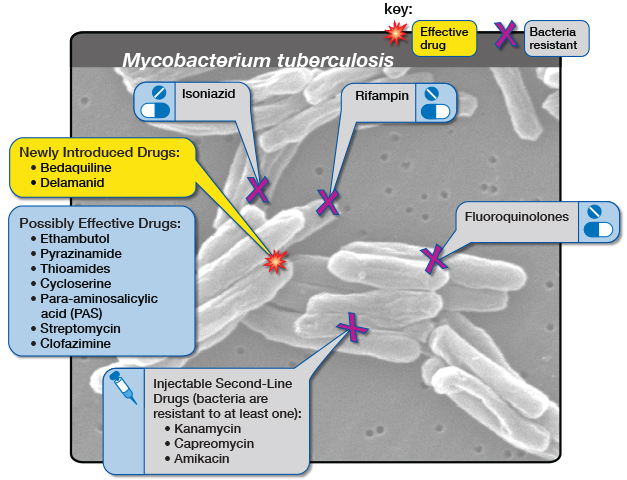
Diagram by the United States-based National Institute of Allergy and Infectious Diseases showing the medicine options for drug-resistant tuberculosis. (Via Flickr, CC BY 2.0 Deed)
The South African government and pharmaceutical company Johnson & Johnson (J&J) have agreed to a lower price for bedaquiline, a medicine used to treat drug-resistant tuberculosis (DR-TB) in South Africa.
This comes off the back of mounting pressure from activists and amid an ongoing investigation by the Competition Commission, looking into J&J’s pricing of the drug.
An estimated 14 000 people in South Africa fell ill with DR-TB in 2019. Bedaquiline is one of the main drugs used to treat DR-TB. Before bedaquiline became available, treatment for DR-TB would consist of up to two years of injections with serious side effects. The bedaquiline-containing regimen has no injectables, far fewer side effects and is typically six months.
Bedaquiline has been provided by the South African government since 2018.
In July, J&J agreed to sell bedaquiline to lower and middle-income countries through the Stop TB Partnership’s Global Drug Facility for $130 (R2470) per six-month regime, but South Africa does not make use of this facility due to national procurement policies.
Instead, about the same time that J&J made this announcement, the National Health Department agreed to pay J&J R5500 for the drug.
The Competition Commission announced in September that it will be investigating Johnson & Johnson’s pricing of the drug. The commission assisted the Department of Health in renegotiating the price, says department spokesperson Foster Mohale.
This week the department sent out a circular indicating that it will be paying R3,148 for bedaquiline.
Bedaquiline is prescribed to 7000 to 8000 people a year, Mohale told GroundUp. Mohale says the new price amounts to a 40% saving on bedaquiline for the next two years.
Candice Sehoma, Access Campaign Advocacy Advisor for Medicines Sans Frontiere (MSF), told GroundUp that the “momentous” cost saving is a “big achievement”. Sehoma says it is a sign that the global campaign to ensure accessible and affordable treatment for TB is yielding results.
MSF has estimated that bedaquiline could be manufactured and sold for profit for as little as $102 (R1940).
Fatima Hassan, director of the Health Justice Initiative, says that while the price drop is a victory, it is important to ensure that this does not happen again.
“The significant price reduction emphasises why price scrutiny is significant,” Hassan told GroundUp.
Alleged “evergreening”
J&J’s patent for bedaquiline expired in July 2023, but J&J had already applied for a new patent for a slightly different version of bedaquiline, which was granted. This meant their patent protection continued in South Africa after the original patent expired.
This amounts to “evergreening”, says Hassan. Evergreening, as explained in this article in The Conversation, “is achieved by seeking extra patents on variations of the original drug – new forms of release, new dosages, new combinations or variations, or new forms”.
The Competition Commission will be looking into J&J’s alleged “evergreening” as part of its investigation.
After making its agreement with the Global Drug Facility, J&J has announced it will not be enforcing the new patent – a move that will allow generic versions of the product to enter the market and further lower the price.
GroundUp sent questions to J&J but received no response.