Category: Healthcare Politics and Regulations

At the Heart of the NHI Lies Fairness: Outgoing Chair of Parliament’s Health Committee Defends Record
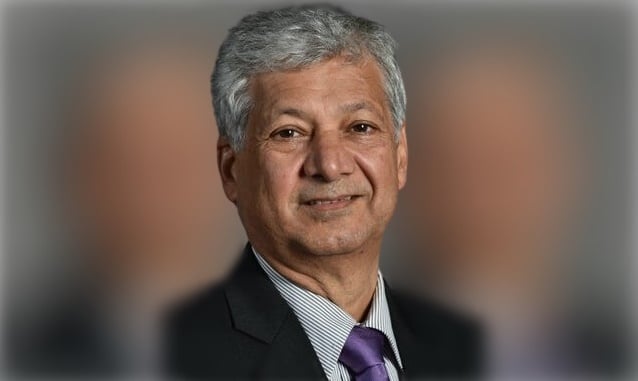
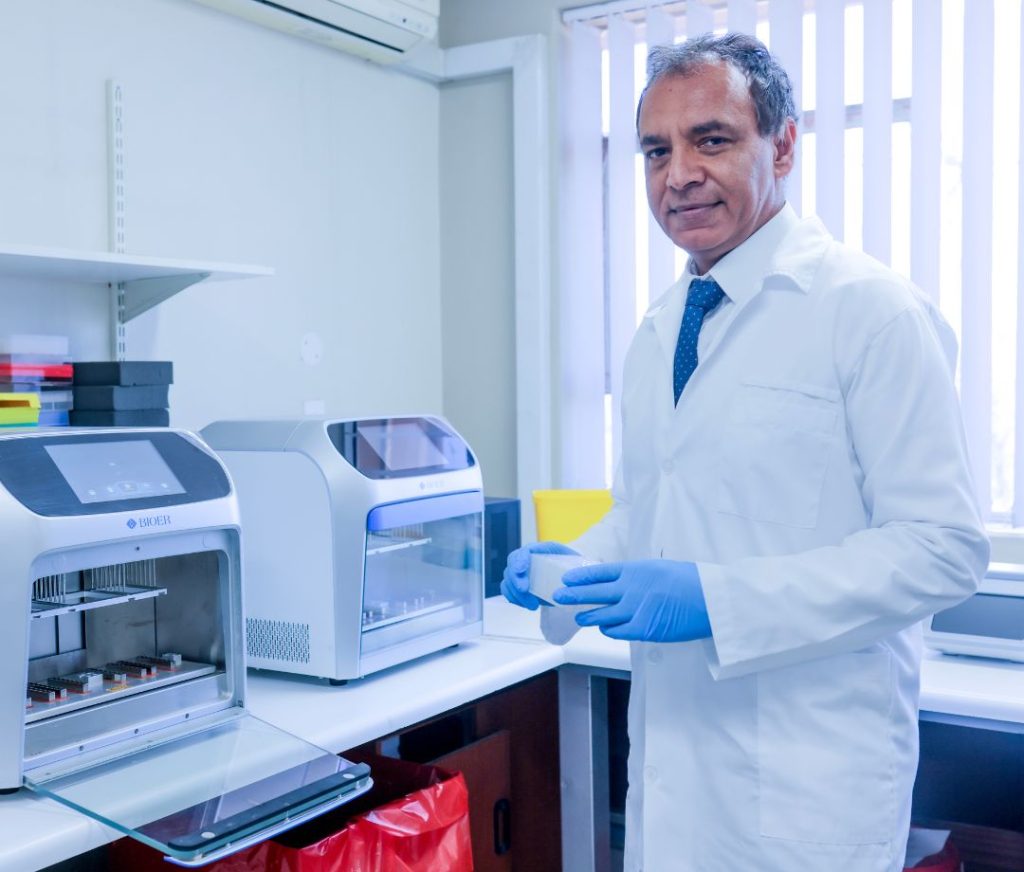
Dr Kenneth Jacobs entered Parliament as an ANC MP in 2019, and two years later was elected chairperson of the Portfolio Committee on Health. (Photo: Parliament)

By Biénne Huisman

The chairperson of the National Assembly’s Portfolio Committee on Health Dr Kenneth Jacobs played a pivotal role in deliberations on the National Health Insurance Bill. Spotlight’s Biénne Huisman asked Jacobs about some criticisms of NHI and about his plans for life after Parliament.

A week before South Africa’s sixth democratic Parliament drew to a close on May 21, chairperson of its Portfolio Committee on Health, Dr Kenneth Jacobs, observed President Cyril Ramaphosa sign the National Health Insurance (NHI) Bill into law at the Union Buildings in Pretoria.

Back in Cape Town, Jacobs tells Spotlight the NHI signing was the culmination of his own work dating back fifteen years. He says he started working on public health projects relating to universal health coverage and the NHI in 2009, as a consultant to the National Department of Health.

For him, at the heart of the bill lies fairness.

“We should be able to provide all of the people of South Africa the opportunity to access quality healthcare,” he says.

Jacobs entered Parliament as an ANC MP in 2019, and two years later was elected chairperson of the Portfolio Committee on Health after his predecessor, Dr Sibongiseni Dhlomo, became the Deputy Minister of Health. Committee chairpersons are elected by and from among the members of each committee, meaning the majority party in Parliament has the most influence in selecting chairpersons.

As chairperson, a large part of Jacobs’ job was to hold the country’s executive and the National Department of Health to account on behalf of South Africa’s citizens.

Amongst other tasks, he played a pivotal role in overseeing public deliberations around the NHI Bill, which included 338 891 written submission and presentations by 133 organisations. These included political parties, trade unions, medical aid schemes, health technology organisations, the South African Medical Association, and university departments.

“It is never in the history that the committee had such an engagement by the public,” says Jacobs. “So I’ve been very blessed and fortunate to go to Parliament in the final process of the NHI Bill.”

‘Disheartening’ criticism

Both before and after its signing into law, NHI has been deeply divisive, with several political parties and other role players threatening litigation. One line of criticism is that, while many people and organisations made submissions to the committee chaired by Jacobs, the final bill did not changed substantially from what it was prior to the public hearings.

Interviewed on the topic, Business Leadership South Africa CEO Busi Mavuso, said government rushed populist policy through Parliament – an electioneering ploy – as the significant public input into the Bill and its socioeconomic ramifications had not been considered.

Jacobs voices his frustration at such criticism of the NHI public participation process, saying it is “disheartening”, adding that criticism are doled out by South Africans who are “in better financial positions”.

He explains the process of collating so much information: “Well, firstly it’s driven by the chairperson [him]… We appointed a team through Parliamentary processes, who looked at the submissions, and interpreted the submissions using computerised systems. It’s thematic – what are the themes, really? These are developed into reports; the reports on all the public hearings, those reports are all available.”

He adds: “So people who want to write and say all these negative things, they really should go and access these documents and see what the submissions were.”

‘It’s attractive to make people insecure’

Another aspect of NHI over which many have expressed concern is the potential for corruption, particularly in light of massive healthcare corruption during the height of the COVID-19 pandemic and more recent alleged corruption at Tembisa Hospital in Gauteng. Here criticism ranges from a simple distrust in government to run such funds, to more nuanced criticisms of aspects of the bill that critics say increases the risk of corruption – such as the Minister of Health’s expansive powers and accountability to cabinet rather than to Parliament.

In an interview following the signing of the bill, DA Chief Whip who was also a health portfolio committee member, Siviwe Gwarube, said: “The NHI will not address the underlying issues in our healthcare system; it is financially unfeasible, an election gimmick, and will burden South Africans with increased taxes.” She added: “The potential for corruption is staggering, and the flawed parliamentary process further erodes public trust…”

When asked about fears that money might disappear from centralised NHI coffers – to be governed by a board appointed by the minister of health – and accountability to prevent such, Jacobs says: “I think that people are putting the cart before the horse. You must remember this will be an entity [with tender procedures], and then who is supposed to appoint them [board members] in any case? Somebody has to have the responsibility. Why can that not be the minister, for example. But remember that it will be a transparent process, the same as the appointment, I think, as what we do with the appointment of judges.”

The NHI fund will be a schedule 3A entity, similar to, among others, the Road Accident Fund, the National Lotteries Commission, the National Laboratory Service, the Office of Health Standards Compliance, the Competition Commission, and the Council for Medical Schemes.

Jacobs says checks will be provided by the country’s forensic investigation agency, the Special Investigating Unit (SIU). “And there are many ways to put checks and balances into place,” he says, “we talk [in the bill] about the interventions which can be made, or the investigations which can be made by the SIU and other law enforcement agencies”.

Shortly after taking over as health committee chairperson, Jacobs told Spotlight that rooting out corruption in the health sector was a priority. At the time, he stressed the importance of safety nets for whistle-blowers, and of establishing systems to enforce accountability. Around the time of his appointment in 2021, whistle-blower Babita Deokaran was murdered for exposing R1 billion worth of allegedly irregular tenders issued at the Tembisa Hospital in Gauteng.

Asked about these particular earlier priorities, Jacobs responds: “I have no answer on that, I don’t think I want to talk about corruption now…” Upon reflection, he adds: “Of course corruption is important. Losses to the fiscal is important; people doing wrong is important. People need to be brought to book, be held accountable for doing wrong…”

Later on in the interview, when the issue of corruption comes up again, he says that corruption has decreased in South Africa: “I think we’ve advanced quite a bit from the time when corruption was more rife. I think nowadays you hardly hear about these things and it’s because unprecedented intensive programmes were put in place to address these issues of corruption and fraud. I really think what they [critics] are doing is fear-mongering, telling people that you need to be frightened, and I’m going to say again, those who are telling others to feel frightened, are in a better financial position. So it’s attractive to make people insecure.”

Money for NHI?

Another common argument against implementing NHI is that it is not affordable. Government’s spending on health has declined in real terms for much of the last decade and the South African economy is struggling by most measures.

Asked about crippling budget cuts in the health sector as it stands, and questions around the NHI’s affordability, Jacobs says South Africa has insufficient central funds because of unemployment, and that South Africa needs more jobs and more workers to increase its tax-base.

“My personal view is that we need to understand why there’s a budget problem,” he says. “So where is government supposed to get money? Who are supposed to contribute? Those who are employed. And look at our employment rate – is it government’s responsibility? No, the emphasis is wrong. It is businesses’ responsibility.

“When people have employment they can contribute to the coffer… and I’m going to keep on saying, the narrative is in the wrong place. We need to say to South Africans: ‘don’t all of us have a responsibility?’ Those who have the economy in their hands and those who don’t have the economy in their hands, all of the responsibility to drive our country forward.”

How to drive South African healthcare forward, remains contested. Several organisations representing healthcare workers, such as the South African Medical Association, do not support the NHI Act in its current form. Others, including the South African Medical Association Trade Union, welcome it.

Meanwhile, Jacobs expresses empathy for his clinician colleagues: “As a medical doctor, I have absolute respect for all of my colleagues. I would like you to write it; I understand the conditions under which our medical and or health personnel have to function. And I don’t think that National Health Insurance be a negative thing for healthcare professionals.”

‘Why should there be people who profit from the ill health of other people?’

Another concern in some quarters is that NHI will over time squeeze out medical aid schemes and leave people with no alternative to health services provided through NHI. This because, according to Section 33 of the NHI Act, medical schemes will not be allowed to cover services that are already covered by the NHI fund.

Asked about the future of medical aid schemes in South Africa, Jacobs says: “What is the medical aid system? It’s a profit driven system by people who are in business. Is it correct that there are people who make profit off the lives of people, and the health of people? I don’t think that is correct.” (Note: Medical schemes are non-profit entities while medical scheme administrators are for-profit.)

He adds: “What is wrong with having one single system, in which everybody has access to the same healthcare? Why do we need to keep exclusionary rights for some people, based on them having a better income than others? I think that’s the bottom-line on the answer of the medical aid. Whether medical aid will stop functioning or not. I think that’s not the question to ask. The question is why should there be people who profit from the ill health of other people?”

‘From policy to practice’

Going forward, given that he won’t be returning to Parliament, Jacobs hopes to resume doing public health consulting work for the National Department of Health.

“I have a project which is very dear to me,” he says. “I want to start an institute for health governance, and it’s called, ‘from policy to practice’. It’s on health governance, universal health coverage… and will be instrumental in influencing dialogue. So, I can’t wait to stay active in the health sector, but not being restricted in that I’m no longer a member of Parliament, not feeling that there’s some sort of conflict.”

Jacobs will now move from the Acacia Park Parliamentary Village on Cape Town’s northern fringes back to his family home in Wellington.

Jacobs says that they will soon have seven public health doctors in his family – that is, when his son completes medical school at Stellenbosch University. His daughter recently finished medical school and is contracted as a doctor at a clinic in Khayelitsha.

Originally from Gqeberha, Jacobs holds a Bachelor of Medicine and Bachelor of Surgery degree from Stellenbosch University where he also obtained a Master of Medicine degree in family medicine. He went on to get a Master of Science degree in sports medicine from the University of Pretoria. In earlier years, he served as a physician to the Stormers and Springbok rugby teams.

In the previous interview with Spotlight, Jacobs relayed how his formative years were tough. His family were forcibly evicted from sea-facing South End, in what was then Port Elizabeth, and moved to Gelvandale, in the city’s northern suburbs. His father worked in a shoe factory, but lost his job when Jacobs was in grade 10.

“South End was like Port Elizabeth’s District Six,” said Jacobs, in the earlier interview. “So yes, honestly, that was something that had a huge impact on me. I decided then that I would not allow somebody to suppress or oppress me and I think it is probably why I just kept on studying and improving.”

At 65 years old, Jacobs exudes ambition and enthusiasm. Wrapping up, he quotes an Afrikaans aphorism: “Die mens wik maar God beskik” (Humanity proposes, God disposes).

Republished from Spotlight under a Creative Commons licence.

Read the original article

Who will be SA’s Minister of Health in the New Cabinet?

By Marcus Low

ANC President Cyril Ramaphosa, with Minister of Health, Dr Joe Phaahla and his deputy Dr Sibongiseni Dhlomo, during the signing into law of the National Health Insurance Bill. (Photo: @MYANC/Twitter)

After the ANC received less than 41% of the votes in last week’s national elections, negotiations are now underway that will determine how and by who South Africa is governed. Ministerial posts, including the country’s top health job, might be on the negotiating table. Spotlight considers the candidates for the post of South Africa’s Minister of Health.


For most of the last 30 years, it went almost without saying that the country’s Minister of Health would be drawn from the ranks of the ANC. But given the dramatic decline in the party’s electoral fortunes and the consequent pressure to enter into coalitions or other deals, the pool of realistic candidates for the post of health minister might this year be larger than before.  

The President has the prerogative to appoint any members of the National Assembly as ministers, whether or not they are of the same party as the President. The President can also at his or her discretion appoint two ministers who are not members of parliament. It is also relatively trivial for a party to ask a Member of Parliament (MP)  to stand down and to have another sworn in, as happened with Minister of Electricity Kgosientsho Ramokgopa. This means that candidates who were not high enough on party lists to get seats in parliament could still be substituted in. 

Although technically the pool of possible health ministers is thus quite large, political realities narrow the choices down considerably. 

Let’s start with candidates from the ANC, given that odds are still that our next health minister will be from the party. 

First in line is South Africa’s current Minister of Health Dr Joe Phaahla. He is not on the ANC’s national candidates list, but he is high up on the party’s regional list for Limpopo and thus set to become a member of the National Assembly. Though some might describe his time as health minister over the last three years as uninspiring, he also hasn’t been implicated in any scandals or made any obvious blunders.

It might well be that President Cyril Ramaphosa, presuming he stays in the job, sees Phaahla as a safe pair of hands and considers him the right person to drive the ANC’s stated goal of preparing for and starting the implementation of National Health Insurance. Phaahla previously served for some years as Deputy Minister of Health. 

Second in line is the current Deputy Minister of Health Dr Sibongiseni Dhlomo. He is also not on the ANC’s national list, but he is high up on the ANC’s KwaZulu-Natal regional list and thus also set to join the National Assembly. He is a former MEC of health for KwaZulu-Natal and former chair of parliament’s portfolio committee for health. If Phaahla is not to return, Dhlomo would be the most natural replacement. 

After those first two candidates, things get much harder to predict. 

Former health ministers Dr Aaron Motsoaledi and Mmamoloko Kubayi are on the ANC’s national list and Dr Zweli Mkhize is on the ANC’s KwaZulu-Natal regional list. Given that Motsoaledi’s time at Home Affairs has been something of a disaster, it is not impossible that Ramaphosa might feel he can get more out of him back in the health portfolio where his record was somewhat better.

A return of Mkhize to the health portfolio seems extremely unlikely given the grubby circumstances under which he left. Kubayi’s role for a few months as acting health minister was really just that of a care-taker, and a return is unlikely. 

One interesting trend is that the ANC has largely chosen medical doctors as health ministers and deputy ministers – Phaahla, Dhlomo, Motsoaledi, and Mkhize are all medical doctors. 

Current Eastern Cape MEC for Health Nomakhosazana Meth is high on the ANC’s national list, though the poor performance of the Eastern Cape Department of Health in recent years should mean her chances of getting the top health job are slim.

In previous years, current Limpopo MEC for Health Dr Phophi Ramathuba was considered a possibility by some, but her name is only on the ANC’s candidates list for the Limpopo legislature and a few ill-judged incidents, such as a video in which she berated a pregnant woman, would make her a controversial choice. She’s also often been at loggerheads with unions in Limpopo. A lack of standing with healthcare workers may also hold back the prospects of one or two others with health backgrounds who did make it onto the ANC’s national list. 

Candidates from other parties 

The DA remains South Africa’s official opposition. Should they become part of a ruling coalition or government of national unity, the current Western Cape MEC for Health would be the party’s most obvious candidate for the role of health minister. Mbombo is however only on the DA’s list for the Western Cape legislature and is thus likely to again be the province’s MEC for health.

Jack Bloom, the party’s leading health MPL in Gauteng over the last two decades would be a long shot for the post of health minister, as would Dr Karl le Roux, an award-winning rural doctor who has joined the party. Bloom is on the DA’s list for the provincial legislature and not on the lists for the national assembly. It is thus not entirely out of the question that he could become MEC for health in Gauteng.  

The EFF received the fourth most votes nationally, having been third in the previous national elections. In the previous parliament they were represented on the portfolio committee for health by Dr Sophie Thembekwayo (not a medical doctor) and Naledi Chirwa. Chirwa is last on the EFF’s national candidates list and is thus very unlikely to return to the National Assembly. Thembekwayo is 36th on the EFF’s national candidates list. 

It is also possible that other parties such as MK or the IFP could end up as part of a governing coalition or government of national unity and that candidates from these parties would thus also be in with an outside chance for the top health job. There will be many new, and to us unknown, faces in parliament – no doubt we’ve missed some people with solid health backgrounds in our analysis. 

As mentioned earlier, the President can appoint two ministers to his or her Cabinet from outside the National Assembly. It is thus possible that someone with health management expertise could be roped in from outside the usual political circles.

Though very long shots, outsiders like Dr Fareed Abdullah – former CEO of the South African National AIDS Council and an important player in the early days of HIV treatment – or Professor Glenda Gray – outgoing President of the South African Medical Research Council – might well, and arguably should, be considered. Though we’d be surprised if strong outsider candidates like these two are interested in the job given how politically fraught the role is likely to be. That said, we suspect the right outsider candidate would be a hit in healthcare circles. 

Ultimately, whichever way the current negotiations pan out, the ball remains in the ANC’s court when it comes to determining who will be our next Minister of Health. That means the decision is likely to remain subject to the ANC’s internal politics, with all the complexities that entails.

Despite all the intriguing possibilities, chances are thus that it will be Phaahla or Dhlomo who get the nod – and in terms of South Africa’s healthcare trajectory things will probably remain roughly as they are now. 

Republished from Spotlight under a Creative Commons licence.

Read the original article

Supreme Court of Appeal Dismisses Council for Medical Schemes’ Reconsideration Application with Costs

Photo by Bill Oxford on Unsplash

In a significant development for the South African healthcare sector, the Supreme Court of Appeal (SCA), has dismissed the Council for Medical Schemes (CMS) and the Registrar for Medical Schemes’ reconsideration application against the Board of Healthcare Funders (BHF) with costs. 

At the signing of the National Health Insurance (NHI) Bill into law, the President asserted that medical schemes were elitist and excluded the majority of the population. However, it is important to note that for many years, medical schemes have actively sought exemptions to provide low-cost benefit options (LCBOs) that would enable more citizens to access medical aid coverage. Despite these efforts, medical schemes face significant regulatory hurdles that prevent them from offering these more inclusive options.

The court’s decision follows the raising of significant concerns by BHF in a letter to the CMS and the registrar, which highlighted key conflicts related to hostility towards medical schemes; unnecessary litigation; delays in developing legal frameworks for low-cost benefit options (LCBOs); ineffective appeal processes; the legality of CMS’s regulatory actions; the influence of the National Health Insurance (NHI) Bill on CMS policies; and the lack of review of Prescribed Minimum Benefits (PMBs) for 24 years. 

Mr Charlton Murove, Head of Research at BHF, said that while the organisation respects the court’s decision, it is unfortunate that a personal cost order against the registrar was not awarded, and that the regulator continues to delay the matter. 

“These delays divert valuable resources, and hinder progress on an issue that is critical to both the South African healthcare industry, and the health of citizens in need of essential services,” added Murove. 

The CMS has since filed the Rule 30A affidavit and the supplementary record. The BHF legal team is currently studying these documents for purposes of moving forward with the main review application, where its members will be updated. 

To this end, BHF remains committed to ensuring a fair and effective regulatory environment for the South African healthcare sector.

“We, as the BHF, will continue to advocate for the interests of our members and the millions of beneficiaries they serve, striving to create a healthcare system that is equitable, transparent, and capable of meeting the needs of all South Africans. 

“This court case is crucial in the context of the National Health Insurance (NHI) as it highlights the necessity of reducing the burden on the state while it prepares for the implementation of NHI, ensuring access to quality healthcare for everyone is essential,” concluded Murove.

#Vote4Health | Opposition Parties Promise to Resolve Healthcare Understaffing. Do They have the Right Solutions?

By Jesse Copelyn

Photo by SJ Objio on Unsplash

Several political parties have pledged to plug shortages of healthcare staff at government hospitals and clinics by training more health workers. They’re right to be concerned with understaffing, but are they putting the right solutions on the table? Jesse Copelyn investigates.


As the election approaches, one message seems ubiquitous among opposition parties: there is a severe shortage of health workers at government hospitals and clinics. Manifestoes of the DAEFFMKIFPActionSAUDMRise Mzansi and the ACDP all make some reference to the issue or simply state they would increase the number of health workers in the system if they were in power.

But why are so many parties from across the political spectrum pointing to this particular problem, and are they proposing realistic solutions?

Government health facilities are shedding staff

Various sources of data show that public health facilities are indeed heavily understaffed, giving weight to parties’ concerns. For instance, in March, the National Health Department revealed that appointments for a number of key clinical posts across the country have not been made. In some of the worst-performing provinces – the Free State, North West and Limpopo – more than 20% of posts for medical officers (i.e. non-specialised doctors) were unfilled.

Additionally, in the North West, almost 2 out of 5 nursing posts were vacant, while half of all positions for psychiatrists were unstaffed. Meanwhile in the Free State, a mere 3 out of 5 posts were filled for physiotherapists and occupational therapists.

These health worker shortages appear to be getting worse. The 2030 Human Resources for Health strategy document, which was published by the National Department of Health, estimated that in 2019, we required about 186 000 primary healthcare workers in the public sector. This would ensure that every person that relies on government services had access to a basket of primary healthcare services that matches the country’s needs. Yet at the time, we only had about 115 000, meaning that we were short by about 71 000 workers. And by 2025, that gap was projected to widen to over 87 000. This is because it was assumed that the number of clinical staff would remain the same over time, while the overall population (and thus the number of patients) would increase.

In reality, this actually understates the problem, Dr Donnella Besada, a health economist who was involved in that research, tells Spotlight. Rather than remaining the same, the number of health personnel in the public sector probably will have declined by 2025.

“The workforce is likely to go down over time as a result of the freezing of posts, retirement, illness and death,” she explains.

Indeed this was a trend that had already begun in the 2010s when total government spending on health began to stagnate in real terms, and irregular expenditure ballooned. Thus, government health facilities didn’t have the money to hire more staff, and between 2012 and 2016, the total number of people employed by provincial health departments actually declined.

The extent of the problem is perhaps most acutely seen in the area of specialist care, as the Human Resources for Health strategy document shows. Take anaesthesiologists – the doctors who put you to sleep before an operation and monitor your vital signs. Researchers estimated that given factors like the age of the population and the types of diseases that are prevalent, South Africa should have about 50 anaesthesiologists for every million people. In the private sector, we’re well over the bar, with nearly double that targeted ratio. In government health facilities, however, we’re way under, at about 6 anaesthesiologists for every million patients.

Right problem, wrong solution?

Clearly, politicians are onto something when they talk about the need to increase the number of health workers in public hospitals and clinics. But how do parties propose that we do this?

While solutions vary, one of the most common proposals that has been put forward both in party manifestos, and in interview responses to questions by Spotlight, is that we should invest more in training of health workers. For instance, the EFF manifesto states that the party would establish “at least one health care training facility per province and [ensure] that there is no province without a health sciences campus, inclusive of nursing school and medical school [sic]”. Similarly, the newly established MK party states that it would “expand the capacity and intake of medical schools”.

Manifestoes by ActionSA and RiseMzansi also state that they would train more health workers, while the UDM and ACDP told Spotlight that they would invest more in nursing colleges, along with other measures.

What unites these approaches is the belief that a central reason for understaffing is that we aren’t training enough health workers, and we have to find ways of boosting this capacity. However, two senior managers in the public health system that spoke to Spotlight provide a very different take. They argue that the most fundamental reason for understaffing is budgetary – facilities simply cannot afford to appoint more health workers even though there are often qualified people available for hire.

For instance, a former CEO of a public hospital in the Western Cape, who would prefer to remain anonymous, explains to Spotlight that the reason their hospital was unable to plug shortages is simply due to “affordability in terms of the budget received from the national government”.

In this context, more campuses and colleges would do little to solve the problem. “[T]oo many training institutions mean that once they graduate there are too few posts for internships or community service”, the former CEO says, referring to the positions that medical students must take up at government hospitals and clinics after graduating. He elaborates: “Once [the internship and community service] is done, there are no posts for permanent positions”.

All the way on the other side of the country, a senior manager at a government hospital in KwaZulu-Natal, who also wanted to remain anonymous, says much the same. He tells Spotlight that “understaffing has been a problem for some time”, and that the shortage of nurses is currently the most significant obstacle. Asked about the causes, he says “financial reasons” are almost always to blame (though he did feel that we needed to train more specialists). He elaborates “this year the budget has been cut compared to last financial year, so [the shortages are] a bit severe now”.

Asked whether more training would solve the shortage of nurses and medical officers, he is doubtful. “[M]any of the already-qualified people were not able to be employed, so training more? I don’t think this is a solution… for now the focus should be on employing the unemployed people”, he says.

This sentiment is also largely echoed by the National Department of Health, which in April stated that there were over 2000 unfunded posts for medical doctors in the country. An additional R2.4 billion was needed to fill them, according to the department, which has also been battling accusations from the South African Medical Association that over 800 qualified doctors cannot find work. In response, the department claimed that the majority of them had only just finished their training.

Training capacity has already hit its ceiling

What one might not realise from reading party manifestos is that the country has already substantially boosted the training of doctors over the last decade. As I have previously written for Bhekisisa, it is partially because of this that the public health system is increasingly struggling to absorb new medical graduates entering the system.

Professor Shabir Madhi of Wits University. Photo: Wits University.

For instance, Professor Shabir Madhi, the dean of the health faculty at the University of Witwatersrand (WITS), tells Spotlight that universities began to increase the intake of medical students (ie, those training to be doctors) some time ago, partly due to state pressure. Over a similar time period, the government expanded the Nelson Mandela Fidel Castro programme, which educates medical students in Cuba. As a result, while there were fewer than 1500 medical graduates that were available to be placed for internships in 2017, there were over 2100 in 2024.

The opposite trends have nonetheless taken place for some other health worker categories. For instance, in 2017, there were over 21 000 student nurses and midwives, and this dropped to below 15 000 in 2022. As Spotlight previously reported, this decline is at least in part due to disruptions related to how nurse training is accredited in South Africa.

According to Madhi, we’re still not training enough health workers to meet the needs of the country, but further expanding student intake wouldn’t address the current understaffing crisis, as the government is unable to employ the health workers that we’re already producing. Instead of training more health science students, he says, the health department needs to focus on “incorporating existing and newly graduating healthcare workers into the public sector”.

Additionally, even if we resolved our budgetary problems, there are hard limits on how many more students we can currently train, says Madhi, who laughs off campaign promises about building more medical campuses and scaling up student intake. “[M]ost of the training of health workers takes place outside of the classroom in our healthcare facilities,” he says, adding that “there are only so many healthcare facilities that have the right type of personnel to be involved in training, and their ability to absorb more trainee healthcare workers is fairly limited”.

While universities have increased the intake of medical students over the years, the ceiling has now been reached, argues Madhi, who notes that the number of trainee doctors that WITS is sending to its academic hospitals is “already exceeding the capacity that they can accommodate”. As a result, the university now sends students “to other hospitals which weren’t necessarily designed, and are not necessarily equipped or resourced, to undertake training”. He notes that these problems don’t just apply to trainee doctors, but also “occupational therapists, physiotherapists, oral hygienists and dentists”.

Madhi concludes: “Unfortunately, politicians are somewhat naive of what is required to establish training programmes in the health sciences”.

Republished from Spotlight under a Creative Commons licence.

Source: Spotlight

BAT Calls for Progressive Regulation to Achieve a Smoke-free South Africa

Photo by Sara Kurfess on Unsplash
  • As the globe recognises both World Vape Day and World No Tobacco Day this month, BAT calls for regulatory framework that encourages adult smokers to switch to smokeless alternatives.
  • South Africa’s adult smoking prevalence is growing; studies suggest switching exclusively to reduced risk¹ alternatives could significantly reduce smoking related disease associated with smoking.
  • BAT advocates for regulatory principles focused on adult-only access, product quality, and enforcement, while investing in smokeless products.

BAT, a leading tobacco and nicotine products company, publicly re-affirmed its position that no underage person should use nicotine products. As such, the Company has called for a regulatory framework in South Africa that encourages adult smokers to switch to smokeless alternatives and that facilitates the robust prevention of underage access.

The smoking prevalence among adults in South Africa is 27.4%², which seems to be growing. This is partly attributable to the rampant sale of illicit cigarettes across the country, which BAT South Africa’s internal estimates put at around 70% of the market. More than 9.7 million² people in South Africa continue to smoke, despite the serious risks. According to population modelling studies³, a significant reduction in smoking related disease could be achieved if smokers switched exclusively to reduced risk¹ alternatives.

Dr Edward Makgotlho, Area Head of Scientific Affairs for BAT Sub-Saharan Africa, said:

“We believe that underage consumers should never use nicotine, and the role of regulation in helping to ensure this is vital. As well as mandating appropriate age limits, age verification solutions need to be introduced at points of sale, and the importance of enforcing regulation cannot, and should not, be forgotten.”

BAT has set out four principles that should be applied in South Africa for effective and impactful regulation relating to smokeless tobacco and nicotine products:

1.      Consumer access to relevant products: Regulations in all countries where cigarettes are sold should also allow a wide range of smokeless alternatives, to ensure that consumers can access these alternatives and make informed choices about switching, based on the best available scientific evidence.

2.      Adult-only consumers: The use and sale of smokeless tobacco and nicotine products by and to underage consumers should be prohibited by law.

3.      Product quality and safety: Robust and properly enforced quality and safety standards should be at the heart of regulation, to protect consumers.

4.      Robust enforcement: Regulation should provide enforcement authorities with the necessary powers to apply penalties and sanctions to those who fail to comply with regulations, particularly those who supply non-compliant products and provide product to those who are underage.

Countries that have implemented regulation that recognises the harm reduction potential of smokeless products and support their use for adult smokers have experience a rapid decline in smoking. The United Kingdom, United States and Japan are all reporting their lowest smoking rates on record, while Sweden is on track to declare itself smoke-free this year – 16 years ahead of the European Union’s 2040 target.

“The migration of smokers to these alternatives is crucial both for countries looking to reduce their smoking rates and for global public health more broadly. Whether or not governments are able to take advantage of these products and maximise their harm reduction potential depends as much on the implementation of progressive, risk-proportionate regulation as it does on changes in consumer behaviour,” said Dr Makgotlho.

BAT’s global purpose is to create A Better Tomorrow™ by Building a Smokeless World. This commitment is demonstrated in various ways, including the Company’s investment of more than R6.9 billion a year in the development of smokeless tobacco and nicotine products, which are sold in 75+ markets globally, including South Africa.

References:

1.       Based on the weight of evidence and assuming a complete switch from cigarette smoking. These products are not risk-free and are addictive.

2.       BATSA market research as at 2024, conducted by an external market research house.

3.       Camacho OM & Ebajemito J, et al. 2021. Evidence from the Scientific Assessment of Electronic Cigarettes’ Role in Tobacco Harm Reduction. Contributions to Tobacco & Nicotine Research, 30(2): 63-108. Available: https://doi.org/10.2478/cttr-2021-0007

Levy DT & Gartner C, et al. 2023. The Australia Smoking and Vaping Model: the Potential Impact of Increasing Access to Nicotine Vaping Products. Journal of Nicotine & Tobacco Research, 25(3): 486-497. Available: https://doi.org/10.1093/ntr/ntac210

Yach D & Human D, et al. 2023. Integrating Harm Reduction into Tobacco Control. SmokeFreeSweden.org. Available: https://smokefreesweden.org/lives-saved.pdf

Earn CPD Points with EthiQal’s Webinar on Record Keeping

On Wednesday 5 June at 18:00, EthiQal cordially invites you to attend their ethics webinar, “Documenting care: Effective record-keeping and requests for records”.

Hosted by Dr Hlombe Makuluma, Medicolegal Advisor at EthiQal, this webinar will be co-presented by two admitted attorneys, Mashooma Parker and Jessica Viljoen, who are both legal advisors within the claims team at EthiQal. The 90-minute session will cover compliance for record-keeping requirements as well as dealing with requests for patient records from patients and third parties.

Participants will gain valuable insights to ethically enhance their practice’s visibility and reach, fostering responsible and compliant advertising practices.

Mashooma Parker is a skilled Legal Advisor within the Claims & Legal team at EthiQal, specialising in medical malpractice. With a strong background in the legal field and a passion for assisting healthcare practitioners, Mashooma brings a wealth of expertise to navigate the complexities that arise with patients and third parties. Hosting the first topic, She will cover the requirements for healthcare practitioners to ensure quality record-keeping compliance with Booklet 9 of the HPCSA’s Ethical Guidelines.

Jessica Viljoen is an admitted attorney and legal advisor specialising in professional indemnity insurance for healthcare practitioners, and medical malpractice law. With her extensive experience within the medico-legal space, including her years of litigation experience, Jessica leverages her industry knowledge to provide legal advice and assistance to all specialties of medical practitioners throughout South Africa. She will present the second part of the talk, which will deal with Patient and Third-party requests for patient records and how to ensure compliance with the Promotion of Access to Information Act 2 of 2000.

The speakers will offer some useful tips from a medico-legal risk management perspective for health practitioners to be cognisant of, as well as to work through some practical examples to illustrate the importance of the topic.

At least one hour’s attendance on the Zoom Platform is required to earn CPD points, and for those unable to watch it live, a recording will be made available.

Click here to register now

Let’s be Pragmatic – the NHI has Constructive and Contentious Aspects

By Susan Cleary for Spotlight

Professor Susan Cleary delivering her inaugural lecture as part of a lecture series by the University of Cape Town. (Photo: Supplied)

President Cyril Ramaphosa recently signed the NHI Bill into law. The question is whether this will bring South Africa closer towards Universal Health Coverage. Professor Susan Cleary argues that the NHI is a wide ranging reform with both positive and controversial aspects. The key will be to find a middle ground in order to continue on the journey to UHC.

President Cyril Ramaphosa signing the National Health Insurance (NHI) Act on the eve of the elections is a smart move from the perspective of a political party seeking to shore up its base. The concern though to those of us working to strengthen the health system is whether the NHI will enable the country to move closer towards Universal Health Coverage.

For the NHI naysayers, perhaps it would be important to alleviate some fears and concerns. The NHI is a long-term project. In the 2024 budget, National Treasury reduced the conditional grant allocations to the NHI in comparison to what was allocated in the 2023 budget. While signing the NHI Bill into law is a step forward, the reduction in resources towards NHI implementation reminds us that this is a long term project. In addition, it is likely that there will be legal challenges which will lead to considerable delays for the scheme to be fully implemented.

The NHI is a wide-ranging reform, with many positive aspects sitting alongside some key controversial aspects. Positive aspects include the opportunity to enable greater use of evidence and transparency in priority setting through the further institutionalisation of Health Technology Assessment processes (akin to ‘NICE’ in the UK), as well as the opportunity to use national-level purchasing power to drive down the prices of commodities such as medicines. The role of private multidisciplinary practices (GPs, nurses, health and rehabilitation professionals, etc) in the future NHI also holds some promise to improve access to healthcare particularly to parts of the country with limited access to public clinics.

On the other hand, there are two key controversial aspects. The first is related to what may or may not happen to medical schemes and medical scheme administrators once the NHI is fully implemented. My sense is that there is no short-term concern in this regard. A bigger concern is whether a single pot of money in the NHI fund will present a larger or a smaller corruption risk than the current situation of multiple pots spread across provincial treasuries and medical aid schemes.

Another concern is that the NHI reform might disrupt our ongoing progress towards Universal Health Coverage within our existing public sector. Our public sector is not perfect, but it is a system that has equity at its heart. The common definition of Universal Health Coverage is to provide all individuals and communities with access to needed promotive, preventive, resuscitative, curative, rehabilitative and palliative health services of sufficient quality to be effective, while ensuring that the utilisation of these services does not expose users to financial hardship.

The two main goals of Universal Health Coverage are: (1) the provision of quality health care services to those in need and (2) the avoidance of financial catastrophe in this process. Clearly healthcare is far from free – indeed it is very expensive – and so the goal of avoiding financial catastrophe is about implementing prepayment and risk pooling mechanisms, whether these are tax or insurance based.

Let’s first look at how we are doing on the provision of quality services. The below figure plots countries according to their achievements on the Universal Health Coverage Service Coverage Index. In this context, coverage of essential health services is measured based on indicators that include reproductive, maternal, newborn and child health, infectious diseases, non-communicable diseases and service capacity and access, among the general and the most disadvantaged populations.

On this index, South Africa’s achievement is at just over 70%, similar to many other middle-income countries. While there would be room for improvement, our performance is in line with our global peers.

Global comparison of countries in terms of service coverage and quality

Source: World Health Organization – Global Health Observatory (2024) processed by Our World in Data. Accessed May 2024.

The second indicator is financial risk protection. The below figure plots countries against the percent of total health expenditure that is paid out of pocket at the point of use. On this indicator, we score 5.7%, indicating extremely high levels of financial risk protection.

Global comparison of countries in terms of the percent of total health expenditure that is paid out of pocket

Source: World Health Organization (via World Bank) processed by Our World in Data. Accessed May 2024.

While this does not mean that there are no instances of financial catastrophe, undoubtedly there would be, particularly for those seeking treatment for certain types of cancers. That said, over the past two decades I have studied this issue extensively. Across a wide range of conditions in diverse settings, we have interviewed tens of thousands of people to understand the costs that they face in using health services, including everything from transport costs, to costs of food, shelter or accommodation, costs of child care, lost income, under the counter payments to public sector providers (which we never found), fees paid to private providers or money spent at pharmacies. This research consistently showed that the level of catastrophic spending was very low. Our performance on financial risk protection is outstanding. I celebrate the work of those colleagues that shepherded in the removal of user fees in our national health system during the dawning of our democracy. We should all be thanking them.

Despite these successes on Universal Health Coverage, there are areas of concern for the South African health system. We do not achieve health outcomes commensurate with our level of investment. My sense is that this is driven by our relatively high burden of disease; for example we continue to have the world’s largest HIV treatment programme. While our average life expectancy steadily increased with the introduction of antiretroviral therapy (although note the downturn from 2020 which coincides with the Covid-19 pandemic – see the below figure), the HIV epidemic has been a cruel setback that needs to be considered when we seek to make global comparisons on life expectancy and avertable mortality.

Global comparisons of life expectancy: 1970 – 2020

Source: United Nations World Population Prospects (2022) processed by Our World in Data. Accessed May 2024.

Now that the NHI Bill has become the NHI Act, it is time to move on from debates about whether we need NHI or not, and rather focus on how we can make the NHI work for us.

Our public sector will be the backbone of our future NHI and so we should seek to continue to strengthen this system. It would also be wise to put in place measures to strengthen our private system given that private providers are intended to play a key role in the NHI. We should be pragmatic.

The NHI includes many exciting opportunities for leveraging big data and artificial intelligence in health systems strengthening, but at this stage we hardly have any electronic health data. A clear step forward would be the further implementation of the National Digital Health Strategy (2019-2024) which includes the establishment of a patient electronic health record, amongst other needed developments.

In addition, the NHI places emphasis on the achievement of a purchaser provider split via establishing ‘Contracting Units for Primary Health Care’ (CUPS). These new entities will contract with both public and private providers within a defined geographic area, on behalf of a particular population. The establishment of CUP ‘proof of concept’ sites is therefore a priority, but must be done in a way that generates learning and enables adaptation to different contexts.

Let’s continue to push forward on many of these complex undertakings. It is going to take time, but it is needed, irrespective of the name that we choose to give to our health system.

*Cleary is professor of health economics and the head of the School of Public Health at the University of Cape Town.

Note: The views expressed in this opinion piece are not necessarily shared by the Spotlight editors. Spotlight is committed to publishing a variety of views and facilitating informed discussion that deepens public understanding of health issues.

Republished from Spotlight under a Creative Commons licence.
Source: Spotlight

FULL SPEECH | This is What will Happen Next Says Ramaphosa as He Signs NHI Bill into Law

President Cyril Ramaphosa at signing ceremony of the NHI Bill at the Union Buildings in Pretoria.

Speech by Cyril Ramaphosa, article from Spotlight

President Cyril Ramaphosa yesterday signed into law the National Health Insurance (NHI) Bill, which is the ANC-led government’s plan for universal health coverage, just 14 days before the country heads to the polls.

The NHI aims to unify the country’s fragmented health system, Ramaphosa said at the signing ceremony at the Union Buildings in Pretoria on Wednesday.

However, he also noted that processes are yet to be established and that the Act’s implementation will be incremental rather than a massive overnight overhaul.

Here are 8 noteworthy quotes from the President’s speech:

“[T]he NHI is a commitment to eradicating the stark inequalities that have long determined who receives adequate healthcare and who suffers from neglect”.


“[T]he NHI takes a bold stride towards a society where no individual must bear an untenable financial burden while seeking medical attention”.


“The real challenge in implementing the NHI lies not in the lack of funds, but in the misallocation of resources that currently favours the private health sector at the expense of public health needs.”


“The financial hurdles facing the NHI can be navigated with careful planning, strategic resource allocation and a steadfast commitment to achieving equity.”


“The NHI recognises the respective strengths and capabilities of the public and private health care systems. It aims to ensure that they complement and reinforce each other.”


“The NHI is an important instrument to tackle poverty. The rising cost of health care makes families poorer. By contrast, health care provided through the NHI frees up resources in poor families for other essential needs.”


“Following the signing of this Bill, we will be establishing the systems and putting in place the necessary governance structures to implement the NHI based on the primary health care approach.”


“The implementation of the NHI will be done in a phased approach, with key milestones in each phase, rather than an overnight event.”

Here is Ramaphosa’s full prepared speech:

REMARKS BY PRESIDENT CYRIL RAMAPOSA ON THE SIGNING OF THE NATIONAL HEALTH INSURANCE (NHI) BILL, UNION BUILDINGS, TSHWANE, 15 MAY 2024

Minister of Health, Dr Joe Phaahla,
MECs of Health,
Senior Officials,
Representatives of the health fraternity,
Representatives of civil society,
Representatives of labour,
Members of Parliament’s Portfolio and Select Committees,
Public representatives,
Members of the media,
Distinguished Guests,
Ladies and Gentlemen,

We are gathered here today to witness the signing into law of the National Health Insurance Bill, a pivotal moment in the transformation of our country.

It is a milestone in South Africa’s ongoing quest for a more just society.

This transformational health care initiative gives further effect to our constitutional commitment to progressively realise access to health care services for all its citizens.

At its essence, the NHI is a commitment to eradicate the stark inequalities that have long determined who receives adequate healthcare and who suffers from neglect.

By putting in place a system that ensures equal access to health care regardless of a person’s social and economic circumstances, the NHI takes a bold stride towards a society where no individual must bear an untenable financial burden while seeking medical attention.

This vision is not just about social justice. It is also about efficiency and quality.

The provision of health care in this country is currently fragmented, unsustainable and unacceptable.

The public sector serves a large majority of the population, but faces budget constraints. The private sector serves a fraction of society at a far higher cost without a proportional improvement in health outcomes.

Addressing this imbalance requires a radical reimagining of resource allocation and a steadfast commitment to universal healthcare, a commitment we made to the United Nations.

The real challenge in implementing the NHI lies not in the lack of funds, but in the misallocation of resources that currently favours the private health sector at the expense of public health needs.

The NHI Bill presents an innovative approach to funding universal healthcare based on social solidarity.

It proposes a comprehensive strategy that combines various financial resources, including both additional funding and reallocating funds already in the health system.

This approach ensures contributions from a broader spectrum of society, emphasising the shared responsibility and mutual benefits envisioned by the NHI.

The financial hurdles facing the NHI can be navigated with careful planning, strategic resource allocation and a steadfast commitment to achieving equity.

The NHI carries the potential to transform the healthcare landscape, making the dream of quality, accessible care a reality for all its citizens.

The NHI Fund will procure services from public and private service providers to ensure all South Africans have access to quality health care.

The NHI recognises the respective strengths and capabilities of the public and private health care systems. It aims to ensure that they complement and reinforce each other.

Through more effective collaboration between the public and private sectors, we can ensure that the whole is greater than the sum of its parts.

The effective implementation of the NHI depends on the collective will of the South African people.

We all need to embrace a future where healthcare is a shared national treasure, reflective of the dignity and value we accord to every South African life.

Preparations for the implementation of NHI necessarily require a focused drive to improve the quality of health care.

We have already begun implementing a national quality improvement plan in public and private health care facilities, and are now seeing vast improvement.

In signing this Bill, we are signalling our determination to advance the constitutional right to access health care as articulated in Section 27 of the Constitution.

The passage of the Bill sets the foundation for ending a parallel inequitable health system where those without means are relegated to poor health care.

Under the NHI, access to quality care will be determined by need not by ability to pay. This will produce better health outcomes and prevent avoidable deaths.

The NHI is an important instrument to tackle poverty.

The rising cost of health care makes families poorer.

By contrast, health care provided through the NHI frees up resources in poor families for other essential needs.

The NHI will make health care in the country as a whole more affordable.

The way health care services will be paid for is meant to contain comprehensive health care costs and to ensure the available resources are more efficiently used.

Through the NHI, we plan to improve the effectiveness of health care provision by requiring all health facilities to achieve minimum quality health standards and be accredited.

Following the signing of this Bill, we will be establishing the systems and putting in place the necessary governance structures to implement the NHI based on the primary health care approach.

The implementation of the NHI will be done in a phased approach, with key milestones in each phase, rather than an overnight event.

There has been much debate about this Bill. Some people have expressed concern. Many others have expressed support.

What we need to remember is that South Africa is a constitutional democracy.

The Parliament that adopted this legislation was democratically-elected and its Members carried an electoral mandate to establish a National Health Insurance.

South Africa is also a country governed by the rule of law in which no person may be unduly deprived of their rights.

We are a country that has been built on dialogue and partnership, on working together to overcome differences in pursuit of a better life for all its people.

The NHI is an opportunity to make a break with the inequality and inefficiency that has long characterised our approach to the health of the South African people.

Let us work together, in a spirit of cooperation and solidarity, to make the NHI work.

I thank you.


Republished from Spotlight under a Creative Commons licence.

Source: Spotlight

Signing of NHI Bill into Law has no Effect Yet

Disappointment as President prepares to sign flawed bill

The announcement that President Cyril Ramaphosa will sign the National Health Insurance (NHI) Bill into law this week without seeking much-needed revisions is disappointing, although not unexpected, according to the Health Funders Association (HFA).

“The HFA has been preparing for this day, despite our strong belief that a more collaborative approach between the public and private sectors is essential for achieving Universal Health Coverage [UHC] in a timely and effective manner,” says Craig Comrie, HFA Chairperson.

“We are deeply disappointed that the opportunity to review certain flawed sections of the NHI Bill has been missed, as the HFA sees enormous potential for leveraging the strengths of both public and private healthcare to expand access to quality care for all South Africans.

“Throughout the NHI Bill’s development process, the association submitted recommendations centred on collaboration and maximising the sustainability of healthcare provision through the use of a multi-funding model to build the South African healthcare system,” he says.

“Even with the President signing the NHI Bill into law on Wednesday, there will be no immediate impact on medical scheme benefits and contributions, nor any tax changes. The HFA is well prepared to defend the rights of medical scheme members and all South Africans to choose privately funded healthcare, where necessary.

“Our focus, as always, is on protecting and expanding access to quality healthcare for all South Africans. As we await the finer details of the President’s signing, we wish to assure all South Africans that we are ready for this next step,” Comrie says.

“The HFA will continue monitoring developments closely and share updates as necessary. Our goal remains the same: a healthcare system that works for all South Africans, and we will take all necessary actions to support that goal.”

Ramaphosa to Sign NHI into Law: What does This Mean for SA Doctors – and Can We Fix It?

President Cyril Ramaphosa has finished “looking for a pen” to sign the National Health Insurance (NHI) bill into law, and is set to approve the legislation on Wednesday, May 15.

While this “electioneering” move comes as a surprise to many, some experts anticipated this timing. With its signing, the legal battles over it will now begin. An array of medical and professional associations are readying their court papers, armed with numerous expert objections and petitions finding fault with the bill, widely criticised as unaffordable, demoralising and disastrous. But what will it look like in the end? Is it in fact an opportunity to fix public and private healthcare for the better?

To understand the NHI bill’s consequences and possible remedies better, Quicknews asked medico-legal specialist Martin Versfeld of Webber Wentzel & Associates about the legal aspects of the NHI bill, what it means for doctors in private practice, what can be done to ensure it fixes SA healthcare instead of damaging it further, and what its likely outcomes will be.

“The inequality of South Africa’s healthcare situation is not lost on anyone, least of all those in healthcare,” Martin says. “I think every healthcare professional, every hospital group, every healthcare provider recognises a need to assist South Africans more generally and to ensure there is better access to healthcare.”

Examination of the NHI bill has shown that it will simply exacerbate the problem, with possible wider consequences for the country’s economy (If Eskom’s load shedding is anything to go by – Ed). Viable alternatives towards repairing the beleaguered public healthcare system have been suggested, but political pressures have seen the bill signed into law. At this point, it is a certainty that it will face a barrage of litigation.

NHI, the mirage on the horizon

While the NHI is now set to be signed into law, there were efforts to persuade President Ramaphosa to not sign it. Recently, a South African Health Care Practitioners (SAHCP) petition was presented that contains a number of points and precedent to other laws that were rejected due to serious concerns. This petition had gathered 23 000 signatures from healthcare professionals.

Martin believes that it is a very effective petition, and it may have ‘resonated’ except for its timing. “The challenge that we face here is that it is an election year,” he points out. So while this petition and other appeals to the President to reject the legislation might have merit, and may have otherwise succeeded, it is extremely unlikely that Ramaphosa could go against his party’s goals.

“The NHI is a centrepiece, arguably, of the ANC’s election manifesto and they will be very reluctant to signal a climb-down at this point. So I think Cyril, as much as he might personally take a view that, under different circumstances, would be appropriate – I think he’d be under enormous pressure simply to sign the legislation into law.”

The time to act, with the most impact, will be after the elections.

As soon as NHI is signed into law, there will be a tidal wave of litigation, predicts Martin. This will be the next best time to challenge it. There are two avenues; whether the entire legislation is struck down as unconstitutional, or when it comes to the nitty gritty of implementation, when “the plethora of regulations are introduced.”

Even absent the court battles that will be waged, it will take years to fully implement NHI. Martin points out the length of the process, “The NHI is not going to be implemented to the full extent of what the legislation provides from the get go,” he says – it simply can’t be.

“It will be introduced incrementally by way of the introduction of regulations. So what I would expect as a first step would be to introduce the infrastructure required in order to create this collective pooling of funds.

“They will also be regulations which empower Nicholas Crisp and others to employ the essential staffing required to start to implement NHI.

“So it’s envisaged that there will be a very long process.”

‘Decades of litigation’

“Once the legislation takes effect, of course, the doctors and other stakeholders, including the medical schemes, will have an opportunity to carefully review the legislation and take a view as to whether or not they wish to, at this juncture, challenge certain aspects of that legislation on the basis of the – amongst other things – lack of constitutionality thereof.”

Martin stresses that the objections that have been lodged and engagements made to-date are not wasted effort. “It’s very important that the court sees and appreciates all the efforts that the industry has made in order to engage practically and meaningfully with the government. If nothing else, it puts the government on the back foot and the healthcare providers on the front foot.”

“This is not a matter which anyone is going to take lying down,” he says.

The South African Medical Association (SAMA) is one of the organisations that have already signalled intent to litigate against the NHI if it is signed into law.

Speaking at a media briefing, SAMA’s chairperson, Dr Mvuyisi Mzukwa, said that the NHI bill will impact not only health professionals, but the country as a whole.

“SAMA has, on various platforms, made its position known that, as doctors, we swore an oath of service to those who seek healthcare from us. We do not believe this Bill will achieve what it purports to do,” he said.

The notion of how physicians resist unjust situations is a relatively new one, since the patient takes priority. Unlike worker resistance, which makes use of strikes and disobedience, the resistance of physicians must work within power structure and never compromise patient care. According to a study by Wyatt et al., “physician resistance includes a refusal to comply with professional expectations of limiting their concerns to the bodily care of patients.” Their review found that physicians have often engaged in resistance when their personal and professional interests were threatened, particularly around issues of autonomy.

Keep calm and carry on?

Despite its name, NHI would not actually provide healthcare insurance – instead Section 33 introduces a financing and single-supplier mechanism reminiscent of Eskom’s doomed model.

For most in the healthcare industry, section 33 is the greatest source of uncertainty and concern. It essentially eliminates medical schemes – but those reallocated funds only account for a fraction of the NHI’s true cost. However, this provision only comes into play once NHI is fully implemented – which could take decades, or just never happen, because of its sheer cost. The real threat, Martin says, is the perception and fear around NHI.

Martin has heard of “very negative consequences,” such as on the “decision on the part of students to study medicine; on professionals to stay committed to being in South Africa, leading to significant emigration on the part of healthcare professionals.

“For me, the real concern is less about whether or not NHI will ultimately be implemented in its current form, because I don’t believe it will be simply because we can’t afford it.”

Even if it is implemented, Martin suspects that many doctors will simple opt to operate on a cash basis, and wealthy individuals would be able to pay for specialists, expensive chronic medications and extended hospital stays. Though with the average age of specialists now at around 61, up from 53 in 1996, they may be in short supply in coming years.

There is also the question over what impact the mere threat of NHI will have on those with money and the ability to invest in the economy. Martin is “very anxious about the push factor associated with the perception that we can no longer get the required healthcare services.”

At some point it becomes a question of whether high net worth individuals can afford to pay for private healthcare, like they currently do for solar panels and generators to deal with the loadshedding crisis, and if that becomes a push factor to make them emigrate, taking their wealth, skills and economic contribution with them.

Implementation is still an open question

The devil is in the details, and in this case it is the thousands of specific regulations which will have to be rolled out in order to turn NHI from a law on paper into an actual functioning system.

Martin believes that it is quite likely that the NHI will end up only being partially implemented, if at all. Many of the requirements are quite steep.

All health users will need to have an electronic health record, for example – it will be a colossal undertaking to link South Africa’s 60 million plus, heavily rural, population, not far off of the UK’s 67 million. Just to get such a system running will take years. Still, a nationwide database would be extremely valuable for healthcare.

Even so, the NHI pilot projects failed to deliver on their promise of patient-centric care; the final report on the NHI Phase 1 interventions found that success was driven by factors which included “strong political will, adequate human and financial resources for implementation, good coordination and communication and good monitoring systems in place at the time of implementation.” Factors which worked against the interventions included “inadequate planning, lack of resources, inconsistent communication a lack of coordination where necessary and insufficient mechanisms to monitor progress to ensure course correction.”

(Of the two groups of factors, government initiatives have almost always landed squarely in the latter category – Ed)

In the end, where is the money?

There also is simply no money for the NHI, which is estimated by the Freedom Foundation to cost up to R1 trillion (more, even, than the much decried public wage bill) for full implementation.

Doctors in many provinces are unemployed as their health departments struggle under budget cuts. The Western Cape for example, has a hiring freeze, creating additional workload as positions go unfilled. The strain is being felt by doctors and nurses in hospitals. Already a petition of 1200 HCPs has been sent to the WC government’s offices. Centralised support from the National Department of Health has, in fact, been going backwards, with a number of wage-related issues being dropped squarely on the, already beleaguered, Provincial departments.

The NHI is also without historical precedent, as Martin says “no country that has introduced a form of National Health Insurance has sought to exclude the ability of the private sector to, in parallel, offer an insured medical service.” Ghana trialled a form of national health insurance, only for it to quietly fade away. The system involved capitation, in which a predetermined flat payment is paid to a provider to cover a defined benefit package of services for a patient. In theory, this forces cost containment onto providers.

It is important to note that schemes on the scale of NHI have only been achieved in a mere handful of countries, a list which consists almost entirely of very wealthy countries, with strong tax bases. South Africa’s situation is very different.

“We have a tiny tax base with a massive disease burden,” Martin points out.

Big in Japan

The country that successfully implemented such an initiative the fastest was probably Japan: “it took them 40 years or so,” Martin noted.

Japan, a country noted for the longevity of its people, has a massive tax base and a tiny disease burden, Martin points out. Indeed, for decades it was the world’s second largest economy. Hardly an act that a developing country like South Africa can try and follow in a matter of years, especially when a wealthy country, like the UK, has been struggling to maintain its own NHS.

The economic consequences of attempting it would be a huge tax increase, with high net worth individuals leaving.

Meanwhile, South Africa is a healthcare tourism destination for residents of wealthy countries that have national healthcare, because it has a world-class private health care industry. That source of international income would also fade away, under NHI.

Stick and carrot: building the NHI that South Africa needs

Nevertheless, there is a way forward to Universal Health Care, through successful public-private partnerships.

SAMA’s position also reflects this. “We believe that any form of health reform must be based on a health system that is built on adequate human resources for health, access to essential drugs, medicines and vaccines, suitably utilising evidence-based policies, ethical leadership and governance, as well as being built on digital and technologically integrated systems,” Mzukwa said.

Once the dust from the election settles, then the time will come for healthcare professionals and associations to properly engage with the government on NHI, as it is faced with the reality of implementation.

In that case, Martin says, once government has “considered the cost more carefully and agreed that they need to be more receptive to offers of collaboration with the private healthcare space,” then it can “accept that medical schemes as we know and understand them today can continue to exist and provide a parallel support to those who can afford to pay for medical schemes.”

What can doctors do? Martin advises that they carry on working through their associations. The various healthcare groupings are collaborating to both benefit the government and also to litigate and challenge the legislation and regulations. But these two aims should not be separated into two separate efforts, he says.

“I think there should continue to be an effort to collaborate collectively, to come up with positive solutions for the benefit of all South Africans. I think equally they will obviously have to, in parallel, to the extent necessary, litigate – I believe litigation is entirely inevitable, but they’ll need to collaborate around that.”