Category: Diseases, Syndromes and Conditions

Viruses may ‘Watch’ for the Right Moment to Strike

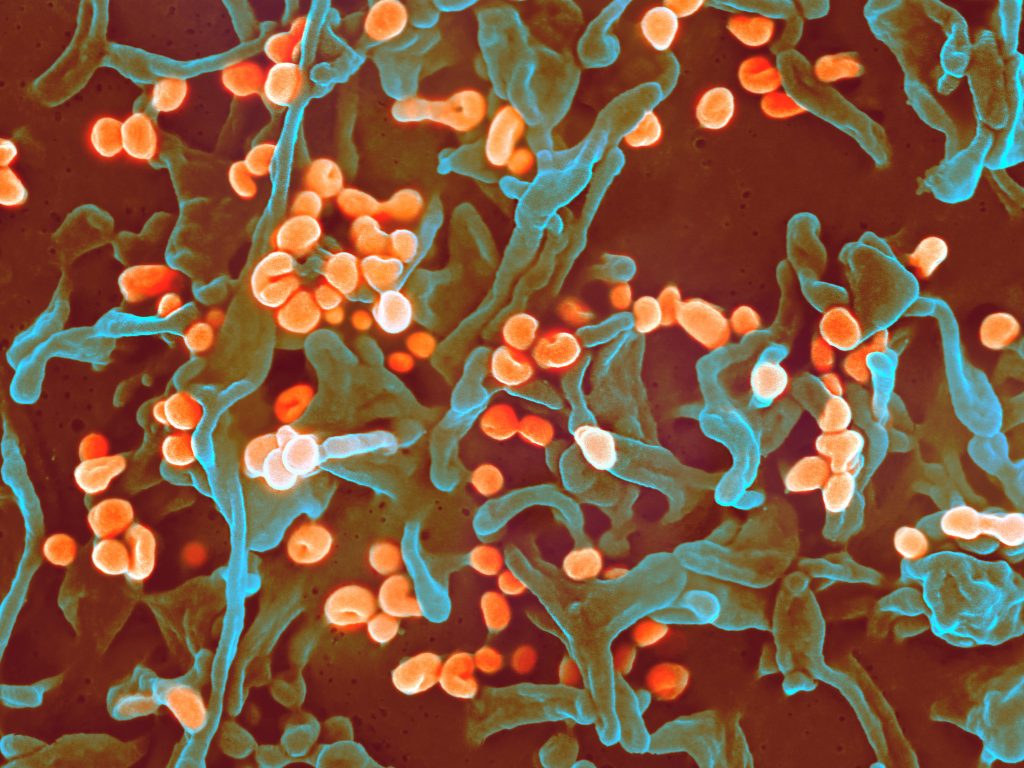
Lassa virus scanning electron micrograph
Scanning electron micrograph of Lassa virus budding off a Vero cell. Image credit: National Institute of Allergy and Infectious Diseases, NIH

Scientists have found that viruses lurking inside cells may be on the ‘watch’ for information from their environment to choose when to multiply and burst out. The work, published in Frontiers in Microbiology, has implications for antiviral drug development.

A virus’s ability to sense its environment, including elements produced by its host, adds “another layer of complexity to the viral-host interaction,” said senior author Ivan Erill, professor of biological sciences. Currently, viruses use that ability to their benefit. But in the future, he says, “we could exploit it to their detriment.”

Not a coincidence

The new study focused on bacteriophages, viruses which infect bacteria – also known as ‘phages.’ The phages in the study can only infect their hosts when the bacterial cells have special appendages, called pili and flagella, that help the bacteria move and mate. The bacteria produce a protein called CtrA that controls when they generate these appendages. The new paper shows that many appendage-dependent phages have patterns in their DNA where the CtrA protein can attach, called binding sites. A phage having a binding site for a protein produced by its host is unusual, explained Prof Erill.

Even more surprising, Erill and the paper’s first author Elia Mascolo, a PhD student in Erill’s lab, found through detailed genomic analysis that these binding sites were not unique to a single phage, or even a single group of phages. Many different types of phages had CtrA binding sites – but they all needed their hosts to have pili and/or flagella to infect them. It couldn’t be a coincidence, they decided.

The ability to monitor CtrA levels “has been invented multiple times throughout evolution by different phages that infect different bacteria,” Prof Erill said. This convergent evolution indicates that the trait is useful.

Timing is everything

Another wrinkle in the story: The first phage in which the research team identified CtrA binding sites infects a particular group of bacteria called Caulobacterales. Caulobacterales are an especially well-studied group of bacteria, because they exist in two forms: a free-swimming ‘swarmer’ form which has pili/flagella, and a ‘stalked’ form that attaches to a surface and lacks those appendages. In these bacteria, CtrA also regulates the cell cycle, determining whether a cell will divide evenly into two more of the same cell type, or divide asymmetrically to produce one swarmer and one stalk cell.

Because the phages can only infect swarmer cells, it’s in their best interest only to burst out of their host when there are many swarmer cells available to infect. Generally, Caulobacterales live in nutrient-poor environments, and they are very spread out. “But when they find a good pocket of microhabitat, they become stalked cells and proliferate,” Prof Erill said, eventually producing large quantities of swarmer cells.

“We hypothesise the phages are monitoring CtrA levels, which go up and down during the life cycle of the cells, to figure out when the swarmer cell is becoming a stalk cell and becoming a factory of swarmers,” Prof Erill said, “and at that point, they burst the cell, because there are going to be many swarmers nearby to infect.”

Listening in

Unfortunately, the method to prove this hypothesis is labour-intensive and extremely difficult, so that wasn’t part of this latest paper — although Erill and colleagues hope to tackle that question in the future. However, the research team sees no other plausible explanation for the proliferation of CtrA binding sites on so many different phages, all of which require pili/flagella to infect their hosts. Even more interesting, they note, are the implications for viruses that infect humans.

“Everything that we know about phages, every single evolutionary strategy they have developed, has been shown to translate to viruses that infect plants and animals,” he said. “It’s almost a given. So if phages are listening in on their hosts, the viruses that affect humans are bound to be doing the same.”

There are a few other documented examples of phages monitoring their environment in interesting ways, but none include so many different phages employing the same strategy against so many bacterial hosts.

Prof Erill predicts that more examples of this will be found, and his lab is already discovering more.

New therapeutic avenues

The key takeaway from this research is that “the virus is using cellular intel to make decisions,” Erill says, “and if it’s happening in bacteria, it’s almost certainly happening in plants and animals, because if it’s an evolutionary strategy that makes sense, evolution will discover it and exploit it.”

For example, to optimize its strategy for survival and replication, an animal virus might want to know what kind of tissue it is in, or how robust the host’s immune response is to its infection. While it might be unsettling to think about all the information viruses could gather and possibly use to make us sicker, these discoveries also open up avenues for new therapies.

“If you are developing an antiviral drug, and you know the virus is listening in on a particular signal, then maybe you can fool the virus,” Erill said. “We are just starting to realise how actively viruses have eyes on us – how they are monitoring what’s going on around them and making decisions based on that. “It’s fascinating.”

Source: University of Maryland Baltimore County

Eye Infection Risk Greatly Increased for Wearers of Reusable Contact Lenses

Photo by Lensabl on Unsplash

People who wear reusable contact lenses are nearly four times as likely as those wearing daily disposables to develop a rare sight-threatening eye infection, Acanthamoeba keratitis (AK), according to new research. The study, published in Ophthalmology, identifies multiple factors that increase the risk of AK, including reusing lenses or wearing them overnight or in the shower.

AK is a type of microbial keratitis – a condition that results in inflammation of the cornea.

Eye infection from Acanthamoeba. Credit: CDC

Lead author, Professor John Dart (UCL Institute of Ophthalmology and Moorfields Eye Hospital NHS Foundation Trust) said: “In recent years we have seen an increase of Acanthamoeba keratitis in the UK and Europe, and while the infection is still rare, it is preventable and warrants a public health response.

“Contact lenses are generally very safe but are associated with a small risk of microbial keratitis, most commonly caused by bacteria, and which is the only sight threatening complication of their use. Given that an estimated 300 million people across the globe wear contact lenses, it is important that people know how to minimise their risks for developing keratitis.”

Contact lens use is now the leading cause of microbial keratitis in patients with otherwise healthy eyes in countries in the global north. While sight loss resulting from microbial keratitis is uncommon, Acanthamoeba, is one of the most severe causes and is responsible for about half of those contact lens users who develop sight loss after keratitis. Avoidable risks are associated with 90% of AK cases. The infection remains rare, affecting fewer than 1 in 20 000 contact lens wearers per year in the UK.

In AK, ,infection by Acanthamoeba, a cyst-forming microorganism, causes the cornea to become painful and inflamed. The most severely affected patients (a quarter of the total) end up with less than 25% of vision or become blind following the disease and face prolonged treatment. Overall, 25% of people affected require corneal transplants to treat the disease or restore vision.

For the study, the researchers recruited over 200 patients of Moorfields Eye Hospital who completed a survey, including 83 people with AK, and compared them with 122 participants who came to eyecare clinics with other conditions, who acted as a control group.

People who wore reusable soft contact lenses (such as monthlies) had 3.8 times the odds of developing AK, compared to people who wore daily disposable lenses. Showering with lenses increased AK risk by 3.3 times, while wearing lenses overnight increased risk by 3.9 times. Among daily disposable wearers, reusing their lenses increased their infection risk. Having had a recent contact lens check with a health professional reduced the risk.

With further analysis, the researchers estimated that 362% of cases in the UK, and potentially in many other countries, could be prevented if people switched from reusable to daily disposable lenses.

A recent study led by Prof Dart found that AK is increasing in prevalence in the UK. By reviewing incidence data from Moorfields Eye Hospital from 1985 to 2016, he and his team found an increase starting in 2000–2003, when there were eight to 10 cases per year, to between 36 and 65 annual cases at the end of the study period.

First author, Associate Professor Nicole Carnt (UNSW, Sydney, UCL Institute of Ophthalmology and Moorfields Eye Hospital) said: “Previous studies have linked AK to wearing contact lenses in hot tubs, swimming pools or lakes, and here we have added showers to that list, underlining that exposure to any water when wearing lenses should be avoided. Public pools and coastal authorities could help reduce this risk by advising against swimming in contact lenses.”

Prof Dart added: “Contact lens packaging should include information on lens safety and risk avoidance, even as simple as ‘no water’ stickers on each case, particularly given that many people buy their lenses online without speaking to a health professional.

“Basic contact lens hygiene measures can go a long way in avoiding infections, such as by thoroughly washing and drying your hands before putting in your lenses.”

Source: EurekAlert!

New Study Explains Diabetes and UTI Link

Huge clumps of E. coli (red) infecting diabetic mouse bladder. Photo: Soumitra Mohanty

Lower immunity and recurring infections are common in type 1 and type 2 diabetes. Research has shown that the immune system of people with diabetes has lower levels of the antimicrobial peptide psoriasin, which compromises the urinary bladder’s cell barrier, increasing the risk of urinary tract infection. The study is published in Nature Communications.

One effect of diabetes is that it compromises the innate immune system, leaving many people with increased susceptibility to regular infections, such as urinary tract infections (UTI)s caused by E. coli bacteria. In people with diabetes, these are more likely to lead to general blood poisoning, sepsis, originating in the urinary tract.

An endogenous antibiotic

Karolinska Institutet researchers investigated whether glucose levels in people with diabetes (type 1, type 2, or prediabetes) are linked with psoriasin, an endogenous antibiotic which is a part of the innate immune system.

Using samples of urine, bladder cells and blood serum from patients, the researchers analysed levels of psoriasin and other peptides necessary for ensuring that the bladder mucosa remains intact and protects against infection. The findings were then verified in mice and urinary bladder cells with and without infection.

“We found that high glucose concentrations reduce the levels of the antimicrobial peptide psoriasin, while insulin has no effect,” said Professor Annelie Brauner, who led the study. “People with diabetes have lower levels of psoriasin, which weakens the cells’ protective barrier function and increases the risk of bladder infection.”

Oestrogen therapy reduced bacterial population

Professor Brauner’s research group has previously shown that oestrogen restores the protective function of bladder cells in humans and mice and thereby help to regulate the immune response to a UTI. The researchers therefore tested how oestrogen treatment affects infected cells exposed to high glucose concentrations. They found that the treatment boosted levels of psoriasin and reduced bacterial populations, indicating that the treatment may have an effect also among patients with diabetes.

“We now plan to probe deeper into the underlying mechanisms of infections in individuals with diabetes,” said lead author Soumitra Mohanty. “The ultimate goal is to reduce the risk of infection in this growing patient group.”

Source: Karolinska Institutet

International Gaucher Day on 1 October Highlights Need For Greater Attention on Rare Diseases

Photo by Cottonbro on Pexels

Currently, there are an estimated 6000–8000 rare diseases, which affect 350 million people worldwide.One such rare condition is Gaucher Disease (GD) – a lysosomal storage disorder (LSD).  GD is a rare genetic disorder, passed down from parents to children (inherited) in an autosomal recessive manner. 

GD is one of the most common LSDs with a prevalence in the general population of ~1 per 100 000 and ~1/855 in the Ashkenazi Jewish population.2 As with many rare conditions, diagnosis of GD may present a significant challenge to non-GD specialities, owing to the wide variability in age, severity, type of clinical manifestation and lack of awareness of the early signs and symptoms of GD among non-specialist physicians.3 One in 6 patients with GD reported a diagnosis delay of 7 years or more after first consulting a doctor.3

International Gaucher Day on 1 October, therefore, aims to improve patients’ quality of life through greater awareness and earlier diagnosis of GD amongst healthcare professionals.

GD arises from an inherited deficiency of an enzyme called glucocerebrosidase, normally found within the lysosomes of cells, due to mutations in the GBA gene.4 This enzyme is responsible for breaking down a fatty substrate, glucocerebroside, into glucose and a simpler fat molecule (ceramide).4 Patients with GD have a progressive build-up of glucocerebroside within the lysosomes, particularly of macrophages, resulting in enlarged cells known as ‘Gaucher’ cells.4

These ‘Gaucher’ cells accumulate in organs throughout the body, predominately affecting the bone marrow, liver, and spleen.4 There are three types of GD, based on the presence and severity of neurological involvement.4 Type 1, known as the non-neuronopathic GD  characterised by haematological abnormalities such as thrombocytopenia, leukopenia and anaemia, hepatomegaly and/or splenomegaly, bone crises and/or osteoporosis, and fatigue. Phenotypically, there is a wide spectrum of disease manifestations, ranging from asymptomatic to severe type 1 child-onset disease.5,6 Type 2, the acute neuronopathic form, is the rarest and most severe form of GD.  It includes the rapid progression of severe neurological abnormalities early in life, leading to death in infancy or early childhood.4,6 Type 3, the chronic form, encompasses multiple phenotypes.  Type 3 typically occurs during the paediatric years and varies in severity: patients have the same symptoms as in type 1, plus some neurological involvement that generally appear later in life, such as abnormal eye movement, ataxia, seizures and dementia.4

Anaemia, thrombocytopenia, enlargement of the liver and/or spleen, and skeletal abnormalities (osteopenia, lytic lesions, pathological fractures, chronic bone pain, bone crisis, bone infarcts, osteonecrosis and skeletal deformities) are typical manifestations of type 1 GD, the most prevalent form of the disease.However, the severity and coexistence of different symptoms are highly variable, and GD patients are often misdiagnosed as having other malignant haematological conditions.4

Although GD is rare, clinicians are encouraged to maintain a high index of suspicion with patients presenting with atypical symptoms, and should consider testing for rare diseases where other haematological pathologies have been excluded4 or when testing for them. Such patients may be referred to a GD specialist or be tested through North West University (NWU), where global pharmaceutical company Sanofi and the NWU Centre of Human Metabolomics, headed by Prof Chris Vorster, have partnered to test for the most common lysosomal storage disorders in South Africa, including GD, using dried blood spot samples.

Says Prof. Vorster: “Rare conditions such as GD require the cooperation of a multidisciplinary team in order to find and treat them. Interventions can improve a patient’s quality of life through improvement or restoration of their physical function, so that they may carry out regular daily activities. The NWU Centre of Human Metabolomics provides internationally competitive metabolomic analytic services, and electronic results may be sent by high priority straight to healthcare practitioners, speeding up diagnosis.”

Monique Nel, Medical Advisor – Rare Diseases at Sanofi, says: “We understand the difficulty that healthcare professionals face when it comes to diagnosing patient with GD. It requires a coordinated approach to diagnosis and care for people living with the condition. Early diagnosis of GD, and the initiation of treatment will delay the occurrence of irreversible complications, and improve the patient’s quality of life. We therefore direct the attention of healthcare providers to the RD Nexus platform, which is Sanofi’s dedicated platform for rare diseases, at www.RDNexus.com. This platform offers educational materials, road maps to a differential diagnosis and how to test a patient for these conditions.”

For more information on GD and other rare diseases, visit: www.RDNexus.com

  1. https://www.ncbi.nlm.nih.gov/pmc/articles/PMC6505568/pdf/EMMM-11-e10486.pdf Accessed September 2022.
  2. Burrow TA et al. Prevalence and management of Gaucher disease. Paediatric Health, Medicine and Theraeutics 2011;2:59-73.
  3. Revel-Wilk S, et al. How we manage Gaucher Disease in the era of choices. British Journal of Haematology 2018;182:467-480.
  4. CPD Gaucher. Gaucher Disease. Medical Chronicle June 2020:30-32.
  5. Linari S, Castaman G. Clinical manifestations and management of Gaucher disease. Clinical Cases in Mineral and Bone Metabolism 2015;12(2):157-164.
  6. Roshan Lal T and Sidransky E. The spectrum of neurological manifestations associated with Gaucher Disease. Diseases 2017;5,10.

New Way to Improve Outcomes in Kids with Eosinophilic Oesophagitis

Children
Photo by Ben Wicks on Unsplash

Researchers have determined the threshold for a new measure of early scarring in the oesophagus of children with eosinophilic oesophagitis (EoE), which allows immediate intervention during endoscopy to halt further damage and prevent food from getting stuck. Their findings were published in the journal Clinical Gastroenterology and Hepatology.

EoE is a chronic immune-mediated disorder of the oesophagus that affects adults and children with a prevalence of 0.5 to 1 per 1000. Left untreated, chronic inflammation promotes scarring of the oesophagus, and the development of oesophageal rings and stricture, which interferes with passage of solid food and can cause impaction (when food is stuck in the oesophagus and cannot dislodge).

The researchers used the Endoscopic Functional Luminal Impedance Probe (EndoFLIP) in the study to measure the “distensibility index,” which is a functional measure of how much force is required to stretch open the oesophagus. Previously, the extent of scar tissue in the oesophagus could only be evaluated visually during endoscopy, making it challenging to detect the early changes and intervene before the damage becomes more extensive.

“This is a gamechanger in how we care for kids with EoE,” said senior author Joshua Wechsler, MD, MSCI. “Now, if distensibility is low, we can dilate the oesophagus during the same procedure, and because we can pinpoint exactly where the scarring is, our intervention is more targeted and takes much less time. We are seeing improvements in symptoms, which is incredibly exciting.”

Source: Ann & Robert H. Lurie Children’s Hospital of Chicago

Oxygen Responses Control How T Cells Respond to TB

Tuberculosis bacteria
Tuberculosis bacteria. Credit: CDC

A new publication in Nature Communications explains how T cell protection against tuberculosis is controlled by their oxygen responses.

In 2021, 10 million people fell ill and 1.5 million died of Tuberculosis (TB), caused by infection with the intracellular Mycobacterium tuberculosis bacteria. Proper CD4 T cell responses are critical for the control of M. tuberculosis infection by activating intracellular bacterial killing.

Professor Martin Rottenberg and PhD student Ruining Liu at the Karolinska Institutet, explained how they discovered that hypoxia-inducible factors (HIF-1 and HIF-2) control T cell metabolism as well as activation and differentiation in response to hypoxia or during inflammation.

“We showed that genetically modified mice, in which HIF-1 expression T cells was stabilised by genetic manipulation, were highly susceptible to the infection with M. tuberculosis and did not respond to vaccination. CD4 T cells from these mice were profoundly weakened in their early responses to mycobacteria-specific antigens, said Prof Rottenberg. “By impairing and or controlling HIF-1 stabilisation in T cells, responses to vaccines and protection against infections might be improved”.

The studies were carried out on mouse models of M. tuberculosis infection. The mice used were genetically modified to either lack or overexpress HIF-1 in T cells.

“The infection with M. tuberculosis, and the immune responses it generates in man, is fairly mimicked in the mouse infection. Our next step is to identify the molecular targets HIF-1 in T cells that account for their impaired activation, which could be targeted for improving T cell responses,” Prof Rottenberg concluded.

Source: Karolinska Institutet

Early Sensing of Malaria in the Brain Leads to Cerebral Malaria

Colourised scanning electron micrograph of red blood cell infected with malaria parasites, which are colourised in blue. The infected cell is in the centre of the image area. To the left are uninfected cells with a smooth red surface. Credit: National Institute of Allergy and Infectious Diseases, NIH

A recent study published in PNAS revealed that endothelial cells in the brain are able to sense the infection by the malaria parasite at an early phase, triggering the inflammation underlying cerebral malaria. This discovery identified new targets for adjuvant therapies that could restrain brain damage in initial phases of the disease and avoid neurological sequelae.

Cerebral malaria is a severe complication of infection with Plasmodium falciparum, the most lethal of the parasites causing malaria. This form of the disease manifests through impaired consciousness and coma and affects mainly children under 5, being one of the main causes of death in this age group in countries of Sub-Saharan Africa. Survivors are frequently affected by debilitating neurological sequelae, such as motor deficits, paralysis, and speech, hearing, and visual impairment.

To prevent certain molecules and cells from reaching the brain, which would disturb its normal functioning, endothelial cells forming a tight barrier between the blood and this organ. Cerebral malaria results from an unrestrained inflammatory response to infection which leads to significant alterations in this barrier and, consequently, neurological complications.

Over the last years, specialists in this field have turned their attention to a molecule, named interferon-β, which seems to be associated with this pathological process. So called for interfering with viral replication, this highly inflammatory molecule has two sides: it can either be protecting or cause tissue destruction. It is known, for example, that despite its antiviral role in COVID-19, at a given concentration and phase of infection, it can cause lung damage. A similar dynamic is thought to occur in cerebral malaria. However, we still don’t know what leads to the secretion of interferon-β, nor the main cells involved.

The present study revealed that endothelial cells in the brain play a crucial role, being able to sense the infection by the malaria parasite at an early phase. These detect the infection through an internal sensor which triggers a cascade of events, starting with the production of interferon-β. Next, they release a signalling molecule that attracts cells of the immune system to the brain, initiating the inflammatory process.

To reach these conclusions, researchers used mice that mimic several symptoms described in human malaria and a genetic manipulation system that allowed them to delete this sensor in several types of cells. When they deleted this sensor in brain endothelial cells, the animals’ symptoms were not as severe with lower mortality. They then realised these brain cells contributed greatly to the pathology of cerebral malaria. “We thought brain endothelial cells acted in a later phase, but we ended up realising that they are participants from the very beginning”, explained Teresa Pais, a post-doctoral researcher at the IGC and first author of the study. “Normally we associate this initial phase of the response to infection with cells of the immune system. These are already known to respond, but cells of the brain, and maybe other organs, also have this ability to sense the infection because they have the same sensors.”

But what really surprised the researchers was the factor activating the sensor and triggering this cell response. This factor is nothing more nothing less than a by-product of the activity of the parasite. Once in the blood, the parasite invades the host’s red blood cells, where it multiplies. Here, it digests haemoglobin, a protein that transports oxygen, to get nutrients. During this process, a molecule named haeme is formed and it can be transported in tiny particles in the blood that are internalised by endothelial cells. When this happens, haeme acts as an alarm for the immune system. “We weren’t expecting that haeme could enter cells this way and activate this response involving interferon-β in endothelial cells”, the researcher confessed.

This six-year project allowed the researchers to identify a molecular mechanism that is critical for the destruction of brain tissue during infection with the malaria parasite and, with that, new therapeutic targets. “The next step will be to try to inhibit the activity of this sensor inside the endothelial cells and understand if we can act on the host’s response and stop brain pathology in an initial phase,” explained principal investigator Carlos Penha Gonçalves. “If we could use inhibitors of the sensor in parallel with antiparasitic drugs maybe we could stop the loss of neuronal function and avoid sequelae which are a major problem for children surviving cerebral malaria.”

Source: Instituto Gulbenkian de Ciência (IGC)

Fixing The Protein Behind Huntington Disease

Genetics
Image source: Pixabay

An international research effort has developed a new strategy to treat Huntington disease, which demonstrated that converting the disease-causing protein to its disease-free form results in it still retaining its original function. This discovery, published in the Journal of Clinical Investigation Insight, provides new avenues to approach Huntington disease.

Huntington disease is a rare neurodegenerative disorder with a worldwide prevalence of 2.7 per 100 000. Huntington’s disease is a dominantly inherited neurodegenerative disease and is caused by a mutation in a protein called ‘huntingtin’, which adds a distinctive feature of an expanded stretch of glutamine amino acids called polyglutamine to the protein. The patients would suffer a decade of regression before death, and, thus far, there is no known cure for the disease.

The cleavage near the stretched polyglutamine in mutated huntingtin is known to be the cause of the Huntington disease. However, as huntingtin protein is required for the development and normal function of the brain, it is critical to specifically eliminate the disease-causing protein while maintaining the ones that are still normally functioning. The research team showed that huntingtin delta 12 – the converted form of huntingtin that is resistant to developing cleavages at the ends of the protein, known to be the cause of Huntington disease – alleviated the disease’s symptoms while maintaining the functions of normal huntingtin.

Source: The Korea Advanced Institute of Science and Technology (KAIST)

Array of Autoimmune Disorders Linked to Cardiovascular Disease

Source: Wikimedia Commons CC0

A new epidemiological study published in The Lancet shows that patients with autoimmune disease have a substantially higher risk (between 1.4 and 3.6 times depending on which autoimmune condition) of developing cardiovascular disease (CVD) than people without an autoimmune disorder. This excess risk is comparable to that of type 2 diabetes, a well-known risk factor for cardiovascular disease.

Although earlier research has suggested associations between various different autoimmune disorders and a higher risk of cardiovascular disease, these studies were often too small and limited to selected autoimmune or selected cardiovascular conditions to draw conclusive evidence on the necessity of CVD prevention among patients with autoimmune disease.

At the annual congress of the European Society of Cardiology, researchers presented the outcome of a thorough epidemiological investigation into possible links between 19 of the most common autoimmune disorders and CVD. The research shows for the first time that cardiovascular risks affect autoimmune disease as a group of disorders, rather than selected disorders individually.

The whole cardiovascular disease spectrum

In the study, the authors show that the group of 19 autoimmune disorders they have studied accounts for about 6% of cardiovascular events. Importantly, excess cardiovascular risk was visible across the whole cardiovascular disease spectrum, beyond classical coronary heart disease, including infection-related heart disorders, heart inflammation, as well as thromboembolic and degenerative heart disorders, suggesting the implications of autoimmunity on cardiovascular health are likely to be much broader than originally thought. Furthermore, the excess risk was not explained by traditional cardiovascular risk factors such as age, sex or smoking. Another noteworthy finding: the excess risk is particularly high among patients with autoimmune disorders under 55 years and suggests that autoimmune disease is particularly important in causing premature cardiovascular disease, with the potential to result in a disproportionate loss of life years and disability.

The study was based on UK electronic health with data from about one-fifth of the current UK population. The researchers assembled a cohort of patients newly diagnosed with any of the nineteen autoimmune disorders. They then looked at the incidence of twelve cardiovascular outcomes – an unprecedented granularity that was made possible by the very large size of the dataset – in the following years, and they compared it to a matched control group. The risk of developing CVD for patients with one or more autoimmune disorders was on average 1.56 times higher than in those without autoimmune disease. The excess risk also rose with the number of different autoimmune disorders in individual patients. Among the disorders with the highest excess risk were systemic sclerosis, Addison’s disease, lupus and type I diabetes.

Need for targeted prevention measures

The results show that action is needed, said Nathalie Conrad, lead author of the study. “We see that the excess risk is comparable to that of type 2 diabetes. But although we have specific measures targeted at diabetes patients to lower their risk of developing cardiovascular disease (in terms of prevention and follow-up), we don’t have any similar measures for patients with autoimmune disorders.” Conrad also noted that the European Society of Cardiology guidelines on the prevention of cardiovascular diseases, do not yet mention autoimmunity as a cardiovascular risk factor, only mentioning specific disorders such as lupus, nor do they list any specific prevention measures for patients with autoimmune disease.

Conrad hopes the study will raise awareness among patients with autoimmune disease and clinicians involved in the care of these patients, which will include many different specialties such as cardiologists, rheumatologists, or general practitioners. ‘We need to develop targeted prevention measures for these patients. And we need to do further research that helps us understand why patients with an autoimmune disorder develop more cardiovascular diseases than others, and how we can prevent this from happening.’

The underlying mechanisms are still poorly understood. Conrad said: “The general hypothesis is that chronic and systemic inflammation, which is a common denominator in autoimmune disorders, can trigger all sorts of cardiovascular disease. Effects of autoimmune disease on connective tissues, small vessels, and cardiomyocytes, and possibly some of the treatments commonly used to treat autoimmunity are also likely to contribute to patients’ cardiovascular risk. This really needs to be investigated thoroughly.”

Source: KU Leuven

Toss Out Hospital Sinks Colonised by MDRO, Evidence Suggests

Methicillin-resistant Staphylococcus aureus (MRSA) bacteria. Credit: CDC

An outbreak of a pandrug-resistant nosocomial pathogen was interrupted by not using hospital sinks during COVID, according to Basma Mnif, Professor of Microbiology at Habib Bourguiba University Hospital of Sfax, Tunisia. In her presentation at the 14th SAFHE Southern African Healthcare Conference, she said that infection control methods to eradicate the pathogen failed and that other research indicated it was necessary to replace the sinks entirely.

Multidrug-resistant organisms (MDRO) are a growing threat in hospitals, especially to critically ill patients.

Over 2017 to 2021, 90 critically ICU patients in a Tunisian hospital were infected with pandrug-resistant Proteus mirabilis strains. This is the first known long-term outbreak by pandrug-resistant P. mirabilis strains.

P. mirabilis is an uncommon nosocomial pathogen causing opportunistic infections. P. mirabilis survives well in the natural environment and is increasingly implicated in nosocomial outbreaks worldwide.

The all-cause mortality rate in the infected was 47%, with patients ranging in age from 16 to 78 years. The average length of stay before infection was 23.56 days.

An outbreak was recognised in April 2017, and IDC measures were taken to contain it. The outbreak was suppressed but reoccurred in July and December. Analysis revealed overlapping ICU stays of infected patients, suggesting horizontal, intra-ICU transmission. Lab analysis of phenotypes revealed two clones, A and B, both with drug resistance genes, to which a third clone was added in 2018. This Clone C proved to have resistance to all known antibiotics.

During the COVID pandemic in 2020, hospital sinks were not used and enhanced infection prevention interventions were deployed. This period coincided with a complete absence of P. mirabilis infections. The outbreak resumed in 2021, with the same three clones causing infections in patients.

“The outbreak intermission during COVID could be related to the enhanced protection measures implemented during this period,” Prof Mnif noted, “but we think that the sinks are in fact the reservoirs of these MDRO, and must in fact be removed and replaced, and the chemical disinfection that we had performed was not sufficient to control the outbreak.”

The outbreak highlighted the need for proper infection control protocols. Hospital wastewater is a major source of outbreaks, Prof Mnif pointed out. A study found that “over the past 20 years, there have been 32 reports of carbapenem-resistant organisms in the hospital water environment.”

She said when it came to replacing the sinks, hospitals should “respect FGI guidelines, especially in having sufficient depths of the sink, deep enough to prevent splashing.” Having sufficient pressure and splash reduction measures such as splash guards are also important, Prof Mnif added.

Although there are CDC guidelines to help prevent colonisation, there is no clear strategy for eradication for when a sink is colonised. There is likely genetic interchange between organisms in biofilms, something which needs to be investigated further, as well as means of eradication.