Category: Cardiovascular Disease

Study Finds that Cognitive Impairment is Common After Cardiogenic Shock

Pexels Photo by Freestocksorg

Many survivors of cardiogenic shock showed evidence of new cognitive impairment after leaving the hospital, according to a study led by UT Southwestern Medical Center researchers. The findings, published in the Journal of the American College of Cardiology, highlight a need to screen survivors and provide referrals to neuropsychology experts, the authors said.

“Our study demonstrated that nearly two-thirds of cardiogenic shock survivors experienced cognitive impairment within three months of hospital discharge, underscoring a critical but overlooked aspect of recovery,” said senior investigator James de Lemos, MD, Professor of Internal Medicine and Chief of the Division of Cardiology at UT Southwestern. “The findings are important for developing interventions that focus not only on improving survival but also on preventing or mitigating the functional consequences of cardiogenic shock, including cognitive decline.”

Cardiogenic shock results from heart failure, heart attack, or complications following cardiac surgery, and is characterised by a sudden drop in heart pumping ability. It results in acute hypoperfusion and hypoxia of the organs and has historically resulted in high mortality.

With advances in treatment during the past two decades, up to 70% of patients suffering from cardiogenic shock can now survive. But there is limited understanding of survivors’ recovery and quality of life after they leave the hospital.

“Our study is the first to systematically examine the cognitive outcomes of cardiogenic shock survivors, evaluating how cognition impacts patients’ ability to return to daily activities,” said Eric Hall, M.D., a clinical fellow in the Division of Cardiology who was the study leader and first author. “We found that cardiogenic shock is associated with cognitive impairment, which is an under-recognized consequence strongly linked to patients’ overall quality of life.”

UTSW researchers conducted the study by enrolling 141 patients who had survived cardiogenic shock before being discharged. To establish a baseline, family members completed a questionnaire, the AD8 survey, about the patients’ cognitive function before hospitalisation.

Before discharge, each patient completed the Montreal Cognitive Assessment-Blind (bMoCA) to screen for signs of cognitive impairment. Three months after discharge, patients repeated the assessments, allowing researchers to track changes in thinking ability and daily functioning over time.

Among patients with no sign of cognitive impairment before admission, 65% were found to have new impairment at discharge, and 53% continued to show impairment at their three-month follow-up. UTSW researchers emphasized that these findings should inform the development of comprehensive survivorship programs including screening protocols to identify impairments patients face and rehabilitation programs to help them recover from those challenges.

“We hope to use this study as a foundation to develop targeted rehabilitation strategies that connect patients with neuropsychology experts and improve long-term recovery in cardiogenic shock survivors,” Dr de Lemos said.

Source: UT Southwestern Medical Center
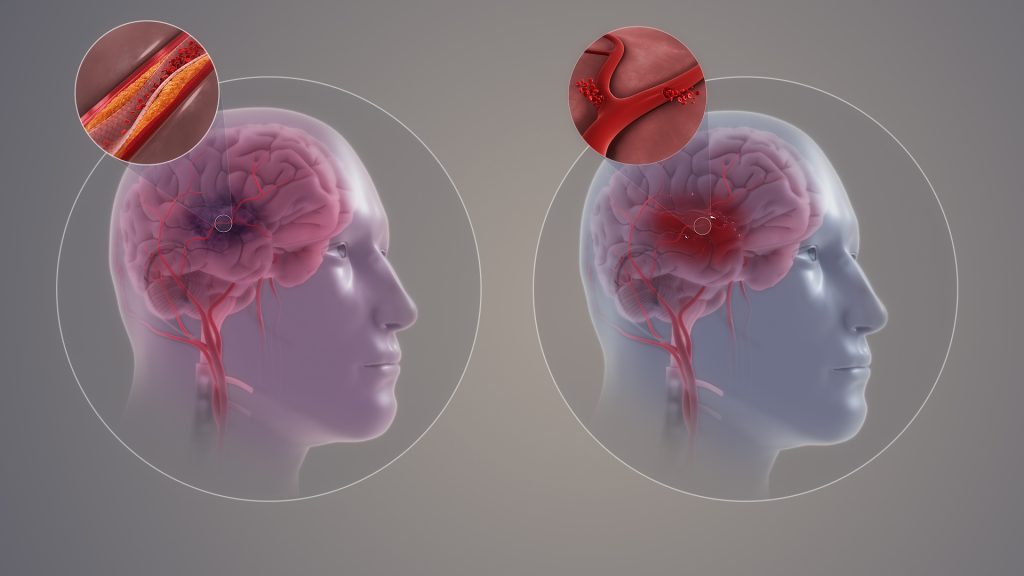
Early Anticoagulants Found to be Safe and Effective for AF Stroke Patients

Ischaemic and haemorrhagic stroke. Credit: Scientific Animations CC4.0

Patients with atrial fibrillation who have experienced a stroke would benefit greatly from earlier treatment than is currently recommended in UK guidelines, finds a new study led by UCL researchers.

The results of the CATALYST study, published in The Lancet, included data from four randomised trials with a total of 5441 patients across the UK, Switzerland, Sweden and the United States, who had all experienced a recent stroke (between 2017-2024) due to a blocked artery and atrial fibrillation (irregular heartbeat).

Patients had either started medication early (within four days of their stroke) or later (after five days or more).

The researchers found that starting direct oral anticoagulants (DOACs, which thin the blood to prevent it from clotting as quickly) within four days of having a stroke was safe, with no increase in bleeding into the brain. Additionally, early initiation of treatment significantly reduced the risk of another stroke due to bleeding or artery blockage by 30% compared to those who started treatment later.

People with atrial fibrillation who have had a stroke have an increased risk of having another stroke, but this risk can be reduced by taking anticoagulants.

Anticoagulants come with the rare but dangerous side effect of bleeding into the brain, and there is a lack of evidence about when is best to start taking them after a stroke. Current UK guidelines are varied, suggesting that those who have had a moderate or severe stroke should wait at least five days before starting blood-thinning treatments.

To tackle this question, the researchers investigated the impact of early compared to delayed anticoagulant treatment.

Chief Investigator, Professor David Werring (UCL Queen Square Institute of Neurology) said: “Our new study supports the early initiation of DOACs in clinical practice, offering better protection against further strokes for a wide range of patients.”

The researchers now hope that their findings will influence clinical guidelines and improve outcomes for stroke patients worldwide.

First author and main statistician, Dr Hakim-Moulay Dehbi (UCL Comprehensive Clinical Trials Unit), said: “By systematically combining the data from four clinical trials, we have identified with increased confidence, compared to the individual trials, that early DOAC initiation is effective.”

The CATALYST study builds on findings from the British Heart Foundation funded OPTIMAS study – where the UCL-led research team analysed 3621 patients with atrial fibrillation who had had a stroke between 2019 and 2024, across 100 UK hospitals.

Half of the participants began anticoagulant treatment within four days of their stroke (early), and the other half started treatment seven to 14 days after having a stroke (delayed). Patients were followed up after 90 days to assess several outcomes including whether they went on to have another stroke and whether they experienced bleeding in the brain.

Both the early and late groups experienced a similar number of recurrent strokes. Early treatment was found to be effective and did not increase the risk of a bleed into the brain.

Professor Nick Freemantle, Senior Investigator and Director of the UCL Comprehensive Clinical Trials Unit (CCTU) that co-ordinated the OPTIMAS trial, said: “The benefits of early initiation of blood-thinning treatment are clear: patients receive the definitive and effective long-term stroke prevention therapy promptly, rather than waiting. This approach ensures that crucial treatments are not delayed or missed, particularly for patients who are discharged from the hospital.”

Study limitations

The timing for starting blood-thinning medication was based on previous trial designs (such as OPTIMAS), which may not cover all possible scenarios. Additionally, not all participants were randomised to the same timing groups, so some data was excluded. Lastly, the study didn’t include many patients with very severe strokes, so the findings might not apply to those cases.

Source: University College London

BMJ Finds Inaccuracies in Key Studies for AstraZeneca’s Blockbuster Heart Drug Ticagrelor

Investigation finds evidence of serious misreporting, raising fresh doubts over the approval and decade long use of ticagrelor

Photo by National Cancer Institute on Unsplash

In a follow up investigation into the multibillion dollar drug ticagrelor, The BMJ has uncovered fresh concerns, this time in key platelet studies used in its FDA approval.

For more than a decade, ticagrelor (Brilinta in the US and Brilique in Europe) has been recommended for patients with acute coronary syndrome – a range of conditions related to sudden reduced blood flow to the heart.

Last December, an investigation by The BMJ found serious data integrity problems in the landmark clinical trial (PLATO) that was used to gain worldwide approval for ticagrelor, calling into question the drug’s advantage over cheaper rivals.

Now, as generic versions of the drug prepare to launch this year, The BMJ has expanded its investigation, looking at two key platelet studies that AstraZeneca claimed explained ticagrelor’s ability to treat acute coronary syndrome successfully.

It finds that the “primary endpoint” results (the trial’s key measurement) for both clinical trials were inaccurately reported in the leading cardiology journal Circulation, and reveals that more than 60 of 282 readings from platelet machines used in the trials were not present in US Food and Drug Administration (FDA) datasets.

What’s more, one active trial investigator never became a study author, while one author told The BMJ he was not involved in the trial, and most investigators, including the principal investigator, were unreachable or declined to be interviewed.

Victor Serebruany, an adjunct faculty member at Johns Hopkins University and ticagrelor’s most renowned critic, told The BMJ that “there are episodes of skyrocketing rebound and profound platelet inhibition after ticagrelor making patients prone to thrombosis or bleeding. If doctors had known what happened in these trials, they would never have started using ticagrelor.”

Circulation and AstraZeneca did not respond to a request for comment.

Serebruany added: “It’s been obvious for years that there is something wrong with the data. That the FDA’s leadership could look past all these problems—on top of the many problems their own reviewers identified and are now being discovered by The BMJ—is unconscionable. We all need to know how and why that happened.”

Source: BMJ

Pharma Dynamics’ Heart-healthy Cookbooks Clinch Top Spots at Global Cookbook Awards

Caption: Hearty chefs (from left) Heleen Meyer, Herman Lensing, Isabella Niehaus, Monché Muller, and Zola Nene blend DASH principles with bold flavours – proving heart-healthy meals can be both delicious and fun.

South African heart-health is in the global spotlight this month, with Pharma Dynamics celebrating two major honours at the 30th Gourmand World Cookbook Awards, that took place during the Cascais World Food Summit in Lisbon, Portugal from 18–22 June 2025.

Hearty – Pharma Dynamics’ recently launched digital heart-healthy recipe collection was awarded first place in the category: Best Free Recipe Resource in the World and also secured second place in the Free Resources for Healthcare Professionals category.

As part of its milestone celebration, Gourmand International reviewed three decades of award-winning cookbooks to identify the “cream of the crop” from each country. Cooking from the Heart’s DASH Edition, which won the Gourmand Award in 2023 in the Professional Health and Nutrition category, was selected as one of 20 standout South African titles of the past 30 years, nominated for the Gourmand’s 30th Anniversary Showcase.

The Cascais World Food Summit and Gourmand Awards bring together more than 500 food professionals from over 80 countries, celebrating excellence in culinary publishing and innovation.

“It is an incredible honour to see both our current innovation, Hearty and our longstanding Cooking from the Heart project recognised on the global stage,” says Nicole Jennings, spokesperson for Pharma Dynamics.

“Hearty represents the next evolution of our mission – combining the creativity of South Africa’s top chefs with proven heart-healthy principles. At the same time, having Cooking from the Heart’s DASH Edition selected for the 30th Anniversary Showcase reaffirms the enduring value of our work in empowering South Africans to eat healthier.”

Hearty showcases the culinary talents of five South African chefs and food writers who’ve each won the Gourmand’s “Best in the World” award:

  1. Heleen Meyer – Food consultant, stylist and co-creator of Pharma Dynamics’ Cooking from the Heart series; multiple Gourmand honouree.
  2. Herman Lensing – Author of seven cookbooks and award-winning magazine editor; Best in the World Celebrity Chef at Gourmand 2023.
  3. Isabella Niehaus – Chef, stylist and author of several celebrated cookbooks; winner in the Entertainment and Vegan categories at Gourmand.
  4. Monché Muller – Executive Chef of international wine label Oddo Vins et Domaines; winner of Best International Book at Gourmand 2023.
  5. Zola Nene – Celebrity chef and TV personality; multiple Gourmand World Cookbook Awards winner.

Developed in collaboration with the Heart and Stroke Foundation South Africa, Hearty builds on the principles of the DASH (Dietary Approaches to Stop Hypertension) eating plan, but brings an indulgent, gourmet twist designed to challenge the notion that heart-healthy eating is bland or restrictive.

“Hearty is about celebrating food and flavour, while supporting cardiovascular wellness,” adds Jennings. “It’s a joy to collaborate with such an extraordinary line-up of chefs – each bringing their unique flair and creativity to inspire South Africans to embrace heart-healthy eating in a fresh and exciting way.”

Hearty is freely accessible to the public via www.heartyfood.co.za.

The platform complements Pharma Dynamics’ Cooking from the Heart series – now in its eighth edition, which offers practical, dietitian-approved recipes designed to help South Africans manage and prevent cardiovascular disease. According to South African and international guidelines for hypertension, cholesterol and diabetes, lifestyle factors, such as healthy eating and maintaining a healthy weight are essential for effectively treating and controlling these conditions.

As South Africa’s leading supplier of cardiovascular medicines, Pharma Dynamics has provided patients and healthcare professionals with its Cooking from the Heart (CFTH) series since 2012. All eight titles are endorsed by the Heart and Stroke Foundation SA.

Pharma Dynamics continues to champion the shift from treatment to prevention through initiatives that promote sustainable lifestyle change.

“To be recognised at this level is a powerful reminder that our work – from the kitchen to the clinic – truly makes a difference,” emphasises Jennings. “It inspires us to keep finding new ways to help South Africans eat well, live well and thrive.”

Novel Therapy Saves Patient with Acute Fulminant Myocarditis

Pericardium. Credit: Scientific Animations CC4.0

Acute myocarditis, or sudden inflammation of the heart, causes mild symptoms in most cases, but about 10% of acute myocarditis cases can be sudden and severe, leading to cardiac arrhythmias, heart pump failure, or even death. Current therapies for the condition are built on limited data and may not effectively target the underlying disease mechanisms. Patients may even require mechanical circulatory support for life support when the heart is failing.

Now a team at UC San Francisco is using a new class of drugs that target inflammation to treat acute fulminant myocarditis patients.

In an article in Circulation, the UCSF group reports on the successful treatment of a patient with sudden and severe (acute fulminant) myocarditis using an immune modulating medication known to inhibit the activity of enzymes that can trigger inflammation in the body.

“Our group has developed several animal models of myocarditis and by studying these, we became interested in a group of enzymes called Janus kinases, or JAKs, that seem to serve as communication nodes between immune cells,” said Javid Moslehi, MD, William Grossman Distinguished Professor in Cardiology and UCSF Section Chief of Cardio-Oncology and Immunology. “JAKs become hyperactive during acute heart inflammation, exacerbating the already activated immune system.”

Moslehi and his team therefore reasoned that targeting these enzymes using a novel class of therapies called JAK inhibitors would be a possible treatment modality for acute fulminant myocarditis. In recent years, the team has examined the effects of JAK inhibitor treatment on the immune cell populations for both RNA and proteins, showing acute benefit in various laboratory models of myocarditis.

Heart function improved dramatically

In the current case, the group treated a 20-year-old woman who came to UCSF with acute fulminant myocarditis.

“This patient’s heart was effectively falling apart and there was no time to lose,” said Connor O’Brien, MD, cardiologist, critical care specialist and UCSF assistant professor of Medicine. “We had put the patient on extracorporeal membrane oxygenation (ECMO) to maintain blood flow through vital organs and started the process of listing her for heart transplantation.”

O’Brien was on clinical service at the time, caring for the patient. The medical team had tried using corticosteroids as a treatment but without success. O’Brien then coordinated with Moslehi, given his expertise in myocarditis as well as some of his laboratory results with JAK inhibitors.

O’Brien added ruxolitinib, a JAK inhibitor, to the treatment strategy. The patient’s cardiac arrhythmias slowed down and her cardiac enzyme (a measure of heart damage) decreased. Over the next few days, her heart function improved dramatically allowing her to wean off ECMO support. She was successfully discharged from the hospital one week later.

Since that time, the UCSF Health cardiology team has gone on to successfully treat other patients with JAK inhibitors for acute myocarditis, but Moslehi adds a note of caution.

“The gold standard of any new treatment is a clinical trial, and it is important to note that we have not yet done this,” said Moslehi. “But the team is hopeful that these early results can lead to an eventual trial for patients.”

Moslehi and his team established the UCSF Myocarditis Center in March 2023 as part of the newly formed section of cardio-oncology and immunology. This multi-disciplinary group is focused on diagnosis and treatment for myocarditis, bringing laboratory scientists together with clinicians for more comprehensive care of patients.

“The Myocarditis Center really takes advantage of the incredible scientific environment at UCSF and specifically our cardiology team working closely with the cardiovascular research institute (CVRI) to help our patients,” Moslehi adds.

Source: University of California – San Francisco

Urinary Metal Exposure Linked to Increased Risk of Heart Failure, Landmark Study Finds

In addition to cadmium, molybdenum and zinc found to have particularly high risk increases

Right side heart failure. Credit: Scientific Animations CC4.0

A new multi-cohort study at Columbia University Mailman School of Public Health, has found that exposure to certain metals, detected in urine, is associated with a higher risk of heart failure (HF). Published in the Journal of the American College of Cardiology, it is the largest investigation of its kind to date, reinforcing the importance of reducing environmental metal exposure to reduce heart failure risk. While environmental metals are recognised as cardiovascular disease risk factors, until now the role of metal exposure in heart failure risk had remained understudied.

“Most previous studies have assessed individual metals in isolation. By examining metals as a mixture, our analysis more closely reflects real-world exposure patterns,” said Irene Martinez-Morata, MD, PhD, postdoctoral research scientist in Environmental Health Sciences at Columbia Mailman School, and lead author. “In our analysis of over 10 000 adults across diverse geographic, racial, and ethnic backgrounds, we observed consistent associations between elevated urinary metal levels and increased HF risk over long-term follow-up after accounting for other established traditional risk factors for the disease such as diabetes and obesity.”

The study pooled data from three large cohorts with more than 20 years of follow-up:

  •  MESA (Multi-Ethnic Study of Atherosclerosis), U.S. adults aged 18–85 from six urban-suburban areas in Maryland, Illinois, North Carolina, California, Minnesota and New York.
  • SHS (Strong Heart Study), American Indian adults aged 18–65 in the U.S. from Oklahoma, Arizona, North Dakota and South Dakota.
  •  Hortega Study, a general population cohort in Spain

Among the 10 861 participants, a thousand people developed heart failure. In a subset, researchers assessed left ventricular function, which measures how effectively the heart pumps blood.

Metals were measured in urine samples, which can indicate how much metal is in the body and how much is being eliminated from it. Health and lifestyle data – including medication use, cholesterol levels, blood pressure, glucose, BMI, and more – were collected via questionnaires, lab tests, and physical exams. The team used advanced machine learning models to evaluate the combined effects of five urinary metals as a mixture.

Key findings included:

  •  Higher levels for the mixture of five metals in urine: arsenic, cadmium, molybdenum, selenium, and zinc, was associated with a 55% higher risk of heart failure in rural American Indian adults (SHS), a 38% higher risk in urban and suburban diverse populations (MESA) and a 8% increased risk in adults in Spain (Hortega).
  •  In the analysis of metals individually, a doubling in the levels of urine cadmium, a toxic metal found in tobacco products, foods and industrial waste, was associated with 15% higher risk of heart failure.
  • Similarly, a doubling in the levels of molybdenum and zinc was associated with 13% and 22% higher risk of heart failure across the three cohorts. These metals have an essential function in the body, but high levels can be toxic.

“The strongest association between the 5-metal mixture and HF risk was seen in the SHS cohort,” said Martinez-Morata. “This population faces a historically high burden of contaminant metal exposure and cardiovascular disease and public health action is urgently needed.”

The sources of exposure to these metals can vary from urban and rural environments. Toxic metals such as arsenic, cadmium, and tungsten can occur as a result of mining and industrial activity leading to contamination of drinking water, foods that grow in contaminated soils, and air pollution. Many of these metals are also present in smoking devices, consumer products, and certain foods, observes Martinez and her co-authors. “Essential metals such as zinc and selenium are needed for biological functions, but high levels can be toxic.”

“We consistently found higher urinary levels of cadmium, molybdenum and zinc linked to increased heart failure risk,” noted Ana Navas-Acien, MD, PhD, Columbia Mailman School professor and chair of the Department of Environmental Health Sciences. “Even after adjusting for diabetes – a known HF risk factor – the zinc association remained significant.”

These results support the relevance of metal exposures as contributors to heart failure risk. “In ongoing research, we aim to clarify biological mechanisms and to explore the role of environmental interventions in cardiovascular disease prevention,” said Navas-Acien, who also is senior author.

“This study’s strengths include its large, diverse sample size, high-quality data, and robust, long-term follow-up,” said Martinez-Morata. “Our findings underscore the importance of continuing efforts to monitor and reduce environmental metal exposures, particularly in communities with historically high exposure levels as an innovative approach to improve cardiovascular health.”

Source: Columbia University Mailman School of Public Health

Heart Valve Which ‘Grows’ with Young Children Undergoing Preclinical Testing

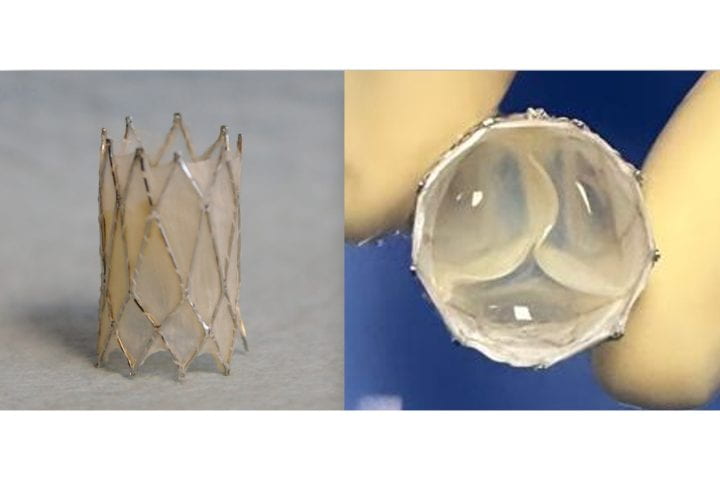
The Iris Valve, a transcatheter, growth-accommodating pulmonary valve designed for very young children, was developed at UC Irvine and is currently progressing toward FDA clinical approval. Arash Kheradvar

Researchers at the University of California, Irvine have successfully performed preclinical laboratory testing of a replacement heart valve intended for toddlers and young children with congenital cardiac defects, a key step toward obtaining approval for human use. The results of their study were published recently in the Journal of the American Heart Association.

The management of patients with congenital heart disease who require surgical pulmonary valve replacement typically occurs between the ages of 2 and 10. To be eligible for a minimally invasive transcatheter pulmonary valve procedure, patients currently must weigh at least 20.4kg. For children to receive minimally invasive treatment, they must be large enough so that their veins can accommodate the size of a crimped replacement valve. The Iris Valve designed and developed by the UC Irvine team can be implanted in children weighing as little as 7.7 to 10kg and gradually expanded to an adult diameter as they grow.

Research and development of the Iris Valve has been supported by the Eunice Kennedy Shriver National Institute of Child Health and Human Development; the National Heart, Lung, and Blood Institute; and the National Science Foundation.

This funding has enabled benchtop fracture testing, which demonstrated the valve’s ability to be crimped down to a 3mm diameter for transcatheter delivery and subsequently enlarged to 20mm without damage, as well as six-month animal studies that confirmed successful device integration within the pulmonary valve annulus, showing valve integrity and a favourable tissue response.

“We are pleased to see the Iris Valve performing as we expected in laboratory bench tests and as implants in Yucatan mini pigs, a crucial measure of the device’s feasibility,” said lead author Arash Kheradvar, UC Irvine professor of biomedical engineering. “This work represents the result of longstanding collaboration between our team at UC Irvine and Dr Michael Recto at Children’s Hospital of Orange County built over several years of joint research and development.”

Congenital heart defects affect about 1% of children born in the United States and Europe, with over 1 million cases in the US alone. These conditions often necessitate surgical interventions early in life, with additional procedures required to address a leaky pulmonary valve and prevent right ventricular failure as children grow.

The Iris Valve can be implanted via a minimally invasive catheter through the patient’s femoral vein. The Kheradvar group employed origami folding techniques to compress the device into a 12-French transcatheter system, reducing its diameter to no more than 3mm. Over time, the valve can be balloon-expanded up to its full 20mm diameter.

This implantation method, along with the ability to begin treatment earlier in very young patients, helps mitigate the risk of complications from delayed care and reduces the need for multiple surgeries in this vulnerable population.

“Once the Iris Valve comes to fruition, it will save hundreds of children at least one operation – if not two – throughout the course of their lives,” said Recto, an interventional paediatric cardiologist at CHOC who’s also a clinical professor of paediatrics at UC Irvine. “It will save them from having to undergo surgical pulmonary valve placement, as the Iris Valve is delivered via a small catheter in the vein and can be serially dilated to an adult diameter and also facilitate the future placement of larger transcatheter pulmonary valves – with sizes greater than 20 millimetres, like the Melody, Harmony and Sapien devices – if needed.”

Source: University of California, Irvine

Dapagliflozin Shows Benefits for Patients with MASH

Results support the potential for dapagliflozin to benefit these patients

Human liver. Credit: NIH

The sodium glucose cotransporter 2 (SGLT-2) inhibitor drug dapagliflozin, widely used to treat type 2 diabetes, also shows improvements for patients with progressive liver disease, according to results of a clinical trial in China published by The BMJ.

The results show that treatment with dapagliflozin improved metabolic dysfunction-associated steatohepatitis (MASH) – a condition where excess fat accumulates in the liver, leading to inflammation – and liver fibrosis compared with placebo.

MASH affects more than 5% of adults, more than 30% of individuals with diabetes or obesity, and can progress to cirrhosis in up to 25% of individuals.

Several studies have reported that SGLT-2 inhibitors can improve liver fat content, liver enzymes, and liver stiffness, but no trial has been carried out among patients with MASH.

To address this, researchers enrolled 154 adults (average age 35; 85% men) diagnosed with MASH after a liver biopsy at six medical centres in China from November 2018 to March 2023.

Almost half (45%) had type 2 diabetes, and almost all had liver fibrosis (33% stage 1, 45% stage 2, 19% stage 3).

After an initial screening biopsy, participants were randomly assigned to receive 10 mg of dapagliflozin or matching placebo once daily for 48 weeks and attended health education sessions twice a year.

Various factors including body weight, blood pressure, blood glucose, liver enzymes, physical activity, diet, insulin, and lipids were also assessed at enrollment and throughout the trial.

MASH improvement was defined as a decrease of at least 2 points in non-alcoholic fatty liver disease activity score (NAS) or a NAS of 3 points or less.

After an end of study biopsy at week 48, 53% (41 of 78) participants in the dapagliflozin group showed improvement in MASH without worsening of fibrosis (defined as no increase in fibrosis stage) compared with 30% (23 of 76) in the placebo group.

Resolution of MASH without worsening of fibrosis occurred in 23% (18 of 78) participants in the dapagliflozin group compared with 8% (6 of 76) in the placebo group.

Fibrosis improvement without worsening of MASH was also reported in 45% (35 of 78) participants in the dapagliflozin group compared with 20% (15 of 76) in the placebo group.

The percentage of participants who discontinued treatment because of adverse events was 1% (1 of 78) in the dapagliflozin group and 3% (2 of 76) in the placebo group.

The researchers acknowledge that the trial was conducted in a Chinese population, which limits its broader generalisability, and that female and older patients were under-represented. But they point out that results were consistent after further analyses, suggesting they are robust.

As such, they conclude: “Our findings indicate that dapagliflozin may affect key aspects of MASH by improving both steatohepatitis and fibrosis.” Large scale and long term trials are needed to further confirm these effects, they add.

The coming years are expected to be particularly exciting in the field of pharmacological treatment for MASH, say researchers from Argentina in a linked editorial.

As more drugs become available, therapeutic decisions will likely become increasingly tailored to individual patient profiles, they write. “Ideally, such treatments should provide cardiovascular benefit, have an established safety profile, and be accessible to broad and diverse patient populations,” they conclude.

Source: BMJ Group

New Gene Variants Significantly Increase the Risk of Blood Clots

Thrombophilia. Credit: Scientific Animations CC4.0.

Though blood clots can form in both arteries and veins, the reasons behind them differ, as do the consequences and the chances of preventing blood clots. In Sweden, almost half of all cases of venous thrombosis have a genetic explanation. A team of researchers from Lund University in Sweden has now discovered three gene variants that increase the risk of blood clots in the leg by up to 180%.

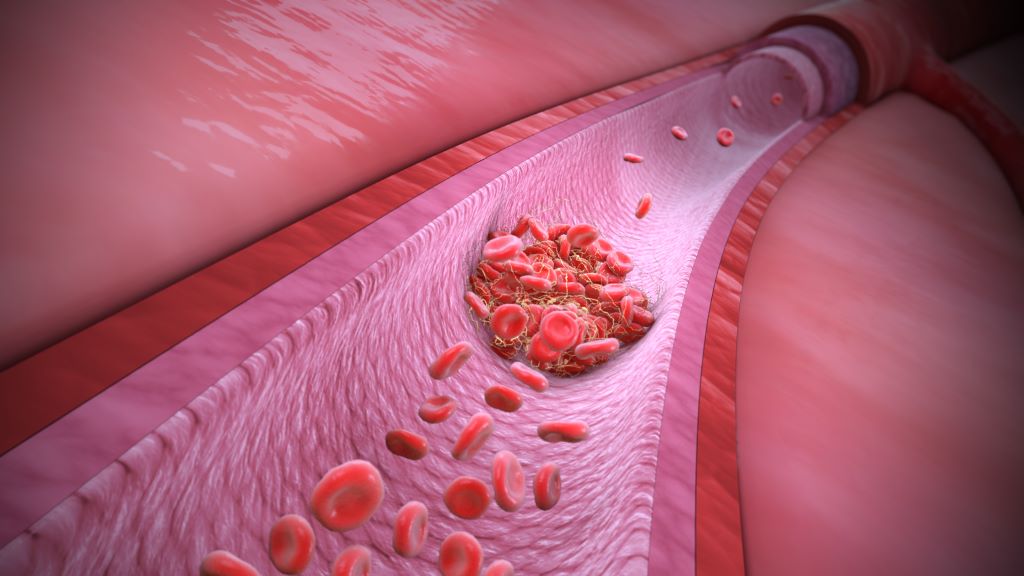
There is a difference between arterial and venous blood clots. Blood clots in the arteries form when plaque in calcified vessels bursts and the body perceives it as an injury. This activates the platelets, which clump together and form a clot. In the worst case, it can lead to a stroke or heart attack. A venous thrombus, on the other hand, usually forms in the leg when the blood stagnates for too long. This can activate the body’s coagulation system, allowing the clotting system to be activated and the blood to clot, blocking blood flow. If the clot breaks loose and travels with the blood to the lungs, it can lead to pulmonary embolism, a life-threatening condition.

“Venous thrombosis is in fact one of the most common causes of death in the world. It is a common disease that has always been somewhat overshadowed by arterial blood clots,” says Bengt Zöller, a specialist in general medicine at Skåne University Hospital and professor of general medicine at Lund University.

In Sweden, more than 10 000 people suffer from venous thromboembolism each year and that number appears to be increasing. Several factors are contributing to this increase. One of the strongest risk factors is age, and as the number of older people in Sweden grows, the number of clots is also increasing. Ten per cent of 80-year-olds experience a blood clot at some point. The risk also increases if you are overweight or tall.

“The muscles control the blood flow in the veins and the legs become like columns of fluid where the force of gravity is strong. Too much sedentary and inactive behaviour, then, is harmful. Only the valves of the veins prevent backflow and if these are damaged, the risk of blood clots can increase. Therefore, tall people are more prone to blood clots, as their larger veins provide less blood flow, combined with the fact that blood must travel a greater distance back to the heart.”

Because the heart pumps blood out into the arteries, there is much higher blood pressure in the arteries than in the veins, which can contribute to atherosclerosis. High blood pressure, high levels of blood lipids and smoking are all risk factors for atherosclerosis of the arteries. But because the veins are a low-pressure system, the vessels do not become atherosclerotic. Therefore, neither high blood pressure nor blood lipids are associated with venous clots and smoking is considered only a weak to moderate risk factor. Being overweight, on the other hand, is a very significant culprit. Obesity has a negative impact on venous circulation, especially when combined with the fact that overweight people are often less active. Some clotting factors are also affected by obesity.

“In terms of diet, there are fewer studies, but ultra-processed foods have been associated with a slightly increased risk of blood clots, and plant-based, healthy foods with a reduced risk. In our studies, we have also seen that commercial fishermen have a lower risk, which may be due to a higher omega-3 content in their diet.”

There are also specific situations in which the risk of venous blood clots is particularly high. The risk of blood clots increases when blood flow is reduced, such as when travelling by air for long periods of time or when lying in bed for several days. Surgery or inflammation that damages the vessel wall can also lead to an increased tendency to clot. Particularly during pregnancy, blood clotting factors increase and levels of some protective proteins may decrease.

“In these risk situations, prophylaxis in the form of blood thinners may be particularly important if other risk factors are also present.”

Other risk factors are the genetic variants that affect different parts of the blood’s clotting ability. In Sweden, we have a high prevalence of APC (activated protein C) resistance due to an inherited mutation in the gene for coagulation factor V, called Factor V Leiden. About 10 per cent of Swedes have this mutation, which is considered the most common coagulation mutation among Indo-Europeans.

“Evolutionarily, bleeding less has been an advantage, but in our modern, sedentary society, APC resistance is becoming a risk factor.”

Bengt Zöller and his fellow researchers have now identified the strongest genetic risk factor since Factor V Leiden was discovered. They used data from the population-based Malmö Kost Cancer study, involving 30,000 Malmö residents. By selecting 27 genes previously associated with clotting disorders, they found three variants that, when taken together, were as significant a risk factor for venous blood clots as Factor V Leiden: ABO, F8, and VWF each increased the risk of venous blood clots by 10 to 30 percent.

“And the more of these variants a person has – the higher the risk. An individual with five of these gene variants has a 180 per cent higher risk of venous thrombosis. Unlike Factor V Leiden, which is only found in Indo-Europeans, these three different mutations are found in between five and fifty per cent of various populations around the globe.”

As these genetic variants are present in all populations, the next step is to investigate how the number of risk genes affects the duration of treatment with anticoagulants after a blood clot.

“I think tailoring treatment based on risk assessment will become increasingly important,” concludes Bengt Zöller.

The study results were published in Research and Practice in Thrombosis and Haemostasis.

Source: Lund University

Cardiologist “Gags” Carte Blanche

By Tania Broughton

Photo by Bill Oxford on Unsplash

A Durban-based cardiologist has secured a “gagging order” against Carte Blanche, stopping it from broadcasting a programme in which patients accuse him of medical malpractice for inserting stents unnecessarily.

Dr Ntando Peaceman Duze was given multiple opportunities for more than a week to respond to the allegations raised by his patients, which were corroborated by independent experts. But instead of responding, he launched an urgent application in the Kwazulu-Natal High Court in Pietermaritzburg on Friday.

He gave Carte Blanche only one day’s notice of the application.

Carte Blanche opposed it, arguing that Duze wanted to “bury these allegations for as long as possible if not indefinitely”, and that he was seeking an “unlawful prior restraint on freedom of speech and media”.

But Acting Judge Mpumelelo Sibisi granted an interim interdict, stopping the broadcast scheduled for Sunday 8 June.

Judge Sibisi said Duze needed to be given an opportunity to file a replying affidavit and that Carte Blanche had put a “gun to his head” to answer the questions posed to him. The judge said it would be appropriate to interdict the broadcast until the matter could be properly ventilated.

He set the return date for 13 June. But unless the matter is given a special allocation, it may not be argued and finalised on that day.

Cardiologists accused of defamation

Duze, who runs his practice from Life Westville Hospital, initially cited two other cardiologists in his application, seeking orders that they must desist from making “slanderous, insulting and defamatory remarks” about him.

He put this down to professional jealousy because their patients had moved over to his practice.

He alleged that the two cardiologists had instigated complaints laid by about seven of his patients against him with the Health Professionals Council of South Africa (HPCSA). He claimed that such was the professional jealousy, that he had been a victim of “witchcraft”, with chicken bones and red [Hindu] strings being left in the operating theatre.

He said the cardiologists had told his patients that “I had opened up their blood vessels” [an apparent reference to stent surgery], when it was unnecessary to do so.

Duze said the complaints to the HPCSA were “baseless”.

The cardiologists opposed the application.

Then on Friday, Duze’s legal team withdrew the claim against the cardiologists, and tendered to pay their legal costs. The lawyers gave no explanation for this. But it came in the wake of Carte Blanche, in its affidavit, saying they had not interviewed the cardiologists. Instead they had interviewed Duze’s aggrieved patients on camera and done follow-up investigations, including obtaining independent medical corroboration based on the patients’ medical records.

Gag order

Duze, in his application, said at any given time he had an average of 50 patients at the hospital, all with heart conditions. He had never before been reported to the HPCSA and, if the allegations against him continued and were made public on Carte Blanche, it would severely harm his reputation, “and may even lead to my financial demise”.

“Carte Blanche launched their own investigation and wants to broadcast a programme about this on Sunday 8 June, which I want to prevent, because it will be filled with untruths and defamation,” he said.

He said Carte Blanche had approached him for comment, and asked 14 specific questions, which he was not prepared to answer because the issue was “sub judice”.

“Once the [HPCSA] has completed its investigation, I will no doubt be willing to be interviewed and explain everything, because I will no doubt be cleared of these false allegations,” he said.

In her opposing affidavit, Carte Blanche producer Mart-Marie Faure said the application was an “abuse of process”.

“It is unsustainable on the facts and law and constitutes an impermissible attempt to obtain a pre-publication interdict in circumstances where no case has been made out for one and such an extreme order is not justified,” she said.

“The complaints, which form the subject matter of the inset entitled ‘Dr Stent’, were initiated by his patients, who had all, they allege, been subjected to unnecessary surgical procedures.

“Independent medical professionals who have been interviewed or consulted all confirm that the applicant [Duze] undertook unnecessary surgery that has had adverse consequences for his patients.

“This has nothing to do with jealous colleagues. The complaints are driven by his patients who allege serious medical malpractice with the most grave medical consequences.”

Faure said she had engaged with Duze and his attorneys for nine days in an attempt to secure answers to her questions “to no avail”.

“Carte Blanche was contacted by patients who claimed they were operated on unnecessarily. They consulted with other medical professionals who have said the insertion of stents was unnecessary. And in fact had caused heart disease when none was previously present.

“They will be required to take blood thinning and other medication for the rest of their lives.

“The HPCSA confirmed it received five complaints against the applicant.

“Life Healthcare has confirmed that it received information regarding allegations against the applicant from the HPCSA and has initiated an investigation.”

Faure said the complaints were not sub judice and that the explanation the doctor would advance to justify his conduct in that investigation would no doubt be the same he would give on camera or in a written response.

“If media houses were required to await the finalisation of proceedings before any professional or regulatory body, the public would be deprived of timely, relevant information on matters of pressing concern,” she said.

“This is antithetical to the very purpose of a free press.

“The patients’ accounts are based on their personal experiences and have been corroborated by independent experts. In every such story the person in respect of whom the investigation is conducted is unhappy. The remedy is to tell their side of the story, which the applicant has been repeatedly offered – not to gag the media.”

Republished from GroundUp under a Creative Commons Attribution-NoDerivatives 4.0 International License.

Read the original article.