Author: ModernMedia

Linked Biological Pathways Drive Skin Inflammation
Picture by Macrovector on Freepik

A certain biological pathway involving interleukin-17 drives the inflammation seen in the skin disease psoriasis, according to a new study published in the journal Immunity. The work could lead to improved therapies for all inflammatory skin diseases, including atopic and allergic dermatitis and a type of boil called hidradenitis suppurativa, say the study authors.

Led by researchers at NYU Langone Health, the new study found that the interleukin-17 (IL-17) pathway, whose activity is blocked by existing anti-inflammatory drugs, activates a protein called hypoxia inducible factor 1-alpha (HIF-1-alpha) in psoriasis. Researchers say that IL-17 has long been known to be active in inflammation, but the role of HIF-1-alpha has until now been unclear.

The research team also found that HIF-1-alpha let inflamed skin cells more actively break down sugar for energy, supporting their metabolism and leading to the production of a waste product called lactate. When consumed by inflammatory T cells, lactate triggered production of IL-17, fuelling even more inflammation.

The findings show that in human skin tissue samples from psoriatic patients, measures of gene activity around IL-17 and HIF-1-alpha were similar, suggesting that these factors are interconnected. Experiments in mice treated to develop psoriasis found that subsequent treatment with an experimental drug that blocks the action of HIF-1-alpha, called BAY-87-2243, resolved inflammatory skin lesions.

Further, skin samples from 10 patients successfully treated with anti-inflammatory drug etanercept showed diminished activity for both IL-17 and HIF-1-alpha, suggesting to researchers that when IL-17 is blocked, so is HIF-1-alpha.

“Our study results broadly show that activation of HIF-1-alpha is at the crux of metabolic dysfunction observed in psoriasis and that its action is triggered by IL-17, another key inflammatory-signaling molecule,” said corresponding study author Shruti Naik, PhD, associate professor at NYU Grossman School of Medicine.

Further experiments were performed on skin samples from five patients with psoriasis whose healthy and inflamed skin was separately treated with either BAY-87-2243 or an existing combination of topical drugs (calcipotriene and betamethasone dipropionate). Researchers then compared differences in inflammatory gene activity as a measure of impact and found that the HIF-1-alpha inhibitor had a greater effect than existing topical drugs. Specifically, skin samples that responded to HIF-1-alpha therapy had 2,698 genes that were expressed differently, while standard-of-care-treated samples had 147 differently expressed genes.

Genetic analysis of skin samples from another 24 psoriatic patients treated with the IL-17A-blocking drug secukinumab showed only decreased, not heightened, gene activity connected to HIF-1-alpha when compared to HIF-1-alpha gene activity in nine healthy patients with no psoriatic disease. Researchers say this indicates HIF-1-alpha’s blocked action was codependent on blockage of IL-17.

Additional experiments in mice showed that blocking glucose uptake in the skin slowed psoriatic disease growth by limiting glucose metabolism, or glycolysis. Both the number of immune T cells tied to inflammation and the cell levels of IL-17 also decreased. The researchers found further that levels of lactate, the main byproduct of glycolysis, in psoriatic skin cell cultures dropped once exposed to the glycolysis-inhibiting drug 2-DG.

Directly targeting lactate production in psoriatic mice using a topical skin cream containing lactate dehydrogenase, which breaks down lactate, also slowed disease progression in the skin, with reduced numbers of inflammatory gamma-delta T cells and reduced IL-17 activity. Gamma-delta T cells were shown to take up lactate and use it to produce IL-17.

“Evidence of HIF-1-alpha’s depressed action, or downregulation, could also serve as a biomarker, or molecular sign, that other anti-inflammatory therapies are working,” said study co-senior investigator Jose U. Scher, MD, professor at NYU Grossman School of Medicine.

Scher, who also serves as director of NYU Langone’s Psoriatic Arthritis Center and the Judith and Stewart Colton Center for Autoimmunity, says the team plans to develop experimental drugs that can block HIF-1-alpha and lactate action in the skin “to end the underlying vicious cycle of IL-17-driven inflammation in skin disease. Our research fundamentally expands the scope of feasible therapeutic options.”

Naik points out that while many available therapies for psoriasis, including steroids and immunosuppressive drugs, reduce inflammation and symptoms, they do not cure the disease. She said further experiments are needed to refine which experimental drug works best, with respect to HIA-1-alpha inhibition, before clinical trials could start.

Source: NYU Langone Health / NYU Grossman School of Medicine

New Approach to Epstein-Barr Virus and Resulting Disease

An electron micrograph showing three Epstein-Barr virus (EBV) particles colourised red-orange. Credit: NIAID

The Epstein-Barr virus can cause a spectrum of diseases, including a range of cancers. Emerging data now show that inhibition of a specific metabolic pathway in infected cells can diminish latent infection and therefore the risk of downstream disease, as reported by researchers from the University of Basel and the University Hospital Basel in the journal Science.

Exactly 60 years ago, pathologist Anthony Epstein and virologist Yvonne Barr announced the discovery of a virus that has carried their names ever since. The Epstein-Barr virus (EBV) made scientific history as the first virus proven to cause cancer in humans. Epstein and Barr isolated the pathogen, which is part of the herpesvirus family, from tumour tissue and demonstrated its cancer-causing potential in subsequent experiments.

Most people are carriers of EBV: 90% of the adult population are infected with the virus, usually experiencing no symptoms and no resulting illness. Around 50% become infected before the age of five, but many people don’t catch it until adolescence. Acute infection with the virus can cause glandular fever – also known as “kissing disease” – and can put infected individuals out of action for several months. In addition to its cancerogenic properties, the pathogen is also suspected to be involved in the development of autoimmune diseases such as multiple sclerosis.

As yet, no drug or approved vaccination can specifically thwart EBV within the body. Now, a research group from the University of Basel and the University Hospital Basel has reported a promising starting point for putting the brakes on EBV. Their results have been published in the journal Science.

EBV hijacks the metabolism of infected cells

Researchers led by Professor Christoph Hess have deciphered how the immune cells infected with EBV – the so-called B cells – are reprogrammed. Known as “transformation,” this process is necessary for the infection to become chronic and cause subsequent diseases such as cancer. Specifically, the team discovered that the virus triggers the infected cell to ramp up the production of an enzyme known as IDO1. This ultimately leads to greater energy production by the power plants of infected cells: the mitochondria. In turn, this additional energy is needed for the increased metabolism and the rapid proliferation of B cells reprogrammed by EBV in this way.

Clinically, the researchers focused on a group of patients who had developed EBV-triggered blood cancer following organ transplantation. To prevent a transplanted organ from being rejected, it is necessary to weaken the immune system using medications. This, in turn, makes it easier for EBV to gain the upper hand and cause blood cancer, referred to as post-transplant lymphoma.

In the paper, which has now been published, the researchers were able to show that EBV upregulates the enzyme IDO1 already months before post-transplant lymphoma is diagnosed. This finding may help to develop biomarkers for the disease.

Second chance for a failed drug

“Previously, IDO1 inhibitors have been developed in the hope that they could help to treat established cancer – which has unfortunately turned out not to be the case. In other words, there are already clinically tested inhibitors against this enzyme,” explains Christoph Hess. Accordingly, this class of drugs might now receive a second chance in applications aimed at dampening EBV infection and thereby tackling EBV-associated diseases. Indeed, in experiments with mice, IDO1 inhibition with these drugs reduced the transformation of B cells and therefore the viral load and the development of lymphoma.

“In transplant patients, it’s standard practice to use drugs against various viruses. Until now, there’s been nothing specific for preventing or treating Epstein-Barr virus associated disease,” says Hess.

Source: University of Basel

BAT Calls for Progressive Regulation to Achieve a Smoke-free South Africa

Photo by Sara Kurfess on Unsplash
  • As the globe recognises both World Vape Day and World No Tobacco Day this month, BAT calls for regulatory framework that encourages adult smokers to switch to smokeless alternatives.
  • South Africa’s adult smoking prevalence is growing; studies suggest switching exclusively to reduced risk¹ alternatives could significantly reduce smoking related disease associated with smoking.
  • BAT advocates for regulatory principles focused on adult-only access, product quality, and enforcement, while investing in smokeless products.

BAT, a leading tobacco and nicotine products company, publicly re-affirmed its position that no underage person should use nicotine products. As such, the Company has called for a regulatory framework in South Africa that encourages adult smokers to switch to smokeless alternatives and that facilitates the robust prevention of underage access.

The smoking prevalence among adults in South Africa is 27.4%², which seems to be growing. This is partly attributable to the rampant sale of illicit cigarettes across the country, which BAT South Africa’s internal estimates put at around 70% of the market. More than 9.7 million² people in South Africa continue to smoke, despite the serious risks. According to population modelling studies³, a significant reduction in smoking related disease could be achieved if smokers switched exclusively to reduced risk¹ alternatives.

Dr Edward Makgotlho, Area Head of Scientific Affairs for BAT Sub-Saharan Africa, said:

“We believe that underage consumers should never use nicotine, and the role of regulation in helping to ensure this is vital. As well as mandating appropriate age limits, age verification solutions need to be introduced at points of sale, and the importance of enforcing regulation cannot, and should not, be forgotten.”

BAT has set out four principles that should be applied in South Africa for effective and impactful regulation relating to smokeless tobacco and nicotine products:

1.      Consumer access to relevant products: Regulations in all countries where cigarettes are sold should also allow a wide range of smokeless alternatives, to ensure that consumers can access these alternatives and make informed choices about switching, based on the best available scientific evidence.

2.      Adult-only consumers: The use and sale of smokeless tobacco and nicotine products by and to underage consumers should be prohibited by law.

3.      Product quality and safety: Robust and properly enforced quality and safety standards should be at the heart of regulation, to protect consumers.

4.      Robust enforcement: Regulation should provide enforcement authorities with the necessary powers to apply penalties and sanctions to those who fail to comply with regulations, particularly those who supply non-compliant products and provide product to those who are underage.

Countries that have implemented regulation that recognises the harm reduction potential of smokeless products and support their use for adult smokers have experience a rapid decline in smoking. The United Kingdom, United States and Japan are all reporting their lowest smoking rates on record, while Sweden is on track to declare itself smoke-free this year – 16 years ahead of the European Union’s 2040 target.

“The migration of smokers to these alternatives is crucial both for countries looking to reduce their smoking rates and for global public health more broadly. Whether or not governments are able to take advantage of these products and maximise their harm reduction potential depends as much on the implementation of progressive, risk-proportionate regulation as it does on changes in consumer behaviour,” said Dr Makgotlho.

BAT’s global purpose is to create A Better Tomorrow™ by Building a Smokeless World. This commitment is demonstrated in various ways, including the Company’s investment of more than R6.9 billion a year in the development of smokeless tobacco and nicotine products, which are sold in 75+ markets globally, including South Africa.

References:

1.       Based on the weight of evidence and assuming a complete switch from cigarette smoking. These products are not risk-free and are addictive.

2.       BATSA market research as at 2024, conducted by an external market research house.

3.       Camacho OM & Ebajemito J, et al. 2021. Evidence from the Scientific Assessment of Electronic Cigarettes’ Role in Tobacco Harm Reduction. Contributions to Tobacco & Nicotine Research, 30(2): 63-108. Available: https://doi.org/10.2478/cttr-2021-0007

Levy DT & Gartner C, et al. 2023. The Australia Smoking and Vaping Model: the Potential Impact of Increasing Access to Nicotine Vaping Products. Journal of Nicotine & Tobacco Research, 25(3): 486-497. Available: https://doi.org/10.1093/ntr/ntac210

Yach D & Human D, et al. 2023. Integrating Harm Reduction into Tobacco Control. SmokeFreeSweden.org. Available: https://smokefreesweden.org/lives-saved.pdf

Enhancing Checkpoint Inhibitor Therapy by Striking at the Right Time

Photo by Malvestida on Unsplash

A multidisciplinary research team at the University of California, Irvine has revealed that the circadian clock can be leveraged to enhance the efficacy of checkpoint inhibitor cancer therapy. Checkpoint inhibitors block different proteins from binding to tumour cells, allowing the immune system’s T cells to kill the tumour.

The study, published online today in the journal Nature Immunology, provides deeper insights into the intricate relationship among the circadian clock, immune regulation and tumour development and found that a therapeutic approach optimising time-of-day delivery based on an individual’s unique circadian patterns offers new avenues for prevention and treatment.

“Disruption of the internal biological pacemaker is an inherent aspect of modern society that may contribute to the rising incidence of many cancer types. We found that proper regulation of circadian rhythms is necessary to suppress inflammation and support peak immune function,” said corresponding author Selma Masri, UC Irvine associate professor of biological chemistry. “Understanding precisely how circadian disruption promotes disease progression could lead to behaviour modification to reduce cancer risk.”

Team members used an advanced single-cell RNA sequencing technique in a genetic model of colorectal cancer and identified clock-dependent changes controlling the number of myeloid-derived cells that suppress T cell activation. They discovered that disruption of the internal clock in the epithelial cells lining the intestine alters secretion of cytokine proteins, leading to heightened inflammation, increased numbers of immunosuppressive myeloid cells and cancer progression. These findings were leveraged to demonstrate that providing immunotherapy at the time of day when these immunosuppressive myeloid cells are most abundant significantly enhanced the efficacy of immune checkpoint blockades in solid tumours.

“As we enhance our understanding of the fundamental mechanism of circadian regulation of immunity, we will be able to harness the power of the body’s natural rhythms to fight cancer and develop more personalised and effective treatment strategies,” said lead author Bridget Fortin, a UC Irvine doctoral student in the Department of Biological Chemistry.

While this study represents a significant step forward in defining circadian control of anti-tumour immunity, the team believes future research should focus on exploring additional factors and cell types influencing time-of-day response to checkpoint inhibitor therapy.

Source: University of California – Irvine

New Non-invasive Brain Stimulation may One Day Treat Addiction, Depression and OCD

Source: CC0

Neurological disorders, such as addiction, depression, and obsessive-compulsive disorder (OCD), affect millions of people worldwide and are often characterised by complex pathologies involving multiple brain regions and circuits. These conditions are notoriously difficult to treat due to the intricate and poorly understood nature of brain functions and the challenge of delivering therapies to deep brain structures without invasive procedures.

In the rapidly evolving field of neuroscience, non-invasive brain stimulation enables the understanding and treating a myriad of neurological and psychiatric conditions, free of surgery or implants. Researchers, led by Friedhelm Hummel, who holds the Defitchech Chair of Clinical Neuroengineering at EPFL’s School of Life Sciences, and postdoc Pierre Vassiliadis, are pioneering a new approach in the field.

Their research, which is described in Nature Human Behaviour, makes use of transcranial Temporal Interference Electric Stimulation (tTIS). The approach specifically targets deep brain regions serving as control centres of several important cognitive functions and involved in different neurological and psychiatric pathologies.

“Invasive deep brain stimulation (DBS) has already successfully been applied to the deeply seated neural control centers in order to curb addiction and treat Parkinson, OCD or depression,” says Hummel. “The key difference with our approach is that it is non-invasive, meaning that we use low-level electrical stimulation on the scalp to target these regions.”

The innovative technique is based on the concept of temporal interference, initially explored in rodent models, and now successfully translated to human applications by the EPFL team. In this experiment, one pair of electrodes is set to a frequency of 2000Hz, while another is set to 2080Hz. Thanks to detailed computational models of the brain structure, the electrodes are specifically positioned on the scalp to ensure that their signals intersect in the target region.

It is at this juncture that the magic of interference occurs: the slight frequency disparity of 80Hz between the two currents becomes the effective stimulation frequency within the target zone. The brilliance of this method lies in its selectivity; the high base frequencies (eg, 2000Hz) do not stimulate neural activity directly, leaving the intervening brain tissue unaffected and focusing the effect solely on the targeted region.

The focus of this latest research is the human striatum, a key player in reward and reinforcement mechanisms. “We’re examining how reinforcement learning, essentially how we learn through rewards, can be influenced by targeting specific brain frequencies,” says Vassiliadis. By applying stimulation of the striatum at 80Hz, the team found they could disrupt its normal functioning, directly affecting the learning process.

The therapeutic potential of their work is immense, particularly for conditions like addiction, apathy and depression, where reward mechanisms play a crucial role. “In addiction, for example, people tend to over-approach rewards. Our method could help reduce this pathological overemphasis,” Vassiliadis, who is also a researcher at UCLouvain’s Institute of Neuroscience, points out.

Vassiliadis, lead author of the paper, a medical doctor with a joint PhD, describes tTIS as using two pairs of electrodes attached to the scalp to apply weak electrical fields inside the brain. “Up until now, we couldn’t specifically target these regions with non-invasive techniques, as the low-level electrical fields would stimulate all the regions between the skull and the deeper zones – rendering any treatments ineffective. This approach allows us to selectively stimulate deep brain regions that are important in neuropsychiatric disorders,” he explains.

Furthermore, the team is exploring how different stimulation patterns can not only disrupt but also potentially enhance brain functions. “This first step was to prove the hypothesis of 80Hz affecting the striatum, and we did it by disrupting it’s functioning. Our research also shows promise in improving motor behaviour and increasing striatum activity, particularly in older adults with reduced learning abilities,” Vassiliadis adds.

Hummel, a trained neurologist, sees this technology as the beginning of a new chapter in brain stimulation, offering personalised treatment with less invasive methods. “We’re looking at a non-invasive approach that allows us to experiment and personalise treatment for deep brain stimulation in the early stages,” he says. Another key advantage of tTIS is its minimal side effects. Most participants in their studies reported only mild sensations on the skin, making it a highly tolerable and patient-friendly approach.

Hummel and Vassiliadis are optimistic about the impact of their research. They envision a future where non-invasive neuromodulation therapies could be readily available in hospitals, offering a cost-effective and expansive treatment scope.

Original written by Michael David Mitchell. The original text of this story is licensed under Creative Commons CC BY-SA 4.0. Edited for style and length.

Source: Ecole Polytechnique Fédérale de Lausanne

Earn CPD Points with EthiQal’s Webinar on Record Keeping

On Wednesday 5 June at 18:00, EthiQal cordially invites you to attend their ethics webinar, “Documenting care: Effective record-keeping and requests for records”.

Hosted by Dr Hlombe Makuluma, Medicolegal Advisor at EthiQal, this webinar will be co-presented by two admitted attorneys, Mashooma Parker and Jessica Viljoen, who are both legal advisors within the claims team at EthiQal. The 90-minute session will cover compliance for record-keeping requirements as well as dealing with requests for patient records from patients and third parties.

Participants will gain valuable insights to ethically enhance their practice’s visibility and reach, fostering responsible and compliant advertising practices.

Mashooma Parker is a skilled Legal Advisor within the Claims & Legal team at EthiQal, specialising in medical malpractice. With a strong background in the legal field and a passion for assisting healthcare practitioners, Mashooma brings a wealth of expertise to navigate the complexities that arise with patients and third parties. Hosting the first topic, She will cover the requirements for healthcare practitioners to ensure quality record-keeping compliance with Booklet 9 of the HPCSA’s Ethical Guidelines.

Jessica Viljoen is an admitted attorney and legal advisor specialising in professional indemnity insurance for healthcare practitioners, and medical malpractice law. With her extensive experience within the medico-legal space, including her years of litigation experience, Jessica leverages her industry knowledge to provide legal advice and assistance to all specialties of medical practitioners throughout South Africa. She will present the second part of the talk, which will deal with Patient and Third-party requests for patient records and how to ensure compliance with the Promotion of Access to Information Act 2 of 2000.

The speakers will offer some useful tips from a medico-legal risk management perspective for health practitioners to be cognisant of, as well as to work through some practical examples to illustrate the importance of the topic.

At least one hour’s attendance on the Zoom Platform is required to earn CPD points, and for those unable to watch it live, a recording will be made available.

Click here to register now

UV Exposure Increases Appetite but Suppresses Weight Gain

Photo by Julian Jagtenberg on Pexels

In a novel study, a team of dermatologists evaluated the effect of ultraviolet (UV) exposure on appetite and weight regulation. They found that UV exposure raises norepinephrine levels, decreases leptin levels, and induces the browning of subcutaneous fat, thereby increasing energy expenditure. These results potentially pave the way for new approaches to prevent and treat obesity and metabolic disorders. Their findings appear in the Journal of Investigative Dermatology, published by Elsevier.

Co-first authors Qing-Ling Quan, MD, PhD, and Eun Ju Kim, PhD, Department of Dermatology, Seoul National University Hospital, explained, “Recent evidence has suggested that UV exposure limits body weight gain in mouse models of obesity. Subcutaneous fat is a critical organ in regulating energy homeostasis. Alongside previous studies on the effects of UV exposure on obesity and metabolic disorders, our team was inspired by our prior discovery that, although UV rays do not directly reach subcutaneous fat when exposed to the skin, they can regulate the metabolism of subcutaneous fat. This led us to hypothesise that skin exposure to UV rays could play a significant role in systemic energy homeostasis, prompting this research.”

Investigators discovered that when exposed to UV radiation consistently, mice fed a normal diet and those on a high-fat diet exhibited increased appetite due to a decrease in leptin, a key hormone in appetite regulation. But there was no weight increase – they found that UV radiation inhibits weight gain by enhancing secretion of the neurotransmitter norepinephrine, which not only decreases leptin but also increases energy expenditure through the “browning” of subcutaneous fat.

The increased energy intake, driven by heightened appetite, is converted to heat and burned before it can accumulate in subcutaneous fat, thus preventing weight gain.

This research provides new insights into the impact of UV exposure on appetite and weight regulation, opening possibilities for novel approaches in the prevention and treatment of obesity and metabolic disorders. Specifically, uncovering the mechanism by which UV radiation prevents weight gain could offer new approaches to dietary regulation and weight loss, providing innovative insights into health and obesity management that could positively impact human health.

Lead investigator Jin Ho Chung, MD, PhD, Department of Dermatology, Seoul National University Hospital, Seoul National University College of Medicine, explained, “This study elucidates the mechanism by which UV exposure can increase appetite while inhibiting weight gain. These findings contribute significantly to understanding the effects of UV radiation on energy metabolism and homeostasis and open new avenues for exploring prevention and treatment strategies for obesity and metabolic disorders. Notably, the fact that UV radiation lowers leptin levels and increases norepinephrine, thereby promoting the browning of subcutaneous fat and increasing energy expenditure, provides a groundbreaking clue for the development of obesity treatment strategies. This research demonstrates that UV exposure not only affects the skin but also plays a deep role in our body’s energy metabolism and homeostasis processes. However, further research is needed on the long-term effects and safety of UV exposure, and there should be significant interest in developing new therapeutic approaches that utilise the efficacy of UV radiation.”

However, as co-corresponding author Dong Hun Lee, MD, PhD, Institute of Human-Environment Interface Biology, Seoul National University, noted, “Because UV exposure can accelerate skin aging and promote skin cancer, it is advisable to minimise UV exposure and protect the skin with sunscreen. Thus, our research team plans to conduct follow-up studies to develop new strategies that could mimic the effects of UV radiation for obesity and metabolic regulation.”

Source: Elsevier

Allergies: Advances in Understanding Eosinophils

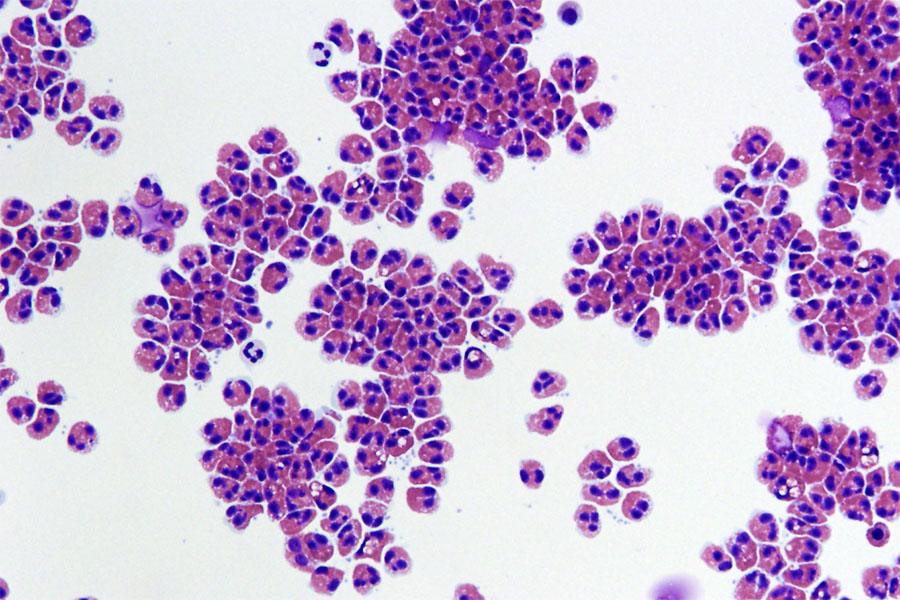
Human eosinophils, a type of white blood cell, are shown isolated from blood. In patients with eosinophilic oesophagitis, these cells store and release packages of inflammatory proteins (red) that can damage the throat and pesophagus. Credit: Julie Caldwell, Cincinnati Children’s Hospital Medical Center

Eosinophils, specialised immune cells, are identified by their distinctive granules that stain red when treated with an acidic reagent, eosin, which gave them their name. Eosinophils are typically rare in blood and tissues, accounting for about 3% of white blood cells. Their biological roles are poorly understood, but recent studies suggest that eosinophils are involved in regulating fat metabolism, repairing certain tissues, and helping fight different infections and cancers. Now, a new study has found that the cytokine Interleukin-5 (IL-5) acts differently on the production of eosinophils than previously believed.

In common diseases such as allergic asthma and rhinosinusitis, eosinophils are abnormally numerous in the blood and tissues, a condition known as eosinophilia. Eosinophilia is a clinical sign that aids in diagnosing these “eosinophil-associated” diseases and guides their treatment. It is known that eosinophilia is driven by increased production of eosinophils by the bone marrow. Since the 1990s, it has also been known that IL-5 is essential for eosinophilia. This led to the development and market introduction of precision therapies targeting IL-5 with monoclonal antibodies to treat severe forms of eosinophilic diseases. However, the effects of IL-5-blocking treatments on eosinophils remain poorly described.

The Laboratory of Cellular and Molecular Immunology (LCMI) of the University of Liege, under the direction of Fabrice Bureau and Christophe Desmet, aimed to better understand the origin of eosinophils and eosinophilia, and the effects of treatments targeting eosinophils. As Christophe Desmet explains, “these questions previously suffered from a too rudimentary definition of the eosinophil development pathway in our bone marrow.” Two doctoral students from the laboratory, Joseph Jorssen and Glenn Van Hulst, combined their talents in bioinformatics and flow cytometry with the help of the Genomics and Flow Cytometry platforms of the GIGA Institute to finely characterise, using different approaches to analyse the surface protein and messenger RNA composition of eosinophils at various stages of their development. Although the mouse remains a reference model, collaboration with the Hematology Department of Liege University Hospital and GIGA also allowed for a very detailed and updated mapping of eosinophil development in human bone marrow, and to observe its conservation through evolution.

This detailed characterisation work, published in the journal Immunity, provides the community with simple-to-use methods and freely accessible bioinformatics data that will greatly facilitate future studies of eosinophils. Using these resources, the same study showed that IL-5 does not act as previously believed by researchers and clinicians. Most thought that IL-5 promoted the maturation of cells destined to become eosinophils and that IL-5-targeting treatments blocked this maturation. “Our study actually supports the opposite hypothesis,” explains Christophe Desmet: IL-5 slows down the maturation of developing eosinophils, allowing them to multiply longer. By stimulating this “transit amplification,” IL-5 promotes eosinophilia, and by inhibiting this process, IL-5-targeting treatments reduce it.

The researchers also showed that interferon response factor-8, considered an essential promoter of leukocyte production, was not intrinsically required for eosinophil production.

This study thus provides resources, methods, and perspectives to understand the origin of eosinophils, the effects of current precision therapies, and the regulation of eosinophil development and numbers in normal and disease conditions.

Source: University of Liège

Differences in Cortical Development Seen for Autistic Boys and Girls

Photo by Ben Wicks on Unsplash

A new study led by UC Davis researchers finds widespread differences in brain development between autistic boys and girls ages 2-13. The study, published recently in Molecular Psychiatry, found sex-specific changes in the thickness of the brain’s cortex, or outer layer.

The findings are notable because so few studies have addressed cortical development in autistic girls, who are diagnosed with autism less often than males. Nearly four males are diagnosed with autism for every one female.

“It is clear that this sex bias is due, in part, to underdiagnosis of autism in females,” said Christine Wu Nordahl, a professor in the Department of Psychiatry and Behavioral Sciences and the UC Davis MIND Institute and a senior author on the paper.

“But this study suggests that differences in diagnosis are not the full story – biological differences also exist.”

The cortex is made up of distinct layers comprised of millions of neurons. Until about age 2, the cortex rapidly thickens as new neurons are created. After this peak, the outer cortical layer thins. Previous studies have found that this thinning process is different in autistic children than non-autistic children, but whether autistic boys and girls share the same differences had not been examined.

“It’s important to learn more about how sex differences in brain development may interact with autistic development and lead to different developmental outcomes in boys and girls,” explained Derek Andrews, lead author on the study and an assistant project scientist in the Department of Psychiatry and Behavioral Sciences and at the MIND Institute.

A changing cortex in childhood

The research team studied the brain scans of 290 autistic children – 202 males and 88 females, and 139 non-autistic, typically developing individuals – 79 males and 60 females.

All participants were in the MIND Institute’s Autism Phenome Project (APP), one of the largest longitudinal autism studies in the world.

The project includes the Girls with Autism Imaging of Neurodevelopment (GAIN) study, launched to increase the number of females represented in research.

The researchers took MRI scans at up to four time periods between the ages of 2 and 13.

They found that at age 3, autistic girls had a thicker cortex than non-autistic girls of the same age, comprising about 9% of the total cortical surface. Differences in autistic males when compared to non-autistic males of the same age were much less widespread.

In addition, when compared to males, autistic females had faster rates of cortical thinning into middle childhood. The cortical differences were present across multiple neural networks.

“We found differences in the brain associated with autism across nearly all networks in the brain,” Andrews said.

He noted that it was a surprise at first that the differences were greatest at younger ages. Because autistic girls had a more rapid rate of cortical thinning, by middle childhood, the differences between autistic males and females were much less pronounced.

“We typically think of sex differences as being larger after puberty. However, brain development around the ages of 2-4 is highly dynamic, so small changes in timing of development between the sexes could result in large differences that then converge later,” Andrews explained.

The importance of long-term studies of both sexes

These findings make it clear that longitudinal studies that include both sexes are necessary, Nordahl said.

“If we had only looked at boys at age 3, we may have concluded that there were no differences. If we had both boys and girls, but only investigated differences at 11 years of age, we may have concluded that there were very few sex differences in the cortex. We needed to follow both boys and girls across development to see the full picture,” she explained.

This was why Nordahl, who now directs the APP, launched the GAIN study in 2014. “The APP had a wonderfully large sample of about 150 autistic boys, but only about 30 autistic girls. This was too few autistic girls to really examine how they might be similar or different to boys, so we worked to increase the representation of autistic females in our research,” she said.

GAIN is unique, and Andrews said he hopes other researchers will follow suit in including more autistic girls in autism research. “Autistic females represent about 20% of the autistic population. Any successful effort to understand autism will need to include autistic females.”

Source: University of California – Davis Health

New Research Dispels Morning Sickness Myths

Photo by Andrea Piacquadio

Late last year, geneticist Marlena Fejzo and colleagues made the discovery that morning sickness’s most serious presentation, hyperemesis gravidarum (HG), is caused by the hormone GDF15, not human chorionic gonadotropin as previously thought. In a peer-reviewed opinion article published in the journal Trends in Molecular Medicine, Fejzo dispels common morning sickness myths and discusses potential treatments, including sensitising people to GDF15 prior to pregnancy, similar to the way we treat allergies.

“HG can be life threatening and is associated with adverse outcomes that need to be taken seriously,” says Fejzo of the Keck School of Medicine of the University of Southern California. “Now that we know that GDF15 is the most likely cause of HG, we are on the cusp of having treatments that target this hormonal pathway and end the suffering.”

Myth 1: Severe morning sickness is harmless and normal

Pregnant people with HG are essentially starving, Fejzo says, and an increasing number of studies have demonstrated that this has serious short- and long-term clinical implications for both the parent and child. HG is a top predictor of postnatal depression, and 26% of pregnant people with HG report suicidal ideation while 18% meet the full criteria for post-traumatic stress disorder.

For the child, HG is associated with preterm birth, low birth weight, and later in life, autism spectrum disorder, ADHD, depression, social problems, in addition to an increased risk of childhood cancer and respiratory and cardiovascular disease. Still, pregnant people with the condition are often dismissed by their clinicians and families.

“It really is like a teratogen in pregnancy, a factor which interferes with normal foetal development, but it’s still not taken seriously by a lot of medical professionals,” Fejzo says. “A lot of people are brushed off and told, ‘oh that’s normal, it’s okay, just don’t take your pre-natal vitamins; you don’t need them.'”

At its most extreme, individuals with HG can develop Wernicke encephalopathy, a life-threatening swelling of the brain due to thymine (vitamin B1) deficiency. Since individuals with HG can have trouble even swallowing vitamins, the American College of Obstetricians and Gynecologists currently recommends that they replace broad spectrum prenatal vitamins with folic acid, but Fejzo warns that this is likely insufficient, and that thiamine supplementation is also warranted for individuals with HG.

“I believe all women who have hyperemesis should be given vitamin B1 to avoid this serious brain swelling that can lead to permanent brain damage and often leads to foetal death,” Fejzo says.

Myth 2: Morning sickness is caused by human chorionic gonadotropic hormone (hCG) or is psychosomatic

Though it was long thought that morning sickness is caused by hCG, the recent breakthrough has shown that HG’s main cause is actually the hormone GDF15, which is part of a normal stress response. Usually, GDF15 is expressed only in very small amounts, but during early pregnancy it spikes by a huge amount, then wanes, and finally rises again during the third trimester.

A recent Nature study co-authored by Fejzo showed that individuals who suffer from HG can have genetic variants that causes them to have lower levels of circulating GDF15 prior to pregnancy, which makes them extra sensitive when they become pregnant and are suddenly exposed to high levels. This finding has clinical implications for preventing and treating HG, since preliminary research suggests that it might be safe to manipulate GDF15 during or even prior to pregnancy.

“GDF15 may be safe to manipulate in pregnancy or even prior to pregnancy,” says Fejzo. “If we can increase levels of GDF15 before someone becomes pregnant, that might desensitise them, similar to how we try to desensitize people to allergens who have severe allergies,” says Fejzo. “And during pregnancy, we may be able to minimise or get rid of symptoms by blocking GDF15 or its receptors in the brain stem.”

Myth 3: Only humans experience morning sickness

Nausea and appetite loss during gestation is not a uniquely human trait – these symptoms have been observed throughout the animal kingdom, from monkeys, dogs, and cats, to chickens, vipers, and octopuses.

“I always think it’s interesting that the recommendation for cats is that if they’re unable to eat for a day, you should contact your veterinarian, but we don’t have that recommendation out there for women with hyperemesis,” says Fejzo. “If you call your doctor’s office and say you haven’t eaten for a day, they’ll say, ‘that’s normal’ and won’t do anything. There’s more proactive care for cats than humans.”

In addition to preventing ingestion of harmful foods, Fejzo speculates that pregnancy-induced nausea likely evolved to prevent dangerous foraging trips.

“This condition likely evolved because it was probably beneficial to avoid going out searching for food during pregnancy,” says Fejzo. “That may still be true for animals, but people don’t need this anymore, so let’s end the suffering once and for all if we can.”

Now, Fejzo is working toward developing and testing the proposed GDF15-based treatments. She also plans to investigate other genes and variants of GDF15 that might contribute to HG.

Source: Science Daily