A Journal of Internal Medicine study compared people who drank tea against those who did not, and found had a lower risk of vascular disease.
Among 485 934 adults in China followed for a median of 9.05 years, there were 14 863 cases of cardiovascular disease, cerebrovascular disease, pulmonary heart disease, and peripheral artery disease. Regular tea consumption was linked with an 11% lower risk of experiencing these outcomes. The lowest risk was estimated at approximately 6–8 cups per day among weekly drinkers.
Black tea showed more consistent inverse associations with vascular disease than green tea. Regarding strength, moderate-strength tea was associated with the lowest risk. Interestingly, “burning hot” tea was associated with an elevated risk of vascular disease.
“Joint analyses showed that tea consumption, smoking status and physical were collectively associated with vascular risk, with the favourable combination of habitual tea consumption, non-current smoking and high physical activity associated with the lowest risk,” the authors wrote.
People with multiple sclerosis (MS) who are treated with rituximab have an increased risk of developing inflammatory bowel disease (IBD), particularly Crohn’s disease, although the absolute risk remains low. This is according to the first large population-based study in the field, led by researchers at Karolinska Institutet and published in JAMA Neurology.
Rituximab belongs to a group of drugs known as anti-CD20 therapies and is currently the most used disease-modifying treatment for MS in Sweden. As the use of anti-CD20 therapies has increased, cases of inflammatory bowel disease have been reported among patients receiving these treatments, raising concerns among neurologists. Until now, however, evidence from large studies has been lacking. The new study is the first population-based study to systematically investigate the association.
The researchers analysed nearly 14 000 treatment episodes among people with relapsing-remitting MS, using data from Swedish registers. They compared rituximab with three other highly effective MS treatments: natalizumab, dimethyl fumarate and fingolimod.
Inflammatory bowel disease was more common among people treated with rituximab than among those receiving any of the other three treatments, even after differences in follow-up time were taken into account. After adjusting for other differences between the groups, the researchers found that the risk was around ten times higher with rituximab than with the other MS treatments.
Few patients developed the disease
Despite the increased relative risk, the absolute risk remained low. Fewer than two per cent of patients in any of the treatment groups developed inflammatory bowel disease within ten years of starting treatment. The increase in risk corresponded to approximately one additional case for every 131 patients treated with rituximab for five years rather than with one of the other treatments. Most of the cases were Crohn’s disease.
“This is the first large study to quantify the risk of inflammatory bowel disease associated with anti-CD20 treatment for MS. The results show that this is a potential adverse effect that should be considered when choosing an MS treatment. At the same time, the increased risk needs to be weighed against the benefits for the individual patient. Anti-CD20 drugs are among the most effective treatments for preventing MS relapses,” says Peter Alping, researcher at the Department of Medicine, Solna, and last author of the study.
See the scientific article for information about funding and potential conflicts of interest.
In adults with septic shock undergoing surgical source control, a new study found that adding intraoperative dobutamine to norepinephrine reduces the risk of acute kidney injury (AKI) over norepinephrine alone.
International guidelines recommend dobutamine for management of septic shock and cardiac dysfunction with persistent hypoperfusion in adults, but this is based on very low–certainty evidence, and there is even less for dobutamine plus norepinephrine.
Norepinephrine is a potent vasoconstrictor and can decrease regional renal blood flow, potentially increasing AKI risk. Conversely, the role of dobutamine in septic AKI prevention “has remained controversial,” the researchers noted in their study published in JAMA. While dobutamine can increase renal blood flow and glomerular filtration rate, some prior observational studies suggested an association with greater AKI progression or need for kidney replacement therapy (KRT).
Open-label randomised clinical trial
The researchers therefore conducted a multicentre, open-label, randomised clinical trial conducted across 39 tertiary hospitals in China, from June 2024 to August 2025). Adults with septic shock requiring surgical source control of anticipated duration > 1 hour were eligible. Key exclusions included recent use of dobutamine, levosimendan, epinephrine, or recombinant human B-type natriuretic peptide.
Of 714 patients screened, 584 were randomised 1:1 (stratified by site): 290 to dobutamine plus norepinephrine and 294 to norepinephrine alone. Median age was 67.5 years (IQR 55–76); 32.9% were female. Most patients had preoperative septic shock; common procedures involved gastrointestinal perforation (41.8%) or obstruction (29.6%).
Norepinephrine was titrated in both arms to a target mean arterial pressure of 65 mm Hg. In the intervention arm, dobutamine was initiated at 5 µg/kg/min intraoperatively (with dose reduction or discontinuation for tachycardia or arrhythmia). Treatment began after induction for preoperative shock or after recognition of intraoperative shock.
The primary outcome was New-onset AKI or worsening of preoperative AKI (by ≥1 Kidney Disease: Improving Global Outcomes [KDIGO] stage) within 7 postoperative days. This occurred in 66/290 (22.8%) patients receiving dobutamine plus norepinephrine versus 102/294 (34.7%) receiving norepinephrine alone (adjusted risk ratio 0.64; 95% CI 0.49–0.83; P = .001). Absolute risk reduction was approximately 11.9 percentage points.
The benefit was driven mainly by reductions in stage 2 (4.8% vs 9.9%; ARR 0.48) and stage 3 (7.9% vs 13.6%; ARR 0.56) AKI. Stage 1 rates were similar. Secondary outcomes: SOFA score on postoperative day 1 was lower (adjusted difference −0.53; 95% CI −0.98 to −0.07) and urine output 1 hour after intervention start was higher (adjusted difference +0.55 mL/kg/h; 95% CI 0.03–1.07) with combination therapy. No significant differences were seen in most other secondary outcomes, including mortality, kidney replacement therapy, or length of stay.
Adverse events included tachycardia being more common (≈41% with dobutamine plus norepinephrine vs 30%). Other reported cardiovascular events were similar between groups.
The researchers concluded that “While hypothesis generating, these data suggest an opportunity to explore dobutamine treatment response heterogeneity across different clinical subtypes.”
Limitations of the study include being an open-label trial and largely restricted to Chinese patients and settings.
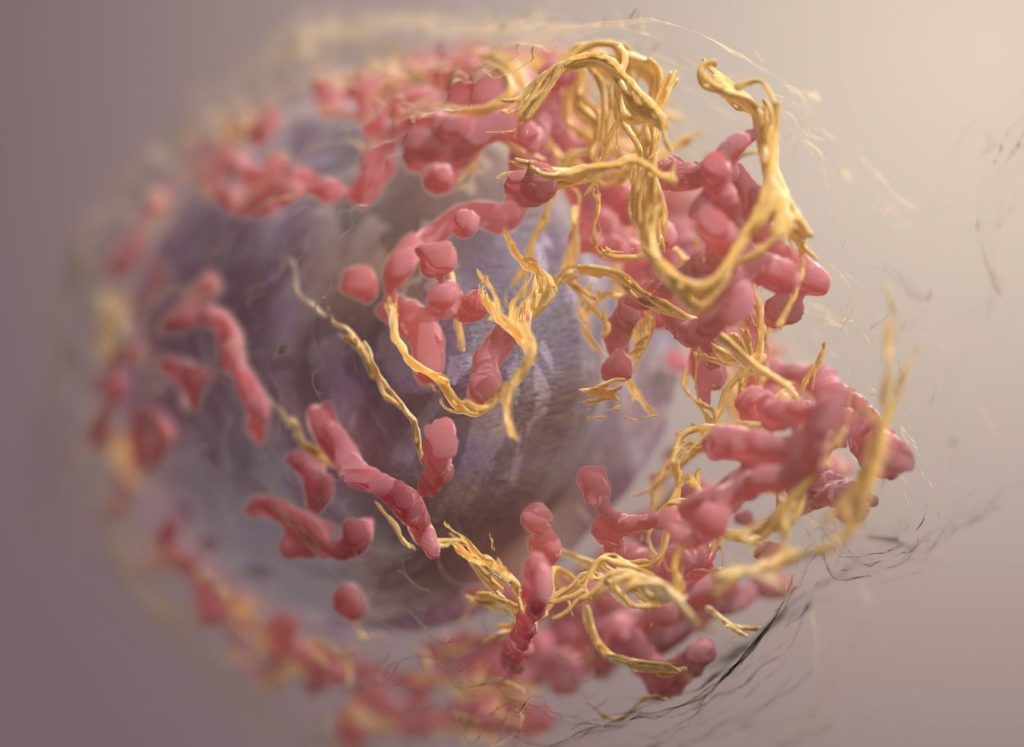
3D structure of a melanoma cell derived by ion abrasion scanning electron microscopy. Credit: Sriram Subramaniam/ National Cancer Institute
Melanoma is one of the most difficult cancers to treat due to its resistance to targeted drug therapies. But a new study from the University of Markey Cancer Center shows that the cancer is playing offence as well as defence: In addition to forming resistance against the MAPK inhibitors that are commonly used to treat it, the cancer also actively suppresses the immune cells that would otherwise help eliminate it.
The study, published in Nature Communications, identified two cell proteins known as ABL1 and ABL2 as key drivers of both processes. These proteins help control cell functions such as growth, survival and communication with other cells, leading to tumour growth when they become overactive. In melanomas, they help the cells keep growing despite treatment by reactivating the growth signals. Meanwhile, they can also trigger a signal that recruits immune-suppressing cells while keeping cancer-fighting T-cells at bay.
“These findings reveal that treatment resistance isn’t happening only inside the melanoma cell,” said UK College of Medicine researcher Rakshamani Tripathi, Ph.D. “ABL1 and ABL2 also help reshape the tumour’s immune environment, essentially creating another layer of protection that allows the cancer to survive therapy.”
But scientists are working on a new play: Nilotinib is a drug that is Food and Drug Administration-approved for chronic myeloid leukaemia, and it works by blocking ABL proteins. Markey researchers have used nilotinib against multiple melanoma cell lines in preclinical testing models, with encouraging results: It shut down the proteins’ growth and survival signals and reduced the cancer’s ability to attract immune-suppressing cells, which allowed T-cells to return.
These findings confirm melanoma’s ABL proteins as a therapeutic target, opening up new possibilities for effective treatment.
“What makes this approach promising is the possibility of attacking resistance from two directions by blocking the cancer’s survival signals while allowing the immune system to reengage,” said Rina Plattner, PhD, professor in the UK College of Medicine Department of Pharmacology and Nutritional Sciences. “Our results provide a strong rationale for continuing to study this strategy and translating it into clinical care.”
Putting Caregiver Wellbeing at the Heart of In-home Support
Photo by Kampus Production on Pexels
By Roxanne Cordes – National Homecare Administrator at Allmed Healthcare Professionals
When a loved one needs care, the focus is naturally centred on them. Are they safe? Are their needs being met? Do they have the right support? These questions are important, but there is another person at the heart of the care arrangement whose needs can sometimes be overlooked: the caregiver. Whether supporting an older person at home, caring for someone recovering from illness or working with people living with conditions such as dementia, caregivers carry significant physical and emotional demands of their own. The level of support they receive can have a direct impact on the quality of care provided.
The reality of caregiving
Caregivers play an indispensable role in healthcare, often becoming a constant presence in a client’s daily life. Their responsibilities can range from personal care, dressing and mobility to preparing meals and providing companionship. They may also support people living with dementia or recovering from major surgery, where patience and reassurance are as important as practical assistance. The physical demands of caregiving can be considerable. A typical day may involve lifting and transferring, assisting with mobility, managing equipment and responding to changes in a client’s condition. Needs and moods can also shift throughout the day, requiring constant attention and adaptability. For those providing live-in or in-home care, there may be little opportunity to step away when circumstances become challenging.
The emotional demands can be just as significant. Dementia can bring confusion, fear, frustration and distress, sometimes resulting in angry or hurtful responses. Caregivers need to recognise these reactions as part of the condition rather than taking them personally. Close relationships often develop over time, making illness, decline or loss particularly difficult to process.
Homecare can bring another challenge: isolation. Unlike caregivers in residential facilities, those working in private homes may spend much of the day without colleagues nearby to share concerns or seek advice. Regular contact and accessible support give caregivers a place to raise concerns, discuss changes and seek guidance before challenges become more difficult to manage.
Supporting the person behind the care
Caregiver wellbeing is closely linked to the realities of delivering care, which can be physically demanding and emotionally draining, particularly over time. While this does not mean a difficult day will compromise care, it does highlight the importance of having the right support in place.
That support needs to be practical. Regular check-ins give caregivers a chance to talk through concerns, ask questions and flag changes in a client’s needs before they become more difficult to manage. Clear access to appropriate healthcare professionals and support structures is just as important, particularly when something falls outside the caregiver’s responsibilities. This could include GPs, nurses or other healthcare professionals involved in the client’s care. In a private home, where there may be no colleagues nearby, knowing exactly who to contact can provide valuable reassurance.
Training provides another layer of support. Clear responsibilities, practical skills and ongoing development help caregivers understand what is expected of them and where they need to involve someone else. This is particularly important in homecare, where much of the work happens independently.
Caregiver wellbeing is part of quality care
Care does not happen in isolation. It is a circle involving the person receiving care, the caregiver, family members and the wider healthcare team. Each part of that circle affects the others, which means supporting the caregiver is also part of supporting the person in their care.
A caregiver with the right training, clear responsibilities and access to guidance is better positioned to respond when needs change or a situation becomes difficult. The same applies to emotional support. Having someone to turn to can make it easier to manage the pressures of the role rather than trying to carry every challenge alone.
For healthcare organisations and families arranging in-home support, this means looking deeper than whether immediate care needs are being met. Are caregivers able to raise concerns and ask questions? Do they know who to contact when professional guidance is needed? Are they receiving the training and support required for the role? These considerations are not separate from quality care. They are part of creating a care environment where everyone involved is supported.
Making a year-round commitment
Carers Week offers a vital moment to celebrate those who dedicate their lives to helping others. But caregiver wellbeing cannot be a once-a-year conversation. A truly sustainable care model starts with three simple principles:
When caregivers are supported, care is stronger: The right training, guidance and support help caregivers respond to changing needs with confidence and compassion.
Good support happens every day: Regular communication, professional guidance and ongoing learning give caregivers the practical support they need throughout their careers.
The human side of caregiving matters: Care is built on patience, empathy and relationships as much as practical skills. Recognising the emotional demands of the role is part of recognising the work itself.
Good care ultimately depends on the people providing it. If we want to create safe, respectful experiences for our loved ones, we must also support the professionals who help hold the circle of care together.
A new drug is effective at decreasing recurrence of and death from endometrial cancer, a landmark international study shows. The drug, called sacituzumab tirumotecan (sac-TMT), attaches to a protein on the surface of tumour cells and then delivers a targeted dose of a chemical that leads to cancer cell death.
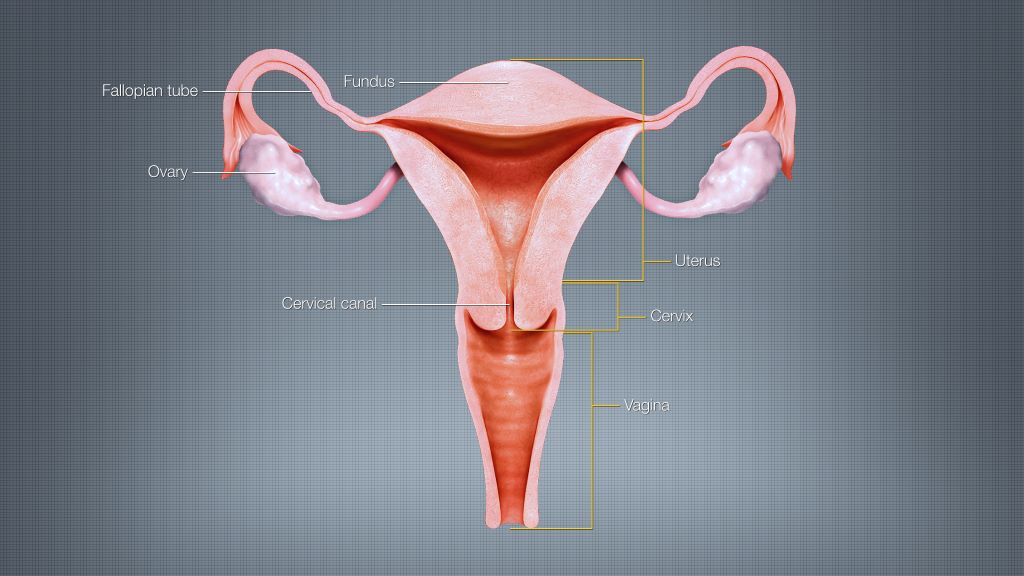
Cancers of the endometrium are the most common in the female reproductive system. They are becoming more deadly and have few effective treatment options, especially if diagnosed late, researchers say. Moreover, until now, no standard therapies have existed to prevent or stall its recurrence after initial chemotherapy and immunotherapy.
In the phase 3 TroFuse-005/ENGOT-en23/GOG-3095 trial (NCT06132958), sac-TMT reduced the risk of progression by 41% and death by 32% versus chemotherapy in patients with advanced or recurrent endometrial cancer previously treated with chemotherapy plus pembrolizumab.
Objective response rates were 35.1% with sac-TMT versus 17.3% with chemotherapy. Common adverse events included anaemia, neutropenia, stomatitis and ocular toxicity, described as manageable. The antibody–drug conjugate targets Trop-2, which is highly expressed on endometrial cancer cells.
Results were presented at ESMO 2026 and published simultaneously in The Lancet. Dr Bhavana Pothuri (NYU Grossman School of Medicine) stated that the findings establish sac-TMT as a new standard after immunotherapy and will require guideline reassessment. Dr Michelle Lightfoot noted the particular relevance for aggressive subtypes that disproportionately affect Black patients, who have roughly double the mortality risk. The drug may also be relevant to other Trop-2-overexpressing tumours (lung, breast, ovary, gastrointestinal).