

Putting Caregiver Wellbeing at the Heart of In-home Support
By Roxanne Cordes – National Homecare Administrator at Allmed Healthcare Professionals
When a loved one needs care, the focus is naturally centred on them. Are they safe? Are their needs being met? Do they have the right support? These questions are important, but there is another person at the heart of the care arrangement whose needs can sometimes be overlooked: the caregiver. Whether supporting an older person at home, caring for someone recovering from illness or working with people living with conditions such as dementia, caregivers carry significant physical and emotional demands of their own. The level of support they receive can have a direct impact on the quality of care provided.
The reality of caregiving
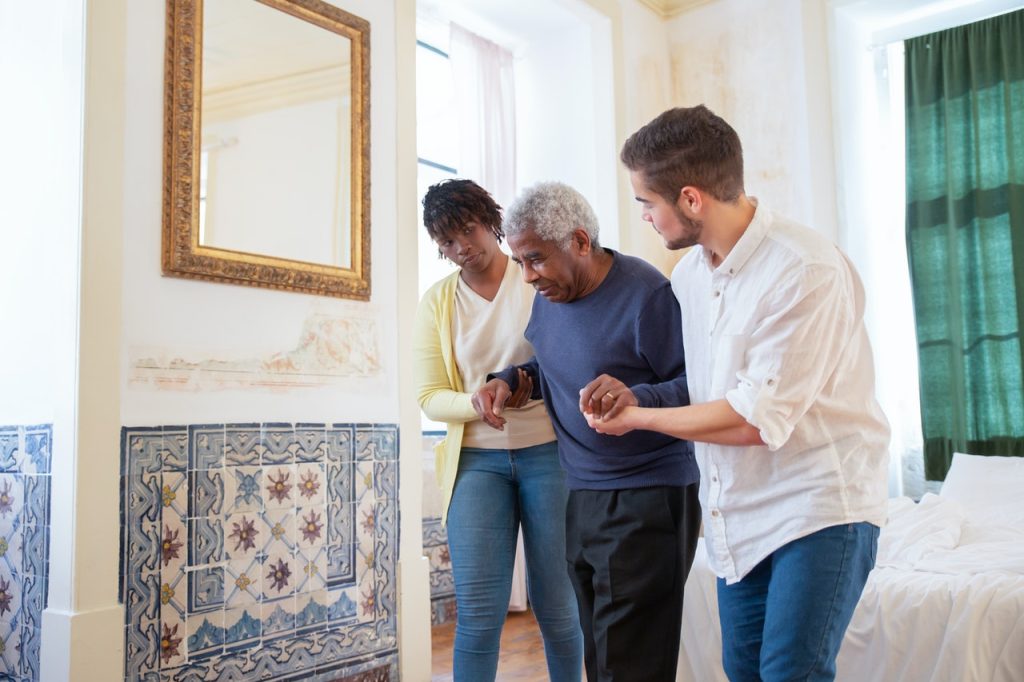
Caregivers play an indispensable role in healthcare, often becoming a constant presence in a client’s daily life. Their responsibilities can range from personal care, dressing and mobility to preparing meals and providing companionship. They may also support people living with dementia or recovering from major surgery, where patience and reassurance are as important as practical assistance. The physical demands of caregiving can be considerable. A typical day may involve lifting and transferring, assisting with mobility, managing equipment and responding to changes in a client’s condition. Needs and moods can also shift throughout the day, requiring constant attention and adaptability. For those providing live-in or in-home care, there may be little opportunity to step away when circumstances become challenging.
The emotional demands can be just as significant. Dementia can bring confusion, fear, frustration and distress, sometimes resulting in angry or hurtful responses. Caregivers need to recognise these reactions as part of the condition rather than taking them personally. Close relationships often develop over time, making illness, decline or loss particularly difficult to process.
Homecare can bring another challenge: isolation. Unlike caregivers in residential facilities, those working in private homes may spend much of the day without colleagues nearby to share concerns or seek advice. Regular contact and accessible support give caregivers a place to raise concerns, discuss changes and seek guidance before challenges become more difficult to manage.
Supporting the person behind the care
Caregiver wellbeing is closely linked to the realities of delivering care, which can be physically demanding and emotionally draining, particularly over time. While this does not mean a difficult day will compromise care, it does highlight the importance of having the right support in place.
That support needs to be practical. Regular check-ins give caregivers a chance to talk through concerns, ask questions and flag changes in a client’s needs before they become more difficult to manage. Clear access to appropriate healthcare professionals and support structures is just as important, particularly when something falls outside the caregiver’s responsibilities. This could include GPs, nurses or other healthcare professionals involved in the client’s care. In a private home, where there may be no colleagues nearby, knowing exactly who to contact can provide valuable reassurance.
Training provides another layer of support. Clear responsibilities, practical skills and ongoing development help caregivers understand what is expected of them and where they need to involve someone else. This is particularly important in homecare, where much of the work happens independently.
Caregiver wellbeing is part of quality care
Care does not happen in isolation. It is a circle involving the person receiving care, the caregiver, family members and the wider healthcare team. Each part of that circle affects the others, which means supporting the caregiver is also part of supporting the person in their care.
A caregiver with the right training, clear responsibilities and access to guidance is better positioned to respond when needs change or a situation becomes difficult. The same applies to emotional support. Having someone to turn to can make it easier to manage the pressures of the role rather than trying to carry every challenge alone.
For healthcare organisations and families arranging in-home support, this means looking deeper than whether immediate care needs are being met. Are caregivers able to raise concerns and ask questions? Do they know who to contact when professional guidance is needed? Are they receiving the training and support required for the role? These considerations are not separate from quality care. They are part of creating a care environment where everyone involved is supported.
Making a year-round commitment
Carers Week offers a vital moment to celebrate those who dedicate their lives to helping others. But caregiver wellbeing cannot be a once-a-year conversation. A truly sustainable care model starts with three simple principles:
- When caregivers are supported, care is stronger: The right training, guidance and support help caregivers respond to changing needs with confidence and compassion.
- Good support happens every day: Regular communication, professional guidance and ongoing learning give caregivers the practical support they need throughout their careers.
- The human side of caregiving matters: Care is built on patience, empathy and relationships as much as practical skills. Recognising the emotional demands of the role is part of recognising the work itself.
Good care ultimately depends on the people providing it. If we want to create safe, respectful experiences for our loved ones, we must also support the professionals who help hold the circle of care together.
